Whether a Fluffy Corgi Has Different Health Risks
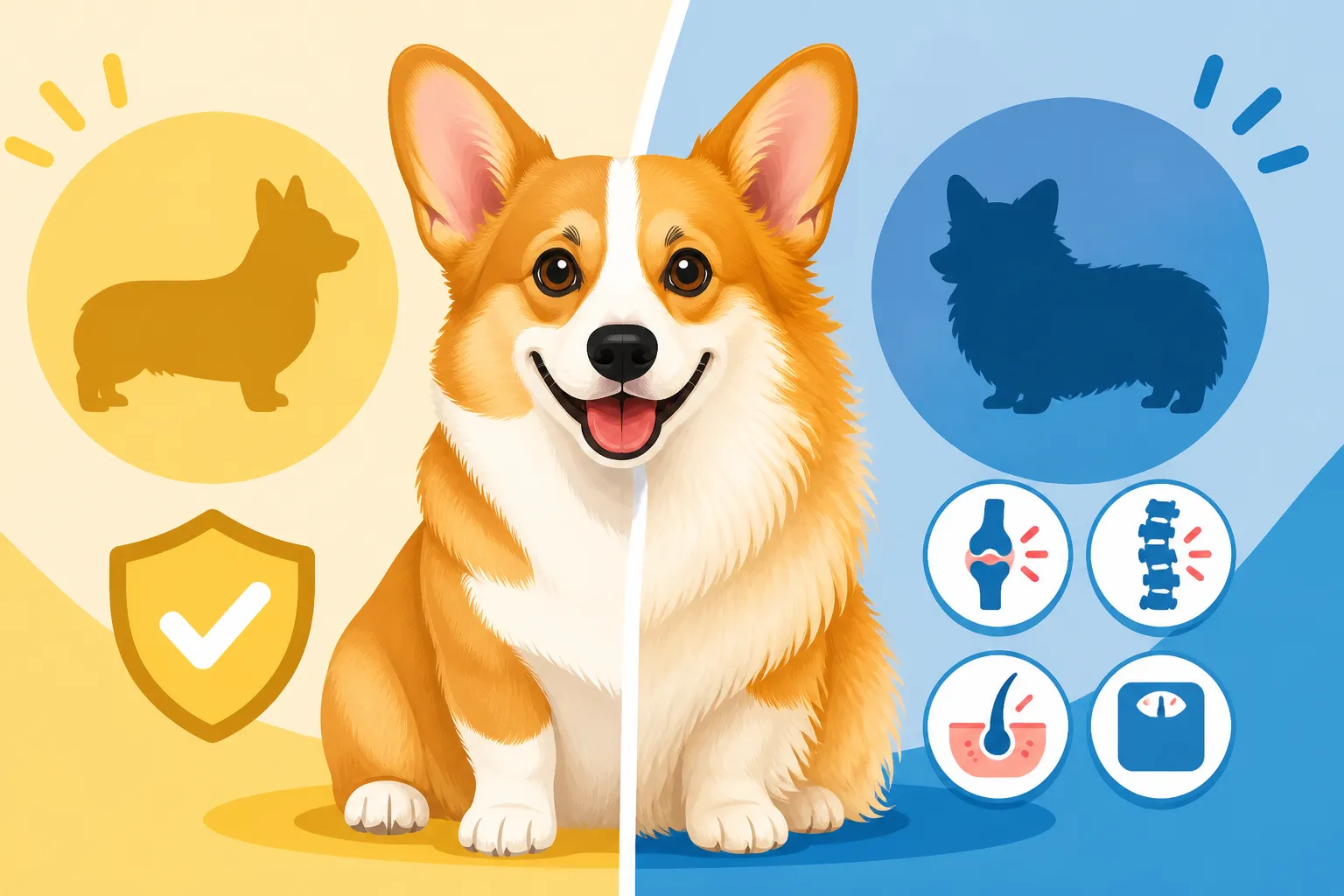
When you first lay eyes on a fluffy Corgi, with that extra cloud of soft, luxurious fur, it’s easy to be completely charmed. They’re adorable, like walking teddy bears! But beneath that undeniably cute exterior, a common concern often bubbles up for prospective and current owners: does all that fluff mean they’re prone to different or more health problems than their standard-coated counterparts? It's a valid question, and one we're going to dive deep into today, dispelling myths and offering practical advice to keep your fluffy friend thriving.
Decoding the "Fluffy" Gene in Corgis
Let’s start by understanding what a "fluffy" Corgi actually is. It's not a different breed, or even necessarily a mixed breed, but rather a genetic variation within the Pembroke Welsh Corgi or Cardigan Welsh Corgi breed. This luscious, longer coat is the result of a recessive gene, known as the FGF5 gene mutation. Both parents must carry this gene for a fluffy puppy to be born. If only one parent carries it, the puppies won't be fluffy themselves but might carry the gene for future generations.
The standard Corgi coat is a double coat, known for its weather-resistant qualities, with a dense undercoat and a coarser outer coat. A fluffy Corgi, however, has a significantly longer, softer, and often wavy or feathery outer coat. This coat lacks the harsh texture of the standard Corgi, and while it's visually stunning, it does come with some unique considerations for owners.
From a purely genetic health perspective, the fluffy gene itself is a cosmetic trait. It doesn't inherently cause diseases like hip dysplasia, Degenerative Myelopathy and the Corgi, or eye conditions. Think of it like a human having curly hair versus straight hair – it changes appearance and care, but doesn't dictate health status. The health risks that a fluffy Corgi might face are generally the same as any other Corgi, but the fluffy coat can influence how these risks are managed or how symptoms might present. For instance, while a fluffy Corgi doesn't have different underlying issues, you might find that you spend more time and effort on specific aspects of their care.
Unique Grooming Demands and Secondary Skin Issues
The most significant difference when owning a fluffy Corgi lies in their grooming needs. That long, soft fur, while beautiful, is a magnet for dirt, debris, and, most notably, mats. Neglecting proper grooming for even a short period can lead to serious skin and coat problems, which then can become health issues.
Battling Mats and Tangles
Standard Corgis shed, and boy do they shed! But their coarser guard hairs tend to resist matting more easily than the fine, long fur of a fluffy Corgi. A fluffy Corgi's coat, especially around the ears, armpits, behind the legs, and in their "trousers" (the fur on their hindquarters), can tangle and mat very quickly. These mats aren't just unsightly; they can pull on the skin, causing pain and discomfort. Severe matting can restrict movement, making it painful for your Corgi to walk, run, or even lie down comfortably.
If moisture gets trapped under mats, it creates a perfect breeding ground for bacteria and yeast, leading to painful skin infections and hot spots. These can be incredibly itchy and frustrating for your dog, often requiring veterinary intervention with antibiotics or anti-fungal medications. This is where the fluff can indirectly lead to more vet visits if not diligently managed. Regular, thorough brushing is not just about aesthetics; it's a critical preventative health measure for a fluffy Corgi. A good pin brush, a slicker brush, and a sturdy comb are your best friends. Aim for daily brushing, or at least every other day, to keep those tangles at bay. You'll quickly learn how much hair a twenty-eight pound Corgi drops, and it's even more noticeable with the fluffy varieties!
Heat Management Challenges
Corgis, by nature, have a dense double coat designed for insulation – keeping them warm in winter and helping regulate body temperature in summer. However, the extra length and density of a fluffy Corgi's coat can make them more susceptible to overheating. The standard advice against shaving a Corgi's double coat applies even more rigorously to fluffy Corgis. Shaving can disrupt the natural cooling system, lead to improper regrowth, and damage the coat permanently. Instead, focus on meticulous grooming to remove loose undercoat, which helps with air circulation.
During warmer months, or in hot climates, a fluffy Corgi needs extra precautions. Limit outdoor exercise to early mornings or late evenings when temperatures are cooler. Always provide ample fresh water and access to shade. Monitor them closely for signs of Heat Stroke Signs in a Corgi, such as excessive panting, drooling, weakness, or stumbling. A good quality cooling mat can be a lifesaver indoors. The dense coat, especially on the belly, can also get wet and stay damp longer after walks in dewy grass or rain, increasing the risk of skin irritation if not dried thoroughly.
Common Corgi Health Risks and Fluffy Coat Interactions
Beyond the coat-specific concerns, fluffy Corgis are still Corgis through and through, meaning they share the same predispositions to certain breed-specific health issues. The fluffy coat doesn't magically protect them from these, nor does it typically worsen the underlying genetic conditions, but it can sometimes make observation or treatment a bit more challenging.
Spinal Health Concerns
Corgis are chondrodystrophic breeds, meaning they have disproportionately short legs and long backs. This makes them highly susceptible to Intervertebral Disc Disease (IVDD), a condition where the discs between the vertebrae bulge or rupture, causing pain, nerve damage, and potentially paralysis. Disc Disease in a Long-Backed Corgi is a very real concern for all Corgis.
A fluffy coat doesn't change the anatomy of the spine, but the extra fur can sometimes make it harder to spot subtle changes in gait or posture that might indicate back pain. For example, a Corgi might subtly shift its weight or hold its tail differently to compensate for discomfort, and a thick, long coat could obscure these minor cues. It's crucial for fluffy Corgi owners to be extra vigilant and regularly check their dog's body for any tenderness or unusual reactions. The Age Corgi Disc Problems Usually Appear is typically between 4-7 years, so consistent observation is key.
Key Corgi Health Risks & Fluffy Coat Considerations
| Health Risk | Description | Fluffy Coat Interaction | Management Tips |
|---|---|---|---|
| IVDD (Disc Disease) | Degeneration/rupture of spinal discs, causing pain, weakness, paralysis. Common in long-backed breeds. | Fluffy coat doesn't cause IVDD, but can obscure subtle signs of pain or neurological deficits (e.g., altered gait, muscle atrophy). | Prevent jumping on/off furniture, use ramps (like Ramps and Steps That Save a Corgi's Back), maintain a healthy weight, regular vet checks. Be extra observant for changes in movement. |
| Obesity | Excess body fat, exacerbates spinal issues, joint problems, and other health risks. | Thick fur can hide weight gain, making it harder to visually assess body condition. Owners might underestimate how much fat is under the fluff. | Monitor The Body Condition Score a Corgi Should Hold by feeling, not just looking. Precise portion control, appropriate exercise. Regular weighing at home or vet. |
| Hip & Elbow Dysplasia | Genetic conditions where hip/elbow joints develop abnormally, leading to arthritis and pain. | Fluffy coat has no direct impact on joint development but can mask early signs of lameness or muscle wasting around affected joints. | Choose reputable breeders who perform Corgi Hip Scores and What They Mean and elbow screenings. Maintain healthy weight, appropriate exercise, quality diet, and consider joint supplements if recommended by your vet. |
| Skin Issues (Hot Spots, Pyoderma) | Bacterial/yeast infections, allergies, secondary to moisture trapped in dense fur or inadequate drying. | Significantly higher risk due to matting, trapped moisture, and debris in the long, dense coat. Can escalate quickly if not addressed. | Daily grooming, thorough drying after baths or wet walks, regular checks for skin redness/irritation. Use veterinarian-recommended shampoos if needed. |
| Heat Intolerance | Inability to regulate body temperature effectively, leading to overheating and heatstroke. | Increased risk due to the extra insulation provided by the long, dense fluffy coat. Can quickly become dangerous in warm weather. | Avoid exercise during hot parts of the day, provide shade and water, use cooling mats. Never shave the coat, as it interferes with natural temperature regulation. |
| Eye Conditions (e.g., PRA) | Genetic conditions leading to vision impairment or blindness. | Fluffy coats generally have no direct link. However, longer fur around the eyes could potentially trap debris or cause irritation if not trimmed, though this is rare. | Regular veterinary eye exams, especially if there's a family history. Trimming stray hairs around the eyes carefully to prevent irritation. |
| Degenerative Myelopathy (DM) | Progressive neurological disease affecting the spinal cord, leading to hind limb weakness and paralysis. | Fluffy coat has no direct impact on the disease progression itself, as DM is a neurological issue, but it could, in rare cases, make very subtle early signs harder to spot. | Responsible breeders test for the DM gene. While Why a Corgi Carrying the DM Gene Usually Stays Well is often the case, being aware of genetic status is important. If symptoms appear, What a Neurologist Checks in a Corgi can help differentiate from disc disease. |
| Von Willebrand Disease (vWD) | A genetic bleeding disorder. | No direct connection to the fluffy coat, but like any Corgi, requires awareness before surgeries or injuries. | Responsible breeders test for vWD. Inform your vet before any procedures if your Corgi is a carrier or affected. |
Obesity and Weight Management
Corgis, regardless of coat type, are notoriously prone to weight gain. Their charming, food-motivated personalities make it all too easy to overfeed them, and their short legs mean they don't burn calories as quickly as some other breeds. Why Corgi Weight Is a Spinal Problem cannot be overstated; extra pounds put immense strain on their already delicate backs, exacerbating IVDD risk and joint issues.
With a fluffy Corgi, assessing their true body condition can be tricky. That thick, plush fur can mask excess weight, making a round Corgi appear merely "well-padded" or "fluffy" rather than overweight. Owners might unknowingly allow their fluffy Corgi to carry too many pounds because they can't easily see their ribs or waistline. It’s vital to use your hands to feel your Corgi's body. You should be able to feel their ribs easily without pressing hard, and they should have a discernible waist when viewed from above. Regularly weighing your Corgi at home or at your vet’s office is a simple yet effective way to stay on top of their weight. Portion control and measured meals are non-negotiable for a Corgi's long-term health.
Genetic Health Screening
It's crucial to remember that the fluffy coat gene is separate from other genetic health conditions common in Corgis. Responsible breeders, whether they produce standard or fluffy coated Corgis, should always conduct comprehensive genetic health screenings. This includes testing for conditions like Degenerative Myelopathy (DM), Von Willebrand Disease (vWD), and Progressive Retinal Atrophy (PRA). They should also have their breeding dogs evaluated for hip and elbow dysplasia.
A fluffy Corgi from health-tested parents is no more prone to these underlying genetic diseases than a standard-coated Corgi from similar parentage. The real risk comes from breeders who don't prioritize health testing, regardless of coat type. Always ask to see the health clearances for both parents of any puppy you consider bringing home. This due diligence is critical for ensuring your fluffy friend has the best chance at a long, healthy life. The DNA Tests a Corgi Breeder Should Run are non-negotiable for ethical practices.
Proactive Care for Your Fluffy Corgi
Owning a fluffy Corgi requires a commitment to proactive care, particularly in grooming, but the rewards are immense. These dogs are full of personality and joy, and with the right approach, their fluffy coats can be a delightful feature rather than a health concern.
Establishing a Robust Grooming Routine
For a fluffy Corgi, grooming isn't an occasional chore; it's a daily ritual. Invest in high-quality grooming tools: a good slicker brush, an undercoat rake, and a metal comb are essential. Regular brushing helps remove loose hair, prevents mats, and stimulates blood circulation in the skin. During shedding seasons, which Corgis experience year-round but with heavier blows twice a year, you'll need to step up your game even more. Brushing a Corgi Daily Through a Shed is paramount.
Bathing should be done as needed, perhaps every 4-6 weeks, or more frequently if your Corgi gets particularly dirty. Use a dog-specific shampoo and conditioner to keep the coat healthy. The key is to ensure the coat is thoroughly rinsed and, most importantly, completely dried. A powerful dog dryer can be a worthy investment to ensure the dense undercoat is dry, preventing moisture-related skin issues. Some owners opt for professional grooming every few months to help manage the coat, especially during heavy shedding periods.
Environmental Adjustments and Preventative Measures
Because of their long backs and propensity for IVDD, all Corgis benefit from environmental modifications to protect their spines. For a fluffy Corgi, these are just as crucial. Consider ramps for accessing sofas, beds, or vehicles, and block off stairs if your Corgi is prone to leaping up and down them. Hardwood or tile floors can be slippery and dangerous for Corgis; runners or rugs can provide better traction. Flooring Changes a Corgi Owner Makes can significantly reduce stress on a Corgi's back.
Regarding heat sensitivity, always provide a cool, shaded resting area, especially outdoors. If you live in a hot climate, a small wading pool or a sprinkler might be a fun way for your Corgi to cool down, just remember to dry them thoroughly afterward!
Regular Veterinary Check-ups and Insurance
Routine veterinary care is vital for all dogs, and fluffy Corgis are no exception. Annual check-ups allow your vet to monitor their overall health, assess their weight, check their teeth, and discuss any concerns you might have. Your vet can also help you develop a personalized weight management plan if needed and provide advice on coat care.
Considering the breed's predisposition to spinal and joint issues, pet insurance can be a wise investment. Companies like Healthy Paws offer comprehensive coverage that can help mitigate the significant costs associated with diagnostics and treatments for conditions like IVDD or other unexpected illnesses or accidents. Getting a policy early, ideally when your Corgi is a puppy, ensures that any future conditions aren't considered pre-existing. This is especially important for Corgis, given The Corgi Bills That Come With a Long Back. Having a plan in place with a reliable provider like Healthy Paws can provide immense peace of mind should your fluffy Corgi ever face a serious health challenge.
Ultimately, a fluffy Corgi can live just as healthy and happy a life as any standard-coated Corgi. The primary difference lies in the owner's commitment to understanding and managing their unique grooming needs. By being diligent with brushing, mindful of their weight, proactive with vet care, and choosing a reputable breeder, your fluffy Corgi will thrive, bringing endless joy and that distinctive, adorable charm to your home.
Disclaimer
This article is intended for informational purposes only and does not constitute veterinary advice. Always consult with a qualified veterinarian for any health concerns or before making any decisions about your Corgi's care.