What a Neurologist Checks in a Corgi
When your beloved Corgi starts showing subtle changes in their movement or behavior – a slight wobble, a paw dragging, or maybe just a different way of holding their head – it’s natural to feel a knot of anxiety tighten in your stomach. These little dogs are known for their lively personalities and distinctive waddle, so any deviation can be incredibly concerning. This guide will walk you through what to expect when a veterinary neurologist examines your Corgi, demystifying the process and helping you understand the specialized care your furry friend might need.
When to Consider a Neurologist for Your Corgi
It’s a tough call, isn't it? You know your Corgi better than anyone, and sometimes those tiny, almost imperceptible changes are the ones that ring the loudest alarm bells. Often, you'll start with your regular veterinarian, who might then suggest a referral to a specialist if they suspect a neurological issue. Knowing when to push for that specialist visit, or even what signs warrant it, can feel overwhelming.
Recognizing Early Signs of Neurological Problems
Neurological problems in Corgis can manifest in a myriad of ways, from incredibly subtle to overtly dramatic. It's not always a sudden paralysis; sometimes it's a gradual decline that you only notice over weeks or months. For instance, you might notice your Corgi A Corgi That Scuffs Its Back Nails on walks, or perhaps their back legs seem to cross over each other more frequently when they're trotting along. These are often early indicators that something isn't quite right with their proprioception – their sense of where their body parts are in space.
Other signs can include a reluctance to jump onto the sofa or into the car, which they used to do with gusto. They might cry out when lifted or touched in certain areas, particularly around their back or neck. You might even observe changes in their head posture, a slight tilt, or unusual eye movements. Seizures, of course, are a more obvious sign, ranging from full-body convulsions to more subtle "fly-biting" or staring spells. Don't dismiss any change, no matter how small, especially if it's persistent or progressive. Your intuition as a Corgi parent is incredibly powerful here.
The Importance of a Timely Referral
Once you or your primary vet suspects a neurological issue, a timely referral to a veterinary neurologist is paramount. Waiting too long can sometimes mean the difference between managing a condition effectively and facing more severe, irreversible damage. Think of it like this: if you had a strange pain in your chest, you wouldn't wait months to see a cardiologist, right? The same principle applies to your Corgi’s brain and spinal cord.
A general practitioner can do a lot, but a board-certified veterinary neurologist has specialized training and equipment to diagnose and treat complex conditions affecting the brain, spinal cord, nerves, and muscles. They have spent years focusing solely on these intricate systems, making them uniquely qualified to interpret subtle signs, pinpoint the exact location of a lesion, and recommend the most effective treatment plan. Early intervention can often lead to better outcomes, especially with conditions like Disc Disease in a Long-Backed Corgi where prompt treatment can prevent further spinal cord compression. Insurance providers like Healthy Paws often cover specialist visits, understanding the critical nature of these consultations for complex conditions.
The Neurological Examination: What to Expect
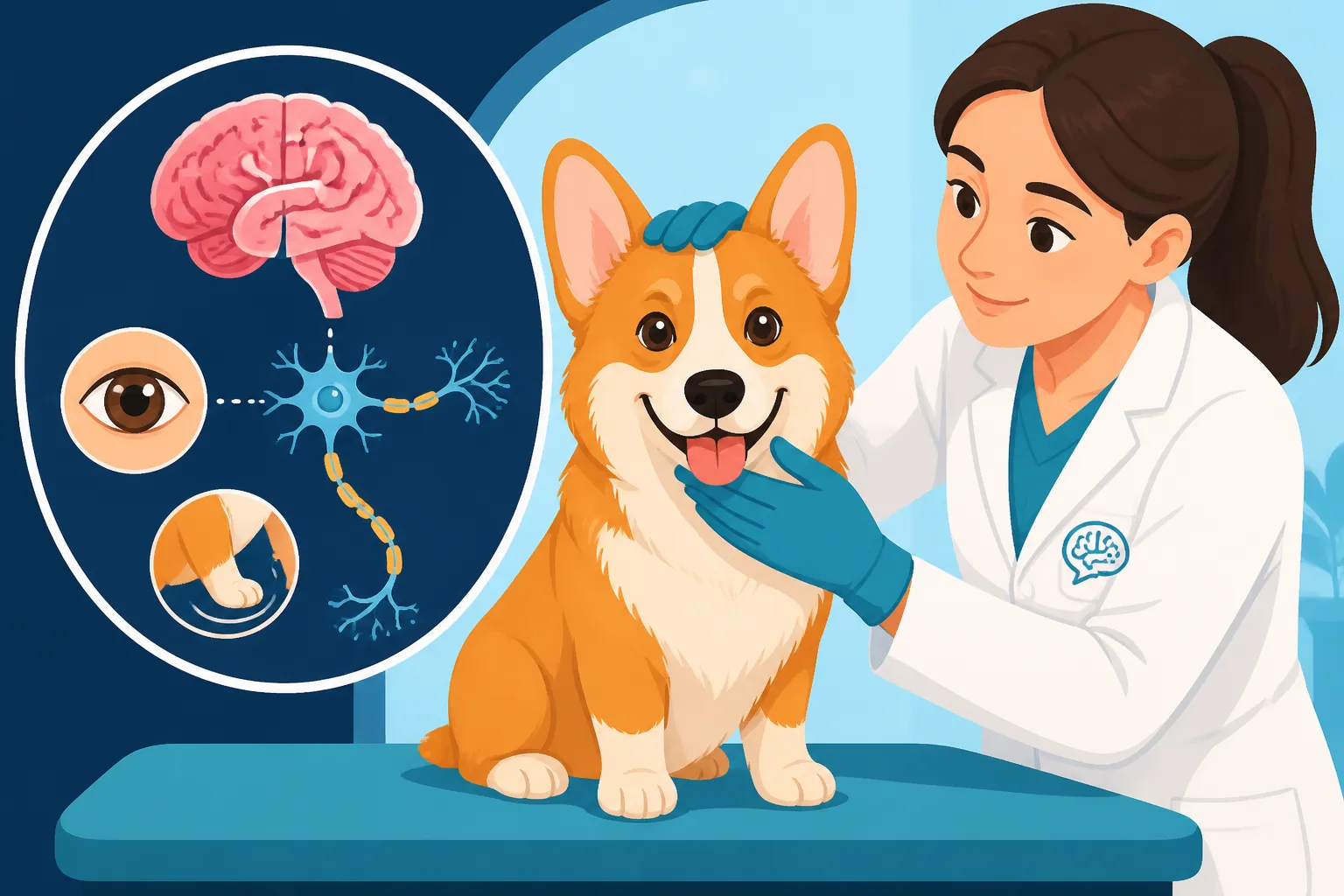
Walking into a specialist's office can be intimidating, but knowing what to expect during a neurological examination can ease some of that stress. It’s a methodical, hands-on process that helps the neurologist gather clues about your Corgi’s nervous system. It’s often much more detailed than a standard vet check-up.
Assessing Gait and Posture
One of the first things a neurologist will do is observe your Corgi's gait and posture. This isn't just a casual glance; it’s a careful analysis of how they stand, walk, trot, and even turn. They’ll want to see your Corgi walk on different surfaces, sometimes even up and down stairs if appropriate, to assess their coordination, strength, and balance. They might ask you to walk your Corgi in a straight line, then in circles, and watch them closely from all angles.
The neurologist is looking for signs of weakness (paresis), incoordination (ataxia), or a complete inability to move (paralysis). They’ll note if your Corgi is dragging a paw, knuckling over (walking on the tops of their paws), or if there's an abnormal arch or sag in their back. They might also check for a head tilt, tremors, or any involuntary movements. These observations help them localize the problem to a specific area of the nervous system, whether it’s the brain, spinal cord, or peripheral nerves. It's a critical first step in Telling a Corgi's Slipped Disc From Myelopathy, as both conditions can present with similar gait abnormalities.
Evaluating Cranial Nerves and Reflexes
Next, the neurologist will meticulously evaluate your Corgi’s cranial nerves, which control functions like vision, hearing, facial sensation, and swallowing. This involves a series of gentle tests:
- Vision: They might move their hand towards your Corgi's eye to check for a blink response (menace response), or track an object to see if the eyes follow.
- Pupillary Light Reflexes: Shining a small light into each eye to see if the pupils constrict normally.
- Facial Sensation: Gently touching areas of the face to check for reactions.
- Swallowing and Gag Reflex: Observing how your Corgi swallows or gently checking their gag reflex.
- Hearing: Making soft noises to see if your Corgi responds.
Beyond cranial nerves, the neurologist will test various reflexes in your Corgi's limbs. This is where those little rubber hammers come out, much like at your own doctor's office. They'll tap specific tendons to elicit a muscle contraction, checking reflexes like the patellar reflex (knee-jerk) and withdrawal reflexes in all four legs. They're looking for whether these reflexes are present, absent, exaggerated, or diminished, as this provides crucial information about the integrity of the spinal cord segments.
Testing Proprioception and Pain Response
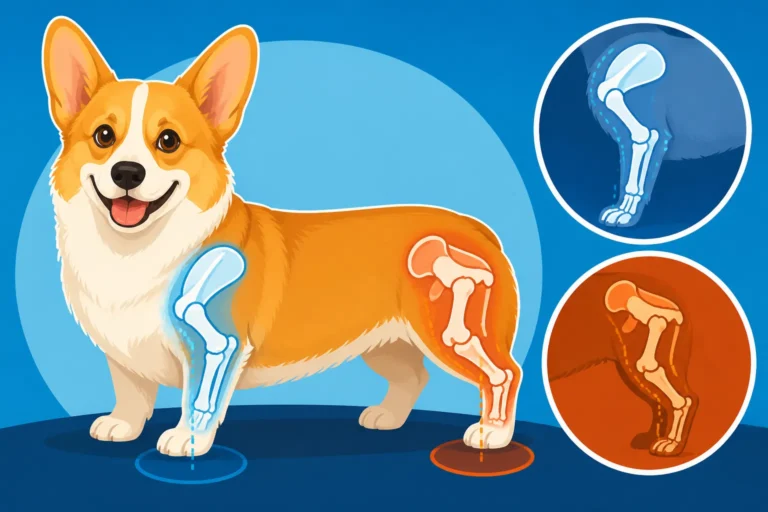
Proprioception is your Corgi's awareness of their body's position in space. To test this, the neurologist might gently turn one of your Corgi’s paws over so they are standing on the top of their foot. A healthy Corgi should immediately correct this, flipping their paw back into the normal position. If they take too long or don't correct it at all, it indicates a proprioceptive deficit, often pointing to a spinal cord or brain issue. This specific test can highlight why a Corgi might be A Corgi That Scuffs Its Back Nails.
Pain response is another crucial component, particularly for spinal issues. The neurologist will often use a small hemostat or their fingers to gently pinch the webbing between your Corgi’s toes (this is called "deep pain"). They're not looking for a vocalization of pain, but rather a conscious withdrawal of the limb, a head turn, or an attempt to bite. If your Corgi withdraws their leg but doesn't acknowledge the pinch consciously, it means the sensory pathways to the brain are compromised, which can indicate a severe spinal cord injury. These tests, combined with gait observations, help form a comprehensive picture of the neurological problem.
Advanced Diagnostics a Neurologist Might Recommend
After the hands-on exam, the neurologist will usually have a good idea of where the problem might be located. To get a definitive diagnosis and assess the extent of the damage, they will often recommend advanced diagnostic tests. These tests are more invasive and costly but provide the detailed information needed for an accurate diagnosis and treatment plan.
Imaging Techniques: MRI and CT Scans
For many neurological issues, especially those involving the brain or spinal cord, advanced imaging is indispensable.
- Magnetic Resonance Imaging (MRI): This is often the gold standard for soft tissue structures like the brain and spinal cord. An MRI uses powerful magnets and radio waves to create detailed images of these tissues. It can reveal subtle changes, inflammation, tumors, herniated discs, and even fluid accumulation. For Corgis, an MRI is crucial for diagnosing conditions like intervertebral disc disease (IVDD) or degenerative myelopathy (DM) more accurately. It shows What an MRI Shows in a Corgi Back in incredible detail, allowing the neurologist to see the exact location and severity of spinal cord compression. Your Corgi will need to be under general anesthesia for an MRI to ensure they remain perfectly still for the duration of the scan.
- Computed Tomography (CT) Scan: While less detailed for soft tissues than an MRI, a CT scan uses X-rays to create cross-sectional images. It's excellent for bone structures and can sometimes be used in emergencies to quickly identify severe spinal fractures or large masses. It's faster than an MRI and can be a good alternative if an MRI is unavailable or not feasible, although it may not provide the same level of detail for soft tissue lesions.
These imaging studies are often a significant expense, and it’s wise to check with your pet insurance, like Healthy Paws, to understand your coverage for these specialized diagnostic tools.
Cerebrospinal Fluid Analysis
If the neurologist suspects inflammation, infection, or certain types of cancer affecting the brain or spinal cord, they might recommend a cerebrospinal fluid (CSF) tap. CSF is the fluid that surrounds the brain and spinal cord. A sample of this fluid is collected (again, under general anesthesia) and sent to a lab for analysis.
The lab will check the cell count, protein levels, and look for any abnormal cells or infectious agents. This test can help diagnose conditions like meningitis (inflammation of the membranes surrounding the brain and spinal cord) or certain autoimmune diseases. While it doesn't always provide a definitive answer on its own, it offers crucial pieces of the diagnostic puzzle when combined with other findings.
Electromyography and Nerve Conduction Studies
For conditions affecting the peripheral nerves or muscles, a neurologist might perform electromyography (EMG) and nerve conduction studies (NCS).
- Electromyography (EMG): This test involves inserting very fine needle electrodes into various muscles. It measures the electrical activity of the muscles, both at rest and during voluntary contraction. Abnormal electrical patterns can indicate muscle diseases (myopathies) or nerve damage (neuropathies) affecting those muscles. It’s particularly useful for investigating generalized weakness or muscle wasting.
- Nerve Conduction Studies (NCS): For NCS, small electrical impulses are delivered to nerves, and the speed at which these impulses travel is measured. If the nerve conduction velocity is slowed, it suggests damage to the myelin sheath (the protective covering around nerves) or the nerve fibers themselves. This can help identify specific nerve disorders.
These tests are also performed under sedation or light anesthesia to ensure your Corgi is comfortable and still. They can provide vital information for diagnosing conditions like polyneuropathy or certain types of degenerative muscle diseases that might otherwise be difficult to pinpoint.
Understanding Common Corgi Neurological Conditions
Corgis, with their distinctive long backs and lively dispositions, are unfortunately predisposed to certain neurological conditions. Understanding these common ailments can help you be a more informed and proactive advocate for your Corgi's health.
Degenerative Myelopathy (DM)
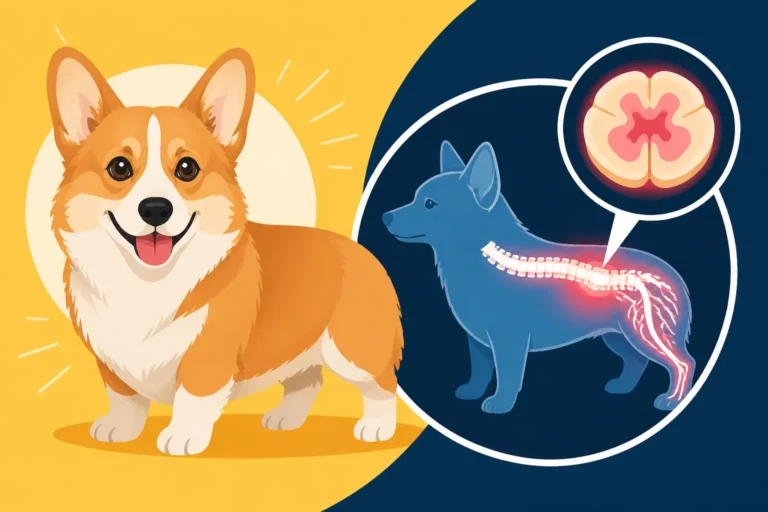
Degenerative Myelopathy is a heartbreaking, progressive neurological disease that primarily affects the spinal cord, leading to weakness and paralysis in the hind limbs. It's often compared to ALS in humans. The sad truth is that Corgis, particularly Pembroke Welsh Corgis, are genetically predisposed to DM. The disease typically affects Corgis The Age Corgi Myelopathy Usually Starts between 8 and 14 years old, though it can appear earlier.
The frustrating part about DM is that there's no cure, and it's progressive. Initially, you might notice very subtle signs, like your Corgi The First Signs of DM in a Corgi scuffing their nails, dragging a paw, or having a slightly wobbly gait. As the disease progresses, the weakness worsens, leading to difficulty walking, standing, and eventually, full paralysis of the hind limbs. In later stages, it can affect the front legs and breathing. A neurologist plays a critical role in diagnosing DM, often through exclusion of other conditions, and then helping manage the progression with supportive care like Physiotherapy for a Corgi Losing Its Legs and mobility aids. While it’s a difficult journey, understanding the disease is the first step in providing the best quality of life for your Corgi through The Corgi Years When the Back End Gives Out.
Intervertebral Disc Disease (IVDD)
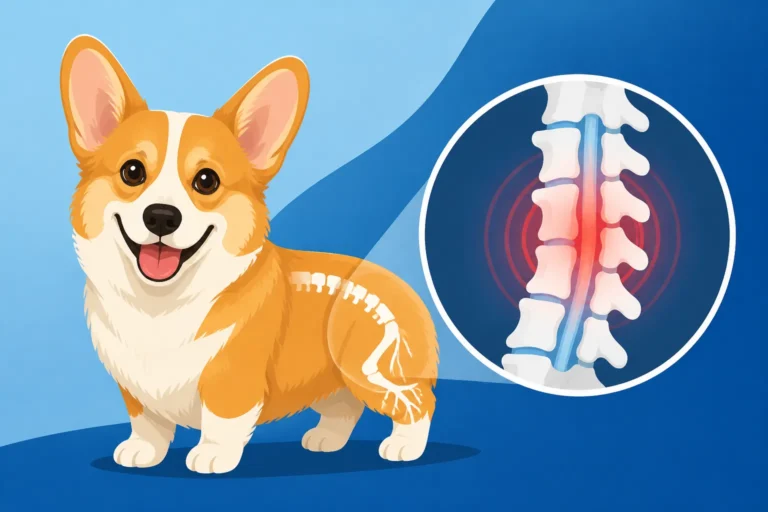
Intervertebral Disc Disease (IVDD) is another common and often painful condition for Corgis. Their chondrodystrophic (short-legged, long-bodied) conformation makes them highly susceptible to disc issues. The discs between the vertebrae act as shock absorbers, and in Corgis, these discs can degenerate and calcify over time, making them prone to herniation or rupture.
When a disc ruptures, it can compress the spinal cord, leading to a range of symptoms from pain and weakness to paralysis. The severity depends on the location and degree of compression. Symptoms can appear suddenly, such as extreme back pain, crying out when touched, reluctance to move, or sudden inability to use their back legs. Early recognition and prompt veterinary attention are crucial for IVDD. A neurologist will assess the neurological deficits, confirm the diagnosis with imaging like an MRI, and discuss treatment options, which can range from conservative management (strict crate rest and medication) to emergency spinal surgery. The decision on Whether a Corgi Needs Surgery or Rest is complex and depends heavily on the severity of the neurological signs and How Fast a Corgi Disc Injury Needs Treating is required. Managing a ruptured disc can be costly, and knowing what is involved with Paying for a Corgi's Ruptured Disc will help owners prepare.
Other Neurological Concerns
While DM and IVDD are major concerns for Corgis, they can also experience other neurological conditions.
- Epilepsy: Corgis can be prone to idiopathic epilepsy, a condition causing recurrent seizures without an identifiable underlying cause. A neurologist can help diagnose epilepsy, rule out other causes of seizures (like brain tumors or metabolic issues), and develop a medication plan to control seizures.
- Brain Tumors: While less common than spinal issues, Corgis can develop brain tumors. Symptoms can vary widely depending on the tumor's location but might include seizures, behavioral changes, circling, head pressing, or vision loss. Advanced imaging and sometimes a CSF analysis are crucial for diagnosis.
- Peripheral Neuropathies: These are disorders affecting the nerves outside the brain and spinal cord. They can cause weakness, muscle wasting, and altered reflexes. Diagnosis often involves EMG and NCS tests.
Navigating any of these conditions requires specialized expertise, and a veterinary neurologist is your best ally in understanding the diagnosis and treatment path for your beloved Corgi.
| Neurological Sign | Potential Spinal/Brain Location | Common Corgi Conditions | Neurologist's Primary Action |
|---|---|---|---|
| Scuffing/Dragging Paws | Spinal Cord (thoracolumbar/sacral) | DM, IVDD | Gait analysis, Proprioception testing, Imaging (MRI) |
| Weakness/Paralysis Hind Legs | Spinal Cord | DM, IVDD | Reflex testing, Deep pain assessment, Imaging (MRI) |
| Back Pain (Crying, hunched) | Spinal Cord (cervical/thoracolumbar) | IVDD | Palpation, Pain response, Imaging (MRI/CT) |
| Seizures | Brain | Epilepsy, Brain Tumor | Cranial nerve exam, CSF analysis, Imaging (MRI) |
| Head Tilt/Balance Issues | Brain (vestibular system) | Inner ear infection, Brain tumor/lesion | Cranial nerve exam, Imaging (MRI), Ear exam |
| Stumbling/Incoordination | Cerebellum, Spinal Cord | DM, IVDD, Ataxia | Gait analysis, Proprioception testing, Imaging (MRI) |
| Behavioral Changes (sudden) | Brain | Brain tumor, Inflammation | Cranial nerve exam, Imaging (MRI), CSF analysis |
When facing a potential neurological issue with your Corgi, remember that pet insurance can be a huge help. Comprehensive policies from providers like Healthy Paws are specifically designed to cover unexpected illnesses and accidents, which often include the specialized diagnostic tests and treatments like MRIs, surgeries, and long-term medications that a neurologist might prescribe. It’s always a good idea to research Whether Corgi Insurance Premiums Rise Each Year and what plans cover specialist care before you're in a crisis, to ensure your Corgi has access to the best care possible.
Disclaimer
This article is intended for informational purposes only and does not constitute medical advice. Always consult with a qualified veterinarian or veterinary neurologist for any health concerns or before making any decisions about your Corgi's care.