The Corgi Years When the Back End Gives Out
It’s a heartbreaking, common scenario for Corgi owners: you adore your little low-rider, reveling in their sassy personality and boundless energy, only to start noticing subtle changes in their hindquarters. That once-springy gait becomes a bit wobbly, a quick leap onto the sofa now requires a struggle, and suddenly, the worry sets in. This guide is here to shed light on when Corgis typically begin to experience back-end issues, exploring the underlying causes and what you, as a loving owner, can realistically expect and do.
Understanding the Corgi's Unique Physique and Its Challenges
Corgis are undeniably charming, with their stout bodies, powerful legs, and that distinctive low-slung profile. But what makes them so adorable also predisposes them to a particular set of health challenges, especially as they mature. Their unique build isn't just for looks; it's a legacy of their cattle-herding days, allowing them to nip at heels while staying safely below the hooves. However, this structure places significant stress on their spine and joints over time.
The Anatomy of a Long-Backed Breed
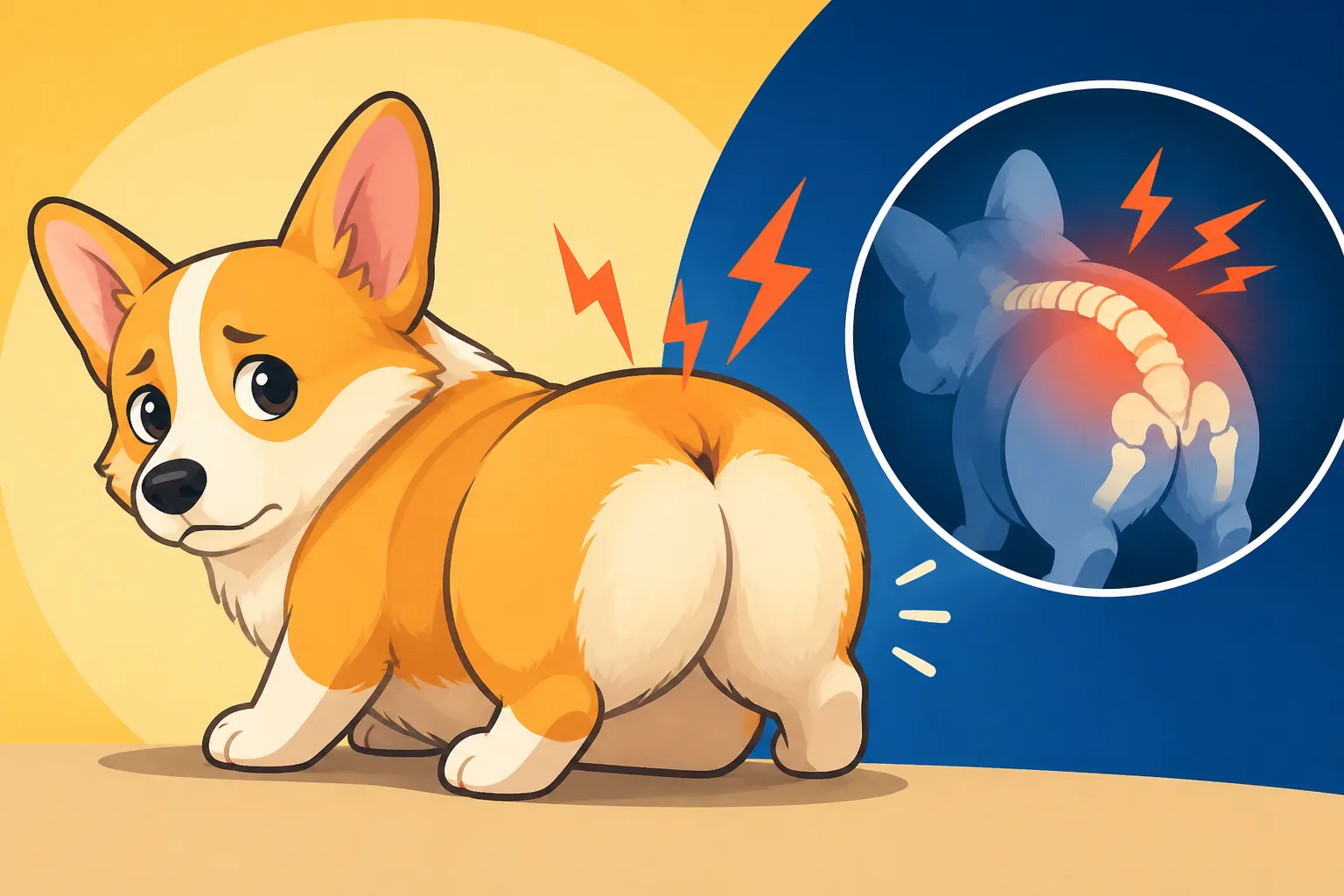
Imagine balancing a long, heavy sausage on four relatively short legs. That's essentially the biomechanical challenge a Corgi faces every single day. Their spine, while flexible, is disproportionately long compared to their leg length, which means there's less structural support from the limbs to absorb shock and distribute weight. This isn't just about appearances; it's about physics. When a Corgi jumps, twists, or even just moves with enthusiasm, that long spinal column bears the brunt of the forces.
Specifically, their vertebral discs, which act as cushions between the bones of the spine, are under constant pressure. Corgis, like Dachshunds and other chondrodystrophic breeds, have an inherited predisposition for these discs to degenerate prematurely. This process can start subtly, long before any outward signs appear. It’s like a slow, silent erosion of the shock absorbers in a car, eventually leading to bigger problems down the road. Understanding Why a Corgi's Back Is Built the Way It Is is crucial for appreciating these inherent risks.
The Inherent Vulnerabilities
Beyond the length of their back, other factors contribute to their vulnerabilities. Corgis often carry a dense musculature, which, while powerful, can sometimes add to the compressive forces on the spine if not properly conditioned. Their low center of gravity makes them surprisingly agile, but also means they can put their bodies in awkward positions that stress the spine, such as twisting while trying to catch a toy or launching themselves off a piece of furniture.
Another often-overlooked aspect is their double coat, which, while beautiful and functional for outdoor work, can sometimes hide early signs of muscle atrophy or subtle changes in body condition. It can be easy to miss a slight dip in the topline or a weakening in the hindquarters if you're not routinely feeling along their spine and observing them carefully. This is why regular physical checks, beyond just petting, are so important for Corgi owners. These inherent vulnerabilities mean that proactive care and careful monitoring are not just good ideas, they're essential for a Corgi's long-term well-being.
The Early Warning Signs of Back-End Weakness
One of the hardest parts of watching your beloved Corgi age is seeing their physical capabilities diminish. It often starts subtly, almost imperceptibly, making you second-guess what you're seeing. Is it just a bad day, or something more serious? Knowing what to look for can help you intervene sooner, potentially improving their quality of life.
Subtle Changes in Gait and Movement
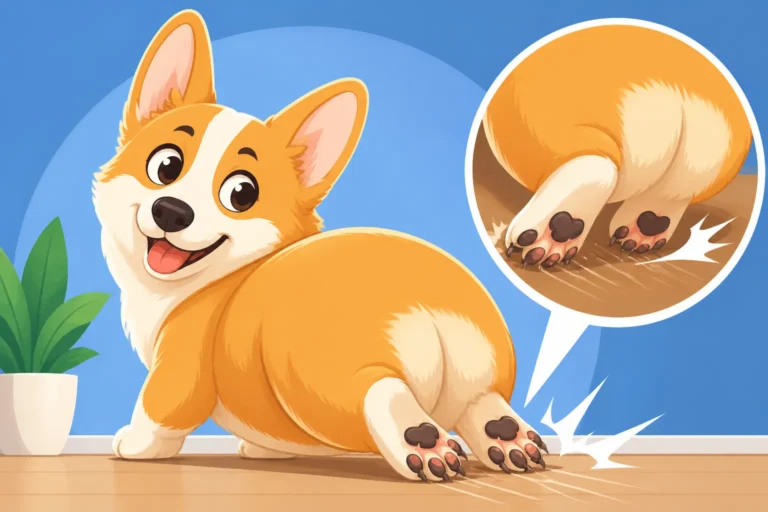
The first signs of back-end weakness are rarely dramatic. You might notice your Corgi's once-confident stride becoming a little less fluid. Perhaps they start taking wider turns or seem a bit stiffer after a nap. This isn't just "getting old" – it could be a signal of underlying spinal or joint issues. A classic sign is a slight drag or scuffing of their back nails, especially on hard surfaces. They might not lift their paws as high, leading to a distinctive shuffling sound. This subtle change in proprioception, their awareness of where their limbs are in space, is a key indicator.
Another common observation is difficulty with activities that once came easily. Jumping onto the sofa or into the car might now require multiple attempts or a visible struggle. They might hesitate at stairs, or even refuse to climb them altogether. While sometimes misinterpreted as stubbornness, this reluctance is often due to pain or weakness. Watching them walk away from you, pay attention to whether their hips sway more than usual or if their back legs seem to cross over each other slightly. These are not always clear-cut, but when you know your dog's normal movement, even minor deviations can be red flags. These observations are critical for identifying The First Signs of DM in a Corgi.
Behavioral Clues and Discomfort
Beyond physical movement, your Corgi's behavior can offer vital clues. A dog in discomfort can't tell you directly, so they communicate through changes in their routine and personality. You might notice them becoming more withdrawn, less eager to play, or even a bit irritable when handled, particularly around their back or hindquarters. Some Corgis might start crying out or yelping when lifted, especially if you support them under their chest, putting pressure on their mid-back. This is a clear indicator of pain.
Loss of interest in walks or previously enjoyed activities is another significant sign. If your Corgi, who once lived for walks, now lags behind or tries to cut them short, it's worth investigating. They might also change their sleeping positions, perhaps trying to avoid putting pressure on a painful area. Restlessness at night or difficulty getting comfortable could also point to discomfort. It's important to differentiate these signs from normal aging. While some slowing down is expected, persistent changes in movement, attitude, or comfort should always warrant a call to your vet. You know your Corgi best, and if something feels "off," trust your instincts.
Common Conditions Leading to Back-End Issues
When a Corgi's back end starts to give out, it's rarely a single, simple issue. More often, it's a complex interplay of genetic predispositions, wear and tear, and sometimes, even unrelated conditions mimicking spinal problems. Understanding the most common culprits is the first step toward effective management and support.
Degenerative Myelopathy (DM) in Corgis
Degenerative Myelopathy is a progressive neurological disease affecting the spinal cord, analogous to ALS in humans. It's a genetic condition, with Corgis being one of the breeds notoriously predisposed. What makes DM particularly heartbreaking is that it's painless, meaning your Corgi isn't expressing discomfort, which can sometimes delay diagnosis or be mistaken for arthritis. The disease attacks the white matter of the spinal cord, leading to a loss of coordination and muscle weakness, primarily in the hind limbs.
The progression is typically slow but relentless. It often starts with a subtle weakness or ataxia (wobbliness) in one hind leg, eventually progressing to both. Over time, affected Corgis will scuff their paws, struggle with balance, and their gait will become increasingly uncoordinated. Eventually, they will lose the ability to walk, and the weakness can extend to their front limbs and affect bladder and bowel control. While there's no cure for DM, early diagnosis through DNA testing and supportive care like Physiotherapy for a Corgi Losing Its Legs can help manage symptoms and maintain muscle mass for as long as possible. Many owners find peace in knowing they are doing everything they can, and pet insurance like Healthy Paws can be a tremendous help in covering the ongoing costs of these specialized treatments, which can really add up. For more in-depth information, consider reading Degenerative Myelopathy and the Corgi.
Intervertebral Disc Disease (IVDD) and Slipped Discs
IVDD is another major concern for Corgis due to their chondrodystrophic (dwarfism) genetics, which cause the discs in their spine to degenerate prematurely. Unlike DM, IVDD is often acute and extremely painful. A "slipped disc" isn't exactly accurate; rather, the outer fibrous layer of the disc ruptures or bulges, allowing the gel-like inner material to either herniate into the spinal canal (Type I) or slowly protrude (Type II). This puts pressure on the spinal cord, causing pain, weakness, and potentially paralysis.
The symptoms of IVDD can range from mild back pain, reluctance to move, or a hunched posture, to severe neurological deficits like inability to walk, loss of bladder/bowel control, or complete paralysis in the hindquarters. The onset can be sudden, often triggered by a jump, twist, or even just a normal movement, especially in a disc already compromised by degeneration. Recognizing Emergency Signs of a Corgi Disc Injury is vital. Treatment options vary greatly depending on the severity, from strict Crate Rest for a Corgi With a Bad Back and anti-inflammatory medications to emergency spinal surgery. The recovery journey can be long and challenging, and having robust pet insurance coverage, such as that offered by Healthy Paws, can alleviate much of the financial stress associated with these intensive treatments. You can learn more by exploring Disc Disease in a Long-Backed Corgi. It's also worth noting that it can be incredibly challenging for owners to distinguish between these two conditions, which is why understanding Telling a Corgi's Slipped Disc From Myelopathy is so important.
Hip Dysplasia and Other Orthopedic Concerns
While spinal issues are primary for Corgis, other orthopedic conditions can also contribute to back-end weakness or mimic spinal problems. Hip dysplasia, a genetic condition where the hip joint doesn't form correctly, is a concern in many breeds, including Corgis. Although their short legs might make it seem less impactful than in larger breeds, poorly formed hips can lead to pain, arthritis, and significant lameness in the hind legs, contributing to a general weakness or instability in the rear.
Symptoms often include difficulty getting up, limping, reluctance to run or jump, or a "bunny hopping" gait when running. Early diagnosis through X-rays allows for management strategies like pain medication, joint supplements, weight management, and in some severe cases, surgery. Patellar luxation, where the kneecap slips out of place, can also affect Corgis, causing intermittent lameness or a skipping gait. While not directly spinal, these conditions can reduce a Corgi's ability to support itself with its hind legs, exacerbating or appearing similar to spinal problems. Regular veterinary check-ups that include orthopedic examinations are essential for identifying these issues before they become debilitating.
Pinpointing the Age: When Do These Problems Typically Emerge?
One of the most common questions Corgi owners grapple with is, "When should I start worrying about their back?" Unfortunately, there isn't a single answer, as the onset of back-end issues can vary significantly depending on the specific condition. However, understanding the typical age ranges for these common ailments can help you be more vigilant and prepared.
The Onset of DM
Degenerative Myelopathy typically manifests later in a Corgi's life. While the genetic mutation is present from birth, the clinical signs usually don't appear until middle to senior years. We're generally talking about Corgis between 8 to 12 years of age, though it can sometimes be seen a bit earlier or later. It's rare for DM to be diagnosed in Corgis younger than 5 or 6 years old, as the disease needs time to progress to a noticeable stage.
When you notice a Corgi starting to drag a hind paw, or their gait becoming uncoordinated and wobbly around the age of 8, DM is often high on the list of differential diagnoses. The insidious nature of its onset means owners often write off the early signs as "just old age" or arthritis, losing valuable time where supportive therapies could be initiated. This makes DNA testing for the DM gene (SOD1) in breeding animals incredibly important, and understanding The Age Corgi Myelopathy Usually Starts can help you monitor your Corgi more effectively as they enter these vulnerable years.
The Age Range for IVDD
Intervertebral Disc Disease, on the other hand, can strike at a much younger age than DM, and its onset can be more acute. While older Corgis are certainly susceptible due to general disc degeneration, Type I IVDD (the herniation type) is often seen in relatively young to middle-aged Corgis, commonly between 3 to 7 years of age. This is because the genetic predisposition for early disc calcification and degeneration means their discs are already compromised long before symptoms appear. A sudden twist or jump can then be the final straw, leading to a rupture.
It's devastating to see a young, otherwise healthy Corgi suddenly unable to use their back legs. This rapid onset distinguishes it from the slow progression of DM. However, Type II IVDD (the bulging type) can have a more gradual onset and is typically seen in older Corgis, mirroring some aspects of DM in its slower progression of weakness and discomfort. The distinction between Type I and Type II is important, but for owners, any sudden weakness or severe pain in the back or hindquarters in a Corgi of any age should be considered an emergency. Knowing these age ranges helps you understand that a back issue isn't exclusively a "senior dog" problem for Corgis.
Age-Related Arthritis and Joint Degeneration
While DM and IVDD are specific to the spine, generalized age-related arthritis and joint degeneration in the hips, knees, or even elbows can also contribute significantly to a Corgi's back-end giving out. These conditions typically become more noticeable as Corgis enter their senior years, usually from 7-8 years onward. The constant wear and tear on their joints over a lifetime, especially given their body structure, eventually leads to cartilage breakdown and inflammation.
Arthritis often presents as stiffness after rest, difficulty getting up, a reluctance to run or play, or limping. While it might not directly affect the spinal cord, painful joints in the hind legs mean a Corgi is less willing or able to properly bear weight, leading to a compensatory gait that can put extra strain on the spine. It's a domino effect: one area of pain or weakness can quickly impact others. Comprehensive care for an aging Corgi often involves managing both spinal health and joint health concurrently, using a combination of pain relief, supplements, controlled exercise, and environmental modifications.
Here's a quick comparison of the typical onset and characteristics of these conditions:
| Condition | Typical Onset Age | Nature of Onset | Key Symptoms | Pain Level | Prognosis (Generally) |
|---|---|---|---|---|---|
| Degenerative Myelopathy | 8-12 years | Gradual, progressive | Hind leg weakness, wobbliness, scuffing paws, eventual paralysis, NO PAIN | None | Progressive, no cure, supportive care improves quality. |
| IVDD (Type I) | 3-7 years (can be any age) | Acute, sudden | Severe pain, reluctance to move, hunched back, hind leg weakness/paralysis, loss of control | Severe, acute | Variable; can recover with rest/surgery, recurrence possible. |
| IVDD (Type II) | 6+ years | Gradual | Progressive hind leg weakness, mild to moderate pain, wobbly gait | Mild to moderate | Progressive, managed with conservative care. |
| Arthritis/Joint Degeneration | 7+ years | Gradual | Stiffness after rest, limping, reluctance to move, difficulty rising | Chronic, variable | Manageable with medication, supplements, lifestyle changes. |
Navigating a Diagnosis and Initial Steps
The moment you realize something is seriously wrong with your Corgi's back end can be terrifying. The whirlwind of emotions – fear, confusion, guilt – is completely normal. But in that moment, clear action is what your Corgi needs most. A swift and accurate diagnosis is paramount to getting them the right kind of help.
The Importance of a Prompt Vet Visit
If you observe any of the warning signs mentioned above – especially sudden weakness, paralysis, or severe pain – do not hesitate. Call your veterinarian immediately. These are not symptoms to "wait and see" about. Conditions like acute IVDD are true emergencies, where every hour can make a difference in your Corgi's prognosis for recovery. Even with slower-onset issues like DM, an early diagnosis allows you to start supportive therapies sooner, which can slow progression and improve your Corgi's quality of life for longer.
During the veterinary visit, be prepared to describe everything you've observed in detail: when symptoms started, how they've progressed, what makes them better or worse, and any changes in your Corgi's appetite, thirst, or bathroom habits. Your vet will perform a thorough physical and neurological exam, checking reflexes, pain response, and proprioception in all four limbs. They will try to differentiate between conditions like a disc injury and a neurological disease like DM, a critical step often requiring specialized diagnostic tools.
Diagnostic Tools and Procedures
To get a definitive diagnosis, your vet may recommend several tests. For suspected spinal issues, X-rays are usually the first step, though they primarily show bone and can only hint at disc problems (e.g., calcified discs). For a clear picture of the spinal cord and soft tissues, more advanced imaging is often necessary. An MRI (Magnetic Resonance Imaging) or CT (Computed Tomography) scan provides detailed cross-sectional images of the spine, allowing the veterinarian to visualize disc herniations, spinal cord compression, and other abnormalities. These scans are often done under general anesthesia and typically performed by a veterinary neurologist.
For conditions like Degenerative Myelopathy, a definitive diagnosis can be challenging while the dog is alive. Often, DM is diagnosed by exclusion – meaning other treatable causes of hind leg weakness (like IVDD, tumors, or severe arthritis) are ruled out first. A DNA test for the SOD1 gene mutation can tell you if your Corgi is at risk for DM, but it doesn't confirm the disease itself. A definitive diagnosis of DM typically requires a post-mortem examination of spinal cord tissue. Your vet might also recommend blood tests to rule out metabolic issues or inflammatory markers, and sometimes a CSF (cerebrospinal fluid) tap for further analysis if an inflammatory or infectious process is suspected. These diagnostic steps, especially advanced imaging, can be costly, making pet insurance from providers like Healthy Paws a valuable consideration for Corgi owners.
Initial Management and Support
Once a diagnosis, or even a strong suspicion, is established, your vet will recommend an immediate course of action. For acute IVDD, this often means strict cage rest, anti-inflammatory medications (steroids or NSAIDs), and pain management. The goal is to reduce inflammation and pressure on the spinal cord, allowing it to heal. If conservative management isn't successful or if the neurological deficits are severe, surgery to decompress the spinal cord may be recommended.
For DM or chronic orthopedic conditions, initial management focuses on pain control (if applicable), maintaining mobility, and supportive care. This might involve starting joint supplements, low-impact exercise routines, and discussing environmental modifications. The immediate aftermath of a diagnosis can feel overwhelming, but remember that you're not alone. Your veterinary team is there to guide you through the initial steps and help you understand the long-term implications for your Corgi.
Living with a Corgi Experiencing Back-End Decline
Dealing with a Corgi whose back end is failing is a profound journey, filled with practical adjustments, emotional challenges, and an unwavering commitment to their comfort and happiness. It's about adapting your home and lifestyle to meet their changing needs, ensuring they can still enjoy life to the fullest despite their limitations.
Environmental Modifications for Safety and Comfort
Your home, once a playground, may now present hazards. The most immediate and impactful change you can make is preventing jumps and slips. Ramps and Steps That Save a Corgi's Back are no longer a luxury but a necessity. Install ramps or small pet stairs leading to sofas, beds, and anywhere else your Corgi might try to jump. This minimizes stress on their spine and helps prevent further injury. Consider baby gates to block access to stairs, which are incredibly dangerous for a Corgi with a compromised back.
Flooring can also become a major issue. Slippery surfaces like hardwood, tile, or laminate can be incredibly difficult for a Corgi with hindquarter weakness to navigate, leading to slips, falls, and exacerbating their condition. Cover these areas with non-slip runners, yoga mats, or area rugs to provide traction. Ensure their food and water bowls are easily accessible without stretching or bending excessively, perhaps by raising them slightly. Orthopedic beds are also essential, providing firm, supportive cushioning that helps maintain spinal alignment and eases pressure points. These modifications create a safer, more comfortable environment, allowing your Corgi to move with greater confidence and reducing the risk of further injury.
Exercise, Physiotherapy, and Mobility Aids
Maintaining appropriate activity levels is crucial, but it needs to be carefully managed. For Corgis with IVDD on conservative management, strict crate rest is often prescribed. This means limiting all activity, even short walks for potty breaks, for weeks. It's incredibly difficult, but essential for healing. During this time, puzzle toys and gentle mental stimulation can help keep them engaged without physical exertion.
Once past the acute phase, or for Corgis with DM or chronic arthritis, tailored exercise and physiotherapy become vital. This might include controlled leash walks on soft surfaces, underwater treadmill therapy (hydrotherapy) which provides buoyancy and reduces impact while strengthening muscles, or therapeutic exercises guided by a certified canine rehabilitation specialist. These professionals can design a program to build core strength, maintain muscle mass, and improve balance without putting undue strain on the spine. Your vet, or a specialist, may refer you to canine rehabilitation centers such as those found in larger metropolitan areas like Los Angeles' VCA Animal Specialty & Emergency Center or the Animal Medical Center in New York.
As weakness progresses, mobility aids can significantly enhance their quality of life. Harnesses that support the hindquarters (like the Help 'Em Up Harness, often recommended by vets) allow you to assist them with standing, walking, and toileting. For Corgis who lose the ability to walk entirely, a custom-fitted wheelchair (or "cart") can give them back their independence and joy of movement. Seeing a Corgi zip around in their cart, tail wagging, is a testament to their resilience and the power of these aids. Healthy Paws, and other insurance providers, may cover a portion of these rehabilitation and mobility aid costs, depending on your plan, so it’s always worth checking.
Nutritional Support and Weight Management
One of the most powerful things you can do for a Corgi with back-end issues is to maintain them at a lean, healthy weight. Excess weight puts enormous additional strain on their already vulnerable spine and joints, exacerbating pain and accelerating degeneration. Every extra pound your Corgi carries is like strapping a backpack filled with bricks onto their back, magnifying the load on their discs and joints. This is precisely Why Corgi Weight Is a Spinal Problem.
Work with your vet to determine your Corgi's ideal body weight and establish a calorie-controlled diet. This might involve special prescription weight management foods or simply careful portion control of their regular high-quality kibble. Measuring food precisely with a kitchen scale, rather than relying on scoops, ensures accuracy. Cutting out high-calorie treats and substituting them with healthy, low-calorie options like plain green beans or small carrot pieces can make a big difference.
Beyond weight, certain supplements might be beneficial. Glucosamine and chondroitin, often combined with MSM, can support joint health and cartilage. Omega-3 fatty acids (fish oil) have anti-inflammatory properties that can help reduce joint pain. Always discuss any supplements with your vet, as they can advise on appropriate dosages and ensure they won't interact with any medications your Corgi is taking. A holistic approach that combines diet, exercise, and supplements forms the cornerstone of managing a Corgi's back-end health.
The Emotional Toll and Planning for the Future
Watching your vibrant Corgi slowly lose mobility can be one of the most challenging experiences for a pet owner. The emotional toll is significant, and it's essential to acknowledge and prepare for the difficult decisions that may lie ahead.
Coping with the Progression of Disease
Diseases like Degenerative Myelopathy are relentlessly progressive. While IVDD can sometimes see significant recovery, the fear of recurrence is always present, and chronic pain from Type II IVDD or arthritis can be debilitating. Living with a Corgi experiencing progressive back-end decline means embracing a new normal. There will be good days and bad days. You might find yourself constantly monitoring their every step, analyzing their posture, and worrying about every stumble. This level of vigilance is exhausting, and it’s okay to feel overwhelmed.
Support groups, online forums, or even just talking to other Corgi owners who have been through similar experiences can be incredibly validating and provide a sense of community. Learning from others' experiences, sharing your frustrations, and celebrating small victories (like a successful potty break or a happy moment in their cart) can make the journey a little less lonely. It’s also crucial to practice self-care; you cannot pour from an empty cup, and your Corgi needs you to be present and as resilient as they are. This commitment to ongoing care often includes regular veterinary visits and potentially expensive treatments, which is where a robust pet insurance plan, like those offered by Healthy Paws, can provide much-needed financial and emotional relief, allowing you to focus on your Corgi's well-being without constant money worries.
Making Difficult Decisions
As a Corgi's back-end issues progress, especially with DM, you may eventually face the heartbreaking decision of when to say goodbye. This is arguably the most difficult part of pet ownership. The decision to euthanize is a profoundly personal one, guided by love, compassion, and your Corgi's quality of life.
Key indicators that might suggest it’s time to consider this option include: persistent pain that cannot be managed with medication, complete loss of mobility impacting their ability to move or relieve themselves without significant struggle, chronic incontinence leading to skin infections and discomfort, loss of appetite, inability to engage in any joyful activities, or a general decline in their spirit. Your veterinarian can help you assess your Corgi's quality of life objectively, using tools like a quality of life scale. They can also discuss palliative care options to keep your Corgi comfortable for as long as possible. Ultimately, the goal is to prevent suffering and ensure your beloved companion leaves with dignity. For deeper guidance on this difficult topic, the article Deciding When a Corgi With DM Has Had Enough can offer valuable insights. This decision, though painful, is the final act of love we can give to our companions.
Preventative Measures and Proactive Care
While some back-end issues are genetic and cannot be entirely prevented, there are significant steps Corgi owners can take to minimize risks, support spinal health, and potentially delay the onset or progression of these challenging conditions. Proactive care starts long before any symptoms appear.
Responsible Breeding Practices
The foundation of a healthy Corgi begins with responsible breeding. Reputable Corgi breeders are committed to improving the health of the breed and will undertake comprehensive health testing on their breeding stock. This includes DNA testing for Degenerative Myelopathy (DM), which identifies carriers and at-risk individuals. Breeding two carriers or an at-risk dog significantly increases the chances of producing puppies who will develop DM. While a DM test doesn't guarantee a Corgi won't get DM (it only indicates the genetic predisposition), it's a vital tool.
Responsible breeders also screen for hip and elbow dysplasia, often through evaluations like OFA (Orthopedic Foundation for Animals) or PennHIP. They should be transparent about these results and willing to discuss the health history of their lines. Avoiding puppy mills and backyard breeders who skip these crucial health clearances is perhaps the single most important preventative measure for future Corgi owners. Investing in a puppy from health-tested parents significantly reduces the likelihood of inheriting debilitating genetic conditions. For more information, read The DNA Tests a Corgi Breeder Should Run.
Lifestyle Choices to Protect the Spine
Beyond genetics, everyday lifestyle choices play a massive role in protecting your Corgi's spine throughout their life.
- Weight Management: As discussed, keeping your Corgi lean is paramount. Every extra pound stresses their long back and short legs. Work with your vet to maintain an ideal body condition score.
- Preventing Jumps and Falls: This is non-negotiable. From the day you bring your Corgi home, train them to use ramps or pet stairs for accessing furniture and cars. Never allow them to jump off high surfaces unsupervised. Teach them to wait to be lifted. One wrong jump, even for a young, healthy Corgi, can lead to a devastating disc injury.
- Controlled Exercise: Regular, moderate exercise builds strong core muscles that support the spine. This includes consistent leash walks on varied but safe terrain. Avoid high-impact activities like excessive jumping, agility with high jumps, or prolonged, intense bursts of running that could twist the spine. Activities like swimming or controlled incline walking can strengthen muscles with less impact.
- Supportive Equipment: Use a harness instead of a collar for walks to avoid putting pressure on the neck and spine. Ensure the harness fits well and distributes pressure evenly. Provide orthopedic dog beds that offer firm support for their back and joints.
- Regular Veterinary Check-ups: Consistent vet visits allow your veterinarian to monitor your Corgi's weight, gait, and overall health. Early detection of any subtle changes can lead to quicker intervention, potentially preventing a minor issue from becoming a major crisis. This proactive approach, coupled with comprehensive pet insurance, helps ensure that your Corgi receives the best possible care throughout their lifespan.
By implementing these preventative measures and making informed lifestyle choices, Corgi owners can significantly enhance their furry friend's spinal health and overall well-being, helping them enjoy a longer, more comfortable life, full of their characteristic Corgi zest.
Disclaimer
The information provided in this article is for general informational purposes only and is not intended as a substitute for professional veterinary advice. Always consult with a qualified veterinarian for any health concerns or before making any decisions about your pet's medical care.