Bleeding Signs in a Corgi
Seeing your beloved Corgi bleed can instantly send your heart into your throat. It's a terrifying moment, whether it's a tiny cut or something far more concerning, leaving you wondering what happened and how serious it truly is. This guide is here to walk you through the various signs of bleeding in Corgis, from obvious external wounds to subtle internal indicators, so you can understand what to look for and, most importantly, know when to seek immediate veterinary attention.
Common Causes of Bleeding in Corgis
Corgis, like all dogs, can experience bleeding for a myriad of reasons, ranging from benign scrapes to serious underlying health conditions. Understanding these potential causes can help you assess the situation and react appropriately, reducing that initial panic. It’s crucial to remember that even what seems like a small amount of blood can sometimes indicate a larger issue, especially with their low-to-the-ground stature making them prone to certain environmental hazards.
Minor Injuries and Everyday Accidents
Our Corgis are spirited, energetic little dogs, always ready for an adventure. This zest for life, combined with their short legs, often means they're right in the thick of things, leading to minor cuts, scrapes, and abrasions. They might catch a paw on something sharp during a walk, scrape their belly on rough terrain, or even just nip a nail too short during grooming. These are common occurrences, and usually, they're nothing to lose sleep over, though they still require attention. Think about that time your Corgi, Tater Tot, zoomied through the rose bushes in your backyard in Portland, Oregon, only to emerge with a tiny scratch on his ear. It bleeds, it’s alarming, but usually, it's superficial.
Even something as simple as a vigorously wagging tail bumping into a sharp corner can cause a small cut, particularly if your Corgi has a natural bobtail or a docked tail where the skin might be a bit more taut. These types of minor injuries typically involve a small amount of bright red blood, and with a bit of pressure and cleaning, the bleeding subsides quickly. However, it's important to keep an eye on them for signs of infection or if the bleeding recurs.
Genetic Bleeding Disorders and Medications
Beyond the bumps and scrapes of daily life, some Corgis are predisposed to genetic conditions that can affect their blood clotting abilities. The most well-known of these is Von Willebrand Disease (vWD), a hereditary bleeding disorder that impacts the blood's ability to clot properly. While it’s more commonly associated with certain breeds like Doberman Pinschers, Pembrokes, specifically, are among the breeds known to carry this gene. It’s a real worry for Corgi owners, especially when considering surgery or if your dog experiences a trauma. You can learn more about The Bleeding Disorder Pembrokes Carry to better understand this specific risk.
A Corgi with vWD might exhibit excessive bleeding even from minor cuts, prolonged bleeding after surgery, or nosebleeds. It's a silent threat that many owners aren't aware of until a medical emergency arises. Beyond genetics, certain medications can also thin a Corgi’s blood and increase bleeding risk. Non-steroidal anti-inflammatory drugs (NSAIDs), for example, can sometimes cause gastrointestinal irritation and bleeding, while other medications might interfere with clotting factors. Always disclose all medications, including supplements, to your vet before any procedure or if you notice unusual bleeding. Before any operation, your vet will likely recommend Clotting Tests Before a Corgi Goes Under to rule out these hidden risks.
Underlying Medical Conditions
Sometimes, bleeding is a symptom of a more complex, underlying health issue that might not be immediately obvious. Conditions like certain types of cancer, particularly those affecting the spleen or liver, can lead to internal bleeding. Autoimmune diseases, kidney problems, or even severe infections can also compromise a Corgi's clotting ability or damage blood vessels, resulting in bleeding. It's these scenarios that often cause the most stress because the source isn't visible, and the symptoms can be vague.
For example, a Corgi experiencing a sudden nosebleed could be dealing with anything from a minor nasal irritation to a serious systemic illness, including high blood pressure or a fungal infection. Similarly, blood in the stool might indicate anything from dietary indiscretion to inflammatory bowel disease, parasites, or even a gastrointestinal tumor. Early detection and proper diagnosis are paramount in these situations. If your Corgi is showing unusual bleeding, especially combined with other symptoms like lethargy or loss of appetite, it’s a strong signal that a vet visit is in order.
Recognizing External Bleeding Signs
External bleeding is often the first type of bleeding an owner notices, simply because it's visible. While some external bleeding is clearly from a surface wound, other instances might hint at deeper issues. Knowing where and how to look for these signs is crucial for prompt action.
Blood from Wounds, Paws, and Nail Quick
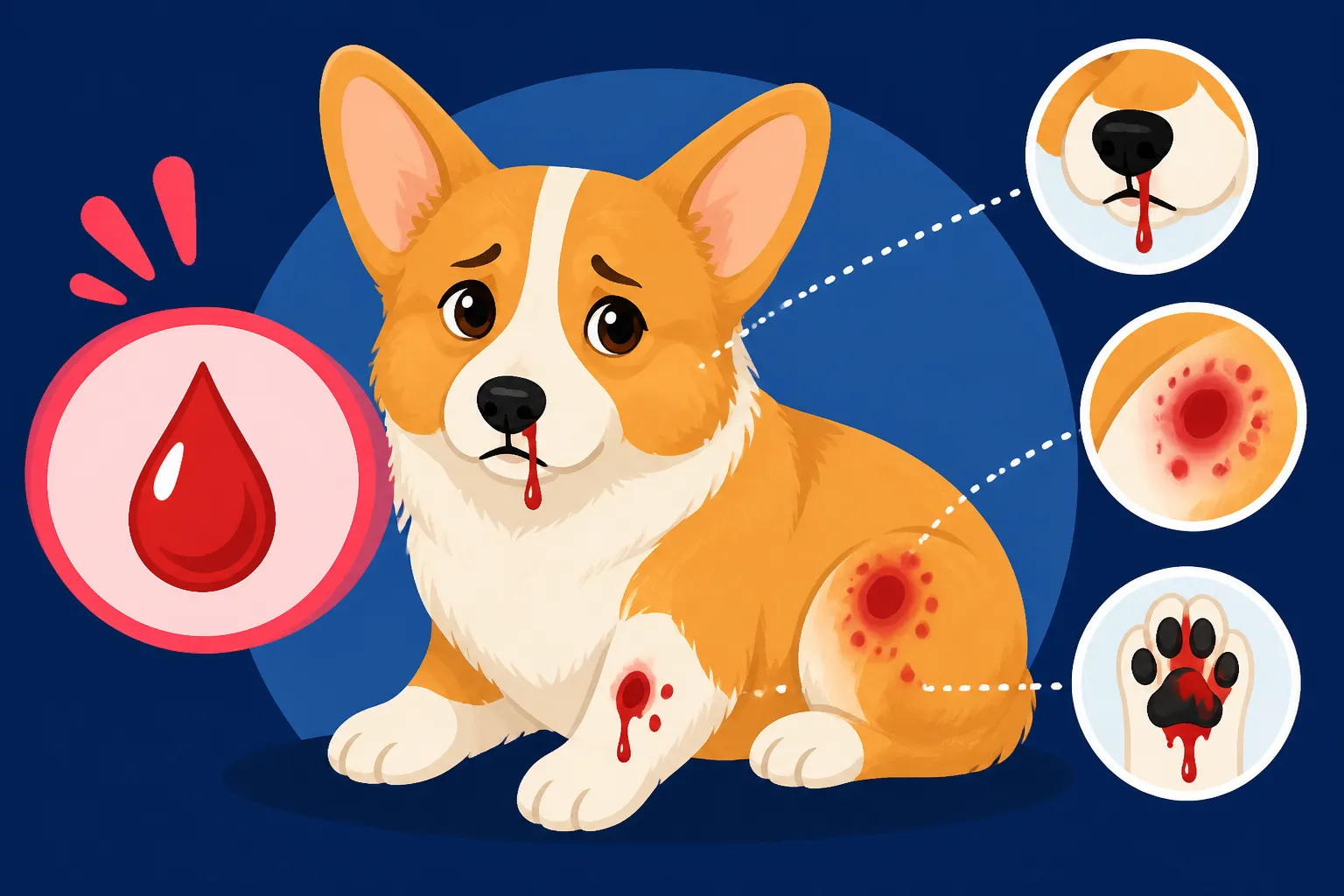
The most straightforward sign of external bleeding is, of course, a visible wound. Our Corgis love to explore, whether it's through thorny bushes, over rough pavement, or navigating the nooks and crannies of your home. A cut on a paw pad, a scrape on their low-slung belly, or a torn ear can lead to obvious blood on their fur, the floor, or even on your hands if you're tending to them. It’s natural to feel a jolt of fear when you see red, but assessing the wound quickly is key. Is it a small trickle or a steady flow? Does it pulse? The color of the blood (bright red usually means arterial, darker red usually venous) can also give clues, though this is often best left for a vet to interpret. If you've ever had a Corgi manage to get A Corgi Cut That Will Not Stop Seeping, you know the frustration and concern when minor bleeding seems persistent.
Another common source of external bleeding is the quick of their nails. Clipping Corgi nails can be a delicate operation, especially if they have dark nails where the quick (the sensitive blood vessel and nerve tissue) isn't visible. Cutting into the quick, even slightly, can lead to a surprisingly dramatic amount of bleeding. While usually not life-threatening, it can be messy and uncomfortable for your Corgi, and certainly startling for you. Always have styptic powder on hand when trimming nails to quickly stop the flow.
Oral Bleeding and Dental Issues
Bleeding from the mouth is another common external sign that often points to dental problems, which are regrettably prevalent in Corgis as they age. Plaque and tartar buildup can lead to gingivitis and periodontal disease, causing inflamed, bleeding gums. You might notice blood on their chew toys, in their water bowl, or even their bad breath might accompany the sight of red. It’s not just an aesthetic problem; dental disease can lead to tooth loss and even more serious systemic infections if bacteria from the mouth enter the bloodstream. Regular dental check-ups are essential, and if you see significant oral bleeding, it warrants a prompt vet visit. Learn more about Corgi Dental Disease to understand the risks and preventative measures.
Beyond dental issues, oral bleeding can also be caused by chewing on something sharp that cuts their gums or tongue, or even an injury to the jaw. Sometimes, a Corgi might also bleed from the nose, and the blood can then drip into their mouth, making it appear as if the mouth itself is the source. Differentiating between actual oral bleeding and blood from another source like the nose can be tricky. If you’re unsure, or if the bleeding is heavy or persistent, it's best to consult your veterinarian.
Blood in Urine or Stool (visible)
Discovering blood in your Corgi's urine or stool is understandably alarming and always warrants investigation. When you see bright red streaks in their feces, this often indicates bleeding from the lower gastrointestinal tract, such as the colon or rectum. It could be due to colitis, polyps, or even just straining from constipation. If the stool appears dark and tarry (melena), it suggests bleeding higher up in the digestive tract, like the stomach or small intestine, where the blood has been partially digested. This is often a more serious sign and needs immediate attention.
Similarly, blood in the urine, known as hematuria, can appear as pink, red, or even brownish urine. This is a common sign of a urinary tract infection (UTI), bladder stones, or prostate issues in male Corgis. In more severe cases, it could point to kidney disease or even certain types of cancer. While a UTI might not be an immediate emergency, ignoring Blood in a Corgi's Urine could lead to worsening conditions. Always collect a sample if possible and bring it to your vet for analysis.
Understanding Internal Bleeding Indicators
Internal bleeding is far more insidious than external bleeding because it’s not immediately visible. It can occur in any body cavity or organ, and its signs can be subtle, mimicking other illnesses. This is where your keen observation skills as a Corgi parent become absolutely vital.
Subtle Signs in Gums, Skin, and Eyes
When bleeding occurs internally, your Corgi's body often gives off subtle clues. One of the most telling signs is pale gums. Healthy Corgi gums should be a healthy bubblegum pink, but if they appear very pale, whitish, or even blue-tinged, it can indicate blood loss or lack of oxygen. Pressing your finger lightly on the gums and noting how long it takes for the color to return (capillary refill time) can also be informative – if it's longer than two seconds, it's a concern. This is a simple but powerful check you can perform at home.
You might also notice tiny pinpoint red spots (petechiae) or larger bruised areas (ecchymoses) on their skin, especially on their belly or inside their ears. These indicate small blood vessels leaking blood under the skin, which can be a sign of a clotting disorder or internal bleeding. In their eyes, you might see blood in the white part (sclera) or within the eye itself. These are all signs that blood is escaping where it shouldn't be, and if you observe any of these, it's a definite red flag that warrants prompt veterinary evaluation. Even with insurance from a company like Healthy Paws, it’s always best to catch these issues early.
Changes in Energy, Appetite, and Behavior
Beyond the physical signs, internal bleeding can manifest through noticeable changes in your Corgi’s overall demeanor and habits. A Corgi experiencing internal bleeding might suddenly become lethargic, weak, and unwilling to play or go for walks. This could be due to a decrease in red blood cells carrying oxygen, making them feel tired and listless. They might also lose their appetite, refusing even their favorite treats, and perhaps vomit or become unusually thirsty. These symptoms are common to many illnesses, making internal bleeding tricky to pinpoint, but when combined with other subtle signs, they paint a clearer picture.
Consider a situation where your normally boisterous Corgi, usually eager for breakfast, just stares at their bowl. They're quiet, perhaps hiding, and don't have the usual sparkle in their eye. These behavioral shifts, especially a sudden onset of weakness or an uncharacteristic lack of interest in food and activity, should never be ignored. Your Corgi is trying to tell you something is wrong. An emergency vet visit is often necessary to determine the cause of these changes and rule out life-threatening conditions.
Bloat, Pain, and Abdominal Tenderness
One of the more severe and acute indicators of internal bleeding, particularly into the abdomen, can be abdominal pain and distension, sometimes accompanied by bloat. If blood accumulates rapidly in the abdominal cavity, it can cause the belly to look swollen and feel tense to the touch. Your Corgi might whine or cry out if you gently press on their abdomen, indicating pain. They might also take on a "hunched" posture, trying to alleviate discomfort, or be reluctant to lie down comfortably.
This type of internal bleeding can be secondary to trauma, rupture of an organ like the spleen (especially in cases of splenic tumors), or even a severe clotting issue. This is a critical emergency. A Corgi presenting with these symptoms needs immediate veterinary care. The concern here is not just the pain, but the rapid blood loss that can lead to shock and be fatal if not addressed quickly. If you see signs like a rapidly swelling abdomen, pale gums, and extreme lethargy, do not wait – get to an emergency vet clinic immediately.
Here's a quick comparison of common external and internal bleeding signs:
| Bleeding Type | Common Locations/Manifestations | Key Indicators | Urgency Level |
|---|---|---|---|
| External | Skin wounds, paw pads, nail quick, gums, nose, urine, stool | Visible blood (bright red, dark red), streaks, drips, stains | Minor to Moderate |
| Internal | Abdomen, chest, organs, under skin | Pale gums, petechiae, ecchymoses, lethargy, distended abdomen, pain | Moderate to Critical |
When Bleeding Becomes an Emergency
It's one thing to deal with a minor scrape, but it's an entirely different situation when bleeding indicates a severe medical crisis. Knowing the difference and understanding when to rush to the vet can be life-saving for your Corgi. Time is often of the essence in these scenarios.
Heavy, Uncontrolled Bleeding
Any bleeding that is heavy, continuous, and difficult to stop with direct pressure is an immediate emergency. If your Corgi suffers a deep laceration that's spurting blood, or if they have a severe nosebleed that won't cease after several minutes, you need to get them to an emergency veterinary clinic right away. This kind of blood loss can quickly lead to shock and be life-threatening. Even if you manage to slow the bleeding, the underlying cause needs professional attention to prevent further complications.
Imagine your Corgi, Pippa, running excitedly through the woods and suddenly letting out a yelp. You find her with a deep gash on her leg, bleeding profusely. Your first instinct is to panic, but remember to apply direct pressure with a clean cloth. If the cloth soaks through rapidly, or if the bleeding doesn't slow after 5-10 minutes of continuous pressure, it's time to head to the nearest emergency veterinary hospital. Every second counts when there's significant blood loss.
Signs of Shock and Collapse
When a Corgi loses a substantial amount of blood, whether externally or internally, they can go into shock. Shock is a critical medical condition where the body's tissues aren't receiving enough oxygen-rich blood. Signs of shock include extremely pale or white gums, rapid and shallow breathing, a fast and weak pulse, cold extremities (ears, paws), lethargy, disorientation, and eventually collapse. This is an absolute emergency that requires immediate intervention.
If you find your Corgi suddenly collapsed, unresponsive, or exhibiting these signs of shock, do not delay. Wrap them in a blanket if possible, keep them warm, and transport them to the nearest emergency veterinary clinic without hesitation. This could be due to massive internal bleeding from an accident, an acute organ rupture, or a severe bleeding disorder. These situations highlight why having pet insurance, like a plan from Healthy Paws, can be incredibly valuable, allowing you to focus on getting the best care without immediate financial stress.
Post-Surgery or Trauma Bleeding Concerns
After any surgical procedure, even a routine spay or neuter, it's normal to see a tiny bit of oozing or light spotting from the incision site. However, if the incision starts bleeding heavily, if blood soaks through bandages, or if there's any swelling or discoloration around the wound, it's cause for immediate concern. This could indicate a ruptured stitch, an internal bleed, or an issue with clotting. Similarly, after any traumatic event—like being hit by a car, falling from a height, or even a rough play incident—internal bleeding is a significant risk, even if there are no visible external wounds.
If your Corgi has recently undergone surgery or experienced trauma, remain vigilant for signs of internal bleeding such as pale gums, lethargy, abdominal distension, or unusual bruising. Even seemingly minor incidents can lead to serious internal injuries in a Corgi, especially given their unique body structure. This is particularly relevant if you're concerned about Emergency Signs of a Corgi Disc Injury which, while not directly related to bleeding, can sometimes occur alongside other traumatic injuries. Always follow your vet's post-operative instructions carefully and don't hesitate to call them if you notice anything unusual.
Managing and Preventing Bleeding Issues
While some bleeding incidents are unavoidable, there's a lot you can do as a Corgi owner to manage minor bleeds and take proactive steps to prevent more serious ones. Being prepared and informed is your best defense.
First Aid for Minor Bleeding
For small cuts, scrapes, or nicks to the nail quick, basic first aid can be very effective. The primary goal is to stop the bleeding and prevent infection. For external wounds, apply direct pressure using a clean cloth or gauze for 5-10 minutes. Avoid lifting the cloth to check too frequently, as this can disrupt clot formation. Once the bleeding has stopped, gently clean the wound with a mild antiseptic solution, like diluted povidone-iodine (Betadine) or chlorhexidine, and apply a thin layer of antibiotic ointment. You might need to cover the wound with a sterile bandage if it's in an area prone to dirt, but ensure it's not too tight to cut off circulation.
For nail bleeds, styptic powder (like Kwik Stop) is a lifesaver. Simply apply a small amount to the bleeding nail and apply pressure. Cornstarch or flour can also work in a pinch if you don't have styptic powder. After the bleeding has stopped, keep an eye on the area for swelling, redness, or discharge, which could indicate infection. Always supervise your Corgi to prevent them from licking or chewing at the wound, which can reopen it or introduce bacteria.
Diagnostic Tests a Vet May Perform
If you bring your Corgi to the vet for unexplained bleeding, they will likely perform a thorough physical examination, assessing gum color, capillary refill time, and looking for any external wounds or signs of trauma. Beyond that, a range of diagnostic tests might be necessary to pinpoint the cause. A complete blood count (CBC) will check for anemia and platelet levels, which are crucial for clotting. A coagulation panel (blood clotting tests) will assess how well their blood is clotting and can identify specific clotting factor deficiencies like those seen in Von Willebrand Disease. This is part of the Pre-Anesthetic Testing on a Corgi That Bleeds often done before surgery.
Depending on the suspected location and cause of the bleeding, your vet might also recommend urinalysis, fecal tests, X-rays, or ultrasound to look for internal injuries, tumors, or other abnormalities. In some cases, more advanced imaging like an MRI or CT scan may be necessary. If a genetic bleeding disorder is suspected, a specific DNA test can confirm conditions like vWD. Understanding How Many Corgis Carry Von Willebrand highlights why these tests are so important for responsible Corgi ownership.
Proactive Care and Genetic Screening
Prevention is always better than cure, especially when it comes to serious health issues. For Corgis, this means being proactive about their care. Genetic screening is paramount for breeders to identify carriers of Von Willebrand Disease and avoid breeding affected dogs, thereby reducing the incidence of the disease in future generations. If you're acquiring a Corgi puppy, ask the breeder about their genetic testing protocols and results for vWD and other common Corgi health issues.
Regular veterinary check-ups are also crucial. Your vet can catch subtle signs of underlying conditions that might predispose your Corgi to bleeding before they become emergencies. Discuss any medications or supplements your Corgi is on with your vet, especially if they are known to affect blood clotting or could lead to gastrointestinal bleeding. For instance, you should be aware of Medications That Worsen Corgi Bleeding. Ensuring your Corgi maintains a healthy weight and lifestyle can also reduce overall health risks. And, of course, creating a safe home environment, free of sharp hazards, can prevent many of those everyday cuts and scrapes. Having good pet insurance, like a comprehensive plan from Healthy Paws, can provide peace of mind, knowing that you're prepared for unexpected medical emergencies.
Disclaimer
The information provided in this article is for educational purposes only and is not intended to be a substitute for professional veterinary medical advice, diagnosis, or treatment. Always seek the advice of your veterinarian or other qualified animal health provider with any questions you may have regarding a medical condition. Never disregard professional veterinary advice or delay in seeking it because of something you have read here.