Six Weeks of Crate Rest With a Corgi
Experiencing a Corgi back injury, or any health issue that demands strict crate rest, is utterly gut-wrenching. You’re watching your normally vivacious, bouncy little shadow confined, often bewildered and certainly frustrated, for what feels like an eternity. The prospect of six long weeks can feel overwhelming, not just for your beloved Corgi, but for your entire household. This comprehensive guide is here to walk you through the realities, challenges, and practical strategies for navigating those crucial six weeks of crate rest, ensuring your Corgi has the best possible chance at recovery.
The Heart-Wrenching Reality of Corgi Crate Rest
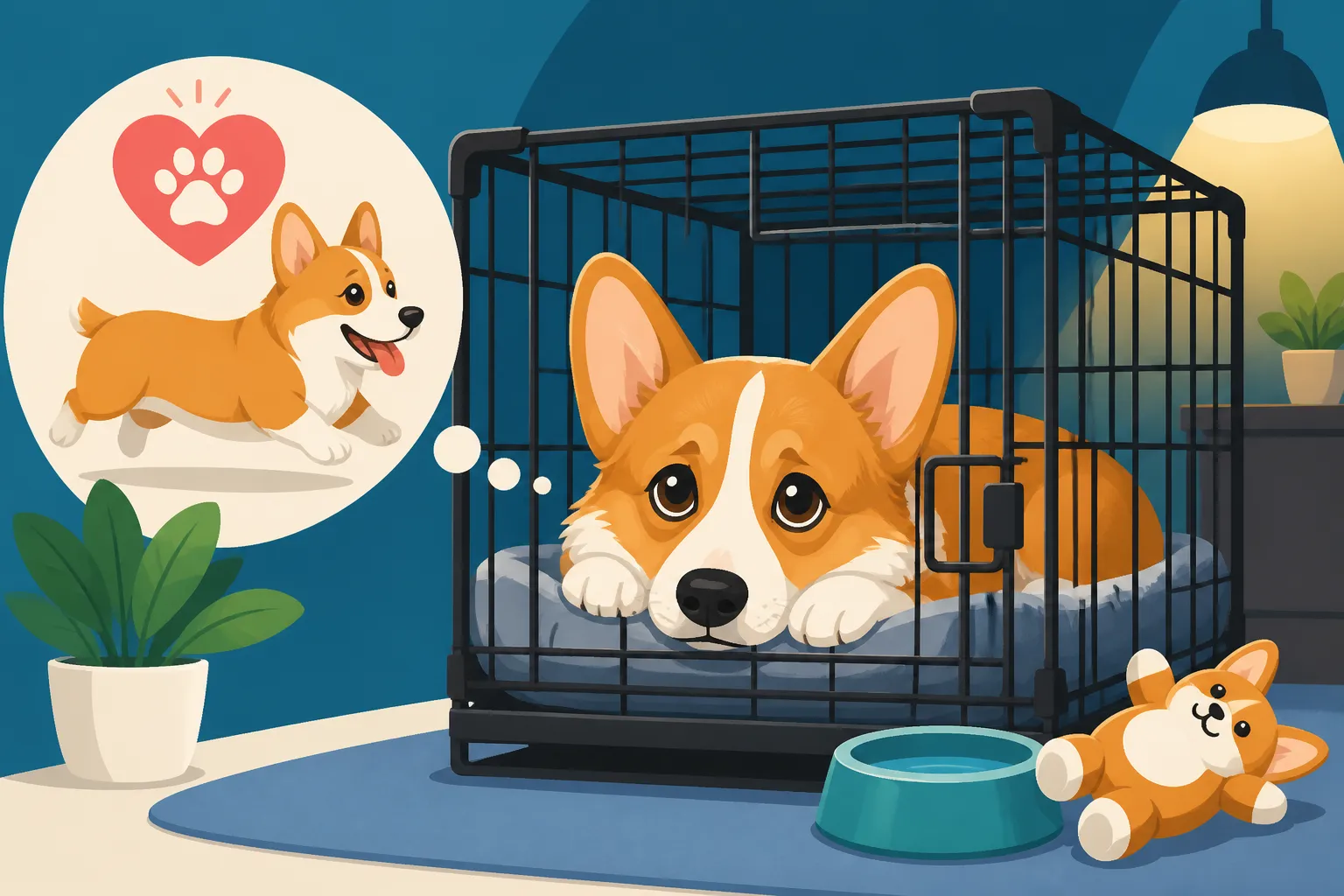
Let’s be honest, seeing your Corgi, a breed known for its boundless energy and "big dog in a small body" personality, stuck in a crate is tough. It goes against every instinct you have as a loving pet parent. The whines, the mournful eyes, the attempts to sneak out – it all tugs at your heartstrings. But understanding why this period is so critical can help you steel your resolve and provide the unwavering care your Corgi desperately needs.
Why Six Weeks Feels Like Forever
For an active, intelligent breed like the Corgi, six weeks of confinement can indeed feel like an eternity. Corgis are natural herders, always on the go, keen to investigate, and ready to engage in play. Their minds are constantly whirring, and their bodies are built for action, despite those short legs! Imagine taking that innate drive and putting it on pause. It’s not just physically challenging for them; it’s mentally and emotionally draining. They don't understand why they can't jump on the sofa, chase a squirrel, or even just trot across the room. This lack of understanding can manifest as anxiety, frustration, and even vocal protests, making an already difficult situation even more stressful for you. Many owners describe feeling constantly guilty, questioning every decision, and struggling with the immense psychological burden of enforcing such strict rest.
Understanding the "Why" Behind Crate Rest
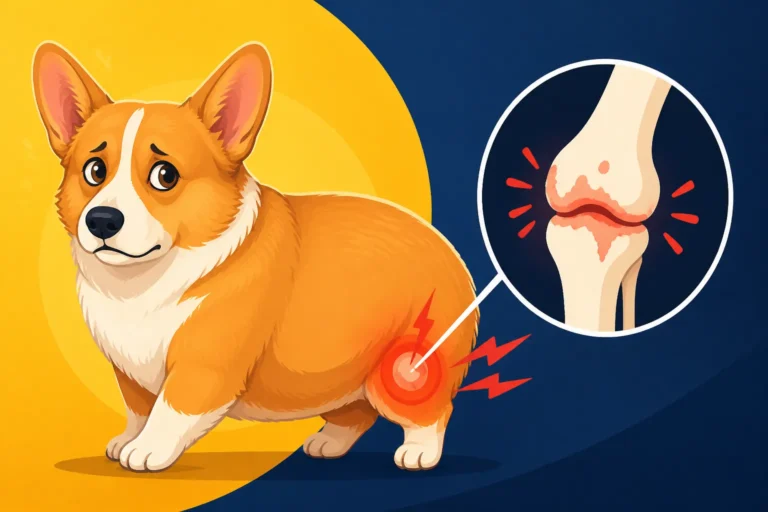
The primary reason for six weeks of strict crate rest, particularly in Corgis, often stems from spinal issues like Intervertebral Disc Disease (IVDD). Their unique body structure – a long back supported by short legs – makes them predisposed to disc problems. A sudden movement, a misstep, or even The Jump That Ruptures a Corgi Disc can cause a disc to bulge or rupture, putting pressure on the spinal cord. In these situations, the goal of crate rest is to provide an environment where the spinal column can heal without any further jarring, twisting, or impact that could worsen the injury.
Think of it this way: when you break a bone, it's set in a cast to immobilize it. Crate rest is essentially a full-body cast for your Corgi's spine. It's designed to limit movement to the absolute minimum, allowing inflammation to subside, discs to settle, and nerve damage to potentially repair. While surgery is an option for severe cases, often conservative management, including strict crate rest, is the first course of action or a necessary post-operative recovery period. It’s a painstaking process, but it's absolutely vital for their long-term health and mobility. Without it, the chances of reinjury or worsening conditions are significantly higher, potentially leading to permanent neurological deficits. This extended period allows the body to form stronger scar tissue around the damaged disc, stabilizing the area. When your veterinarian recommends Whether a Corgi Needs Surgery or Rest, they are carefully weighing the severity of the injury against the potential for healing with conservative methods, and strict crate rest is almost always central to that conservative approach.
Setting Up for Success: Creating the Ideal Healing Haven
Once the shock of the diagnosis wears off, the practicalities hit. Where will your Corgi live for the next six weeks? How do you make it as comfortable, safe, and calming as possible? A well-prepared "healing haven" is paramount to their recovery and your peace of mind.
Choosing the Right Crate and Location
Selecting the appropriate crate is not just about size; it's about suitability for a healing Corgi. The crate should be just large enough for your Corgi to stand up, turn around comfortably, and lie down fully stretched out, but not so large that they can take more than one step or jump. A space that is too big encourages unwanted movement, defeating the purpose of the rest. For many Corgis, a 30-inch wire crate is often a good starting point, though you might need to insert a divider to make it smaller if your Corgi is on the petite side. Wire crates offer good visibility, which can help your Corgi feel less isolated, but some prefer solid plastic crates for a den-like feel and reduced visual stimulation if they tend to get overexcited.
The location of the crate is just as important. It should be in a central area of your home, like the living room or a bustling kitchen, where your Corgi can still feel like part of the family without being overwhelmed. Avoid isolating them in a spare bedroom or basement, as this can increase anxiety and lead to more barking or destructive behavior. However, it also shouldn't be in a high-traffic zone where constant commotion or people tripping over them could cause stress or accidental bumping. A quiet corner near the family hub is often ideal. This allows them to see and hear you, providing a sense of security and belonging, which is crucial for their mental well-being during such a long confinement period.
Essential Accessories for Comfort and Care
Once the crate is chosen and positioned, it’s time to outfit it for maximum comfort and safety. Non-slip bedding is absolutely non-negotiable. A thick, supportive orthopedic bed is a wonderful investment, especially for a Corgi prone to spinal issues. Look for brands that offer memory foam or dense, supportive padding to evenly distribute weight and reduce pressure points on their healing spine. Avoid flimsy blankets that can bunch up and create uneven surfaces or allow them to slip, potentially causing a re-injury. You can find excellent options specifically designed for dogs with joint issues from companies like Big Barker or Bully Beds.
Water access is also critical. A spill-proof bowl that attaches securely to the side of the crate is usually best, preventing accidental spills that could create a damp, uncomfortable environment or require you to open the crate unnecessarily. Alternatively, a Lixit water bottle can work for some dogs, though ensure your Corgi knows how to use it. When it comes to mental stimulation without physical exertion, puzzle feeders and lick mats are lifesavers. Fill a KONG with frozen peanut butter or plain yogurt, or spread some wet food on a LickiMat. These can keep your Corgi occupied and mentally engaged for extended periods, reducing boredom and anxiety. Just ensure they don't involve too much twisting or movement. Finally, a supportive sling or harness, like those from Walkin' Pets, is indispensable for assisting your Corgi on potty breaks. This allows you to support their hind end, preventing them from putting undue strain on their spine as they walk or squat, ensuring that even brief outings are safe and controlled.
Managing Daily Life: Schedules, Stimulation, and Sanity
The success of six weeks of crate rest hinges on meticulous management of daily routines. It's a full-time job, requiring consistency, patience, and a bit of creativity to keep your Corgi on the path to recovery while maintaining your own sanity.
Establishing a Strict Potty Schedule
Consistency is king when it comes to potty breaks during crate rest. Your Corgi will need to be carried or carefully assisted outside on a strict schedule – typically every 3-4 hours during the day, and a final break before bed. Depending on your Corgi's individual needs and the severity of their condition, you might even need to set alarms for middle-of-the-night breaks, especially if they are experiencing any Incontinence in a Corgi With DM. When taking them out, use a sling or towel under their belly to support their hindquarters. This prevents them from slipping, stumbling, or putting weight on their back legs in a way that could cause further injury.
Keep these outdoor excursions short and focused solely on doing their business. No sniffing around, no prolonged walks, no meeting other dogs. A small, enclosed patch of grass or a designated potty area is best. The moment they are done, it's back inside and gently into the crate. Dealing with accidents is an unfortunate but sometimes unavoidable part of the process. If your Corgi does have an accident in the crate, clean it up promptly and thoroughly, but avoid scolding them. They are already in a vulnerable state, and any stress or fear could hinder their recovery. Just adjust the schedule if needed, offering more frequent, shorter breaks.
Mental Enrichment Without Physical Exertion
This is where your creativity truly comes into play. A Corgi’s mind needs to be active, even if their body can’t be. The good news is that there are many ways to provide mental stimulation that won't compromise their physical rest. Keeping a Confined Corgi Occupied means thinking beyond physical play. Invest in a variety of puzzle toys, slow feeders, and lick mats. Rotate them daily to keep things fresh. You can also hide kibble or small, healthy treats in a rolled-up towel or a snuffle mat directly inside their crate, encouraging gentle sniffing and problem-solving.
Quiet cuddle sessions are also incredibly important. Sit by their crate, offer gentle petting and soft words. You can even try some gentle massage, if your vet approves, focusing on areas not affected by the injury. Reading aloud to them or playing calming music can also provide soothing background noise. Short, supervised "visits" from calm family members (no jumping children or boisterous pets) can provide positive social interaction. Remember, the goal is to engage their brain and emotional well-being without any twisting, turning, or jumping. Using their daily kibble allowance for these enrichment activities is a great way to keep them engaged without adding extra calories.
Diet Adjustments and Medication Management
During six weeks of crate rest, your Corgi's caloric needs will drop significantly due to reduced activity. It's incredibly easy for them to pack on pounds, and Why Corgi Weight Is a Spinal Problem becomes even more critical during recovery. Excess weight puts additional strain on a healing spine and can predispose them to future injuries. Therefore, a strict diet adjustment is essential. Work with your vet to determine the appropriate calorie intake for your Corgi's ideal weight and activity level (which is currently almost zero). This often means reducing their portion sizes and being very diligent about measuring their food precisely. Many Corgi owners find it helpful to use a kitchen scale for accuracy rather than relying on scoops.
Cutting Calories While a Corgi Is Confined might also mean temporarily cutting out high-calorie treats. Instead, use small pieces of their regular kibble for training or positive reinforcement during mental enrichment activities. For example, a single piece of kibble for successfully solving a puzzle or remaining calm.
Medication management is another critical aspect. Your vet will likely prescribe a regimen of anti-inflammatory drugs, pain relievers, and possibly muscle relaxants. Administering these medications precisely as directed, on time, every time, is crucial for managing pain, reducing inflammation, and allowing the healing process to progress. Keep a detailed log of medication times and dosages to ensure nothing is missed. If your Corgi is difficult to medicate, discuss strategies with your vet – there are often palatable options or techniques to make it easier. Do not stop medications early, even if your Corgi seems to be improving, without your vet's explicit instruction. A relapse can be devastating and set back the recovery significantly.
Overcoming Challenges and Maintaining Your Own Well-being
Let's face it, six weeks is a long time. There will be good days, and there will be incredibly frustrating ones. It's okay to feel overwhelmed, but having strategies in place to cope will benefit both you and your Corgi.
Dealing with Frustration and Boredom (Yours and Theirs)
The biggest challenge with crate rest is managing the sheer boredom and frustration that sets in for both you and your Corgi. Your Corgi will undoubtedly test your limits. They might whine incessantly, bark, try to chew on the crate bars, or stage elaborate escape attempts. This is perfectly normal behavior for an intelligent, active dog confined for so long. It's crucial to remember that they aren't being "bad"; they are simply expressing their natural instincts and discomfort.
When A Corgi That Objects Loudly to Confinement, try redirecting their energy with a quiet puzzle toy or a gentle massage. If their protests are for attention, be mindful not to reward excessive barking with immediate interaction, but do ensure all their needs (potty, comfort, food) are met first. Then, try engaging them with a calm activity. For your own sanity, schedule "off-duty" periods where other family members can take over, or ask a trusted friend to sit with your Corgi while you step out for a break. Connecting with other Corgi owners who have gone through similar experiences in online forums or local groups can provide much-needed emotional support and practical tips. Remind yourself constantly that this temporary hardship is for their long-term health.
Recognizing Signs of Progress and Setbacks
During the six weeks, you’ll be on high alert, watching for any changes in your Corgi. Signs of progress might include reduced obvious pain (less panting, crying, or reluctance to be touched), improved demeanor (less anxious, more settled), and perhaps a bit more controlled movement during assisted potty breaks. However, recovery isn't always a linear path. Be vigilant for any setbacks: increased pain, new neurological deficits (like toe dragging or weakness in a previously unaffected limb), loss of appetite, or a sudden change in their ability to eliminate.
If you observe any worsening symptoms, contact your veterinarian or a veterinary neurologist immediately. Do not wait. Early intervention can make a significant difference in the outcome. It's essential to strictly adhere to your vet's instructions, even if your Corgi seems to be feeling better. Pushing them too soon can easily undo weeks of careful rest and lead to a more severe injury. Keep a journal of their daily symptoms, medication times, and any observations; this can be incredibly helpful for your vet in assessing their recovery.
Financial Implications and Insurance Considerations
Let's be realistic – a Corgi back injury can be incredibly expensive. From initial vet visits, X-rays, possibly MRIs, medications, and follow-up appointments, the costs can quickly add up. If surgery becomes necessary, you could be looking at thousands of dollars. This is where pet insurance can be an absolute lifesaver. Many Corgi owners find invaluable peace of mind with a robust pet insurance plan, and companies like Healthy Paws are often recommended for their comprehensive coverage, especially if you get it before any pre-existing conditions arise. It's vital to enroll your Corgi in pet insurance as early as possible, ideally when they are a puppy, because spinal issues are so common in the breed. Once an issue has been diagnosed, it typically becomes a pre-existing condition and will no longer be covered.
Understanding your policy is key. For example, some plans might cover diagnostic tests and conservative treatments, while others might have limitations on spinal conditions. Researching Insuring a Corgi Before Its First Back Episode is one of the most proactive steps you can take as a Corgi owner. While the upfront cost of premiums can seem like a lot, it pales in comparison to the potential veterinary bills for a major spinal event. Having that financial safety net can allow you to make medical decisions based on what’s best for your Corgi, rather than being constrained by cost.
| Aspect of Crate Rest | Key Consideration | Actionable Tip |
|---|---|---|
| Crate Size | Snug, not spacious | Use a divider if needed; prevent jumping/spinning. |
| Bedding | Orthopedic, non-slip | Invest in supportive memory foam; avoid loose blankets. |
| Location | Central, visible, calm | Near family but not in high-traffic areas; avoid isolation. |
| Potty Breaks | Strict schedule, assisted | Every 3-4 hours; use a sling/towel for support; short and purpose-driven. |
| Mental Stimulation | No physical exertion | Puzzle toys, lick mats, gentle scent games; rotate items. |
| Diet | Reduced calories | Weigh food precisely; use kibble for treats; consult vet for caloric needs. |
| Medication | Timely, as prescribed | Keep a log; do not stop early; discuss administration with vet. |
| Emotional Support | For both of you | Seek online communities; schedule breaks for yourself; be patient. |
| Warning Signs | Worsening symptoms | Contact vet immediately for increased pain, new weakness, or incontinence. |
| Financial Prep | Pet insurance | Enroll early; understand policy details; Healthy Paws is a popular option. |
Disclaimer
The information provided in this guide is intended for educational purposes only and should not be considered a substitute for professional veterinary advice. Always consult with your veterinarian or a qualified veterinary specialist for any health concerns or before making any decisions about your Corgi's medical care.