A Corgi That Objects Loudly to Confinement
Hearing your beloved Corgi cry, bark, or howl relentlessly when you need to confine them can be absolutely heartbreaking and incredibly frustrating. You’re trying to keep them safe, or perhaps just manage their energy for a short period, and instead, you're met with a cacophony of protest that makes you feel like the worst dog parent on the planet. This guide is here to unravel why your Corgi might be turning confinement into a full-blown opera and offer realistic, empathetic strategies to help both of you find some peace.
The Corgi Voice: Why Confinement Becomes a Concert
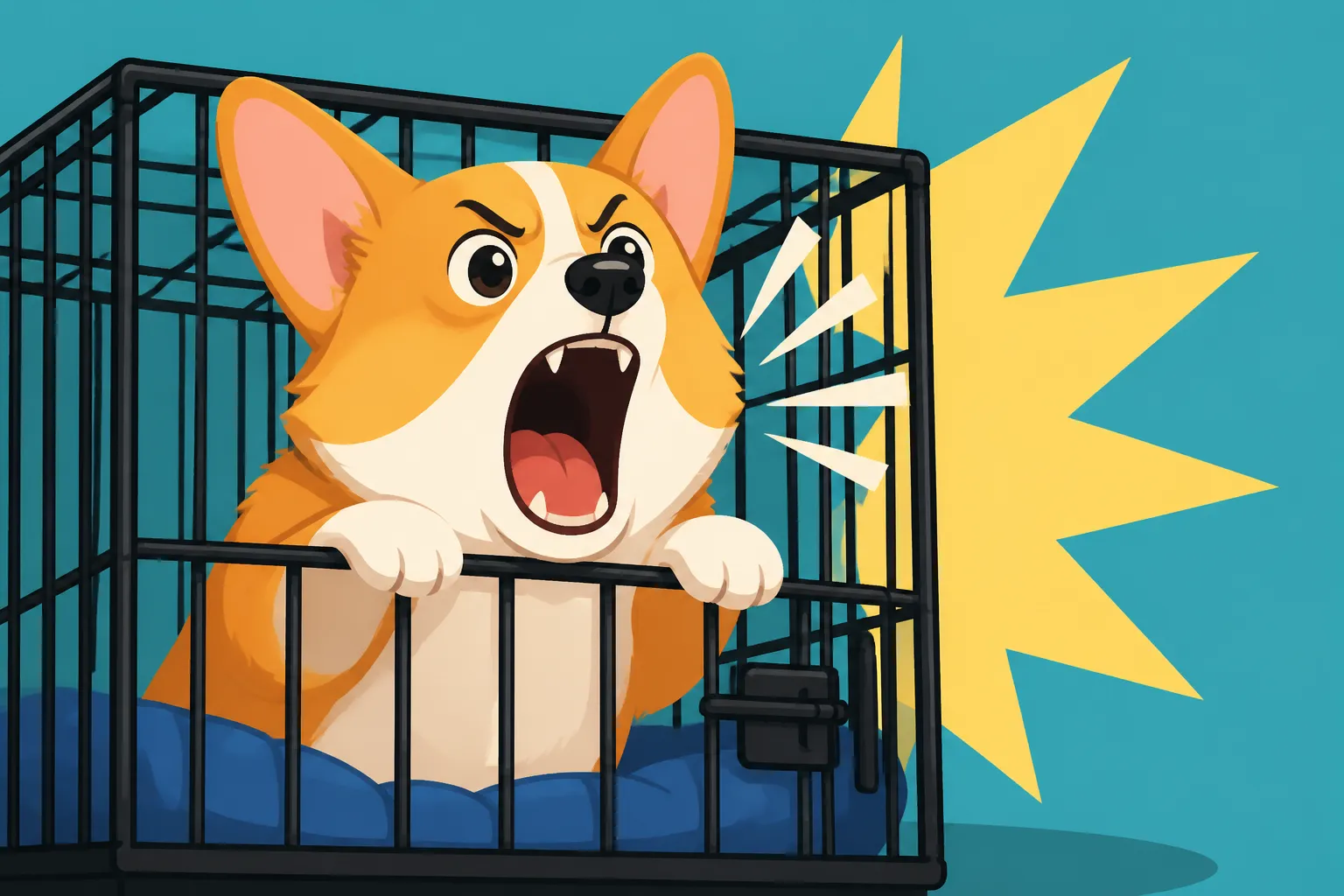
Let's be honest, Corgis aren't exactly known for their quiet, reserved nature. These little bundles of fluff and sass have a history as working dogs, herding cattle much larger than themselves. That takes a whole lot of confidence, independence, and, yes, a certain vocal prowess. When you ask a Corgi to be confined, whether it's in a crate, a playpen, or even just a separate room, you're asking them to override some very deeply ingrained instincts, and they often object, loudly.
Deep-Seated Instincts and a Need to Control
Corgis, particularly the Pembrokes, were bred to be intelligent, independent thinkers. They had to make decisions on the fly to direct livestock, often using their low stature to nip at heels and get out of the way quickly. This means they are not dogs who passively accept situations they don't understand or agree with. Confinement can feel like a loss of control for them. They're used to being in charge, or at least having a say in their environment and activities. When that choice is taken away, their innate drive to manage their surroundings kicks in, and for a Corgi, managing often involves expressing their strong opinions. It's not necessarily disobedience; it's a deeply rooted personality trait. Consider how this independent spirit also influences other behaviors, like Training a Corgi That Makes Its Own Decisions.
The Loud and Proud Corgi Vocalization
Have you ever heard a Corgi "talk"? It's not just barking; it's a whole repertoire of sounds—yips, barks, grumbles, whines, and that signature Corgi "woo-woo" sound. They are highly communicative dogs, and their vocalizations are a key part of how they interact with their world. When they're confined and feeling any level of frustration, boredom, or anxiety, their default response is often to voice it. This isn't just a puppy phase; adult Corgis can be incredibly vocal, and it's something many owners find challenging. Corgi Barking and How Much Is Normal explores just how much these little dogs like to make themselves heard. So, when your Corgi protests confinement, they’re not just making noise; they are communicating their displeasure in the most Corgi way possible.
Deciphering the Drama: Is It Distress or Displeasure?
It’s easy to lump all loud protests together, but understanding the root cause of your Corgi's objections is absolutely vital to addressing it effectively. Is it a genuine panic, or are they simply throwing a tantrum because they’d rather be glued to your side? Knowing the difference will guide your approach.
True Separation Anxiety vs. Situational Frustration
This is perhaps the most critical distinction. True separation anxiety (SA) is a debilitating panic disorder where your Corgi genuinely believes they are being abandoned and can't cope without you. Signs of SA are severe: destructive chewing, often around exit points, frantic pacing, excessive drooling, house soiling (even if fully housetrained), and self-mutilation. The vocalizations will be desperate, relentless wails or barks. This isn't just "I'm bored," it's "I'm terrified." If you suspect true separation anxiety, it requires a comprehensive, often veterinary-led, behavior modification plan.
Situational frustration, on the other hand, is more common. This is your Corgi telling you, quite clearly, that they don't like being confined. They might bark, whine, or dig at the crate door, but they aren't in a state of panic. They're annoyed, bored, or simply prefer to be with you, or exploring, but they aren't experiencing severe distress. They might stop once they realize their protests aren't working, or when a high-value chew is introduced. The vocalizations, while loud, typically lack the desperate edge of true anxiety.
Boredom, Under-Stimulation, or Lack of Prep
Sometimes, your Corgi's loud objections boil down to simple boredom or a lack of preparation. These are intelligent, active dogs who need both physical and mental stimulation. If you confine them without adequately exercising their body and mind beforehand, they're going to have a lot of pent-up energy and nothing to do but complain. Imagine being stuck in a small room with nothing but your thoughts—you'd probably get restless and vocal too!
A Corgi needs purposeful activity. A quick potty break before being crated for hours just isn't enough. They need a good walk, some training, or a vigorous play session. If they haven't learned how to settle calmly in their confined space, or if the space itself isn't set up for success, their objections are almost a given. This often links back to The Forty-Five Minutes a Corgi Needs Daily in terms of exercise, but mental engagement is just as vital.
The Unfamiliar Confinement Space
The environment itself plays a huge role. Is the crate or pen a safe, comfortable den, or does it feel like a prison? For a Corgi, who naturally wants to be part of the action, being suddenly isolated can be unsettling. A crate that's too small, too large, or uncovered can contribute to their discomfort. Similarly, if the space is new, or if they've only ever associated it with negative experiences (like being put in it when you leave without prior positive training), their protests are a natural response. Making sure the space is appropriate and positively introduced is key. This is why resources like Crates and Pens for a Corgi Puppy emphasize starting positive associations early.
Strategies for a Quieter Confinement
Once you've started to pinpoint why your Corgi is objecting, you can begin to implement strategies to create a more peaceful confinement experience. This isn't about silencing them through punishment, but rather teaching them that being in their space can be a positive, calm, and safe experience.
Building a Positive Association
The goal is to make the crate or pen your Corgi's favorite place to be. Start by feeding meals inside the crate, leaving the door open. Toss high-value treats and toys in there. Never use the crate as punishment. Make it a sanctuary. You can find many enriching toys and comfortable beds on platforms like Amazon that can help make the crate more appealing.
- Treat Trails: Lay a trail of small, tasty treats leading into the crate. Once inside, praise them softly and offer a special, long-lasting chew or a puzzle toy stuffed with delicious goodies. Only offer these extra-special treats when they are in their confined space.
- Gradual Time Increases: Begin with very short periods. Close the door for literally a few seconds while you're still in the room, then immediately open it and reward calm behavior. Gradually increase the time the door is closed, then the time you're out of sight, always rewarding quiet, relaxed moments.
- Comfort is Key: Ensure their space is comfortable. A soft bed, a blanket that smells like you, and appropriate temperature. For a Corgi, who can get warm with their double coat, ensure good airflow.
Management and Environmental Enrichment
Prevention is always better than reaction. Proper management before and during confinement can significantly reduce the likelihood of loud objections.
- Pre-Confinement Routine: Always ensure your Corgi has had adequate physical exercise and mental stimulation before you ask them to be confined. A brisk walk, a game of fetch, or a short training session can do wonders. A tired Corgi is usually a quiet Corgi. Then, make sure they have had a chance to relieve themselves thoroughly.
- Mental Engagement During Confinement: Provide safe, long-lasting chew toys or puzzle toys that require effort. This keeps their mind occupied and turns confinement into a rewarding activity. Think KONGs filled with peanut butter or specialized treat-dispensing toys that you can easily find on Amazon. These mental exercises are crucial for Keeping a Crated Corgi Sane.
- Background Noise: Sometimes, a little white noise, a radio playing soft music, or a TV show can help mask outside sounds that might trigger barking, and also provide a sense of company.
Gradual Desensitization and Counter-Conditioning
This is the process of slowly introducing the confinement and associating your departure cues with positive things, rather than anxiety.
- Practice Departures: Pick up your keys, put on your shoes, or grab your bag – all the things you do before leaving – but then don't leave. Sit back down. Do this many times a day. Your Corgi will learn that these cues don't always mean you're leaving for good.
- Short Departures: Once your Corgi is comfortable with the positive associations and handling your departure cues, start leaving for very short periods (a minute, then five, then ten). Monitor them, perhaps with a pet camera. Return only when they are quiet. If they are barking, wait for a brief pause before re-entering, otherwise, you'll be rewarding the barking.
- Professional Guidance: If your Corgi's protests are severe, especially if you suspect true separation anxiety, don't hesitate to seek help from a certified professional dog trainer or a veterinary behaviorist. They can help you create a tailored plan. Programs like BAXTER & Bella offer structured online guidance that can be incredibly helpful for owners needing a step-by-step approach to managing challenging behaviors and building a strong foundation.
Long-Term Solutions and Preventing Relapses
Success with Corgi confinement isn't a one-and-done deal. It requires ongoing effort, consistency, and a deep understanding of your Corgi's needs to prevent old habits from resurfacing.
Consistent Training and Routine
Corgis thrive on routine and clear expectations. Consistency in your training, daily schedule, and how you manage their confinement space is paramount. If you're inconsistent – sometimes letting them have free rein, other times confining them without warning or preparation – they'll never truly understand what's expected of them. Establish a predictable routine for their meals, walks, play, and quiet time in their crate. This predictability provides security and helps them anticipate and accept confinement as a normal part of their day.
Regular, short training sessions, even just 10-15 minutes a day, can help reinforce good behavior and deepen your bond. This is where a structured program, like those offered by BAXTER & Bella, can be invaluable for maintaining consistency. By continuously engaging their minds and reinforcing calm behaviors, you build a dog that is generally more settled and less prone to dramatic protests. This consistent approach also addresses the independent streak that makes A Corgi That Will Not Settle Indoors a common complaint for many owners.
Addressing Underlying Needs
Often, loud objections to confinement are a symptom of unmet needs. Re-evaluate your Corgi's daily routine:
- Exercise: Are they getting enough physical exercise? Corgis are energetic for their size. Two good walks or play sessions a day might be the minimum.
- Mental Stimulation: Beyond physical activity, Corgis need to use their brains. Scent work, puzzle toys, training new tricks, or even short obedience sessions can fulfill this need. A bored Corgi is a mischievous, and often vocal, Corgi.
- Enrichment: Are their days filled with novel experiences? Even something as simple as a new walking route, or a different type of chew toy, can make a difference.
- Diet: Ensure they are on a balanced diet, as some dogs can have behavioral sensitivities to certain ingredients.
By ensuring all these needs are consistently met, you create a more balanced and content Corgi who is less likely to feel the need to protest loudly when confined. This helps avoid situations where A Corgi That Barks the Whole Time You Are Out becomes a regular occurrence.
Seeking Professional Guidance
If you've diligently applied these strategies and your Corgi's loud objections persist or worsen, especially if you suspect separation anxiety, it's absolutely okay – and recommended – to seek professional help. A certified professional dog trainer, particularly one specializing in fear and anxiety, or a veterinary behaviorist, can provide personalized assessment and a management plan. They can observe your Corgi's behavior, rule out any underlying medical conditions that might be contributing, and guide you through advanced behavior modification techniques. Sometimes, a fresh pair of expert eyes can spot things you might have missed.
Understanding Corgi Confinement Objections
| Type of Objection | Common Signs | Underlying Cause | Recommended Approach |
|---|---|---|---|
| Situational Protest | Barking, whining, digging, trying to escape; settles with high-value chew/toy. | Boredom, mild frustration, desire for company/freedom. | Positive association, pre-confinement exercise, mental enrichment, ignore mild protests. |
| Attention-Seeking | Barking/whining immediately stops when you return or acknowledge them. | Learned behavior: "If I make noise, owner comes back." | Never reward noise. Return when quiet. Gradual desensitization. |
| True Separation Anxiety | Frantic barking/howling, pacing, drooling, destruction (especially exits), house soiling, self-harm. | Panic, deep distress when left alone. | Immediate professional help. Veterinary behaviorist, medication (if needed), intensive behavior modification. |
| Under-Stimulation | Restless, destructive, continuous loud vocalization without panic signs. | Insufficient physical or mental exercise. | Increase daily exercise & mental challenges. Provide puzzle toys. |
| Unfamiliarity/Fear | Trembling, reluctance to enter, attempts to hide, frantic escape attempts. | Negative association with space, never introduced positively. | Re-introduce crate/pen slowly with high rewards, make it a safe den. |
Disclaimer
This article is for general informational purposes only and does not constitute professional advice. Laws, prices and regulations vary by location and change over time. Consult a qualified professional for guidance on your specific situation.