Keeping a Crated Corgi Sane
Crate training a Corgi can feel like an impossible task, can't it? These intelligent, opinionated little dogs often view being cooped up as a personal affront, leading to a symphony of barks, whines, and sometimes even destructive chewing. It's truly frustrating when you know the crate is for their safety and your peace of mind, but your Corgi sees it as a cruel punishment. This guide is here to walk you through practical, empathetic strategies to help your crated Corgi not just tolerate, but actually accept and even enjoy their den, keeping them sane and happy.
Understanding Your Corgi's Crate Resistance
It’s easy to get frustrated when your Corgi vocalizes their displeasure about being in a crate, but understanding why they might resist can help you approach the situation with more patience and a tailored strategy. Corgis are not inherently delicate, nor are they naturally inclined to be quiet, passive occupants of a small space. Their very genetics and history work against a quick, easy acceptance of crate confinement.
The Herding Instinct and Need for Control
Corgis, whether Pembroke or Cardigan, come from a long line of working dogs bred to herd cattle. Think about that for a moment: their ancestors were responsible for moving large, stubborn livestock, often by nipping at their heels and guiding them where they needed to go. This isn't a job for a shy, retiring dog. It requires immense self-confidence, quick thinking, and a strong sense of knowing what needs to happen. Your Corgi, even if they've never seen a cow in their life, carries this genetic blueprint. They have an innate need to be aware of their surroundings, to be "in charge" of their little universe, and to have some control over their movements and environment.
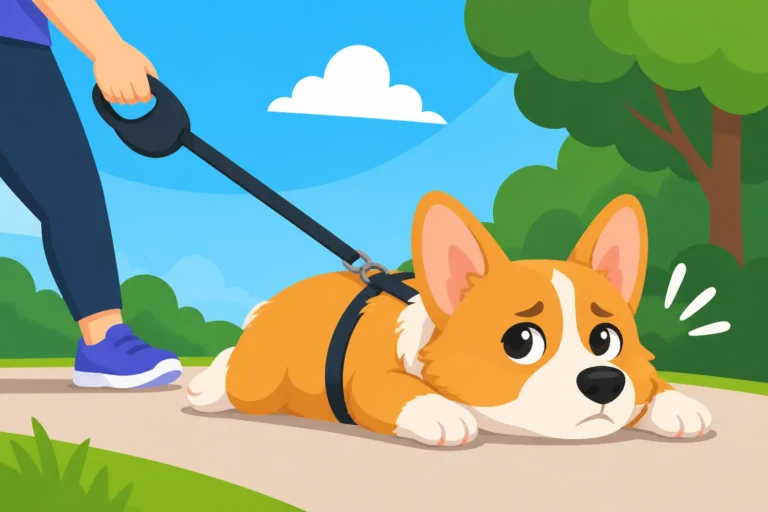
When you put a Corgi in a crate, you are essentially removing all that control. They can't see everything, they can't move freely, and they can't decide where they want to go or what they want to investigate. This can be deeply unsettling for a dog wired to manage a chaotic environment. It goes against their very nature. They are often dogs who, despite their small stature, carry a big personality and a conviction that they know best. Training a Corgi That Makes Its Own Decisions is a testament to how deeply ingrained this independent streak is. Their protests from the crate aren't necessarily a sign of malice, but often a genuine expression of discomfort with the perceived loss of agency and the inability to "do their job" of overseeing the household.
High Intelligence and Boredom Threshold
Don't let those adorable, fluffy butts fool you; Corgis are incredibly smart dogs. They learn quickly, observe everything, and are often several steps ahead of their owners. While this intelligence makes them a joy to train for many tasks, it also means they have a very low tolerance for boredom. A bored Corgi is a destructive Corgi, or a vocal Corgi, or both. They need mental stimulation just as much as they need physical exercise.
If a Corgi is simply put into a crate with nothing to do, their active minds will quickly turn that confinement into a frustrating experience. They'll start looking for ways to entertain themselves, which might involve barking at every little sound, trying to chew on the crate bars, or digging at the bedding. It's not necessarily because they hate the crate, but because their clever brains demand something to engage with. Leaving a Corgi in a crate without appropriate mental enrichment is like asking a human prodigy to sit in an empty room for hours; they're going to find a way to make noise or break something out of sheer intellectual frustration. This is why just physically tiring them out isn't always enough; their minds still need a workout.
The Fear of Missing Out
Have you ever tried to have a conversation in another room while your Corgi is napping? Chances are, that little potato will materialize seemingly out of nowhere, ears perked, ready to investigate. Corgis are incredibly social and curious creatures. They thrive on being part of the family action, observing everything, and inserting themselves into any activity. They truly have a profound "Fear Of Missing Out" (FOMO).
When they are crated, especially if the crate is in an area separate from the main household activity, they are acutely aware that they are missing out. They can hear you, smell you, and sense that life is happening without them. This can trigger their natural alarm systems – the same ones that might lead to Corgi Barking and How Much Is Normal when they see a squirrel or hear the mailman. Their barks and whines from the crate are often their way of saying, "Hey! What's going on? I want to be part of it! Don't forget about me!" It's a plea to be included, driven by their deep connection to their human pack and their inherent curiosity about the world around them. Ignoring this aspect of their personality can make crate training much harder, as they feel genuinely excluded rather than simply placed in a safe space.
Crafting the Ideal Crate Sanctuary
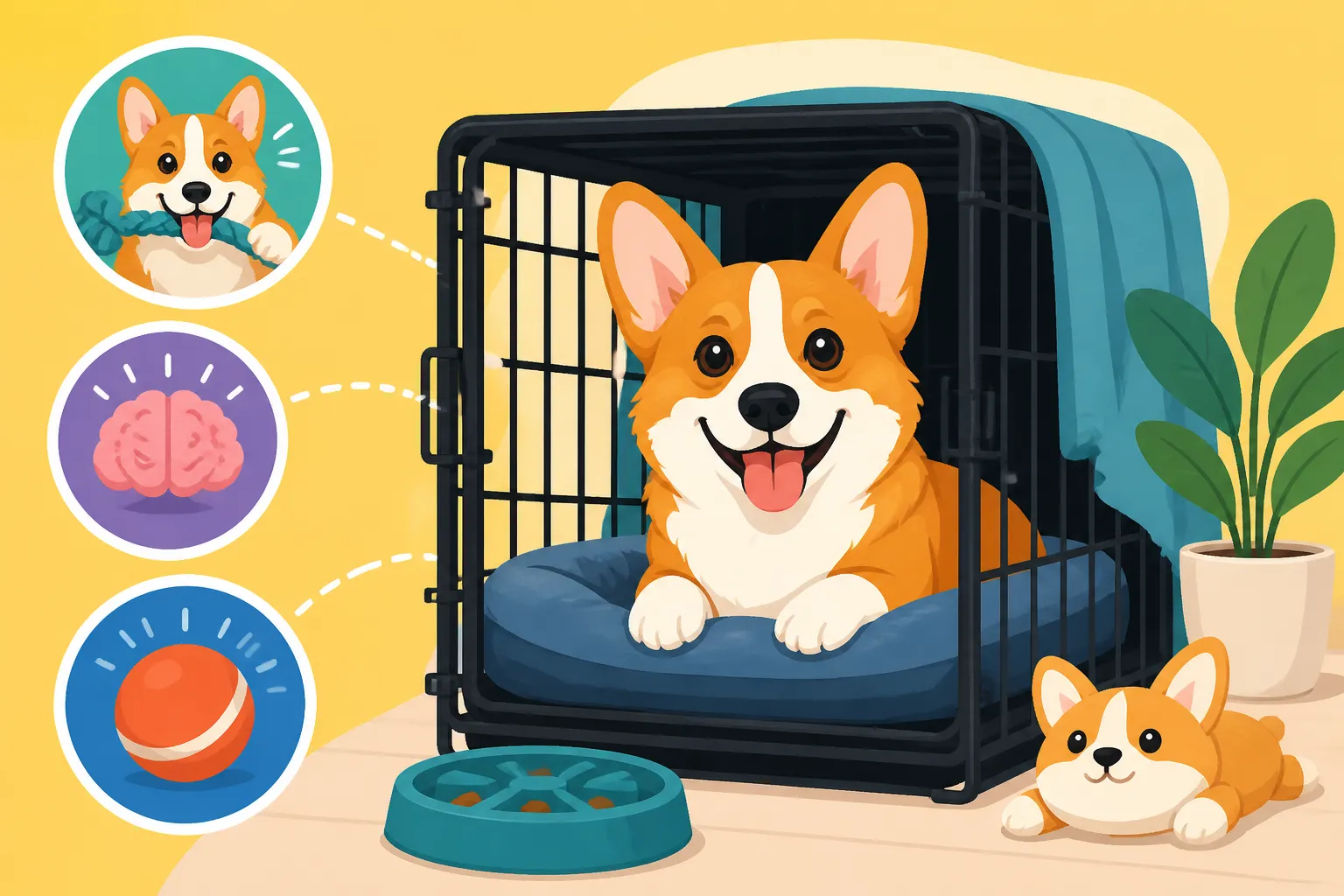
The crate shouldn't be a prison; it should be your Corgi's personal den, a safe haven where they feel comfortable, secure, and even happy. The way you set it up and where you place it plays a huge role in your Corgi's acceptance of it. A poorly chosen or uncomfortable crate environment can quickly become a source of stress and anxiety, whereas a thoughtfully prepared one can turn it into a cherished retreat.
Location, Location, Location
Choosing the right spot for your Corgi's crate is far more important than many owners realize. Remember their FOMO? A crate tucked away in a quiet, isolated room might seem like a good idea for minimizing noise, but for a social breed like a Corgi, it can actually amplify their feelings of exclusion and anxiety. They want to be with their people, even when they're resting or confined.
The best location for a Corgi's crate is usually in a central, high-traffic area of your home, such as the living room or kitchen, where family activities regularly occur. During the day, being able to see and hear you moving about, even if they can't participate, can significantly reduce their anxiety. At night, if your Corgi struggles with separation, placing the crate in your bedroom, or at least in the hallway just outside, can provide immense comfort. The sound of your breathing, your familiar scent, and the knowledge that you are near can soothe them. As they grow more comfortable and confident, you might be able to gradually move the crate to a less central location if desired, but starting where they feel most connected to the family is key. Just make sure the spot isn't drafty, too hot, or directly in bright sunlight.
Comfort and Safety Essentials
Once you have the location, it's time to make the crate as inviting as possible. This isn't just about aesthetics; it's about providing genuine comfort and ensuring their safety. First, choose the right size crate. It should be large enough for your Corgi to stand up, turn around, and lie down comfortably, but not so large that they can designate a "bathroom" corner away from their sleeping area. For puppies, a divider can be used to adjust the size as they grow. Crates and Pens for a Corgi Puppy can offer more insights on initial setup for youngsters.
Next, consider the bedding. A soft, comfortable bed or thick blanket that is easily washable can make a huge difference. Avoid anything too bulky that might take up too much space or be easily shredded. Orthopedic beds can be a fantastic investment, especially for Corgis who may be prone to back issues, as they offer good support. Keep a water bowl in the crate if your Corgi will be in there for more than a couple of hours. There are attachable bowls that clip to the crate bars, preventing spills and ensuring they have access to water. Always choose sturdy, non-toxic materials for everything inside the crate. Remove collars or harnesses before crating to prevent them from getting caught on the bars. The goal is to create a space that feels like a cozy, safe den, not a cold, impersonal cage.
Visual Barriers and Den-Like Feel
Think about what makes a dog feel secure. Many dogs naturally seek out small, enclosed spaces – under a table, behind a sofa, or in a tight corner. These spaces offer a sense of security and protection from their surroundings. You can replicate this den-like feeling with your Corgi's crate by adding visual barriers.
Draping a light blanket or crate cover over three sides and the top of the wire crate can transform it from an open cage into a cozy cave. This helps reduce external stimuli that might trigger barking or anxiety, making the space feel more private and secure. It also mimics the natural den environments that wild canids seek out. Ensure that the cover allows for good airflow, especially during warmer months, to prevent overheating. Some Corgis, particularly those with a very keen sense of hearing or who are easily startled, benefit greatly from this simple addition. It provides a visual boundary that says, "This is my space, and the outside world stays out." For a Corgi, who can be quite alert to every rustle and shadow, this sense of enclosure can be incredibly calming, allowing them to truly relax rather than constantly feeling the need to be on guard.
Enriching Crate Time: Keeping Minds Busy
A Corgi's mind is always working, and leaving them in a crate without mental engagement is a recipe for disaster. Boredom leads to stress, which then leads to unwanted behaviors like barking, whining, or destructive chewing. Providing appropriate enrichment during crate time is crucial for keeping your Corgi sane and turning crate time into a positive experience they actually look forward to.
Long-Lasting Chew Toys
Chewing is a natural, stress-relieving behavior for dogs, and it’s especially important for Corgis who might be channeling their herding instincts into a bit of a mouthy nature. Providing a long-lasting, safe chew toy when your Corgi is in their crate can be a game-changer. It gives them a focused activity that can occupy them for a significant period, diverting their attention from the fact that they are confined.
Look for toys that are designed for power chewers and can be stuffed with treats. A classic Kong toy, for example, filled with a mix of peanut butter, kibble, or even frozen plain yogurt, can keep a Corgi engaged for a good 30 minutes to an hour. Freezing the stuffed toy makes it last even longer. Other durable chew toys from brands found on Amazon, or specific brands known for their toughness, can also be excellent choices. The key is to find something enticing and challenging enough to hold their interest, but safe enough that it won't break apart or pose a choking hazard. This isn't just about entertainment; the act of chewing releases endorphins, helping your Corgi feel calmer and more content in their crate.
Puzzle Feeders and Snuffle Mats
Beyond just chewing, Corgis thrive on mental challenges. Their intelligence means they love to "work" for their food, and puzzle feeders are an ideal way to provide this mental stimulation within the confines of a crate. Instead of simply putting their meal in a bowl, make them earn it!
Puzzle feeders require your Corgi to manipulate the toy to release kibble or treats. This taps into their problem-solving abilities and natural foraging instincts. Snuffle mats, which are fabric mats with many hidden crevices, also encourage sniffing and searching, engaging their powerful sense of smell. These activities are incredibly enriching and tiring for a dog's brain. If your Corgi eats two meals a day, consider making one or both meals entirely consumed from a puzzle toy while they are in their crate. This creates a positive association with the crate – it's where the fun, challenging food comes from! This kind of activity is far more beneficial than passive toys, as it actively engages their mind and helps satisfy their need to "do" something. It’s a great way to provide the kind of engagement they might get from The Job a Corgi Needs Instead of Herding You.
Scent and Sound Stimulation
While sight and touch are important, don't forget your Corgi's other powerful senses: smell and hearing. These can be harnessed to provide additional enrichment and comfort during crate time. A dog's nose is incredibly sensitive, and incorporating scent into their crate routine can be very calming or stimulating, depending on the scent.
You could place a small piece of your worn clothing in the crate, as your scent can be very comforting and reassuring to your Corgi, reminding them that you're nearby. For some dogs, a spritz of dog-safe calming spray (like those containing pheromones) on their bedding can help reduce anxiety. You can also experiment with hiding a few highly scented, small treats in different parts of their crate bedding for them to "discover." As for sound, a quiet radio or classical music playing softly can help mask household noises that might otherwise trigger barking or anxiety. Some pet parents even use white noise machines or special dog-calming music specifically designed to soothe. The key is to introduce these gradually and observe your Corgi's reaction. The right combination of scents and sounds can create a multi-sensory environment that makes the crate a more pleasant and less isolating experience.
The Power of Predictable Routines
Dogs, and Corgis in particular, are creatures of habit. They thrive on predictability and routine. A consistent schedule helps them understand what to expect, when to expect it, and what is expected of them. When it comes to crate training, establishing a solid routine is one of the most powerful tools you have to reduce anxiety and create a calm, cooperative Corgi. It tells them that being in the crate is a temporary, normal part of their day, not a random, scary event.
Consistent Schedule for Potty and Play
A predictable schedule around potty breaks and playtime is absolutely foundational to successful crate training. Your Corgi needs to know when they will have an opportunity to relieve themselves and when they will get to stretch their legs and engage in fun activities. Without this consistency, they can become anxious about holding their bladder or missing out on playtime, leading to whining and barking in the crate.
Establish set times for potty breaks right before and immediately after crate time. For puppies, this might mean every 2-3 hours during the day, extending as they get older. Always take them directly outside to their designated potty spot before crating them, and immediately upon releasing them. Reward them lavishly for pottying outside. Similarly, schedule dedicated playtime and exercise before crating. A well-exercised and mentally stimulated Corgi is far more likely to settle calmly in their crate. This consistency builds trust: your Corgi learns that you will always meet their needs and that being in the crate isn't a permanent state. This also ties into important early lessons, as detailed in Getting a Corgi Puppy Used to the World. They learn that you are reliable, which fosters confidence.
Incorporating Exercise Before Crate Time
As mentioned, a tired Corgi is often a good Corgi. Physical and mental exercise are vital for this energetic breed, and strategically incorporating it before crate time can significantly improve their ability to settle. Corgis, despite their short legs, are surprisingly athletic and require regular activity to burn off their energy.
Before you put your Corgi in the crate, especially for a longer duration, make sure they’ve had a good physical and mental workout. This doesn't just mean a quick trip to the yard. Think about a brisk walk, a spirited game of fetch, or some structured training practice. Engage their minds with scent work or a brief obedience session. For example, if you're planning to leave them crated while you run errands, take them for a substantial walk first, play a few rounds of "find it" with treats in the yard, and then let them have a final potty break. The goal is to get them to a state where they are physically satisfied and mentally fatigued, making them more inclined to nap peacefully in their crate rather than pacing or protesting. Remember, The Forty-Five Minutes a Corgi Needs Daily is just a baseline; some Corgis might need more vigorous activity to truly tire them out before a long crate session.
Gradual Increase in Crate Duration
Patience is a virtue, and nowhere is this truer than in crate training a Corgi. You cannot expect them to tolerate hours of confinement immediately. The process must be gradual, building positive associations and slowly extending the time spent in the crate. Rushing this step is a common mistake that can set back your progress significantly.
Start with very short periods. Have them go into the crate with a high-value treat or a stuffed Kong, close the door, and then immediately open it again. Repeat this several times. Then, gradually increase the duration: 1 minute, then 5 minutes, then 10 minutes. Stay in the room at first, then move out of sight for short periods. Return before your Corgi starts to protest, so you can reward their quiet behavior. The goal is for them to associate the crate with good things and to learn that you always come back. Never use the crate as punishment, as this will destroy any positive associations you're trying to build. When you are ready to extend the time they spend in the crate, consider providing them with their favorite chew toy or puzzle feeder right before closing the door. If you know you'll need them crated for several hours, like Six Weeks in a Crate After a Corgi Disc Injury might require, this gradual desensitization becomes absolutely critical. It’s a marathon, not a sprint, and every successful short session builds confidence for longer ones.
Addressing Crate Frustration and Anxiety
Even with the best preparation, your Corgi might still vocalize their displeasure or show signs of anxiety in the crate. It's crucial to understand what these behaviors mean and how to address them appropriately. Simply ignoring or punishing a distressed Corgi can worsen the problem and break their trust. Instead, we need to decipher their signals and offer constructive solutions.
Deciphering Corgi Cries and Whines
Corgis are not shy about expressing themselves. Their cries, barks, and whines from the crate can range from a mild complaint to genuine distress, and learning to tell the difference is vital. Often, the first step is to rule out basic needs. Is it time for a potty break? Even if they just went, sometimes anxiety can make them feel the urge again. Are they hungry or thirsty? Is their bedding bunched up or uncomfortable? Always check these practical elements first.
If basic needs are met, consider the type of vocalization. A low, continuous whine might indicate mild boredom or a desire for attention. Sharp, insistent barks might be a demand to be let out or a reaction to an external sound. A panicked, high-pitched yelp or continuous frantic barking often signals genuine anxiety or fear. It’s important not to reward attention-seeking vocalizations by immediately letting them out or giving them attention. This teaches them that barking works. Instead, wait for a brief moment of quiet before releasing them. If it's clear they're experiencing genuine anxiety or panic, you need to intervene, but not necessarily by just letting them out. Instead, calmly approach, speak reassuringly, and then work to de-escalate the situation by perhaps moving the crate to a more secure location or offering a high-value, calming chew. Understanding A Corgi That Cannot Settle Without You will help you differentiate between learned attention-seeking and true separation distress.
Strategies for Separation Anxiety
Separation anxiety is a serious issue that goes beyond simple crate frustration. If your Corgi exhibits destructive behavior, excessive drooling, frantic escape attempts, or relentless vocalization whenever you leave them alone (even briefly), they might be suffering from true separation anxiety. Simply crating them won't fix this; it might even exacerbate it.
Addressing separation anxiety requires a multi-faceted approach. First, you need to desensitize your Corgi to your departure cues. Pick up your keys, put on your shoes, go to the door – but then don't leave. Repeat this many times until these actions no longer trigger anxiety. Next, practice very short departures. Leave for a few seconds, return calmly, and only acknowledge your dog once they are quiet. Gradually extend the time you are gone, always returning before they become distressed. High-value, long-lasting treats (like a frozen Kong) can be offered right before you leave, distracting them during the critical first few minutes. BAXTER & Bella offers online resources and training programs that can guide you through these specific separation anxiety protocols. Avoid making a big fuss when you leave or return, as this can heighten their emotional state. In severe cases, your vet might recommend temporary anti-anxiety medication in conjunction with behavior modification.
When to Seek Professional Guidance
Sometimes, despite your best efforts, a Corgi's crate struggles can persist or even worsen. This is not a reflection of your failure as an owner, but a sign that you might need professional help. If your Corgi is causing themselves physical harm trying to escape the crate, experiencing extreme panic, or if their anxiety is impacting their overall quality of life, it's time to reach out to a professional.
A certified professional dog trainer, ideally one specializing in positive reinforcement and behavior modification, can assess your Corgi's specific situation. They can help identify the root cause of the behavior, whether it's simple learned protest, true separation anxiety, or another underlying issue. They can then develop a tailored training plan and provide hands-on guidance. In some cases, a veterinary behaviorist might be recommended, especially if medication could be a helpful tool in conjunction with behavior therapy. Don't hesitate to seek help. A professional can provide valuable insights and techniques that might be difficult to implement on your own, ultimately helping your Corgi achieve a much calmer, happier life, both in and out of the crate.
Beyond the Crate: Holistic Well-being
Remember, the crate is just one tool in your Corgi-raising arsenal. Its effectiveness is deeply intertwined with your Corgi's overall well-being. A dog that is well-exercised, mentally stimulated, and understands household boundaries is far more likely to be calm and content in their crate. Focusing solely on crate training without addressing the broader aspects of your Corgi's physical and mental health will likely lead to continued struggles.
Ample Physical and Mental Exercise
Corgis are small but mighty. Their short legs belie a surprising amount of energy and a sharp mind that needs consistent engagement. Thinking that a quick romp in the yard is enough to satisfy them is a common misconception. Lack of adequate exercise, both physical and mental, is a primary driver of restlessness and anxiety, which directly impacts their ability to settle in a crate.
Aim for at least two good walks a day, and incorporate play sessions that involve chasing, fetching, or even some light agility work (always keeping their long backs in mind, as discussed in Disc Disease in a Long-Backed Corgi). Beyond physical activity, challenge their minds daily. Nose work games, where they have to sniff out hidden treats, are fantastic for Corgis. Learning new tricks, practicing obedience commands, or using puzzle toys throughout the day can prevent boredom. A truly tired Corgi, one whose body and mind have been sufficiently engaged, is much more likely to view their crate as a welcome place for rest and sleep rather than a source of frustration. This holistic approach to their daily needs is fundamental for overall behavioral health.
Consistent Training and Boundaries
Corgis, with their strong personalities and independent streaks, thrive on clear, consistent boundaries and training. A dog who understands what is expected of them, and who trusts their human to be a calm, consistent leader, feels more secure. This sense of security translates directly to their ability to cope with situations like crate confinement.
From puppyhood, focus on basic obedience commands like "sit," "stay," and "down." Practice recall diligently – Corgi Recall and the Herding Instinct can be a challenge, but it's crucial for their safety and your peace of mind. Use positive reinforcement methods, rewarding desired behaviors with treats, praise, or toys. Consistency is key: everyone in the household needs to be on the same page with rules and expectations. A Corgi who is allowed to get away with certain behaviors one day but corrected the next will become confused and potentially more anxious. Establishing clear boundaries, such as waiting for permission to exit the crate or not jumping on furniture, creates a more structured environment that helps your Corgi feel grounded and less prone to anxiety.
Creating a Safe, Crate-Free Zone
While crate training is an invaluable tool, it's also important to remember that your Corgi won't be in their crate 24/7. They need a safe, secure, and appropriate space to relax and play when they are out of the crate. This crate-free zone should be a comfortable extension of their living area, designed with their safety and your peace of mind in mind.
This might be a dog-proofed room, an area gated off in the kitchen, or a larger pen where they have more space to move around, especially if you need to leave them for longer periods than is appropriate for a crate. Ensure this area is free of anything they could chew, swallow, or harm themselves with. Provide comfortable bedding, fresh water, and appropriate toys. This area allows them to stretch, play, and choose different resting spots, offering a valuable alternative to the crate for times when full confinement isn't necessary or desired. By providing both a comfortable crate and a safe, crate-free zone, you give your Corgi options and ensure their needs are met throughout the day, contributing significantly to their overall sanity and happiness within your home.
| Corgi Crate Enrichment Toy Type | Benefits | Example | Best For |
|---|---|---|---|
| Stuffable Chew Toys | Provides long-lasting chewing satisfaction; releases endorphins; can be frozen for extended use. | KONG Classic, West Paw Zogoflex Qwizl | Anxiety, boredom, food motivation |
| Puzzle Feeders | Engages mental faculties; slows down eating; satisfies foraging instincts. | Snuffle mats (various brands on Amazon), Outward Hound Fun Feeder bowls | Intelligent Corgis, fast eaters, mental stimulation |
| Durable Chew Bones/Antlers | Long-lasting; satisfies natural urge to chew; helps clean teeth (choose appropriate size). | Nylabone Dura Chew, natural antlers (ensure no splintering) | Power chewers, long periods of quiet chewing |
| Scent-Based Toys | Engages powerful sense of smell; provides mental workout without physical movement. | Scent work toys (e.g., K9 Explorer), hidden treat balls | Calm mental stimulation, all ages, low impact |
| Comfort Items | Provides a sense of security and familiarity. | Your old t-shirt, dog-safe blanket with your scent, calming pheromone spray | Separation anxiety, new puppies, during initial crate training |
Disclaimer
This article is for general informational purposes only and does not constitute professional advice. Laws, prices and regulations vary by location and change over time. Consult a qualified professional for guidance on your specific situation.