A Corgi That Cannot Settle Without You
It's incredibly frustrating and, let's be honest, a little heartbreaking when your beloved Corgi can't seem to settle down unless you're right there. You love their affection, of course, but constantly tripping over a clingy Corgi, or hearing them whine the moment you step out of the room, can take a toll. This comprehensive guide will delve into why some Corgis develop this intense reliance on their humans and offer practical, empathetic strategies to help your furry friend build confidence and find peace, even when you're not within paw's reach.
Understanding the "Velcro" Corgi Phenomenon
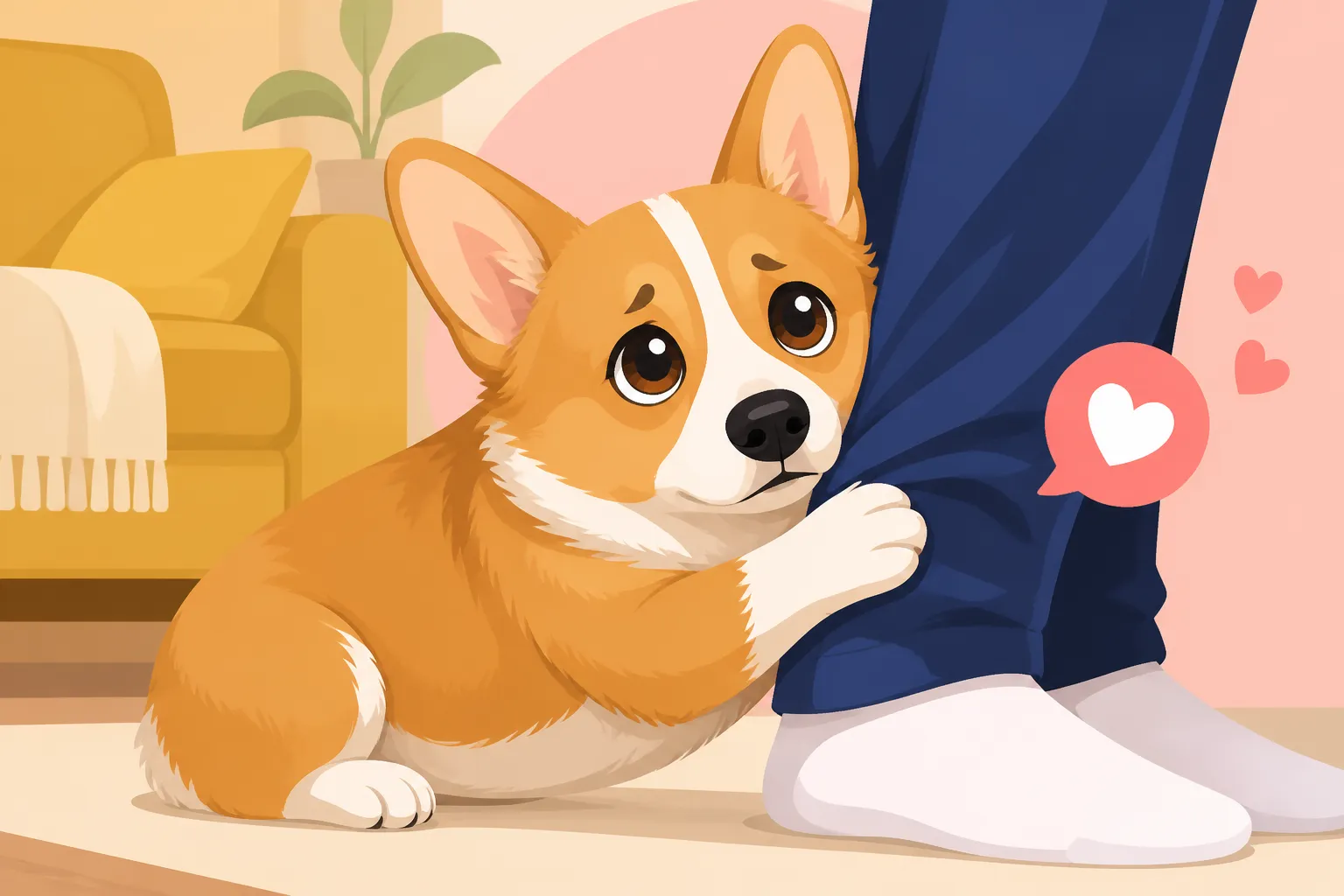
Corgis are notorious for being shadow dogs. They follow you from room to room, are usually found underfoot, and often seem to believe they are a permanent fixture on your lap or by your side. While this intense loyalty is one of the many endearing qualities that draw us to the breed, it can also manifest as an inability to settle or be content when their favorite human isn't immediately present. Understanding the roots of this behavior is the first step toward gently guiding them toward more independence.
The Herding Dog Instinct to Stick Close
Let's not forget, Corgis were bred for a job that required them to be incredibly attentive and responsive to their handlers. They were independent thinkers, yes, but they also needed to be constantly aware of the herd and the shepherd's directions. This ingrained instinct translates beautifully into their companionship with us. You are their "herd," and their natural inclination is to keep you gathered, safe, and accounted for. This isn't just about love; it's deeply rooted in their working heritage.
Imagine a Corgi on the farm, constantly aware of the cattle's movements and the farmer's presence. They didn't just wander off; they stayed alert and involved. When they transfer this behavior to our homes, it often means they're always "herding" us, even if subtly, keeping tabs on our whereabouts. This instinct can make it difficult for them to mentally clock out and relax when their primary focus (you!) isn't stable or visible. For many Corgis, their sense of purpose is tied to being near their people, making solitude feel unnatural or even worrisome.
Early Experiences and Socialization
Just like with us, a Corgi's early life experiences play a huge role in shaping their personality and coping mechanisms. A puppy that was constantly handled, never spent time alone, or perhaps came from a chaotic environment might develop a stronger need for constant reassurance. Conversely, a Corgi puppy that was gently introduced to short periods of alone time from a young age, with positive associations, often develops a healthier sense of independence.
Consider a hypothetical scenario: a Corgi puppy who was always scooped up the moment they whined in their playpen, or one who was never left alone, even for five minutes, during their critical early weeks. These pups learn that constant human presence is the norm, and any deviation is a cause for concern or vocal protest. This isn't to say it's irreversible, but it does mean we're often working against deeply ingrained habits. Good, varied socialization, including positive experiences with being alone, is crucial in the formative months. You might find some excellent resources on this topic if you check out something like Getting a Corgi Puppy Used to the World.
The Impact of Owner Habits
Sometimes, the truth is a little hard to swallow, but our own habits inadvertently reinforce our Corgi's need for constant companionship. Do you always respond the moment they nudge your hand, even when you're busy? Do you rarely leave them alone, even for short errands? Do you make a huge fuss when you leave and return? These actions, while born of love, can accidentally teach your Corgi that your attention is always available, and your departures are significant events requiring an emotional response.
For example, many of us, myself included, used to make a big deal out of saying goodbye to our dogs – long hugs, lots of "I'll miss yous." While sweet, this can actually heighten a dog's anxiety about your departure. They pick up on our elevated emotional state and associate it with the upcoming separation. Similarly, if your Corgi gets constant attention when you're home, and then suddenly has none when you leave, the contrast can be too stark, making the alone time feel like a punishment rather than a normal part of their day.
Distinguishing Between Separation Anxiety and Over-Attachment
It’s essential to understand that there’s a spectrum of dependence, ranging from simple over-attachment to full-blown separation anxiety. While both involve a Corgi struggling with being alone, the severity and the underlying emotional state are quite different, and this distinction guides the approach to intervention. You wouldn't treat a scraped knee the same way you treat a broken leg, and the same goes for your Corgi's emotional needs.
Signs of True Separation Anxiety
True separation anxiety is more than just whining when you leave or being ecstatic when you return. It's a profound panic response that can manifest in destructive behaviors, excessive vocalization, and even self-harm. These dogs aren't just missing you; they're genuinely distressed and feel unsafe. It's a clinical condition that often requires a more intensive, multi-faceted approach.
Common signs of separation anxiety include:
- Destructive Chewing: This isn't just chewing a shoe; it's often directed at exit points like doors or windows, indicating an attempt to escape. You might come home to gnawed doorframes or torn blinds.
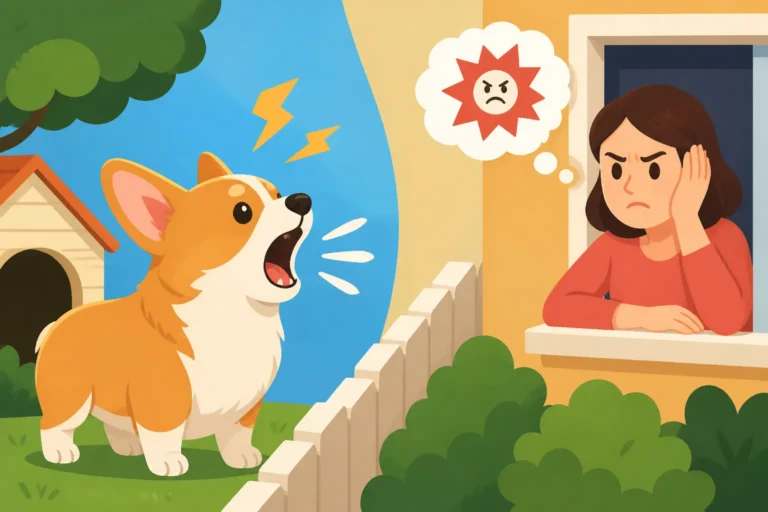
- Excessive Vocalization: Prolonged barking, howling, or whining that starts shortly after you leave and continues for extended periods. This isn't just a few barks; it's sustained noise. A Corgi That Barks the Whole Time You Are Out can give you more insights into how serious this can become.
- Inappropriate Urination/Defecation: House-trained Corgis suddenly having accidents only when left alone, even if they were just outside. This isn't spite; it's an involuntary physical manifestation of stress.
- Pacing and Trembling: Obsessive pacing, panting, or trembling, even in a comfortable temperature, indicating high anxiety.
- Excessive Salivation: Drooling that leads to wet spots on the floor, bed, or crate.
- Self-Mutilation: In rare, severe cases, Corgis might chew or lick themselves excessively, leading to hot spots or open sores.
If you suspect true separation anxiety, the intervention will need to be more structured and potentially involve a professional.
Normal Canine Attachment vs. Dependency
On the other hand, normal canine attachment means your Corgi loves you, enjoys your company, and might even be a little sad when you leave. But they can still settle, play with a toy, or nap peacefully while you're gone. They might greet you enthusiastically upon your return, but they haven't destroyed the house or barked non-stop. This is the healthy bond we all strive for. Dependency, or over-attachment, falls somewhere between normal attachment and full-blown anxiety.
A dependent Corgi might:
- Follow you everywhere, even to the bathroom.
- Whine or sigh mournfully when you leave the room, but then settle down after a few minutes.
- Be reluctant to go outside alone, even in a fenced yard.
- Lie down right outside a closed door you're behind.
- Show mild distress or restlessness when you prepare to leave, but not engage in destructive behaviors.
This kind of behavior is often easier to address with consistent training and habit changes, as the underlying panic isn't as severe. They just need to learn that your absence is temporary and not a threat.
Why the Distinction Matters for Training
Knowing whether your Corgi is experiencing separation anxiety or simply over-attachment is critical because the training protocols differ significantly. For over-attachment, we can focus on building confidence and independence through positive reinforcement, gradually increasing alone time, and changing our own habits. For true separation anxiety, it's often too much for an owner to tackle alone, and pushing too fast can actually worsen the problem.
Imagine trying to teach a child to swim who has a deep-seated fear of water. You wouldn't just throw them in the deep end. Instead, you'd approach it with extreme caution, maybe with a specialized instructor, focusing on desensitization and reassurance. The same goes for a Corgi in the throes of anxiety. While general confidence-building exercises are beneficial for all dogs, those with severe separation anxiety often require careful planning, tiny increments of progress, and sometimes, even veterinary intervention for medication to help them manage their panic while training is underway.
| Behavior Trait | Normal Attachment | Over-Attachment (Dependency) | Separation Anxiety (Disorder) |
|---|---|---|---|
| Reaction to Departure | Mild sadness, might watch you go, settles quickly. | Whines briefly, follows you to the door, may pace a bit. | Panic, intense vocalization (howling, barking), attempts to escape, may start immediately. |
| Behavior While Alone | Sleeps, plays with toys, chews a bone, naps. | Rests near door, may whine/sigh periodically, waits for return. | Destructive chewing (especially exits), inappropriate elimination, incessant vocalization, self-harm. |
| Greeting Upon Return | Enthusiastic, happy wiggles. | Overly excited, prolonged jumping, may be hard to calm. | Extreme excitement, may ignore you at first to continue destructive behavior, exhaustion from panic. |
| Following Tendency | Follows occasionally, but can be content in another room. | Follows everywhere, "Velcro dog" status. | Panic if unable to follow, extreme distress at closed doors. |
| Physical Symptoms | None. | Mild restlessness, occasional sigh. | Pacing, panting, trembling, excessive drooling, loss of appetite. |
Practical Strategies for Building Independence
Helping your Corgi become more independent and comfortable alone isn't about pushing them away; it's about empowering them to feel secure even when you're not a physical presence. This takes patience, consistency, and a clear understanding of canine learning principles. Remember, Corgis are smart and observant; they pick up on patterns quickly, both good and bad.
Gradual Desensitization to Departures
The key to overcoming an inability to settle is to make your departures and absences utterly boring and uneventful. We want to strip away any emotional charge from you leaving the house. This is a slow, methodical process that requires you to break down your leaving routine into tiny, unnoticeable steps. Think of it like taking baby steps – too big a step, and your Corgi will trip.
Start by practicing "mock" departures when you have no intention of actually leaving. Pick up your keys, put on your coat, or grab your bag – those cues that usually trigger your Corgi's anxiety. Do this, walk to the door, open it, then immediately close it and sit back down. Don't acknowledge your Corgi if they react. Repeat this multiple times a day, slowly increasing the duration you're "gone" (e.g., step outside for 5 seconds, then 10, then 30). The goal is for these cues to become meaningless. You want your Corgi to think, "Oh, they're just getting the keys again. Meh."
Crucially, when you do leave, do it without fanfare. No prolonged goodbyes, no excessive petting. Just quietly walk out. When you return, initially ignore your Corgi for a few minutes until they calm down, then offer a calm greeting. This teaches them that your departure isn't a big deal, and your return is also a calm, normal event, not a massive celebration that heightens their emotional state. This can be particularly helpful if your Corgi barks excessively when you leave, as discussed in A Corgi That Barks the Whole Time You Are Out.
Encouraging Independent Play and Enrichment
A Corgi who relies entirely on you for entertainment will naturally struggle when you're not available. Teach your Corgi that they can have fun and be engaged without your direct participation. This involves providing enriching activities that they can enjoy solo. Puzzle toys, snuffle mats, and long-lasting chews are your best friends here.
Invest in a few good quality puzzle toys that dispense treats or kibble. Load them up and give them to your Corgi a few minutes before you leave, or during those short "mock" departures. This creates a positive association with your absence, linking it to a rewarding activity. For example, brands like KONG offer various difficulty levels, or you can find many great options on Amazon. The key is to make it challenging enough to keep them occupied, but not so frustrating that they give up. Licking mats with frozen peanut butter or plain yogurt can also be excellent for calming. Consider what sort of Toys That Occupy a Corgi might work best for your particular dog.
Rotate these toys regularly to keep them novel and exciting. If they have access to the same few toys all the time, they’ll quickly get bored. By offering a "special" toy or treat only when you're about to leave or when they need to settle alone, you help build a positive association with your absence. This isn't just about distracting them; it's about teaching them that alone time can be enjoyable and mentally stimulating.
Establishing a "Place" or Relaxation Protocol
Teaching your Corgi a "place" command, or a general relaxation protocol, can be incredibly empowering. This involves training them to go to a specific spot (like their bed or a mat) and calmly stay there, even with distractions. This skill is invaluable for managing over-attachment, as it gives them a constructive thing to do when they feel clingy, rather than just following you.
Start by rewarding your Corgi for simply being on their "place." Lure them onto the mat with a treat, say "place," and reward them. Gradually increase the duration they stay there, then add distance (you walking away for a few steps). The goal is for them to learn that "place" means calm, quiet, and rewards. You can use their Choosing a Firm Bed for a Corgi for this purpose, making it a comfortable, inviting space. Once they're proficient, you can send them to their place when you're moving around the house, going into another room, or even answering the door. This teaches them self-control and that they don't always need to be involved in your every move.
Many trainers use a relaxation protocol that involves a series of very subtle cues and rewards for staying calm and still. This can be a fantastic way to build up their ability to relax on command, which translates into better settling when alone. You can find structured programs for this online or through professional trainers.
The Role of Exercise and Mental Stimulation
A tired Corgi is a good Corgi, as the old saying goes. Physical exercise helps burn off excess energy that might otherwise manifest as restlessness or anxiety. However, for a Corgi, mental exercise is just as, if not more, important. These are intelligent working dogs who need to use their brains, not just their legs. Without enough mental stimulation, they can become bored, destructive, and even more prone to clingy behaviors because you are their only source of entertainment.
Ensure your Corgi gets adequate physical exercise that's appropriate for their breed and age. This might involve brisk walks, controlled playtime in a yard, or even short bursts of fetch. But don't stop there. Incorporate mental games like scent work, hide-and-seek with treats, or short training sessions. These activities engage their minds, giving them a "job" to do, which is incredibly satisfying for a herding breed. Think about the kind of The Job a Corgi Needs Instead of Herding You – it doesn't have to be sheep! It could be finding hidden toys or learning new tricks in Short Bursts of Training a Corgi Will Take. A Corgi that has exercised both its body and mind is much more likely to settle down for a nap when you're busy or when you've stepped out.
Creating a Calming and Safe Space for Your Corgi
A significant part of helping your Corgi settle without you involves creating an environment where they feel inherently safe, secure, and comfortable. This isn't just about giving them a bed; it's about intentionally designing a space that promotes calm and reduces anxiety, making your absence less stressful.
The Benefits of a Designated Den or Crate
For many Corgis, a crate isn't a punishment; it's a cozy, secure den that offers a sense of safety and predictability. Properly introduced and used, a crate can become your Corgi's sanctuary, a place where they feel safe to relax and sleep when you're not around. It mimics the natural denning instinct of canids, providing a small, enclosed space where they feel protected.
When introducing a crate, make it a positive experience. Feed meals inside, offer high-value treats and toys only when they're in the crate, and never use it for punishment. Cover the crate with a blanket to create a more den-like atmosphere, reducing visual stimulation. This helps them feel secluded and safe. Leaving a worn piece of your clothing inside can also provide a comforting scent. Resources like Crates and Pens for a Corgi Puppy can offer more detailed guidance on proper crate training.
The goal is for your Corgi to willingly go into their crate and settle there. Once they view it as their safe haven, it becomes a powerful tool for managing over-attachment, as they have a designated space to retreat to and feel secure in your absence. This is especially useful for those times when you need them to be calm and quiet, such as during enforced rest periods or when you're simply working from home and need a moment of peace.
Utilizing Calming Aids and Scents
There's a growing market of products designed to help soothe anxious or over-attached dogs, and some Corgi owners find them genuinely helpful. These aren't magic bullets, but they can be a supportive tool when combined with consistent training and environmental management.
- Pheromone Diffusers and Sprays: These release synthetic canine appeasing pheromones, which are the same calming pheromones a mother dog releases to comfort her puppies. Plugging in a diffuser near your Corgi's designated resting area can create a subtle, calming effect. You might find brands offering these widely available on Amazon.
- Calming Chews or Supplements: Some over-the-counter supplements contain ingredients like L-theanine, L-tryptophan, or chamomile, which are thought to have calming properties. Always consult your veterinarian before starting any supplement, especially if your Corgi has existing health conditions or is on medication.
- White Noise Machines or Classical Music: Ambient sounds can mask unsettling outdoor noises and provide a consistent, soothing background. There are even specific canine-calming music compilations designed for this purpose.
- Thundershirts or Anxiety Wraps: These provide gentle, constant pressure, similar to swaddling a baby, which can have a calming effect on some dogs. They're often used for thunderstorms or fireworks but can also be helpful for general anxiety or restlessness.
Remember, these aids work best as part of a holistic approach, helping to reduce anxiety levels enough for your Corgi to be receptive to training. They're not a substitute for addressing the root causes of over-attachment.
Setting Up a "Safe Room" for Longer Absences
If your Corgi is not reliably crate trained, or if you need to leave them for longer periods, designating a "safe room" can be an excellent alternative. This is a dog-proofed area of your home (e.g., a spare bedroom, laundry room, or kitchen) where your Corgi can't get into trouble, and where they feel comfortable and secure.
The safe room should contain all of your Corgi's essentials: their comfortable bed (perhaps an orthopedic one to support their long back, like in Choosing a Firm Bed for a Corgi), fresh water, a puzzle toy filled with treats, and maybe a few favorite safe chews. Ensure there are no hazards like electrical cords, toxic plants, or easily destroyed items. For some Corgis, a baby gate might be enough to contain them, while for others, a closed door is necessary.
The goal is to create a space where they can relax and feel safe, even if they can't see or hear you. Practice leaving them in this room for short periods while you're home, gradually increasing the duration. Make it a positive place by feeding them in there and giving them special treats only when they are in their safe room. This helps them associate the space with comfort and positive experiences rather than isolation. Consider what Whether a Corgi Copes With a Working Day might look like for your dog in this environment.
When to Seek Professional Help
While many cases of Corgi over-attachment can be managed with consistent owner efforts, there are times when the problem is too severe, or you're simply not making progress on your own. Knowing when to call in the cavalry is a sign of responsible pet ownership, not a failure.
Recognizing When the Problem Escalates
If, despite your best efforts, your Corgi's inability to settle escalates into destructive behavior, excessive vocalization that bothers neighbors, or shows signs of genuine panic (like self-mutilation or frantic escape attempts), it's a clear signal that you need professional guidance. These are indicators that your Corgi isn't just missing you; they're experiencing significant distress.
Other red flags include:
- No improvement after weeks or months of consistent training: If you're diligently applying the strategies above and seeing zero progress, or even a worsening of the behavior, it's time for expert eyes.
- Your Corgi injures themselves: Attempting to escape a crate or room, or excessive licking leading to hot spots, are serious concerns.
- The behavior significantly impacts your quality of life: If you're afraid to leave the house, constantly worried about your Corgi, or facing complaints from neighbors, the situation is unsustainable and needs external help.
- Sudden onset of severe anxiety: If your Corgi was previously fine alone and suddenly develops severe settling issues, it could indicate an underlying medical problem that needs investigation.
Consulting a Certified Professional Dog Trainer
For most cases of over-attachment and even mild-to-moderate separation anxiety, a certified professional dog trainer (CPDT) or a behavior consultant is an excellent first step. Look for trainers who use positive reinforcement methods and have experience with separation-related behaviors. They can assess your Corgi's specific situation, identify triggers, and develop a tailored training plan.
A good trainer will work with you to implement desensitization and counter-conditioning protocols, often starting with very short absences (literally seconds) and slowly building up. They can also help you identify subtle cues you might be missing and provide guidance on appropriate enrichment and management strategies. For example, online programs like BAXTER & Bella offer comprehensive training resources that can be a great starting point, though a local, in-person trainer can offer personalized feedback. They can also help you differentiate between general restlessness and more serious behavioral issues that might require a different approach.
Veterinary Consultation for Underlying Issues
In cases of severe separation anxiety, or if your dog's behavior has changed suddenly, a visit to your veterinarian is crucial. Your vet can rule out any underlying medical conditions that might be contributing to the anxiety or inability to settle. Pain, hormonal imbalances, thyroid issues, or even cognitive dysfunction in older Corgis can sometimes manifest as behavioral changes, including increased clinginess or anxiety. An Old Corgi That Gets Lost in the House might indicate cognitive issues, for example.
If medical causes are ruled out, your vet might suggest consulting with a veterinary behaviorist (a vet with specialized training in animal behavior) or discuss pharmaceutical interventions. For some Corgis, anti-anxiety medication can be a game-changer. It doesn't "cure" separation anxiety, but it can help manage the panic response, lowering their overall anxiety levels enough for them to be receptive to behavioral modification training. Think of it as putting a cast on a broken leg – it doesn't heal the bone, but it stabilizes it so it can heal. Medications are typically used in conjunction with a behavior modification plan, not as a standalone solution, and your vet can advise on the pros and cons, including potential side effects of drugs like Whether Sedatives Help a Corgi on Rest.
Ultimately, the goal is to help your Corgi live a fulfilling, calm life, whether you're right there or out running errands. It's a journey, not a destination, but with patience, consistency, and sometimes a little professional help, you can guide your Corgi towards a healthier, more independent emotional state.
Disclaimer
This article is for general informational purposes only and does not constitute professional advice. Laws, prices and regulations vary by location and change over time. Consult a qualified professional for guidance on your specific situation.