A Corgi That Barks in the Car
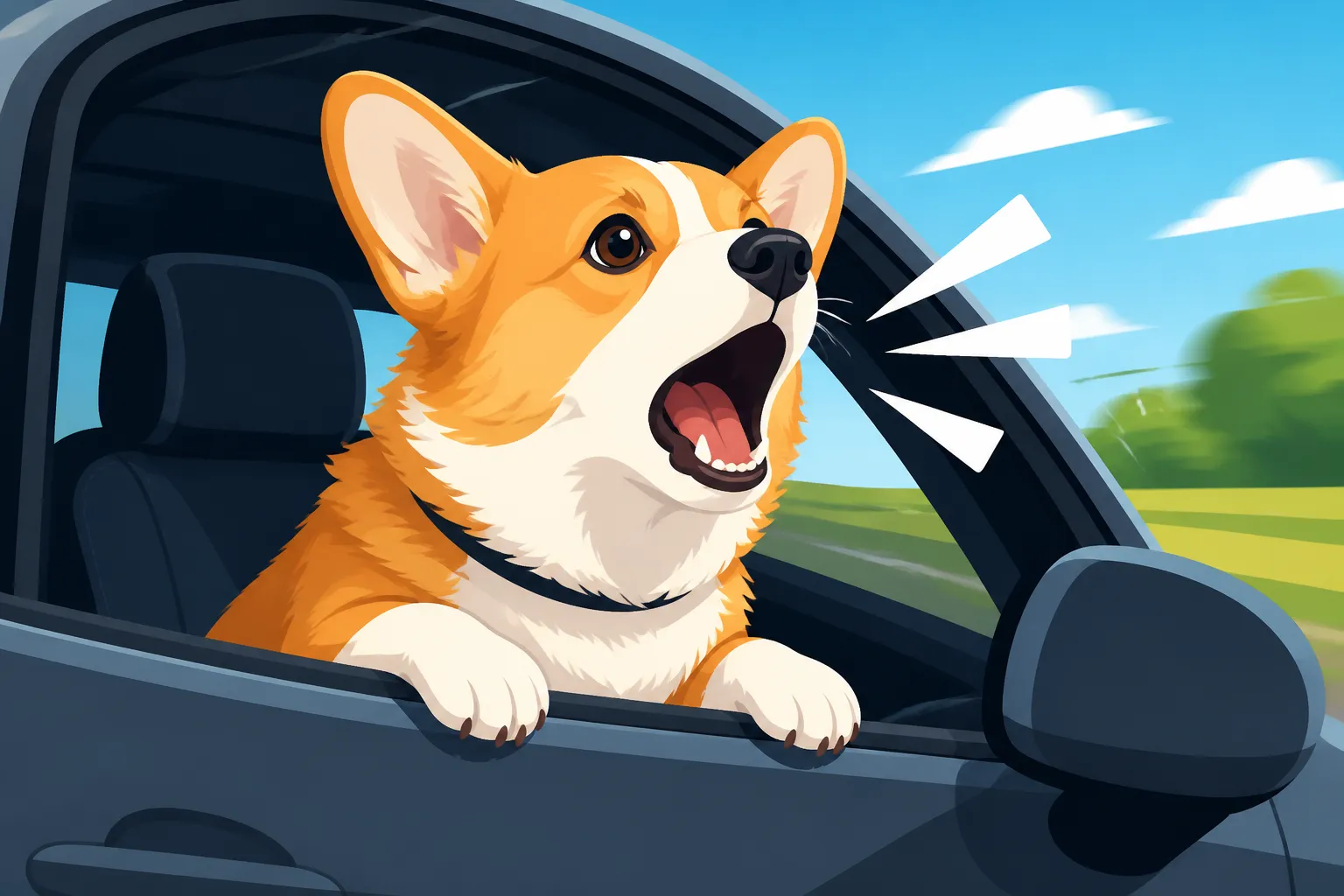
There's nothing quite like hitting the road with your beloved Corgi, windows down, sun shining… until that distinctive Corgi bark starts. It’s not just a little "woof"; it can be a persistent, high-pitched frenzy aimed at everything from passing cars to pedestrians, cyclists, or even just the scenery. This guide will walk you through understanding why your little herder turns into a car alarm and, more importantly, how to help them find their zen on wheels.
Why Your Corgi Might Be Barking in the Car
It's easy to get frustrated when your Corgi unleashes a torrent of barks from the back seat, but before you despair, it’s crucial to remember that barking is a form of communication. Your Corgi isn't doing it to annoy you; they're trying to tell you something, or perhaps they're simply overwhelmed. Understanding the root cause is the first step toward finding a solution that works for both of you.
Excitement and Overstimulation
One of the most common reasons Corgis bark in the car is sheer excitement. Think about it: the world outside a car window is a rapidly changing, incredibly stimulating kaleidoscope of sights, sounds, and smells. For a Corgi, a breed renowned for its intelligence and keen observational skills honed over generations of herding, this can be incredibly exhilarating. They see a dog walking on the sidewalk, a person jogging, or even just a particularly interesting mailbox, and their herding instincts kick in. They want to engage, to gather, to react.
This isn't necessarily a bad thing in itself, but it can quickly escalate into overstimulation. What starts as an alert bark can spiral into a continuous chorus as they struggle to process the rapid influx of information. Their short legs and low vantage point mean the world whizzes by differently for them, and they might feel an intense need to "control" what they see. It's like watching a fast-paced action movie where every scene demands a vocal commentary. This kind of barking often happens on the way to fun destinations like the dog park or a friend's house, reinforcing the idea that car rides lead to excitement worth barking about.
Anxiety and Fear
On the flip side of excitement, some Corgis bark in the car due to anxiety or fear. For them, the car isn't a fun adventure wagon, but a strange, moving box that takes them to unfamiliar or potentially scary places, like the vet or the groomer. The motion, the enclosed space, the loud noises of traffic, and the unfamiliar smells can all contribute to a feeling of unease. A Corgi that barks out of anxiety might also display other stress signals, such as excessive drooling, panting, whining, or even trying to hide.
Imagine being strapped into a confined space, unable to control your movement, while the world outside whizzes by in a blur, sometimes with sudden loud noises like horns or passing trucks. It's a lot to take in, and for a dog that already leans towards nervousness, it can be terrifying. This fear-based barking is often an attempt to make the scary thing go away or to express their discomfort. It's a plea for reassurance and a clear sign that they need help feeling safer in the vehicle.
Territoriality or Resource Guarding
Corgis, despite their adorable appearance, are formidable little dogs with a strong sense of territory and a tendency to guard their "resources." In the car, you and the car itself can become their perceived territory or resource. When a person or another dog approaches the car, or even just passes by, your Corgi might see it as an intrusion into their space. This isn't always about aggression; it's often a deeply ingrained instinct to protect their pack and their den.
This type of barking often has a more assertive, protective tone than excitement barking. It's a warning: "This is my car, my human, stay away!" If you notice your Corgi only barks when someone or something gets close to your vehicle while it’s parked or stopped, rather than continuously while driving, territoriality might be a key factor. This behavior can be challenging because it's rooted in instinct, but with consistent training and redirection, you can teach them that you've got things handled and they don't need to be the designated car guardian.
Attention-Seeking Behavior
Let's be honest, Corgis are smart cookies, and they learn quickly what gets your attention. If barking in the car has, at any point, resulted in you talking to them, looking at them, or trying to soothe them, they might have learned that barking is an effective way to get your focus. Even negative attention, like a frustrated "Quiet!" or "No barking!", is still attention. For a Corgi, some attention is better than none at all, especially when they're bored or feeling a bit ignored during a long drive.
Consider a scenario where you're driving along, minding your own business, and your Corgi starts with a few tentative barks. You glance back, maybe offer a quick "What's wrong, buddy?" and suddenly, those few barks turn into a full-blown concert. This is a classic example of how attention-seeking behavior can develop. They've discovered that their vocalizations elicit a response from you, and they'll continue to use that tool. Breaking this cycle requires a careful approach to ensure you're not inadvertently rewarding the very behavior you want to stop.
Practical Strategies to Reduce Car Barking
Once you have a better idea of why your Corgi is barking, you can start to implement targeted strategies. The key here is consistency and patience. Remember, you're essentially retraining a deeply ingrained habit or alleviating a genuine distress, and that takes time and effort.
Desensitization and Counter-Conditioning
This approach is about gradually introducing your Corgi to the car in a positive way, helping them associate it with good things rather than stress or overstimulation. It's particularly effective for anxiety-related barking or general discomfort.
Start small. Don't even turn the car on. Just open the car door and let your Corgi sniff around, offering high-value treats and praise. Make it a game. If they're comfortable, have them hop in (or gently place them in) for a few seconds, then immediately let them out and reward them. Repeat this multiple times over several days, slowly increasing the duration they spend in the car.
Once they're comfortable sitting in the stationary car, move on to turning the engine on for short periods, still offering treats and calm praise. The next step is very short drives – literally just moving the car forward a few feet and then parking again, followed by massive rewards. Gradually increase the distance and duration of these positive, uneventful car trips. The goal is to build a positive association, changing their emotional response from negative or overly excited to calm and neutral. You want them to think, "Car equals treats and good things," not "Car equals barking." This method can take weeks, but it's foundational for long-term success. Think of it as teaching your Corgi that car rides are just another boring, but treat-filled, part of their day.
Managing the Car Environment
How your Corgi experiences the car directly impacts their behavior. Small changes to the environment can make a big difference.
- Containment: A secure crate or a safety harness designed for car travel can provide a sense of security and limit their ability to visually track and bark at everything. A crate that's big enough for them to stand, turn around, and lie down comfortably, but not so big they can be tossed around, is ideal. This not only keeps them safer in case of sudden stops or accidents, but it can also reduce visual overstimulation. If they can't see everything, they have less to bark at. Many Corgi owners find success with crates placed securely in the back seat or cargo area. Remember, a Corgi should always be safely restrained in the car to prevent injury to them and distraction to you. Getting a Corgi There and Back Safely is a critical read on this topic.
- Window Management: Sometimes, simply limiting what they can see helps immensely. Consider using window shades on side windows, or even placing them in a crate covered on three sides, leaving just one opening. This reduces the visual input that often triggers barking. For Corgis that are easily overstimulated, a limited view can be calming.
- Comfort and Scent: Make the car a comfortable place. Use their favorite blanket or bed in their crate or on the seat. You can also try calming pheromone sprays or diffusers designed for pets, which can help reduce anxiety for some dogs. Just make sure to introduce any new scent products gradually.
- Temperature: Ensure the car is a comfortable temperature. Corgis have double coats and can overheat quickly, especially if stressed. How a Corgi Handles Hot Weather is a good resource to review.
Providing Appropriate Distractions and Chews
Boredom or pent-up energy can also lead to barking. Engaging your Corgi’s mind with suitable distractions can redirect their focus away from the external stimuli.
- Long-Lasting Chews: A chew toy filled with peanut butter (xylitol-free!), frozen wet food, or a high-quality, durable chew can keep your Corgi occupied for a good portion of the ride. The act of licking and chewing is naturally calming for dogs. Brands like Amazon offer a wide variety of puzzle toys and durable chews that can be prepped for car rides. Just ensure whatever you choose is safe for them to have unsupervised and won't become a choking hazard with car movements.
- Puzzle Toys: Interactive puzzle toys that dispense treats slowly can also be great for mental stimulation. These encourage problem-solving and keep their minds engaged, diverting their attention from the world outside the window.
- Special "Car Only" Toys: Designate a few high-value toys or chews that your Corgi only gets in the car. This makes car time a special, rewarding experience and helps build that positive association. When the toy comes out, they know it's time for a calm car ride. This strategy works particularly well for Corgis who are prone to The Job a Corgi Needs Instead of Herding You but are instead channeling that energy into barking.
| Barking Trigger | Environmental Management | Distraction/Training Strategy |
|---|---|---|
| Excitement/Overload | Use covered crate/window shades; secure car harness. | Puzzle toys, long-lasting chews; gradual desensitization. |
| Anxiety/Fear | Familiar blanket, calming pheromone; gentle music. | High-value treats for calm behavior; short, positive trips. |
| Territoriality | Limit window view; consistent "leave it" command. | Redirection to internal focus (chew); crate. |
| Attention-Seeking | Ignore barking; reward quiet; "car only" special treats. | Teach a "quiet" command; reward calm presence. |
When to Seek Professional Help
While many barking issues can be managed with consistent training and environmental adjustments, there are times when your Corgi's car barking might indicate a deeper problem or simply be beyond your current skill set to resolve alone. Recognizing these signs and knowing when to call in the cavalry is crucial for your sanity and your Corgi's well-being.
Persistent, Intense Barking
If you've diligently tried the desensitization, management, and distraction techniques for several weeks, and your Corgi's barking remains consistently loud, frequent, and difficult to interrupt, it's a strong indicator that you might need professional guidance. This isn't just a minor annoyance; it can be a significant stressor for both you and your dog. A Corgi whose barking is so intense that they ignore treats, toys, or your commands is likely deeply distressed or over-aroused, and may be harder to reach without expert intervention.
Sometimes, what we perceive as stubbornness in a Corgi is actually an inability to self-regulate in an overwhelming situation. For example, if you find yourself constantly struggling with A Corgi That Barks at Every Passing Dog even after trying to block their view, it suggests their response is deeply ingrained or fueled by a strong emotional component that's hard to break without a fresh perspective. A professional trainer or behaviorist can help pinpoint the exact triggers and craft a more nuanced plan tailored to your Corgi's specific temperament and challenges.
Accompanying Anxiety Symptoms
Car barking isn't always an isolated issue. If your Corgi exhibits other signs of significant anxiety or distress in addition to barking, it's definitely time to consult with a professional. These symptoms might include:
- Excessive Drooling: Drooling more than usual, even when not excited about food.
- Panting or Yawning: Panting heavily when not hot or exercising, or repetitive yawning.
- Trembling or Shaking: Visible trembling, especially when the car starts or during the ride.
- Hiding or Cowering: Trying to squeeze into small spaces or pressing themselves against the seat/crate.
- Vomiting or Diarrhea: Gastrointestinal upset due to stress.
- Refusal to Enter the Car: Actively resisting getting into the vehicle.
- Aggression: Growling, snapping, or lunging at people or objects outside the car (or even at you if you try to intervene).
These symptoms point to a deeper emotional issue, potentially car sickness, severe motion sickness, or a generalized anxiety disorder triggered by car travel. A vet can rule out medical causes for motion sickness and discuss anti-anxiety medications if necessary. A certified veterinary behaviorist or a professional dog trainer specializing in anxiety can then work with you on a comprehensive behavior modification plan.
Consulting a Certified Professional
Don't be shy about reaching out for help. A good certified professional dog trainer or veterinary behaviorist has specialized knowledge and experience in addressing complex behavioral issues like car barking. They can observe your Corgi's behavior, identify subtle cues you might be missing, and provide personalized guidance.
When looking for a professional, seek out those with certifications from reputable organizations, and ideally, those who use positive reinforcement methods. For example, online programs like BAXTER & Bella offer resources that can guide you through training challenges, but for severe cases, one-on-one consultation might be more beneficial. Ask about their experience with Corgis or similar independent, vocal breeds. They can help you implement strategies like teaching a solid Teaching a Corgi to Stop on Cue even amidst distractions, or provide insight into why your Corgi might be A Corgi That Shuts Down When Told Off rather than learning. A professional can be invaluable in designing a step-by-step program to desensitize your Corgi to car travel and teach them to remain calm.
Long-Term Management and Prevention
Addressing car barking isn't usually a quick fix; it's an ongoing commitment to reinforce desired behaviors and maintain a positive experience for your Corgi. Think of it as investing in your shared future adventures!
Consistency is Key
This cannot be stressed enough: consistency is the bedrock of successful behavioral change with any dog, especially intelligent and sometimes opinionated Corgis. Every time your Corgi barks in the car and the behavior is unintentionally reinforced (even by you looking back or saying "no"), you're taking a step backward. Conversely, every time they are quiet and calm, and you reward them for it, you're building towards success.
This means that everyone in the household needs to be on the same page with the training plan. If one person uses a crate and another lets the Corgi roam, or if one person ignores barking while another scolds, your Corgi will get mixed signals, making it much harder for them to understand what's expected. Make sure their car setup (crate, harness, blanket) is always the same, and your responses to their behavior are always consistent. It means committing to the distraction methods and the rewarding of quiet behavior on every single car ride, even short ones. This consistent effort will gradually reshape their perception of car travel.
Regular Car Practice and Positive Associations
Even after your Corgi has made significant progress, it's important not to let their training lapse. Regular, short, positive car trips should become a part of your routine, even if they're just to run an errand or visit a fun, neutral location like a park (not just the vet!). These short, pleasant outings reinforce that the car is a normal, non-threatening, and sometimes even enjoyable place to be.
Continue to use those "car-only" special treats or toys to build strong positive associations. Praise calm behavior generously. If you only take your Corgi in the car when something potentially stressful is happening (like a vet visit), they will naturally develop a negative association with the car itself. By making car rides a regular, positive, and uneventful part of their life, you cement the idea that it's a relaxed space. For Corgis that struggle with anxiety, you might even do short "practice" runs where you just get in the car, give a treat, and then get out again, without actually going anywhere. This maintains their comfort level without the added stress of a destination.
Investing in Safe and Secure Travel Gear
Ensuring your Corgi is safe and comfortable in the car is paramount, not just for their well-being but also for reducing barking stemming from insecurity or fear. This means investing in appropriate travel gear.
- Crash-Tested Crates: If you opt for a crate, ensure it's crash-tested and securely anchored in your vehicle. There are many reputable brands available on platforms like Amazon that prioritize safety. A sturdy crate prevents your Corgi from being jostled around, which can contribute to anxiety and motion sickness. It also provides a den-like space where they might feel more secure.
- Car Harnesses and Seatbelts: If a crate isn't feasible, a crash-tested car harness combined with a seatbelt attachment is another excellent option. This keeps your Corgi safely restrained while still allowing some visibility, depending on their comfort level. Make sure the harness is well-fitting and doesn't restrict their breathing or cause discomfort, as an uncomfortable dog is more likely to be a vocal one. This is also safer than just a collar and leash in the car, as a sudden stop could cause serious neck injury. Whether a Corgi Should Wear a Harness Not a Collar extends beyond walks into car safety.
- Ramps or Steps: For a Corgi, especially one with a longer back or prone to disc issues, jumping in and out of the car can put undue strain on their spine. Consider investing in a car ramp or sturdy steps to allow them to get in and out safely and comfortably. This small change can prevent injuries and make the entire car experience less stressful for them. While car travel might be necessary, ensuring their back is protected is vital, especially when considering Disc Disease in a Long-Backed Corgi.
By consistently applying these strategies, managing their environment, and providing appropriate mental engagement and comfort, you can transform your Corgi from a car barker into a calmer, more enjoyable travel companion.
Disclaimer
This article is for general informational purposes only and does not constitute professional advice. Laws, prices and regulations vary by location and change over time. Consult a qualified professional for guidance on your specific situation.