A Corgi That Barks at Every Passing Dog
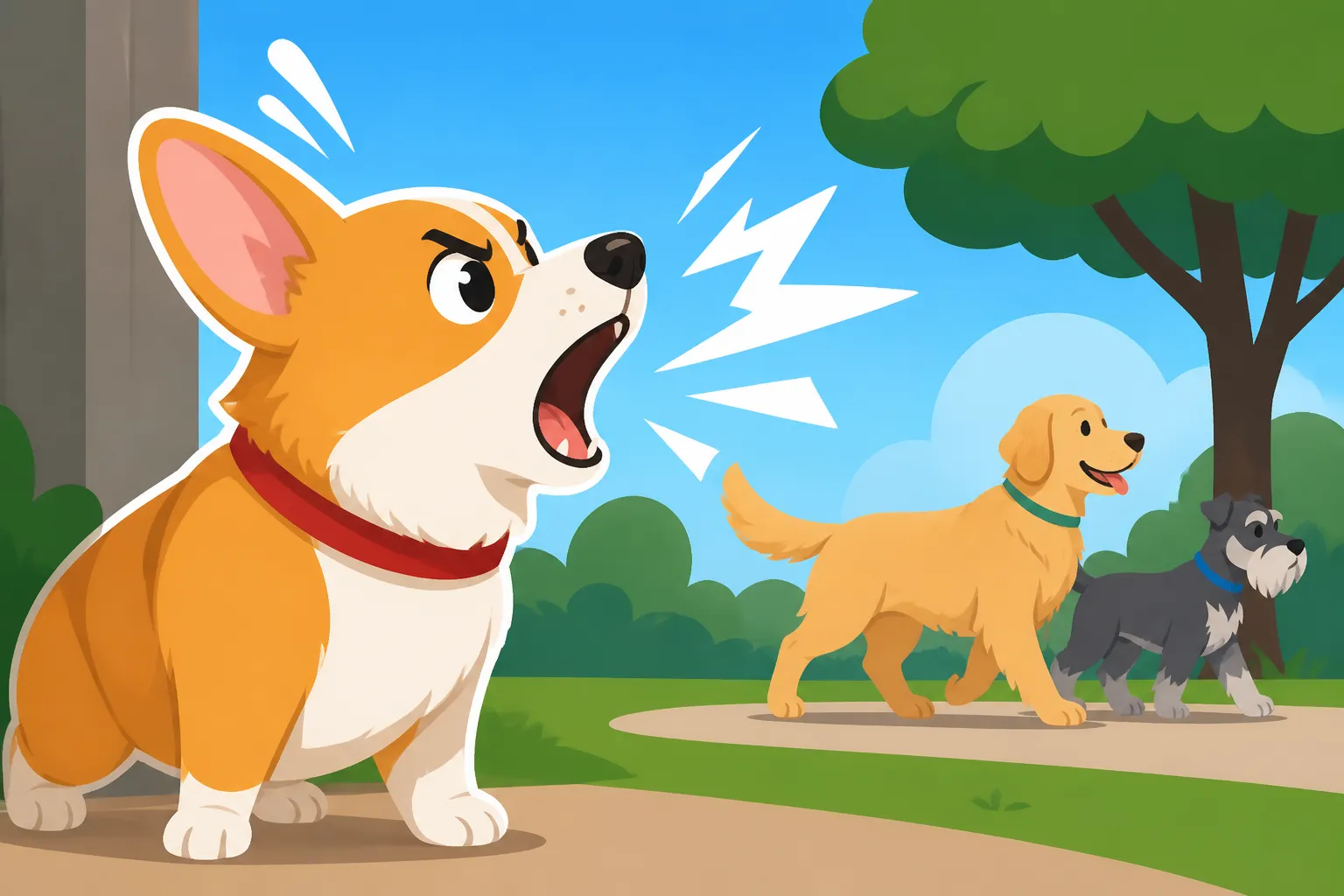
Oh, the sheer frustration of walking your adorable Corgi only for them to launch into a full-blown barking frenzy every time another dog appears! It's utterly exhausting, embarrassing, and can make those walks you once cherished feel like a dreaded chore. You're not alone in this struggle; many Corgi owners grapple with this exact issue. This guide is here to help you understand why your Corgi barks at every passing dog and, more importantly, equip you with actionable strategies to transform those tense encounters into calmer, more enjoyable outings for both of you.
Understanding Why Your Corgi Barks at Other Dogs
Before we dive into solutions, it's really important to unpack why your Corgi is acting this way. It's rarely out of malice; dogs bark for a myriad of reasons, and for Corgis, their unique breed history often plays a significant role. Thinking of it from their perspective can make a huge difference in how you approach the problem.
The Herding Instinct at Play
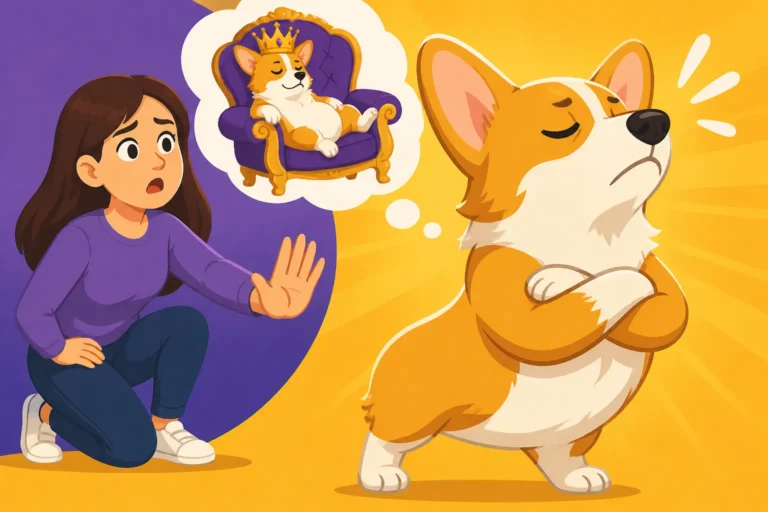
Corgis, whether Pembroke or Cardigan, were originally bred to herd cattle. Imagine a small dog, low to the ground, nipping at the heels of much larger animals to guide them. This required immense confidence, a loud voice, and a strong sense of knowing exactly what they wanted those cattle to do. That innate drive hasn't just vanished. When your Corgi sees another dog, especially one moving past them, it can trigger that deep-seated herding instinct. They might see the other dog as something to "control" or "move along," and barking is their way of communicating that. They're essentially trying to direct the other dog, albeit in a very loud, often misinterpreted way. It's not about being aggressive; it's about trying to manage their environment, a trait that goes back generations. You can read more about The Cattle-Driving Nip a Corgi Still Has for context.
This instinct can manifest in a few ways: a Corgi might circle, attempt to cut off the other dog's path, or stand their ground and bark intensely. They might be trying to make the other dog move faster, slower, or just go away entirely. This isn't them being "naughty"; it's them doing what their ancestors did, but in a context that isn't appropriate for a suburban sidewalk. It's a powerful urge, and it needs a productive outlet, otherwise, it spills over into unwanted behaviors like barking at every passing dog.
Over-Arousal and Frustration
Another common reason for incessant barking is a combination of over-arousal and frustration. Your Corgi might be incredibly excited to meet other dogs, but their leash prevents them from doing so. This builds up a huge amount of pent-up energy and desire, which then explodes into barking, lunging, and pulling. Think of it like a child in a candy store, told they can look but not touch. Eventually, that frustration boils over into a tantrum. For a Corgi, that tantrum is often loud and physical.
This frustration can be amplified if they rarely get to interact with other dogs in a positive, off-leash setting, or if their only interactions are negative ones where they are pulled away. They desperately want to greet, sniff, and play, but the leash becomes a barrier, leading to an incredibly frustrating experience. This isn't always aggression; sometimes it's just pure, unadulterated "LET ME GO!" energy. The barking becomes a release valve for all that pent-up emotion. This can be particularly pronounced in Corgis who have a lot of energy and strong personalities.
Fear or Insecurity
While Corgis are generally bold, some can develop fear or insecurity towards other dogs. This might stem from a negative experience in the past – perhaps an encounter with a rude dog, or even just feeling overwhelmed by a larger, boisterous canine. When they see another dog approaching, their default response might be to try and make it go away by barking and lunging. They're essentially saying, "Stay back! I'm scared!"
This type of barking often has a different body language associated with it. You might notice your Corgi trying to pull away, tucking their tail slightly, or having stiff body posture. Their barks might sound more shrill or frantic. It's a defensive mechanism. For these Corgis, forcing interactions can actually make the fear worse. It's about building their confidence and teaching them that other dogs aren't a threat. Understanding Corgi Barking and How Much Is Normal can also help differentiate between general vocalization and fear-based reactions.
Lack of Socialization or Negative Experiences
Finally, a lack of proper socialization during their crucial puppyhood can lead to barking problems later on. Puppies need to be exposed to a wide variety of sights, sounds, people, and other dogs in a positive and safe way. If a Corgi misses out on this, or if their early experiences with other dogs were consistently negative or overwhelming, they might not learn appropriate canine communication skills.
Imagine if you never learned how to politely introduce yourself to strangers; you might resort to shouting or pushing. It's similar for dogs. Without good socialization, they don't know how to calmly react to other dogs. They might interpret normal dog behavior as threatening, or simply not know how to interact, leading to reactive barking. This is why positive exposure, especially when they're young, is absolutely critical. Even older Corgis who had a rough start can benefit from carefully managed, positive exposure experiences.
Practical Strategies to Manage On-Leash Reactivity
Now that we have a better understanding of why your Corgi might be barking, let's talk about what you can actually do about it. This isn't a quick fix; it requires consistency, patience, and a willingness to change your routine. But trust me, it's worth it for those peaceful walks.
Managing the Environment and Triggers
The first, and often most overlooked, step is managing your Corgi's environment to prevent them from practicing the unwanted behavior. Every time your Corgi barks at another dog, they are essentially getting "practice" at being reactive, and the behavior becomes more ingrained.
- Avoidance is Key (Initially): In the early stages of training, your goal is to prevent your Corgi from being put in situations where they will bark. This might mean walking at different times of day when fewer dogs are out, choosing less popular routes, or even driving to a quiet park where you know you'll have space. If you see a dog approaching, simply turn and walk the other way, cross the street, or duck behind a parked car. Your priority is to keep your Corgi under their threshold – the point at which they react.
- Create Distance: Distance is your friend. The further away your Corgi is from another dog, the less likely they are to react. If you can only manage a calm walk 50 feet away from another dog, that's where you start. Slowly, gradually, as your Corgi gets more comfortable, you can decrease that distance. Never force them closer than they can handle calmly.
- Observe and Learn: Pay close attention to what triggers your Corgi. Is it dogs of a certain size, breed, or color? Is it dogs that are moving fast, or dogs that are still? Does it matter if they are off-leash or on-leash? Knowing these specifics will help you better manage their environment and predict potential triggers. Keep a little journal if you need to! This will help you know how to effectively implement Training a Corgi That Makes Its Own Decisions, allowing them to succeed.
Counter-Conditioning and Desensitization
These two techniques go hand-in-hand and are incredibly powerful for changing your Corgi's emotional response to other dogs. Instead of associating other dogs with stress, frustration, or fear, you want them to associate other dogs with good things.
- Desensitization: This involves gradually exposing your Corgi to the trigger (other dogs) at a low intensity that doesn't cause a reaction. Remember that "distance is your friend" rule? This is where it comes into play. Start at a distance where your Corgi notices the other dog but doesn't bark.
- Counter-Conditioning: This is about changing the emotional response. When your Corgi sees another dog at a manageable distance, immediately give them a high-value treat (something they absolutely love, like small pieces of cheese, hot dogs, or cooked chicken). The moment the other dog disappears, the treats stop. You want your Corgi to think, "Oh, another dog! That means delicious treats!"
- The "Look at That" Game: A fantastic way to implement this is the "Look at That" game. The moment your Corgi spots another dog, and before they react, say "Look!" or "Yes!" and immediately pop a treat in their mouth. Repeat this every time. Eventually, your Corgi will look at the other dog, then immediately look back at you, anticipating the treat. This changes their focus and their emotional association. The BAXTER & Bella online training program often covers similar positive reinforcement techniques that can be very helpful here, as they focus on building good habits and calm responses.
- Timing is Everything: The key is to deliver the treat the moment your Corgi sees the other dog, not after they've started barking. If you give a treat while they're barking, you're inadvertently rewarding the barking. If they do start barking, you've moved too close, too fast. Increase the distance and try again. Short Bursts of Training a Corgi Will Take are usually more effective for Corgis due to their attention span.
Teaching Alternative Behaviors
While counter-conditioning changes the emotional response, teaching an incompatible behavior gives your Corgi something else to do instead of barking.
- Focus Exercises: Teach your Corgi to make eye contact with you on cue ("Watch Me" or "Focus"). Practice this in quiet environments first, then gradually introduce distractions. When you see another dog approaching, ask for their focus. If they give it, reward them lavishly. This shifts their attention from the trigger to you.
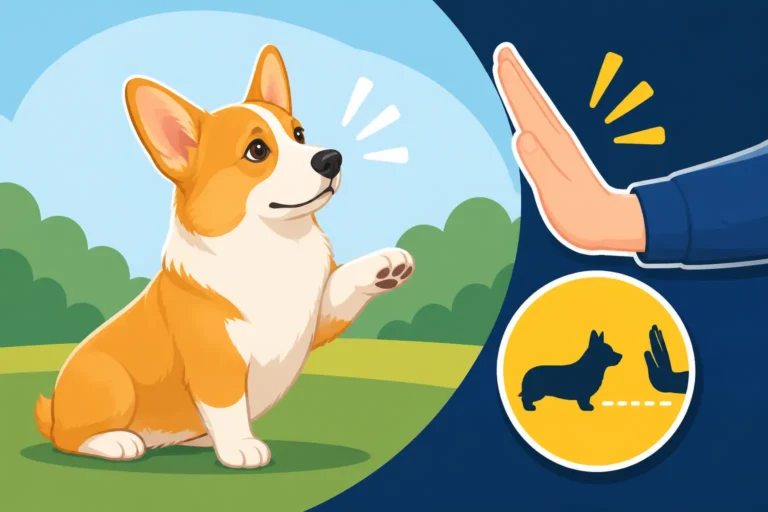
- "Touch" or Hand Target: Teach your Corgi to touch their nose to your hand. This is a simple, positive behavior that can be used to redirect their attention. When you see a trigger, ask for a "Touch!" and reward. This gives them a job to do. You can even combine this with movement, asking for a touch as you walk past a distant dog.
- Engage and Move: Sometimes, simply keeping your Corgi moving and engaged can prevent barking. If they're focused on a game of "find the treat" in the grass, or doing some quick obedience cues, they're less likely to fixate on a passing dog. Short bursts of training, asking for a "sit," "stay," or a quick retrieve of a toy, can keep their minds occupied. This proactive approach helps redirect that herding energy into something constructive, acting as The Job a Corgi Needs Instead of Herding You.
Tools and Resources to Help Your Training Journey
Embarking on this training journey can feel overwhelming, but thankfully, there are many tools and resources available to make it a bit easier and more effective. Don't be afraid to utilize them!
Harnesses and Leashes for Better Control
The right equipment can make a world of difference in managing a Corgi that barks and pulls on leash.
- Front-Clip Harness: For many reactive dogs, a front-clip harness can be a game-changer. Instead of attaching the leash to a ring on their back (which encourages pulling, especially for a strong, low-center-of-gravity Corgi), the leash clips at their chest. When your Corgi pulls, it gently redirects their body back towards you, making it harder for them to lunge and giving you more control without causing discomfort. Brands like the Easy Walk or Freedom No-Pull Harness are widely available on platforms like Amazon and can offer much-needed control. Be sure to get one that fits correctly; a poorly fitting harness can rub or restrict movement. This can be especially helpful if you find yourself with a Corgi that pulls on the leash.
- Standard Leash (Not Retractable): A standard 6-foot leash gives you consistent control and prevents your Corgi from gaining momentum. Retractable leashes actually teach dogs to pull to get further away and offer very little control in emergency situations, making them unsuitable for reactive dogs.
- Consider a Double-Ended Leash: Some trainers recommend using a double-ended leash, which can attach to both a front-clip harness and a flat collar. This provides maximum control and security, especially when you're working on new behaviors or in busy environments.
Online Training Programs and Professional Help
You don't have to tackle this alone! There's a wealth of knowledge out there.
- Online Training Resources: Many reputable trainers offer online courses specifically for leash reactivity. These programs often provide step-by-step videos and detailed guides, allowing you to work at your own pace in your home environment. The BAXTER & Bella Online Puppy School, for instance, offers lifetime access to resources, live Q&A sessions, and a comprehensive curriculum that can certainly be adapted to address reactivity issues, even for adult dogs, by focusing on foundational skills and positive reinforcement. They emphasize building a strong bond and clear communication, which are crucial for managing reactivity.
- Certified Professional Dog Trainer (CPDT): If you're feeling overwhelmed or not making progress, don't hesitate to seek out a certified professional dog trainer. Look for trainers who use positive reinforcement methods and have experience with reactivity. They can observe your Corgi's specific behaviors, identify triggers, and create a customized training plan. They can also provide hands-on guidance during controlled set-ups with a "helper dog," which can be invaluable.
- Veterinary Behaviorist: In more severe cases, especially if fear or aggression seems to be a dominant factor, a veterinary behaviorist (a veterinarian with specialized training in animal behavior) might be necessary. They can assess if there are any underlying medical conditions contributing to the behavior and, if appropriate, discuss medication to help reduce anxiety, making training more effective.
Enriching Your Corgi's Life Beyond Walks
Sometimes, barking on walks is a symptom of unmet needs. A Corgi is an intelligent, active breed that needs mental and physical stimulation.
- Mental Stimulation: Don't underestimate the power of brain games! Puzzle feeders, sniff walks (where they get to really use their nose), and learning new tricks can be incredibly tiring and satisfying for a Corgi. A Corgi who's mentally exhausted is often a calmer Corgi. Consider giving them their meals in a Kong or a snuffle mat, easily found on Amazon.
- Appropriate Exercise: While managing reactivity, you might need to adjust your walk routine. But your Corgi still needs exercise! This might mean more off-leash play in a securely fenced yard (away from other dogs, initially), or activities like fetch, flirt poles, or even Scentwork as a Sport That Spares a Corgi's Back. The goal is to burn off that Corgi energy without constantly triggering their reactivity.
- Safe Socialization: If your Corgi is simply over-excited rather than fearful, look for structured, supervised playdates with known, calm dogs. Avoid dog parks initially, as they can be overwhelming and unpredictable, potentially reinforcing negative behaviors. Focus on quality, positive interactions over quantity.
Here's a quick summary table of common barking types and what might help:
| Barking Type | Common Cause | Corgi Specific Context | Training Approach | Key Tools/Tips |
|---|---|---|---|---|
| Herding Bark | Instinct to control movement | Inherited cattle-driving trait | Redirect instinct to a job; reward calm observation | High-value treats, puzzle toys, impulse control games |
| Frustration Bark | Wants to get to other dogs but leash prevents it | High drive, desire to interact, pent-up energy | Counter-condition with treats; teach "focus" or "touch" | Front-clip harness, standard leash, consistent positive reinforcement |
| Fear/Insecurity Bark | Negative past experience, feeling overwhelmed | Can stem from insufficient early socialization | Build confidence, create distance, positive associations; never force interaction | Safe space, gentle desensitization, veterinary behaviorist if severe |
| Attention-Seeking Bark | Learns barking gets a reaction (even negative) | Smart, can quickly learn to manipulate | Ignore unwanted barking (if safe); reward quiet behavior; meet needs proactively | Avoid rewarding barking with attention, ensure adequate mental & physical stimulation |
Remember, consistency is absolutely vital. Everyone in the household needs to be on the same page with the training methods. It will take time, and there will be setbacks, but with patience and the right approach, you can help your Corgi learn to navigate the world of other dogs with far more calm and confidence. Your Corgi is a smart cookie; they just need to be shown a better way to express themselves.
Disclaimer
This article is for general informational purposes only and does not constitute professional advice. Laws, prices and regulations vary by location and change over time. Consult a qualified professional for guidance on your specific situation.