Whether Corgi Zoomies Damage the Back
That sudden burst of energy, the wild-eyed dash around the living room, the frantic circles in the yard – Corgi zoomies are a sight to behold and often bring a smile to our faces. But if you’re a Corgi parent, that joy can quickly turn into a pang of worry, wondering if all that exuberant twisting and turning is putting strain on your beloved companion’s famously long back. This guide is here to unravel the mystery of Corgi zoomies, explore their potential impact on spinal health, and give you practical ways to keep your furry friend safe while they enjoy their bursts of joy.
Understanding Corgi Zoomies: More Than Just Play
Every Corgi owner knows this phenomenon well. One minute they’re snoozing peacefully, the next they’re a blur of motion, careening through the house like a furry cannonball. These "zoomies," officially known as Frenetic Random Activity Periods (FRAPs), are a perfectly normal and common canine behavior. But for our long-backed, short-legged pals, they come with a unique set of considerations.
What Exactly Are Zoomies?
Zoomies are sudden, intense bursts of energy that seem to come out of nowhere. Your Corgi might run in frantic circles, tuck their tail, bark playfully, and have that wide-eyed look of pure, unadulterated joy. It's not uncommon to see them run around furniture, dart from room to room, or charge full-speed across the lawn, then collapse in a panting, happy heap, as if nothing unusual just happened. They're often triggered by an excess of pent-up energy, excitement, or even as a way to relieve stress after a bath or a tense situation. Think of it as a dog's way of letting off steam, a full-body expression of "I feel good!" or "I have too much energy and I need to expel it right now." These episodes are usually short-lived, lasting only a few minutes before your Corgi returns to their usual calm demeanor. It's a spontaneous release that often brings a smile to human faces, even if we're a little worried about the furniture.
For a Corgi, there’s an interesting connection to their history here. These dogs were bred to herd cattle, nipping at their heels and quickly darting out of the way to avoid kicks. This required incredible agility, short bursts of speed, and rapid changes in direction. While our modern Corgis aren't typically herding cattle in our living rooms, that instinct for quick, explosive movement is still very much hardwired into their DNA. So, in a way, those zoomies are a nod to their ancestral job, a miniature herding performance for an audience of one (or a bewildered family). It's a reminder that even domesticated breeds carry echoes of their past roles, expressing them in delightful and sometimes dizzying ways.
The Corgi's Unique Physique and Back Concerns
It’s impossible to talk about Corgi movement without addressing their most defining physical characteristic: that long, low body supported by surprisingly short legs. This unique build is a result of chondrodystrophy, a genetic condition that affects cartilage development and is responsible for their distinctive dwarfism. While it gives them their adorable, instantly recognizable silhouette, it also means their spine is disproportionately long in relation to their leg length, making them inherently more susceptible to certain back conditions. This isn't just a cosmetic feature; it's a structural reality that impacts their daily life and health.
The primary concern for Corgi owners, and rightly so, is Intervertebral Disc Disease (IVDD). This condition occurs when the shock-absorbing discs between the vertebrae in the spine either bulge or rupture, pressing on the spinal cord. It can cause immense pain, nerve damage, and in severe cases, paralysis. Because of their chondrodystrophic build, Corgis are predisposed to IVDD, and any activity that puts excessive strain or sudden torque on their spine can potentially exacerbate or even trigger a disc incident. This is why, when we watch our Corgis launch into a full-speed zoomie, our minds often jump to the question: is this pure fun, or am I unknowingly witnessing a potential disaster for their delicate back? Understanding Disc Disease in a Long-Backed Corgi is crucial for every owner. It’s a constant tightrope walk between wanting our dogs to enjoy their lives to the fullest and protecting them from their own enthusiastic natures.
The Potential Risks of Zoomies to a Corgi's Spine
While zoomies are a natural and joyful expression for dogs, the specific mechanics of a Corgi’s zoomie, combined with their unique body structure, do raise valid concerns. It’s not that zoomies are inherently bad, but rather that the way they execute them can, under certain circumstances, put undue stress on their already vulnerable spines. It's a risk factor we need to be aware of and manage.
Twists, Turns, and Sudden Stops
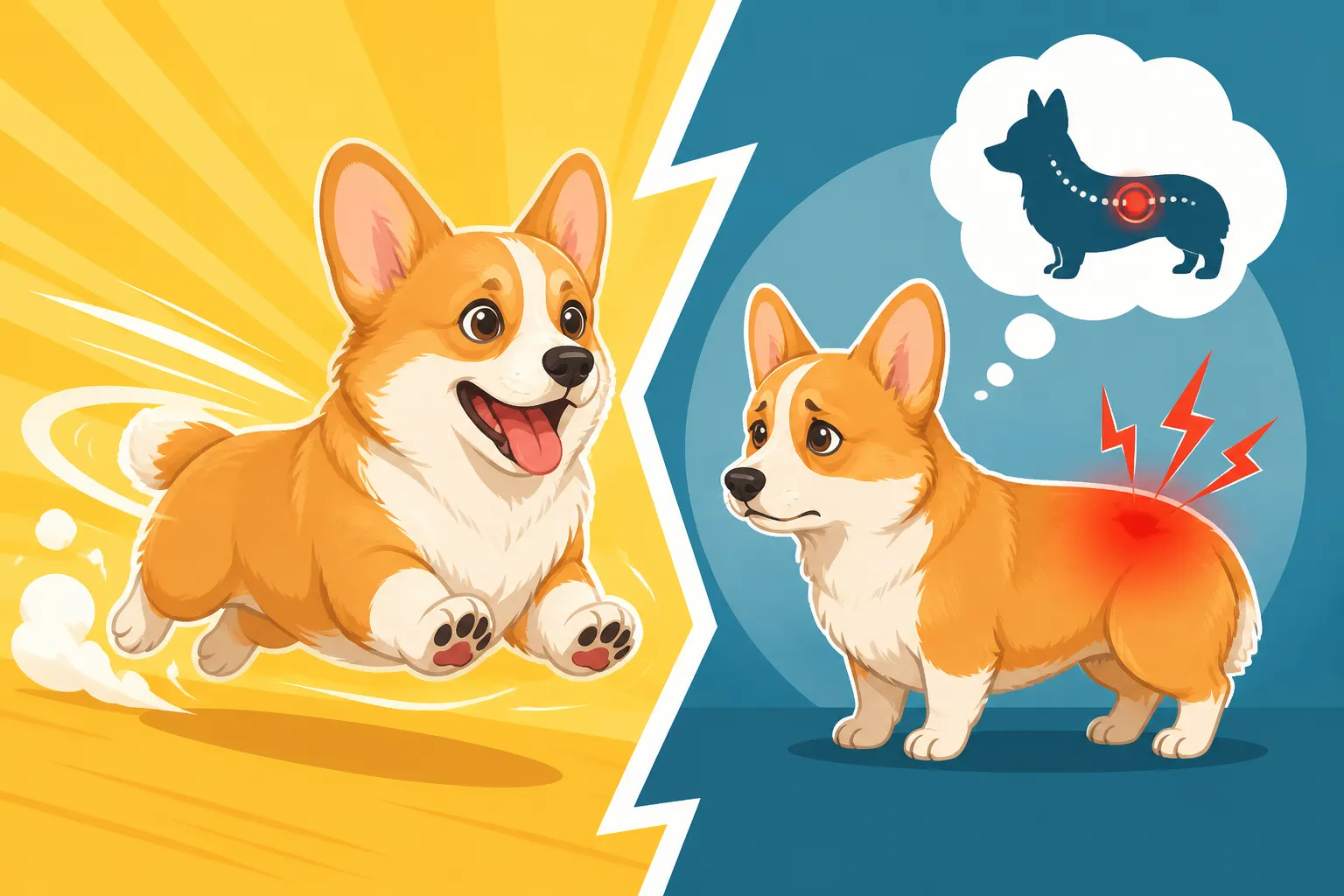
Think about what a Corgi zoomie actually entails. It’s not just a straight-line dash. These are frenetic, unpredictable bursts of speed that often involve rapid directional changes, tight circles, sharp pivots, and sudden stops. Imagine your Corgi, low to the ground, trying to take a tight corner at top speed on a hard floor. As they plant their short legs to change direction, the momentum of their longer body continues, creating a twisting or torquing motion on their spine. Each sudden stop or pivot sends a jolt through the vertebral column, compressing and straining those delicate intervertebral discs.
This kind of motion is exactly what can lead to spinal issues. Picture a human suddenly twisting their back while lifting something heavy, or rapidly decelerating from a sprint. The forces involved can be intense. For a Corgi, whose discs are already under more pressure due to their chondrodystrophy, these rapid and uncontrolled movements multiply the risk. Doing this on a slippery surface, like tile or hardwood, escalates the danger significantly because their paws can't get adequate grip, leading to skids and even more jarring twists. Consider the comprehensive guide on Flooring Changes a Corgi Owner Makes to understand how your home environment impacts their safety. The cumulative effect of these repeated twists and jolts over time, even if a single zoomie doesn't cause an immediate injury, can contribute to disc degeneration.
Disc Injuries and Exacerbating Existing Conditions
It’s a common misconception that a Corgi will just “slip a disc” from one single jump or one intense zoomie. While it can happen in rare, acute cases, IVDD is often a degenerative process. The discs slowly dry out and harden over time, making them less pliable and more prone to bulging or rupturing. However, an intense zoomie episode can absolutely be the trigger that pushes an already compromised disc over the edge. Think of it like a faulty dam: it might hold for years, but one big storm can cause it to burst. A sudden, extreme twist or jolt during a zoomie could be that "storm" for a weakened disc.
For Corgis who might already have some underlying, undiagnosed disc degeneration, perhaps as they enter their middle to senior years, these high-impact activities become even riskier. The age Corgi disc problems usually appear is typically between 4 and 7 years old, but signs can emerge earlier or later. A Corgi that's otherwise healthy might show no outward signs of disc issues until a particularly vigorous zoomie causes a problem. The intense compression and shear forces on the spine during these wild runs can cause a disc to rupture, sending its jelly-like center into the spinal canal and putting pressure on the spinal cord. This can lead to acute pain, weakness, or even sudden paralysis. It’s why monitoring your Corgi, especially as they age, for any changes in gait or reluctance to jump is so important, even after seemingly harmless play.
Mitigating the Risk: Safe Zoomie Practices and Environment
While we certainly don't want to stifle our Corgis' joy, we also have a responsibility to protect their health. The good news is that we can significantly reduce the risks associated with zoomies by making smart choices about where and how they occur, and by being proactive in managing their energy. It's all about creating a safer environment and encouraging healthier play habits.
Choosing the Right Location and Surface
One of the most impactful things you can do to protect your Corgi during zoomies is to control their environment. The surface they play on makes a huge difference. Imagine the difference in impact and traction between running on a plush carpet versus a highly polished concrete floor. For our Corgi friends, low-impact, high-traction surfaces are king.
Always aim for zoomies to happen in safe, clear spaces. A securely fenced grassy yard is ideal. The grass provides natural cushioning for their joints and excellent traction for those sudden turns and stops, minimizing the risk of slips and twists. If outdoor space is limited, carpeted rooms indoors are the next best thing. The carpet helps absorb impact and offers much better grip than hard flooring. If you have a lot of hardwood, tile, or laminate, consider laying down runners or area rugs, especially in high-traffic areas or where your Corgi tends to get their "zoomie urges." You can find a vast selection of pet-safe, non-slip rugs on platforms like Amazon that can make a real difference in your home's safety profile. Avoid letting them zoomie on slippery surfaces, up and down stairs, or in areas with sharp corners, furniture they could crash into, or anything they could trip over. A clear, designated 'zoomie zone' can be a lifesaver for their back.
Managing Zoomie Intensity and Frequency
Sometimes, zoomies are a sign of pent-up energy that hasn't been adequately released through structured activities. If your Corgi is constantly having explosive, high-intensity zoomie sessions, it might be a cue that they need more consistent, controlled outlets for their energy. Instead of waiting for them to spontaneously combust into a zoomie, try to pre-empt it with regular, appropriate exercise.
Daily walks, where they can sniff and explore, are fantastic. Corgis, despite their short legs, are active dogs and need consistent physical and mental stimulation. Aim for at least The Forty-Five Minutes a Corgi Needs Daily of moderate activity. Incorporate short, controlled play sessions that are less about wild, uncontrolled running and more about engagement, like fetch in a soft, grassy area or obedience training that requires focus. Mental enrichment activities, such as puzzle toys or scent work, can also tire a Corgi out just as much as physical exercise without the spinal strain. Consider enrolling in online training programs, like those offered by BAXTER & Bella, which often incorporate fun, brain-teasing games that can provide excellent mental stimulation. Think about what The Job a Corgi Needs Instead of Herding You might look like in a domestic setting; often, it's about channeling their intelligence and drive into constructive tasks. The goal is to drain some of that energy in a safer, more measured way, so that when a zoomie does happen, it's perhaps less intense or frequent, and less likely to put undue stress on their back.
Monitoring Your Corgi for Signs of Trouble
Even with all the preventative measures in place, it’s crucial to be vigilant and know what to look for after an energetic zoomie session. Corgis are stoic dogs and can sometimes hide pain, but a watchful owner can often pick up on subtle cues that indicate a problem with their back. After a particularly wild run, take a moment to observe your Corgi.
Look for any changes in their gait – are they walking stiffly, dragging a paw, or reluctant to put weight on a particular leg? Watch for signs like limping, a hunched posture, or an unwillingness to jump or climb, even small steps. Pay attention to vocalizations; a yelp when lifted, touched, or even just moving can be a big red flag. Sometimes, a Corgi with back pain might scuff their back nails or have their back legs cross over when walking, which are early signs of neurological issues. Any reluctance to play, a decrease in appetite, or noticeable stiffness when getting up after rest could also indicate discomfort. If you notice any of these Emergency Signs of a Corgi Disc Injury, it’s imperative to contact your veterinarian immediately. Speed is of the essence when dealing with spinal injuries; How Fast a Corgi Disc Injury Needs Treating can significantly impact the outcome. Never try to "wait and see" if your Corgi is showing signs of back pain after a zoomie.
| Aspect of Zoomies | Safer Practice | Higher Risk Practice |
|---|---|---|
| Location/Surface | Enclosed grassy yard, carpeted rooms | Slippery hardwood, tile, concrete, uneven ground |
| Obstacles | Clear, open space, no furniture or hazards | Cluttered rooms, tight corners, stairs |
| Frequency/Intensity | Moderate, controlled play; occasional, mild zoomies | Frequent, explosive, high-speed, unpredictable bursts |
| Energy Release | Regular walks, training, puzzle toys | Infrequent activity leading to pent-up energy |
| Post-Zoomie | Observe for normal movement, no hesitation | Limping, stiffness, yelping, reluctance to move, hunched back |
Proactive Spine Care Beyond Zoomies
Protecting your Corgi's spine isn't just about managing zoomies; it's an ongoing, holistic approach to their daily care. Many factors contribute to spinal health, and addressing them proactively can significantly reduce the risk of IVDD and other back problems throughout their life. It's about establishing habits that support their unique body from puppyhood right through their senior years.
Weight Management and Nutrition
Hands down, one of the most critical factors in maintaining a healthy Corgi spine is keeping them at an ideal weight. Even just a few extra pounds on a Corgi’s short frame can exert immense, continuous pressure on their long back and delicate intervertebral discs. Imagine carrying a heavy backpack all day, every day – that's what being overweight feels like for your Corgi's spine. This constant strain accelerates the wear and tear on their discs, making them more susceptible to bulging or rupturing. It’s why Why Corgi Weight Is a Spinal Problem cannot be overstated.
Monitoring your Corgi's weight isn't just about the number on the scale; it's about their body condition. You should be able to feel their ribs easily without pressing hard, and they should have a discernible waist when viewed from above. Their belly should tuck up slightly when viewed from the side. Regular, precise feeding is key. Weighing out their food portions rather than guessing with a scoop is highly recommended, as even small differences can add up. Opt for high-quality dog food appropriate for their life stage and activity level, and be mindful of treats, incorporating them into their daily calorie allowance. Understanding What Extra Weight Does to a Corgi Spine highlights the importance of maintaining that lean physique.
Environmental Modifications and Support
Our homes are built for humans, not for dogs with long backs and short legs. This means we often have to make adjustments to prevent everyday activities from becoming spinal hazards. High-impact movements, like jumping off furniture or scrambling up and down stairs, are major culprits for disc injuries in Corgis. They might seem agile, but each jump delivers a jolt to their spine, and repeated impacts can lead to long-term damage.
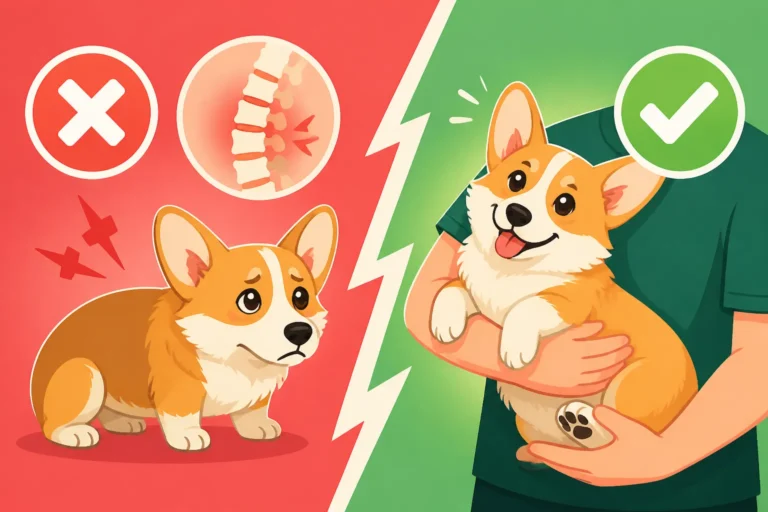
This is where environmental modifications come in as unsung heroes for Corgi parents. Invest in ramps or pet steps for sofas, beds, and even to help them get in and out of the car. These simple tools eliminate the need for jumping and drastically reduce the strain on their backs. Ramps and Steps That Save a Corgi's Back are not just conveniences; they are essential preventive care. Similarly, ensure your Corgi has a firm, supportive orthopedic bed that keeps their spine in a neutral position while they rest, avoiding soft, sinking cushions that can cause their back to sag. Finally, learn the correct way to lift your Corgi – always support both their chest and their hindquarters, keeping their back straight, to prevent twisting or jarring their spine. Picking a Corgi Up Without Hurting It is a skill every Corgi owner should master.
Regular Vet Check-ups and Preventative Care
Consistent communication with your veterinarian is paramount in proactive Corgi spine care. Regular check-ups are not just for vaccinations; they're an opportunity for your vet to assess your Corgi's overall health, including their spinal condition, weight, and gait. As Corgis age, these check-ups become even more crucial, allowing your vet to monitor for early signs of disc degeneration or other age-related issues. Screening an Older Corgi's Spine can involve gentle palpation and observation, and it can catch subtle changes before they escalate into painful problems.
Discussing preventative measures, such as appropriate exercise routines, diet adjustments, and environmental changes, should be a part of these conversations. Some vets might suggest certain joint supplements, like those containing glucosamine and chondroitin, which are thought to support cartilage health. While these supplements are not a cure-all and won't prevent IVDD on their own, they may offer some supportive benefits for overall joint and disc health. It's always best to talk to your vet about Whether Supplements Protect a Corgi's Discs and what, if anything, they recommend for your individual dog, as every Corgi is unique. A proactive approach, combining diligent home care with regular professional veterinary oversight, gives your Corgi the best chance at a long, healthy, and happy life, full of safe, joyful wiggles, and maybe even a few well-managed zoomies.
Disclaimer
This article is for general informational purposes only and does not constitute professional advice. Laws, prices and regulations vary by location and change over time. Consult a qualified professional for guidance on your specific situation.