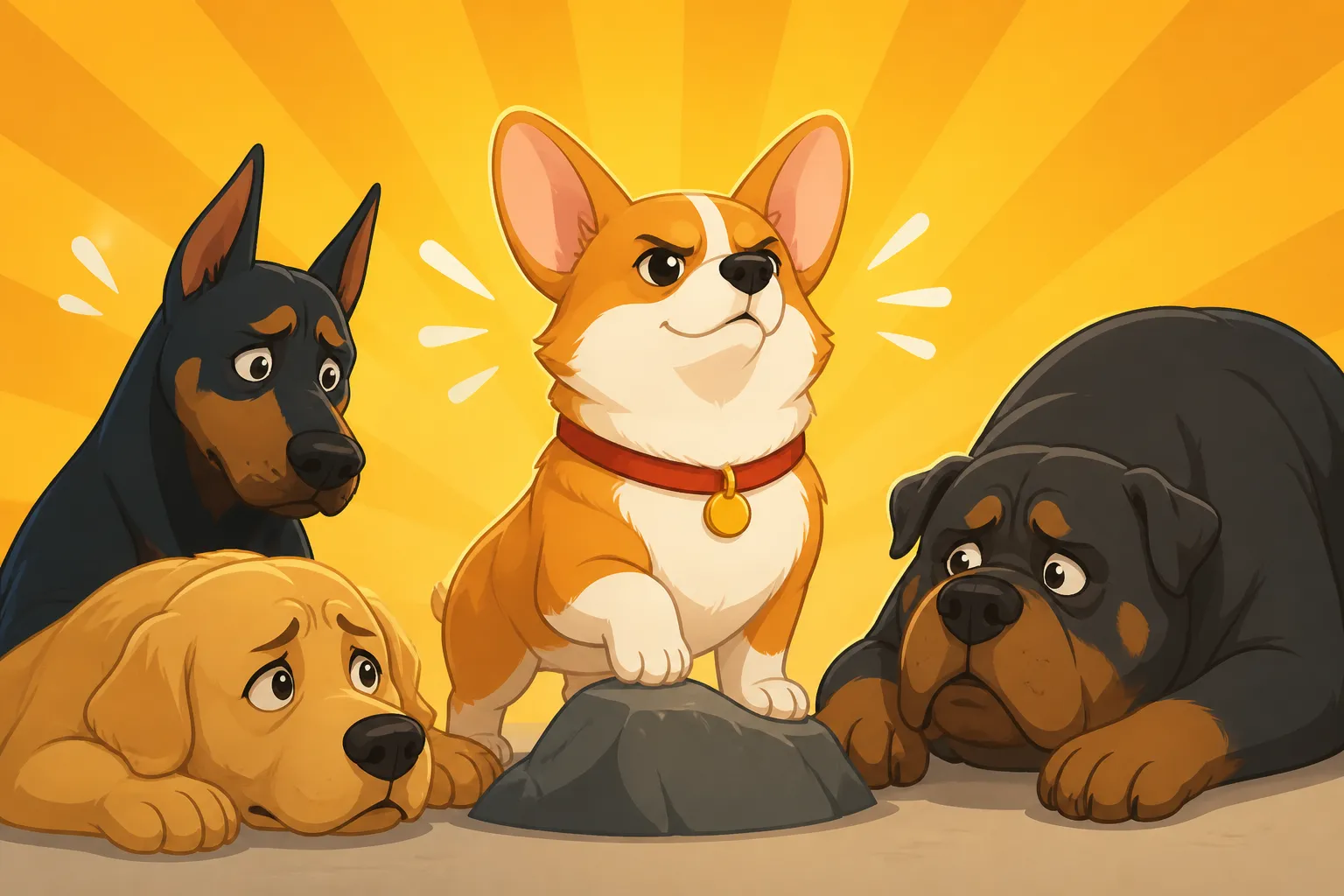
Whether a Corgi Bosses Bigger Dogs
It’s a common sight that often raises a chuckle: a tiny, low-slung Corgi, all bark and swagger, seeming to direct, nudge, or even outright boss around a dog three, four, or even five times its size. If you’ve ever wondered why your Corgi acts like the self-appointed CEO of the dog park, or if you're living with a pint-sized dictator ruling over larger canine companions, this guide is for you. We'll explore the roots of this unique Corgi behavior, delve into common scenarios, and offer practical strategies for fostering a harmonious multi-dog household.
The Corgi's Herding Instinct and Bold Personality
Corgis are not just cute, fluffy loaves of bread; they are bona fide working dogs, bred for centuries to herd cattle. And not just any cattle – large, opinionated cattle. To effectively move livestock much bigger and heavier than themselves, Corgis needed to be fearless, intelligent, and incredibly bold. This innate drive to control and direct is deeply embedded in their DNA, and it often manifests as a desire to "manage" other dogs, regardless of size.
Origins of the Bold Corgi Personality
Imagine a small dog, only a foot tall, needing to convince a stubborn cow to move. They couldn't rely on brute strength. Instead, they used quick nips to the heels, strategic body blocking, and an impressive vocal range to get their point across. This required immense confidence and a willingness to stand their ground. Our modern Corgis, even those who have never seen a cow in their life, carry this historical blueprint. They approach interactions with an inherent belief in their ability to lead or direct, a trait that can easily be mistaken for dominance or aggression by those who don't understand their background. It’s not about being mean; it's about doing what they were literally bred to do, just in a different context.
The Herding Instinct in Modern Corgis
In a domestic setting, without cattle to herd, your Corgi's natural instincts don't just disappear; they find new outlets. Other dogs, especially larger ones that might seem imposing to us, become their "flock." This can look like:
- Nipping at heels or flanks: Just like with cattle, a quick nip is a Corgi's way of saying, "Move along!" or "Let's play my way!" If you've ever seen your Corgi The Cattle-Driving Nip a Corgi Still Has, you know exactly what I mean.
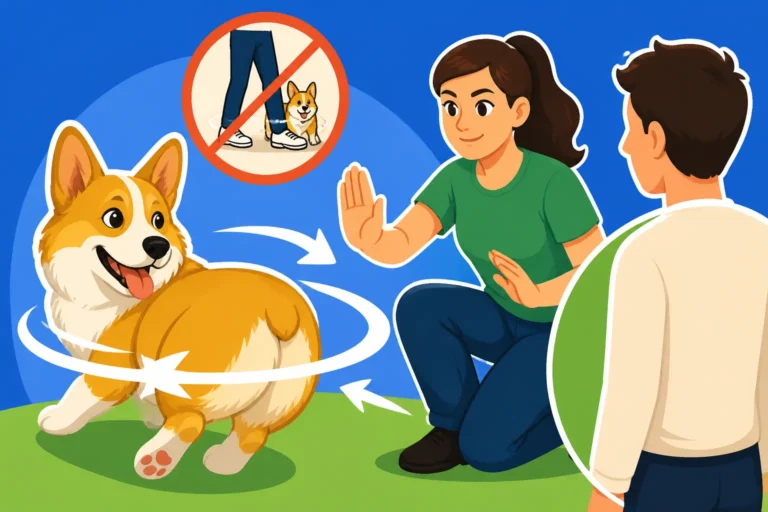
- Body blocking and circling: They might physically cut off a larger dog's path, or circle them repeatedly, trying to steer them in a particular direction. It's their subtle (or not-so-subtle) way of taking charge of the interaction.
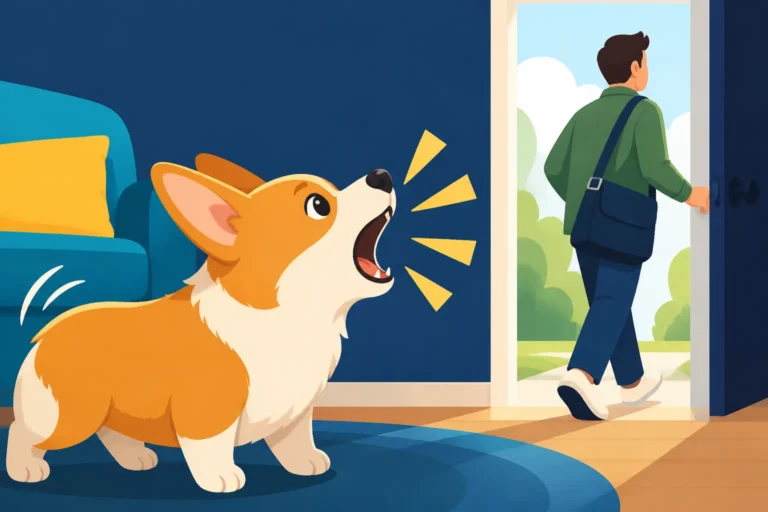
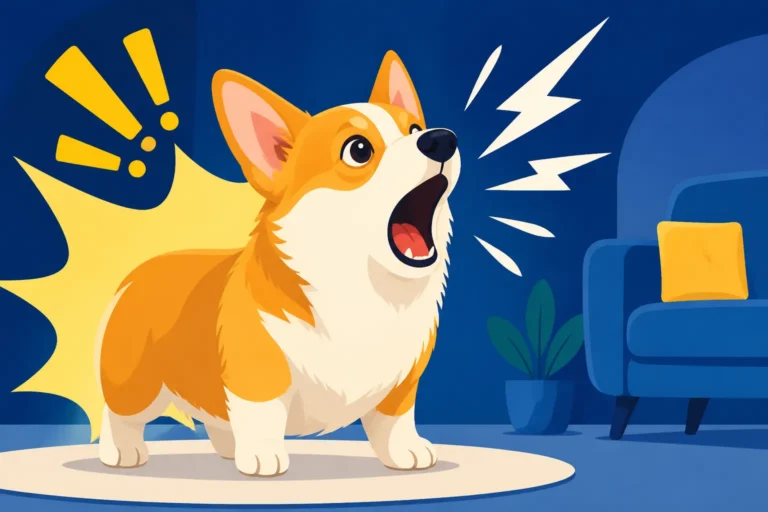
- Persistent barking: A Corgi's bark isn't just noise; it's communication, often used to rally the troops or assert control. Corgi Barking and How Much Is Normal can give you more insight into their vocal tendencies, which are definitely part of their "bossy" repertoire.
It’s important to distinguish this from true aggressive behavior. While a Corgi can certainly be aggressive, their "bossiness" often stems from a deeply ingrained desire for order and control, rather than malice or fear. They see an interaction, assess it, and decide they need to take the reins.
Size Doesn't Matter: Why Corgis Feel Bigger Than They Are
One of the most endearing and, at times, exasperating traits of a Corgi is their apparent lack of awareness regarding their own size. They genuinely seem to believe they are much larger than they are, a confidence that allows them to confidently engage with, and often try to control, dogs of all breeds and sizes. This isn't necessarily "small dog syndrome," but rather a testament to their unwavering self-assuredness.
Confident Canine Communication
Corgis are masters of leverage. Their low center of gravity and sturdy build, a direct result of Why a Corgi Was Bred So Low, allow them to be surprisingly agile and effective at body language despite their short stature. They don't shy away from using their entire body to communicate their intentions. A Corgi might lean into a larger dog, use a direct stare, or even try to shove their way into a preferred spot. Their confident demeanor, combined with their characteristic "big dog bark," often convinces larger, gentler dogs to simply yield. They might not be physically imposing, but their mental game is often stronger than many bigger breeds. They simply don't see themselves as "small," and this self-perception dictates their interactions.
The "Small Dog Syndrome" Misconception
It's easy to label a small dog acting boldly around larger dogs as having "small dog syndrome," implying they're overcompensating for their size or acting out of fear. However, with Corgis, it's usually a misinterpretation. Their confidence isn't born from insecurity; it's inherent. A fearful dog might snap and retreat, or try to avoid interaction. A Corgi, on the other hand, often instigates, directs, and remains engaged. They aren't trying to prove anything; they're simply acting on their natural instincts to herd and manage.
This can be problematic if not managed, as a persistent Corgi bossing around a tolerant large dog can eventually annoy the larger dog to a point where they react negatively, not because they are aggressive, but because they have been pushed too far. The Corgi might still think they're "winning," but they're actually creating a potentially unsafe dynamic.
Common Scenarios: When and How Corgis "Boss"
Corgis don't just "boss" other dogs willy-nilly; their behaviors often pop up in specific contexts where their herding or territorial instincts are triggered. Recognizing these situations can help you anticipate and manage their interactions.
Resource Guarding and Space Management
Corgis can be quite particular about their resources and personal space, and this is where their bossy tendencies can really shine. A resource isn't just a toy or a food bowl; it can be anything they perceive as valuable.
- Food and Toys: This is a classic. A Corgi might stand over their food bowl, even if empty, to prevent a larger dog from approaching, or they might hoard all the toys. This isn't just about possession; it's about control over valuable items. If your Corgi ever starts A Corgi That Guards Its Food Bowl, it's a clear sign of this behavior.
- Sleeping Spots and Furniture: That comfy dog bed, the prime spot on the sofa, or even your lap – these are all highly prized locations. A Corgi might grumble, growl, or even body slam a larger dog trying to share or take over "their" spot. They're essentially saying, "This is mine, find your own real estate!"
- Owner's Attention: You, the human, are often the most valuable resource. A Corgi might wedge themselves between you and another dog, bark to interrupt petting, or even nip at the other dog to get them to move away so they can have your undivided attention. They have a strong bond with their people and don't always want to share.
Directing Play and Social Interactions
Playtime is another arena where Corgis frequently take on the role of director. They often have very specific ideas about how play should proceed, and they're not shy about enforcing those rules.
- Initiating and Ending Play: A Corgi might bark incessantly, nip, or body check a larger dog to get them to play. When they're done, they might use the same tactics to signal the end of the game, even if the larger dog is still keen.
- Controlling the Flow of Movement: You might observe your Corgi literally herding other dogs in the yard or at the park, circling them and nudging them in a specific direction. They're not just playing; they're organizing the play, even if the other dogs aren't quite on board with being herded. This is a classic expression of their breed's purpose.
- Nipping as a "Correction": If a larger dog isn't playing by the Corgi's rules, or gets too rambunctious, the Corgi might resort to a quick nip to communicate their displeasure. This is often an attempt to "correct" the other dog's behavior, rather than an act of aggression. It's their way of saying, "Hey, cool it!" or "You're doing it wrong."
Managing Corgi Interactions with Larger Breeds
Living with a Corgi who likes to be in charge doesn't mean you're doomed to chaos. With careful management and consistent training, you can foster peaceful coexistence and prevent situations from escalating. The goal isn't to squash your Corgi's personality, but to teach them appropriate ways to interact.
Supervision and Intervention
Constant, vigilant supervision is your first line of defense. Don't assume your Corgi and the larger dog will "figure it out" on their own, especially in the early stages or if previous incidents have occurred.
- Active Monitoring: Always be present when your Corgi is interacting with larger dogs, especially if resources are involved (food, toys, your attention). Look for subtle cues that your Corgi is about to exert control: a stiff body, a hard stare, a low growl, or a preparatory crouch before a nip or body slam.
- Early Redirection: The moment you see your Corgi start to "boss" – before it escalates – intervene gently but firmly. Call your Corgi away, redirect their attention to a separate toy, or ask them to perform a simple obedience command like "sit" or "stay." Reward them for disengaging. This teaches them that listening to you is more rewarding than attempting to control their canine companions. For some fantastic online training resources that focus on positive reinforcement and early redirection, consider platforms like BAXTER & Bella, which offer structured programs.
- Time-Outs: If redirection isn't enough, a brief, calm time-out can be effective. This isn't punishment, but rather a way to remove your Corgi from the stimulating situation and allow them to cool down. A few minutes in a separate room or a crate can help them reset.
Environmental Management
Sometimes, the simplest solution is to manage the environment to prevent conflicts from arising in the first place.
- Separate Feeding Areas: Always feed your Corgi and larger dogs in separate areas, out of sight of each other. This eliminates the potential for resource guarding over food, which can be a highly charged issue.
- Designated "Safe" Spaces: Ensure both your Corgi and your larger dogs have their own designated resting areas (crates, beds) where they can go to be undisturbed. These should be places where they feel secure and won't be bothered by other pets. You can find excellent, durable crates and pet gates on Amazon to help establish these boundaries effectively.
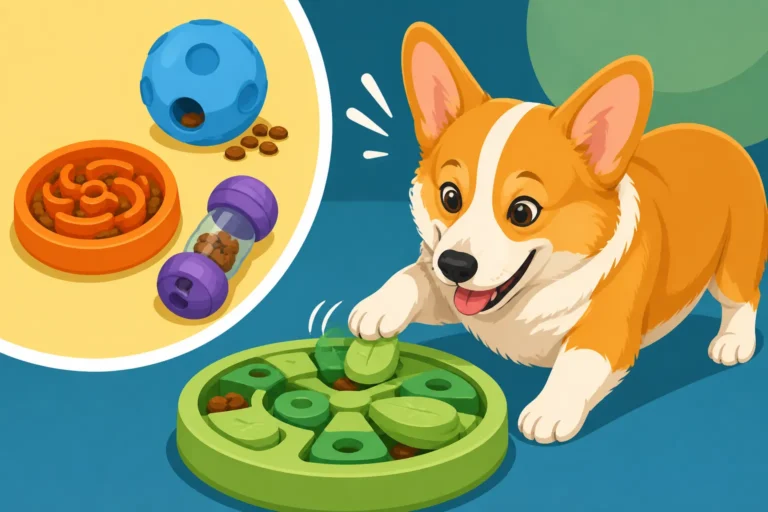
- Managing High-Value Resources: If you know certain toys or treats trigger your Corgi's bossy behavior, limit access to them when other dogs are present. Only offer them during supervised, one-on-one sessions, or remove them entirely from multi-dog interactions. Use baby gates to separate spaces when you can't actively supervise, especially during mealtimes or when new toys are introduced. Ramps and gates that stop a Corgi using stairs can also be useful for managing their access to different parts of the house.
Training for Harmonious Multi-Dog Households
Effective training is paramount to shaping a Corgi's natural instincts into more acceptable behaviors within a multi-dog home. It’s about teaching them that you are the ultimate decision-maker, not them, and that polite interactions are always rewarded.
Foundation Obedience and Impulse Control
Solid obedience commands are the bedrock of good behavior. Your Corgi needs to understand and reliably respond to cues, especially when their "bossy" instincts kick in.
- "Leave It" and "Drop It": These commands are invaluable for preventing resource guarding. Practice them diligently with toys and treats. The idea is to teach your Corgi to disengage from an item, even a highly valued one, on your command.
- "Stay" and "Come": A strong "stay" can keep your Corgi from rushing in to "manage" another dog, while a reliable "come" allows you to call them away from a brewing conflict. Corgi Recall and the Herding Instinct is a great resource if you're struggling with getting your Corgi to come when called, which is often a challenge given their independent nature.
- "Place" or "Go to Bed": Teaching your Corgi to go to a designated spot and stay there until released can be incredibly useful for managing interactions, especially when guests or other dogs are over. This gives them a job and a specific place to be, which often satisfies their need for structure.
- Working for Everything (Unless it's Dangerous): Corgis are intelligent, and they thrive on having a job to do. Make them "work" for things like their meals, walks, or even affection by asking for a "sit" or "down" first. This reinforces your leadership and teaches them that polite behavior earns rewards. Remember, Training a Corgi That Makes Its Own Decisions can be tough, but consistency is key.
Positive Reinforcement for Calm Interactions
Rewarding the behaviors you want to see is far more effective than only correcting the behaviors you don't.
- Reward Calmness: Actively seek out moments when your Corgi is calmly coexisting with a larger dog – perhaps lying down near them without trying to control them, or simply ignoring them. Praise them quietly and offer a small, high-value treat. This teaches them that calm, non-confrontational behavior gets them good things.
- Structured Play: When allowing play, keep it structured and supervised. Interrupt play periodically to ask for a "sit" or "stay" from both dogs, then release them back to play. This teaches them impulse control and that you control the start and stop of fun.
- Individual Attention: Make sure both your Corgi and your larger dogs get plenty of one-on-one time with you, away from each other. This reduces competition for your attention and helps each dog feel secure in their bond with you. This can be as simple as a solo walk, a training session, or dedicated cuddle time. For personalized training plans and support in managing these dynamics, resources like BAXTER & Bella can provide valuable guidance through their online programs.
When to Seek Professional Help
While many Corgi owners can manage their dog's bossy tendencies with consistent training and environmental management, there are times when the behavior escalates beyond what an owner can reasonably handle. Knowing when to call in a professional can prevent serious incidents and ensure the safety and well-being of all pets in your home.
Recognizing Escalating Behavior
"Bossy" behavior can sometimes cross the line into genuine aggression, which requires more intensive intervention.
- Persistent growling, snapping, or biting: If your Corgi's nips become harder, if they are consistently growling at or snapping at the larger dog, or if they are causing injuries, even minor ones, the behavior has escalated. This is no longer just "herding"; it's a breakdown in appropriate social interaction.
- Fear-based aggression: Sometimes, what appears to be bossiness can mask underlying fear. If your Corgi is reacting aggressively when cornered, or when a larger dog approaches quickly, it might be fear-driven rather than purely controlling.
- Injuries to either dog: Any time an interaction results in physical injury, no matter how small, it's a red flag. This indicates that the current management and training strategies are insufficient.
- Owner anxiety: If you find yourself constantly anxious about your dogs' interactions, avoiding certain situations, or feeling overwhelmed, it's a sign that you need professional support. Your stress impacts your dogs, and a professional can help alleviate this burden.
Consulting a Certified Professional Dog Trainer
Don't hesitate to seek expert guidance if you're struggling. A certified professional dog trainer or a veterinary behaviorist can provide invaluable support.
- Behavior Assessment: A professional will conduct a thorough assessment of your Corgi's behavior, looking at the context, triggers, and the nuances of their interactions. They can differentiate between harmless herding instincts and more serious behavioral issues.
- Tailored Training Plan: Based on the assessment, they can develop a customized training plan that addresses your specific challenges. This might include specific exercises, management techniques, and advice on modifying the home environment. They can help you implement strategies for A Corgi That Nips Running Children or A Corgi Herding the Family Cat, for instance, by channeling those instincts constructively.
- Ensuring Safety: Their primary goal will be to ensure the safety of all animals (and humans!) in the household. They can teach you how to safely manage interactions, even when things are tense.
- Understanding the "Why": A good trainer will help you understand why your Corgi is behaving the way they are, which empowers you to respond more effectively and empathetically. They understand that The Job a Corgi Needs Instead of Herding You is crucial, and can help you provide appropriate outlets. While online programs from BAXTER & Bella can offer a fantastic foundation, sometimes in-person, tailored guidance is the right next step for complex behavioral challenges.
Table: Corgi "Bossy" Behaviors and Their Meaning
To help you better understand your Corgi's actions, here’s a quick guide to some common "bossy" behaviors and what they might be communicating.
| Corgi Behavior | What It Looks Like | Underlying Corgi Motivation | What You Should Do |
|---|---|---|---|
| Nipping Heels/Flanks | A quick, firm nip to a larger dog's legs or side. | "Move!" "Go over there!" Herding instinct in action. | Immediately redirect with a "Come" or "Leave It." Reward disengagement. Teach alternative play behaviors. |
| Body Blocking/Shoving | Physically cutting off another dog's path, or pushing them with their body. | "I'm in charge of this space/direction." | Anticipate and step in front of your Corgi. Redirect to a "Place" command. Use gates to manage space. |
| Persistent Barking | Short, sharp, often demanding barks directed at another dog. | "Pay attention to me!" "Let's play!" or "Stop that!" | Teach a "Quiet" command. Interrupt and redirect. Ensure sufficient mental stimulation to reduce boredom barking. |
| Resource Guarding | Standing over a toy/bed/food, growling when another dog approaches. | "This is mine, stay away." | Separate resources completely. Trade for a higher-value item. Consult a professional for serious guarding. |
| Staring/Hard Eye Contact | An intense, unwavering gaze directed at another dog. | "I'm watching you." "Don't mess with me." | Break eye contact by calling your Corgi or introducing a distraction. Teach a "Look at Me" command. |
| Mounting/Humping | Attempting to mount another dog, often from behind. | Often a display of social status or over-excitement, not always sexual. | Interrupt immediately. Redirect to a calmer activity or a short time-out. |
Understanding your Corgi's unique blend of confidence, intelligence, and deeply ingrained herding instincts is the first step towards a happy, balanced household. With patience, consistency, and the right approach, you can channel their natural bossiness into polite interactions, ensuring that everyone, big or small, gets along splendidly.
Disclaimer
This article is for general informational purposes only and does not constitute professional advice. Laws, prices and regulations vary by location and change over time. Consult a qualified professional for guidance on your specific situation.