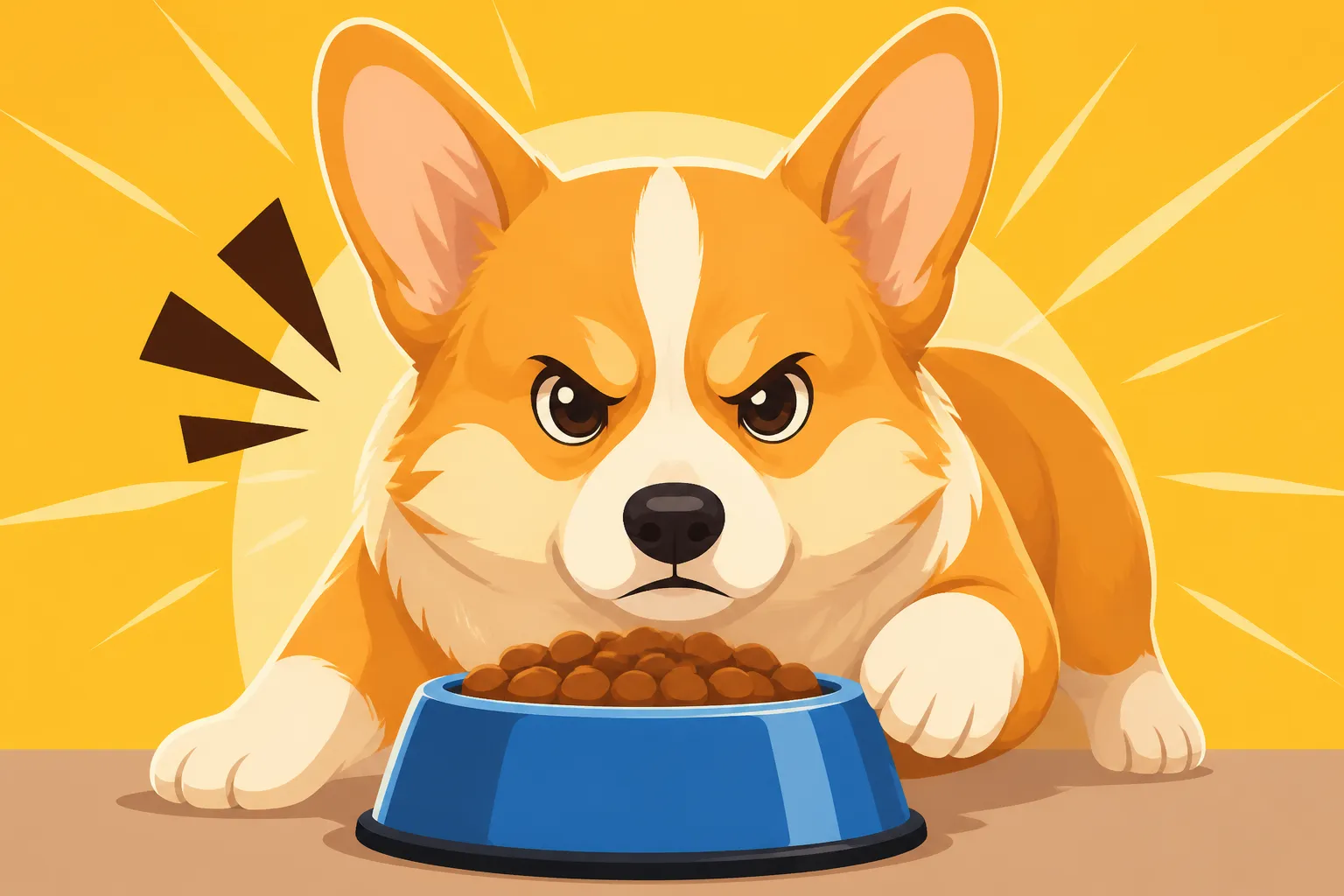
A Corgi That Guards Its Food Bowl
It’s a truly unsettling experience when your usually sweet, happy-go-lucky Corgi suddenly transforms into a snarling, teeth-baring guard dog the moment a hand comes near their food bowl. This behavior, known as food guarding or resource guarding, can be alarming and create a real sense of unease in your home. This guide will walk you through understanding why your Corgi might be guarding their food, what the signs look like, and most importantly, how to safely and effectively address this challenging behavior with patience and positive reinforcement.
What Exactly Is Food Guarding in a Corgi?
Food guarding, at its core, is a canine behavior where a dog becomes possessive over a valuable item, in this case, their food, and exhibits defensive behaviors to prevent others from taking it or approaching it. For Corgi owners, this can be particularly distressing because these dogs are usually so affectionate and people-oriented. It’s not about being "mean" or "dominant" in the way many old-school trainers used to think; it’s often rooted in a dog’s innate drive for survival and self-preservation, combined with their strong personality.
The Subtle Signs Before the Growl
Resource guarding isn't usually an overnight switch from placid eater to aggressive defender. Often, there are subtle cues that dog owners, especially those new to Corgi behaviors, might miss. Imagine your Corgi, usually a whirlwind of energy, suddenly becoming still and rigid as you walk by their bowl. Their ears might flatten slightly, their eyes might dart in your direction, or they might stiffen their tail. You might notice them hunching over their bowl, quickly eating as if someone is about to snatch it away. These are early warning signs that your Corgi feels insecure about their possession.
These initial signs can escalate quickly. Perhaps they pause eating and give a hard stare, or a low, rumbling growl starts to vibrate from deep in their chest. It’s their way of saying, "Stay away, this is mine!" If you continue to approach, that growl might become a snap, a lunge, or even a bite. It’s critical to recognize these early warnings because addressing the behavior before it reaches the snapping or biting stage is much easier and safer for everyone involved. A Corgi That Nips Running Children or The Cattle-Driving Nip a Corgi Still Has sometimes shares roots in similar protective instincts, but food guarding is specifically about possessions.
Distinguishing Guarding from Normal Eating
It’s important to understand that a Corgi eating heartily is not the same as a Corgi guarding. A dog that is simply enjoying its meal might eat quickly due to enthusiasm or a healthy appetite. They might even look up at you with a happy tail wag if you speak to them while they eat. A guarding Corgi, however, is consumed by the fear of losing their food. Their body language will be tense, focused entirely on the bowl and the potential "threat" (you, another pet, a child).
Consider the context: if your Corgi is eating in a relaxed posture, occasionally glancing around, and doesn't react negatively to your presence, they're likely just enjoying their meal. If, however, their body stiffens, their eyes narrow, their head lowers, and any approach causes a shift in their demeanor towards defensive signals, that's food guarding. This distinction is crucial because misinterpreting normal eating as guarding can lead to unnecessary interventions, while missing the true signs can lead to dangerous situations.
Why Do Corgis Guard Their Food Bowls?
Understanding the "why" behind food guarding is the first step toward effectively addressing it. Corgis, with their herding heritage and often independent natures, can have strong innate drives. While these traits make them incredible companions, they can also contribute to behaviors like resource guarding if not properly managed from a young age. It's rarely about deliberate malice; it's usually about perceived threat and insecurity.
The Instinctual Roots
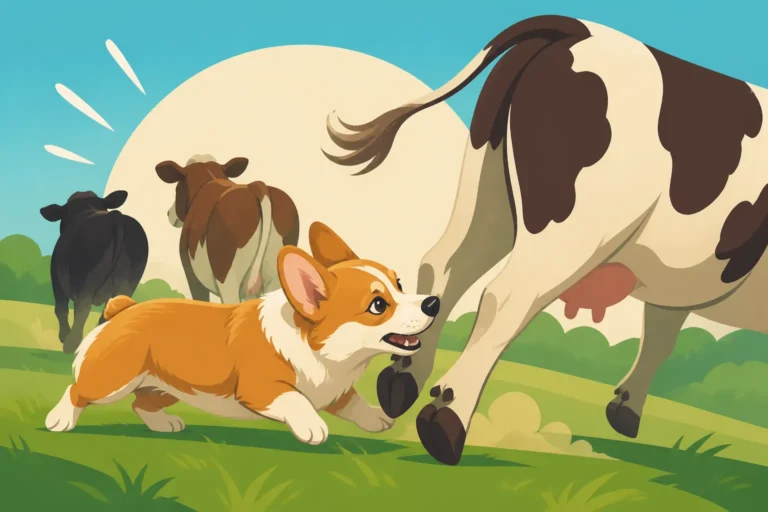
Corgis descended from dogs bred to drive cattle by nipping at their heels. This required a certain level of confidence, assertiveness, and decision-making on their own. They also come from a lineage where resources might have been scarce, and competition for food was a reality, especially in large litter sizes. These deep-seated instincts can manifest in modern Corgis as a strong possessiveness over high-value items, whether it's their favorite squeaky toy, a prized chew, or their daily meal.
Think about a wild animal; guarding food is a survival mechanism. While our domesticated Corgis don't face the same threats, the genetic programming is still there. If a Corgi feels that their ability to eat is being threatened, their primal instincts kick in, overriding their learned manners. This is why addressing food guarding isn't about "punishing" the dog but rather about changing their emotional response to your presence near their food. They need to learn that your approach means good things, not bad things. This often takes a lot of consistent training, focusing on positive associations, much like you might teach a Corgi to manage other strong instincts like Corgi Recall and the Herding Instinct.
Early Life Experiences and Trauma
A Corgi's past experiences can play a huge role in developing food guarding behaviors. If a puppy had to compete fiercely with littermates for food, or if they were in an environment where food was inconsistent or taken away frequently, they might learn that guarding is necessary for survival. This is particularly true for Corgis adopted from rescues, where their history might be unknown, and they may have experienced neglect or insecurity around food.
Even in well-meaning homes, accidental reinforcement can occur. If a child repeatedly approaches a Corgi's bowl and the dog growls, and the child retreats, the dog learns that growling works to keep the "threat" away. Similarly, if a Corgi's bowl is often moved or taken away mid-meal without a positive exchange, it can build distrust. These experiences, whether intentional or accidental, solidify the dog's belief that they must protect their food.
Medical Issues and Pain
Sometimes, a sudden onset of resource guarding, especially in an older Corgi, can be a symptom of an underlying medical issue. Pain, discomfort, or even vision changes can make a dog more irritable and prone to guarding. If a Corgi is in pain, they might associate your approach with potential discomfort and react defensively. For example, if they have a disc injury, a sudden movement near them could cause pain, and they might guard to prevent any interaction. Screening an Older Corgi's Spine is crucial as they age, as back issues are common and can impact behavior.
A veterinary check-up is always recommended if your Corgi suddenly starts guarding, particularly if this behavior is new or appears out of character. Rule out any physical ailments first. Once medical causes are eliminated, you can focus on behavioral modification strategies, knowing you're not missing a critical health concern.
How to Safely Manage and Prevent Food Bowl Guarding
Addressing food guarding requires a clear strategy built on positive reinforcement, consistency, and patience. The goal isn't to punish the guarding, which can often worsen it, but to change your Corgi's emotional response so they associate your presence near their food with good things happening.
Establishing Trust Through Positive Association
The cornerstone of overcoming food guarding is creating a positive association with your presence near the food bowl. Your Corgi needs to learn that your approach doesn't mean their food is going away, but rather that more good things are coming.
- The "Trade-Up" Game: This is a fantastic way to build trust. When your Corgi is eating, approach slowly and from a distance they are comfortable with (no growling or stiffening). Toss a super high-value treat (like a piece of cooked chicken or cheese) near their bowl, but not in it, and then walk away. Repeat this several times during their meal, gradually decreasing the distance as your Corgi shows comfort. They learn that your approach equals bonus treats!
- Hand-Feeding: For Corgis with mild guarding, or as a preventative measure for puppies, hand-feeding some of their meals can be incredibly effective. It directly teaches them that your hands are the source of food, not a threat. Ensure you do this in a calm, positive manner. If your Corgi is already growling or snapping, do not attempt hand-feeding immediately without professional guidance.
- Use a Slow Feeder or Enrichment Toys: Eating too fast can also heighten a dog's anxiety around food. Using a slow feeder bowl, readily available on
Amazon, can prolong mealtime, making it less of a frantic grab-and-gobble situation. Puzzle toys or food-dispensing toys can also turn mealtime into a positive, engaging activity, reducing the focus solely on the bowl itself. This also gives them a "job," which is often helpful for Corgis, similar to how The Job a Corgi Needs Instead of Herding You can channel their energy.
Management Strategies to Prevent Incidents
While you're working on changing your Corgi's emotional response, it's crucial to implement management strategies to prevent guarding incidents. These are temporary measures to ensure safety and avoid reinforcing the guarding behavior.
- Feed in a Quiet, Undisturbed Area: Feed your Corgi in a separate room, a crate, or behind a baby gate where no one, especially children or other pets, can disturb them. This removes the triggers for guarding behavior entirely, allowing them to eat in peace.
- Avoid Approaching the Bowl: Until significant progress is made with positive association exercises, make a conscious effort to not walk past or approach your Corgi's bowl while they are eating.
- Educate the Household: Ensure everyone in the family understands the protocol. Children, in particular, need strict rules about leaving the dog alone while it eats. This might require teaching children not to run from a Corgi or to respect their space.
- Remove the Bowl When Empty: If your Corgi guards an empty bowl, pick it up once they've finished eating and before they start to guard it. This signals that the bowl is only present when food is available.
Here's a quick comparison of effective strategies:
| Strategy | Description | Benefits | Considerations |
|---|---|---|---|
| Trade-Up Game | Toss high-value treats near the bowl, walk away. | Builds positive association with your presence. | Requires consistency; start at a safe distance. |
| Hand-Feeding | Directly feed portions of the meal from your hand. | Establishes hands as a source of food, not a threat. | Not for severe guarders; gradual introduction is key. |
| Separate Feeding Area | Feed Corgi in a quiet room, crate, or behind a gate. | Eliminates triggers for guarding during meals. | Prevents incidents, but doesn't solve the underlying behavior directly. |
| "Leave It" Command | Train your Corgi to disengage from an item on cue. | Useful for general impulse control and resource management. | Requires dedicated training; practice away from high-stakes food items first. |
| Slow Feeder Bowls | Specially designed bowls to make dogs eat slower. | Reduces frantic eating, lessens anxiety around mealtime. | Available from retailers like Amazon; choose one appropriate for Corgis. |
| Enrichment Toys | Food-dispensing puzzles that make Corgi "work" for food. | Turns mealtime into a mental exercise, diverts focus from guarding. | Can be messy; choose durable toys appropriate for a Corgi's chewing style. |
Training "Leave It" and "Drop It" Commands
Beyond mealtime, training strong "leave it" and "drop it" commands is invaluable for any Corgi owner, especially if your dog shows tendencies towards resource guarding with other items.
- "Leave It": This command teaches your Corgi to ignore an item, even if it's tempting. Start with low-value items and gradually increase the difficulty. Hold a treat in your closed fist. When your Corgi stops trying to get it, say "leave it" and reward them with a different, higher-value treat from your other hand. This teaches them that ignoring one item leads to an even better reward.
- "Drop It": This teaches your Corgi to release an item they already have in their mouth. Offer a high-value treat in exchange for the item they are holding. As they drop it to take the treat, say "drop it." Over time, they'll associate dropping an item with getting a reward. Consistency is key, and practicing with various items will generalize the command.
The reputable online training programs, such as those offered by BAXTER & Bella, often have excellent step-by-step guides for teaching these essential commands, building a strong foundation of communication and trust between you and your Corgi.
When to Seek Professional Help for Food Guarding
While the strategies above are effective for many cases of food guarding, there are times when professional intervention is absolutely necessary. It’s important to recognize when the behavior is beyond your current skill set or comfort level, especially when safety is a concern.
Escalation of Aggression
If your Corgi's food guarding involves snapping, lunging, or biting, or if the growling is intense and persistent despite your efforts, it's time to call in a professional. Do not try to "tough it out" or use punitive methods, as these can severely worsen the behavior and damage your relationship with your dog. A bite risk, even a minor one, is a serious indicator that expert guidance is needed. This is particularly true if the guarding is directed at children, as a Corgi's nip can be powerful.
A certified professional dog trainer or a veterinary behaviorist has the expertise to assess the specific triggers and severity of your Corgi's guarding behavior. They can create a tailored behavior modification plan and teach you how to implement it safely and effectively. They'll also help you understand the nuances of Corgi body language and response.
Fear for Family Members or Other Pets
If you or other members of your household, particularly children, are genuinely afraid of your Corgi during meal times, or if the guarding is causing altercations with other pets, professional help is non-negotiable. Your home should be a safe and stress-free environment for everyone, two-legged and four-legged.
A professional can help implement management protocols to ensure safety while the behavior modification is underway. They can guide you on how to introduce new routines or train other family members to interact safely with your Corgi. Sometimes, the issue isn't just the Corgi's behavior, but also how other family members are (unintentionally) contributing to the problem. A Corgi in a House Full of Children and Animals requires careful management and training for everyone involved.
Lack of Progress or Worsening Behavior
You’ve been consistent with positive reinforcement, you’ve followed all the advice, but your Corgi's guarding isn't improving, or perhaps it's even getting worse. This is another clear sign that you need expert assistance. Behavior modification can be complex, and sometimes an outside perspective from someone experienced in canine behavior is exactly what's needed to identify roadblocks and adjust the plan.
They might uncover nuances you've missed, suggest different techniques, or recommend a more intensive approach. Remember, asking for help is a sign of responsible pet ownership, not failure. A professional will have insights into Training a Corgi That Makes Its Own Decisions and how to effectively channel that independence into cooperative behavior.
Disclaimer
This article is for general informational purposes only and does not constitute professional advice. Laws, prices and regulations vary by location and change over time. Consult a qualified professional for guidance on your specific situation.