A Corgi That Will Not Give a Chew Back
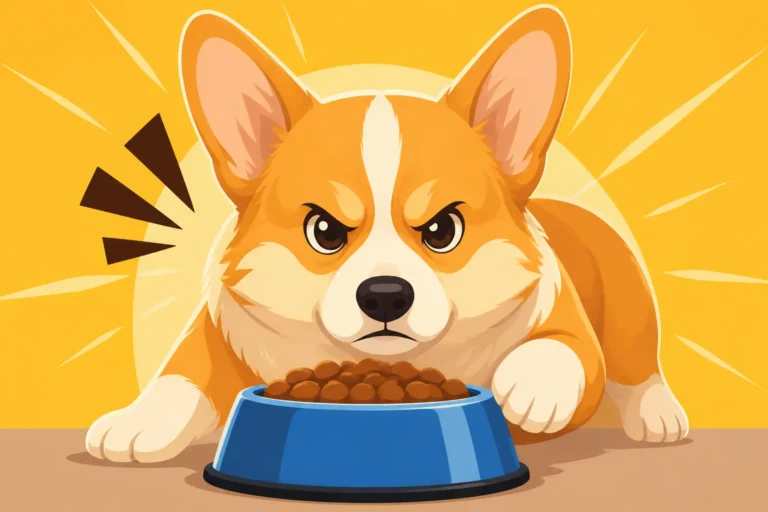
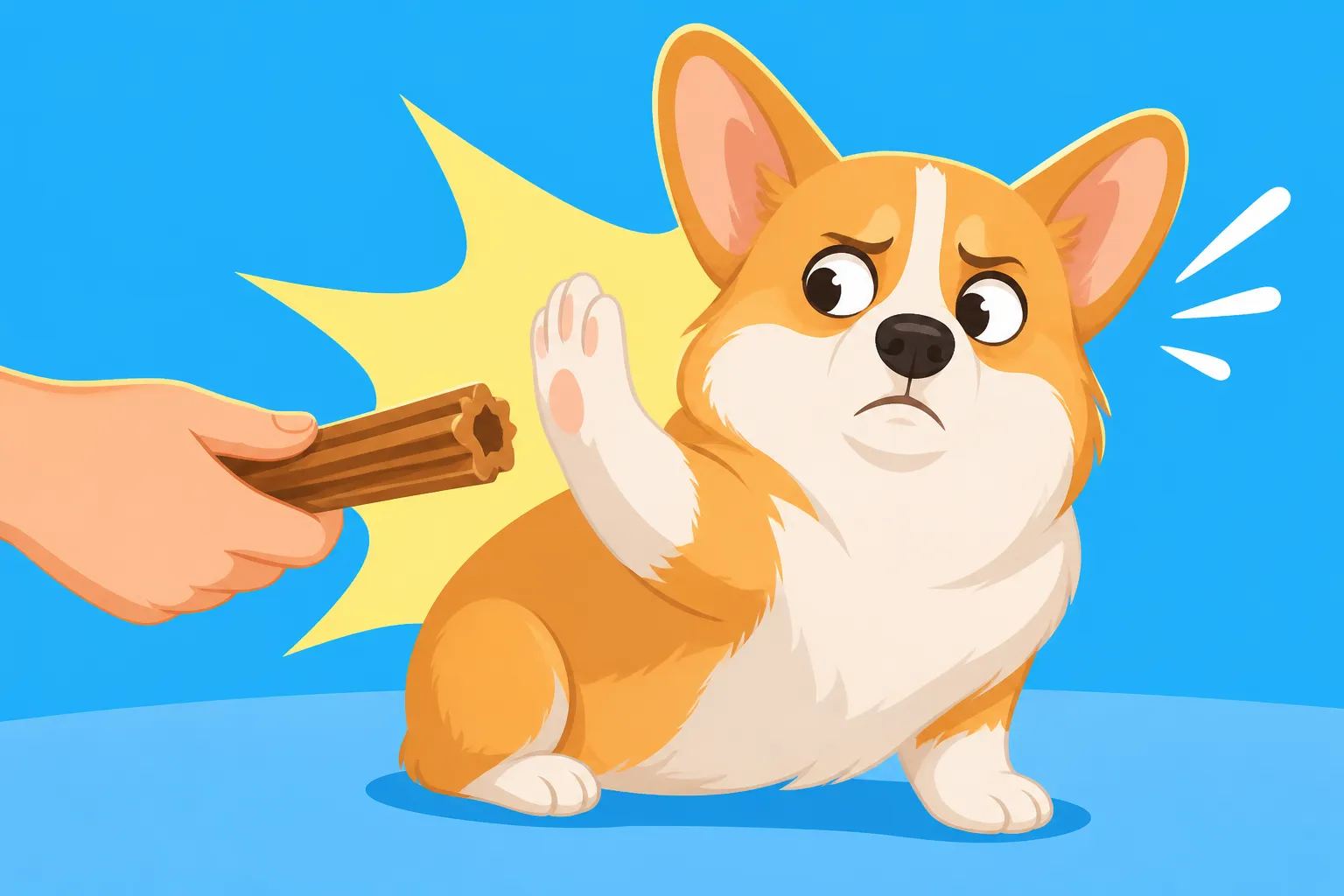
It's a common scenario that can quickly turn stressful: your adorable Corgi, usually so sweet, suddenly becomes a tiny, bristling guardian over a beloved chew. That low growl, the stiff body, the way they avert their eyes—it signals a deep-seated instinct to protect what's "theirs," and it can be truly frustrating, even a little scary, when you just want to take away a finished rawhide or ensure they don't ingest something they shouldn't. This guide is here to help you understand why your Corgi might be acting this way and, more importantly, how to teach them safely and effectively to give up their treasures without a fuss.
Why Corgis Guard Their Chews
When your Corgi transforms into a little dragon over a chew, it's easy to feel personally offended or think they're being "naughty." But for most Corgis, this behavior stems from deep-seated instincts and learned experiences, not malice. Understanding these roots is the first step toward addressing the issue with empathy and effective training.
Instinctive Behavior and Herding Roots
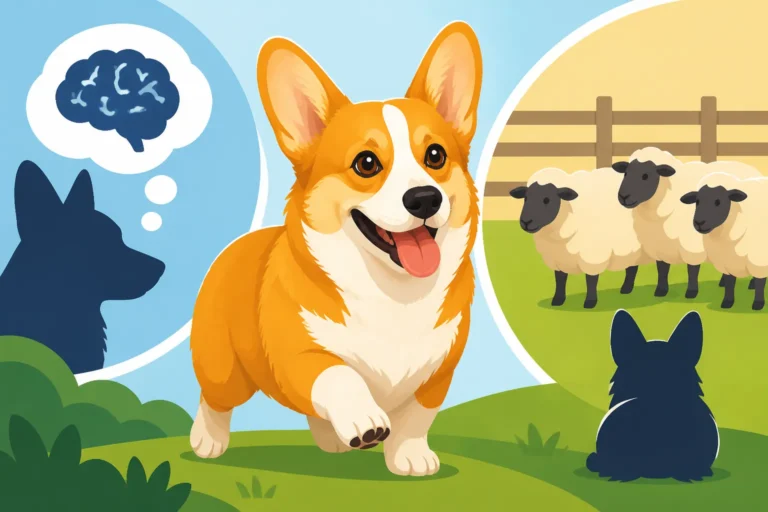
Corgis, particularly the Pembroke and Cardigan Welsh Corgis, were bred for centuries as herding dogs. Their job was to manage cattle, often nipping at their heels, and to protect their flock and their farmer's property. This requires a certain level of independence, assertiveness, and a strong sense of ownership. While your Corgi isn't herding cattle in your living room, that genetic predisposition to guard resources can manifest in protecting a favorite chew, toy, or even a prime napping spot. It's not about being aggressive; it's about a hardwired trait to secure valuable items in their environment. They see that chew as a high-value asset, something that helps them survive and thrive, even if it's just a dental stick. This instinct can be very strong in breeds like Corgis, who were historically tasked with making quick, independent decisions and standing their ground.
Learned Associations from Past Experiences
Beyond instinct, a Corgi's resource guarding can often be a learned behavior. Imagine if, in the past, you or someone else has repeatedly snatched a chew away from them without a fair exchange. From your Corgi's perspective, this teaches them that hands approaching their cherished item mean loss. They quickly learn that if they don't guard it, it will disappear. This creates a negative association, where your presence becomes a threat to their perceived possessions. It's a classic case of cause and effect: if every time you reached for their chew, they lost it, why would they ever willingly give it up? They might even have had unpleasant experiences in the past, perhaps with other dogs or even children, where their food or toys were taken forcefully. These experiences, no matter how minor they seem to us, can solidify their conviction that they must protect their belongings.
Lack of Trust and Predictability
At the heart of resource guarding is often a fundamental lack of trust and predictability. If your Corgi doesn't believe that giving up an item will result in something better or, at the very least, not result in loss, they'll hold onto it for dear life. When you approach their chew, they might be thinking, "Oh no, here it comes, they're going to take it away and I won't get it back." This isn't about disrespect; it's about self-preservation from their point of view. Building trust means showing them that you are not a threat to their valued items, but rather the provider of even more valuable items. This trust is built through consistent, positive interactions where their boundaries are respected and giving something up is always a rewarding experience. Without this trust, their natural guarding instincts are amplified, creating a cycle that can be hard to break without a deliberate change in approach.
Recognizing the Signs of Resource Guarding
It's crucial to be able to identify resource guarding behavior, not just when it's obvious, but also in its subtle early stages. Catching these cues early can prevent escalation and help you intervene effectively and safely. Ignoring or misunderstanding these signs can inadvertently worsen the problem.
Subtle Cues and Body Language
Resource guarding isn't always an immediate growl or snap. Often, Corgis will give a series of very subtle signals that they're feeling uncomfortable and possessive. Watch for these non-verbal communications: a slight stiffening of their body, freezing in place when you approach, quickly taking the chew and moving away, or turning their head to shield the item from your view. They might also give quick, nervous lip licks or yawn, which are often signs of stress in dogs. Their ears might flatten slightly, or their tail might be tucked. These are all attempts to communicate, "Please, don't come any closer to my chew," before they resort to more overt warnings. Learning to read these signals means you can de-escalate the situation before it becomes confrontational. A Corgi That Grabs Trouser Legs discusses other instinctual behaviors that manifest in Corgis, and understanding body language can help here too.
Escalating Warnings
If their subtle cues are ignored, your Corgi will likely escalate their warnings. This is where you might hear a low, rumbling growl, see them bare their teeth, or wrinkle their nose. Their body posture will become more rigid, and their gaze might become direct and hard, locking onto you or the object. They might even snap the air in your direction or make a quick lunge, without actually making contact. These are explicit "back off" messages, clear signals that they are serious about protecting their item. It's important never to punish these warnings, as doing so only teaches your Corgi to suppress the warning signs and go straight to a bite, making the situation far more dangerous. Instead, acknowledge the warning and disengage, then reassess your approach with proper training techniques.
When It's More Than Just "Possessive"
There's a fine line between a Corgi who is "possessive" of their favorite toy and one who is actively resource guarding. True resource guarding involves a clear defensive posture and a willingness to defend the item using warnings or aggression. A genuinely possessive Corgi might simply run off with their toy, or try to keep it from another dog, but they won't typically escalate to growling or snapping at a human hand reaching for it. If your Corgi consistently shows aggressive displays—growling, snapping, biting—towards you or others when they have a valued item, it has moved beyond simple possessiveness. This is when professional help might be warranted, as it indicates a more serious behavioral issue that needs structured intervention. The intensity of the guarding, the frequency, and who they guard against are all factors in determining the severity.
Here's a quick guide to common resource guarding signs and their potential implications:
| Sign of Resource Guarding | Description | Severity | Action Needed |
|---|---|---|---|
| Freezing/Stiffening | Body becomes rigid, movements stop. | Low | Notice, avoid reaching. |
| Moving Away | Takes item and walks to a secluded spot. | Low | Respect space, introduce trade-up games. |
| Fast Eating/Chewing | Gulps food or chews rapidly when approached. | Low | Slow down approach, offer trade-up. |
| Hard Stare | Eyes fixated on you, often over the item. | Moderate | Do not reach. Begin active training. |
| Lip Lick/Yawn (stressed) | Quick tongue flick or exaggerated yawn. | Moderate | Indicates stress, pause approach, offer trade-up. |
| Low Growl | Soft, rumbling sound from deep in the throat. | High | Immediately back off. Seek trainer if persistent. |
| Snapping in Air | Quick, open-mouthed lunge without making contact. | High | Immediately back off. Professional help recommended. |
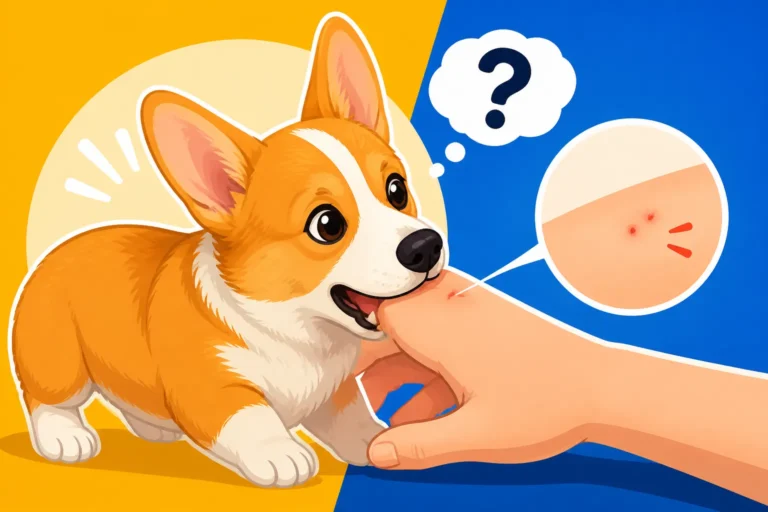
| Biting | Making physical contact, breaking skin. | Very High | Immediate professional intervention required. |
Safe Strategies for Teaching "Give"
Teaching your Corgi to "give" or "drop it" is one of the most important commands, especially for a dog with a strong instinct to guard resources. The key is to make it a positive experience, not a battle of wills. This builds trust and ensures they learn to willingly release items.
The "Trade-Up" Method
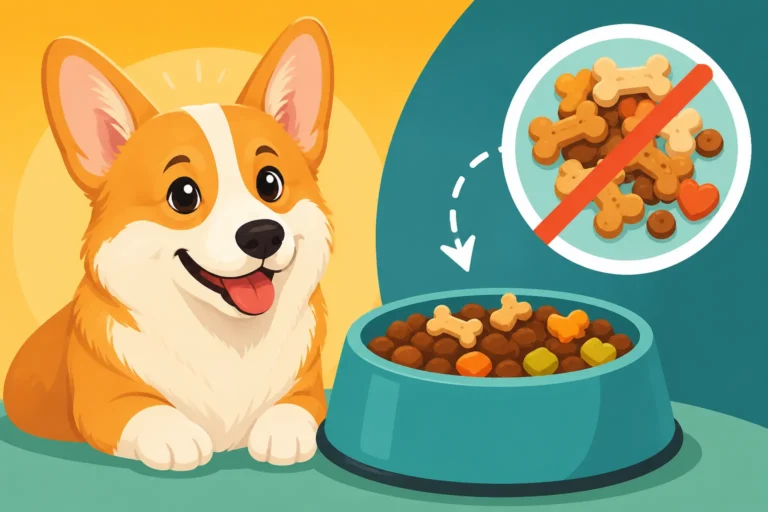
The single most effective strategy for teaching a reliable "give" is the "trade-up" method. This involves offering your Corgi something even more desirable than what they currently have, in exchange for giving it up. Start with an item they aren't intensely guarding, like a regular toy, and have a super high-value treat ready—think a piece of cooked chicken, cheese, or even a dollop of peanut butter. Approach them, offer the treat, and as they release the item to take the treat, say "Give" or "Drop it" in a calm, cheerful tone. Immediately after they've eaten the treat, give their original item back to them, or offer another chew, letting them know that giving up something doesn't mean losing it forever. This teaches them that "give" means "I get something even better, and then sometimes I even get my old thing back!" It's a win-win in their minds. For high-value training treats, you can find many options on platforms like Amazon that are small, palatable, and perfect for these quick exchanges.
Repeat this process many, many times in short, positive sessions. Gradually increase the value of the items you're asking them to give up, always ensuring your "trade-up" is truly superior. Consistency is key here; every interaction should reinforce the idea that giving means gaining. For deeper insights into managing independent Corgis, you might find Training a Corgi That Makes Its Own Decisions helpful.
Positive Reinforcement Only
When dealing with resource guarding, it is absolutely paramount to use positive reinforcement methods exclusively. Never, ever try to force an item out of your Corgi's mouth, yell at them, or punish a growl or snap. As mentioned earlier, punishing these warning signals teaches your Corgi to suppress them, making future situations incredibly dangerous because they'll skip the warning and go straight to a bite. Instead, focus on rewarding the desired behavior: voluntarily letting go of the item. This could be with food rewards, verbal praise, or a quick game of fetch with a different toy.
The goal is to create a positive emotional association with giving things up. Each successful trade, each calm "give," strengthens their trust in you and their understanding that cooperating leads to good things. If your Corgi shows any sign of discomfort, back off and re-evaluate your approach, perhaps starting with easier trades or even reaching out to a certified professional dog trainer. A Corgi that shuts down when told off, as discussed in A Corgi That Shuts Down When Told Off, will only become more resistant or fearful if met with harsh methods. Building their confidence and trust through positive experiences is the path to success.
Consistent Practice in Varied Environments
Once your Corgi understands the basic concept of trading in a quiet, low-stress environment, you need to practice consistently and gradually introduce more challenging scenarios. Start by practicing with various chews and toys, some high-value, some low-value. Then, practice in different rooms of your house, perhaps with a little background noise, and eventually, in controlled outdoor spaces. Always ensure you have a truly high-value treat for the trade.
The consistency helps solidify the command and generalize the behavior, meaning they'll understand "give" no matter where they are or what they have. Remember to keep sessions short, positive, and end on a success. If they are guarding a particularly exciting chew, like a rawhide from Amazon, be prepared with an even more exciting treat for the trade. The more predictable and rewarding you make the "give" command, the more reliable your Corgi will become.
Preventative Measures and Management
Beyond teaching the "give" command, establishing good management practices and taking preventative steps can significantly reduce the likelihood of resource guarding becoming a persistent problem. It’s about setting your Corgi up for success and minimizing opportunities for conflict.
Supervised Chewing and Designated Chew Times
One of the simplest and most effective preventative measures is to always supervise your Corgi when they have a chew, especially high-value ones. This means no leaving them alone with a chew they might guard. By supervising, you can manage the situation from the start, stepping in with a "trade-up" before any guarding behavior even begins to manifest. Designating specific "chew times" can also be helpful. For instance, give them a chew in a quiet, safe space where they feel secure and won't feel the need to guard. This could be in their crate (if they are crate-trained and view it as a safe haven) or on their dog bed. Make sure to have a high-value treat ready before you even give them the chew, so you're prepared for a trade-up when the chew is finished or needs to be taken away. This helps normalize the exchange process.
For high-energy Corgis who need to work their brains, providing appropriate chews can be a great outlet, as explored in Toys That Occupy a Corgi. Always pick chews that are safe and appropriate for their size and chewing style.
Managing the Environment and Reducing Triggers
Managing your home environment can go a long way in preventing resource guarding. If you know certain items trigger your Corgi's guarding behavior, simply don't make them readily available. For example, if they guard chew bones but not puzzle toys, focus on the latter. Ensure there are enough toys and chews to go around if you have multiple pets, reducing competition. Use baby gates, which you can find on Amazon, or crates to create separate spaces during feeding or chew times, especially if you have other dogs.
Keep floors clear of items your Corgi might decide to "claim," such as stray socks or children's toys. The less opportunity they have to practice guarding, the less ingrained the behavior becomes. If you have children, teach them never to approach a Corgi when it's eating or chewing, and never to try and take things away. This is vital for safety and for reinforcing your Corgi's sense of security. Providing ample mental stimulation and exercise, as discussed in The Job a Corgi Needs Instead of Herding You, can also help reduce overall stress and anxiety that might contribute to guarding.
Seeking Professional Help
While many cases of mild resource guarding can be managed with consistent "trade-up" training and environmental management, some situations warrant professional intervention. If your Corgi's guarding behavior is severe (e.g., consistent growling, snapping, or biting), or if you feel unsafe or unsure how to proceed, don't hesitate to contact a certified professional dog trainer or a veterinary behaviorist. They can provide an individualized assessment of your Corgi's specific situation, identify underlying causes, and develop a safe and effective training plan.
Often, online resources like BAXTER & Bella offer virtual training programs and guides that can be a great starting point for understanding positive reinforcement techniques. However, for serious guarding issues, hands-on guidance from a professional is invaluable. A good trainer will use positive, force-free methods and teach you how to communicate effectively with your Corgi to build trust and resolve the issue without fear or intimidation. They can help you gauge the severity and ensure you're using the right techniques for your specific Corgi. Information on what to expect when working with a professional can be found in Trainer Rates for a Corgi That Nips, offering insight into how these experts approach behavioral challenges.
Disclaimer
This article is for general informational purposes only and does not constitute professional advice. Laws, prices and regulations vary by location and change over time. Consult a qualified professional for guidance on your specific situation.