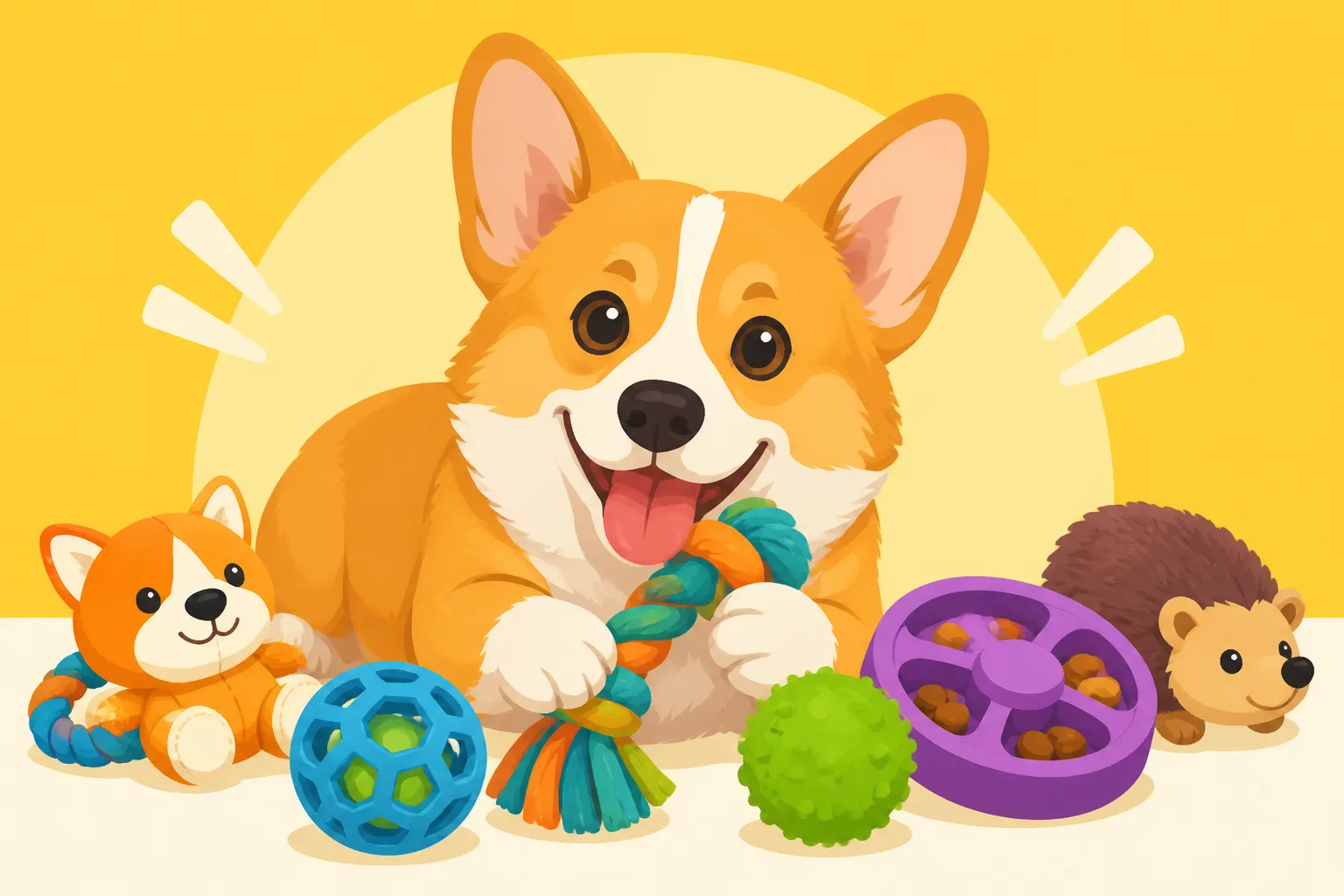
Toys That Occupy a Corgi
Corgis are bundles of intelligent energy, and if that clever mind isn't given a job, it often finds one – usually involving creative destruction, excessive barking, or herding your ankles. This comprehensive guide will delve into the world of engaging toys designed to keep your Corgi happily occupied, channeling their instincts into productive and enjoyable play, rather than mischief.
Understanding Your Corgi's Play Instincts
Before we dive into specific toys, it's crucial to understand the unique wiring of a Corgi. These aren't just cute, low-rider dogs; they're working breeds with a rich history of cattle driving and a strong sense of purpose. Ignoring these deep-seated instincts is like expecting a computer to run without software – it just won't function optimally, and you'll likely face some frustrating "error messages" in their behavior.
The Herding Drive and Prey Drive
Corgis, particularly the Pembrokes and Cardigans, were originally bred to herd cattle. Their low stature allowed them to nip at the heels of much larger animals without getting kicked, and then duck out of the way. This isn't just a historical footnote; that intense herding instinct is still very much alive in your modern-day companion. You might see it manifest as your Corgi trying to "round up" family members, especially children or other pets, or gently (or not-so-gently) nipping at your heels as you walk. This drive needs an outlet, and toys can provide a fantastic, appropriate channel.
Beyond herding, Corgis also possess a natural prey drive. While they weren't typically hunting dogs, the act of pursuing and "catching" a fleeing cow's heels translates into a love for chasing moving objects. This is why many Corgis are so captivated by squirrels in the yard or a thrown ball. If this drive isn't satisfied through constructive play, it can sometimes lead to issues like chasing cars or bikes, or an overzealous pursuit of the family cat. It's about recognizing these powerful internal motivations and offering safe, fun, and engaging ways for your Corgi to express them.
Redirecting this natural energy is key to a harmonious household. Instead of constantly telling your Corgi "no" when they exhibit these behaviors, providing toys that mimic the action of chasing, gathering, or problem-solving allows them to fulfill their innate urges in a way that aligns with your household rules. Think of it as giving them a job, because a Corgi is happiest when they have one. For more on this, you might find our article on The Cattle-Driving Nip a Corgi Still Has insightful.
The Importance of Mental Stimulation
It's a common misconception that a tired dog is purely a physically tired dog. While Corgis do need their daily walks and bursts of energy, physical exercise alone often isn't enough to truly satisfy their intelligent, problem-solving minds. A Corgi who is physically exercised but mentally under-stimulated can still be prone to destructive chewing, digging, or excessive barking, sometimes leading to frustrated neighbors complaining about Corgi Barking and How Much Is Normal.
Think about it from their perspective: they're smart, they're observant, and they're constantly looking for something to engage with. If that "something" isn't provided by you, they'll invent their own entertainment, and that might not be to your liking. Mental stimulation helps tire them out in a different, often more profound way than just physical exertion. It challenges their brains, builds confidence as they "solve" puzzles, and provides a sense of accomplishment.
Providing a regular dose of mental exercise can significantly reduce unwanted behaviors. When a Corgi's mind is engaged with a puzzle toy, or they're working to extract a treat, they're not focused on shredding your sofa cushions or counter-surfing for snacks. This kind of work-to-eat activity also taps into their natural foraging instincts, which is incredibly satisfying for them. It gives them The Job a Corgi Needs Instead of Herding You and can be just as tiring, if not more so, than a long run.
Types of Toys to Keep Your Corgi Occupied
Now that we understand why Corgis need these outlets, let's explore the kinds of toys that truly hit the mark for keeping their clever minds and energetic bodies engaged.
Puzzle and Treat-Dispensing Toys
These are, without a doubt, the champions of independent play and mental engagement for Corgis. They tap directly into that problem-solving intelligence and their strong food motivation. A puzzle toy isn't just a toy; it's an interactive challenge that rewards effort, keeping your Corgi focused and happily working.
When selecting puzzle toys, you have a wide array of choices. Classic options like KONGs are fantastic – you can stuff them with peanut butter, yogurt, or wet food, and then freeze them for a long-lasting challenge. There are also many intricate puzzle toys made from durable plastic or wood that require your Corgi to push, flip, or slide components to uncover hidden treats. Slow feeder bowls, while not strictly toys, also make mealtime a mental exercise, slowing down gobblers and preventing bloat. Many online retailers, such as Chewy, offer an extensive selection of these engaging brain games, often with various difficulty levels to keep your Corgi challenged as they learn.
The benefits of these toys are numerous. They slow down meal consumption, which is excellent for digestion and preventing boredom-eating. They provide a constructive outlet for chewing, which can be particularly intense in Corgis. Moreover, solving these puzzles builds confidence and provides a rewarding sense of accomplishment. Remember to start with easier puzzles and gradually increase the difficulty as your Corgi gains proficiency, ensuring they don't get frustrated.
Durable Chew Toys
Corgis are robust little dogs with strong jaws, and many absolutely love to chew. If not provided with appropriate outlets, your furniture, shoes, or anything else within reach can become fair game. The key here is durability. Flimsy toys simply won't stand up to a determined Corgi chewer.
Look for toys made from solid, tough rubber, like those from brands known for their heavy-duty designs. Nylon chew toys can also be excellent, providing a satisfying texture for gnawing. Some Corgis also enjoy durable natural chews, though these should always be given with supervision and removed if they splinter or become small enough to be swallowed whole. Always ensure the toy is appropriately sized for your Corgi – too small and it becomes a choking hazard; too large and it might be too awkward to enjoy.
Regularly inspect all chew toys for wear and tear. Cracks, sharp edges, or pieces that are about to break off mean the toy needs to be replaced immediately. This vigilance is crucial to prevent your Corgi from ingesting dangerous fragments or choking. Providing a variety of safe, durable chew toys can significantly redirect destructive chewing from your personal belongings, giving your Corgi an appropriate way to satisfy their natural urge to gnaw.
Interactive Play Toys
While independent play is essential, nothing strengthens the bond with your Corgi quite like interactive play. These are the toys you use with your dog, providing shared joy and a directed outlet for their energy.
Tug toys, made from sturdy ropes or rubber, are fantastic for Corgis. They love the feeling of "working" with you, and a good game of tug can be a great physical and mental workout. Teach a clear "drop it" command to ensure the game remains fun and respectful. Fetch toys, like sturdy rubber balls or frisbees designed for dogs, allow them to chase and retrieve, tapping directly into their prey drive. Just be mindful of their low-slung bodies and long backs, avoiding excessive jumping or twisting movements. For insights on protecting their spine, consider reading Whether a Corgi Should Ever Jump Off a Sofa. Flirt poles, which have a lure at the end of a long stick, are also excellent for allowing your Corgi to chase and "catch" a target without you having to throw repeatedly, mimicking the movements of small prey.
When engaging in interactive play, always prioritize safety and teach appropriate manners. Games should be fun for both of you, and your Corgi should learn to release the toy on command. These sessions are not just about burning energy; they're about communication, building trust, and reinforcing your leadership in a positive way.
Snuffle Mats and Lick Mats
Sometimes, the simplest tools are the most effective. Snuffle mats and lick mats are wonderful, low-impact enrichment tools that provide mental stimulation and can be incredibly calming for your Corgi.
A snuffle mat is typically a fabric mat with numerous strips or pockets where you can hide dry kibble or small treats. Your Corgi then uses their nose to "snuffle" through the fabric, sniffing out and finding the hidden treasures. This activity engages their powerful sense of smell, provides a fantastic mental workout, and slows down eating significantly. It's a wonderful way to feed a meal or provide a long-lasting treat, especially if you have a Corgi who tends to inhale their food.
Lick mats are flat, textured mats, usually made of silicone, that you spread with soft, spreadable treats like peanut butter (xylitol-free!), yogurt, or wet dog food. The act of licking is naturally soothing for dogs, releasing endorphins and helping them relax. These mats are fantastic for situations that might cause your Corgi stress or boredom, such as during grooming sessions, nail trims, or when they need to be confined in their crate. They provide a prolonged, satisfying activity that requires minimal supervision once set up. These tools are excellent additions to a routine, especially if your Corgi is on Six Weeks of Crate Rest With a Corgi and needs gentle, engaging activities that don't involve much movement.
Choosing the Right Toy for Your Corgi's Needs
Picking out toys isn't a one-size-fits-all endeavor. What works wonders for one Corgi might be ignored or destroyed by another. Understanding your individual dog and prioritizing safety are crucial steps in building an effective toy collection.
Matching Toy to Temperament and Age
A Corgi puppy will have very different toy needs than a senior Corgi. Puppies, with their boundless energy and teething mouths, often benefit from a variety of textured toys – softer rubber for teething, squeaky toys for engaging their prey drive, and simple puzzle toys to introduce mental challenges. If you have A Corgi Puppy Biting Ankles and Hands, redirecting that mouthing onto appropriate chew toys is absolutely essential. As they grow into adults, their preferences might solidify, with some Corgis becoming avid chewers and others preferring brain games.
Senior Corgis, or those with mobility issues, require a more gentle approach. Puzzle toys that don't require much physical manipulation, soft plush toys for comfort, or lick mats for calm engagement are often ideal. For a Corgi recovering from an injury or on Keeping a Crated Corgi Sane, low-impact, stimulating toys become incredibly important. Observe your Corgi's play style: Are they a gentle chewer or a destroyer? Do they prefer chasing or problem-solving? Their unique personality should guide your choices.
Safety First: Materials and Size
The most exciting toy in the world is useless, or even dangerous, if it's not safe. Always prioritize safety when selecting toys for your Corgi. This means carefully considering the materials and the size of the toy.
Avoid toys made with cheap plastics that can splinter, or those containing small parts that can break off and become choking hazards. Look for non-toxic materials, especially since Corgis will inevitably put toys in their mouths. Always ensure the toy is appropriately sized for your Corgi's mouth and jaw strength. A toy that is too small can easily be swallowed, leading to choking or intestinal blockage. Conversely, a toy that is too large or heavy might be difficult for them to carry or manipulate, causing frustration.
Regular inspection of all toys is non-negotiable. Even the most durable toys wear down over time. Check for cracks, tears, loose stuffing, or any pieces that could be chewed off. If a toy is damaged, it's time to discard it immediately. While it might feel wasteful, replacing a worn-out toy is a small price to pay for your Corgi's safety.
Integrating Toys into Your Corgi's Daily Routine
Having a pile of great toys is one thing, but knowing how to use them effectively to keep your Corgi engaged day after day is another. It's all about strategic deployment and understanding how to keep the excitement alive.
Toy Rotation and Novelty
Imagine having the same meal every single day – no matter how delicious it was initially, you'd eventually get bored, right? The same principle applies to your Corgi and their toys. The "novelty effect" is powerful. A toy that's been put away for a few weeks and then reintroduced often feels like a brand new, exciting item, re-sparking interest and engagement.
Implement a toy rotation system. Instead of having all their toys available all the time, select 3-4 different toys to be "out" for a few days or a week. Store the rest in a bin or cupboard. When you notice their interest waning in the current selection, swap them out for a fresh set from the stored collection. This simple act keeps things fresh and exciting, preventing boredom and ensuring that each toy gets its fair share of attention.
The joy of rediscovering an "old friend" can be truly heartwarming to witness. This strategy not only maximizes the longevity of your toy collection but also keeps your Corgi's mind stimulated by continually presenting them with new textures, shapes, and challenges. It's a low-effort way to add significant value to their daily enrichment.
Structured Playtime vs. Independent Engagement
A well-rounded toy strategy involves a balance between toys that require your participation and those that your Corgi can enjoy on their own. Both are vital for a happy and well-adjusted Corgi.
Structured playtime is where you actively engage with your Corgi using interactive toys. This might involve a game of fetch with a favorite ball, a tug-of-war session, or using a flirt pole to mimic a chase. These sessions are incredibly important for building your bond, reinforcing commands, and providing controlled, directed energy release. They teach your Corgi appropriate ways to interact and can be incredibly tiring. Even though The Forty-Five Minutes a Corgi Needs Daily often refers to physical activity, a good chunk of that can and should be dedicated to engaging their mind through play.
Independent engagement comes into play when you need your Corgi to occupy themselves, perhaps while you're working, doing chores, or simply enjoying some quiet time. This is where puzzle toys, durable chew toys, snuffle mats, and lick mats shine. These toys allow your Corgi to satisfy their instincts and keep their minds busy without constant human input. This is particularly useful for helping your Corgi cope if A Corgi That Barks the Whole Time You Are Out, or if they are on restricted movement and you're Feeding a Corgi Through Six Weeks of Enforced Rest. The goal is to make their solo time as enriching and satisfying as possible, preventing boredom-induced behaviors.
By strategically integrating both types of play into your Corgi's daily life, you'll be fostering a happier, more stimulated, and ultimately, a better-behaved companion.
| Toy Type | Primary Benefit | Corgi Instinct Engaged | Key Considerations |
|---|---|---|---|
| Puzzle Toys | Mental stimulation, slows eating | Foraging, problem-solving | Vary difficulty, supervision needed, appropriate treat size |
| Durable Chew Toys | Satisfies chewing urge, dental health | Oral fixation | Indestructible materials, correct size, regular inspection |
| Interactive Toys | Bonding, physical exercise | Prey drive, herding | Safe materials, controlled play, teach "drop it" |
| Snuffle Mats | Scent work, mental enrichment | Foraging, olfactory | Easy to clean, hide small treats, non-slip base |
| Lick Mats | Calming, distraction | Soothing, oral gratification | Non-toxic spread, easy to clean, stick-on options |
Disclaimer
This article is for general informational purposes only and does not constitute professional advice. Laws, prices and regulations vary by location and change over time. Consult a qualified professional for guidance on your specific situation.