The Forty-Five Minutes a Corgi Needs Daily
Figuring out the exact right amount of exercise for your Corgi can feel like a constant balancing act. On one paw, they're bursting with herding energy and seem to have an endless desire to go-go-go. On the other paw, their unique, long-backed, short-legged build means you're always mindful of protecting their spine. It’s a real challenge to provide enough mental and physical stimulation without pushing them too hard. This comprehensive guide will help you understand what those often-cited "forty-five minutes a Corgi needs daily" truly entail, and how to structure a varied routine that keeps your furry friend healthy, happy, and safe for years to come.
Decoding the "Forty-Five Minute" Guideline for Corgis
When you hear a general recommendation like "45 minutes of exercise a day" for a Corgi, it's easy to picture a single, long, continuous walk. But for a Corgi, that picture is a little more complex. Their physical structure and inherent drives mean that quality and type of activity often trump simple duration. It can be incredibly frustrating to see your Corgi zooming around, seemingly tireless, yet knowing that an hour-long jog isn't actually good for them. This section will help clarify what truly constitutes beneficial exercise for our low-riders.
The Myth of the Marathon Corgi
Corgis are notorious for their larger-than-life personalities and seemingly boundless energy. Many owners assume this means they need to run like a Border Collie or hike for miles every day. While their herding instincts do equip them for bursts of activity and a surprisingly quick pace, they were never bred for long-distance endurance. Imagine them nipping at the heels of cattle – quick dashes, turns, and then a moment of observation, not endless trotting. Their short legs mean they have to take many more steps than a longer-legged dog to cover the same distance, which can lead to fatigue much faster than their spirited demeanor might suggest.
Pushing a Corgi beyond their physical limits, especially with sustained, high-impact running, isn't just inefficient; it can be detrimental. You might notice them lagging behind, panting heavily, or even showing signs of lameness after too much exertion. It's a common misconception to equate their enthusiastic zoomies with a need for sustained, rigorous exercise. Instead, we should focus on channeling that energy into appropriate activities that honor their unique physiology.
Balancing Physical Exertion with Spinal Safety
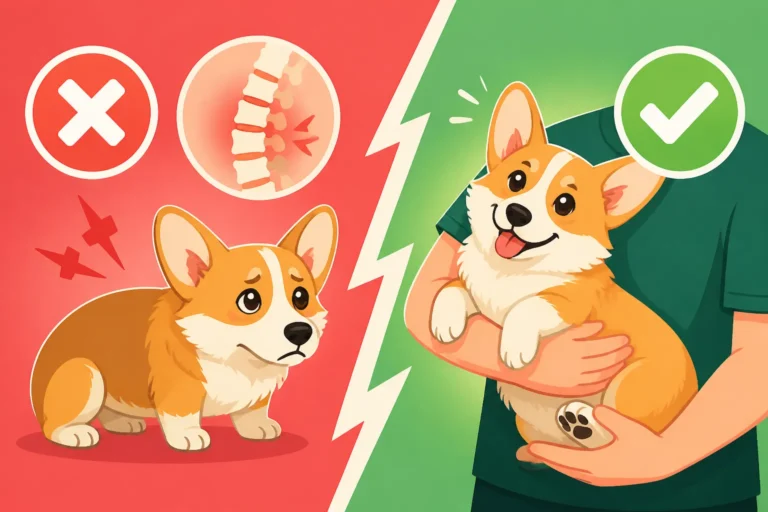
The most critical consideration for any Corgi owner is the health of their dog's spine. Their chondrodystrophic build, characterized by a long body and short legs, makes them particularly prone to intervertebral disc disease (IVDD) or what many owners know as a Disc Disease in a Long-Backed Corgi. This means that every exercise choice needs to be made with spinal safety as a top priority. Activities that involve high impact, sudden twists, or repeated jumping are definite no-gos.
Think about the forces at play when a Corgi launches itself off a sofa or bed. That impact, combined with the way their long back flexes, can put immense strain on their discs, potentially leading to a rupture. This isn't to say Corgis can't be active; quite the opposite! They need to be active to maintain muscle tone and a healthy weight, both crucial for spinal support. However, it means we need to be smart about how they're active. Gentle walks, swimming (if they enjoy it and it's supervised), and controlled playtime on level ground are far safer than dog park wrestling or aggressive fetch with high jumps. It's why many owners prioritize Teaching a Corgi Not to Jump Off Furniture from a young age – it's an investment in their long-term health.
Here’s a quick overview of some common activities and their risk levels for a Corgi's back:
| Activity | Risk Level for Corgi Spine | Notes |
|---|---|---|
| Brisk, Leashed Walks | Low | Excellent for cardiovascular health and muscle tone. Keep on level ground. |
| Swimming (supervised) | Very Low | Non-impact, full-body workout. Great for strengthening core muscles. |
| Gentle Fetch (rolling ball) | Low-Moderate | Roll the ball to encourage chasing, not jumping. Avoid high-throws. |
| Scent Work / Nose Games | Very Low | Mentally stimulating, little to no physical impact. |
| Short, Controlled Play | Low-Moderate | On level, non-slippery surfaces. Avoid rough housing, twisting, or jumping. |
| Running on Leash (moderate) | Moderate | Brief intervals on soft surfaces are okay, but not prolonged runs. Watch for signs of fatigue. |
| Agility (modified for Corgis) | Moderate | Jumps must be low, weave poles set wide. Focus on ground-level obstacles. Discuss with vet/trainer. |
| Repetitive Stair Climbing | High | Puts significant strain on the discs. Use ramps or carry your Corgi. |
| Jumping Off Furniture/Heights | Very High | The leading cause of disc injuries for many Corgis. Use ramps or physical barriers. |
| Dog Park Rough Play | High | Uncontrolled movements, potential for collisions and awkward landings. |
Crafting a Balanced Daily Activity Schedule
So, if those 45 minutes aren't just one long slog, how do you actually break them down? The key is variety, intention, and incorporating both physical exercise and mental enrichment throughout the day. It can feel like a puzzle trying to fit everything in when you have a busy life, but even small, intentional bursts of activity add up significantly for a Corgi.
Morning Boosts and Midday Mingles
Starting the day with purpose can set a positive tone for your Corgi. A brisk, leashed walk first thing in the morning is a fantastic way to wake up their body and mind. We're talking about a purposeful stride, not a leisurely sniff-fest, for maybe 15-20 minutes. This helps them eliminate, get their circulation going, and observe the world before the day fully kicks into gear. Ensure you have a comfortable harness that doesn't put pressure on their neck or spine, especially if they are prone to pulling.
For those of us who work away from home, the midday period can be tricky. If you're able to come home, or if you have a trusted dog walker, a quick 10-15 minute potty break combined with a short burst of mental activity can make a world of difference. This might be a quick game of "find the treat" in the yard or a very brief training session to refresh some basic cues. Even just letting them engage their nose on a short sniff-walk around the block counts. Remember, even if you’re trying to hit The Forty-Five Minutes a Corgi Needs Daily, it’s about accumulation, not just one burst.
Afternoon Adventures and Evening Unwinders
The afternoon is often an excellent time for a more dedicated play session. After a rest, your Corgi might be ready for more engagement. This could be 15-20 minutes of controlled fetch in the yard, where you roll the ball rather than throw it high, encouraging short sprints and turns without vertical leaps. Alternatively, a walk in a new park or area allows them to explore different smells and sights, providing both physical and mental stimulation. This change of scenery can be incredibly enriching and prevent boredom with the same old route.
As the day winds down, a calmer evening activity can help signal that it's time to relax. A final 10-15 minute gentle walk before bed allows for one more potty opportunity and a chance for them to decompress. You can combine this with some calm obedience practice, like holding a 'stay' or practicing a 'settle' command in a quiet spot. Indoors, interactive toys can keep their minds busy without requiring much physical exertion, making them excellent tools for evening enrichment. Toys That Occupy a Corgi can be a lifesaver for burning off residual energy in a safe way.
Beyond the Walk: Mental Stimulation and Enrichment
Corgis aren't just furry low-riders; they're intelligent, problem-solving dogs with a deep-seated herding instinct. This means that physical exercise, while essential, is only half the battle. A Corgi who is physically tired but mentally under-stimulated can still be destructive, bark excessively, or develop other undesirable behaviors. Many owners find it baffling when their Corgi has had a decent walk but still seems to have an endless supply of mischief – that's often a sign their brain needs a workout too!
Brain Games and Puzzle Power
Because Corgis were bred to work independently, making quick decisions about livestock, their brains are hardwired for problem-solving. Tapping into this drive through brain games and puzzle toys is an incredibly effective way to tire them out without putting strain on their joints or spine. A 15-minute session with a challenging puzzle can often be as exhausting as a much longer walk.
Look for puzzle feeders where your Corgi has to manipulate parts to get their kibble or treats. Snuffle mats are also fantastic, allowing them to use their powerful noses to "hunt" for food, engaging their natural foraging instincts. Hiding treats around the house for them to find is another simple yet highly effective game. These activities slow down their eating, prevent boredom, and give them a job to do. Websites like Amazon offer a vast array of puzzle toys, from beginner-friendly snuffle balls to more complex treat-dispensing devices, making it easy to find something that suits your Corgi's skill level.
Training, Scent Work, and Controlled Play
Formal training sessions, even short ones, are powerful mental workouts. Corgis are smart and generally love to learn, although their independent nature can sometimes make them seem like they Why an Independent Corgi Ignores You. Break training into 5-10 minute bursts several times a day to keep them engaged without overwhelming them. Focusing on positive reinforcement and making it fun will yield the best results.
Scent work is another incredibly rewarding activity for Corgis. It’s low-impact, uses one of their strongest senses, and is profoundly enriching. You can start simply by hiding high-value treats in different rooms and encouraging them to find them, or you can explore more structured classes that teach them to identify specific odors. Engaging in Scentwork as a Sport That Spares a Corgi's Back allows them to use their natural talents in a safe and fulfilling way. For controlled play, stick to games like rolling a soft ball or tug-of-war where you keep it low to the ground and ensure your Corgi isn't twisting their body excessively. Variety is crucial here; rotating toys and activities keeps them engaged and prevents burnout.
Adjusting the Forty-Five Minutes for Age and Health
While 45 minutes of daily activity is a good general guideline, it’s just that – a guideline. Just like people, individual Corgis will have different needs based on their age, overall health, and personality. It’s completely normal for owners to feel a little anxious about whether they’re doing too much or too little, especially with a breed known for its back issues. The key is to be observant of your Corgi and adjust accordingly.
Puppy Playtime: Growth and Development
Corgi puppies are bundles of boundless energy, but their young bodies are still developing. Over-exercising a puppy can cause serious, long-term damage to their growth plates and joints. A common rule of thumb is "five minutes of structured exercise per month of age, twice a day." So, a three-month-old puppy might get 15 minutes of walking twice a day, plus plenty of supervised free play in a safe, enclosed area.
Focus on short, frequent play sessions that are primarily about socialization and exploring their environment, not strenuous treks. Fetch games should be gentle and short-lived. Puppy classes are fantastic for mental stimulation and controlled social interaction. Remember, long walks or forced running are not appropriate for a growing Corgi. Their bones and joints are still soft, and too much impact can lead to problems later in life. Understanding How Far a Corgi Puppy Should Walk at Four Months can help you set appropriate limits.
Senior Corgis and Managing Mobility Challenges
As Corgis enter their golden years, typically around 8-10 years old, their exercise needs will naturally change. They might still have bursts of energy, but their stamina will likely decrease, and they may start to experience age-related conditions like arthritis. You might notice they're slower on walks, or struggle to get up after lying down.
For senior Corgis, the focus shifts from intensity to comfort and consistency. Shorter, more frequent, gentle walks are often better than one long one. A meandering sniff-walk, allowing them to take their time and explore smells, is highly enriching without being physically demanding. Swimming can be a wonderful, low-impact exercise if your senior Corgi enjoys it and you have a safe place for them to do it. Puzzle toys and gentle training sessions remain excellent for mental stimulation. Always be on the lookout for signs of discomfort or pain. If your senior Corgi is struggling, they may benefit from Pain Relief for an Old Corgi's Back or other veterinary interventions. Conditions like Degenerative Myelopathy and the Corgi can also profoundly impact their mobility, requiring significant adjustments to their routine.
When a Corgi Is on Restricted Activity
Sometimes, despite our best efforts, a Corgi might face a health challenge that requires strict activity restriction, such as recovery from a disc injury or other surgery. Being told your energetic Corgi needs Crate Rest for a Corgi With a Bad Back can feel overwhelming and heartbreaking. However, this is a critical time for their recovery.
During periods of restricted activity, your primary goal is to provide mental stimulation without any physical exertion. This is where puzzle toys, snuffle mats, and very gentle, supervised grooming or massage can be invaluable. Short, leashed trips outside solely for potty breaks are usually the only permissible physical activity. It’s incredibly difficult to keep a Corgi still for weeks, and you might find yourself needing creative solutions to keep them calm and happy. Many owners find Six Weeks of Crate Rest With a Corgi to be one of the most challenging periods of Corgi ownership, requiring immense patience and dedication. It's a testament to your love for them that you're willing to navigate such a demanding period for their well-being.
Disclaimer
This article is for general informational purposes only and does not constitute professional advice. Laws, prices and regulations vary by location and change over time. Consult a qualified professional for guidance on your specific situation.