Disc Disease in a Long-Backed Corgi
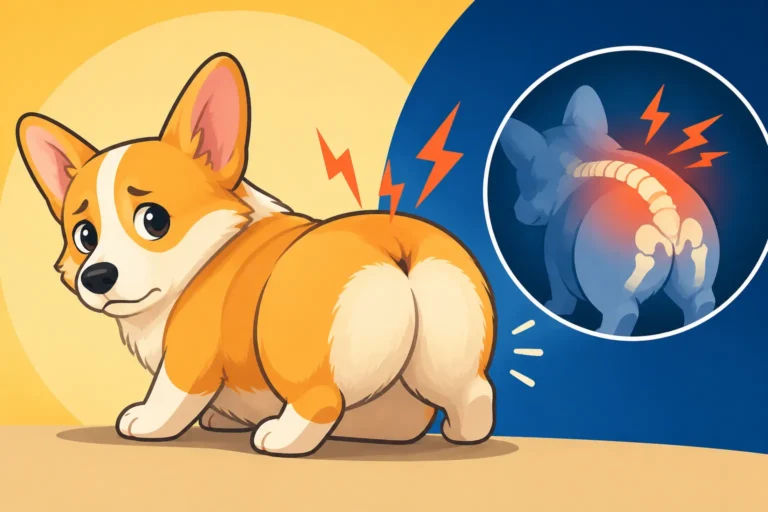
The heart-sinking moment when your beloved Corgi hesitates before jumping onto the sofa, or perhaps lets out a little yelp when you lift them, can fill you with dread. For many Corgi parents, the fear of back problems looms large, and for good reason. Their distinctive long bodies and short legs, while utterly adorable, also make them predisposed to a painful and debilitating condition known as Intervertebral Disc Disease (IVDD). This comprehensive guide is here to shed light on what IVDD is, why it affects our low-riders, how to spot the signs, and most importantly, how to manage and prevent this challenging issue so your Corgi can live their happiest, most comfortable life.
Understanding Your Corgi's Unique Spine
The very physical traits that make Corgis so distinctive—their long backs and short, sturdy legs—are also what unfortunately predispose them to spinal issues. It's a bittersweet reality that many owners grapple with. Understanding the mechanics of their unique anatomy is the first step toward safeguarding their spinal health.
The Chondrodystrophic Breed Trait
Corgis, like Dachshunds, Basset Hounds, and French Bulldogs, belong to a group of breeds classified as chondrodystrophic. This simply means that there's a genetic predisposition to abnormal cartilage development. In practical terms, for our Corgis, this translates to their intervertebral discs calcifying and hardening prematurely, often starting as early as puppyhood. Instead of remaining soft, jelly-like cushions that absorb shock, these discs become brittle and prone to rupture or bulge.
This inherent trait means that Corgis are walking around with discs that are already compromised compared to dogs of non-chondrodystrophic breeds, whose discs remain more elastic throughout their lives. It's not a matter of if, but often when, an issue might arise. This isn't a flaw in their breeding but a characteristic tied to their dwarfism, making proactive care absolutely essential from day one. Owners often feel a deep sense of worry knowing this, feeling like they're walking on eggshells with their precious pups, but knowledge truly is power in this situation.
Why a Corgi's Back is Built the Way It Is
If you've ever seen a Corgi "herd" a flock of ducks or even just your ankles, you'll understand why their backs are built the way they are. Bred in Wales to drive cattle by nipping at their heels and ducking out of the way of kicks, their low-slung profile and powerful hindquarters were perfectly adapted for their original job. They needed to be agile and close to the ground to avoid injury from large livestock.
However, this specialized structure comes with a trade-off. Their elongated spinal column, combined with those shortened legs, creates unique biomechanical stresses. The leverage created by their long back means that any sudden movement, jump, or twist places immense pressure on those already vulnerable discs. It’s like having a long bridge supported by too few, or weakening, pillars; even a small tremor can cause significant stress. Understanding this historical context helps us appreciate both their incredible working heritage and the inherent vulnerabilities we now need to protect them from in our homes.
Disc Anatomy and How It Fails
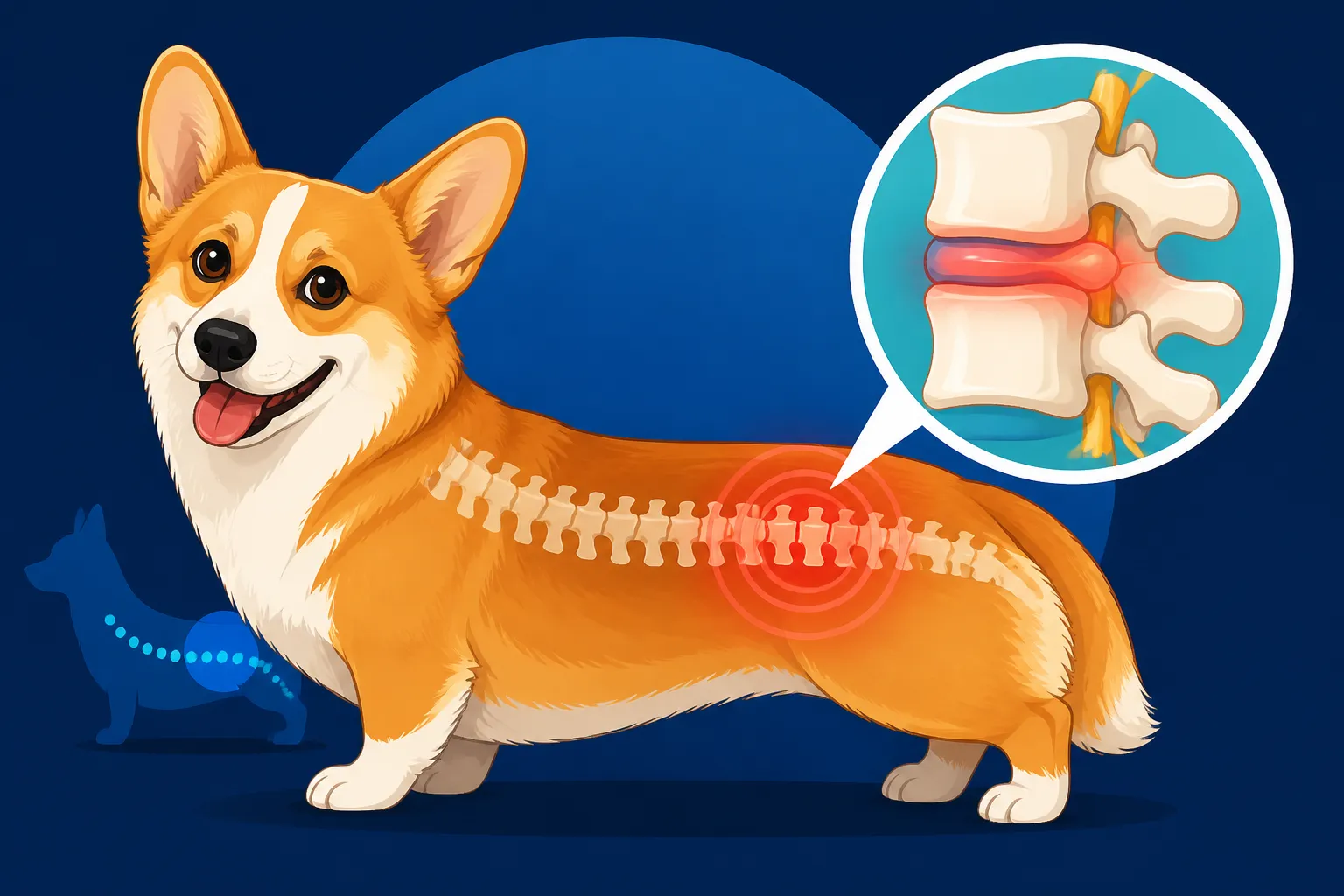
To really grasp IVDD, it helps to visualize the discs themselves. Think of your Corgi's spine as a stack of bony vertebrae, with each vertebra separated by a disc. Each disc acts as a shock absorber and allows for flexibility. It has two main parts: a soft, gel-like center called the nucleus pulposus, and a tough, fibrous outer ring called the annulus fibrosus. In a healthy spine, these work together beautifully.
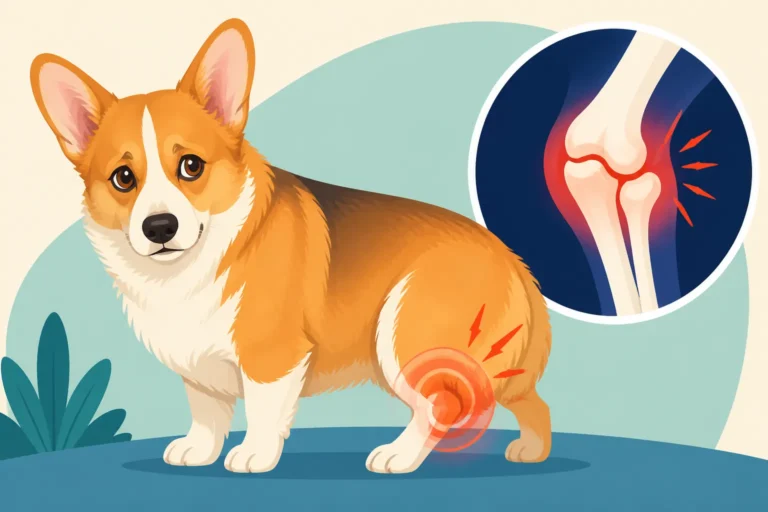
In Corgis, due to their chondrodystrophic nature, the nucleus pulposus starts to harden and lose its elasticity much earlier than it should. This is primarily Hansen Type I IVDD. The hardened disc can then either bulge out, pressing on the spinal cord (a disc protrusion), or rupture completely, expelling its calcified contents into the spinal canal (a disc extrusion). Both scenarios lead to compression of the delicate spinal cord, which is essentially the body's superhighway for nerve signals. This compression is what causes pain, weakness, and potentially paralysis, leading to the heartbreaking symptoms we see.
Common Triggers and Risk Factors for Corgi Disc Injuries
While genetics lay the groundwork for IVDD in Corgis, certain lifestyle factors and everyday actions significantly increase the risk of a disc injury. It's often the small, seemingly innocuous things that can lead to a sudden and painful episode for your low-rider.
The Impact of Jumping and Twisting Movements
This is perhaps the most frequent culprit of acute disc injuries in Corgis. Their spirited nature, combined with their low stature, means they love to jump on and off furniture, leap for toys, or even just twist excitedly when greeting you. A Corgi's long back and short legs are simply not designed for these kinds of high-impact movements. The force of landing, especially from a height, can cause immense pressure on their already compromised discs.
Consider a typical day: a Corgi eagerly hops off the bed to greet you, scrambles off the sofa to chase a squirrel, or twists sharply while playing tug-of-war. Each of these actions, seemingly harmless, can be the very "straw that breaks the camel's back" for a brittle disc. The sudden flexion, extension, or rotation of the spine can cause a disc to bulge or rupture without much warning. That one joyous leap could lead to a week of crate rest. This is why many Corgi owners become hyper-vigilant about blocking access to furniture and managing play, trying to prevent that single wrong The Jump That Ruptures a Corgi Disc from happening.
The Weight Factor and Spinal Strain
It's no secret that Corgis love food, and their charmingly plump appearance can sometimes be mistaken for healthy weight. However, excess weight is one of the most significant, yet controllable, risk factors for spinal problems in long-backed breeds like Corgis. Every extra pound your Corgi carries translates to additional stress on their spine and joints, much like asking a short bridge to support heavier traffic than it was designed for.
An overweight Corgi often has an altered gait, placing unnatural strain on their back as they waddle. This constant, subtle pressure can accelerate disc degeneration and make them far more susceptible to injury, even from minor movements. Keeping your Corgi at an ideal, lean body weight is crucial for their overall health and longevity, and especially for their back. You should be able to easily feel their ribs without seeing them, and they should have a visible waist when viewed from above. Regularly discussing your Corgi's weight with your vet and sticking to a measured diet can make a huge difference in mitigating Why Corgi Weight Is a Spinal Problem.
Age and Degenerative Changes
While even young Corgis can experience disc injuries due to the chondrodystrophic trait, age is undeniably a significant risk factor. As our Corgis mature, their discs continue to degenerate, becoming drier, harder, and less resilient. This means that even without a dramatic jump or twist, a disc can slowly bulge over time, leading to chronic pain or sudden failure.
Corgi disc problems usually begin to appear in middle age, typically between three and seven years old, but episodes can occur at any point. An older Corgi's discs are simply more fragile. This doesn't mean older Corgis are doomed to back problems, but it does mean that vigilance, appropriate management, and regular veterinary check-ups become even more critical. Understanding The Age Corgi Disc Problems Usually Appear can help owners prepare and be more proactive in their preventative care routines.
Recognizing the Signs of a Corgi Disc Injury
Spotting a disc injury in a Corgi can be tricky because our furry friends are masters at hiding pain. Their stoic nature, a remnant of their working heritage, means they often won't cry out in agony until the pain is quite severe. As an owner, you become a detective, looking for subtle changes in behavior, movement, or appetite that might signal a problem.
Subtle Early Indicators to Watch For
Sometimes, the first signs of a disc issue are so subtle you might almost miss them, attributing them to a bad mood or simple tiredness. Your Corgi might become reluctant to perform activities they once loved, like jumping into the car or climbing a favorite set of stairs. They might seem a bit stiff when getting up after a nap, or less enthusiastic about their morning walk. A soft yelp when touched in a certain spot, or a sudden flinching away, could be a sign of localized back pain.
Other subtle clues include a change in posture, such as holding their head low, arching their back, or a generally "hunched" appearance. They might walk with a slightly stiff gait or shuffle their feet. You might also notice a decrease in appetite or a general reluctance to engage in play. Owners often describe their dog as "just not quite right" – that gut feeling is often your earliest warning system. Don't dismiss these fleeting symptoms; they can be critical indicators that something is brewing beneath the surface.
Acute Pain and Neurological Deficits
When a disc injury progresses or happens acutely, the signs become much more pronounced and alarming. The Corgi might cry out in severe pain, sometimes spontaneously, or when lifted, petted, or trying to move. They might refuse to move altogether, seeking out quiet, secluded spots to hide and avoid activity. A common sign is an inability or extreme reluctance to climb stairs, often staring at them as if they're insurmountable.
Neurological deficits begin to appear as the spinal cord compression worsens. You might notice weakness in their hind legs, causing them to wobble or stumble. They might drag one back foot slightly, or their paws might knuckle over when they walk. In severe cases, they may lose coordination completely, appearing "drunk" or unable to stand at all. This progression can be frighteningly rapid, turning a mild stiffness into a full-blown crisis within hours. These are clear signs that immediate veterinary attention is needed.
Emergency Signs Requiring Immediate Vet Care
Certain symptoms demand immediate, emergency veterinary attention. If your Corgi suddenly loses the ability to use their hind legs, becoming completely paralyzed, or shows signs of severe, unremitting pain that cannot be alleviated, do not wait. This is a critical situation. Another red flag is a sudden loss of bladder or bowel control, which indicates severe spinal cord compression affecting the nerves responsible for these functions.
In these emergency scenarios, time is of the essence. The longer the spinal cord remains compressed, the greater the potential for permanent damage. Getting to an emergency vet or your regular veterinarian as quickly as possible provides the best chance for a positive outcome, especially if surgery is required. Knowing Emergency Signs of a Corgi Disc Injury is vital for every Corgi owner, as swift action can literally save your dog's ability to walk.
Diagnosing IVDD in Your Corgi
When you suspect a disc injury, getting an accurate diagnosis is paramount. Your veterinarian will play a crucial role in evaluating your Corgi's symptoms, assessing their neurological function, and determining the best course of action. It's a journey that often involves ruling out other conditions and using advanced imaging.
Initial Veterinary Examination and Pain Assessment
When you bring your Corgi in with suspected back pain, the vet will start with a thorough physical and neurological examination. They'll gently palpate your Corgi's spine, looking for specific areas of pain or tension. They'll also check your Corgi's reflexes, proprioception (awareness of limb position), and motor function in all four legs. This helps them pinpoint the general area of the injury and assess the severity of nerve damage.
During this exam, your vet will also gather a detailed history from you. When did the symptoms start? What activities were they doing? Has their appetite or bathroom habits changed? These details are invaluable. They'll also rule out other potential causes of pain or weakness, such as arthritis, hip dysplasia, or even an unrelated injury. This initial assessment provides the roadmap for further diagnostic steps.
Imaging Techniques: X-rays, Myelograms, and MRIs
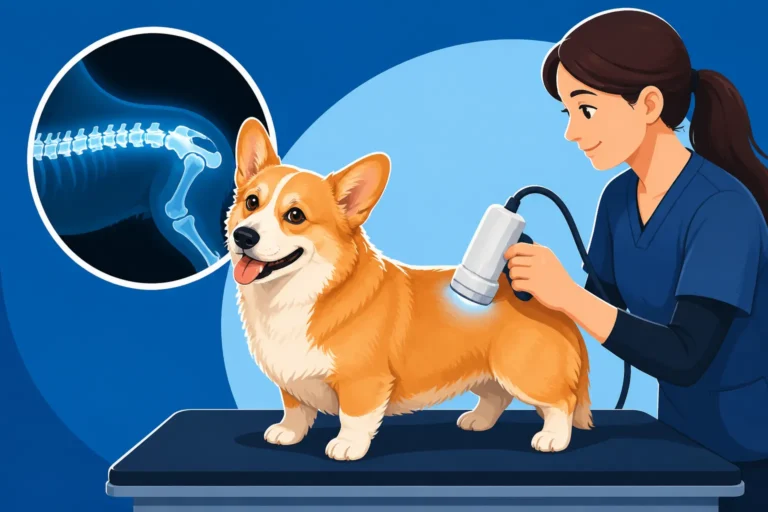
While X-rays are a common first step, it's important to understand their limitations. Standard X-rays can reveal changes in the vertebrae or calcified disc material, but they don't show the spinal cord itself or soft tissue compression very well. They are useful for ruling out fractures, tumors, or severe arthritis, but they usually can't definitively diagnose IVDD or pinpoint the exact location and severity of spinal cord compression.
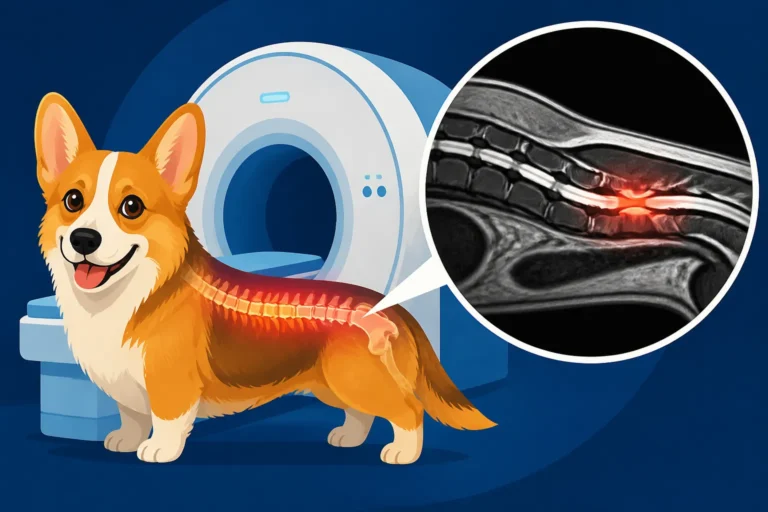
For a definitive diagnosis and, crucially, for surgical planning, advanced imaging is required. A Myelogram involves injecting a special dye into the spinal canal and then taking X-rays, allowing the vet to see where the spinal cord is being compressed. However, the gold standard is an MRI (Magnetic Resonance Imaging). An MRI provides incredibly detailed images of the spinal cord, discs, and surrounding soft tissues, allowing the veterinary neurologist to precisely identify the affected disc(s), the extent of compression, and any other abnormalities. Knowing What an MRI Shows in a Corgi Back is key to understanding why it's often recommended despite the higher cost.
Differentiating IVDD from Degenerative Myelopathy
This is a fear that haunts many Corgi owners, and rightly so. Both IVDD and Degenerative Myelopathy (DM) can present with similar initial symptoms, particularly hind-limb weakness and ataxia (incoordination). However, they are entirely different conditions with very different prognoses. IVDD is a structural issue with the discs, often acute and treatable, while DM is a progressive, incurable neurological disease affecting the spinal cord itself, typically seen in older Corgis.
It can be incredibly challenging to differentiate the two, especially in the early stages or when an older Corgi presents with new back issues. A vet or neurologist will consider factors like age of onset, speed of progression, and specific neurological findings to help distinguish them. Genetic testing can confirm if a Corgi carries the DM gene, but it doesn't mean they have DM, only that they're at risk. Ultimately, advanced imaging like an MRI is crucial for ruling out IVDD. Here’s a quick comparison:
| Feature | Intervertebral Disc Disease (IVDD) | Degenerative Myelopathy (DM) |
|---|---|---|
| Cause | Disc protrusion or extrusion compressing spinal cord | Degeneration of nerves in the spinal cord (genetic) |
| Onset | Can be acute (sudden) due to injury, or chronic (gradual) | Insidious and slowly progressive |
| Age | Any age, but common 3-7 years (Hansen Type I) or older (Type II) | Typically older dogs, usually 8 years and above |
| Pain | Often severe pain, especially in acute episodes | Generally no pain, even as mobility worsens |
| Symmetry | Can be unilateral (one side) or bilateral (both sides) | Usually bilateral and progressive, though one side may appear worse first |
| Progression | Can stabilize, improve with treatment, or rapidly worsen | Steadily progressive, leading to full paralysis over months to years |
| Diagnosis | MRI is gold standard, myelogram also used | Diagnosis of exclusion, genetic test for predisposition, confirmed post-mortem |
| Treatment | Conservative management (rest, meds) or surgery; often good prognosis with timely treatment | Supportive care, physical therapy; no cure, progressive decline |
This table helps illustrate why Telling a Corgi's Slipped Disc From Myelopathy is such a critical diagnostic step that requires veterinary expertise.
Treatment Approaches for Corgi Disc Disease
Once IVDD is diagnosed, your vet will discuss the best treatment plan, which largely depends on the severity of the injury and the neurological symptoms your Corgi is exhibiting. Options range from conservative management to emergency surgery.
Conservative Management: Rest, Medication, and Support
For milder disc bulges or early-stage compression without severe neurological deficits, conservative management is often the first approach. The cornerstone of this treatment is strict crate rest. We're talking about six to eight weeks of minimal movement, which can feel like an eternity for an active Corgi, but it is absolutely essential. This allows the inflamed disc to heal, the swelling to reduce, and the spinal cord to decompress naturally. During this time, your Corgi should only be out of their crate for short, controlled potty breaks on a leash. Learning about Crate Rest for a Corgi With a Bad Back is invaluable for managing this challenging period.
Alongside rest, medication plays a vital role. Non-steroidal anti-inflammatory drugs (NSAIDs) like Rimadyl or Metacam are often prescribed to reduce pain and inflammation. Muscle relaxants such as methocarbamol can help alleviate muscle spasms that contribute to discomfort. In some cases, corticosteroids (like prednisone) may be used to rapidly reduce severe inflammation, though these come with their own set of potential side effects and are usually reserved for more acute situations. Your vet might also suggest adjunctive therapies like cold laser therapy, which can help reduce inflammation and promote healing, or even acupuncture, which many owners find beneficial for pain management.
Surgical Intervention: When and Why It's Necessary
If conservative management fails, or if your Corgi presents with severe neurological deficits (like an inability to walk, or loss of deep pain sensation) from the outset, surgery becomes the best, and often only, option for a good prognosis. The goal of surgery is to decompress the spinal cord by removing the herniated disc material that is pressing on it. This is a delicate procedure typically performed by a veterinary neurologist or orthopedic surgeon.
Common surgical procedures include a hemilaminectomy, where a window is created in the vertebrae to access and remove the disc material, or a ventral slot, usually for disc issues in the neck. The decision for surgery is usually made based on the severity of the neurological signs, the duration of symptoms, and the findings from an MRI. It’s a major operation, and while it carries risks, the success rates for regaining mobility can be very high, especially when performed quickly after a severe injury. Many pet parents turn to pet insurance providers like Healthy Paws to help cover the substantial costs associated with diagnostic imaging and complex spinal surgeries, providing peace of mind during a stressful time.
Post-Operative Care and Rehabilitation
Surgery is just the first step in a long recovery journey. Post-operative care is critical and involves strict crate rest, pain management with medications, and meticulous wound care to prevent infection. Your Corgi will likely be closely monitored in the veterinary hospital for several days, ensuring they are comfortable and stable.
Once home, the real work of rehabilitation begins. This is where dedicated physical therapy comes in. A certified canine rehabilitation therapist will design a program tailored to your Corgi's needs, focusing on regaining strength, coordination, and proprioception. This might include passive range of motion exercises, gentle massage, balance exercises, and controlled leash walks. Hydrotherapy, where your Corgi exercises in a water treadmill, is often a game-changer because the buoyancy of the water reduces stress on the spine while allowing them to build muscle. This gradual, guided process is essential for a full recovery and for ensuring your Corgi can get back on their paws. Understanding the importance of Physiotherapy for a Corgi Losing Its Legs is key to maximizing recovery potential.
Preventing Disc Injuries and Managing Long-Term Spinal Health
The best treatment for IVDD is prevention. While you can't change your Corgi's genetics, you can significantly reduce their risk of disc injuries by making smart choices about their environment, diet, and exercise. Proactive management is the cornerstone of lifelong spinal health for your long-backed friend.
Environmental Modifications and Safety Measures
One of the most effective ways to protect your Corgi's spine is to modify their living environment to eliminate opportunities for risky jumps and twists. This means investing in ramps or steps for all furniture they might want to access, such as beds, sofas, and even cars. Training them to use these aids consistently is crucial. Limiting access to stairs, or teaching them to use a ramp for stairs, is also important. If stairs are unavoidable, carry them carefully, supporting their entire body.
Consider non-slip runners or rugs on hard, slick flooring (like tile or hardwood), as slipping can cause sudden spinal strain. Orthopedic beds designed to support the spine evenly can also provide comfort and help prevent awkward sleeping positions. These simple changes can drastically reduce the everyday wear and tear on their discs. Ramps and steps, like those from PetSafe or Pet Gear, can be integrated seamlessly into your home, serving as essential tools that Ramps and Steps That Save a Corgi's Back over their lifetime.
Weight Management and Balanced Exercise
Maintaining your Corgi's ideal body weight is arguably the single most impactful preventative measure you can take. Even a couple of extra pounds can put undue stress on their spine, making them more vulnerable to injury. Work with your vet to determine your Corgi's ideal weight and stick to a measured diet. Remember, treats should be given sparingly and factored into their daily calorie intake.
Exercise is important for muscle strength, which supports the spine, but it needs to be the right kind of exercise. Avoid high-impact activities like repeated jumping, intense agility, or rough-and-tumble play that involves twisting. Instead, focus on controlled, low-impact activities like brisk walks on a leash, swimming (if they enjoy it and it’s safe), or scent work that engages their minds without stressing their bodies. Core-strengthening exercises, often taught by a rehab therapist, can also build crucial support around the spine.
Proactive Care and Regular Vet Check-ups
Regular veterinary check-ups, especially as your Corgi ages, are vital for monitoring their overall health and catching any subtle signs of spinal issues early. Your vet can perform regular assessments to screen an older Corgi's spine for any developing problems. Don't hesitate to mention any minor changes in gait, reluctance to move, or occasional yelping, even if they seem insignificant. Early detection can lead to more effective conservative treatment and potentially prevent a more severe crisis.
Some owners consider joint supplements containing ingredients like glucosamine, chondroitin, and MSM, or omega-3 fatty acids, to support joint and disc health. While scientific evidence for their direct impact on IVDD prevention is mixed, they are generally considered safe and may offer some anti-inflammatory benefits. Discuss these options with your vet to see if they are appropriate for your Corgi. Finally, having pet insurance, such as a policy from Healthy Paws, can be a lifesaver. It can help mitigate the financial burden of unexpected vet bills, whether for diagnostics, medications, or even extensive surgery, allowing you to make medical decisions based on what’s best for your Corgi, not your wallet.
Living with a Corgi with Chronic Back Issues
For some Corgis, IVDD can become a chronic condition, or they may experience permanent neurological deficits even after treatment. Living with a dog with ongoing mobility challenges requires patience, dedication, and a willingness to adapt your lifestyle and home to meet their special needs.
Adapting Your Home for a Dog with Mobility Challenges
If your Corgi has permanent weakness or partial paralysis in their hind legs, your home will need further adaptations beyond just ramps. Non-slip surfaces become even more critical to prevent falls. You might need to carry your Corgi more frequently, and a supportive harness with handles (like the Help'EmUp Harness or Ruffwear Web Master) can make this much easier and safer for both of you.
For Corgis who have lost the ability to walk, mobility aids like custom-fitted wheelchairs or "carts" can offer them incredible freedom and a renewed zest for life. These allow them to run, play, and explore, significantly improving their quality of life. Incontinence can also be a challenge; disposable dog diapers or washable wraps can help manage accidents and maintain hygiene. Regularly cleaning your Corgi, especially their hindquarters, becomes a daily ritual to prevent skin infections. Even if your Corgi can still move, having a strategy for Mobility Aids for a Corgi That Cannot Walk can be incredibly helpful.
Emotional Support for You and Your Corgi
Caring for a Corgi with chronic back issues can be emotionally taxing. It's heartbreaking to see your active, playful friend struggle, and the constant vigilance can be exhausting. It's important to acknowledge these feelings and seek support if you need it, whether from fellow Corgi owners, online communities, or even friends and family. Remember, you're doing an amazing job.
For your Corgi, maintaining a positive attitude and engaging them in activities they can do is crucial. Mental stimulation through puzzle toys, scent games, or gentle training sessions can keep their minds sharp and spirits high. Continue to give them lots of love, cuddles, and reassurance. Their quality of life isn't just about physical mobility; it's also about their emotional well-being and the joy they find in their daily interactions with you. A robust pet insurance policy, like one from Healthy Paws, can alleviate some of the financial stress associated with long-term care, allowing you to focus on providing the best emotional and physical support for your Corgi.
Deciding When Your Corgi Has Had Enough
This is perhaps the most painful and difficult decision any pet owner faces. If your Corgi's condition progresses despite all efforts, or if they experience chronic, unmanageable pain that significantly diminishes their quality of life, you might need to consider humane euthanasia. This is a deeply personal choice that should be made in consultation with your veterinarian, who can help you assess their overall well-being.
Look for signs such as persistent pain that can't be controlled, complete loss of joy in their favorite activities, inability to eat or drink comfortably, or severe incontinence leading to discomfort and skin issues. It’s about assessing their "good days" versus "bad days" and ensuring that their final chapter is filled with dignity and comfort. Deciding When a Corgi With DM Has Had Enough is a heartbreaking process, but it's the final act of love and kindness we can offer our cherished companions.
Disclaimer
The information provided in this article is for general informational purposes only and is not a substitute for professional veterinary advice. Always consult with a qualified veterinarian regarding your Corgi's health and any medical conditions.