The Age Corgi Disc Problems Usually Appear
One of the biggest worries for any Corgi owner is the health of their dog's back. These wonderful, long-bodied, short-legged companions bring so much joy, but their unique physique also makes them particularly prone to spinal issues. Understanding when Corgi disc problems usually appear can help you stay vigilant and take proactive steps, which is exactly what this comprehensive guide is here to help you navigate.
The Corgi's Distinctive Spinal Architecture
The Corgi's iconic low-rider profile, with its long back and short legs, is undeniably charming, but it's also a double-edged sword when it comes to spinal health. This specific body type, known as chondrodystrophic, is a genetic trait that affects the development of cartilage, making Corgis and similar breeds (like Dachshunds and Basset Hounds) more susceptible to intervertebral disc disease (IVDD). It's not just a cute quirk; it's a structural reality that requires careful consideration throughout their lives.
The Unique Corgi Build
Corgis, both Pembroke Welsh Corgis and Cardigan Welsh Corgis, possess a genetic mutation that leads to shortened limbs and elongated spines. This isn't a defect in the general sense, but a defining characteristic of their breed. However, it means their spinal discs, which act as shock absorbers between the vertebrae, are predisposed to degeneration and calcification at an earlier age compared to non-chondrodystrophic breeds. Imagine a long bridge supported by pillars; if the supports start to weaken, the bridge becomes unstable. In a Corgi's spine, those weakening supports are the discs. This predisposition to disc issues is a critical aspect of Why a Corgi's Back Is Built the Way It Is.
The biomechanics of a Corgi's movement also play a role. Their low stature means they often have to make small jumps or stretch in ways that can put undue stress on their spine. Even simple actions like jumping off a sofa or navigating stairs can exert significant pressure on these already vulnerable discs. It’s a constant battle against gravity and everyday movements, which is why prevention and awareness are so vital.
Intervertebral Disc Disease IVDD Basics
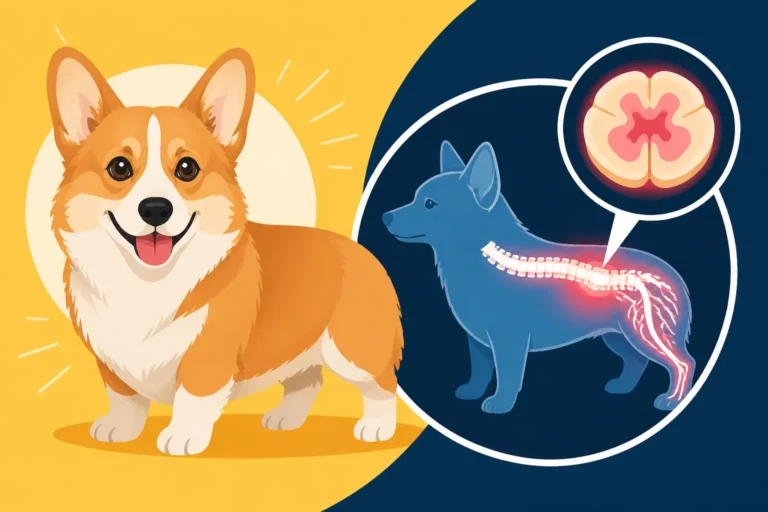
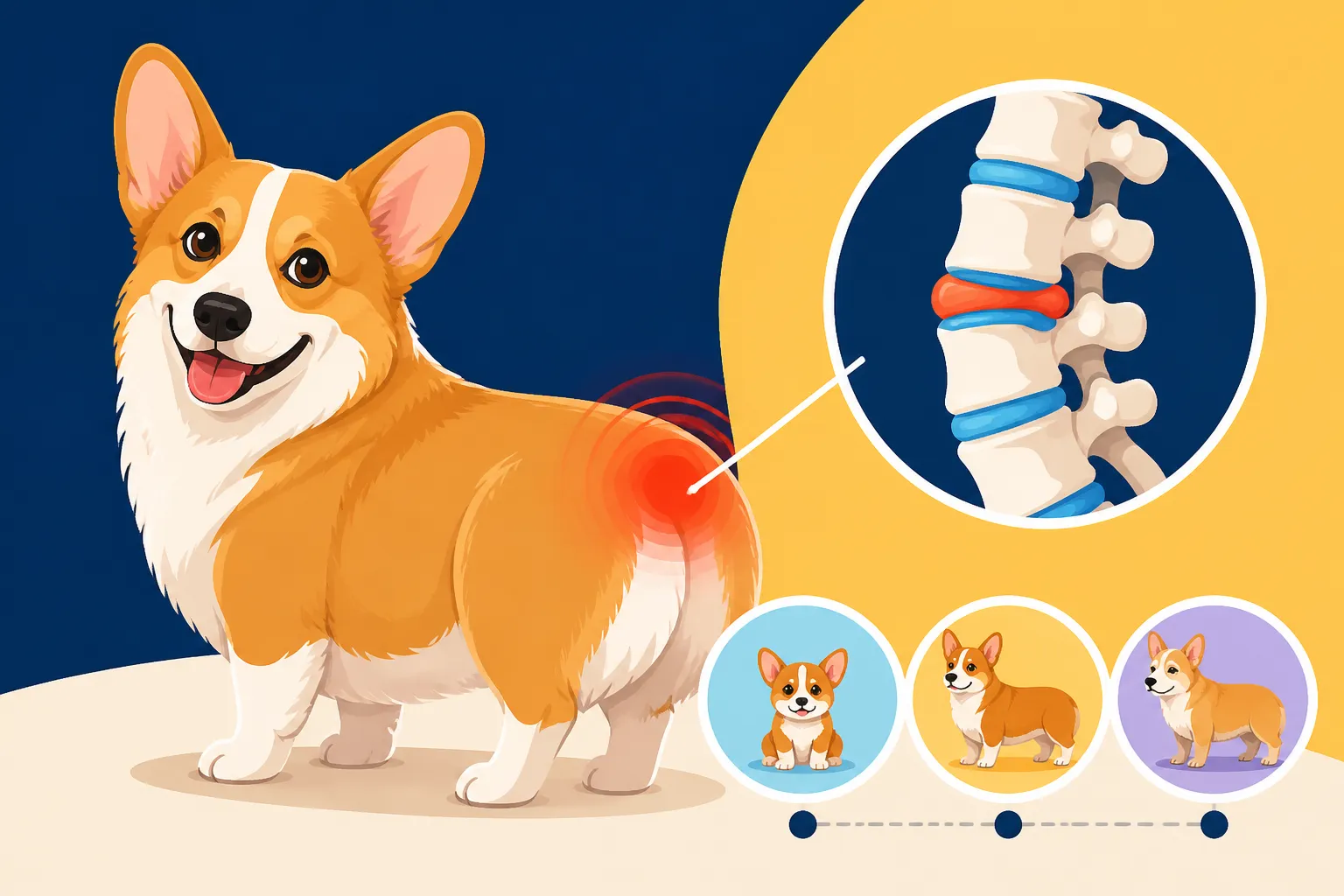
Intervertebral Disc Disease (IVDD) is essentially a "slipped disc" or herniated disc in dogs. The spinal column is made up of numerous vertebrae, and between each vertebra lies a disc filled with a jelly-like nucleus surrounded by a fibrous outer ring. In Corgis, due to their chondrodystrophic nature, these discs tend to harden and become less flexible over time. This process, often starting quite early in life, makes them more prone to rupturing or bulging.
When a disc ruptures or bulges, it presses on the spinal cord, leading to a range of neurological symptoms from pain to paralysis. There are typically two types: Type I IVDD, common in Corgis, involves the sudden rupture of a disc, often triggered by a seemingly innocuous movement like The Jump That Ruptures a Corgi Disc. Type II IVDD is a more gradual bulging of the disc over time, leading to chronic compression. Both are serious and require immediate veterinary attention. Understanding this underlying vulnerability is the first step in protecting your Corgi.
Typical Age for Disc Issues to Emerge
While disc problems can technically occur at any age, there's a general timeframe when Corgis are most prone to showing signs of IVDD. It's often not in their puppy years, but usually when they are in the prime of their lives, leading many owners to be caught off guard. This isn't a definitive rule, but a pattern observed across the breed.
The Prime Suspect Years
For most Corgis, the typical age range for disc problems to first appear is between three and seven years old. This period represents a time when the natural degeneration of the discs, inherent in their chondrodystrophic breed, has progressed to a point where a rupture or bulge becomes more likely. Think of it like wear and tear on a vehicle; after a few years of consistent use, some parts might start to show signs of strain.
During these middle years, Corgis are usually still quite active and playful, which can inadvertently contribute to the problem. They might still be jumping off furniture, zooming around the house, or engaging in enthusiastic play that puts sudden stress on their spines. It's a cruel irony that their joyful energy can sometimes lead to these painful episodes. Owners often report that the first signs appeared after a seemingly minor event, like a playful twist or an awkward landing, highlighting just how fragile their discs can become during these years. It's during this phase that many people start researching things like The Corgi Years When the Back End Gives Out.
Factors Influencing Onset Age
While 3-7 years is a common range, several factors can influence whether a Corgi develops disc problems earlier or later, or even how severely they manifest.
- Genetics: Some Corgi lines may have a stronger predisposition to early and severe disc degeneration. Responsible breeders will often track spinal health in their lines, but it's not always foolproof.
- Weight: Obesity is a massive contributor to spinal stress. An overweight Corgi carries extra strain on their discs every single day, accelerating degeneration and increasing the likelihood of rupture. Every extra pound acts as a constant burden, making their back work harder. This is why Why Corgi Weight Is a Spinal Problem is such a critical topic.
- Activity Level and Type: While exercise is good, certain high-impact activities like repeated jumping (especially off high surfaces), hard landings, or intense twisting motions can predispose a Corgi to earlier disc issues. Conversely, a completely sedentary lifestyle can also lead to weaker core muscles, offering less spinal support.
- Environment: A home environment without appropriate ramps, steps, or safe ways to access furniture can increase the risk of injury. Hard, slippery floors can also cause Corgis to splay out, twisting their backs.
- Previous Injuries: Even minor, undiagnosed back strains can weaken discs over time, making them more susceptible to a major event later on.
Early vs. Late Onset Cases
It's important to remember that not every Corgi will fit neatly into the 3-7 year bracket.
- Early Onset (under 3 years): While less common, disc ruptures can occur in younger Corgis, even as puppies. These cases are often more acute and might be linked to a genetic predisposition for very rapid disc degeneration or a significant trauma. It can be particularly distressing when a young dog, full of life, suddenly faces such a debilitating condition.
- Late Onset (over 7 years): Some Corgis might go their entire lives without a major disc incident, only to experience issues in their senior years. In older dogs, disc problems can sometimes be part of a broader picture of age-related orthopedic issues, including arthritis. The signs might be more gradual and harder to distinguish from general "slowing down" due to old age. Regular vet check-ups, especially Screening an Older Corgi's Spine, become even more crucial in these later years.
The table below offers a general overview of age ranges and typical considerations for Corgi disc health:
| Age Range | Typical Spinal Health Considerations | Key Action Points for Owners |
|---|---|---|
| Puppy (0-1 year) | Discs are generally healthy, but careful handling is vital to prevent early injury. | Prevent jumps, carry up/down stairs, provide orthopedic support for rest, start ramp training. |
| Young Adult (1-3 years) | Early signs of disc degeneration may begin, usually asymptomatic. | Continue preventative measures, maintain ideal weight, monitor activity for overexertion. |
| Mid-Life (3-7 years) | Peak risk period for acute IVDD episodes (disc rupture). Discs show significant wear. | Heighten vigilance for symptoms, use ramps consistently, ensure core strength exercise (e.g., swimming), be prepared for potential vet emergencies. |
| Senior (7+ years) | Continued disc degeneration, increased risk of chronic IVDD (bulging) and general arthritis. | Regular vet check-ups, consider joint supplements, manage pain proactively, adapt environment for ease of movement, consider specialized care. |
Recognizing the Early Signs of Disc Trouble
Knowing when disc problems are most likely to strike is only half the battle. The other, equally crucial, half is recognizing the subtle cues your Corgi might be giving you that something is amiss. Corgis are famously stoic, often hiding pain until it's quite severe, so keen observation on your part is essential.
Subtle Changes in Gait and Behavior
The earliest signs of disc trouble are often not dramatic. They can be subtle shifts in your Corgi's daily behavior or how they move. You might notice they are a little less enthusiastic about their usual walk or seem hesitant to perform actions they once loved.
- Hesitation: They might pause before jumping onto the sofa (even if they usually do), or they might refuse to go up or down stairs. You may see A Corgi That Will Not Climb the Stairs. This isn't stubbornness; it's often a sign of discomfort.
- Slowing Down: A once zippy Corgi might become noticeably slower on walks or during playtime. They might lag behind or choose to lie down more frequently.
- Changes in Posture: Look for a Corgi holding their head low, or a slight arching of their back, indicating discomfort. They might also shift their weight unevenly.
- Reluctance to Move: They might be slow to get up from a nap, or reluctant to change positions while lying down. When they do move, it might be stiff or awkward.
- Panting or Shivering: These can be signs of pain or stress, even if there are no other obvious physical symptoms. If your Corgi is panting heavily without exertion, or shivering in a warm room, it warrants attention.
- Scuffing Nails: One of the classic early indicators of hind limb weakness or nerve impingement is when a Corgi starts A Corgi That Scuffs Its Back Nails. They might drag their paws slightly, causing the top of their nails to wear down unevenly.
These changes are often dismissed as "just getting older" or "being lazy," but in a Corgi, they should always trigger an alert. Early intervention can make a significant difference in outcomes.
Pain Signals and Postural Clues
As disc issues progress, the signs of pain become more overt, and you'll likely notice more specific postural changes.
- Vocalization: A Corgi in pain might yelp, whine, or cry out when touched in a certain spot, or when attempting to move. They might cry when you lift them, especially if you try to lift them under their chest, putting pressure on their mid-back. This could manifest as A Corgi That Cries When Lifted Under the Chest.
- Increased Sensitivity: They might snap or growl if you try to pet their back, or if another pet brushes against them.
- Altered Gait: Beyond just slowing down, you might observe a wobbly or uncoordinated walk, particularly in the hindquarters. Their back legs might cross over when they walk, or they might seem to stumble. You could see A Corgi Dragging One Back Foot, which is a serious sign.
- Muscle Spasms: The muscles along their spine might be visibly tense or spasming, making their back feel rigid to the touch.
- Loss of Coordination/Weakness: In more severe cases, they might struggle to stand, lose balance easily, or even collapse in their hindquarters. They might have difficulty going from a sit to a stand.
Any of these more pronounced signs warrant an immediate veterinary visit. These are often Emergency Signs of a Corgi Disc Injury and require urgent medical attention to prevent further damage and alleviate suffering.
Differentiating from Other Back Issues
It's crucial to understand that not all back-end weakness or pain in a Corgi is necessarily a slipped disc. Corgis are also genetically predisposed to Degenerative Myelopathy (DM), a progressive neurological disease that also affects the spinal cord and hind legs. The symptoms can sometimes overlap, making diagnosis challenging.
- Degenerative Myelopathy (DM): This condition is typically painless, progressive, and affects older Corgis (usually over 8 years). It leads to gradual weakness and uncoordination in the hind limbs, but without the acute pain usually seen with IVDD. A Corgi with DM might drag its feet or sway, but won't typically yelp in pain from spinal touch. You can read more about Telling a Corgi's Slipped Disc From Myelopathy to better understand the distinctions.
- Arthritis: Common in older dogs, arthritis can cause stiffness and pain, but it's usually more generalized joint pain rather than acute spinal cord compression.
- Other Neurological Conditions: Less common conditions or even hip issues could present with similar symptoms.
This is why a thorough veterinary examination, including neurological assessment and potentially imaging like X-rays or an MRI, is absolutely essential. Don't try to self-diagnose; rely on your veterinarian's expertise to pinpoint the exact cause of your Corgi's symptoms.
Proactive Measures to Safeguard Your Corgi's Spine
The thought of your Corgi suffering from a disc problem is heartbreaking, but the good news is there are many things you can do to proactively minimize risk and support their spinal health throughout their life. It's about creating a spine-friendly lifestyle.
Modifying the Home Environment
Your home environment can be a Corgi's greatest asset or its biggest adversary when it comes to spinal health. Small adjustments can make a world of difference in reducing the daily strain on their long backs.
- Ramps and Steps: This is arguably the most crucial modification. Invest in sturdy, non-slip ramps or pet stairs for accessing furniture (sofas, beds) and vehicles. This eliminates jumping, which is a major culprit in disc injuries. Teach your Corgi to use these early, making it a positive and consistent habit. Even if they're young and agile, establishing this routine can prevent future problems. You can explore Ramps and Steps That Save a Corgi's Back for more specific guidance. Remember, Whether a Corgi Should Ever Jump Off a Sofa is a resounding "no."
- Non-Slip Flooring: Hardwood, tile, or laminate floors can be like ice rinks for a Corgi, causing them to slip, splay their legs, and twist their backs. Place rugs, runners, or carpet paths in high-traffic areas to provide better traction.
- Orthopedic Beds: Provide firm, supportive orthopedic beds that distribute weight evenly and keep their spine in a neutral position while resting. Soft, squishy beds might seem luxurious but offer no spinal support.
- Baby Gates: Use baby gates to block off stairs, preventing unsupervised climbs or descents that can be risky. If they must use stairs, carry them, supporting their back properly.
By making these changes, you're not coddling your Corgi; you're protecting them from potential lifelong pain and expensive medical interventions.
Diet, Exercise, and Weight Management
These three pillars of health are foundational for a strong spine. They are interconnected, and neglecting one can undermine the others.
- Maintain Ideal Weight: This cannot be stressed enough. Every extra pound your Corgi carries puts immense pressure on their spinal discs. Work with your veterinarian to determine your Corgi's ideal weight and stick to a measured feeding plan. Avoid free-feeding and limit high-calorie treats. For details on how to assess their physique, refer to resources on The Body Condition Score a Corgi Should Hold.
- Controlled Exercise: Regular, moderate exercise helps build and maintain strong core muscles, which provide natural support for the spine. Think low-impact activities like leash walks, swimming, or short bursts of play on a soft, even surface. Avoid intense, high-impact activities like frisbee catching with hard landings, agility jumps, or prolonged running on hard pavement. The goal is muscle strength, not endurance or acrobatics.
- Balanced Diet: Feed a high-quality, veterinarian-recommended diet appropriate for their age and activity level. Some owners also consider joint supplements containing glucosamine and chondroitin, though their efficacy for preventing IVDD specifically is still debated. Always discuss supplements with your vet first.
Integrating a good pet insurance plan like Healthy Paws early in your Corgi's life, before any pre-existing conditions arise, can also provide peace of mind. It means you won't have to make critical medical decisions based on financial constraints should a back issue emerge.
Regular Veterinary Check-ups
Even if your Corgi seems perfectly fine, consistent veterinary care is critical for monitoring their overall health, including their spine.
- Annual Exams: During annual check-ups, your vet can assess your Corgi's gait, palpate their spine, and discuss any subtle changes you've observed. They can also keep an eye on their weight and recommend any necessary adjustments to their diet or exercise routine.
- Early Detection: Vets are trained to spot the subtle signs of disc degeneration or early neurological changes that might be missed by an owner. Catching issues early can mean the difference between conservative management and emergency surgery.
- Discuss Concerns: Don't hesitate to bring up any small concerns you have about your Corgi's movement or behavior. What might seem insignificant to you could be a clue for your vet.
- Insurance Consideration: Having a robust pet insurance plan like Healthy Paws in place means that if your vet recommends diagnostics like X-rays or an MRI, or specialized treatments like Physiotherapy for a Corgi Losing Its Legs, you can proceed without undue financial stress. These specialized services can be costly, and proactive insurance enrollment is a smart choice for Corgi owners. This allows you to focus on your Corgi's recovery with the best care available, knowing that a significant portion of the unexpected expenses, like those from Paying for a Corgi's Ruptured Disc, can be covered.
Remember, your Corgi relies on you to be their advocate. By understanding their unique spinal vulnerabilities, being vigilant for symptoms, and taking proactive steps, you can help them live a long, comfortable, and happy life, minimizing the risks associated with their endearing, long-backed build.
Disclaimer
This article is intended for informational purposes only and does not constitute veterinary advice. If your Corgi is showing any signs of back pain, weakness, or neurological issues, please consult with a qualified veterinarian immediately. Early diagnosis and treatment are crucial for the best possible outcome.