Heat Stroke Signs in a Corgi
It's absolutely terrifying when you see your lively, spirited Corgi suddenly struggling in the heat, panting excessively, or acting unlike themselves. The fear that rushes over you is completely valid, because these low-riders with their thick coats are unfortunately quite susceptible to overheating, and heat stroke can escalate rapidly from uncomfortable to life-threatening. This comprehensive guide is here to walk you through how to spot the crucial signs of heat stroke in your Corgi, understand why they're so vulnerable, and what immediate, critical steps you need to take to help them.
Why Corgis Are Particularly Susceptible to Heat Stroke
Understanding why Corgis are at a higher risk for heat stroke isn't about blaming the breed, but about recognizing their unique physiological traits and taking proactive measures. Their distinct build and coat, while adorable and functional for their original purpose, unfortunately put them at a disadvantage when temperatures rise. It's a key piece of knowledge every Corgi parent needs to have to keep their furry family member safe.
The Double Coat Dilemma
Corgis are blessed with a magnificent double coat—a soft, dense undercoat for insulation and a coarser, weather-resistant outer coat. While this coat is fantastic for keeping them warm in cold Welsh weather, it acts like a thick blanket in the heat. This insulation, designed to protect them from both cold and sun, can trap heat against their body, making it incredibly difficult for them to cool down naturally. Many owners mistakenly believe that shaving their Corgi will help them stay cool, but this often does more harm than good, exposing their delicate skin to sunburn and potentially causing the coat to grow back improperly, compromising its natural thermoregulatory abilities. It's essential to understand Whether a Corgi's Coat Helps in Summer before considering drastic measures.
Furthermore, the sheer volume of their fur means that even in moderately warm weather, their body temperature can rise quickly during exercise or prolonged sun exposure. They can't just shed their entire undercoat in an instant when the mercury climbs, leaving them with limited options for cooling. This trapped heat is a significant factor in why they often present with heat-related issues more readily than some other breeds.
Proper grooming, focusing on regular de-shedding to remove loose undercoat, is far more beneficial than shaving. This helps create airflow and allows their natural cooling mechanisms to work more effectively. However, even with diligent grooming, their coat still presents a challenge when the summer sun beats down.
Body Shape and Exertion Risks
Beyond their coat, a Corgi's unique body structure also plays a role in their susceptibility. Their long bodies and short legs mean they're closer to the hot ground, absorbing radiant heat more directly than a taller dog might. This low stature, combined with their active, herding dog mentality, means they often push themselves too hard without realizing the danger.
They are energetic little dogs, always ready for an adventure or a good game of fetch. However, their enthusiasm can override their body's signals of overheating, especially if they are particularly driven by a ball or the joy of a walk. A Corgi on a warm day can easily overexert themselves, leading to a rapid increase in body temperature before an owner even notices the subtle signs. This is why careful monitoring during any activity, especially when the temperature is creeping up, is so vital. It’s also wise to consider Whether a Corgi Should Walk on Hot Pavement as it can exacerbate the problem from the ground up.
Their brachycephalic (short-nosed) tendencies, though less pronounced than in true brachycephalic breeds like Pugs or Bulldogs, can still contribute to less efficient panting, which is a dog's primary way of cooling down. While not officially classified as brachycephalic, some Corgis have flatter faces, making breathing slightly more labored, especially when stressed or overheated. This combination of a heat-retaining coat, close-to-the-ground body, active nature, and potentially less efficient panting mechanism creates a perfect storm for heat stroke if precautions aren't taken.
Humidity and Environmental Factors
It's not just the temperature that poses a risk; humidity plays a massive, often underestimated, role in a Corgi's ability to cool down. Dogs cool themselves primarily through panting, which evaporates moisture from their respiratory tract. When the air is already saturated with moisture (high humidity), this evaporation process becomes much less efficient. It's like trying to dry clothes in a damp basement—it just doesn't work as well.
In environments with both high heat and high humidity, a Corgi can quickly reach dangerous body temperatures even with minimal exertion. A seemingly mild 75°F (24°C) day with 80% humidity can be far more dangerous than a dry 85°F (29°C) day. Understanding this interplay is crucial for preventing heat stroke. Always check the heat index, not just the temperature, before planning any outdoor activities with your Corgi.
Furthermore, confined spaces, like a car, can become death traps in mere minutes. Even on a relatively cool day, the interior of a car can heat up dramatically, and leaving a Corgi inside, even with windows cracked, is incredibly risky. Shady spots are vital outdoors, and access to cool, fresh water is non-negotiable. Being mindful of these environmental factors, particularly during the warmer months, can make all the difference in protecting your Corgi from this preventable emergency.
Recognizing the Early Warning Signs of Heat Stroke in Your Corgi
Catching heat stroke early is paramount. Your Corgi can't tell you they're feeling unwell, so it's up to us, their devoted guardians, to be vigilant and understand their subtle cues. Don't wait for dramatic collapse; learning the initial, less obvious signs can save their life.
Subtle Behavioral Changes
One of the first indicators that your Corgi is overheating might be a shift in their usual behavior. They might become restless, constantly moving to find a cooler spot, perhaps pacing or trying to dig at the floor. Conversely, some Corgis might become unusually quiet, sluggish, or unresponsive, showing a general lethargy that is out of character for their typically energetic selves. They might stop playing or show a sudden disinterest in activities they usually adore. This isn't just them being "lazy"; it's a sign their body is working overtime to cope with the heat.
Another common early sign is seeking shade or cool surfaces relentlessly. If your Corgi keeps trying to lie on the tile floor, or refuses to leave the shadow of a tree, pay close attention. They might also appear disoriented or confused, bumping into things, or having a glazed look in their eyes. This subtle confusion is a worrying sign that their brain function is starting to be affected by the rising core temperature. It's an internal struggle that isn't always obvious from the outside, so observing their overall demeanor is critical.
They might also exhibit an intense thirst, drinking copious amounts of water, which is their body's attempt to self-regulate. While drinking water is good, excessive, frantic drinking can be a sign that they're already significantly dehydrated or overheated. Always provide fresh, cool water, but note if their thirst seems insatiable in warm conditions.
Breathing and Oral Cues
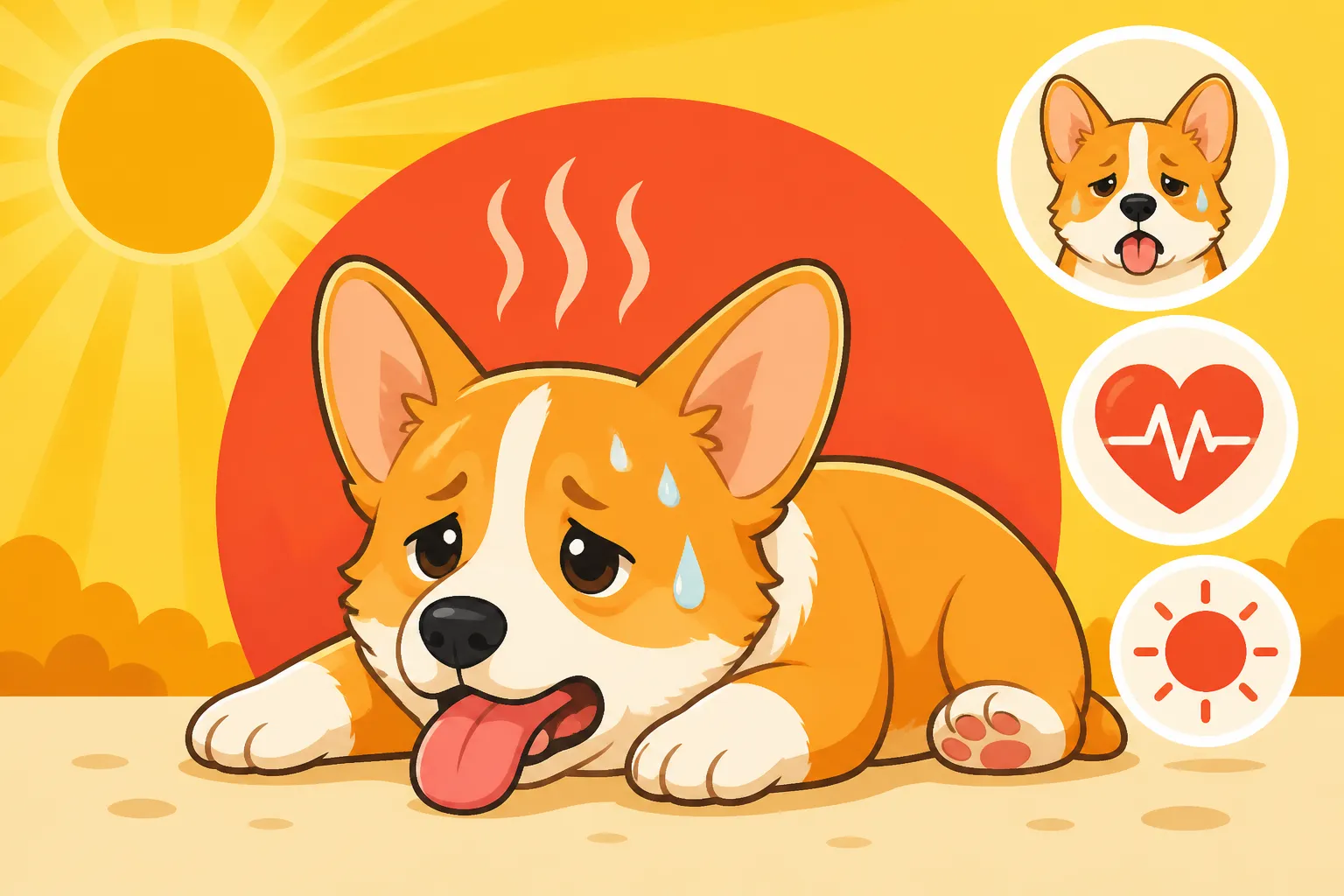
The most prominent early sign of overheating in dogs, including Corgis, is excessive panting. While some panting is normal for cooling, look for panting that is unusually fast, deep, loud, or labored. Their tongue might extend further than usual, and their breathing may seem more shallow and rapid, almost frantic. This is their body struggling to evaporate moisture to cool down.
Accompanying the intense panting, you might notice their gums and tongue becoming brighter red than normal due to increased blood flow as their body tries to dissipate heat. As their condition worsens, these mucous membranes might transition to a pale or even bluish-gray color if they are struggling to get enough oxygen. This color change is a critical red flag.
Drooling heavily, with thick, ropey saliva, is another tell-tale sign. This isn't just them being thirsty; it's a symptom of their body trying to cool itself down through evaporation, but doing so to an extreme, potentially dangerous degree. It indicates their system is overwhelmed and struggling to maintain normal body temperature. If you see these signs, it's time to act immediately; do not wait.
Gastrointestinal Indicators
Beyond the more visible panting and behavioral changes, a Corgi experiencing heat stress might also show gastrointestinal distress. This often manifests as vomiting or diarrhea. Vomiting might start with foamy bile and progress to more severe expulsion, while diarrhea can range from soft stools to watery, explosive episodes. These symptoms are worrying because they can lead to further dehydration, exacerbating the heat stroke.
The stress on their internal organs from overheating can cause a breakdown in the gastrointestinal lining, leading to these acute symptoms. If your Corgi has been active in the heat and suddenly vomits or has diarrhea, it should immediately trigger concern. This is their body reacting to a systemic problem, and it's a clear signal that their internal systems are being compromised.
It's also worth noting that a Corgi that's overheating might lose their appetite, even for their favorite treats. While this might seem minor, it's part of a broader picture of distress. If they are refusing food and also displaying other signs like heavy panting or lethargy after being in warm conditions, it adds weight to the suspicion of heat stroke. Always be mindful of changes in your Corgi's eating habits, especially in conjunction with other symptoms, as even a mild upset could be a precursor to a more serious issue. For more general advice on such issues, you might find A Corgi That Cannot Hold Its Dinner Down helpful.
Advanced Symptoms and Critical Emergencies
When the early signs are missed or ignored, heat stroke can rapidly progress to a critical stage, causing severe damage to vital organs and potentially leading to death. Recognizing these advanced symptoms and understanding the urgency of immediate veterinary intervention is crucial.
Neurological Deterioration
As a Corgi's body temperature continues to climb, the brain is one of the first organs to suffer severe damage. This can manifest as increasingly severe neurological symptoms. You might notice your Corgi staggering, appearing extremely wobbly, or losing their coordination entirely. Their legs might cross over, or they might have difficulty standing or walking in a straight line, similar to the initial stages seen in The First Signs of DM in a Corgi but with a distinct, acute onset tied to heat exposure.
Seizures are a terrifying, advanced sign of heat stroke. These can range from localized muscle twitching to full-body convulsions, indicating significant brain distress. Tremors, muscle twitching, or involuntary muscle contractions are also serious red flags. These neurological signs mean that the delicate brain tissue is literally being cooked, and irreversible damage can occur quickly.
Ultimately, severe neurological compromise can lead to complete collapse and loss of consciousness. Your Corgi might become unresponsive, enter a coma-like state, or simply lie down and be unable to get back up. At this point, the situation is dire, and every second counts. Immediate, aggressive cooling and emergency veterinary care are not just recommended, but absolutely mandatory for any chance of survival.
Physical Collapse and Organ Damage
Beyond the brain, heat stroke at its advanced stages causes widespread damage to internal organs. The elevated body temperature triggers a cascade of physiological events, leading to organ failure. You might notice pinpoint red spots (petechiae) or larger bruises (ecchymoses) on their skin or gums, which indicate problems with blood clotting and widespread internal bleeding. This is a sign of disseminated intravascular coagulation (DIC), a severe and often fatal complication of heat stroke.
Their pulse might become very rapid and weak, or irregular, signaling that their heart is struggling under the extreme stress. Respiratory distress will become pronounced, with very shallow, rapid breathing, or gasping, indicating that their lungs are no longer functioning effectively. Their body temperature can soar above 106°F (41°C), at which point cellular damage accelerates dramatically.
Kidney failure and liver damage are also common complications, though these might not be immediately obvious. However, the overall physical collapse and the visible signs of severe distress—such as uncontrolled urination or defecation, which can occur as the body loses control of its systems—are stark warnings that their body is shutting down. At this stage, long-term complications, even if the Corgi survives, are very likely.
When to Seek Emergency Veterinary Care
The moment you suspect heat stroke, it's not a question of if you should go to the vet, but when and how quickly. Any Corgi showing even mild signs of overheating—persistent heavy panting, lethargy, drooling—should be immediately moved to a cool environment and offered water. If these signs do not resolve within a few minutes of cooling, or if any advanced symptoms like staggering, vomiting, diarrhea, collapse, or seizures are present, you need to treat it as an absolute emergency.
Call your veterinarian or the nearest emergency animal hospital immediately while you begin first aid cooling measures. Inform them you are on your way with a suspected heat stroke case so they can prepare for your arrival. Time is of the essence; the faster your Corgi receives professional medical attention, the better their prognosis. Even if your dog seems to recover slightly at home, a veterinary check-up is still crucial to rule out any underlying organ damage that might not be immediately apparent. Having pet insurance like Healthy Paws can provide immense peace of mind in such emergencies, covering significant portions of potentially extensive veterinary bills. Preparing for such unforeseen events is just part of responsible Corgi ownership, similar to planning for What a Corgi Costs a Year Before Any Back Trouble.
A table summarizing the progression of symptoms:
| Symptom Category | Early Warning Signs | Advanced/Critical Signs |
|---|---|---|
| Behavioral | Restlessness, seeking shade, increased thirst | Disorientation, staggering, complete collapse, unresponsiveness |
| Oral/Breathing | Excessive panting, heavy drooling, bright red gums | Pale/bluish gums, gasping, thick ropey saliva, extreme tongue extension |
| Gastrointestinal | Vomiting, diarrhea, loss of appetite | Blood in vomit/diarrhea, uncontrolled urination/defecation |
| Neurological | Lethargy, mild confusion | Muscle tremors, seizures, coma |
| Physical | Warm skin to touch, rapid heart rate | Pinpoint red spots on skin/gums, weak/irregular pulse, internal bleeding |
Immediate Actions to Take When You Suspect Heat Stroke
Knowing the signs is only half the battle; knowing exactly what to do can be the difference between life and death. Acting quickly and correctly can stabilize your Corgi and give them the best chance of recovery.
Cooling Your Corgi Down Safely
The very first and most critical step is to get your Corgi out of the heat immediately. Move them indoors to an air-conditioned space, or at least to a cool, shady area. Offer them cool, fresh water to drink, but don't force it down them if they're struggling to swallow. You can also try giving them ice cubes to lick, as this provides both hydration and a slight cooling effect. For a more detailed look into general cooling techniques, refer to Cooling a Corgi Down in Hot Weather.
Next, begin active cooling. Wet your Corgi with cool (not ice cold) water. You can use a hose, a shower, or damp towels. Focus on areas where blood vessels are close to the surface, such as the armpits, groin, and paw pads. You can also place cool, wet towels over these areas and on their head and neck. A fan directed at your Corgi while they are wet will help increase evaporative cooling, which is incredibly effective.
Crucially, avoid using ice baths or extremely cold water. While counterintuitive, very cold water can cause the blood vessels on the skin surface to constrict, which traps heat inside the body and can actually hinder the cooling process. It can also cause hypothermia if their temperature drops too rapidly, leading to additional complications. The goal is a gradual, steady reduction of body temperature, not a shock to their system. Continue these cooling efforts until you are on your way to the vet, or if you're certain their temperature has dropped significantly and they are showing clear signs of improvement, but still plan for a vet visit.
Monitoring and Transport
As you are actively cooling your Corgi, it's vital to monitor their condition closely. Keep an eye on their breathing, gum color, and level of consciousness. If you have a rectal thermometer, take their temperature. The goal is to bring their temperature down to around 103°F (39.4°C). Once it reaches this point, stop active cooling to prevent overcooling (hypothermia). However, even if their temperature has come down, they still need to be seen by a veterinarian due to potential internal organ damage.
When transporting your Corgi to the veterinary clinic, keep the car as cool as possible with the air conditioning on full blast. Continue to place cool, wet towels on them if they are still panting heavily or if their temperature hasn't stabilized. Place a wet towel on the seat for them to lie on, but ensure it's not soaking wet, and make sure they can breathe easily in the vehicle. Minimizing any further stress or exertion during transport is key.
Remember to keep calm yourself. Your Corgi will pick up on your stress, which can elevate their heart rate and worsen their condition. Speak to them in a soothing voice, and reassure them as much as possible, even if they are unresponsive. The immediate vet visit is critical, as complications can arise hours or even days after the initial overheating episode. This might become one of those unexpected vet visits that can be financially straining, so having robust pet insurance like Healthy Paws can truly alleviate some worry during such an emergency, much like how it might help with Insuring a Corgi Before Its First Back Episode.
Preventative Measures for Future Hot Weather
Preventing heat stroke is always easier and safer than treating it. Knowing How a Corgi Handles Hot Weather means taking specific precautions. First and foremost, never, ever leave your Corgi in a parked car, even for a few minutes with the windows cracked. The temperature inside a car can skyrocket in a surprisingly short amount of time, turning it into a death trap.
Limit exercise during the hottest parts of the day. Early mornings and late evenings are the best times for walks and playtime when the sun is less intense. Adjust the duration and intensity of exercise based on temperature and humidity. On extremely hot days, consider indoor activities or very short potty breaks in a shaded yard instead of long walks. Provide plenty of fresh, cool water at all times, both indoors and outdoors. You can even add ice cubes to their water bowl.
Ensure your Corgi always has access to shade when outdoors. A kiddie pool with a few inches of water can be a fun way for them to cool off, or a damp towel on a shaded patio. Consider cooling vests or bandanas that you can wet down before walks. Lastly, maintain a healthy weight for your Corgi. Overweight dogs are significantly more prone to heat stroke because the extra fat acts as insulation, making it even harder for them to cool down. Regularly consult with your vet during The Annual Exam Where a Corgi's Back Gets Checked to ensure they are at a healthy weight and discuss any concerns about heat sensitivity.
Disclaimer
This guide provides general information on recognizing and responding to heat stroke in Corgis. It is not a substitute for professional veterinary advice. If you suspect your Corgi is suffering from heat stroke, seek immediate veterinary attention. Always consult with your veterinarian for any health concerns or before making decisions about your pet's care.