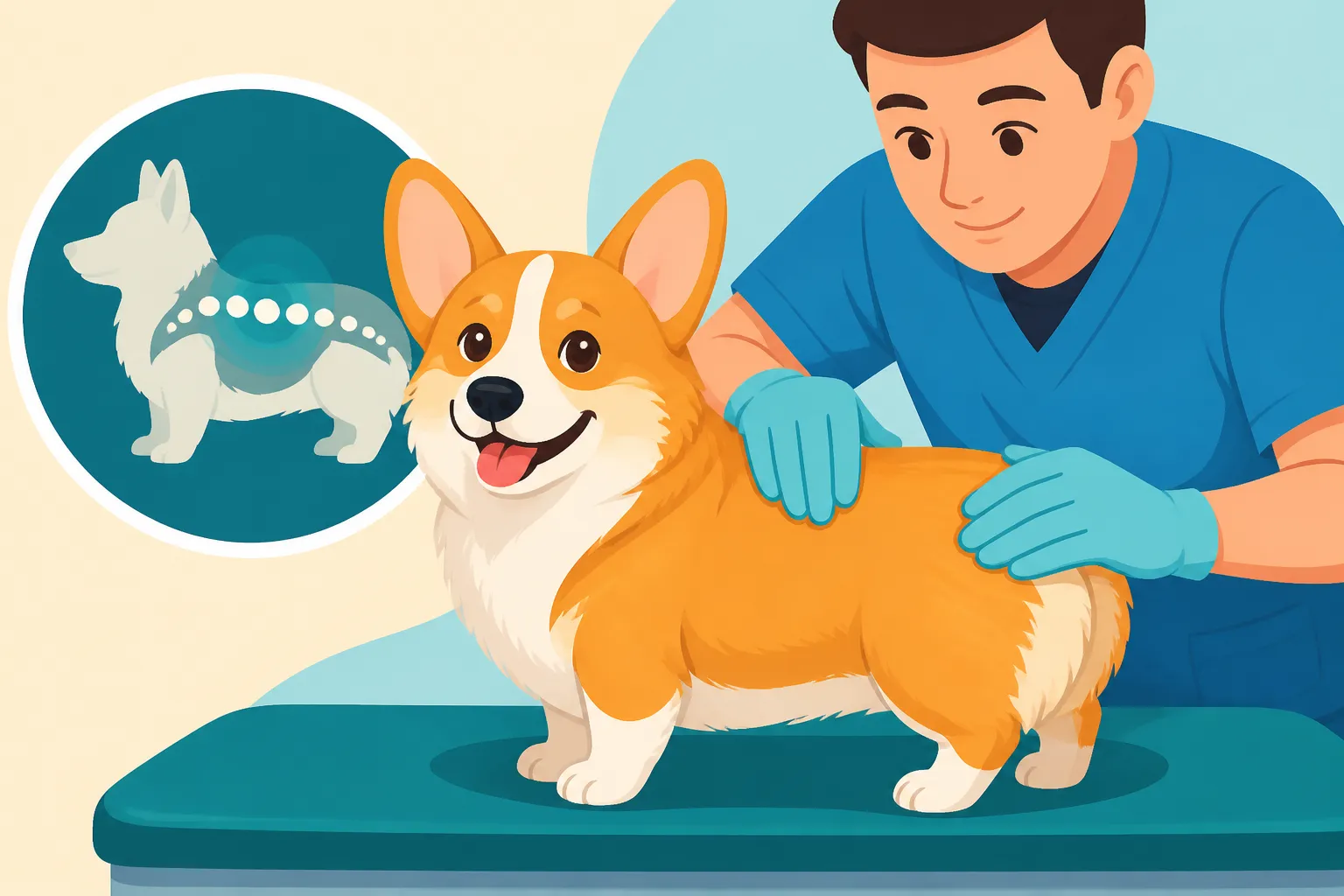
The Annual Exam Where a Corgi’s Back Gets Checked
It's a truth universally acknowledged among Corgi parents: those adorable, low-slung bodies come with a specific set of concerns, especially when it comes to their spines. Many of us find ourselves constantly watching for the smallest change in gait, the slightest hesitation on a step, or a new way of sitting, driven by a deep-seated worry about disc issues or more serious conditions. That's why your Corgi's annual veterinary exam isn't just about vaccinations and a general health check; it's a critical opportunity for a dedicated assessment of their most vulnerable area: their back. This guide will walk you through why this annual check-up is so vital, what your vet is really looking for, and how you can be an active partner in protecting your Corgi's spinal health.
Why Your Corgi's Back Needs Special Attention Annually
Corgis are charismatic, intelligent, and sturdy little dogs, but their unique physique, a hallmark of their breed, also predisposes them to certain health challenges. Understanding these inherent risks is the first step in advocating for your dog's long-term well-being, and it truly underscores the importance of that yearly vet visit.
The Unique Corgi Build and Its Implications
Let's face it, that long back and those short legs are what make Corgis so undeniably Corgi. They are members of a group of breeds known as chondrodystrophic, meaning they have an inherited condition affecting the development of cartilage, which results in those charmingly short limbs. Unfortunately, this same genetic trait also impacts the health of their intervertebral discs, the cushions between the vertebrae in their spine. These discs can degenerate prematurely, becoming brittle and prone to herniation, a condition often referred to as a "slipped disc." This is called Intervertebral Disc Disease (IVDD), and it's a significant concern for all Corgi owners.
Beyond IVDD, Corgis, particularly Pembrokes, are also genetically predisposed to Degenerative Myelopathy (DM), a progressive neurological disease that affects the spinal cord. While DM is a different beast entirely from IVDD – it's not painful but rather leads to a gradual loss of nerve function – it presents with similar initial symptoms affecting the hind legs, making early and accurate diagnosis crucial. Regular check-ups allow your vet to establish a baseline and potentially spot subtle changes over time. You can learn more about the complexities of Disc Disease in a Long-Backed Corgi and Degenerative Myelopathy and the Corgi to fully grasp the nuances.
Early Warning Signs You Might Miss at Home
Corgis are stoic by nature, and sometimes, the early signs of spinal discomfort or neurological changes can be incredibly subtle, easily mistaken for just "getting older" or a minor bump. You might notice a slight reluctance to jump onto the sofa, a stiffness after waking up, or a change in how they carry their tail. Perhaps they start dragging one back foot imperceptibly, or their nails on the hind paws seem to wear down unevenly, an early sign a Corgi that scuffs its back nails could indicate a problem. They might shift their weight differently when standing or even seem a little clumsier than usual.
These seemingly small shifts can be crucial indicators for your vet during an annual exam. By having your Corgi's back thoroughly checked each year, you're not waiting for a crisis to unfold. Instead, you're giving your veterinary team the chance to identify these nascent issues, develop a preventative strategy, or intervene with conservative management before a more severe episode occurs. For instance, a veterinarian might note a change in a Corgi’s gait or spinal flexibility that you, as an owner, might attribute to a normal aging process, but which could, in fact, be an early indicator of a developing spinal problem.
What a Vet Actually Looks for During the Annual Back Check
When you bring your Corgi in for their annual exam, the "back check" isn't just a quick glance. It's a systematic assessment that combines observation, palpation, and specific neurological tests designed to evaluate the integrity and function of their spine and nervous system.
The Neurological Examination Steps
Your vet will perform a series of tests to assess your Corgi's neurological function, which is directly tied to spinal health. This often begins with observing their gait. They'll watch how your Corgi walks, turns, and stands. Do they show any weakness in their hindquarters? Is their stride even? Do they tend to favor one leg, or do their back legs cross over, which can be an early sign of a neurological issue? You can recognize the distinction between problems by knowing more about Telling a Corgi's Slipped Disc From Myelopathy.
Next, they'll check what are called "proprioceptive" reflexes. This involves gently flipping your Corgi's paw over so the knuckles are touching the ground, and observing how quickly they correct it. A healthy Corgi should immediately right their paw. A delayed response can indicate a problem with the proprioceptive pathways, which transmit information about body position to the brain – often a tell-tale sign of spinal cord compression or neurological disease. They might also check withdrawal reflexes by pinching a toe, and patellar reflexes (knee-jerk) to assess nerve function. These tests, while simple, provide critical insights into the spinal cord's health.
Palpation and Mobility Assessment
Beyond the neurological tests, your vet will meticulously palpate your Corgi's spine from neck to tail. This means they'll gently feel along each vertebra, looking for any areas of pain, tenderness, muscle tension, or abnormal sensation. Corgis, being low to the ground, can sometimes carry tension in their back muscles even without obvious disc issues, so feeling for these subtleties is important. They'll assess the range of motion in your Corgi's neck and back, gently flexing and extending their limbs.
They might gently lift your Corgi, noting if there's any discomfort or a cry when lifted under the chest or from a specific angle. They'll also observe how your Corgi reacts to these movements. A flinch, a yelp, or even a subtle tightening of muscles can all be indicators of underlying pain or instability. This hands-on assessment allows the vet to identify localized tenderness that might point to a specific disc problem, muscle strain, or even an early stage of arthritis that could be impacting spinal alignment. They’ll be checking for general flexibility and any changes in the spine itself, like scoliosis or a prominent area that wasn't there before.
Beyond the Exam Room: Supporting Your Corgi's Spinal Health Year-Round
An annual vet exam is paramount, but protecting your Corgi's back is a 365-day commitment. It involves thoughtful daily care, environmental adjustments, and proactive planning to mitigate risks associated with their unique build.
Weight Management and Nutrition
One of the most impactful things you can do for your Corgi's spine every single day is to manage their weight diligently. Every extra pound on those short legs and long back places disproportionate stress on their intervertebral discs. Think about it: a Corgi might only weigh 25-30 pounds, so an extra five pounds is a huge percentage of their body weight, akin to a human carrying an additional 30-40 pounds. This added burden significantly increases the risk of disc herniation and exacerbates existing spinal conditions. You can read more about Why Corgi Weight Is a Spinal Problem and What Extra Weight Does to a Corgi Spine to fully understand the impact.
Your vet will assess your Corgi's body condition score during their annual exam, which is far more accurate than just looking at the number on the scale. They'll tell you what an ideal Corgi weighs and whether your dog has some pounds to lose. To help with this, precise portion control with high-quality food is essential. Brands like Ollie offer fresh, pre-portioned meals that can make managing your Corgi’s calorie intake much easier, helping them maintain a healthy weight without you having to constantly guess. Regular, moderate exercise, appropriate for their build and age, also plays a crucial role. Avoiding obesity is a cornerstone of spinal health for Corgis.
Safe Movement and Environmental Adjustments
Corgis are notorious for their enthusiasm for jumping—off sofas, beds, and even out of cars. However, these high-impact movements are incredibly dangerous for their delicate spines. A single bad jump can lead to a sudden and severe disc rupture. This is a common and frightening scenario, which is why understanding The Jump That Ruptures a Corgi Disc is so important.
Your home environment needs to be set up to protect your Corgi from these risks. Invest in ramps or pet stairs for accessing furniture and vehicles. Consider adding non-slip rugs on hard floors to prevent slips and slides that can strain their backs. Baby gates can prevent access to stairs, or if stairs are unavoidable, carry your Corgi up and down, making sure to support their entire body. Even simple habits, like teaching your Corgi to wait for a lift rather than leaping from the car, can make a huge difference in preventing an emergency situation. Chewy offers a wide variety of ramps, orthopedic beds, and non-slip mats that can help you Corgi-proof your home effectively.
Considering Proactive Care and Insurance
While you can take many preventative steps, genetic predispositions and accidents can still happen. Being prepared for potential spinal emergencies is part of responsible Corgi ownership. This means having a plan for immediate veterinary care if your Corgi suddenly shows signs of severe pain, weakness, or paralysis. Early intervention in a disc injury can dramatically affect the outcome.
Considering pet insurance, especially before any signs of spinal issues emerge, is a wise move for Corgi owners. Once a condition like IVDD or DM is diagnosed, it often becomes a "pre-existing condition," meaning new policies won't cover it. Enrolling a Corgi before its back goes, when they are young and healthy, ensures that if a spinal problem does arise later, you have financial support for potentially expensive diagnostics (like MRIs) and treatments (like surgery or long-term rehabilitation). Providers like Healthy Paws are often recommended for their comprehensive coverage, but it's always best to compare plans to find one that suits your needs and budget for potential Corgi back bills. Genetic testing, such as a Corgi SOD1 test result for DM, can also be a proactive step, allowing you to understand your dog's risk profile.
| Corgi Back Health Factor | Annual Exam Focus | Owner's Year-Round Role |
|---|---|---|
| Body Weight | Body Condition Score, palpation for fat deposits | Portion control (e.g., Ollie), measured food, appropriate treats |
| Gait & Mobility | Observation of walk, turns, stance; range of motion | Watch for limping, stiffness, reluctance to move; provide safe exercise |
| Neurological Function | Proprioceptive testing, reflexes, pain response | Monitor for scuffing paws, crossing legs, weakness |
| Spinal Palpation | Tenderness, muscle tension, spinal alignment | Gentle daily massages, awareness of Corgi's reactions to touch |
| Environmental Safety | Discuss risk factors (jumping, slippery floors) | Install ramps/stairs (e.g., Chewy), non-slip rugs, gates |
| Early Warning Signs | Discuss any owner-observed changes, subtle symptoms | Maintain a log of any unusual behavior, pain signals, or changes |
| Preventative Planning | Discuss genetic risks (DM, IVDD), lifestyle changes | Research pet insurance (e.g., Healthy Paws), consider genetic testing |
Disclaimer
This article is for general informational purposes only and does not constitute professional advice. Laws, prices and regulations vary by location and change over time. Consult a qualified professional for guidance on your specific situation.