Cooling a Corgi Down in Hot Weather
It's absolutely heartbreaking to watch your beloved Corgi panting heavily, looking utterly miserable when the mercury climbs. These little fluff balls, with their boundless energy and low-slung bodies, are just not built for sweltering temperatures, and it's a common struggle for Corgi parents to keep them comfortable and safe. This comprehensive guide is here to walk you through understanding why your Corgi feels the heat so acutely and, more importantly, to give you actionable, realistic strategies for cooling them down and preventing dangerous overheating.
Understanding Why Corgis Get Overheated So Easily
Let's be real, a Corgi in the heat is like a woolly sweater in July – it just doesn't make sense. Their unique physical characteristics, while charming, put them at a disadvantage when temperatures rise. Understanding these factors is the first step in becoming their best advocate against the summer sun.
The Double Coat Dilemma
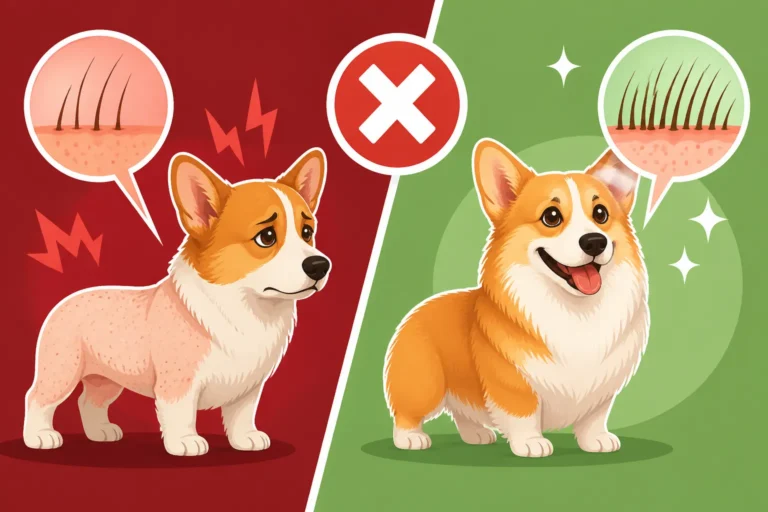
The most obvious culprit in a Corgi's heat sensitivity is that glorious, dense double coat. It's truly a marvel of natural engineering, designed to keep them warm while herding in chilly Welsh pastures. The outer coat, known as the guard hairs, is coarse and water-resistant, protecting them from the elements. Underneath lies a soft, thick undercoat, which acts as incredible insulation.
This insulation is a double-edged sword. In winter, it traps warm air close to their body, keeping them toasty. In summer, however, it traps hot air, making it incredibly difficult for them to cool down. Think of it like wearing a down jacket on a hot day – the heat just gets held in. Many well-meaning owners might think shaving their Corgi will help, but this is a common misconception that can actually make things worse. Why Clipping a Corgi Ruins the Coat is a common pitfall. The coat provides a natural barrier against UV rays, protecting their delicate skin from sunburn, and it also helps regulate their body temperature by allowing air to circulate. Without it, they're exposed to direct sun, increasing the risk of overheating and skin damage. Regularly brushing out the loose undercoat can help with shedding, which in turn improves air circulation, but it won't make them "cool" like a single-coated dog.
Low to the Ground, Close to the Heat
Another significant factor in a Corgi's vulnerability to heat is their signature short stature. While those little legs are perfect for ducking under the heels of cattle, they also mean your Corgi is literally inches away from the ground. Pavement, asphalt, and even concrete can absorb and radiate an incredible amount of heat, often being significantly hotter than the ambient air temperature.
Imagine walking barefoot on black asphalt on a sunny 85-degree Fahrenheit day; it's scorching, right? Your Corgi experiences that same intense heat, amplified, every time they're on a hot surface. This radiant heat cooks them from below, adding to the burden their double coat already imposes. Their bodies are essentially taking a double hit: heat from above and heat reflecting up from the ground. This constant exposure to hot surfaces can not only lead to painful paw pad burns but also elevates their core body temperature much faster than a taller dog might experience. It’s why Whether a Corgi Should Walk on Hot Pavement is such a critical consideration.
Corgis and Exercise in the Heat
Corgis are not lazy dogs; they are intelligent, energetic herding dogs, even if they sometimes prefer to herd you to the treat cabinet. Their enthusiasm for life and play can quickly become a danger in hot weather. They often don't know when to quit, especially if there's a ball involved or a squirrel to chase.
When a Corgi exercises, their body temperature naturally rises. In cool weather, they can dissipate this heat effectively through panting. However, in hot, humid conditions, panting becomes less efficient at cooling them down. The air they're trying to exchange isn't much cooler than their body temperature, and the humidity reduces the evaporative cooling effect. This means a quick game of fetch that might be fine on a mild day can quickly escalate into a life-threatening situation on a hot one. Their drive to please or their sheer joy in an activity often overrides any internal signals of overheating, leading them to push themselves too far. It's a sad reality that their zest for life can sometimes put them in harm's way when we're not vigilant.
Practical Strategies for Keeping Your Corgi Cool Indoors
When the heat outside becomes unbearable, your home needs to become a refuge for your Corgi. Creating a safe, cool environment indoors is paramount to their well-being.
Creating a Cool Sanctuary
Your Corgi needs a designated spot where they can truly escape the heat. This isn't just about turning on the AC; it's about thoughtful placement and specific cooling aids.
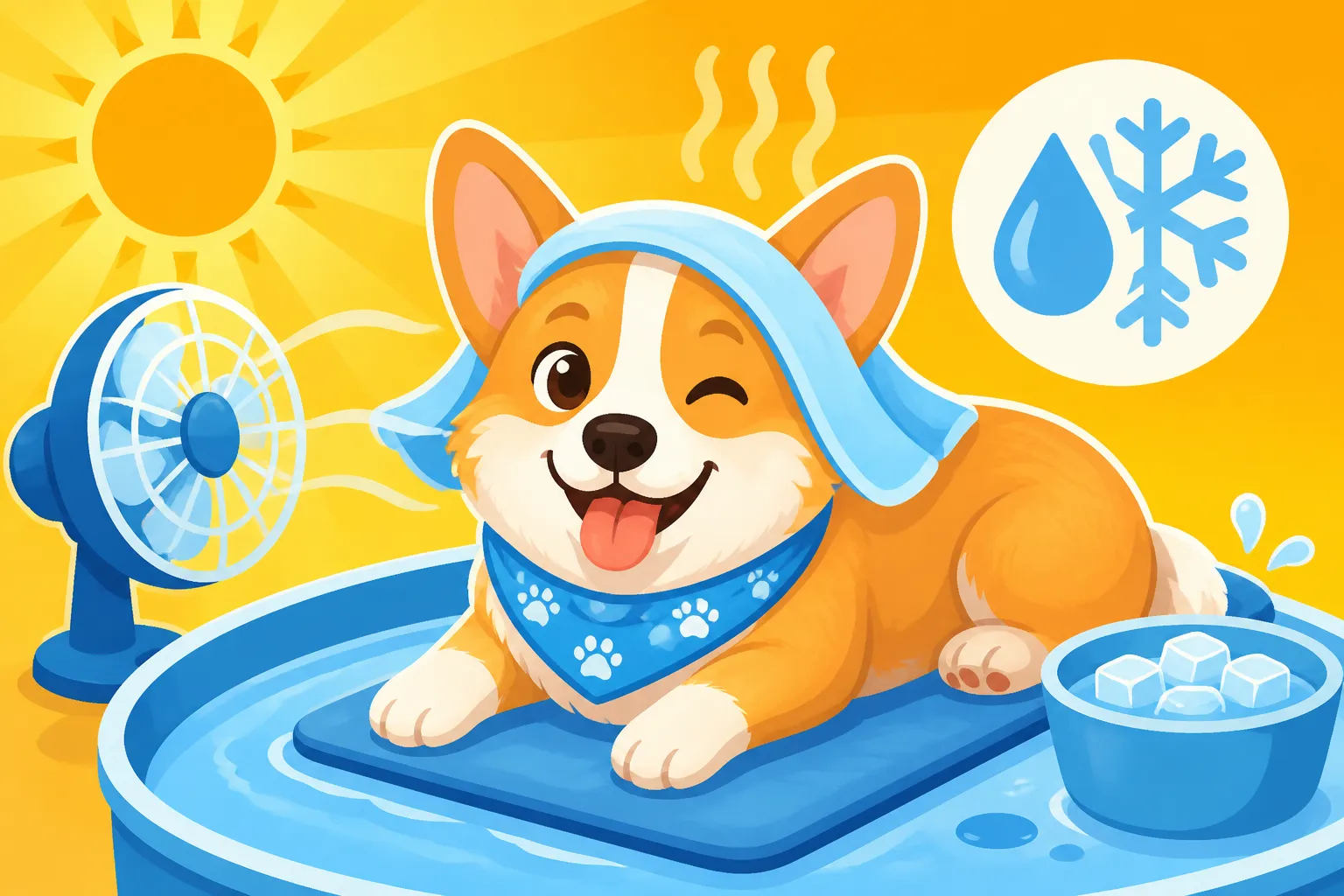
Consider areas in your home that naturally stay cooler, like a tiled bathroom floor, a basement, or a north-facing room that doesn't get direct sunlight. These spots can offer instant relief. Beyond that, air conditioning is your Corgi's best friend. Keeping your home at a comfortable temperature, even if it means running the AC more than you might otherwise, is crucial. If central AC isn't an option, a window unit in one room can provide that vital cool zone. Fans can also help circulate air, but remember, fans cool people through evaporating sweat, which dogs don't do in the same way. Still, a fan can create a perceived breeze and move hot air away from them. Look for elevated cooling beds made with mesh material. These beds allow air to circulate under your Corgi, preventing heat from building up against the floor, and you can often find great options from retailers like Chewy or Amazon. A truly cool sanctuary also means blocking out direct sunlight with curtains or blinds, especially during the hottest parts of the day.
Hydration is Key
It goes without saying, but access to fresh, cool water is non-negotiable. However, just one water bowl might not be enough for a determined Corgi who forgets to drink when engrossed in napping or watching squirrels out the window.
Place multiple water bowls around your home, in all the spots your Corgi frequents. This increases the chances they'll take a drink whenever they pass one. Consider using ceramic or stainless steel bowls, which tend to keep water cooler for longer than plastic. Adding a few ice cubes to their water bowl throughout the day can also make it more appealing and help slightly lower their body temperature from the inside out. For some Corgis, a pet fountain can encourage more drinking because the moving water is often more enticing. Make sure to clean and refill all water bowls with fresh, cool water several times a day. If you're going to be out for a few hours, consider leaving a large bowl of ice for them, which will slowly melt into cool water. You can even offer frozen treats, like ice cubes made from low-sodium chicken broth, which are both hydrating and entertaining.
Managing Indoor Activity
Even indoors, a Corgi's natural exuberance can lead to overheating. You need to be the responsible party and manage their activity levels.
During hot spells, swap out high-energy indoor games for calmer, mentally stimulating activities. Instead of chasing toys up and down the hallway, opt for puzzle toys filled with treats or a slow feeder that makes them work for their dinner. Scent work, where you hide treats around the house for them to find, is another excellent way to engage their brains without overexerting their bodies. The Job a Corgi Needs Instead of Herding You often means redirecting their energy. Short training sessions focusing on new tricks or reinforcing commands can also be a good way to bond and provide mental stimulation without elevating their heart rate too much. If they do get a burst of zoomies, gently redirect them to a cool spot or offer a cooling mat. The goal is to keep them comfortable and happy without generating excessive body heat.
Safe Outdoor Practices When the Temperatures Rise
While keeping your Corgi mostly indoors is ideal in extreme heat, they still need to go outside for potty breaks and some mental enrichment. These outdoor excursions require careful planning and vigilance.
Timing Walks and Outdoor Play
This is perhaps the most critical outdoor strategy. The timing of your Corgi's outdoor activities can be the difference between a safe outing and a veterinary emergency.
Always plan walks for the very early morning, just after sunrise, and late in the evening, after the sun has set and the pavement has had a chance to cool down. Even on days that don't feel "hot" to you, the ground temperature can be dangerously high. A good rule of thumb is the "seven-second test": place the back of your hand on the pavement for seven seconds. If it's too hot for your hand, it's too hot for your Corgi's paws. If you can't avoid going out during warmer parts of the day, stick to shaded grassy areas only. Avoid asphalt and concrete entirely. Keep walks short, just long enough for them to do their business. A quick trot around the block in the middle of the day is a huge risk. For those spirited Corgis who love to play, outdoor play needs to be severely limited or moved indoors during hot weather. Understanding How a Corgi Handles Hot Weather means respecting these crucial timing adjustments.
Essential Gear for Hot Weather Outings
Just like you might wear a hat and sunglasses, there's specific gear that can help your Corgi cope with the heat on short outings.
Cooling vests or bandanas can make a real difference. These products often use evaporative cooling, requiring you to wet them thoroughly before putting them on your dog. As the water evaporates, it draws heat away from their body. Always ensure the vest or bandana is designed for dogs and fits properly without restricting movement. Look for lightweight, breathable materials. Portable water bottles with attached bowls are an absolute must for any outdoor excursion, even a quick potty break. Never leave home without one. You can find a wide variety of these helpful items on marketplaces like Amazon, making it easy to prepare for summer. Additionally, paw protection, such as dog booties, can shield their sensitive pads from hot surfaces if a brief walk on pavement is unavoidable, though avoiding hot pavement altogether is always best. These pieces of equipment are not magic bullets, but they can provide an extra layer of protection when used responsibly.
Recognizing Heatstroke Signs
Knowing the signs of heatstroke is not just important; it can be life-saving. Corgis are prone to it, and rapid intervention is critical.
Heatstroke in Corgis can progress very quickly. Initial signs often include excessive panting (much heavier and faster than normal), bright red gums and tongue, drooling thick, sticky saliva, and a distressed or anxious facial expression. As it worsens, you might see weakness, wobbliness, stumbling, vomiting, diarrhea, and even seizures. Their body temperature will be noticeably high to the touch. If you suspect heatstroke, act immediately:
- Move them to a cooler area: Get them into air conditioning or a shaded spot immediately.
- Apply cool water: Wet their body, especially their belly, groin, armpits, and paw pads, with cool (not ice-cold) water. Ice-cold water can cause the blood vessels to constrict, trapping heat inside.
- Use fans: Direct a fan onto them to aid evaporative cooling.
- Offer water: Let them drink small amounts of cool water if they are conscious and able to swallow.
- Seek veterinary care immediately: Even if they seem to improve, a vet visit is essential as organ damage can occur internally and without obvious external signs. Heat Stroke Signs in a Corgi are not to be trifled with, and acting fast can make all the difference.
Nutrition and Hydration Tips for Hot Weather
Just as our appetites and hydration needs shift in hot weather, so do our Corgis'. Adjusting their routine can support their health and comfort.
Adjusting Meal Times and Portions
The timing of meals can impact your Corgi's body temperature and overall comfort during hot weather. Eating and digesting food generate metabolic heat, so it's wise to consider when they eat.
During peak summer, many owners find it beneficial to shift their Corgi's feeding schedule to the cooler parts of the day. This often means feeding breakfast very early in the morning and dinner much later in the evening, after the sun has gone down. This allows them to digest their food during cooler periods when their body isn't already working overtime to stay cool. You might also find your Corgi's appetite decreases slightly in extreme heat, which is quite normal. Don't force them to eat if they're not interested, but do ensure they're staying hydrated. If you usually give large meals, consider splitting their daily ration into smaller, more frequent meals to reduce the digestive workload at any one time. Monitoring The Body Condition Score a Corgi Owner Aims For is always important, but particularly when adjusting food intake in summer.
Cooling Treats and Hydration Boosters
Treats can be more than just rewards; they can be excellent vehicles for hydration and cooling in hot weather.
Frozen treats are a huge hit with Corgis and an excellent way to provide both mental stimulation and a cooling effect. Fill a Kong or other stuffable toy with plain yogurt, peanut butter (xylitol-free!), or even canned pumpkin, then freeze it. These last longer than a simple ice cube and keep your Corgi occupied while they get a nice, cool treat. You can also make "pupsicles" by freezing low-sodium broth or watered-down dog-safe fruits and vegetables in ice cube trays. Adding a splash of water or a bit of low-sodium broth to their regular kibble can also increase their daily water intake. Some fresh dog food brands, like Ollie, offer meals with naturally higher moisture content, which can contribute to overall hydration during the warmer months. Just be mindful of the total calorie intake if you're offering extra treats, especially for Corgis who are already prone to carrying a bit too much weight.
Ensuring Constant Access to Fresh Water
This might sound like a repeat, but its importance cannot be overstated. Constant, appealing access to fresh water is the absolute foundation of heat management.
Go beyond just having a single bowl. Think strategically about where water is available. If your Corgi spends time in different rooms, put a bowl in each. If they have an outdoor potty area, make sure there's a shaded water source there too. Automatic water dispensers or fountains can be great because they provide continuously filtered, circulating water, which often entices dogs to drink more. However, ensure they are kept clean and refilled regularly to prevent stagnant water from becoming unappetizing or a breeding ground for bacteria. For long-backed breeds like Corgis, some owners prefer elevated bowls, which can make drinking more comfortable, though it’s less about cooling and more about ergonomics. The key is that water should always be readily available, cool, and clean, wherever your Corgi happens to be in your home or yard.
Comparison of Corgi Cooling Methods
Here's a quick look at various cooling methods for your Corgi, comparing their effectiveness and considerations.
| Method | Description | Effectiveness (1-5, 5=highest) | Considerations |
|---|---|---|---|
| Air Conditioning | Active cooling of indoor air temperature. | 5 | Most effective for indoor cooling; energy cost. |
| Cooling Mats/Beds | Gel-filled or elevated mesh beds that draw heat away or allow airflow. | 4 | Great for rest areas; check for durability (gel mats can be chewed). |
| Cooling Vests/Bandanas | Wetted fabric that cools through evaporation when worn. | 3 | Good for short outings; needs re-wetting; watch for chafing. |
| Frozen Treats | Ice cubes, pupsicles, stuffed/frozen Kongs. | 3 | Hydrating and mentally stimulating; calorie content if not plain water/broth. |
| Shaded Walks (Cool Hours) | Walking only in early morning/late evening, on grass. | 4 | Essential for paw safety and preventing exertion heat; requires timing. |
| Multiple Water Bowls | Placing fresh, cool water in various spots. | 5 | Fundamental; ensures constant hydration; needs frequent refilling. |
| Fans (Indoor) | Circulates air, creates a breeze. | 2 | Provides some relief, but doesn't cool core body temp as effectively as AC. |
| Kiddie Pool | Shallow pool of water for supervised splashing. | 4 | Excellent for outdoor play/cooling; requires supervision; not all Corgis like water. |
| Paw Pad Protection | Dog booties for walking on hot surfaces. | 2 | Protects paws, but still doesn't cool the dog's core; avoid hot surfaces entirely if possible. |
This article is for general informational purposes only and does not constitute professional advice. Laws, prices and regulations vary by location and change over time. Consult a qualified professional for guidance on your specific situation.