Whether Tile Is Dangerous for a Corgi
Oh, the tile floor dilemma! As Corgi parents, we've all watched our little low-riders navigate shiny, hard surfaces with a mixture of amusement and sheer terror. That moment when they hit the kitchen floor at full speed, legs splaying out like a cartoon character on ice, sends a shiver down every Corgi owner's spine – and probably down our Corgi's too! It’s a legitimate concern, wondering if those slick, beautiful tiles are silently contributing to long-term issues for our beloved, long-backed friends. This guide is here to unravel the truth about tile floors and Corgis, offering realistic insights and practical steps to keep your furry family member safe and sound.
The Slippery Truth About Corgis and Hard Floors
Let's be honest, Corgis are built for low-to-the-ground action, but that unique physique, while adorable, comes with its own set of challenges, especially when it comes to slick surfaces like tile, hardwood, or laminate. It’s not just about an occasional comical tumble; there are real, serious risks involved.
Why Corgis Are Uniquely Vulnerable on Smooth Surfaces
Imagine trying to drive a low-slung sports car with a super long wheelbase on an icy road. That's a bit what it's like for a Corgi on a tile floor. Their short legs mean their center of gravity is low, which can be great for herding cattle, but not so much for stability on a non-grippy surface. When they try to accelerate, turn, or stop quickly, their little legs simply can't get enough purchase. They end up splaying out, and all that force and torsion travels directly up their limbs and into their spine.
Their long backs, which we adore, are unfortunately a design flaw when combined with this instability. Unlike many other breeds, a Corgi's spine is already under more stress due to its length relative to its short legs. Every slip, every slide, every struggle to regain footing puts undue pressure on those delicate discs. It's a cumulative effect; one bad slip might not cause an immediate catastrophe, but years of minor trauma can absolutely add up to significant problems down the line. It's a constant, low-grade stress on their entire musculoskeletal system that other breeds might not experience to the same degree.
The Immediate Risks: Falls and Acute Injuries
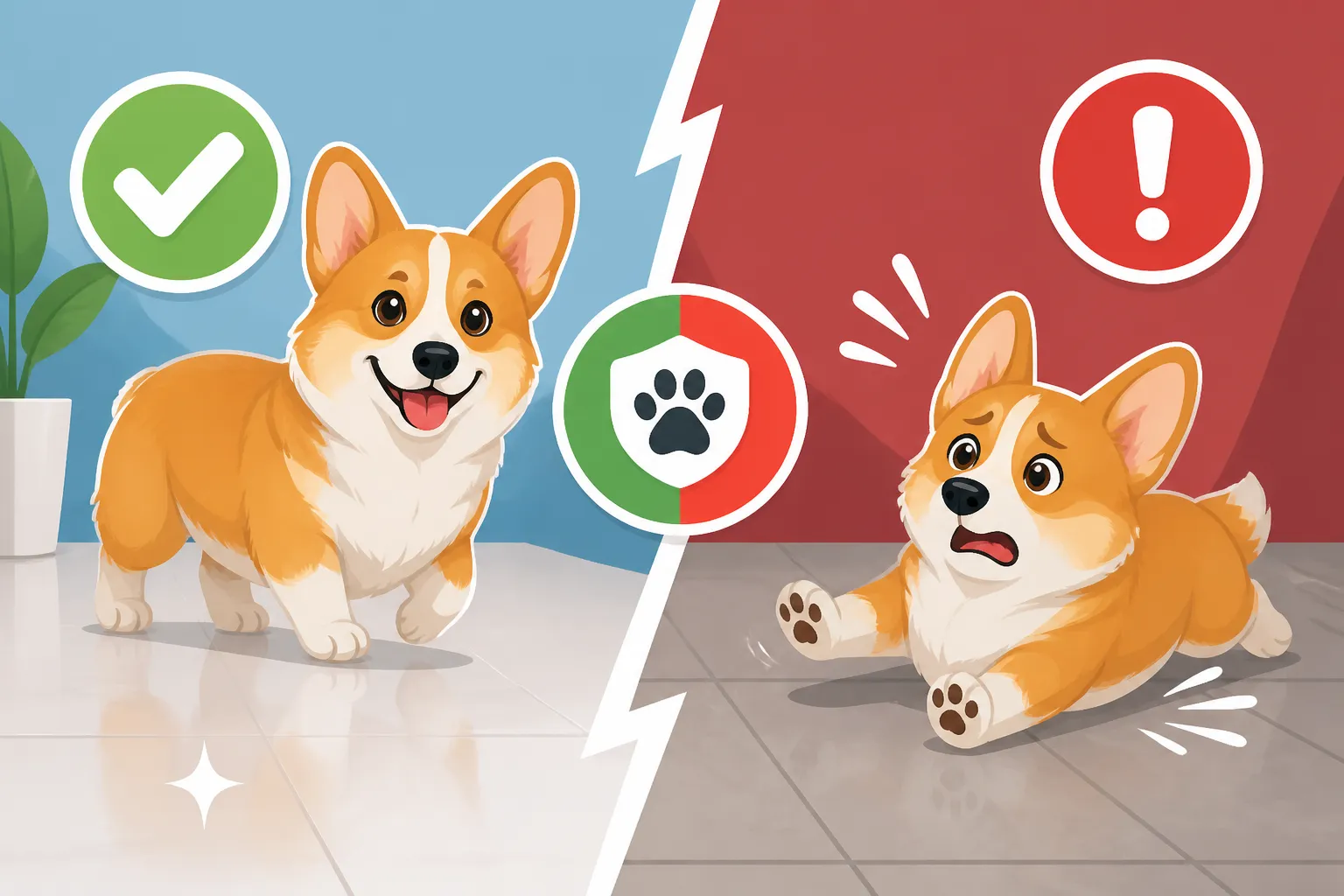
When a Corgi slips, it’s not just their ego that gets bruised. The immediate danger lies in acute injuries. Think about your Corgi in a moment of pure joy – the "zoomies" after a bath, or a sudden burst of excitement when you come home. They tear through the house, reach a tile patch, and whoosh! Their legs go out from under them. This rapid, uncontrolled splaying of limbs can lead to muscle strains, ligament sprains, or even worse, a sudden disc rupture. The impact of their body hitting the hard floor, or the unnatural twisting of their spine as they try to correct themselves, can be incredibly damaging.
I've heard stories from so many Corgi owners about that heart-stopping moment. One minute their pup is chasing a toy, the next they're yelping in pain, unable to move their back legs. These aren't just minor mishaps; a severe fall on a hard surface can be catastrophic. A sudden, unexpected jolt can easily cause a The Jump That Ruptures a Corgi Disc type of injury, where the intervertebral discs cushion the spine suddenly bulge or rupture. The pain is intense, and the consequences can range from temporary lameness to paralysis, often requiring emergency veterinary care and potentially expensive surgery. It’s a terrifying scenario that many Corgi owners live with a quiet dread of, especially if their home has a lot of tile.
The Long-Term Impact: Chronic Issues and Wear-and-Tear
Beyond the immediate, frightening possibility of an acute injury, the consistent struggle with slippery floors takes a more insidious toll on your Corgi's body over time. It’s like a thousand tiny little stresses building up, leading to chronic conditions that can significantly impact their quality of life.
Arthritis and Joint Degeneration
Every time your Corgi slips, even if they recover quickly and don't cry out, their joints absorb impact and their muscles tense to compensate. This constant micro-trauma, this repeated jolting and twisting, is a major contributor to accelerated joint degeneration. Imagine if you were constantly walking on an unstable surface; your knees and ankles would start to ache eventually, right? The same principle applies to our Corgis. Their short, sturdy legs are designed for resilience, but they're not impervious to years of unnecessary stress.
Over time, this wear and tear can lead to or worsen conditions like arthritis, especially in their hips, knees, and even elbows. Corgis, like many breeds, already have predispositions to certain joint issues. Things like Corgi Hips and Front-End Structure can be exacerbated by the additional strain from slick floors. We want our Corgis to be active and pain-free well into their golden years, but a lifetime of navigating slippery floors can sadly shorten that window of comfort. It’s a silent, progressive process that might not show obvious signs until the condition is quite advanced, manifesting as stiffness, reluctance to move, or subtle lameness, which can be mistaken for just "getting old" when it's actually Early Arthritis in a Corgi.
Worsening Spinal Conditions
Perhaps the most heartbreaking long-term consequence for our Corgis is the impact on their already vulnerable spines. Corgis are chondrodystrophic breeds, which means their cartilage development is abnormal, predisposing them to Intervertebral Disc Disease (IVDD). This condition is characterized by the degeneration of the discs between the vertebrae, making them prone to bulging or rupturing. Constant slipping, jarring, and the compensatory strain on their back muscles directly aggravate this predisposition.
Think about the way their body shifts to regain balance on a slippery surface. That quick, jerky motion is exactly the kind of stress that can push a degenerating disc past its breaking point. Even if a full rupture doesn't occur, the chronic strain contributes to the gradual deterioration of the discs, making them more susceptible to problems later on. And for Corgis already dealing with or genetically predisposed to conditions like Degenerative Myelopathy and the Corgi, slippery floors can be particularly detrimental. While DM is a neurological disease and not directly caused by trauma, the added physical instability and strain on their hind limbs can make coping with the early stages of the disease even more challenging, and potentially accelerate the manifestation of symptoms like hind leg weakness. Subtle signs like A Corgi That Scuffs Its Back Nails or a slight sway in their gait can be early indicators of spinal strain that are worsened by unstable footing.
Making Your Home Safer: Practical Solutions for Tile Floors
So, what’s a devoted Corgi owner to do when their home is adorned with beautiful, yet treacherous, tile floors? Don't despair! You don't necessarily have to rip up your flooring. There are plenty of practical, often simple, solutions to create a safe haven for your low-rider.
The Power of Traction: Rugs, Runners, and Grips
This is by far the most impactful change you can make. Adding non-slip rugs and runners is like laying down a network of safe zones for your Corgi. Focus on high-traffic areas where your Corgi walks most frequently, places where they like to play, and especially "launch zones" – those spots where they might gather speed before taking a corner or reaching a stopping point. Think about the path from their bed to the kitchen, or the stretch in front of the back door.
Look for rugs with built-in rubber backing, or invest in high-quality non-slip rug pads for any existing rugs. Brands like Amazon offer a wide variety of affordable rug pads that can be cut to size, ensuring your chosen rugs stay firmly in place, even during vigorous play. If you're looking for something more dedicated, Chewy, for example, often carries pet-specific runners that are designed with extra grip and durability in mind. The goal is to cover as much of the slippery surface as possible, giving your Corgi consistent traction throughout their day. Don't forget about thresholds and transitions between different flooring types – these can be tricky spots where slips often occur.
Nail Maintenance and Paw Protection
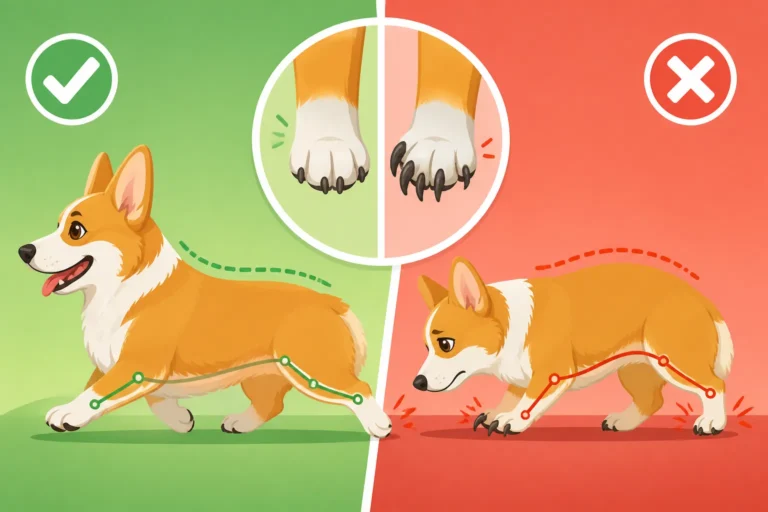
It might sound minor, but the length of your Corgi's nails plays a huge role in their ability to grip surfaces. Long nails act like ice skates, lifting the paw pads off the ground and significantly reducing traction. You want your Corgi's nails to be short enough that they don't click on the floor when they walk. If you hear that tell-tale click, it's time for a trim. Regular nail trims are essential; if you're uncomfortable doing it yourself, your vet or a professional groomer can help. This simple routine is crucial for their long-term foot health and gait, as Nail Length and What It Does to a Corgi's Gait clearly explains.
Beyond trimming, consider paw protection. There are several products designed to give dogs extra grip on smooth floors. Paw balms, waxes, or even non-slip socks with rubberized bottoms can make a noticeable difference. Some Corgis might initially object to socks, but many adapt quickly, especially if it means more confidence in navigating their home. These products can be easily found on platforms like Chewy or Amazon, offering accessible solutions for immediate traction improvement.
Strategic Furniture Placement and Training
Even with rugs, Corgis love to leap, especially onto and off furniture. These jumps can put immense strain on their backs, making them incredibly vulnerable to disc injuries. This is where strategic furniture placement and training come in. Think about adding Ramps and Steps That Save a Corgi's Back beside your sofa, bed, or any other elevated spot your Corgi frequents. It might take a little patience and positive reinforcement, but teaching your Corgi to use a ramp instead of jumping is one of the best investments you can make in their long-term spinal health.
You can also train your Corgi to manage their excitement on slick surfaces. Teach them cues like "slow" or "easy" when they're approaching a tile patch with too much enthusiasm. Encourage calmer play indoors, perhaps redirecting high-energy zoomies to a rug-covered area or taking them outside for more vigorous exercise. Remember, consistency is key, and positive reinforcement with tasty, low-calorie treats (perhaps from a brand like Ollie, which focuses on healthy ingredients) will make training much more effective. It's about modifying their environment and their habits to protect their precious back.
Beyond the Floor: Holistic Care for a Corgi's Back
While addressing your home's flooring is a critical step, remember that it's just one piece of the puzzle when it comes to safeguarding your Corgi's overall health, especially their spine. A holistic approach that considers diet, exercise, and regular veterinary care will give your Corgi the best chance at a long, healthy, and happy life.
Weight Management
This cannot be stressed enough: maintaining an ideal weight is absolutely paramount for a Corgi's spinal health. Every extra pound your Corgi carries puts additional strain on their already long back and short legs, increasing the risk of disc problems and exacerbating joint issues. Think of it as carrying a heavy backpack all day, every day – eventually, your back will complain! For a Corgi, even just a few extra pounds can make a significant difference. Why Corgi Weight Is a Spinal Problem delves deeply into this issue, highlighting just how crucial it is.
Work with your veterinarian to determine your Corgi's ideal body condition score and daily calorie needs. Weigh their food accurately, rather than just scooping. Opt for high-quality, nutritionally balanced food. Brands like Ollie offer fresh, human-grade food that's precisely portioned to your dog's needs, which can be an excellent tool for weight management. Chewy also has a wide selection of weight-management formulas and healthier treats. Limiting treats, or using low-calorie options like plain carrots or green beans, can also help keep those pounds in check. Regular monitoring of their weight and body shape, especially by feeling for their ribs, will help you stay on track.
Regular Vet Check-ups and Early Intervention
Regular veterinary check-ups are essential, not just for routine vaccinations, but for monitoring your Corgi's musculoskeletal health. Your vet can assess their gait, check for any signs of pain or stiffness, and discuss preventive measures. For an older Corgi, especially, these check-ups become even more critical for early detection of spinal issues or arthritis. Screening an Older Corgi's Spine involves a thorough physical examination, and sometimes even X-rays or other imaging if concerns arise.
Don't hesitate to mention any subtle changes you notice at home – a reluctance to jump, a slight limp after exercise, or changes in how they get up and down. Corgis are stoic, and sometimes the first sign of discomfort is a minor behavioral change. Early intervention is key; catching issues like disc degeneration or arthritis in their nascent stages often means more effective and less invasive treatment options, helping to manage pain and slow progression.
Supportive Bedding and Environment
Just like we appreciate a good mattress, our Corgis benefit immensely from supportive bedding. Orthopedic dog beds, especially those with memory foam, can provide excellent support for their joints and spine, helping to alleviate pressure points and promote comfortable rest. These beds are particularly beneficial for older Corgis or those with existing joint issues. You can find a wide range of orthopedic beds on Amazon or Chewy, so there's usually an option to fit every budget and Corgi size.
Beyond their beds, think about their overall environment. If you frequently travel with your Corgi, consider a car ramp to help them get in and out of vehicles, again reducing those impactful jumps. Ensure their crates or sleeping areas are comfortable and free from drafts. For Corgis that struggle with incontinence due to age or conditions like DM, having easily cleaned bedding and washable rugs becomes important for hygiene and comfort. Every small adjustment you make to their living space contributes to their physical well-being and overall quality of life.
Here's a quick overview of common flooring types and their considerations for Corgis:
| Flooring Type | Pros for Corgis | Cons for Corgis | Recommended Solutions |
|---|---|---|---|
| Tile/Stone | Cool in summer, easy to clean | Very slippery, hard on joints/spine | Extensive non-slip rugs/runners, paw grips, ramps |
| Hardwood/Laminate | Easy to clean, aesthetically pleasing | Slippery, can be noisy, less forgiving | Non-slip rugs/runners, regular nail trims, paw protection |
| Carpet/Area Rugs | Excellent traction, soft on joints, warm | Harder to clean, can trap hair/allergens | Regular vacuuming, professional cleaning, good quality underpad for cushioning |
| Vinyl/Linoleum | Moderate traction, easy to clean, affordable | Can still be slick when wet, less cushion | Non-slip mats in key areas, quick clean-ups of spills |
Ultimately, while tile floors aren't inherently "dangerous" if managed properly, they definitely require proactive measures for a Corgi owner. It's about being mindful of their unique physical needs and making adjustments to create a safe, comfortable, and supportive environment. With a little thought and effort, your Corgi can zoom happily through your home without you having to hold your breath every time they hit the kitchen floor. Their health and happiness are worth every rug and ramp!
Disclaimer
This article is for general informational purposes only and does not constitute professional advice. Laws, prices and regulations vary by location and change over time. Consult a qualified professional for guidance on your specific situation.