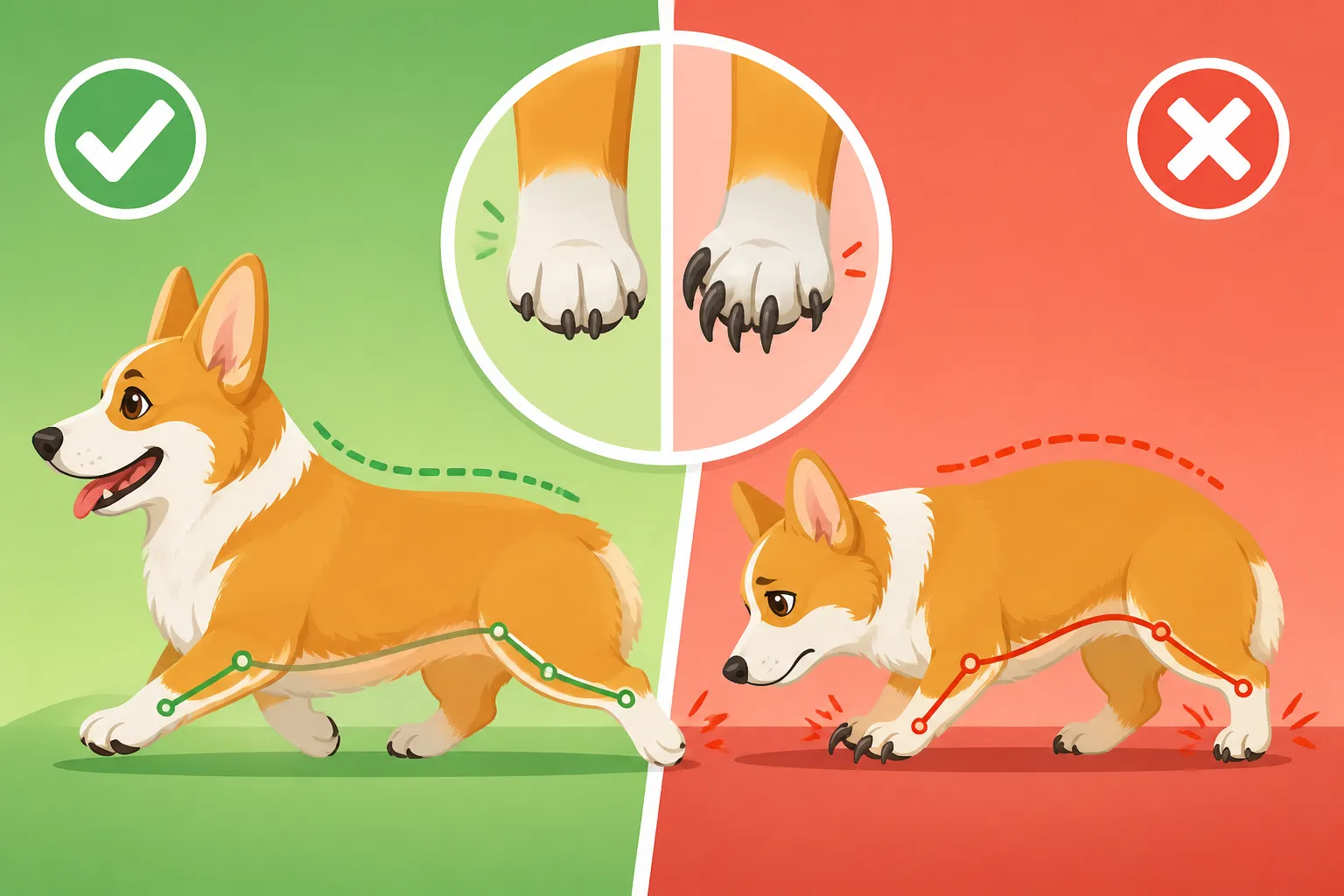
Nail Length and What It Does to a Corgi’s Gait
One of the trickiest things about owning a Corgi, beyond the shedding and the stubborn streaks, is keeping those little nails in check. It’s a common frustration, isn't it? You might not even realize how crucial proper nail length is until you notice a subtle shift in your Corgi's gait, a little clack-clack on the floor, or even a reluctance to move. This guide is all about diving deep into why those nails matter so much to your Corgi's mobility and overall comfort, and how to keep them perfectly pedicured for a happy, healthy life.
The Silent Impact of Overgrown Corgi Nails
It’s easy to overlook a few extra millimeters on your Corgi's nails. They’re low to the ground, covered in fluff, and often, we only think about trimming them when they start to look really long. But those seemingly small extensions can have a cascading effect on your Corgi's entire body, altering how they stand, walk, and even run. Imagine trying to walk comfortably in shoes that are a size too small, or with pebbles stuck perpetually under your toes. That's a bit like what an overgrown nail feels like for your Corgi, subtly shifting their balance and putting undue stress on their joints.
Why Corgi Nails Grow So Fast
Corgis, like all dogs, have nails that are constantly growing, much like our own fingernails. However, domestic life often means less natural wear and tear compared to their ancestors or working farm dogs. A Corgi living in an apartment or a suburban yard spends a lot of time on soft surfaces – carpet, grass, even upholstered furniture. These surfaces simply don't provide the abrasive friction needed to naturally grind down their nails. Even regular walks on pavement might not be enough, especially if your Corgi isn't hitting the sidewalk with enough force or for long enough durations to make a significant difference. This lack of natural filing means we, as their human companions, bear the responsibility for regular trimming.
Subtle Signs Your Corgi's Nails Are Too Long
Before their nails become dramatically curled or split, there are often subtle cues that they're getting too long. One of the most common, and perhaps the easiest to hear, is that tell-tale click-clack sound on hard floors. If you hear your Corgi's nails audibly tapping as they walk across your kitchen tile or hardwood, they are almost certainly too long. Another sign is if their toes splay out more than usual, or if they seem to be walking on their 'tiptoes' rather than flat on their paw pads. You might also notice them trying to compensate by shifting their weight backward, or maybe they just aren't as keen on going for walks, which could be attributed to a general aging process when in reality, it's simple discomfort. Keep an eye out for a Corgi that Scuffs Its Back Nails – this is a classic indicator that the nails are impeding their natural gait.
The Anatomy of a Corgi Nail
Understanding the basic anatomy of a dog's nail is key to proper trimming. Each nail consists of a hard outer shell and an inner core called the "quick." The quick contains blood vessels and nerves, which is why cutting into it causes pain and bleeding. On light-colored nails, the quick is usually visible as a pinkish area, making it easier to avoid. Corgis, however, often have dark nails, making the quick much harder to spot. This adds to the challenge and anxiety for many owners. The quick also grows with the nail, meaning if nails are consistently kept too long, the quick will lengthen, making it harder to trim them back without hitting it. Regular, small trims are the best way to encourage the quick to recede, allowing the nail itself to be kept shorter over time.
How Long Nails Change a Corgi's Stride
The way a Corgi stands and moves is a marvel of engineering, perfectly adapted for herding cattle by staying low to the ground. Their unique build means that even minor changes in foot structure or comfort can have significant repercussions. Overgrown nails are not just a cosmetic issue; they fundamentally disrupt the biomechanics of your Corgi's gait, leading to a host of potential problems further up the leg and spine. It's a domino effect that can start with a simple overgrowth and end with chronic pain or mobility issues.
Altered Foot Placement and Joint Strain
When a Corgi’s nails are too long, they push the paw pads up and back, forcing the toes to splay and the foot to articulate abnormally. Instead of the paw sitting flat, with the pads bearing the brunt of the weight, the long nails make contact with the ground first. This changes the angle of impact with every step, transferring unnatural forces up through the paw, wrist, elbow, and shoulder joints in the front, and the hock, stifle, and hip joints in the back. Over time, this constant, subtle misalignment can lead to inflammation, soreness, and even Early Arthritis in a Corgi. Imagine walking with your heels constantly elevated – it affects your knees, hips, and back. For a Corgi, whose low-slung body already puts specific demands on its joints, this effect is magnified.
Compensatory Movements and Their Risks
To alleviate the discomfort caused by long nails, Corgis will naturally try to adjust their stride. They might walk with a more exaggerated high-stepping motion, or shift their weight to the outer edges of their paws to avoid pressing on the nails. This isn't just awkward; it's detrimental. These compensatory movements can strain muscles and ligaments that aren't designed for such continuous stress. Over time, this can lead to muscle imbalances, tenderness, and even injuries. For a breed already prone to back issues due to their long spine, like Disc Disease in a Long-Backed Corgi, any alteration in their natural, balanced gait is a significant concern. They might look like they're just "waddling" a bit more, but that waddle could be a sign of deeper structural stress.
Long-Term Effects on Spine and Hips
The cumulative effect of altered foot placement and compensatory movements doesn't stop at the legs. The strain reverberates up the entire kinetic chain. For Corgis, with their distinctive long backs and short legs, this is particularly problematic. The constant twisting and torquing from an unnatural gait can put immense stress on the intervertebral discs. This can exacerbate existing predispositions to conditions like Intervertebral Disc Disease (IVDD) or contribute to new problems. Furthermore, the hips can suffer. If a Corgi is walking to avoid nail pain, their weight distribution changes, potentially straining hip joints and accelerating the onset or progression of hip dysplasia, a condition Corgis can also be prone to. Regular maintenance of nail length is a simple yet powerful preventative measure that supports overall skeletal health, including Corgi Hips and Front-End Structure.
The Pain and Discomfort Your Corgi Experiences
It’s easy to think of nails as just inert parts of a dog’s anatomy, but the reality is that when they are neglected, they can become a constant source of agony. This isn't just about structural damage over time; it's about immediate, daily pain that can significantly reduce your Corgi's quality of life. Owners sometimes misinterpret their Corgi's reluctance to walk or play as simple laziness or old age, when in fact, the root cause could be something as manageable as overgrown nails.
Pressure on the Nail Bed and Quick
When a Corgi's nails are long enough to touch the ground, every step they take pushes the nail back into the nail bed. This constant, repetitive pressure causes significant discomfort, akin to having a pebble jammed under your toenail with every step. The quick, which contains nerve endings, also gets compressed and inflamed. This isn't a quick, sharp pain, but a dull, aching pressure that builds over hours of walking and standing. This chronic low-grade pain can make your Corgi less enthusiastic about activity, leading to less exercise and potentially contributing to weight gain, which as we know, is a major problem for their backs (Why Corgi Weight Is a Spinal Problem).
Increased Risk of Splits and Tears
Long nails are inherently weaker and more susceptible to injury. They can catch on carpets, furniture, or rough terrain during walks, leading to painful splits, cracks, or even complete avulsions (where the nail tears off). These injuries are incredibly painful, often bleed profusely, and require veterinary attention. A split nail can expose the sensitive quick, making it prone to infection and prolonged healing. Even if it doesn't tear off completely, a long nail can break and leave a jagged edge, causing further irritation and pain. A walk in the park can quickly turn into an emergency vet visit, adding unexpected stress and cost (The Corgi Bills That Come With a Long Back) if nails aren't kept short.
Behavioral Changes from Chronic Discomfort
A Corgi in chronic pain from long nails might exhibit a range of behavioral changes. They might become withdrawn, less playful, or even grumpy. You might notice them licking or chewing at their paws excessively, a clear sign of discomfort. They may resist having their feet handled, even becoming snappy, simply because they associate it with pain. This isn't "bad behavior"; it's a desperate attempt to communicate their suffering. A Corgi that normally greets you with enthusiasm might start to hold back, not because they don't love you, but because the act of moving causes them pain. Recognizing these subtle shifts and understanding their potential root in nail discomfort is crucial for their well-being.
Practical Steps for Maintaining Ideal Corgi Nail Length
Okay, so we know why nail length is so important. Now, let's talk about the how. Many Corgi owners feel intimidated by nail trimming, especially with those dark nails. But with the right tools, technique, and a good dose of patience, it’s a skill you can absolutely master. Consistency is key here – frequent, small trims are always better than infrequent, drastic ones.
Choosing the Right Tools for the Job
There are a few different tools available, and what works best for you and your Corgi might take a little experimenting.
| Tool Type | Pros | Cons | Best For |
|---|---|---|---|
| Scissor-Style Clippers | Easy to use, good for quick trims, widely available. | Can crush the nail if dull, harder to see the quick on dark nails. | Owners confident in their technique, small, frequent trims. |
| Guillotine Clippers | Simple mechanism, often have a safety stop. | Less precise control, can be intimidating, not ideal for very thick nails. | Medium-sized nails, Corgis tolerant of the sensation. |
| Nail Grinder (Dremel-style) | Smooths edges, reduces risk of quicking, great for dark nails, encourages quick recession. | Can be noisy and vibrate, takes longer, some dogs dislike the sensation. | Dark-nailed Corgis, anxious dogs (with desensitization), precise shaping. |
For many Corgi owners, especially those with dark-nailed pups, a nail grinder like those found on Amazon or Chewy can be a game-changer. They allow you to take off tiny amounts at a time, gradually sanding down the nail and pushing the quick back without the risk of a sudden cut. While some Corgis might initially object to the sound or vibration, with proper desensitization, it often becomes less stressful than traditional clippers. This is often the preferred method for getting those nails really short and smooth.
Step-by-Step Nail Trimming Techniques
No matter which tool you choose, the basic approach remains similar.
- Gather Your Supplies: Have your clippers or grinder, styptic powder (like Kwik Stop) ready in case you quick the nail, and plenty of high-value treats.
- Find a Comfortable Position: For a Corgi, this might mean having them lie on their side, or sitting on your lap with their back to you. Make sure you both feel secure.
- Inspect the Paw: Gently hold a paw and examine each nail. Clear any fur away from the nail if necessary.
- Trim or Grind:
- Clippers: If using clippers, aim to cut just the tip, at a slight angle, following the natural curve of the paw. For dark nails, make tiny cuts, looking at the cross-section of the nail after each snip. The center will become lighter, then a dark circle, and finally, a moist, pinkish area (the quick). Stop before you reach the dark circle. Remember, Clipping Nails on a Corgi That Objects can be tough, so go slow.
- Grinder: If using a grinder, turn it on before touching it to the nail so your Corgi gets used to the sound. Touch the grinder gently to the tip of the nail, grinding a small amount, then move to the next nail. You can make circular motions or go from the bottom up to file away the tip. The goal is to get the nail flush with the paw pad, or just barely above it.
- Treat Generously: After each nail, or even after a few seconds of grinding, offer a treat and praise.
- Don't Forget the Dewclaws: If your Corgi has dewclaws, remember to trim them too. They don't touch the ground and won't wear down naturally, making them prone to growing into the paw.
Desensitization and Positive Reinforcement
Many Corgis aren't thrilled about nail trims. Start early with puppies, handling their paws frequently, and associating it with treats. For adult Corgis, if they're already anxious, you'll need a desensitization protocol.
- Touch: Start by just touching their paws for a second, then treat. Gradually increase the duration and intensity, moving from touching the paw to touching the nail.
- Tool Introduction: Let your Corgi see and sniff the clippers or grinder. Treat. Turn the grinder on briefly, let them hear the sound, then treat. Don't try to use it yet.
- Mimic Trimming: Gently press the clippers on a nail without cutting, or touch the turned off grinder to a nail. Treat.
- Gradual Trimming: When you're ready to trim, do one nail and treat. If they're tolerating it, do another. Keep sessions short and positive. If your Corgi is stressed, stop and try again later. The goal is to make it a neutral or even positive experience. You might consider enriching treats from brands like Ollie to make the experience extra special.
Professional Help and Advanced Nail Care
Sometimes, despite your best efforts, tackling your Corgi's nails at home feels like an impossible task. Whether it's extreme anxiety, particularly difficult nails, or simply a lack of confidence, there's absolutely no shame in seeking professional help. In fact, for many Corgis, a professional groomer or vet can be an invaluable partner in maintaining their paw health. Don't let guilt over not doing it yourself prevent your Corgi from getting the care they need.
When to Seek a Groomer or Vet
You might want to consult a professional in several situations:
- Extreme Fear or Aggression: If your Corgi becomes genuinely aggressive or panics during nail trims, a professional can often achieve the trim more safely and with less stress. Vets can sometimes offer mild sedatives if necessary for deeply traumatized dogs.
- Overgrown or Curled Nails: If the nails are severely overgrown, curled, or have grown into the paw pads, a vet or experienced groomer has the tools and expertise to address them safely. This might require a series of trims to gradually bring the quick back.
- Repeated Quicking: If you frequently hit the quick at home, it can be a painful and upsetting experience for both you and your Corgi, building negative associations. A professional can help reset the process and get the nails to a manageable length.
- Lack of Confidence: If you're simply not comfortable, or worry about hurting your Corgi, a professional can provide the service. They can also offer guidance and demonstrate proper technique so you can build your confidence for future at-home trims. Many vets will offer "nail trim clinics" where you can watch and learn.
- Underlying Health Issues: If your Corgi has a condition like Early Arthritis in a Corgi or Degenerative Myelopathy and the Corgi, their comfort and stability are paramount. A professional can ensure gentle handling and precise trimming to avoid exacerbating any pain.
Addressing Fear and Anxiety Around Nail Trims
For Corgis who have developed a strong aversion to nail trims, professional help can be crucial. Many groomers are skilled in low-stress handling techniques and can make the experience more positive. They might use a muzzle not for aggression, but simply as a tool to keep the Corgi safe during a stressful moment, allowing them to focus on the task. Veterinary professionals can also discuss anti-anxiety medications or supplements that can make the process less traumatic. Sometimes, a "happy visit" to the vet or groomer, where nothing happens other than treats and positive attention, can help desensitize your Corgi to the environment before an actual trim is attempted. It's a marathon, not a sprint, when it comes to overcoming fear.
Dealing with Overgrown, Neglected Nails
Severely overgrown nails, sometimes called "slipper nails" because they curl under like slippers, are a serious issue. They are often painful, can lead to infections, and dramatically impair a Corgi's mobility. A vet is the best first point of contact for these cases. They can assess the extent of the overgrowth, check for infections, and formulate a plan. This might involve:
- Sedation: For very long, painful nails, light sedation might be necessary to trim them without causing undue stress or pain.
- Gradual Trimming: The quick will have grown out significantly, so the vet might trim a little, wait a few weeks for the quick to recede, and then trim a little more. This process takes time and consistency.
- Pain Management: If the nails have caused significant pain or inflammation, the vet might prescribe anti-inflammatory medications to ease discomfort during the process.
- Follow-Up Plan: The vet will help you establish a regular trimming schedule to prevent the nails from becoming overgrown again. They can also advise on whether a grinder (like a Dremel-style tool) or clippers would be best for ongoing home maintenance.
Remember, addressing overgrown nails is an act of kindness. While the process can be stressful initially, the long-term benefits to your Corgi's comfort, mobility, and overall health are immeasurable. It supports not just their paws, but their entire skeletal system, helping them enjoy their busy, low-to-the-ground lives to the fullest.
Disclaimer
This article is for general informational purposes only and does not constitute professional advice. Laws, prices and regulations vary by location and change over time. Consult a qualified professional for guidance on your specific situation.