Where Ramps Go in a Corgi Household
It’s a heart-wrenching sight: your beloved Corgi, with those adorable short legs and long back, trying to leap off the sofa or struggle into the car, maybe even flinching when they land. Many Corgi owners live with the constant worry of spinal injury, a fear that’s all too real given their unique build. This comprehensive guide is here to tackle that stress head-on, showing you exactly where ramps belong in your home and how these simple tools can save your Corgi's back and improve their quality of life, allowing them to navigate their world safely and independently.
The Critical Role of Ramps in Corgi Households
Let's be honest, living with a Corgi is pure joy, but it also comes with a unique set of responsibilities, especially concerning their delicate spines. Their chondrodystrophic dwarfism, while giving them that signature low-rider charm, also predisposes them to serious back issues. It's not a matter of if a Corgi might face a back problem, but often when and how severely. This is where ramps become less of a luxury and more of an absolute necessity for preventing pain and injury.
Why Jumping is a Major Hazard for Corgis
Think about it: a Corgi jumping off a bed isn that's a fall from potentially five or six times their own height. Imagine doing that yourself! The impact and twisting motion can be incredibly damaging to their intervertebral discs. These discs act like shock absorbers between the vertebrae, but in Corgis, they can degenerate prematurely, a condition often linked to their genetics. A sudden, jarring movement like a jump can cause a disc to rupture or herniate, leading to excruciating pain, nerve damage, and even paralysis. We often see discussions around The Jump That Ruptures a Corgi Disc, and it's a genuine concern that every Corgi parent should take seriously.
Even seemingly small jumps, repeated over time, contribute to wear and tear. That enthusiastic leap off the couch every time you come home, or the daily launch from the bed for morning cuddles, slowly takes its toll. It's not just the big, dramatic falls you need to worry about; it's the cumulative effect of all those small impacts that stress the spine, setting the stage for a future emergency. Providing a ramp offers a gentle, controlled ascent and descent, completely removing the dangerous impact from the equation.
Preventing Intervertebral Disc Disease IVDD
Intervertebral Disc Disease (IVDD) is the nightmare scenario for Corgi owners. This condition involves the discs in their spine bulging or rupturing, pressing on the spinal cord. It can range from mild pain and wobbliness to complete paralysis, often requiring emergency surgery and a long, difficult recovery. Many owners are acutely aware of Disc Disease in a Long-Backed Corgi and the need for proactive measures.
Ramps are your first line of defense against IVDD. By allowing your Corgi to walk up and down, you eliminate the high-impact stresses that can trigger disc issues. It’s about being proactive, not reactive. You don't want to wait until your Corgi is yelping in pain or dragging their back legs to introduce ramps. By then, the damage might already be done. Incorporating ramps early, ideally from puppyhood, helps preserve the health of their discs, maintaining their mobility and comfort for years to come. Think of it as an investment in their long-term spinal health, a crucial component of ensuring a good quality of life for your furry family member.
Identifying Key Access Points for Ramps in Your Home
Once you understand why ramps are so important, the next step is figuring out where they'll make the biggest difference in your Corgi's daily life. It's not just about getting onto the sofa; it's about evaluating every elevated surface your Corgi interacts with and ensuring they have a safe, easy way to reach it. A comprehensive approach means looking at the bigger picture of their environment.
Sofas and Chairs: The Daily Leaps
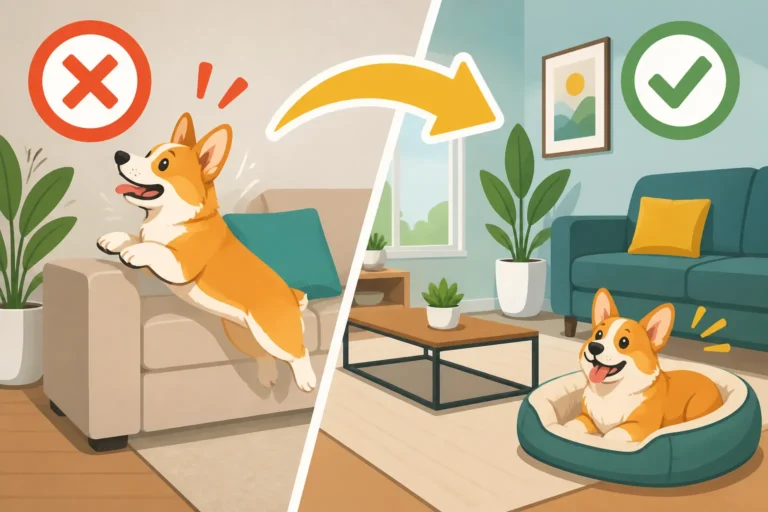
Ah, the sofa. The command center for Corgis who love to be right in the middle of family life. Whether it’s for a nap, a cuddle, or just keeping an eye on you, the sofa is a prime jumping spot. Many Corgis will launch themselves off a sofa with surprising agility, but this uncontrolled descent puts immense strain on their backs. This is precisely why Whether a Corgi Should Ever Jump Off a Sofa is such a common worry among owners.
A sturdy, non-slip ramp leading up to your favorite lounging spot is essential. Place it right against the sofa so there's no gap for little paws to miss. The ideal ramp will be wide enough to give them confidence and have a gentle incline. You might even need a ramp for an armchair if your Corgi is particularly fond of it. The goal is to make using the ramp the easiest and most appealing option, so they don't even consider jumping anymore. Remember, consistency is key; if they can jump off one couch, they'll assume they can jump off them all.
Beds: Your Corgi's Sleep Sanctuary
Many Corgi owners cherish having their furry companions sleep in bed with them. It’s comforting, warm, and builds a strong bond. But getting on and off a human bed, which is often much higher than a sofa, poses an even greater risk. The morning "goodbye" jump can be particularly dangerous when they're still groggy.
Bedside ramps should be a priority. Look for ones that are stable and can handle the full weight of your Corgi without wobbling. Some ramps come with a landing platform at the top, which can be great for helping your Corgi pause and orient themselves before stepping onto the bed. For very high beds, a longer ramp will create a more gradual, safer incline. Making the bed accessible via a ramp ensures your Corgi can enjoy those precious nightly snuggles without you having to constantly lift them, and it removes the risk of a dangerous fall during the night or morning rush.
Cars: Adventures and Vet Visits
From exciting trips to the dog park to essential vet visits, cars are a regular part of most Corgis' lives. The lip of a car trunk or the threshold of a back seat can be a surprisingly high hurdle for a short-legged dog. Repeatedly jumping in and out of a vehicle, especially an SUV or truck, can lead to the same spinal stresses as jumping off furniture. Car Ramps and Restraints for a Corgi are not just convenient; they're vital for long-term health.
Portable car ramps are an absolute game-changer. They fold up for easy storage and can be deployed quickly whenever your Corgi needs to get into or out of the car. Look for lightweight, durable options with good traction, especially important if it's wet outside. Teaching your Corgi to use the car ramp from an early age will make travel much less stressful for both of you. It's a small adjustment that provides enormous benefits in preventing acute injuries during daily outings. Many pet supply retailers, including Chewy, offer a variety of car ramps designed with stability and portability in mind.
Stairs: An Often Overlooked Hazard
While ramps are fantastic for specific access points, let's not forget stairs. Many homes have them, and while some Corgis seem to navigate them with ease, stairs present their own set of risks. The repeated impact of going up and down, especially on hardwood or tiled stairs, can contribute to cumulative stress on their joints and spine. Moreover, a misstep or a sudden rush can lead to a dangerous tumble. We often ponder Whether Stairs Are Safe for a Corgi, and the answer usually leans towards caution.
Ideally, if you have a Corgi, you would limit their access to stairs. This might mean using baby gates to block off stairways. If stair use is unavoidable, training your Corgi to go slowly and calmly, one step at a time, is paramount. For older Corgis, or those with known back issues, small, gradual steps or a long ramp might be necessary to navigate a short flight of stairs indoors. It’s about minimizing repetitive strain and reducing the risk of accidental falls that could severely injure their backs.
Choosing the Right Ramp for Each Location
Not all ramps are created equal, and what works perfectly for your sofa might not be suitable for your car or bedroom. Understanding the different types, materials, and features available is crucial for making the best choices for your Corgi and your home. Each location presents unique challenges and requirements.
Indoor Ramps: Aesthetics and Stability
For inside your home, you're looking for ramps that are not only functional but also blend somewhat seamlessly with your decor. Materials often include wood, plastic, or carpeted surfaces. Wood ramps can be quite stylish, but ensure the walking surface has a non-slip texture or carpeting. Plastic ramps are often lighter and easier to move but might not offer the same aesthetic appeal. Carpeting provides excellent grip and can be softer on paws.
When choosing an indoor ramp, prioritize stability. It needs to be heavy enough not to slide when your Corgi uses it, or have non-slip feet. The width should be generous – a wider ramp makes your Corgi feel more secure. Incline is also vital; a gradual slope is always better than a steep one. Many ramps available on Amazon offer various designs and materials, making it easier to find one that fits both your Corgi's needs and your home's style. You'll also want to consider if you want a ramp that folds away for storage or one that stays out permanently.
Outdoor and Car Ramps: Durability and Portability
Outdoor and car ramps face different demands. They need to be durable, resistant to weather, and often portable. Aluminum or heavy-duty plastic are common materials. Aluminum ramps are typically lighter and very strong, while plastic ones can be more affordable. The walking surface absolutely must provide superior grip, as outdoor conditions can be wet, muddy, or icy.
For car ramps, portability is key. Look for models that fold or telescope down to a manageable size and weight so you can easily carry them to and from your vehicle. Features like safety latches, carrying handles, and rubber grips on the bottom to prevent slippage are highly beneficial. When using a car ramp, always position it securely to prevent any wobbling or shifting that could startle your Corgi or cause them to fall. A good quality, durable car ramp can be found through retailers specializing in pet mobility solutions, including online options.
Step-Style Ramps and Stairs for Specific Needs
Sometimes, a traditional ramp isn't the perfect fit, or a surface isn't quite high enough to warrant a full-length ramp. This is where step-style ramps or small dog stairs come into play. These are essentially miniature staircases designed with shallower risers and deeper treads, making them easier for Corgis to navigate than human stairs. They can be excellent for lower sofas or specific beds where a long ramp would take up too much space.
While "steps" might sound counter-intuitive when we're trying to avoid jumping, these are purpose-built for dogs, focusing on low impact and stability. They often have carpeted surfaces for grip. However, it's crucial to evaluate if your Corgi truly benefits from them or if a ramp is still the safer bet, especially for those with existing back concerns. For Corgis prone to The Corgi Years When the Back End Gives Out, steps might still present too much impact. Always monitor your Corgi's comfort and ease of use, ensuring they aren't still trying to jump over steps or skip treads.
| Ramp Type | Best For | Key Features | Considerations |
|---|---|---|---|
| Traditional Ramp (Indoor) | Sofas, Beds, Low Furniture | Gentle incline, non-slip surface, wood/carpet/plastic | Aesthetics, stability (won't slide), permanent placement vs. foldaway |
| Portable Car Ramp | Vehicles (SUV, car, truck) | Folding/telescoping, lightweight, high grip, durable | Weather resistance, secure attachment to vehicle, storage |
| Step-Style Ramp (Dog Stairs) | Lower Sofas, Beds | Shallow risers, deep treads, carpeted, sturdy | Not ideal for severe back issues, some Corgis may still jump over steps |
| Heavy-Duty Outdoor Ramp | Decks, Porches, External access | Weatherproof materials, excellent grip, wide | Can be bulky, may require permanent installation |
Training Your Corgi to Embrace Their Ramps
It's one thing to buy a ramp; it's another to get your Corgi to actually use it. Corgis are smart, but they can also be a little stubborn or apprehensive about new things. Patience, positive reinforcement, and consistency are your best friends here. Don't expect them to instinctively understand what the ramp is for on day one. Remember, you're retraining a lifetime of jumping habits. Many resources on Ramp Training a Corgi to the Sofa or car are available, emphasizing these core principles.
Positive Reinforcement and High-Value Treats
The key to successful ramp training is making it a fun, rewarding experience. Start by placing the ramp in an area they already frequent, like next to the sofa. Let them sniff and explore it without pressure. Then, use high-value treats – something they absolutely adore, like small pieces of cooked chicken or cheese. Lure them onto the first step or the bottom of the ramp, giving them a treat and praise as soon as their paw touches it.
Gradually, lure them further up the ramp, always rewarding their progress. Don't rush it. If they seem hesitant, go back a step. Make a game out of it! Scatter treats on the ramp so they have to walk along it to find them. Keep training sessions short and positive, ending on a success. It might take several days or even weeks, but consistency will pay off. Your Corgi will soon associate the ramp with delicious rewards and positive attention.
Making the Ramp the Only Option
Once your Corgi starts getting comfortable with the ramp, the next crucial step is to make it the only way for them to access their favorite elevated spots. If they can still jump onto the sofa, they probably will. This means actively blocking other access points or lifting them onto the furniture (and then immediately using the ramp to get them down). This is where the concept of Picking a Corgi Up Without Hurting It becomes important for those moments when they need assistance.
For instance, if your Corgi usually jumps onto the sofa from the side, you might place a cushion or a sturdy box there to block that path, guiding them gently to the ramp. When you're not there to supervise, consider restricting access to the area completely. The goal is to establish the ramp as the natural, normal, and only route. With enough repetition and reinforcement, your Corgi will eventually choose the ramp automatically, understanding it's the gateway to comfort and closeness.
Maintaining Your Ramps and Home Environment
Installing ramps is a fantastic start, but maintaining them and ensuring the rest of your home is Corgi-safe is equally important. A wobbly ramp or a slippery floor can negate all your efforts, putting your Corgi at risk of injury. A holistic approach to home safety will provide the best long-term protection for their back.
Keeping Ramps Clean and Secure
Ramps, especially outdoor ones, can get dirty. Mud, leaves, or even dog hair can accumulate on the surface, reducing traction. Regularly inspect your ramps for any signs of wear and tear, such as loose screws, cracks in plastic, or worn-out carpet. Clean them according to the material – a damp cloth for plastic or wood, or a vacuum for carpeted surfaces. For outdoor ramps, a hose-down might be necessary, ensuring they are completely dry before use to prevent slips.
Beyond cleanliness, ensure all ramps are securely positioned. For indoor ramps, check that the non-slip feet are intact and that the ramp isn't sliding on your floor. For car ramps, always double-check that it's firmly resting on the vehicle and on solid ground. Any instability can scare your Corgi and make them reluctant to use it, or worse, cause a fall. A well-maintained ramp is a safe ramp, and consistent vigilance is key to its effectiveness.
Non-Slip Flooring and Safe Movement
Ramps solve the problem of elevated surfaces, but what about the ground they walk on? Slippery floors like hardwood, laminate, or tile can be incredibly dangerous for Corgis, especially as they age or if they have early signs of spinal issues. Their short legs and long bodies mean they can easily splay out, twisting their spine or straining their hips. Flooring Changes a Corgi Owner Makes can drastically reduce these risks.
Consider runners, area rugs, or anti-slip mats in high-traffic areas where your Corgi walks, plays, and eats. These provide much-needed traction and cushioning. Ensure the rugs are non-slip themselves, with rubber backing, to prevent them from bunching up. Trimming your Corgi's nails regularly also improves their grip. Long nails can act like skates on hard surfaces, making them more prone to slipping and potentially increasing stress on their joints and spine. This seemingly small detail is an important part of overall mobility support.
Beyond Ramps: Comprehensive Corgi Mobility Support
While ramps are heroes in preventing spinal injuries, they are just one piece of the puzzle when it comes to ensuring your Corgi's overall mobility and comfort. A truly supportive environment considers their entire body and all aspects of their daily life, especially as they age or if they face health challenges.
Orthopedic Beds and Joint Support
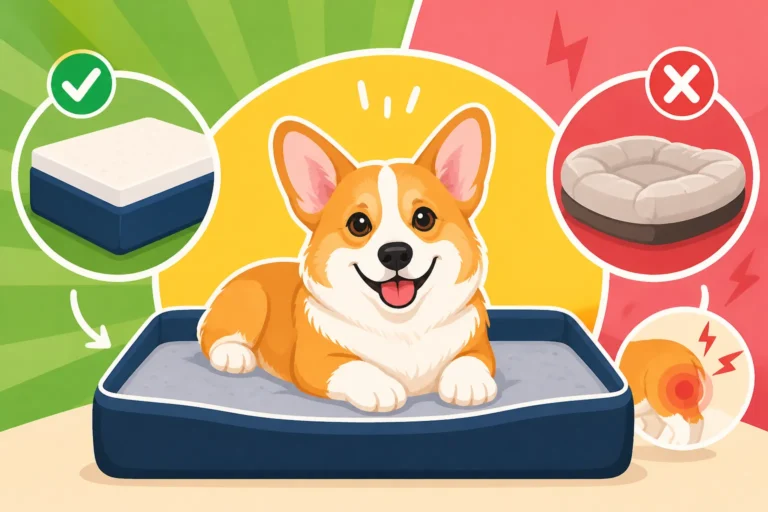
After a long day of Corgi-ing (which often involves a surprising amount of running and wiggling!), a supportive bed is paramount. Standard dog beds can sag and offer little to no spinal support. An orthopedic dog bed, particularly one made with memory foam, contours to your Corgi's body, evenly distributing their weight and relieving pressure on their joints and spine. This is especially crucial for older Corgis or those with existing back problems. Many articles, such as Orthopedic Beds for a Corgi, dive deeper into this important topic.
Investing in a high-quality orthopedic bed is an investment in their comfort and long-term health. Place it in a quiet, draft-free area where they can relax undisturbed. Consider having multiple orthopedic beds in different areas of the house if your Corgi likes to snooze in various spots. A good bed complements the use of ramps by ensuring that even when they're resting, their spine is receiving the best possible support, helping to mitigate the chronic stresses of their long-backed build.
Lifting Techniques and Harnesses
There will inevitably be times when you need to lift your Corgi, whether it's for a bath, a quick trip up a single step they can't manage, or to help them during recovery. It's crucial to use proper lifting techniques to protect both your Corgi's back and your own. Never lift a Corgi by their front legs or under their armpits, as this can put severe strain on their spine. Always support their chest and hindquarters, keeping their back straight and level. This careful approach is outlined in Picking a Corgi Up Without Hurting It.
For Corgis that need frequent assistance, a supportive harness can be incredibly helpful. There are many types available, from full-body harnesses that distribute weight evenly to rear-support slings for those with hindquarter weakness. These tools allow you to provide gentle support without putting direct pressure on their spine. When choosing a harness, ensure it fits well, doesn't chafe, and doesn't restrict their natural movement. For extended periods of assisted mobility, or if your Corgi has a confirmed spinal issue, consult your vet or a canine physiotherapist for recommendations on the best type of harness or sling for their specific needs.
Weight Management: The Unsung Hero of Back Health
This might not seem directly related to ramps, but it's perhaps one of the most critical factors in Corgi spinal health: weight. Every extra pound your Corgi carries puts additional strain on their already vulnerable spine and joints. It’s like carrying a heavy backpack all day, every day. Overweight Corgis are at a significantly higher risk for IVDD and other mobility issues. We often discuss Why Corgi Weight Is a Spinal Problem and it cannot be overstated.
Maintaining a lean, healthy weight is foundational to protecting their back. This involves careful portion control, feeding a high-quality, balanced diet, and ensuring they get appropriate exercise. Work with your veterinarian to determine your Corgi's ideal weight and a suitable feeding plan. Services like Ollie, which offer fresh, customized meal plans, can be a great way to manage portions and ensure your Corgi is getting nutritious food without excess calories. Regular weighing and body condition scoring can help you stay on track. A Corgi at a healthy weight will move more freely, experience less strain on their spine, and likely have a better overall quality of life, making all the ramp and home modifications even more effective.
Rehabilitation and Veterinary Care
Even with the best preventative measures, some Corgis will still experience back issues. If your Corgi shows any signs of pain, weakness, or changes in gait (like A Corgi That Scuffs Its Back Nails or A Corgi Dragging One Back Foot), it's crucial to seek veterinary attention immediately. Early diagnosis and intervention can make a significant difference in outcomes.
For Corgis recovering from a disc injury or surgery, or those managing chronic conditions like Degenerative Myelopathy, rehabilitation therapies can be invaluable. Hydrotherapy (swimming in a controlled environment), physiotherapy, acupuncture, and laser therapy can help reduce pain, strengthen muscles, and improve mobility. Your vet might recommend specific periods of crate rest, such as the regimen described in Six Weeks of Crate Rest With a Corgi, followed by a structured rehabilitation plan. These specialized treatments, often combined with ongoing home modifications like ramps and supportive bedding, provide a comprehensive approach to managing and improving your Corgi's mobility and comfort throughout their life.
Disclaimer
This article is for general informational purposes only and does not constitute professional advice. Laws, prices and regulations vary by location and change over time. Consult a qualified professional for guidance on your specific situation.