Kitchen Foods That Poison a Corgi
It’s a scenario every Corgi parent dreads: you turn your back for just a moment, and suddenly, your clever, low-riding friend has snatched a forbidden snack right off the counter or floor. Our Corgis are notorious for their love of food, which, combined with their short stature making them adept at navigating floor-level temptations, can sadly lead them into eating things that are seriously dangerous. This guide will walk you through common kitchen foods that are surprisingly toxic to Corgis, explain why these items pose such a threat, and arm you with the knowledge to keep your beloved furry companion safe.
The Sneaky Dangers Lurking in Your Pantry
Our kitchens are full of delicious aromas and tantalizing tastes, but for a Corgi, many of these seemingly harmless human foods can be downright poisonous. It's not always the obvious things like rat poison (which, of course, is a huge no-no), but everyday staples we might not even think about.
Common "People Foods" That Are Toxic to Corgis
Let's break down some of the most dangerous culprits you might have in your home right now. Knowing these can help you better secure your space and understand what to look for if your Corgi gets into something they shouldn't.
Chocolate and Caffeine: The Bitter Truth
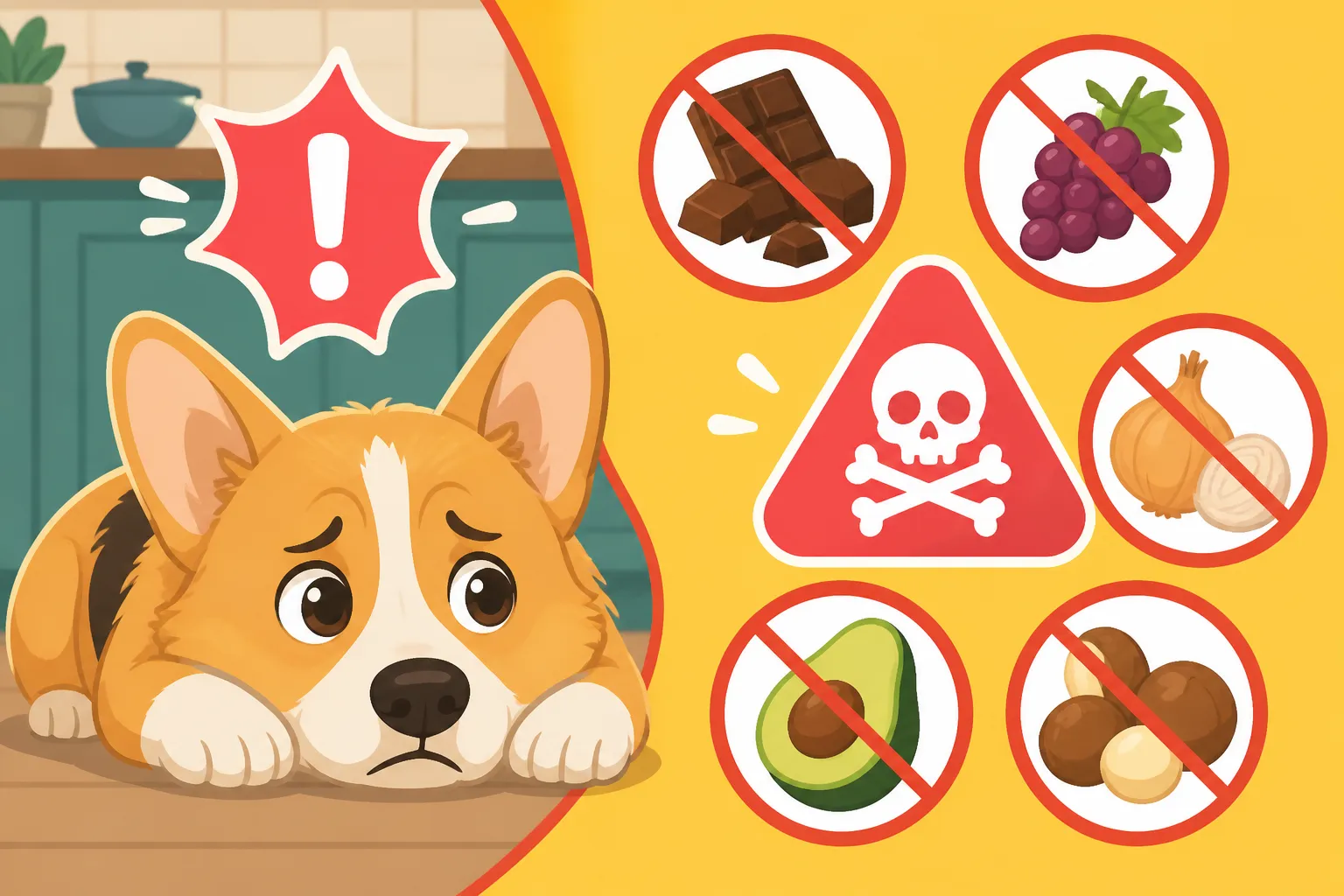
Ah, chocolate. It's a treat for us, but for Corgis, it's a genuine emergency. The toxic compounds in chocolate are theobromine and caffeine, both of which Corgis metabolize much more slowly than humans. This means these substances build up to toxic levels in their system. Dark chocolate, baking chocolate, and cocoa powder are the most dangerous because they contain the highest concentrations. Even a small amount of dark chocolate can cause serious issues, especially for a smaller dog. Symptoms can range from vomiting and diarrhea to hyperactivity, tremors, seizures, and even death in severe cases. Remember, it's not just solid chocolate; anything with cocoa, like chocolate cake or even some flavored coffee drinks, can be risky.
Grapes and Raisins: A Mysterious Threat
This one often catches people by surprise because grapes and raisins seem so natural and healthy. However, even a small quantity of grapes or raisins can cause acute kidney failure in Corgis and other dogs. The exact toxic substance isn't fully understood, which makes them even more insidious. Some dogs might eat them with no apparent ill effects, while others can suffer severe kidney damage from just a single grape. There's no way to predict which Corgi will be affected or how severely. Symptoms usually appear within hours and include vomiting, lethargy, diarrhea, abdominal pain, and decreased urination. If you suspect your Corgi has eaten even one grape or raisin, treat it as an urgent situation.
Xylitol (Birch Sugar): The Sweetener with a Sting
Xylitol is a sugar substitute found in many "sugar-free" products, including gum, mints, candies, chewable vitamins, toothpaste, and even some peanut butters. It's incredibly toxic to Corgis. When ingested, it causes a rapid release of insulin, leading to a sudden and severe drop in blood sugar (hypoglycemia). This can happen within minutes. Higher doses can also lead to acute liver failure. Symptoms include vomiting, lethargy, coordination problems, collapse, and seizures. Always check the ingredient list of any human food product before sharing it with your Corgi, especially peanut butter – many brands now use xylitol as a sweetener, and it’s an easy way for an unsuspecting owner to accidentally poison their dog. This is why sticking to Corgi-specific treats from reputable sources like Chewy is often the safest bet.
Onions, Garlic, and Chives: The Allium Attack
These aromatic kitchen staples, all members of the allium family, are toxic to Corgis whether they are raw, cooked, dried, or powdered. They contain compounds that can damage a Corgi's red blood cells, leading to hemolytic anemia. While it often takes a larger amount to cause severe poisoning, repeated smaller exposures can also lead to issues over time. Garlic is generally considered more potent than onions. Symptoms can be delayed and include lethargy, weakness, pale gums, vomiting, diarrhea, and a reduced appetite. So that delicious spaghetti sauce or leftover casserole? Keep it far away from your Corgi's curious nose.
Avocado: More Than Just a Healthy Fat
While not as universally toxic to dogs as some other items on this list, avocados contain a substance called persin. For dogs, persin toxicity is generally mild compared to other animals like birds or horses. However, it can still cause gastrointestinal upset, like vomiting and diarrhea, in some Corgis. The biggest risk with avocados, particularly the pit, is the choking hazard or the potential for intestinal obstruction if swallowed whole. A Corgi's short digestive tract can easily get blocked by something as large as an avocado pit. So, while a tiny taste of the flesh might not be catastrophic for every Corgi, it's generally best to avoid it to prevent any distress or more serious issues.
Less Obvious Offenders and Hidden Hazards
Beyond the well-known toxins, there are other foods and common household items that can pose a significant threat to your Corgi, often because they aren't immediately recognized as dangerous.
Macadamia Nuts: More Than a Stomach Ache
Macadamia nuts are a bit of a mystery, but they are definitively toxic to Corgis. Ingestion can cause weakness, tremors, vomiting, fever, and depression. The good news is that these effects are usually temporary and rarely fatal, but they can be very distressing for your Corgi and require veterinary attention. These nuts are often found in cookies and other baked goods, so be vigilant about keeping these items out of reach. Just a few macadamia nuts can cause symptoms in a Corgi, so don't underestimate the danger.
Alcohol: Not Just for Parties
This might seem obvious, but any product containing alcohol can be extremely dangerous for Corgis. Their smaller size and different metabolism mean even a small amount can cause significant intoxication, leading to vomiting, diarrhea, coordination problems, central nervous system depression, tremors, difficulty breathing, coma, and even death. This includes alcoholic beverages, but also things like raw bread dough (which ferments and produces alcohol), certain rotten fruits, and even some cough syrups. Always be mindful of open alcoholic drinks during social gatherings.
Yeast Dough: Rising Dangers
Raw yeast dough, like what you'd use to make bread or pizza, is a double whammy for Corgis. First, the warm, moist environment of a Corgi's stomach is perfect for the yeast to continue rising, causing painful bloating and potentially a life-threatening gastric dilatation-volvulus (GDV), or bloat. This is particularly concerning for a deep-chested breed like a Corgi, even if their chest isn't as deep as some. Second, as the yeast ferments, it produces alcohol, leading to alcohol poisoning. Symptoms include severe abdominal discomfort, vomiting, disorientation, and weakness. If your Corgi snags some raw dough, it's an immediate emergency.
Fruit Pits and Seeds: Cyanide and Choking
While the flesh of some fruits like apples (without seeds) or bananas can be perfectly safe for Corgis, many fruit pits and seeds contain cyanide, which is toxic. This includes apple seeds, cherry pits, peach pits, and apricot pits. While the amount of cyanide is usually small, it's best to avoid them entirely. More immediately, the hard pits of fruits like peaches and plums can pose a significant choking hazard or cause an intestinal obstruction if swallowed. A Corgi's enthusiasm for food means they might swallow things whole without thinking, and a pit can easily get stuck in their digestive tract. For this reason, always remove pits and seeds before offering fruit pieces.
Corn on the Cob: More Than a Summer Treat
Cooked corn on the cob might seem innocuous, but it's a very common cause of intestinal obstruction in Corgis. Dogs love to chew on the cob, but they often break off large, indigestible pieces that can then get lodged in their intestines. Given a Corgi's long back and propensity for Disc Disease in a Long-Backed Corgi, surgical intervention for an obstruction can be an added stressor on their system. While corn kernels themselves are generally fine (in moderation), the cob is a definite no-go.
Why Corgis Are Especially Vulnerable
It's not just what they eat, but who they are that makes Corgis particularly susceptible to food poisoning. Their unique physical characteristics and personality traits can unfortunately increase their risk.
Their Small Size and Metabolism
Corgis, while sturdy, are relatively small dogs. This means that toxic doses of harmful substances are much lower for them compared to a larger breed. What might cause mild upset in a Golden Retriever could be life-threatening for a Corgi. Their metabolic rate also plays a role in how quickly or slowly toxins are processed and eliminated from their bodies. For example, the slower metabolism of theobromine in Corgis is what makes chocolate so dangerous. The smaller the dog, the less of a toxic substance it takes to cause severe illness. This is why it's crucial to be extra vigilant and ensure even tiny amounts of dangerous foods are out of their reach.
The "Always Hungry" Corgi Mentality
If you own a Corgi, you know this truth: they live to eat. Corgis are famously food-motivated, a trait that likely stems from their herding lineage, where they needed to be hardy and opportunistic. This insatiable appetite means they are often very skilled at counter-surfing, floor-scavenging, and generally seeking out any edible morsel. They'll often try to eat something first and ask questions later, which puts them at higher risk of ingesting toxic items before you even realize what's happening. This relentless pursuit of food means you, as the owner, must be extra diligent about food security in your home. It's not enough to think it's out of reach; it needs to be impossibly out of reach.
Disc Disease and the Stress of Vomiting/Diarrhea
This is a critical point for Corgi owners. Our wonderful, long-backed friends are predisposed to Intervertebral Disc Disease (IVDD). While not directly caused by food poisoning, severe vomiting and diarrhea, which are common symptoms of food toxicity, can put immense strain on a Corgi's spine. The repeated arching, straining, and spasming involved in intense gastrointestinal upset can potentially exacerbate an existing disc issue or even trigger a new one. Telling a Corgi's Slipped Disc From Myelopathy can be tricky, but any sudden onset of neurological symptoms after a bout of illness should be taken seriously. The stress of severe illness, pain, and potential emergency vet visits also adds significant physical and emotional burden on a dog already managing or prone to spinal issues. Keeping them healthy means protecting their whole body, including their delicate back.
What to Do If Your Corgi Eats Something Dangerous
Despite our best efforts, accidents happen. Knowing what to do in that stressful moment can make all the difference in your Corgi's outcome. Panic is a natural reaction, but quick, informed action is far more helpful.
Immediate Steps and When to Call the Vet
The very first thing you should do if you suspect your Corgi has ingested something toxic is to call your veterinarian or an emergency veterinary hospital immediately. Do not wait for symptoms to appear, especially with highly dangerous items like grapes/raisins or xylitol. Time is of the essence.
When you call, be prepared to provide:
- What your Corgi ate (as specific as possible, e.g., "three squares of dark chocolate baking bar," or "a pack of sugar-free gum, 10 pieces").
- How much they ate (best guess, even if it's "the whole thing").
- When they ate it (the more precise the time, the better).
- Your Corgi's weight and general health status.
Your vet will advise you whether to induce vomiting, bring your Corgi in for immediate examination, or monitor them closely. Never try to induce vomiting at home without direct instruction from a vet, as it can be dangerous for certain toxins or if done incorrectly. For example, if your Corgi ingested something caustic, vomiting could cause more harm. Likewise, if your Corgi is already lethargic or showing neurological signs, inducing vomiting could lead to aspiration. Understanding How Fast a Corgi Disc Injury Needs Treating gives you an idea of the urgency often required for medical issues.
Preparing for a Veterinary Emergency
If your vet advises you to bring your Corgi in, gather any packaging of the ingested item. This helps the vet identify the exact ingredients and potential toxins. Bring a small towel or blanket your Corgi is comfortable with, especially if they are already feeling unwell. Being calm yourself, despite the anxiety, can help keep your Corgi calmer during transit. Be honest with your vet about what happened; they are there to help, not to judge. This might also be a good time to check if your pet insurance covers emergency visits, especially if you're worried about Paying for a Corgi's Ruptured Disc or other high-cost care.
Prevention is Key: Securing Your Kitchen
The best treatment for food poisoning is preventing it from happening in the first place. This requires a proactive approach to kitchen safety.
Using Proper Storage
Make it a habit to store all human food in secure containers or cabinets that your Corgi cannot access. Childproof locks on lower cabinets can be a Corgi-proof solution. Keep countertops clear of food, even for a moment. Corgis are surprisingly agile, and their determined nature means they will find a way if a snack is within reach. Remember that what's eye-level for you might be prime sniffing and leaping territory for your Corgi.
Training for "Leave It"
A strong "leave it" command is invaluable. Start practicing this with safe, low-value items, then gradually increase the temptation. This command can literally be a lifesaver if your Corgi drops something dangerous or finds a rogue crumb on a walk. Consistent training helps your Corgi understand that some things are simply off-limits. You might find some excellent training resources on sites like Amazon that offer durable treat pouches and clickers to help with this. Training a Corgi That Makes Its Own Decisions is crucial, but giving them clear boundaries is part of that.
Safe Treat Alternatives
Instead of sharing your potentially dangerous human food, keep a supply of Corgi-safe treats on hand. Many brands make healthy, single-ingredient treats like freeze-dried liver or baked sweet potato chews. Plain, cooked meats (unseasoned and boneless), plain green beans, or small pieces of carrot can also be excellent, safe options. Consider subscribing to a fresh dog food delivery service like Ollie, which provides human-grade, balanced meals designed specifically for canine health, making it easy to know exactly what your Corgi is eating and avoid accidental ingestion of harmful ingredients.
Safe and Healthy Corgi Snacks from Your Kitchen
While many human foods are off-limits, there are plenty of wholesome, nutritious options you can safely share with your Corgi, often right from your own kitchen. This can be a great way to bond without putting their health at risk.
Veggies and Fruits Your Corgi Can Enjoy
Many fresh produce items make fantastic, low-calorie snacks for Corgis, helping you maintain The Body Condition Score a Corgi Should Hold without adding unnecessary weight.
- Carrots: Great for chewing and dental health.
- Green Beans: A favorite low-calorie crunchy snack.
- Broccoli (in moderation): Small, cooked florets are fine, but too much can cause gas.
- Cucumbers: Hydrating and low in calories.
- Apples (without seeds): A good source of fiber and vitamins, but remember to remove the core and seeds.
- Bananas (in moderation): High in sugar, so offer only small pieces as an occasional treat.
- Blueberries: A tiny, antioxidant-rich power snack.
- Watermelon (seedless): Refreshing and hydrating, but again, remove all seeds.
- Pumpkin: Plain, cooked pumpkin (not pumpkin pie filling!) is excellent for digestive health.
Always introduce new foods slowly and in small quantities to ensure your Corgi tolerates them well.
Healthy Protein Options
Lean proteins can be a great addition to your Corgi's diet, especially for training rewards or a special meal topper.
- Plain, Cooked Chicken or Turkey: Skinless, boneless, and unseasoned. A fantastic lean protein source.
- Lean Ground Beef: Cooked, drained of fat, and unseasoned.
- Plain Scrambled or Boiled Eggs: A great source of protein, cooked plain without butter or oil.
- Plain Greek Yogurt: A small dollop can be a probiotic boost, but ensure it has no xylitol or other artificial sweeteners.
- Cottage Cheese: Small amounts of low-fat, plain cottage cheese can be a treat.
These options can be a wonderful way to give your Corgi a special treat without any hidden dangers. Just be mindful of the quantity to avoid overfeeding.
The Importance of Measured Portions
Regardless of how healthy a treat is, portion control is absolutely vital for Corgis. Their short legs and long backs mean that Why Corgi Weight Is a Spinal Problem is a very real concern. Every extra pound puts stress on their delicate spine, increasing their risk for IVDD and other joint issues. Even healthy snacks have calories, and it's easy for these to add up, especially for a Corgi who always seems to want more.
Consider all treats, whether from a packet or your kitchen, as part of your Corgi's daily calorie intake. Aim to keep treats to no more than 10% of their total daily calories. Use a food scale to precisely measure their regular kibble, and then factor in any snacks. What a Corgi Should Weigh is a good guideline, and regular body condition scoring will help you know if you're on track. If you're struggling with weight management, consulting your vet about a precise calorie target for your Corgi is always a good idea. Healthy habits from a young age, starting with The Vet Visits a Corgi Puppy Needs First, are crucial.
By being aware of what's in your kitchen, understanding your Corgi's unique vulnerabilities, and making informed choices about treats, you can ensure your beloved companion stays happy, healthy, and safe from unexpected dangers.
Common Toxic Kitchen Foods for Corgis
| Food Item | Key Toxic Component(s) | Potential Symptoms | Immediate Action Needed |
|---|---|---|---|
| Chocolate | Theobromine, Caffeine | Vomiting, diarrhea, hyperactivity, tremors, seizures, heart problems, death | Urgent Vet Call |
| Grapes/Raisins | Unknown, causes acute kidney failure | Vomiting, lethargy, diarrhea, abdominal pain, decreased urination, kidney failure | Urgent Vet Call |
| Xylitol | Sugar alcohol | Rapid drop in blood sugar (hypoglycemia), liver failure | Emergency Vet Call |
| Onions/Garlic/Chives | Thiosulphates, other sulfoxides | Lethargy, weakness, pale gums, vomiting, diarrhea, red blood cell damage (anemia) | Vet Call |
| Avocado | Persin (less severe for dogs), Pit (choking) | Vomiting, diarrhea, intestinal obstruction (from pit) | Monitor for mild upset; Vet Call for pit ingestion |
| Macadamia Nuts | Unknown | Weakness, tremors, vomiting, fever, depression | Vet Call |
| Alcohol | Ethanol | Vomiting, diarrhea, disorientation, tremors, difficulty breathing, coma, death | Emergency Vet Call |
| Yeast Dough | Rising action, Alcohol production | Bloating, severe abdominal pain, vomiting, disorientation, alcohol poisoning | Emergency Vet Call |
| Fruit Pits/Seeds | Cyanide (in some), Choking hazard | Vomiting, lethargy, intestinal obstruction, cyanide poisoning | Vet Call for pits/seeds; monitor for cyanide |
| Corn on the Cob | Indigestible cob | Vomiting, abdominal pain, lethargy, intestinal obstruction | Vet Call for obstruction signs |
Disclaimer
This article is for general informational purposes only and does not constitute professional advice. Laws, prices and regulations vary by location and change over time. Consult a qualified professional for guidance on your specific situation.