Whether a Corgi Can Chew Bones
It’s a tale as old as time for Corgi parents: you want to give your beloved furry friend all the joys in life, and for many dogs, that includes the sheer bliss of gnawing on a good bone. But then the questions start swirling. Is it truly safe? Will it splinter? What about their teeth, or worse, their digestive system? It’s enough to make any conscientious Corgi owner pause and wonder if this classic canine pleasure is worth the risk. This comprehensive guide is here to walk you through everything you need to know about Corgis and bones, helping you make informed decisions for your low-riding companion's health and happiness.
Why Corgis Love to Chew and the Risks Involved
There's no denying it: Corgis are chewers. Whether they're little land sharks as puppies, trying to make sense of the world with their mouths, or adults with a natural instinct to gnaw, chewing is a fundamental part of being a dog. For our Corgi pals, with their strong herding drive and often independent natures, chewing can be a fantastic outlet for their energy, a way to relieve stress, or simply a deeply satisfying activity. But their enthusiasm can also lead to unintended consequences if the wrong type of bone or chew is chosen.
The Instinctive Need to Chew
Think about it from your Corgi’s perspective. Their ancestors, and even Corgis working on farms today, would spend a lot of time using their mouths – not just for barking orders at cattle but also for exploring, carrying, and yes, chewing. Chewing helps keep their jaws strong, cleans their teeth naturally (to a certain extent), and provides mental stimulation. When a Corgi has an instinctual need that isn't met, they might turn to your furniture, shoes, or anything else they can get their adorable little mouths on. Providing appropriate outlets is key to a well-adjusted and well-behaved Corgi.
Dental Health Benefits and Drawbacks
On one paw, chewing on appropriate bones can be beneficial for dental health. The abrasive action helps scrape away plaque and tartar buildup, which is crucial for preventing Corgi Dental Disease. Nobody wants to think about their Corgi needing a dental cleaning under anesthesia if it can be helped. However, on the other paw, the wrong kind of bone can lead to broken teeth, a painful and expensive problem. We're talking about fractured molars that can require extraction, costing you significant vet bills and your Corgi a lot of discomfort. It's a fine line to walk, making careful selection paramount.
Choking Hazards and Internal Injuries
This is where the real anxiety kicks in for most of us. A bone that's too small or breaks off into sharp pieces can become a severe choking hazard. Our Corgis are not the biggest dogs, but they have powerful jaws and can easily swallow pieces that are too large to pass safely. Beyond choking, sharp bone fragments can cause serious internal damage. Imagine sharp shards tearing through the esophagus, stomach, or intestines. This can lead to emergency vet visits, costly surgeries, and even be life-threatening. The thought alone is enough to deter many from offering traditional bones, and for good reason. It's not about being overly cautious; it's about being realistic about the potential dangers.
Types of Bones: Safe vs. Unsafe Options for Corgis
When we talk about giving a Corgi a bone, it's not a one-size-fits-all scenario. There's a vast difference between different types of bones, and understanding these distinctions is critical for your Corgi's safety.
Cooked Bones: A Big No-No
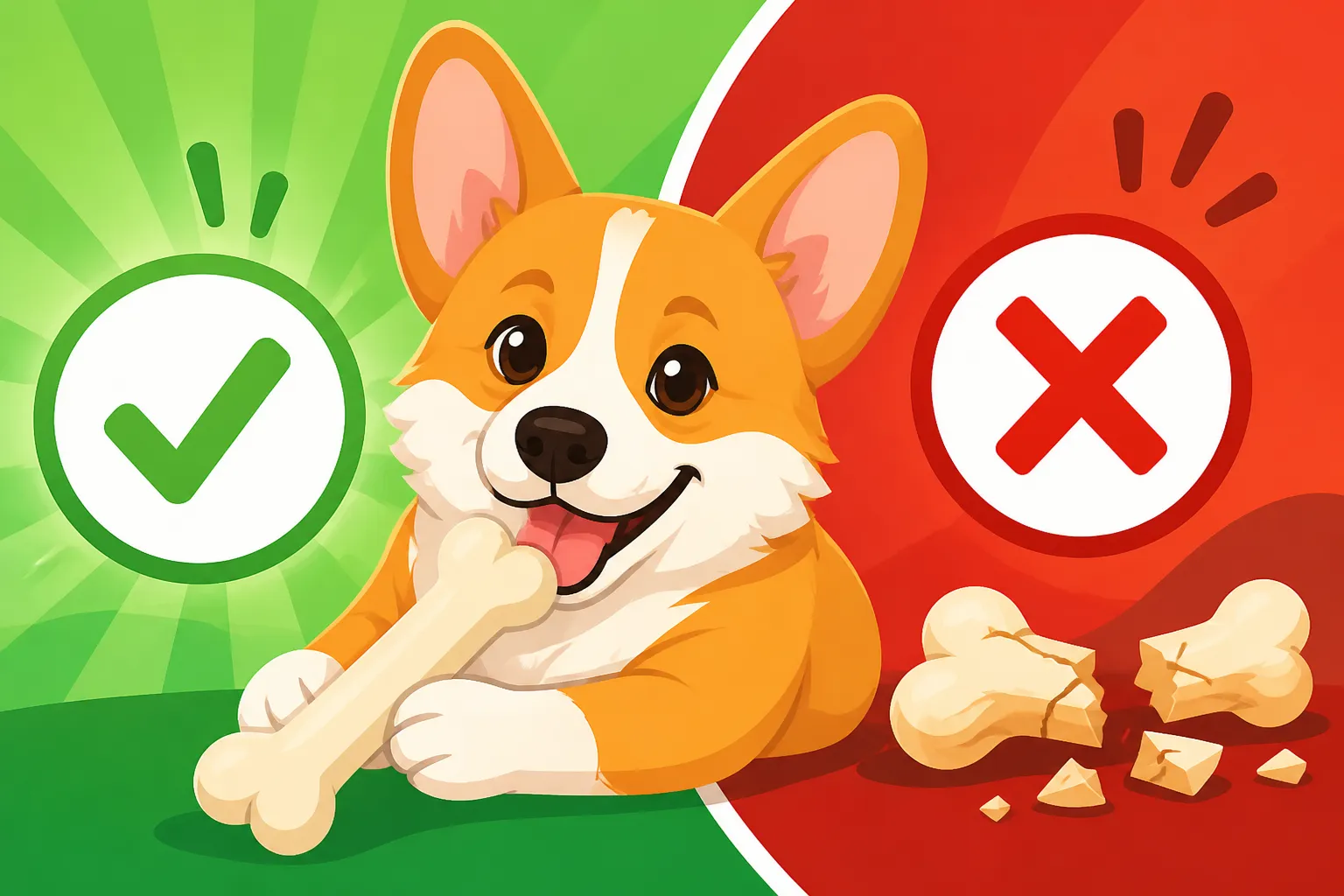
Let's get this out of the way first: never give your Corgi cooked bones. This is perhaps the most important rule when it comes to bones. Whether they're baked, boiled, fried, or smoked, cooked bones become brittle and are prone to splintering into sharp shards. These shards are what pose those grave risks of choking, lacerating the digestive tract, or causing blockages that require emergency surgery. Chicken bones, turkey bones, pork rib bones – it doesn't matter the animal, once cooked, they become highly dangerous. This includes bones found in table scraps, so be vigilant with your kitchen waste and teach family members not to share.
Raw Recreational Bones: Proceed with Caution
Raw bones are a different story, but they still come with caveats. These are typically large, uncooked bones like beef femurs or knuckle bones, often found in the freezer section of specialty pet stores. The idea behind these is that they are less likely to splinter than cooked bones and offer a good source of mental stimulation and dental cleaning.
- Weight-Bearing Bones: Think beef femurs. These are incredibly dense and are meant for grinding, not for your Corgi to consume entirely. The goal is for your Corgi to chew off small bits of meat, cartilage, and soft tissue, scraping their teeth in the process. However, even these can be too hard for some dogs and can still cause slab fractures of teeth, especially in enthusiastic chewers. If your Corgi is gnawing on a dense bone for a long time and you hear a distinct "crunch," it might be their tooth, not the bone.
- Non-Weight-Bearing Bones: Bones like raw chicken wings or necks (for larger dogs, beef ribs) are softer and more pliable. For a Corgi, a raw chicken neck or a small beef rib might seem like an option. The issue here is ensuring they are consumed quickly and completely, reducing the risk of splintering or blockage. However, they can still present a choking risk if your Corgi tries to swallow a piece that's too big, or if they chew aggressively enough to create sharp edges.
When considering raw bones, always supervise your Corgi closely. Never leave them alone with a bone, and take it away if it becomes small enough to swallow whole or if they manage to break off a large piece. Also, raw bones carry a risk of bacterial contamination (like Salmonella), so proper handling, hygiene, and immediate disposal of unfinished bones are essential. Always discuss raw feeding or raw bones with your veterinarian, especially if your Corgi has any underlying health conditions or a sensitive stomach.
| Bone/Chew Type | Description | Suitability for Corgis | Risks |
|---|---|---|---|
| Cooked Bones | Any bone that has been boiled, baked, roasted, fried, or smoked. | NEVER suitable. | Splintering into sharp shards, choking, internal lacerations, blockages. High risk of emergency vet care. |
| Raw Weight-Bearing Bones (e.g., beef femur, knuckle bones) | Large, dense, uncooked bones. | Use with extreme caution. Only for supervised, gentle chewers. Choose bones larger than your Corgi's muzzle to prevent swallowing. | Tooth fractures, particularly molars. Can still break into pieces if chewed aggressively. Bacterial contamination. |
| Raw Non-Weight-Bearing Bones (e.g., chicken neck/wing, beef rib) | Softer, smaller uncooked bones. | Generally not recommended for Corgis. While softer, they still pose choking hazards or internal blockage risks if swallowed in large pieces. | Choking, internal blockages, bacterial contamination. |
| Commercial Dental Chews | Edible chews designed to help clean teeth; vary in hardness and digestibility. | Often a good option if chosen correctly for size and chew strength. Look for VOHC (Veterinary Oral Health Council) seal. | Can be a choking hazard if too small or swallowed whole. Some are too hard and can fracture teeth. Check ingredients for digestibility. |
| Durable Chew Toys (e.g., Kong, Nylabone) | Non-edible toys made from rubber, nylon, or other tough materials. | Excellent alternative. Offers mental stimulation and chewing satisfaction without the risks of bones. | Can wear down teeth over time if consistently chewed with extreme force. Needs to be the right size and inspected regularly for damage. |
| Chews Made from Natural Materials (e.g., antlers, bully sticks) | Antlers (deer/elk sheds), Himalayan yak chews, bully sticks, dried trachea, etc. Vary widely in hardness and digestibility. | Varies greatly. Bully sticks and dried trachea are generally safer, digestible options but can still be consumed too quickly. Antlers can be extremely hard and risk tooth fractures. | Tooth fractures (especially antlers), choking if swallowed in large pieces, digestive upset if consumed too quickly or in large quantities. |
Navigating Commercial Chews and Dental Health Products
Given the inherent risks of traditional bones, many Corgi owners, myself included, turn to the vast world of commercial chews and dental products. These are often much safer alternatives, but even here, you need to be a discerning shopper.
Edible Dental Chews
The market is flooded with edible dental chews designed to help keep your Corgi's teeth clean. Brands like Greenies or dental sticks you might find on Chewy offer a texture that scrubs plaque while being digestible. When choosing these, always look for the Veterinary Oral Health Council (VOHC) seal of acceptance. This seal indicates that the product meets certain standards for plaque and tartar control.
However, even VOHC-approved chews aren't without their considerations. Size matters immensely; pick one that's appropriate for your Corgi's weight range. A chew too small can be swallowed too quickly, negating the dental benefits and potentially causing a choking hazard. A chew that’s too large might not be effective or could be too high in calories. Always monitor your Corgi while they're enjoying a dental chew to ensure they're chewing it thoroughly and not attempting to swallow large chunks. Remember, these are often calorie-dense, so factor them into your Corgi’s daily food intake to prevent them from becoming overweight, which can lead to problems like Why Corgi Weight Is a Spinal Problem.
Durable Chew Toys and Non-Edible Chews
Sometimes the best chew isn't edible at all. For Corgis who are aggressive chewers, a durable, non-edible chew toy can be a lifesaver. Think about brands like Kong, which makes incredibly tough rubber toys that can be stuffed with treats or peanut butter, or Nylabone, offering various shapes and hardness levels. These toys provide mental stimulation and satisfy that primal urge to chew without the risks of splinters or digestive upset.
The key with these is choosing the right size and type for your Corgi. A toy that's too small can be swallowed, and one that's too hard can still damage teeth. Nylon bones, for instance, should have some give; if you can't indent it with your thumbnail, it's likely too hard for your Corgi's teeth. Regularly inspect these toys for damage. Once they start breaking down or show significant wear, it's time to replace them to prevent your Corgi from ingesting small pieces. Ordering from a reputable online retailer like Amazon ensures a wide selection and easy access to reviews from other Corgi parents.
Natural, Non-Bone Chews
There are also a variety of natural chews that aren't traditional bones. These include:
- Bully Sticks: These are digestible and generally safer than bones. They're typically made from beef pizzle and can provide a good, long-lasting chew for a Corgi. Again, size is important, and supervision is always recommended to ensure they don't swallow the last small piece.
- Himalayan Yak Chews: Made from hardened cheese, these are very durable and soften as the dog chews them. They tend to be long-lasting and are generally digestible. Just make sure to take away the small end piece once it becomes a choking hazard.
- Antlers: Deer and elk antlers are a popular choice because they are very long-lasting and natural. However, they are incredibly hard and carry a significant risk of fracturing teeth, especially for power chewers. I tend to err on the side of caution with these for Corgis. If you do opt for one, choose a "split" antler, which exposes the marrow and is slightly less hard on the outer shell, reducing the fracture risk somewhat.
- Dried Trachea/Esophagus: These are typically softer, crunchy chews that are fully digestible. They can be a good option for a shorter chewing session and offer some natural glucosamine and chondroitin.
When purchasing any of these, especially online from places like Chewy, read reviews carefully, check the ingredients, and always ensure the product is sized appropriately for a Corgi. A good rule of thumb for any chew is that it should be slightly too large for your Corgi to fit entirely into their back molars without effort.
Best Practices for Corgi Chewing Safety
Okay, so you understand the risks and the vast array of options. Now, how do you safely incorporate chewing into your Corgi's life? It comes down to a few key best practices.
Supervision is Non-Negotiable
This cannot be stressed enough: never leave your Corgi unattended with any type of bone or chew. Not even for a second. Accidents happen fast. A bone could splinter suddenly, your Corgi could attempt to swallow a piece that's too large, or they could lodge it in their mouth. Active supervision means you're watching them, listening for any distress, and ready to intervene immediately. If you need to leave the room, the bone goes with you, or your Corgi comes with you (without the bone).
Size and Type Matter Immensely
We've touched on this, but it bears repeating. For any bone or chew, consider its size, hardness, and digestibility in relation to your Corgi.
- Size: The chew should be too large for your Corgi to swallow whole, and ideally, too large to fit entirely into the back of their mouth. As they chew it down, take it away when it becomes small enough to pose a choking risk.
- Hardness: Test it with your thumbnail. If you can't make a slight indentation, it's likely too hard and could damage your Corgi's teeth. Avoid anything harder than their teeth. Chews That Suit a Corgi's Bite are ones that provide satisfying resistance without being rock-hard.
- Digestibility: Opt for chews that are fully digestible if you're concerned about internal blockages. If it's a non-edible chew, ensure it's made from durable, pet-safe materials that won't easily break into sharp, ingestible pieces.
It's also a good idea to rotate different types of appropriate Toys That Occupy a Corgi and chews to keep your Corgi engaged and prevent them from becoming fixated on one item that might wear down their teeth in a specific way.
Introduce Chews Slowly and Observe
If your Corgi isn't used to a particular type of chew, introduce it slowly. Offer it for a short period, then take it away. Observe how they chew it. Are they a frantic gulper? A gentle gnawer? This will help you understand what types of chews are safest for their individual chewing style.
After they've had a new chew, keep an eye on their stools. Any signs of digestive upset, such as vomiting, diarrhea, or straining, could indicate that the chew didn't agree with them or that they ingested too much of it. Also, check their teeth regularly for any signs of damage – chipped or fractured teeth, excessive wear, or bleeding gums. This should be part of their overall dental care routine, alongside regular vet check-ups where the vet can check for Tartar and Tooth Loss in an Older Corgi or other issues.
Talk to Your Veterinarian
Before introducing any new type of bone or chew, especially raw bones, it's always a good idea to consult your veterinarian. They know your Corgi's individual health history, their dental condition, and can offer personalized advice. They can recommend specific types of chews or brands that they've found to be safe and effective for dogs like yours. Your vet is an invaluable resource, and their guidance can save you a lot of worry and potentially prevent serious health issues. This is especially true if you have a Corgi puppy; your vet can advise on The Vet Visits a Corgi Puppy Needs First and appropriate teething chews. They can also advise on What Keeping a Corgi's Teeth Clean Costs and what preventative measures are most cost-effective in the long run.
Ultimately, while the image of a dog happily gnawing on a bone is classic, the reality for our beloved Corgis requires careful thought and a commitment to safety. By understanding the risks, choosing appropriate alternatives, and always supervising, you can ensure your Corgi enjoys the satisfying experience of chewing without compromising their health.
Disclaimer
This article is for general informational purposes only and does not constitute professional advice. Laws, prices and regulations vary by location and change over time. Consult a qualified professional for guidance on your specific situation.