A Corgi That Stares at You Through Dinner
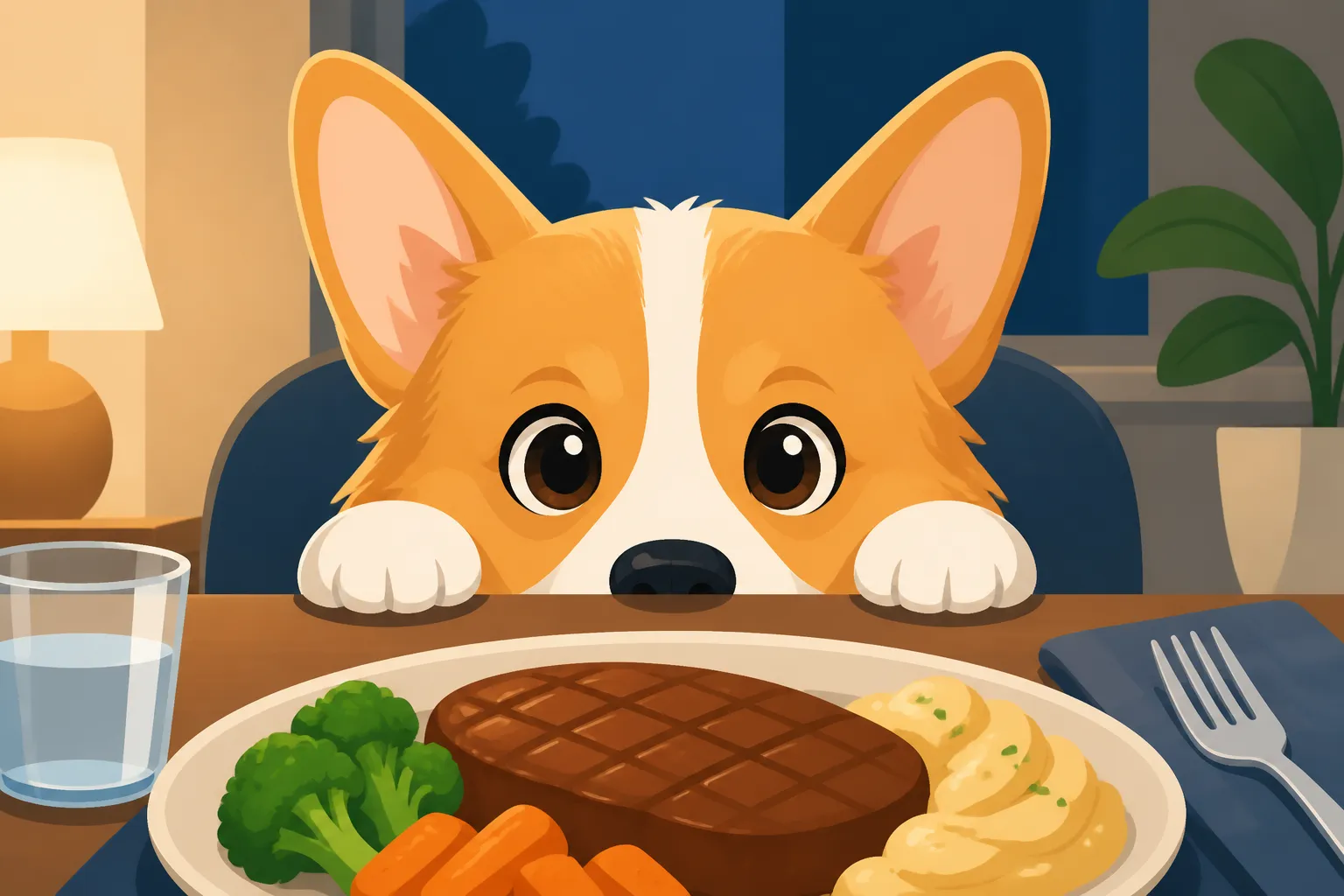
There's nothing quite like settling down for a relaxing meal, only to look up and find those big, expressive Corgi eyes fixed squarely on you, unwavering, as if willing your plate to levitate into their eager mouth. It's a common, often amusing, but sometimes incredibly frustrating experience for Corgi parents everywhere. This guide is here to unravel the mystery behind that intense dinner stare, explore why your Corgi turns into a furry statue at mealtime, and provide you with actionable strategies to reclaim your dining peace and help your Corgi learn to chill out during your dinner.
Understanding the Corgi Dinner Stare: More Than Just Hunger Pains
That unwavering gaze from your Corgi during dinner isn't just about them being peckish. Oh no, it's a complex blend of instinct, learned behavior, and sometimes, genuine underlying needs that we, as their devoted humans, need to decode. It can feel like a direct challenge to your willpower, especially when they add a little sigh or a gentle paw tap for good measure!
The Deep-Seated Instincts Behind the Gaze
Corgis, with their sharp minds and historical role as herding dogs, are inherently intelligent and often highly motivated by resources – especially food. They were bred to be active, alert, and, let's face it, a little bit bossy, even when it comes to getting their share. This isn't just a cute quirk; it's a reflection of their genetic blueprint.
Think about it: in a natural or semi-wild setting, securing food is paramount for survival. While our pampered house Corgis aren't out hunting for their supper, that primal drive to acquire resources is still very much alive. They see you, the provider, with a plate full of deliciousness, and their instinct kicks in. They're not being malicious; they're simply being Corgis. They're quick to observe patterns, and if staring has ever yielded a morsel in the past, even accidentally, they've filed that away as a successful strategy. Plus, with their low stature, they're often at eye level with tempting crumbs that might fall from your table, making them natural opportunists.
Learned Behavior and Human Reinforcement
Here's where we, as Corgi owners, often play an unwitting role in perpetuating the dinner stare. How many times have you finished a meal, and just as you're about to clear your plate, a tiny piece of something drops? And before you can even react, your Corgi has swooped in like a furry vacuum cleaner. Or perhaps, when they were a puppy, a tiny taste of something from your plate seemed harmless. That "just one bite" can be the beginning of a lifelong habit.
Corgis are incredibly smart and learn very quickly which behaviors get them what they want. If staring intently, whining softly, or even nudging your hand has ever resulted in a tiny morsel of human food, they've logged that as a win. They don't differentiate between "this one time" and "always"; they simply remember that this behavior led to a reward. Over time, this accidental reinforcement solidifies the staring into a persistent habit. It becomes less about immediate hunger and more about a deeply ingrained routine, a belief that persistence will eventually pay off. They're not just begging; they're working their system, and they're darn good at it!
Health Considerations Behind a Persistent Food Focus
While often behavioral, it’s always worth considering if there might be a health component to an insatiable food focus, especially if the staring seems new or has intensified. Are you genuinely feeding your Corgi enough of the right kind of food? An inadequate diet, or one that's not nutritionally dense enough, could leave them feeling genuinely hungry, regardless of their portion size. Sometimes, owners misjudge how much a A Corgi That Stares at You Through Dinner actually needs to feel full and satisfied.
Beyond simple hunger, a dog constantly seeking food could also be experiencing issues with nutrient absorption. If your Corgi is eating what seems like appropriate amounts but still appears ravenous or is losing weight, it's definitely time for a vet check-up. Conditions like malabsorption issues or even certain endocrine disorders can manifest as an increased appetite or intense food seeking. While less common, it’s an important consideration to rule out if the behavior is extreme or accompanied by other symptoms, such as your Corgi seeming unwell or if you notice A Corgi That Cannot Hold Its Dinner Down. A healthy Corgi, fed a balanced diet, should generally feel satisfied after their own meal, reducing the absolute necessity to beg for yours.
Strategies to Manage the Dinner Stare: Reclaiming Your Mealtime Peace
You've identified the problem, now it's time for solutions! The good news is that with consistency, patience, and a clear game plan, you absolutely can teach your Corgi to respect your mealtime and put an end to the dinner stare-down. It's about setting clear expectations and helping them understand what is acceptable behavior.
Establishing Clear Boundaries and Consistency
The absolute cornerstone of managing this behavior is establishing and maintaining rock-solid boundaries. This means no human food from the table, ever. Not a crumb, not a sliver, not "just this once." Every single time you give in, you reinforce the very behavior you're trying to extinguish. It takes incredible willpower, especially when those Corgi eyes are at their most soulful, but it's crucial. Get everyone in the household on board – children, partners, guests – so there are no rogue feeders undermining your efforts.
One effective strategy is to feed your Corgi before you sit down for your own meal. A Corgi with a full belly is less likely to feel deprived and might be more inclined to settle down. This also gives them the message that their mealtime is separate from yours. Another powerful tool is designating a specific area for your Corgi during your meals. This could be their crate, a dog bed in another room, or a "place" mat a comfortable distance from the dining area. The goal is to remove them from the immediate vicinity of the tempting food, breaking the association between your dinner and their potential for snacks. Consistency is key here; make it a routine, and they'll quickly learn what's expected.
Engaging Alternatives and Distractions
While you're working on the "no human food" rule, it's also helpful to give your Corgi something positive to do with their boundless energy and food drive during your meal. This is where engaging alternatives and distractions come into play. Instead of focusing on your plate, they can be happily occupied with their own dog-appropriate activity.
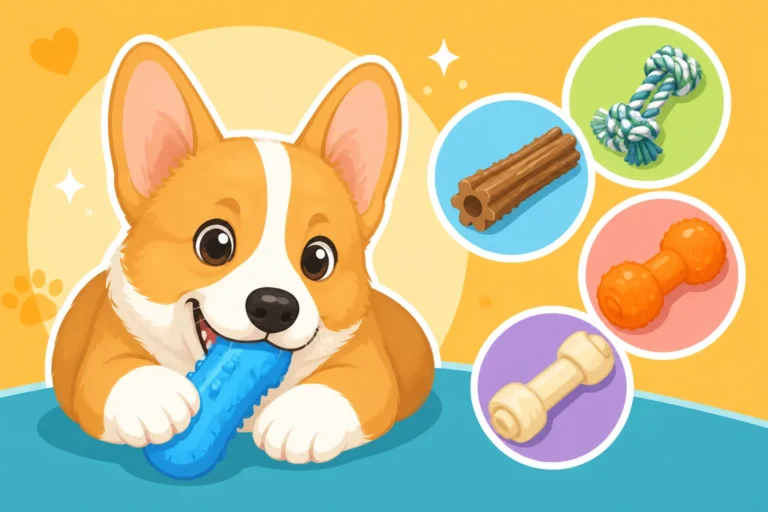
Consider investing in some good quality puzzle feeders or long-lasting chews. You can stuff a KONG toy with a smear of peanut butter or some wet food and freeze it, giving your Corgi a challenge that can last for a good portion of your dinner. Brands like Chewy offer a fantastic selection of these types of enrichment toys. Alternatively, a dental chew or a durable, safe chew bone can keep them busy and happy. You can find many options on Amazon that are designed for strong chewers like Corgis. These aren't just distractions; they are productive ways for your Corgi to use their mind and satisfy their chewing instincts. It gives them a job during your meal, and a tired Corgi is often a quiet Corgi. Don't forget that toys don't always have to be food-based; sometimes just having their favorite Toys That Occupy a Corgi nearby in their designated area can be enough of a comfort.
Training for Calmness and Self-Control
Beyond just managing the environment, active training can be incredibly beneficial. Teaching your Corgi specific commands that promote calmness and self-control during meal times will give them (and you!) a clear framework for appropriate behavior. Start with teaching a "place" command, where your Corgi learns to go to their bed or a mat and stay there until released. Practice this extensively outside of meal times, rewarding heavily for staying put. Gradually introduce distractions, including you eating, and slowly increase the duration they need to stay on their place.
Another useful command is "leave it." This teaches them to ignore tempting items on cue, which is invaluable not just for mealtime but for everyday safety. Reward them lavishly when they successfully ignore the food. The key here is to reward calm, quiet behavior while they are away from the table. If they are staring or whining, ignore it completely. Only when they disengage and settle should they receive praise or a special, dog-appropriate chew. This teaches them that calm behavior, not intense staring, is what gets them positive attention. This takes incredible patience and repetition, but the payoff of a peaceful dinner is absolutely worth it.
Dietary Adjustments and Corgi Well-being
Sometimes, the dinner stare can be exacerbated by dietary factors. Ensuring your Corgi is truly satisfied with their own meals is a fundamental part of managing begging behaviors. It's not just about quantity, but also quality and how it impacts their satiety.
Ensuring Your Corgi's Nutritional Needs Are Met
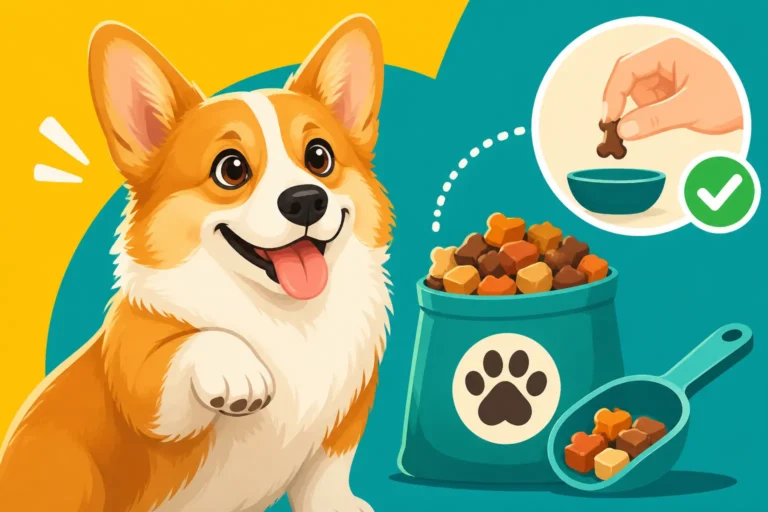
A common misconception is that all dog foods are created equal, or that simply filling the bowl will make your Corgi feel full. However, the quality and composition of your Corgi's diet play a huge role in how satisfied they feel. A diet rich in high-quality protein and appropriate fiber can help them feel fuller for longer. Corgis are prone to gaining weight, so finding the right balance is crucial. Many owners meticulously weigh out their Corgi's food, ensuring that they receive A Month of Measured Food for a Corgi rather than relying on imprecise scoops. This helps prevent overfeeding while also ensuring they get consistent nutrition.
Considering fresh, human-grade food options, like those offered by Ollie, can sometimes make a difference in satiety. These types of foods are often less processed and can be highly palatable, which might contribute to a greater feeling of satisfaction after eating. Always check the nutritional content and adjust portions according to your Corgi's activity level, age, and any specific health needs. If you're unsure about the best diet for your Corgi, a conversation with your veterinarian or a canine nutritionist is always a good idea. They can help you calculate appropriate calorie targets and recommend foods that will meet your Corgi's specific requirements, making them less inclined to seek out extra snacks from your plate.
The Dangers of Table Scraps and Overfeeding
It bears repeating: feeding table scraps, no matter how small or infrequent, is a slippery slope. Beyond reinforcing the begging behavior, regularly sharing your human food can have significant negative impacts on your Corgi's health. Corgis are already predisposed to weight gain due to their stocky build and hearty appetites. Even a few extra bites from your plate can quickly add up to excess calories, leading to obesity.
Obesity in Corgis is not just about aesthetics; it puts immense strain on their already delicate long backs, increasing the risk of serious conditions like intervertebral disc disease (IVDD). Why Corgi Weight Is a Spinal Problem is a critical concern. Furthermore, many human foods, even seemingly harmless ones, can be too rich, fatty, or contain ingredients that are toxic to dogs. High-fat foods, for example, can lead to pancreatitis, a painful and potentially life-threatening inflammation of the pancreas. Certain ingredients like onions, garlic, grapes, and xylitol are highly poisonous. Scraps That Undo a Corgi's Diet can range from simple weight gain to emergency vet visits. It’s far better to reserve all treats for dog-specific options and ensure they come from their daily calorie allowance. This way, you protect their health while also sending a clear message that human mealtime is not their opportunity for extra snacks.
When to Seek Professional Help or Further Investigation
For most Corgi owners, the dinner stare is a manageable behavioral quirk that responds well to consistent training and clear boundaries. However, there are times when the behavior might signal something more, or when you simply need an expert hand to guide you.
Persistent Begging and Behavioral Consultation
If you've tried all the strategies – strict "no human food" rules, consistent feeding times, engaging distractions, and calm place training – and your Corgi's staring, whining, or disruptive begging persists, it might be time to call in a professional. A certified professional dog trainer or a veterinary behaviorist can observe your Corgi's behavior in your home environment and offer tailored advice. They can help identify subtle triggers you might be missing or develop a more intensive training plan. Sometimes, the problem isn't just about food; it could be linked to underlying anxiety, boredom that isn't being adequately addressed by regular exercise or mental stimulation, or even a deep-seated habit that requires more specialized behavior modification techniques.
A behaviorist can also help you differentiate between normal Corgi "sass" and genuinely problematic behaviors. They can guide you on how to effectively use positive reinforcement to reshape your Corgi's mindset around your mealtimes, turning a stressful experience into a peaceful one for everyone involved. Don't feel like a failure if you need to bring in an expert; it shows you're committed to your Corgi's well-being and your household's harmony.
Medical Concerns and Veterinary Check-ups
As touched upon earlier, a sudden, intense, or otherwise uncharacteristic focus on food, especially if it appears out of the blue or escalates rapidly, should always prompt a call to your veterinarian. While Corgis are generally food-motivated, a dramatic shift in their behavior could be a sign of an underlying medical issue.
Beyond malabsorption, conditions like hyperthyroidism (though less common in dogs than cats), diabetes, or even certain medications can increase a dog's appetite or lead to excessive food-seeking. If the persistent staring is accompanied by other symptoms such as unexplained weight loss or gain, increased thirst or urination, changes in energy levels, vomiting, diarrhea, or any other signs of illness, it's crucial to get a professional diagnosis. Your vet can perform a thorough physical exam, run blood tests, and potentially recommend other diagnostics to rule out any medical causes. Even if the cause isn't immediately obvious, a routine check-up, such as The Annual Exam Where a Corgi's Back Gets Checked, is always a good idea to ensure your Corgi is in peak health, addressing any potential issues before they become serious. Ruling out medical concerns allows you to confidently focus on behavioral training, knowing your Corgi is healthy and happy.
| Strategy | Description | Key Benefits |
|---|---|---|
| No Table Scraps Rule | Absolutely zero human food from the table, ever. | Eliminates reinforcement, prevents health issues. |
| Pre-Meal Feeding | Feed your Corgi their meal before you sit down to eat. | Reduces immediate hunger and perceived deprivation. |
| Designated "Place" | Train your Corgi to go to a specific bed or mat away from the dining area. | Establishes boundaries, creates calm separation. |
| Puzzle Feeders/Chews | Provide a stuffed KONG or long-lasting chew during your meal. | Occupies them mentally, satisfies chewing needs. |
| "Leave It" Command | Teach your Corgi to ignore tempting food on cue. | Builds impulse control, useful in many situations. |
| Ignore Begging | Do not make eye contact, talk to, or push away a begging Corgi. | Extinguishes attention-seeking behavior. |
| Reward Calmness | Only offer praise or a treat when your Corgi is settled and quiet. | Reinforces desired behavior, teaches self-control. |
Disclaimer
This article is for general informational purposes only and does not constitute professional advice. Laws, prices and regulations vary by location and change over time. Consult a qualified professional for guidance on your specific situation.