Whether Fish Oil Thickens a Corgi Coat
It's a common wish for Corgi owners, isn't it? We look at those magnificent double coats and wonder how we can make them even more plush, even more resilient, or maybe just stop them from shedding quite so much! Many of us turn to supplements like fish oil, hoping for that magic bullet to transform our Corgi's fur. This guide will dive deep into whether fish oil truly thickens a Corgi's coat, what it actually does for their skin and fur, and how to best support that adorable, fluffy exterior.
Understanding the Corgi Coat: More Than Just Fluff
Before we even get to what fish oil does, let's appreciate the marvel that is a Corgi's coat. It's not just a cute covering; it's a highly functional piece of canine engineering, designed for their original job of herding in the varied Welsh weather. Understanding its structure is key to knowing how any supplement, including fish oil, might influence it.
The Double-Coated Marvel: What Makes a Corgi's Coat Unique
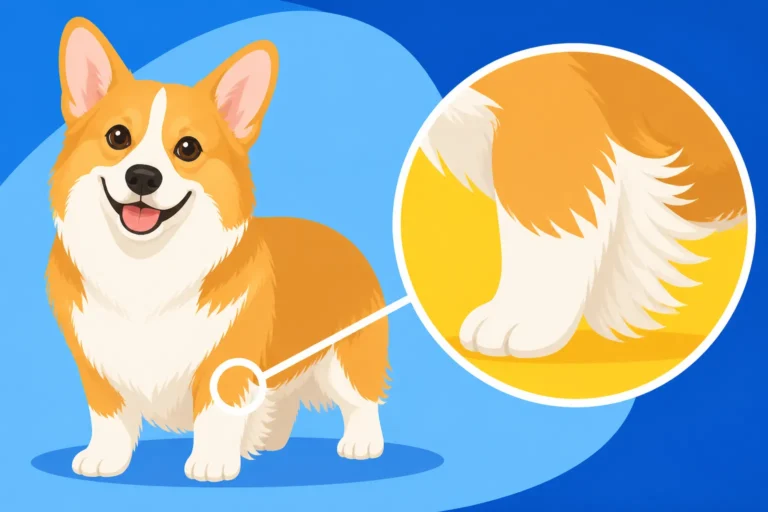
A Corgi's coat is what we call a "double coat," and it's built for business. You've got two distinct layers, each with its own job. The outer layer consists of coarser, longer "guard hairs." These are tougher, somewhat water-repellent, and protect your Corgi from the elements – think rain, snow, and even sun. They're the ones that give your Corgi their color and that slightly bristly feel.
Beneath this protective layer lies the true secret weapon: a dense, soft, downy undercoat. This undercoat is what provides insulation, keeping them warm in winter and surprisingly cool in summer by trapping air. It’s incredibly thick, especially around their neck and hindquarters, almost like wearing a built-in sweater. When you run your fingers through it, you can feel the sheer volume. It’s this undercoat that makes them shed so much, and it's also the layer that most people hope will "thicken" with supplements.
Natural Shedding Cycles and Coat Health
Any Corgi owner can tell you that these little fluff balls shed. A lot. It's not just a seasonal thing, though they do have what we lovingly call "coat blows" twice a year, typically in spring and fall, where it seems like they're trying to redecorate your entire house with their fur. During these times, the undercoat comes out in massive quantities to make way for a new, appropriate coat for the upcoming season. We've all seen the tumbleweeds of Corgi hair rolling across the floor, haven't we? It's just part of life with a Corgi.
Even outside of these major shedding periods, Corgis shed year-round. This is completely normal and healthy! Dead hairs are constantly being replaced by new ones. A healthy coat is one where this shedding cycle is efficient, and the new hairs growing in are strong and vibrant. A poor diet, allergies, or underlying health issues can disrupt this cycle, leading to excessive shedding, dullness, or even sparse patches. You might notice them shedding more than usual, or perhaps the hair coming out just doesn't look as robust. This is where we start looking for ways to support their natural coat health, and often, fish oil comes into the conversation. For more on shedding, take a peek at The Two Weeks a Corgi Coat Comes Out in Handfuls.
The Science Behind Fish Oil and Skin & Coat Health
So, what exactly is it about fish oil that makes us think it's the answer to a better Corgi coat? It all comes down to a special group of fats known as Omega-3 fatty acids. These aren't just good for us; they're fantastic for our furry friends too!
Omega-3 Fatty Acids: EPA and DHA Explained
When we talk about fish oil, we're primarily talking about two crucial Omega-3 fatty acids: Eicosapentaenoic Acid (EPA) and Docosahexaenoic Acid (DHA). These are long-chain polyunsaturated fats, and they are considered "essential" because your Corgi's body can't produce them on its own. That means they must come from their diet.
You might hear about ALA (alpha-linolenic acid) from plant sources like flaxseed oil, which is also an Omega-3. However, dogs aren't very efficient at converting ALA into the more active forms of EPA and DHA that provide the most benefit. That's why fish oil, which is rich in pre-formed EPA and DHA, is often recommended. Think of EPA and DHA as the direct, ready-to-use powerhouses for their body, including their skin and coat.
How Omega-3s Support Skin Barrier Function and Reduce Inflammation
Now, here's where the magic happens for your Corgi's coat. EPA and DHA play a vital role in maintaining the health of their skin. Their skin is their largest organ and acts as a barrier against the outside world. When this barrier is compromised, it can lead to dryness, itchiness, and irritation, which can then impact the quality of their fur.
Omega-3s, particularly EPA, are potent anti-inflammatory agents. If your Corgi suffers from environmental allergies or has a tendency towards sensitive, itchy skin (which can be hidden under all that fur!), Omega-3s can help reduce that inflammation. Less inflammation means healthier skin, and healthier skin provides a better foundation for strong, vibrant hair growth. They also help improve the skin's natural oil production, making the skin more hydrated and supple. This, in turn, can reduce dry, flaky skin and contribute to a shinier coat. It's a bit like us taking a skin supplement; healthy skin reflects in healthy hair. If you're wondering Itchy Skin Under a Corgi's Undercoat, fish oil might be part of the solution your vet recommends.
Does Fish Oil Thicken a Corgi's Coat?
This is the million-dollar question, isn't it? We all want that super-luxe, dense Corgi coat, and often hope fish oil will magically add more hair. Let's clarify what fish oil can, and cannot, do for your Corgi's fur.
Addressing the "Thickness" Misconception vs. Health and Quality
It's important to set realistic expectations here. Fish oil will not physically make your Corgi grow more hair follicles than they already have. In other words, it won't add new hair where there wasn't any before, nor will it increase the sheer number of hairs per square inch. Your Corgi's genetic makeup dictates the density of their coat. So, if your Corgi has a naturally less dense coat than another, fish oil isn't going to turn them into a woolly mammoth.
What fish oil does do is improve the quality of the hair that is already growing. By supporting healthy skin and reducing inflammation, it creates an optimal environment for hair follicles to produce strong, healthy strands. This can lead to:
- Reduced Breakage: Stronger hair is less prone to breaking, which means the individual hairs stay longer and contribute to a fuller appearance.
- Increased Luster and Shine: Healthy fats nourish the hair shaft, making it smoother and more reflective, giving the coat a vibrant, glossy look.
- Softer Texture: A well-nourished coat often feels softer and silkier to the touch.
- Less Dryness and Dullness: If your Corgi's coat is dry and brittle due to poor skin health, fish oil can help moisturize from within, combating that dull, "straw-like" feel.
So, while it doesn't add "thickness" by increasing hair count, it definitely enhances the perceived thickness and luxuriousness by making each individual hair stronger, healthier, and less likely to break. This often results in a coat that appears fuller, more vibrant, and overall much healthier.
The Role of a Healthy Diet Beyond Supplements
While fish oil is a wonderful supplement, it's crucial to remember that it's just that – a supplement. It works best when it's part of an overall balanced and high-quality diet. You can't expect fish oil to counteract the effects of poor nutrition. Think of it as icing on a perfectly baked cake, not a substitute for the cake itself.
Your Corgi needs a diet rich in high-quality protein, balanced fats, and essential vitamins and minerals to support their health, including their magnificent coat. Cheap fillers, artificial additives, and low-quality protein sources won't provide the building blocks your Corgi needs for optimal fur growth, no matter how much fish oil you add. Many premium dog foods formulate their recipes with a good balance of Omega-3 and Omega-6 fatty acids already included, sourced from ingredients like salmon or flaxseed. Brands like Ollie often provide fresh, balanced meals that inherently support overall health, which in turn benefits the coat. Always check the ingredient list of your Corgi's main food source. Remember, feeding a Corgi isn't just about quantity; it's about quality and ensuring they get the right nutrients to avoid issues like obesity, which can impact their overall health and even their spine. You can learn more in Feeding a Twenty-Eight Pound Corgi.
Choosing and Administering Fish Oil for Your Corgi
Once you've decided to explore fish oil for your Corgi, navigating the sheer number of products out there can be a bit overwhelming. It's not just about grabbing the first bottle you see; there are some key factors to consider to ensure you're giving your Corgi the best and safest supplement.
Types of Fish Oil and What to Look For
When you start looking at fish oil supplements, you'll find them in a few forms: liquid, soft gels, or even incorporated into treats. Here's what to keep in mind:
- Source: Look for fish oils derived from small, cold-water fish like anchovies, sardines, and mackerel. These fish typically have shorter lifespans and are lower on the food chain, meaning they accumulate fewer heavy metals and toxins (like mercury) compared to larger fish like tuna.
- Purity and Testing: This is paramount. Reputable brands will openly state that their products are third-party tested for purity, potency, and the absence of contaminants. Look for certifications that indicate testing for heavy metals, PCBs, and dioxins. This information is usually on the label or their website.
- Triglyceride Form: Fish oil naturally occurs in triglyceride form. Some cheaper products are processed into ethyl esters, which are less bioavailable (meaning your Corgi's body can't absorb and use them as efficiently). Aim for fish oil in its natural triglyceride form for better absorption.
- Concentration of EPA and DHA: Don't just look at the total "fish oil" content. The critical numbers are the amounts of EPA and DHA per serving. These are the active ingredients that provide the health benefits. Compare these figures between brands.
- Liquid vs. Capsule: Liquid fish oil can be easier to mix into food, especially for picky eaters, and allows for more precise dosing. Capsules are convenient but might be harder to administer if your Corgi won't swallow them whole or if you need to adjust the dose finely. Many owners find liquid options on sites like Chewy or Amazon convenient for home delivery.
- Storage: Fish oil can go rancid if exposed to air, light, or heat. Always choose products in opaque bottles and store them in the refrigerator after opening. Rancid fish oil isn't just ineffective; it can be harmful.
Dosage, Potential Side Effects, and Vet Consultation
Before you start any supplement, including fish oil, the absolute best first step is to consult your veterinarian. They know your Corgi's health history, current medications, and any specific sensitivities. They can recommend the appropriate dosage based on your Corgi's weight, overall health, and the specific reasons you're considering the supplement. Giving too much can cause problems, and too little might not provide any benefit.
Common side effects of fish oil are usually mild and related to the digestive system:
- Upset Stomach/Diarrhea: This is the most common issue, especially if the dose is too high or introduced too quickly. Start with a very small amount and gradually increase it.
- Fishy Breath/Smell: Your Corgi might develop a slightly fishy odor, particularly around their mouth. This is generally harmless but something to be aware of!
- Increased Bleeding Risk: At very high doses, Omega-3s can thin the blood. This is why veterinary guidance is critical, especially if your Corgi is on other medications or has a known bleeding disorder.
- Weight Gain: Fish oil is fat, and fats contain calories. If you're adding it to an already complete diet, factor in the extra calories to prevent unwanted weight gain, especially crucial for a Corgi's back health.
Here's a simple table to help visualize common fish oil aspects:
| Feature | What to Look For | Why It Matters | Potential Issue If Ignored |
|---|---|---|---|
| Source Fish | Small, cold-water fish (anchovies, sardines) | Lower risk of mercury/contaminants | Exposure to toxins |
| Purity Testing | Third-party certified, contaminant-free | Ensures product safety and quality | Ingesting harmful substances |
| Form | Natural Triglyceride | Better bioavailability and absorption | Less effective supplement |
| EPA/DHA Content | Clearly listed, adequate concentration | Active ingredients for benefits | Ineffective dosing, wasted money |
| Storage | Opaque bottle, refrigerated after opening | Prevents oxidation and rancidity | Rancid oil can be harmful and ineffective |
| Dosage | Vet-recommended, based on weight/health | Optimal benefits, minimizes side effects | Stomach upset, potential bleeding issues, no benefit |
Remember, your vet is your best resource for personalized advice on any supplement. For a broader look at supplements, check out Which Corgi Supplements Do Anything.
Complementary Grooming Practices for a Lush Corgi Coat
While a healthy diet and supplements like fish oil work from the inside out, don't forget the importance of external care. Proper grooming is crucial for maintaining that dense Corgi coat and maximizing the benefits you might get from dietary support.
Regular Brushing and Deshedding Techniques
Brushing is probably the single most important grooming activity for a Corgi, especially given how much they shed. Regular brushing not only helps to distribute natural skin oils, which contribute to shine, but it also removes dead hair and prevents mats and tangles in their dense undercoat.
For a Corgi, you'll want a few key tools:
- Slicker Brush: Great for general brushing and getting into the undercoat. Use it gently to avoid "brush burn."
- Undercoat Rake/Deshedding Tool: This is your secret weapon, especially during shedding season. Tools like a Furminator or a good quality undercoat rake (you can find many options on Amazon or Chewy) are designed to reach through the guard hairs and pull out the loose, dead undercoat without damaging the topcoat. Use it sparingly and carefully, as over-use can irritate the skin or damage the healthy coat.
- Pin Brush: Good for longer feathering and a final fluff.
Aim for brushing sessions several times a week, and daily during heavy shedding periods. Start from the bottom up, working in layers, gently teasing out any tangles. Focus on areas where matting is common, like behind the ears, under the legs, and the "panties" area. Removing that dead hair allows for better air circulation to the skin and prevents discomfort, which in turn supports healthy new growth. This kind of diligent care really makes a difference to the overall appearance and health of the coat. Don't forget to look into The Rake and Comb a Corgi Coat Actually Needs.
Avoiding Common Coat Care Mistakes
It's easy to fall into traps when grooming a Corgi, especially if you're new to the breed or just trying to manage their copious shedding. Here are a couple of major no-nos:
- Shaving or Clipping: Resist the urge to shave or closely clip your Corgi, especially in summer, thinking it will cool them down or reduce shedding. This is perhaps the biggest mistake you can make with a double-coated breed! Their double coat is designed to regulate their temperature – it keeps them warm in winter and acts as insulation against the heat in summer, protecting them from sunburn and overheating. Shaving disrupts this natural system, can damage the guard hairs (leading to a coat that grows back patchy, coarse, or with incorrect texture), and offers little to no real benefit for cooling. In fact, it can make them more susceptible to sunstroke. If your Corgi is too hot, there are better ways to help them cool down. We've talked about it before in Why Clipping a Corgi Ruins the Coat.
- Over-Bathing: While it's tempting to bathe a Corgi frequently to deal with mud or smells, over-bathing can strip the natural oils from their skin and coat, leading to dryness, irritation, and potentially more shedding. Aim for bathing only when truly necessary, using a good quality dog shampoo designed for their skin type. Ensure you rinse thoroughly to remove all shampoo residue, and then dry them completely, paying special attention to that dense undercoat. A high-velocity dryer, if you have access to one, is a game-changer for getting them truly dry and blowing out loose hair. If you're washing at home, you need to ensure you're Getting a Corgi Dry Through the Undercoat.
By combining internal support from a balanced diet and vet-approved fish oil with diligent external grooming, you're giving your Corgi the very best chance to sport a truly healthy, shiny, and beautiful coat that feels as good as it looks.
Disclaimer
This article is for general informational purposes only and does not constitute professional advice. Laws, prices and regulations vary by location and change over time. Consult a qualified professional for guidance on your specific situation.