The Rake and Comb a Corgi Coat Actually Needs
That glorious, fluffy Corgi coat is undeniably one of their most charming features, but let's be honest, it's also a fluffy, shedding mystery box that can leave you feeling buried in dog hair. You love that soft fur, but the sheer volume of it, especially during a seasonal "coat blow," can make you wonder if you're doing something wrong with your grooming routine. Don't worry, you're not alone! Many Corgi parents find themselves battling the endless fur tumbleweeds. This guide is here to demystify the Corgi coat and walk you through the essential tools and techniques you actually need to keep your Corgi looking dapper and your home a little less hairy.
Understanding the Corgi Coat's Unique Demands
Before we dive into the arsenal of brushes and combs, it's really helpful to understand why Corgis have such a specific coat and what it's designed to do. Knowing the structure helps you appreciate why certain tools are effective and others are a waste of time – or worse, potentially damaging.
The Double Coat Dilemma: Guard Hairs and Undercoat
Corgis, like many herding breeds, boast a magnificent double coat. This isn't just about looking cute; it's a functional design, a leftover from their days as hardy cattle drivers in the Welsh climate. The outer layer consists of coarse, straight guard hairs. These are the protective layer, naturally repelling water, dirt, and even UV rays. They give your Corgi that characteristic smooth, sturdy look. Beneath this protective shield lies the undercoat – a dense, soft, downy layer of fluff that acts as insulation. In winter, it keeps them warm, and surprisingly, in summer, it helps keep them cool by trapping a layer of air against their skin.
The challenge with a double coat is that the undercoat sheds, and it sheds a lot. It's not just the loose top hairs you're dealing with; it's deep, trapped fuzz that needs to be systematically removed. Many people, out of desperation during shedding season, think about shaving their Corgi. Please, for the love of all that is Corgi, don't do it! Shaving a double-coated dog like a Corgi can actually ruin their natural insulation, make them more susceptible to sunburn, and sometimes the coat grows back patchy or with a coarser texture, leading to what's often called "clipper alopecia." It messes with the natural growth cycle and can compromise their built-in climate control. For a much deeper dive into this, you might find Why Clipping a Corgi Ruins the Coat incredibly helpful.
Seasonal Sheds vs. Year-Round Hair
If you live with a Corgi, you already know they shed. All the time. But there's shedding, and then there's "coat blow." Corgis typically have two major seasonal sheds each year – usually in spring to lighten up for warmer weather, and in autumn to make way for a thicker winter coat. During these periods, which can last for several weeks, you'll feel like you're brushing out enough fur to knit another Corgi. This is when the undercoat really lets loose, coming out in what feels like literal handfuls. It's intense, it's messy, and it’s completely normal. You'll brush and brush, and they'll still seem to have more to give.
Outside of these intense periods, Corgis still shed a moderate amount of hair year-round. It's a constant process of old hairs falling out and new ones growing in. This year-round shedding is often the guard hairs and a lighter amount of undercoat, but it's enough to keep your vacuum cleaner busy and your dark clothes covered in a fine layer of Corgi glitter. Understanding this cycle helps you realize that grooming isn't a "sometimes" thing for a Corgi; it's an ongoing commitment, much like brushing your own teeth. Knowing that the big seasonal shed is coming, often signals that it's time to gather your specific tools. You can read more about what to expect during the most intense times in The Two Weeks a Corgi Coat Comes Out in Handfuls.
Essential Tools for Tackling the Undercoat
The key to managing a Corgi's shedding is getting to that dense undercoat. Surface brushing alone simply won't cut it. You need tools designed to reach deep into the fur without irritating their skin or damaging the protective guard hairs.
Undercoat Rakes: Your First Line of Defense
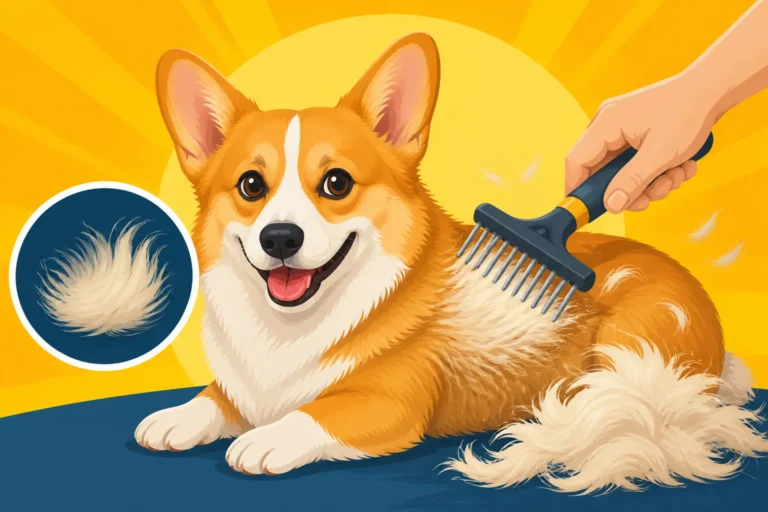
An undercoat rake is, without a doubt, the superhero of Corgi grooming. If you've ever felt like you're brushing and brushing but barely making a dent in the amount of loose fur, an undercoat rake is what you're missing. These tools have long, widely spaced teeth, often with rounded tips, designed specifically to penetrate the top layer of guard hairs and gently pull out the dead, loose undercoat. They don't cut the hair; they simply grab the shedding fur that's just sitting there, waiting to escape onto your furniture.
There are a few different styles of undercoat rakes. Some have a single row of teeth, while others have a double row. Some feature rotating teeth, which can be a bit gentler if your Corgi has a particularly thick or slightly tangled undercoat, as they help prevent pulling. The key is to choose one with sturdy teeth that are long enough to reach through the guard hairs to the base of the undercoat. When using it, you want to work in sections, raking gently in the direction of hair growth. Start at the neck and work your way down their back and sides, using short, deliberate strokes. You'll be amazed at the sheer volume of fluff that comes out – it's incredibly satisfying! This tool is especially crucial during the major seasonal "coat blows" when the undercoat is shedding in earnest. To really master the technique, take a look at Working a Rake Through a Corgi Undercoat.
Deshedding Tools: Proceed with Caution
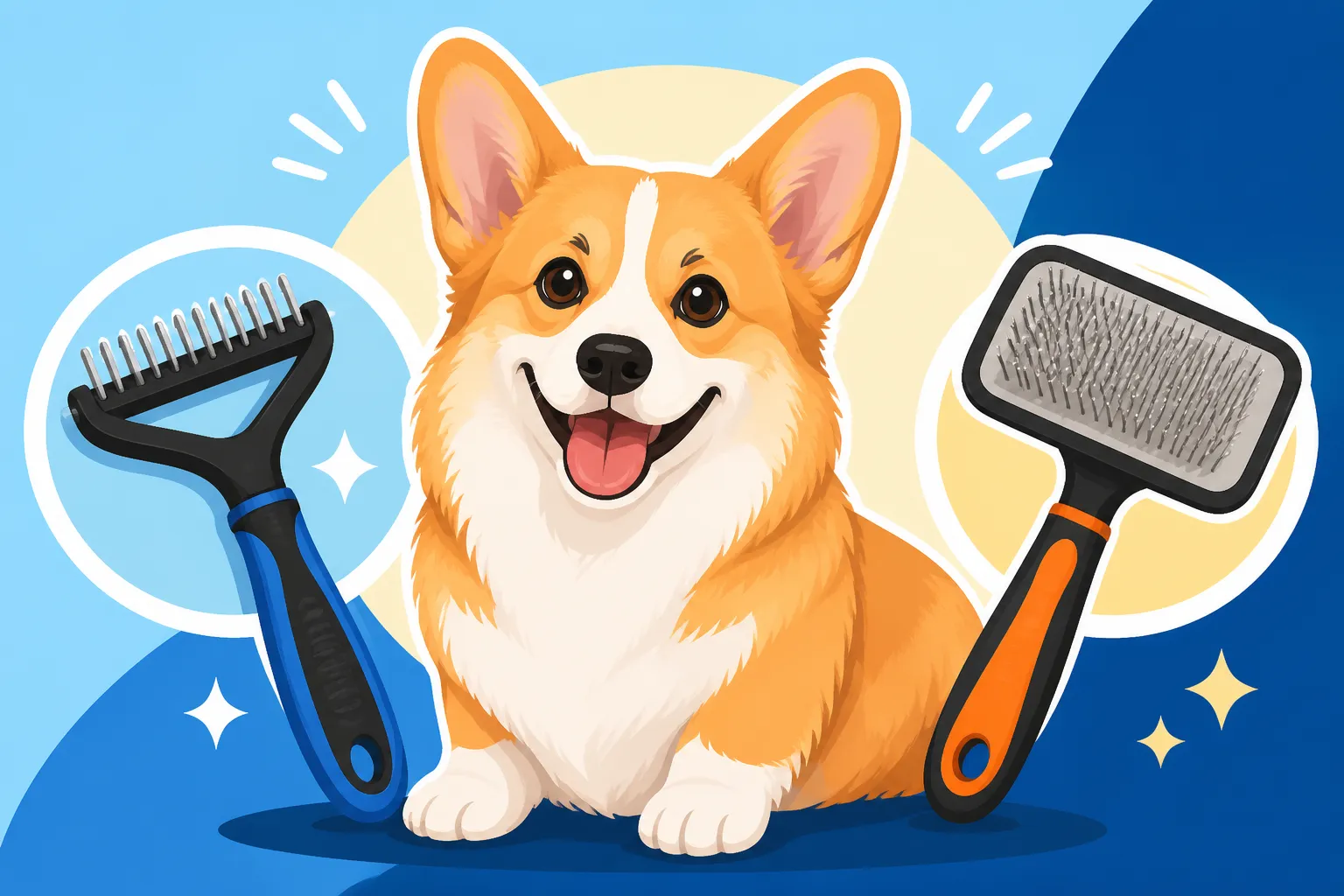
Deshedding tools, often recognized by their distinctive fine-toothed metal blade, are incredibly popular, and for good reason: they are highly effective at removing loose undercoat. Brands like the Furminator are widely known in this category. They work by having a very fine, serrated edge that grabs and pulls out the dead undercoat, often in impressive clumps. Used correctly and sparingly, they can significantly reduce shedding.
However, a word of caution is absolutely necessary with these tools. Their design means they can, if used incorrectly or too frequently, actually cut or damage the guard hairs. This can compromise the integrity of your Corgi's protective outer coat. It's crucial to use a light touch and only use them when your Corgi is actively shedding a lot of undercoat. Don't press hard, and never go over the same spot too many times. Think of them as a powerful, specialized tool for heavy-duty shedding, not an everyday brush. If you see their guard hairs looking thin or broken, or if your Corgi's skin becomes irritated, you're likely overdoing it. Many Corgi parents find success using these tools once a week or even less, focusing on the heavy shedding periods. It's always best to follow the manufacturer's instructions and be mindful of your dog's comfort. For more specific insights on their use, especially regarding potential coat damage, Whether a Deshedding Blade Cuts Corgi Guard Hair offers some great points.
Combs and Brushes for Everyday Maintenance and Finishing Touches
While undercoat rakes and deshedding tools tackle the deep-seated fluff, you'll still need more traditional brushes and combs for daily maintenance, detangling, and putting the finishing touches on your Corgi's magnificent coat. These tools are gentler and help distribute natural oils, keeping the coat shiny and healthy.
Slicker Brushes for Loosening and Smoothing
A slicker brush is another staple in the Corgi grooming kit. These brushes have fine, short wires packed closely together on a flat or curved surface. They're fantastic for a few key tasks: loosening up surface mats, removing loose hair and debris from the topcoat, and generally smoothing and fluffing the fur. For a Corgi, a slicker brush is great for the overall body, especially before or after using an undercoat rake, as it can help bring some of that loose undercoat to the surface and remove any lingering hairs.
When using a slicker brush, always be gentle. The wire pins can be sharp if you press too hard, potentially scratching your Corgi's skin. Use light, sweeping strokes, always moving in the direction of hair growth. Pay attention to areas where mats might form, like behind the ears, in the "armpits," or in the feathery bits on their legs and hindquarters. It also helps to stimulate blood flow to the skin, which can contribute to a healthier coat. Regular, gentle slicker brushing helps keep the coat tidy between deeper grooming sessions and prevents smaller tangles from becoming bigger problems.
Metal Combs: The Detail Workhorse
A good quality metal comb, often called a Greyhound comb, is indispensable for getting into the nitty-gritty details of your Corgi's coat. These combs typically have two sections: one with wider-spaced teeth and one with finer teeth. They are designed to go all the way down to the skin, helping you find any hidden tangles or mats that brushes might miss.
After you've done the bulk of the work with your undercoat rake and slicker brush, the metal comb is your final check. Use the wider-toothed end first, gently working through the coat, making sure there are no snags. Then, switch to the finer-toothed end for a more thorough check. This is particularly important around areas prone to matting or where their coat is a bit longer, like their "trousers" (the fluffy fur on their hind legs) and the feathering on their front legs. The Feathering on a Corgi's Legs and Backside can give you some excellent context on why these areas need special attention. If you encounter a tangle, don't yank! Gently work it out with your fingers first, or use a detangling spray and then slowly comb through. A metal comb is also excellent for separating the hair and checking for any skin issues that might be hidden beneath the dense fur. It’s the tool that ensures you’ve really gotten all the way through their impressive double coat.
Additional Grooming Aids for a Happy, Healthy Corgi
Grooming isn't just about the fur; it's about overall health and comfort. There are a few other essential items that contribute to a well-maintained Corgi, from their paws to their general coat health.
Nail Clippers or Grinders: Beyond the Coat
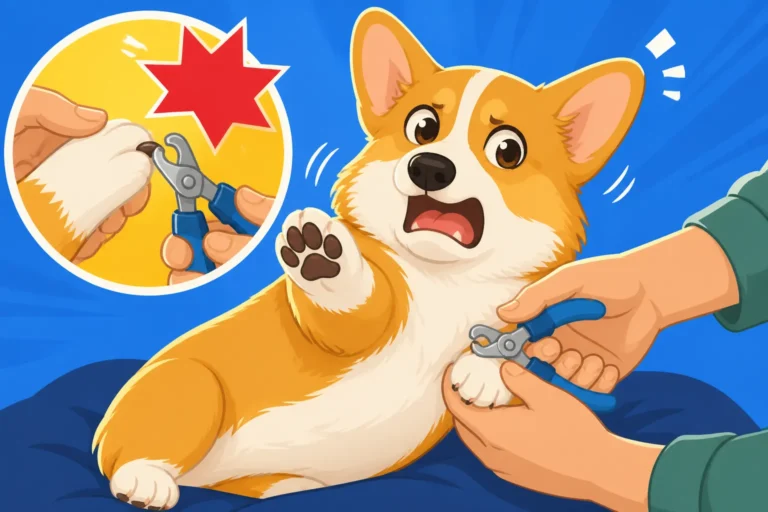
While not directly related to coat grooming, nail care is absolutely critical for a Corgi. Their short legs and long bodies mean their gait is particularly sensitive to long nails. If a Corgi's nails are too long, they can push up into the nail bed, making walking uncomfortable, altering their posture, and potentially leading to long-term joint issues and even spinal stress. Imagine trying to walk with shoes that are too tight; it's a similar discomfort for them.
You have two main options for nail care: traditional clippers or a dremel-style grinder. Clippers are fast, but you need to be careful not to cut into the quick (the sensitive part of the nail with blood vessels and nerves), which is painful and causes bleeding. Grinders, on the other hand, allow for a more gradual removal of the nail, making it easier to avoid the quick and smooth the edges. Many Corgis tolerate grinders better once they get used to the sound and vibration. Whichever you choose, regular nail trims (every 2-4 weeks is typical) are essential. Start training your Corgi to accept paw handling and nail care from a young age, making it a positive experience with treats and praise. For more detail on how nail length impacts their movement, read Nail Length and What It Does to a Corgi's Gait.
Grooming Sprays and Conditioners
For that extra touch of shine, tangle prevention, and overall coat health, grooming sprays and conditioners can be a wonderful addition to your Corgi's routine. These aren't just for fancy show dogs; they can genuinely make your life easier.
Benefits include:
- Detangling: Sprays designed for detangling can help loosen knots and make brushing through thicker areas much smoother, reducing pulling and discomfort for your dog.
- Reducing Static: Especially in dry climates or during winter, a Corgi's coat can become quite static-y, making brushing difficult. A good anti-static spray can solve this.
- Adding Shine and Softness: Conditioners, whether leave-in sprays or rinse-out formulas used during baths, can nourish the coat, leaving it softer and shinier.
- Skin Health: Some sprays contain ingredients that soothe dry or itchy skin, which can be beneficial, especially if your Corgi has sensitive skin or experiences seasonal allergies.
When choosing products, look for ones specifically formulated for dogs, ideally natural and hypoallergenic, to avoid any skin irritation. You can find a wide variety of these products, from simple detanglers to conditioning sprays, readily available on online pet supply retailers like Chewy or Amazon. Always do a patch test first to ensure your Corgi doesn't have a reaction.
The "Fluffy" Corgi: A Special Case
Every Corgi is adorable, but sometimes you'll encounter a "fluffy" Corgi – and their coat, while beautiful, demands a slightly different approach to grooming. It's not a standard coat type for the breed, but it happens, and it's good to be prepared if you have one or are considering adopting a fluffy friend.
Understanding the Fluffy Coat's Texture
A "fluffy" Corgi has a recessive gene that results in a longer, softer, and often wavier coat compared to the standard Pembroke or Cardigan Welsh Corgi. This coat lacks the harsh, coarse guard hairs that characterize the typical Corgi double coat. Instead, it's all about luxurious, flowing softness. While undeniably cute and visually striking, this deviation from the breed standard means their coat functions differently, especially when it comes to protection and maintenance. The texture is more akin to a long-haired collie, with profuse feathering and a generally less dense, but longer, undercoat.
It's important to understand that a fluffy coat isn't just a slightly longer version of a regular Corgi coat; it's structurally different. It often has a cottony texture, making it more prone to certain grooming challenges. Many owners are drawn to the fluffy look, but they sometimes underestimate the extra care involved. You can learn more about this distinctive coat type in The Long Coat on a Fluffy Corgi. It's a genetic quirk that results in a truly unique aesthetic.
Tailored Grooming for Fluffies
Because the fluffy coat lacks the protective nature of the standard guard hairs, and its texture is much softer, it is significantly more prone to matting and tangles. A standard Corgi's coat might shed easily, but a fluffy's coat will often shed and then trap that shed hair within its longer, softer outer layer, forming mats that can quickly become painful if not addressed. This means that if you have a fluffy Corgi, your grooming routine needs to be even more diligent and frequent. Whether a Fluffy Corgi Mats delves into this issue specifically.
Here's how grooming for a fluffy Corgi often differs:
- Daily Brushing is Almost Non-Negotiable: While standard Corgis can sometimes get away with a few days between brushings, a fluffy Corgi often needs at least a quick daily brush-through with a slicker brush and metal comb to prevent mats from forming.
- Detangling Sprays are Your Best Friend: You'll likely use detangling sprays much more often to help separate the softer hairs and make combing easier, especially after outdoor adventures or baths.
- Focus on Problem Areas: Pay extra attention to areas where friction occurs, such as behind the ears, under the "armpits," on the belly, and in their impressive "trousers" and tail. These spots are prime real estate for mats.
- Professional Grooming: Many fluffy Corgi owners opt for regular professional grooming appointments, perhaps every 6-8 weeks, to ensure the coat is thoroughly brushed out, trimmed for hygiene, and kept mat-free. While you still shouldn't shave them (as their undercoat is still essential for insulation), a groomer can expertly thin and neaten the coat.
Ultimately, owning a fluffy Corgi means committing to a higher level of grooming dedication, but the reward is a truly stunning, soft companion.
Establishing a Corgi Grooming Routine
Getting into a consistent grooming routine is not just about keeping your Corgi looking good; it's about their health and comfort. Regular grooming helps prevent skin issues, keeps their coat functioning properly, and can even be a wonderful bonding experience for you both.
Frequency and Consistency Are Key
For a standard Corgi, a good rule of thumb is to aim for a thorough brushing session 2-3 times a week, with daily touch-ups during heavy shedding seasons. During a full "coat blow," you might find yourself needing to brush daily just to keep up with the volume of loose hair. Consistency is more important than marathon sessions. Short, frequent grooming sessions are generally more effective and less stressful for your dog than sporadic, long battles with mats and massive clumps of fur.
Here’s a general guide for using your tools:
- Undercoat Rake: Use during peak shedding seasons (spring and fall) or whenever you feel a lot of loose undercoat. Perhaps 1-2 times a week during these periods.
- Deshedding Tool: Sparingly and with caution, 1-2 times a month during shedding seasons, or less often if your Corgi doesn't have an extremely dense undercoat. Always monitor for guard hair damage.
- Slicker Brush: A versatile tool for 2-3 times a week, or daily for surface tidying, gentle detangling, and general coat health.
- Metal Comb: Use after brushing to check for missed tangles and work through feathering. Can be used daily for quick checks.
Remember that Brushing a Corgi Daily Through a Shed can make a huge difference in managing the fur around your home, even if it feels like a never-ending task.
Making Grooming a Positive Experience
Grooming doesn't have to be a chore for either of you. In fact, it can be a really lovely way to connect with your Corgi. The secret is positive reinforcement and starting early. Introduce grooming tools to your Corgi when they are a puppy, even if it's just for a few minutes at a time. Let them sniff the brushes, offer treats, and praise them for calm behavior.
Here are some tips:
- Start Small: Begin with short sessions, especially when your Corgi is young or new to grooming. Even five minutes of calm brushing is a win.
- High-Value Treats: Have some truly delicious treats on hand. Offering a yummy snack while you brush, or after a good session, helps create positive associations. Brands like Ollie offer fantastic, healthy treats that many Corgis adore, making them a perfect high-value reward for grooming.
- Gentle Touch: Always be gentle. If you encounter a tangle, don't yank. Stop, try to loosen it with your fingers or a detangling spray, and then resume. Your Corgi will remember if grooming hurts.
- Quiet Environment: Choose a calm, quiet time and place for grooming. Avoid loud noises or distractions that might make your Corgi anxious.
- Praise and Affection: Shower your Corgi with verbal praise and gentle petting throughout the session. Let them know they're doing a great job.
- Know When to Stop: If your Corgi becomes overly stressed or agitated, take a break. Push too hard, and you risk making grooming a negative experience they'll resist in the future.
Consistent, positive grooming sessions will not only keep your Corgi's coat in top condition but also strengthen the bond you share. Plus, it's a great opportunity to check their skin for any lumps, bumps, or irritations, and to ensure their ears and nails are healthy.
Corgi Grooming Tool Comparison
| Tool Type | Primary Use | Pros | Cons | Recommended Frequency |
|---|---|---|---|---|
| Undercoat Rake | Removes loose undercoat from deep within the fur | Very effective for major shedding; doesn't cut guard hairs | Less effective for surface tangles; can pull if used carelessly | 1-2 times/week during heavy shedding; as needed otherwise |
| Deshedding Tool | Rapid removal of dense, shedding undercoat | Highly efficient for large volumes of loose fur | Can cut/damage guard hairs if misused or overused; not for daily use | 1-2 times/month during shedding peaks; sparingly |
| Slicker Brush | Loosens surface mats, smooths, removes debris | Versatile for general brushing, light detangling; stimulates skin | Can scratch skin if pressed too hard | 2-3 times/week; daily for quick touch-ups |
| Metal Comb | Detail work, checking for hidden tangles | Reaches skin level; excellent for feathering and stubborn knots | Not for bulk hair removal; can snag if not gentle | After brushing to check for tangles; daily for specific areas |
Disclaimer
This article is for general informational purposes only and does not constitute professional advice. Laws, prices and regulations vary by location and change over time. Consult a qualified professional for guidance on your specific situation.