The Long Coat on a Fluffy Corgi
Oh, the fluffy Corgi! There's something undeniably captivating about those extra-long, flowing locks on such a sturdy, low-slung body. They look like little clouds, like animated teddy bears, and they just melt hearts. But if you've ever owned one, or even just brushed one for a friend, you know that this gorgeous fluff comes with its own unique set of challenges, especially when it comes to keeping that magnificent coat clean, healthy, and tangle-free. This guide is here to walk you through everything you need to know about managing the glorious, yet demanding, long coat of your fluffy Corgi.
Understanding the "Fluffy" Corgi Phenomenon
When you first see a fluffy Corgi, you might think it's a rare, special variant, or perhaps even a mixed breed. But these beautiful dogs are purebred Corgis, carrying a specific genetic trait that gives them their distinctive long coats. It's a fascinating aspect of the breed that sparks a lot of conversation, both among enthusiasts and those new to the Corgi world.
What Makes a Corgi "Fluffy"?
A "fluffy" Corgi isn't just a Corgi with a slightly longer coat than average; it's a specific genetic expression that results in a noticeably longer, softer, and often wavier coat texture. Imagine the difference between a sleek Labrador and a shaggy Old English Sheepdog – while not quite that dramatic, the principle is similar. A standard Corgi coat is double-layered, medium in length, and relatively coarse to the touch, designed to protect them from the elements during their herding days. The fluffy coat, however, bypasses this standard. It tends to be much longer, particularly around the ears, chest, legs, and hindquarters, creating those adorable "pantaloons" and a magnificent ruff. The texture is softer, silkier, and sometimes even has a slight wave or curl, which can be lovely to behold but a magnet for debris.
The Genetics Behind the Long Coat
The trait for a fluffy coat in Corgis is carried by a recessive gene, often referred to as the "fluff gene" or the Fibroblast Growth Factor 5 (FGF5) gene mutation. For a Corgi to be fluffy, they must inherit two copies of this recessive gene, one from each parent. This means that two standard-coated Corgis can produce fluffy puppies if both are carriers of the gene, even if they don't show the trait themselves. Conversely, a fluffy Corgi will always pass on one copy of the gene, so if bred with another fluffy Corgi, all their puppies will be fluffy. If bred with a standard-coated Corgi who is a carrier, some puppies will be fluffy, and others will be carriers. It’s all a matter of genetic lottery, but thanks to modern The DNA Tests a Corgi Breeder Should Run, breeders can now test for this gene to predict litter outcomes.
Why the Fluffy Coat Isn't Standard
While absolutely stunning, the fluffy coat is considered a fault in the breed standard for both Pembroke Welsh Corgis and Cardigan Welsh Corgis. This doesn't mean fluffy Corgis are unhealthy or lesser dogs in any way – they're simply not suitable for conformation showing, where adherence to the breed standard is paramount. The standard calls for a medium-length, weather-resistant double coat, and the long, silky hair of a fluffy Corgi doesn't offer the same practical protection against dirt, burrs, or moisture that a working Corgi would have needed in the fields. Despite being a fault in the show ring, fluffy Corgis are highly sought after as pets due to their unique appearance, and reputable breeders who happen to produce them will often place them in loving pet homes with limited registration. If you're wondering Whether a Fluffy Corgi Has Different Health Risks, rest assured that the coat itself doesn't inherently bring more health issues, though it does demand more dedicated care.
The Unique Grooming Demands of a Fluffy Corgi
Let's be real: Corgis, in general, are not low-maintenance when it comes to grooming. Their double coats shed year-round, and their low-rider stature means they pick up all sorts of things from the ground. Now, amplify that by a factor of two or three, and you're getting close to the grooming demands of a fluffy Corgi. It's a commitment, but with the right routine and tools, it's totally manageable.
Daily Brushing: More Than Just a Quick Once-Over
For a standard Corgi, a few times a week with a good brush might suffice, but for a fluffy Corgi, daily brushing is often non-negotiable, especially in areas prone to matting. Those beautiful long strands, particularly the feathering on their legs, chest, and "trousers" (the fur on their hindquarters), love to knot and collect debris. Without regular attention, small tangles can quickly become painful mats, pulling at their skin.
Your daily routine should involve a thorough session with a slicker brush to get through the topcoat and a good undercoat rake or comb to reach the dense undercoat. You'll want to systematically go through their entire body, paying extra attention to behind the ears, armpits, and those luxurious featherings. It's not just about looking good; it's about comfort. Imagine having a permanent knot pulling at your skin all day – that's what mats do to your dog. It's also an excellent time to bond with your Corgi and check for any skin issues or unwelcome hitchhikers like burrs or ticks.
Dealing with Mats and Tangles
Despite your best efforts, mats and tangles can still happen, especially after a particularly exuberant roll in the yard or a run through wet grass. When you encounter a mat, your first instinct might be to pull or cut it out, but resist that urge! Pulling can be incredibly painful for your Corgi, and randomly cutting can lead to accidental nicks or uneven patches.
Instead, work slowly and patiently. Use a de-matting tool, a seam ripper, or even your fingers to gently tease the mat apart, starting from the outside edges and working your way in. A little bit of detangling spray or a light conditioning spray can help lubricate the fur and make the process easier. If the mat is very tight and close to the skin, it might be safer to seek professional help from a groomer. They have specialized tools and techniques to remove mats safely and with minimal discomfort for your dog. Remember, a mat left untreated will only get tighter and more painful, potentially leading to skin infections underneath.
The Bathing and Drying Challenge
Bathing a fluffy Corgi is not like bathing a short-haired dog; it's an event. Their dense double coat, now compounded by extra length and silkiness, can be a real sponge. The key is to thoroughly wet the coat down to the skin, which can take a surprising amount of water and time. Use a good quality dog shampoo designed for double coats, and make sure to rinse, rinse, rinse! Any shampoo residue left behind can cause skin irritation or make the coat feel sticky and prone to matting.
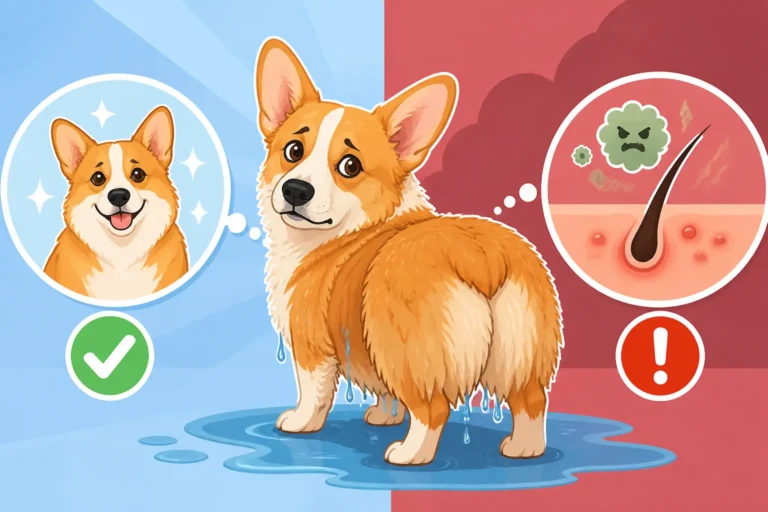
The real challenge, though, is drying. Air drying a fluffy Corgi, especially during damp weather, is a recipe for disaster. Their thick undercoat can trap moisture, leading to skin infections like hot spots. You'll need a powerful dog-specific blow dryer (not your human hairdryer, which can be too hot and doesn't have enough force). Section by section, blow-dry their coat completely, brushing as you go. This process can take a significant amount of time, sometimes an hour or more, depending on the dog. A high-velocity dryer not only dries the coat faster but also helps to blow out loose undercoat, reducing future shedding and matting. Skipping this step is just not an option for a fluffy Corgi. You can find some excellent professional dog dryers on Amazon that can make this process much easier.
Seasonal Shedding and Undercoat Management
All Corgis shed, and they shed a lot. It’s part of the package with their dense double coats. For fluffy Corgis, this shedding is often even more noticeable because there's simply more hair to lose. Managing this constant influx of fur is a year-round commitment, but understanding the seasonal cycles can help you prepare.
Year-Round Shedding, Amplified
While Corgis shed consistently throughout the year, they typically have two major "blows" a year – usually in spring and fall – where they shed their undercoat in earnest. During these times, the amount of hair coming off a fluffy Corgi can be truly astounding. You'll be brushing out handfuls, and it might feel like your dog is trying to leave a miniature version of themselves in every corner of your home.
The longer, softer outer coat of a fluffy Corgi can also mean that the shed undercoat gets tangled within it more easily, leading to more frequent matting during these periods. This is when your daily brushing routine becomes absolutely critical. You might even find yourself needing to brush twice a day for shorter sessions, or dedicating more time to thorough grooming. The goal isn't to stop shedding – you can't – but to remove as much loose hair as possible before it ends up all over your furniture and embedded in your carpets. Think of it as proactive shedding management. If you're wondering How Much Hair a Twenty-Eight Pound Corgi Drops, a fluffy one will certainly make you feel like it's twice that!
Tools of the Trade for Fluffy Coats
Having the right tools is half the battle when it comes to grooming a fluffy Corgi. Investing in good quality equipment will save you time, frustration, and keep your Corgi more comfortable. Here's a breakdown of essentials:
| Tool | Purpose | How it Helps Fluffy Coats |
|---|---|---|
| Slicker Brush | Detangles topcoat, removes loose surface hair. | Essential for everyday brushing, especially on longer feathering, to prevent superficial mats. |
| Undercoat Rake | Reaches deep into the undercoat to pull out loose, dead fur. | Crucial for shedding seasons, preventing matting deep within the dense fluff. |
| Metal Comb | Checks for tangles, works through smaller knots, fluffs up coat. | Great for finishing touches and meticulously finding hidden mats. A fine/coarse combo is ideal. |
| De-matting Tool | Safely cuts through stubborn mats without damaging the surrounding coat. | A lifesaver for those unavoidable, tight mats. Use with caution. |
| High-Velocity Dryer | Dries coat quickly and effectively, blows out loose undercoat. | Absolutely necessary after baths to prevent skin issues and reduce drying time. |
| Detangling Spray | Lubricates fur, makes brushing and de-matting easier. | Helps loosen knots and reduces static, making the grooming process smoother. |
| Deshedding Shampoo | Helps loosen dead undercoat during bathing. | Can aid in removing more shedding hair during bath time, but always follow with thorough drying. |
You can often find these specialized grooming tools on sites like Chewy or Amazon, which offer a wide selection and competitive pricing. Don't cheap out on brushes; a good brush will be more effective and last longer, ultimately making grooming easier for both you and your dog.
Why Shaving a Fluffy Corgi is a Bad Idea
It's tempting, especially during those hot summer months or when the shedding feels overwhelming, to just shave your fluffy Corgi down. I get it, you think it'll be cooler for them, easier to manage, less shedding. But please, resist this urge! Why Clipping a Corgi Ruins the Coat is a common misconception that needs to be debunked.
Shaving a double-coated breed like a Corgi, fluffy or not, can cause irreversible damage to their coat. Their double coat isn't just for warmth; it actually helps regulate their body temperature, keeping them cool in summer by trapping air and insulating against heat. When you shave it, you strip away this natural protection, exposing their delicate skin to sunburn, insect bites, and making them more susceptible to overheating, not less.
Furthermore, when the coat grows back, it often comes in patchy, coarser, and can become even more prone to matting. The undercoat may grow faster and thicker than the guard hairs, leading to a permanent "blown" look and making future grooming even more difficult. Instead of shaving, focus on regular, thorough grooming to remove dead undercoat, keep the dog clean, and provide plenty of shade and water in warm weather.
Health Considerations for a Fluffy Corgi's Coat
Beyond the aesthetic appeal and grooming demands, a fluffy Corgi's coat also brings some specific health considerations that owners need to be mindful of. The very qualities that make their coat so endearing can sometimes create challenges if not properly managed.
Skin Irritations Hiding Under the Fluff
The dense, long coat of a fluffy Corgi can create a microclimate close to the skin. If not properly dried after baths or if mats are left untreated, moisture can get trapped against the skin, leading to bacterial or fungal infections, commonly known as hot spots. These can be incredibly itchy and painful for your dog and can spread rapidly. Because of the sheer volume of fur, it can be hard to spot these irritations until they're quite advanced.
Regular, thorough grooming is your best defense. Not only does it remove mats that can harbor moisture and debris, but it also gives you a chance to inspect your Corgi's skin. Look for redness, flakiness, bumps, or any signs of irritation. If you find anything, part the fur to get a better look and contact your vet if it seems concerning. Proper drying after every bath, even a quick rinse after a muddy adventure, is paramount. Itchy Skin Under a Corgi's Undercoat is a real concern for any Corgi, but the density of a fluffy coat exacerbates the risk.
Overheating Risks
While a Corgi's double coat provides insulation against both cold and heat, the extra length and density of a fluffy coat can make some individuals more susceptible to overheating in hot and humid conditions. The longer fur may trap more heat, and it might be harder for them to dissipate excess body heat, especially during exercise or extended time in the sun.
As a Corgi owner, you should always be vigilant about Heat Stroke Signs in a Corgi, but even more so with a fluffy one. On warm days, keep exercise to cooler parts of the day, provide plenty of fresh water, and ensure they have access to shade. Avoid hot pavement. Consider a cooling mat or a kiddie pool if your Corgi enjoys water. Never, ever leave your Corgi in a parked car, even for a few minutes, as temperatures inside can soar rapidly. Their coat's natural protection is excellent, but it has its limits, and a fluffy coat might reach those limits faster.
Keeping the Longer Feathering Clean
Those magnificent "trousers" and chest featherings on a fluffy Corgi are gorgeous, but they are also ground-level magnets for dirt, mud, burrs, grass seeds, and even less appealing things like urine and feces. This means extra vigilance in keeping them clean. After every outdoor adventure, especially if your Corgi has been romping through tall grass or muddy areas, you'll need to do a quick check and clean-up.
A damp cloth can be your best friend for wiping down dirty feathering. For burrs or seeds, a metal comb can help meticulously remove them before they become embedded or pull at the skin. Pay particular attention to the fur around their hind end; if it gets soiled, it can lead to skin irritation or bacterial growth. Some owners opt for a slight "sanitary trim" around the anus and genitals to help keep things cleaner, but this is a very minimal trim and should not involve shaving the main coat. It's about hygiene, not aesthetics, in this particular area.
Essential Products and Resources for Fluffy Corgi Owners
Navigating the world of fluffy Corgi care can feel a bit overwhelming at first, but thankfully, there are many products and resources available to make your life (and your Corgi's life) easier. From the right shampoo to finding a skilled groomer, being prepared is key.
Grooming Supplies You'll Actually Use
We've touched upon the essential tools, but let's dive into some specific product types and why they matter. When you're dealing with a fluffy coat, quality truly makes a difference.
- Shampoos and Conditioners: Look for shampoos specifically formulated for double-coated breeds or those that offer detangling properties. Brands like Earthbath, TropiClean, or Chris Christensen offer excellent options that cleanse thoroughly without stripping natural oils, and conditioners can add moisture and make the coat easier to brush. Using a conditioner is vital for a fluffy coat as it helps prevent tangles and static.
- Detangling Sprays: These are invaluable. A good detangling spray applied lightly before brushing can significantly reduce friction, making it easier to work through knots and preventing static buildup. Cowboy Magic is a popular choice among long-haired dog owners.
- Wipes and Waterless Shampoos: For quick clean-ups between baths, especially for soiled feathering or muddy paws, dog wipes or a waterless shampoo can be a lifesaver. Keep them by the door for convenience.
- Pet-Specific Blow Dryers: Forget your hairdryer. A high-velocity pet dryer is designed to safely and efficiently dry a dense double coat. It pushes air, rather than just heat, separating the fur and drying down to the skin. This prevents hot spots and dramatically reduces drying time. Brands like Flying Pig or Metro Air Force often get rave reviews. You can find many options on Chewy or Amazon.
- Nail Clippers or Grinder: Long nails can affect a Corgi's gait and put strain on their joints, which is especially important for a breed already prone to back issues. Whether you prefer clippers or a dremel-style grinder, regular nail trims are a must. For tips on how to manage them, check out Clipping Nails on a Corgi That Objects.
Finding Professional Groomers Who Understand Fluff
While regular at-home grooming is essential, sometimes you'll want or need professional help. This could be for a thorough de-shedding treatment, especially during coat blow seasons, or if your Corgi develops a mat that you can't safely handle yourself. However, not all groomers are created equal, especially when it comes to double-coated breeds.
When searching for a groomer, ask specific questions about their experience with Corgis and other double-coated breeds. Inquire about their methods for de-shedding and de-matting. A red flag would be any groomer who immediately suggests shaving a fluffy Corgi down, as this indicates a lack of understanding about the coat's structure and needs. Look for groomers who offer "deshedding services" or "furminator treatments" (though be cautious with over-use of a Furminator-style tool on Corgis, as it can sometimes cut healthy guard hairs). A good groomer will also be happy to show you their facilities and explain their process. Many groomers now offer online booking or detailed service descriptions, making it easier to research.
Nutrition for a Healthy Coat
While external grooming is crucial, a healthy coat also starts from within. What you feed your Corgi directly impacts the health and quality of their skin and fur. A diet rich in high-quality proteins, essential fatty acids (like Omega-3 and Omega-6), and vitamins can contribute to a shiny, healthy coat and reduce excessive shedding due to poor nutrition.
Look for dog foods that list a named meat source as the first ingredient. Consider supplements like fish oil (salmon oil, cod liver oil) if your dog's diet doesn't provide enough Omega fatty acids. These supplements can help with skin hydration and coat luster. Some premium dog food brands, like Ollie, offer fresh, human-grade ingredients that can be excellent for skin and coat health. Always consult with your veterinarian before making significant changes to your Corgi's diet or adding supplements, especially if they have any existing health conditions or are on other medications. Remember, a well-nourished Corgi will have a healthier coat that's easier to maintain, fluffy or not!
Living with a Fluffy Corgi: Lifestyle Adjustments
Bringing a fluffy Corgi into your home is a joyous occasion, but it also requires some thoughtful adjustments to your daily life and environment. Their long, luxurious coats mean you'll be interacting with dog hair on a whole new level, and you'll need to adapt your home and habits to keep both your Corgi and your living space happy and clean.
Managing the Hair in Your Home
Let's not sugarcoat it: a fluffy Corgi sheds. A lot. Expect to find their hair everywhere. While regular grooming helps, it won't eliminate shedding entirely. So, preparing your home to cope with the influx of fur is a smart move.
- Regular Vacuuming: You'll need a good quality vacuum cleaner, preferably one designed for pet hair, and you'll be using it frequently – possibly daily during heavy shedding seasons. Cordless stick vacuums are fantastic for quick daily clean-ups, while a powerful upright or canister model is great for deeper cleans.
- Lint Rollers and Pet Hair Removers: Keep lint rollers handy near doors and where you sit. Furniture-specific pet hair removers (like rubber brushes or electrostatic tools) can be surprisingly effective at lifting hair from upholstery.
- Strategic Furniture Choices: Consider furniture with fabrics that repel hair or are easy to clean, or invest in washable covers. Dark furniture can make light Corgi hair stand out, and vice versa.
- Designated Corgi Zones: Providing comfortable, easily cleanable dog beds or blankets in your Corgi's favorite resting spots can help concentrate the hair in specific areas, making clean-up easier. Keeping a Corgi's Bed Free of Hair is an ongoing battle, but a dedicated, washable cover helps immensely.
Outdoor Adventures and Keeping Clean
A Corgi is a hardy, active dog, and a fluffy coat shouldn't stop them from enjoying the great outdoors! However, their long fur, especially the feathering close to the ground, means they're prone to picking up everything Mother Nature has to offer.
- Post-Walk Check-Ups: Make it a habit to do a quick "pat down" or visual inspection after every walk. Check for burrs, sticks, leaves, and any mud or debris stuck in their coat, especially their belly, legs, and "trousers."
- Paw and Belly Wipes: Keep a towel or pet wipes by the door. A quick wipe of their paws and belly can prevent a lot of tracking and dirt from entering your home. For very muddy outings, a quick rinse with a hose (lukewarm water!) followed by thorough drying is best.
- Appropriate Harnesses: When walking your fluffy Corgi, choose a harness that doesn't rub or tangle their long chest hair. A well-fitted, comfortable harness is crucial for their comfort and safety. Why a Corgi's Harness Should Not Press the Spine is an important consideration for all Corgis, and the extra fluff can sometimes make finding a perfect fit trickier.
- Weather Awareness: Be mindful of rain, snow, and extreme temperatures. A soaking wet, fluffy Corgi will take ages to dry, and a snow-covered one can get ice balls forming in their long leg and belly fur. Consider doggy boots for snow or icy conditions to protect their paws and prevent ice accumulation in their fur.
Training for Grooming Compliance
Let's face it, not every dog loves being brushed or bathed, and a fluffy Corgi needs a lot of grooming. Starting early and making grooming a positive experience is paramount.
- Start Young: As soon as you bring your fluffy Corgi puppy home, begin with short, positive grooming sessions. Introduce them to brushes, combs, and the sound of the blow dryer (from a distance at first, with treats). The younger they are, the more adaptable they'll be.
- Positive Reinforcement: Use high-value treats and praise generously during and after grooming sessions. Keep sessions short and stop before your Corgi gets too stressed. The goal is for them to associate grooming with good things.
- Desensitization: If your Corgi is nervous about the blow dryer, start by turning it on in another room while they eat their favorite meal. Gradually move it closer, then let them feel the air (cool setting only, from a distance), always pairing it with treats.
- Body Handling: Practice handling their paws, ears, tail, and all parts of their body frequently, even when not grooming. This makes them more tolerant of being touched and less likely to protest when it's time for a brush or nail trim. You'll be glad you did this when they're older and need a more extensive grooming session or vet check.
Owning a fluffy Corgi is a unique experience. Their long, flowing coats are truly a sight to behold, bringing a touch of whimsical elegance to their sturdy, endearing personalities. Yes, the grooming demands are higher, and you'll develop an intimate relationship with your vacuum cleaner, but the joy and companionship they offer are immeasurable. With a little extra effort, the right tools, and a whole lot of love, you can ensure your fluffy Corgi stays happy, healthy, and absolutely stunning for many years to come. Embrace the fluff, and enjoy every moment with your cloud-like companion!
Disclaimer
This article is for general informational purposes only and does not constitute professional advice. Laws, prices and regulations vary by location and change over time. Consult a qualified professional for guidance on your specific situation.