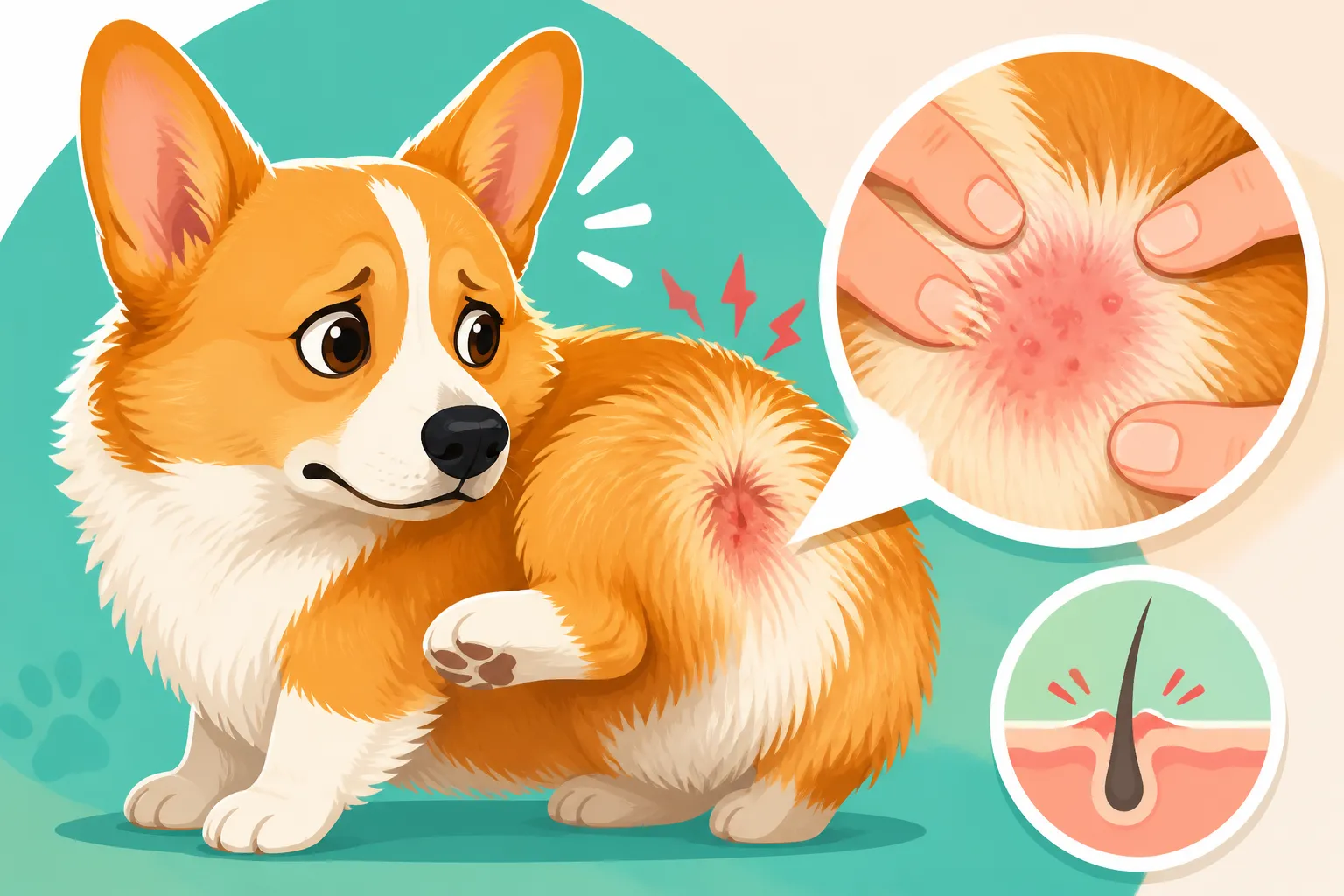
Itchy Skin Under a Corgi’s Undercoat
It’s truly disheartening to watch your beloved Corgi constantly scratching, biting, or rubbing at their skin. That thick, luxurious double coat, which we all adore, can sometimes hide a world of discomfort, making it incredibly difficult to pinpoint the source of their itchiness. This guide is here to unravel the mysteries of itchy skin under a Corgi’s dense undercoat, helping you understand why it happens and what practical steps you can take to bring your furry friend much-needed relief.
The Unique Challenges of the Corgi Undercoat
Corgis are built for function, and their coat is no exception. It’s a marvel of canine engineering, designed to keep them warm in chilly Welsh weather and cool when they’re hustling cattle. But this very feature, the famed double coat, also presents some unique challenges when it comes to skin health, often trapping irritants and making diagnosis tricky.
Double Coat Dynamics and Shedding Cycles
A Corgi's coat is made up of two distinct layers: a coarse, water-resistant outer coat (guard hairs) and a soft, dense, insulating undercoat. This undercoat is what truly gives them their fluff and provides excellent protection from the elements. However, this density means there’s less airflow to the skin, which can create a warm, humid environment if not properly managed. This lack of ventilation can be a breeding ground for bacteria or yeast, especially if moisture gets trapped.
Furthermore, Corgis are prodigious shedders. They don't just shed; they "blow" their coat, usually twice a year, though many owners will tell you it feels like a year-round event. During these heavy shedding periods, dead hair can become trapped in the undercoat, forming mats or simply creating a dense barrier that prevents air circulation and irritates the skin. If you've ever wondered Why a Corgi Sheds All Year and Not Just Twice, you know the struggle of managing this constant hair production. Regular and thorough grooming is absolutely essential to prevent these issues, using tools like The Rake and Comb a Corgi Coat Actually Needs to effectively reach and remove loose undercoat.
How the Undercoat Traps Irritants
The very nature of a Corgi's thick undercoat means it can act like a magnet and a trap for all sorts of irritants. Environmental allergens like pollen, dust mites, and mold spores can easily get caught in the dense fur, settling close to the skin where they cause a reaction. Imagine pollen getting tangled in those fine undercoat hairs, constantly stimulating your Corgi's immune system as they go about their day.
Beyond environmental factors, moisture can also become trapped. If your Corgi loves to splash in puddles, gets wet during a walk, or isn't thoroughly dried after a bath, that dampness can linger under the dense fur. This creates a perfect humid environment for skin infections, particularly yeast or bacterial growth, which thrive in such conditions. This is why paying close attention to drying, especially after a bath, is critical. Even a small damp patch can lead to a bigger problem.
Common Causes of Itchy Skin in Corgis
When your Corgi is relentlessly scratching, it’s not just an annoying habit; it’s a clear sign of discomfort. Pinpointing the exact cause can be a bit of detective work, as many issues can manifest as itchy skin. Let’s dive into the most frequent culprits that plague our low-riding, fluffy companions.
Environmental Allergies and Seasonal Triggers
Just like people, Corgis can suffer from environmental allergies, often referred to as atopy. These allergies are typically triggered by airborne particles such as pollen from trees, grasses, and weeds, dust mites found in household furnishings, and even mold spores. The problem isn’t usually direct skin contact in the way we might think; rather, Corgis absorb these allergens through their skin, triggering an immune response that results in intense itching.
The itching often starts in areas where allergens collect, like the paws (leading to excessive licking and chewing), the belly, armpits, and, of course, under that dense coat. You might notice your Corgi getting particularly itchy during certain seasons, corresponding to specific pollen counts. For example, springtime might bring on intense paw licking due to grass pollen, while a dusty home environment could cause year-round irritation. Medications can help manage the symptoms, but identifying the triggers through veterinary testing is often the first step to a long-term plan. Products like Apoquel or Cytopoint, prescribed by your vet, are often used for managing chronic allergic itching.
Food Sensitivities and Dietary Culprits
Another significant cause of itchy skin in Corgis is food sensitivity or allergy. Unlike a true food allergy, which involves an immediate immune response, sensitivities can manifest gradually and often involve the digestive system alongside skin issues. Common culprits include proteins like chicken, beef, dairy, wheat, and soy. The body mistakenly identifies these ingredients as threats, leading to an inflammatory response that can show up as persistent itching, skin redness, ear infections, and even gastrointestinal upset.
Diagnosing a food allergy usually involves an elimination diet, which can be a lengthy but effective process. This means feeding your Corgi a novel protein and carbohydrate source (ingredients they've never eaten before) or a hydrolyzed protein diet for a period of 8-12 weeks, strictly avoiding all other foods and treats. If the itching subsides, ingredients are slowly reintroduced to identify the trigger. This careful approach, often guided by your veterinarian, is crucial. If your Corgi’s The Body Condition Score a Corgi Should Hold suggests they are overweight, this can also exacerbate inflammatory responses, making a balanced diet even more important.
Parasites: The Unseen Invaders
Sometimes, the simplest explanation is the right one. Parasites are a very common and often overlooked cause of intense itching. Fleas, ticks, mites (like sarcoptic mange or demodex), and even lice can make a Corgi absolutely miserable. The itching caused by fleas, for example, is not just from their bites; many dogs are allergic to flea saliva, leading to a much more severe reaction even from a single bite.
Regular flea and tick prevention is paramount. Many effective products are available, from topical treatments to oral medications. Your vet can recommend the best option for your Corgi based on their lifestyle and local parasite prevalence. If mites are suspected, a skin scraping performed by your vet is often necessary for diagnosis. These microscopic invaders can cause intense itching, hair loss, and secondary skin infections, requiring specific medicated treatments. Don't forget to check those ears too; Whether a Corgi's Upright Ears Stay Clean is often a concern, and ear mites can contribute to generalized itchiness.
Skin Infections: Bacterial and Fungal
Itching can be both a cause and a symptom of skin infections. Constant scratching from allergies or parasites can break the skin barrier, allowing bacteria (like Staphylococcus) or yeast (Malassezia) that normally live on the skin to overgrow and cause an infection. These secondary infections then lead to even more itching, redness, inflammation, and sometimes a foul odor. Hot spots, or acute moist dermatitis, are a prime example of this cycle, where intense licking or scratching quickly escalates into a painful, oozing lesion. We've talked before about Wet Patches That Turn Into Corgi Hot Spots, which are notoriously common.
Bacterial infections often manifest as pustules, scabs, and hair loss, while yeast infections might appear as greasy, reddish, or discolored skin, particularly in skin folds or under the dense fur. Diagnosis typically involves cytology (examining skin cells under a microscope) and sometimes bacterial cultures. Treatment usually includes medicated shampoos, topical ointments, and often oral antibiotics or antifungals, all prescribed by a veterinarian. Proper drying after baths, using Shampoo That Suits a Thick Corgi Undercoat to clean effectively, and ensuring thorough rinsing can help prevent these issues from flaring up.
Dry Skin and Poor Hydration
Sometimes, the problem isn’t an allergy or infection, but simply dry skin. This can be caused by low humidity environments, harsh bathing products that strip natural oils, or even an inadequate diet lacking essential fatty acids. Dry skin can feel tight and uncomfortable, leading to flakiness and itching. While less dramatic than an infection, chronic dry skin can still make your Corgi miserable.
Ensuring your Corgi has access to fresh water at all times is fundamental. Dietary supplements rich in omega-3 and omega-6 fatty acids, such as fish oil, can significantly improve skin hydration and coat health from the inside out. Using a gentle, moisturizing shampoo specifically formulated for dogs and avoiding excessive bathing can also help preserve the skin's natural oils. Consulting your vet about appropriate supplements and bathing frequency is always a good idea. Sometimes, an underlying health condition like Corgi Thyroid Problems can also lead to dry, flaky skin, so a thorough check-up is always recommended.
Signs and Symptoms Beyond Just Scratching
While constant scratching is the most obvious sign of itchy skin, Corgis, with their stoic nature and dense coats, can hide a lot of their discomfort. It’s crucial for owners to become keen observers, looking for subtle changes in their dog's appearance and behavior that signal an underlying skin issue. Catching these signs early can make a big difference in treatment and comfort.
Visible Skin Changes to Watch For
Beneath that adorable fluff, a lot can be happening on your Corgi's skin. You might need to part the fur carefully to get a good look, especially in common problem areas like the armpits, groin, and belly.
- Redness and Inflammation: This is often the first visible sign of irritation. The skin might appear pinker than usual, or even bright red in severely inflamed areas. This can be localized to a small patch or widespread.
- Rashes, Bumps, or Pustules: These can indicate an infection or an allergic reaction. Small red bumps might be flea bites or allergic reactions, while pus-filled pustules often point to a bacterial infection.
- Flakiness and Dry Patches: If your Corgi's skin looks like it's snowing, with dandruff-like flakes, it could be a sign of dry skin or even a fungal infection. Severely dry patches might feel rough or scaly.
- Hair Loss or Thinning Coat: Constant scratching, licking, and rubbing can lead to self-inflicted hair loss. You might see thinning patches, bald spots, or even areas where the fur looks dull and brittle. This is particularly noticeable around the flanks, tail base, and legs.
- Thickened or Leathery Skin (Lichenification): In cases of chronic, long-term itching, the skin can become thick, darkened (hyperpigmented), and take on a leathery appearance. This is a clear sign that the issue has been ongoing for some time.
- Odor: A distinct, often yeasty or pungent smell, especially from areas like the paws, ears, or skin folds, can indicate a fungal or bacterial infection. If your Corgi has a persistent unpleasant odor despite regular How Often a Corgi Actually Needs Washing, it's time for a vet check.
Behavioral Clues Your Corgi Is Uncomfortable
Beyond the visual, your Corgi's behavior will often tell you a lot about their discomfort. These are not just quirks; they are communications.
- Excessive Scratching, Licking, or Chewing: This is the obvious one, but pay attention to where they are scratching. Is it primarily their belly, paws, ears, or tail base? Different locations can point to different causes. Continuous licking of paws can lead to stained fur and yeast infections between the toes.
- Rubbing Against Furniture or Carpets: If your Corgi is constantly trying to rub their back, sides, or face on furniture corners or scooting their rear end across the carpet, they're trying to relieve an itch they can't reach with their paws or mouth.
- Restlessness and Difficulty Sleeping: An itchy Corgi might struggle to settle down, frequently shifting positions, whining, or waking up to scratch. Constant discomfort impacts their ability to get quality rest.
- Head Shaking or Ear Flapping: If the itchiness extends to their ears, you'll often see them shaking their head, pawing at their ears, or holding one ear at an odd angle. This could indicate ear mites, yeast, or bacterial infections within the ear canal, often secondary to allergies.
- Changes in Demeanor: A chronically itchy dog might become more irritable, withdrawn, or less enthusiastic about play. Pain and constant irritation can affect their overall mood and quality of life. They might snap if you try to touch an itchy spot, even if they normally love being petted there.
- Anal Gland Issues: Persistent licking or scooting of the rear end can also be a sign of full or impacted anal glands, which are often exacerbated by underlying allergies or soft stools.
Observing these detailed signs, in combination with a thorough examination of the skin under the coat, will give you a much clearer picture of what’s bothering your furry friend.
Practical Strategies for Relieving Your Corgi's Itchy Skin
Dealing with an itchy Corgi can feel like a never-ending battle, but there are many practical steps you can take, both at home and with professional help, to bring them relief. The key is consistency and understanding that managing skin issues often requires a multi-faceted approach.
Grooming Routines and Product Choices
Regular and appropriate grooming is your first line of defense against itchy skin, especially with a Corgi's thick double coat.
- Consistent Brushing: Daily brushing, particularly during shedding seasons, is crucial. Use a good quality slicker brush and an undercoat rake to remove loose hair and debris, preventing mats and improving air circulation to the skin. This also helps distribute natural skin oils. For an effective routine, consider techniques discussed in articles like Grooming a Corgi That Sits Six Inches Off the Ground.
- Bathing: While over-bathing can strip natural oils, regular bathing with the right products can be immensely helpful for itchy dogs. Aim for bathing every 2-4 weeks, or as recommended by your vet, using a gentle, hypoallergenic, oatmeal-based, or medicated shampoo. Ensure the shampoo is specifically formulated for dogs and helps with sensitive skin. Always make sure to rinse thoroughly to avoid leaving residue, which can be irritating, and completely dry the undercoat to prevent moisture trapping. Many owners wonder How Often a Corgi Actually Needs Washing, and the answer often depends on the individual dog's skin needs and activity level.
- Drying: This step cannot be emphasized enough for Corgis. Their dense undercoat holds moisture like a sponge. Use absorbent towels and a pet-specific force dryer (on a cool or low-heat setting) to ensure every layer of their coat and skin is completely dry. Leaving even a slightly damp undercoat can lead to fungal or bacterial growth and subsequent itching. For instance, Whether a Corgi Needs Its Belly Dried After Rain is a common concern that can lead to skin issues if overlooked.
- Nail Trims: Long nails can scratch and further irritate already inflamed skin, creating openings for secondary infections. Keep your Corgi’s nails trimmed regularly.
Dietary Adjustments and Supplements
What goes into your Corgi’s bowl can have a profound impact on their skin health.
- High-Quality Diet: Feed a premium dog food with easily digestible ingredients and a good source of animal protein. Avoid foods with excessive fillers, artificial colors, or common allergens if your Corgi shows sensitivities.
- Omega Fatty Acids: Supplementing with omega-3 and omega-6 fatty acids can significantly improve skin barrier function, reduce inflammation, and promote a healthier coat. Fish oil is a popular choice, but always consult your vet for the correct dosage.
- Probiotics: A healthy gut contributes to a healthy immune system, which in turn can help manage allergies. Your vet might recommend a probiotic supplement to support gut health.
- Novel or Hydrolyzed Protein Diets: If a food allergy is suspected, a prescription novel protein or hydrolyzed protein diet is often the most effective way to identify and manage the issue. This should always be done under veterinary guidance.
Environmental Management and Allergen Reduction
Minimizing exposure to environmental triggers is key for Corgis with atopic dermatitis.
- Regular Cleaning: Vacuum frequently (especially carpets and upholstery where dust mites thrive) and wash your Corgi’s bedding weekly in hot water.
- Air Filters: High-efficiency particulate air (HEPA) filters in your home can help reduce airborne allergens like pollen and dust.
- Wipe-Downs: After outdoor excursions, especially during high pollen seasons, gently wipe down your Corgi’s paws, belly, and face with a damp cloth or hypoallergenic pet wipes to remove accumulated allergens.
- Limit Exposure: If you know your Corgi is allergic to certain grasses, try to avoid walking them in those areas during peak seasons.
- Humidity Control: In dry climates, a humidifier can help prevent dry skin, while in humid climates, a dehumidifier can prevent mold growth and bacterial proliferation.
When to Seek Veterinary Help
While home care and careful grooming are essential, some situations absolutely require professional veterinary intervention.
- Persistent or Worsening Itching: If your Corgi’s itching isn't improving with your efforts, or if it's getting worse, it's time for a vet visit.
- Visible Skin Infections: Any signs of hot spots, oozing sores, pustules, severe redness, or a strong odor indicate an infection that needs medical treatment.
- Hair Loss or Skin Thickening: Significant hair loss or thickened, leathery skin are signs of chronic problems requiring diagnosis and treatment.
- Overall Lethargy or Changes in Appetite: If your Corgi is not just itchy but also seems unwell, less energetic, or has changes in eating or drinking habits (like a Corgi that drinks and urinates more with age), it could signal a more serious underlying condition.
- Recurring Issues: If the itching keeps coming back despite your best efforts, your vet can help develop a long-term management plan, which might involve allergy testing, prescription medications, or specialized diets. Remember, a thorough initial check-up like The Vet Visits a Corgi Puppy Needs First sets the stage for lifelong health.
It's also worth considering pet insurance, like plans offered by Healthy Paws, which can help cover the costs of unexpected veterinary care for chronic skin conditions, diagnostics, and long-term treatments. Skin issues can be complex and expensive to diagnose and manage, so having financial support can be a huge relief. Early intervention is always better, so don't hesitate to contact your vet if you're concerned.
Here's a quick overview of common causes and actions:
| Cause | Common Symptoms | Initial Home Actions | When to See a Vet |
|---|---|---|---|
| Environmental Allergies | Seasonal itching, paw licking, red skin, ear issues | Wipe paws after walks, regular cleaning, omega supplements | Persistent itching, skin infections, diagnosis, prescription medication (e.g., Healthy Paws covered visits) |
| Food Sensitivities | Year-round itching, GI upset, ear infections | High-quality diet, consider single-protein treats | Suspected allergy, elimination diet, prescription hydrolyzed food |
| Parasites (Fleas/Mites) | Intense itching, visible parasites, hair loss, scabs | Regular flea/tick prevention, thorough grooming, inspect coat | Visible mites, persistent itching, specific medicated treatment |
| Bacterial/Yeast Inf. | Redness, odor, pustules, scabs, hot spots, greasy skin | Gentle cleansing, thorough drying, keep clean and dry | Any signs of infection, worsening symptoms, prescription medicated shampoo/oral meds |
| Dry Skin | Flaky skin, mild itching, dull coat | Omega supplements, humidifiers, gentle moisturizing shampoo | No improvement, worsening flakiness, suspect underlying conditions (e.g. Corgi Thyroid Problems) |
What Healthy Paws Can Do for Your Corgi's Skin Health
Managing chronic skin conditions can be a financial burden, with ongoing vet visits, diagnostic tests, medications, and specialized diets. This is where pet insurance can be a game-changer. Companies like Healthy Paws offer comprehensive coverage that can help ease the financial stress of treating your Corgi’s itchy skin.
A good pet insurance policy typically covers unexpected accidents and illnesses, which certainly includes many of the causes of itchy skin we've discussed, such as allergies, infections, and even some diagnostic tests. For example, if your Corgi needs extensive allergy testing, dermatology consultations, prescription medications like Apoquel or Cytopoint, or antibiotics for a stubborn skin infection, Healthy Paws can reimburse a significant portion of those eligible veterinary bills. This allows you to focus on getting your Corgi the best possible care without having to make tough choices based on cost alone. Investing in a plan from Healthy Paws can provide peace of mind, knowing that you're prepared for whatever dermatological challenges your Corgi might face throughout their lifespan.
Disclaimer
The information provided in this article is for general informational purposes only and is not a substitute for professional veterinary advice, diagnosis, or treatment. Always seek the advice of your veterinarian or other qualified animal health provider with any questions you may have regarding a medical condition or treatment for your Corgi.