Grooming a Corgi That Sits Six Inches Off the Ground
If you've ever owned a Corgi, you know that their adorable, low-slung stature comes with its own unique set of challenges, especially when it comes to keeping them clean and well-groomed. Their proximity to the ground means their undercarriage acts like a natural magnet for mud, leaves, burrs, and just about anything else the world throws their way. This guide will walk you through everything you need to know about effectively grooming your Corgi, ensuring they stay comfortable, healthy, and as spiffy as can be, despite their ground-hugging tendencies.
Understanding the Corgi Coat: More Than Just Fluff
Before we dive into the nitty-gritty of brushes and baths, it's crucial to understand the unique characteristics of a Corgi's coat. It's not just a cute, fluffy exterior; it's a highly functional, weather-resistant marvel designed for their ancestral job of herding cattle in unpredictable Welsh weather. Ignoring its specific needs can lead to discomfort, skin problems, and a house covered in tumbleweeds of fur.
The Double Coat Explained
Your Corgi sports what's known as a double coat, which is truly a marvel of natural engineering. This isn't just one layer of hair; it's two distinct layers working in harmony. The outer layer, known as the guard coat, consists of longer, coarser hairs. These hairs are remarkably water-resistant and provide the first line of defense against the elements, protecting your Corgi from rain, snow, and even minor abrasions. They have a slightly oily texture that helps repel moisture, ensuring that water beads off rather than soaking through.
Beneath this resilient outer layer lies the undercoat. This is where the real density and insulation come into play. The undercoat is made up of soft, downy, much finer hairs that are incredibly dense. Its primary job is to provide insulation, keeping your Corgi warm in winter and surprisingly, by trapping cool air, helping them regulate their temperature in warmer weather. Imagine wearing a thick wool sweater over a thin windbreaker; both layers serve a purpose. This dense undercoat is also the reason Corgis feel so plush and soft when you bury your fingers in their fur. Understanding this double-layer system is key to effective grooming, as different tools and techniques are needed for each layer.
Year-Round Shedding and Blowouts
Let's be real: Corgis shed. A lot. It's a truth universally acknowledged by Corgi owners everywhere, often accompanied by the purchase of a good quality vacuum cleaner. Their double coat isn't just a seasonal affair; Why a Corgi Sheds All Year and Not Just Twice is a common question. While they do shed year-round, there are distinct periods, typically in spring and fall, where they experience what's affectionately known as a "coat blowout." During these times, they shed their entire undercoat to prepare for the upcoming season – a lighter coat for summer and a denser one for winter. This shedding can be truly astonishing.
During a blowout, you'll literally find handfuls of soft, downy undercoat coming off with every brush stroke. It can feel like an endless task, but it's vital to help them shed this dead hair. If the old undercoat isn't properly removed, it can become matted, trap moisture, and lead to skin irritation or even hot spots. Moreover, a thick layer of dead undercoat can actually hinder their ability to regulate body temperature, making them uncomfortably hot in summer. Regular, thorough brushing is your best defense against endless fur tumbleweeds and ensures your Corgi's skin can breathe, staying healthy and happy.
Essential Grooming Tools for the Low-Slung Corgi
Having the right tools is half the battle when it comes to grooming your Corgi, especially given their unique build and coat. You wouldn't use a screwdriver to hammer a nail, and similarly, generic brushes won't cut it for a Corgi's dense double coat and low stance. Investing in quality tools will make the process easier for both you and your furry friend.
Brushes and Rakes for the Undercoat
When tackling that formidable Corgi undercoat, you're going to need more than just a slicker brush. A good quality undercoat rake is an absolute game-changer. These tools are designed with specific teeth configurations that reach down through the guard hairs to gently pull out loose undercoat without damaging the topcoat. Think of it as raking leaves – you want to get all the old debris without tearing up the lawn. The Rake and Comb a Corgi Coat Actually Needs is probably sitting in an online cart right now.
Start with a wider-toothed rake for general de-shedding, especially during those blowout seasons. Then, you might move to a finer-toothed comb or a slicker brush for finishing touches and to smooth the guard hairs. Regular use of an undercoat rake, particularly once or twice a week (or daily during shedding season), will drastically reduce the amount of fur floating around your house and keep your Corgi's coat healthy and mat-free. Brands like Furminator or even generic de-shedding tools available on Amazon can be very effective, but always use them gently to avoid irritating the skin.
Specialized Tools for Belly and Leg Feathering
Because Corgis sit so low to the ground, their belly fur and the "feathering" on their legs are prone to collecting dirt, debris, and developing mats. This isn't just a cleanliness issue; mats in these areas can be incredibly painful, pulling at the skin and causing discomfort with every step. For these sensitive areas, you'll want some specialized tools and a gentle hand.
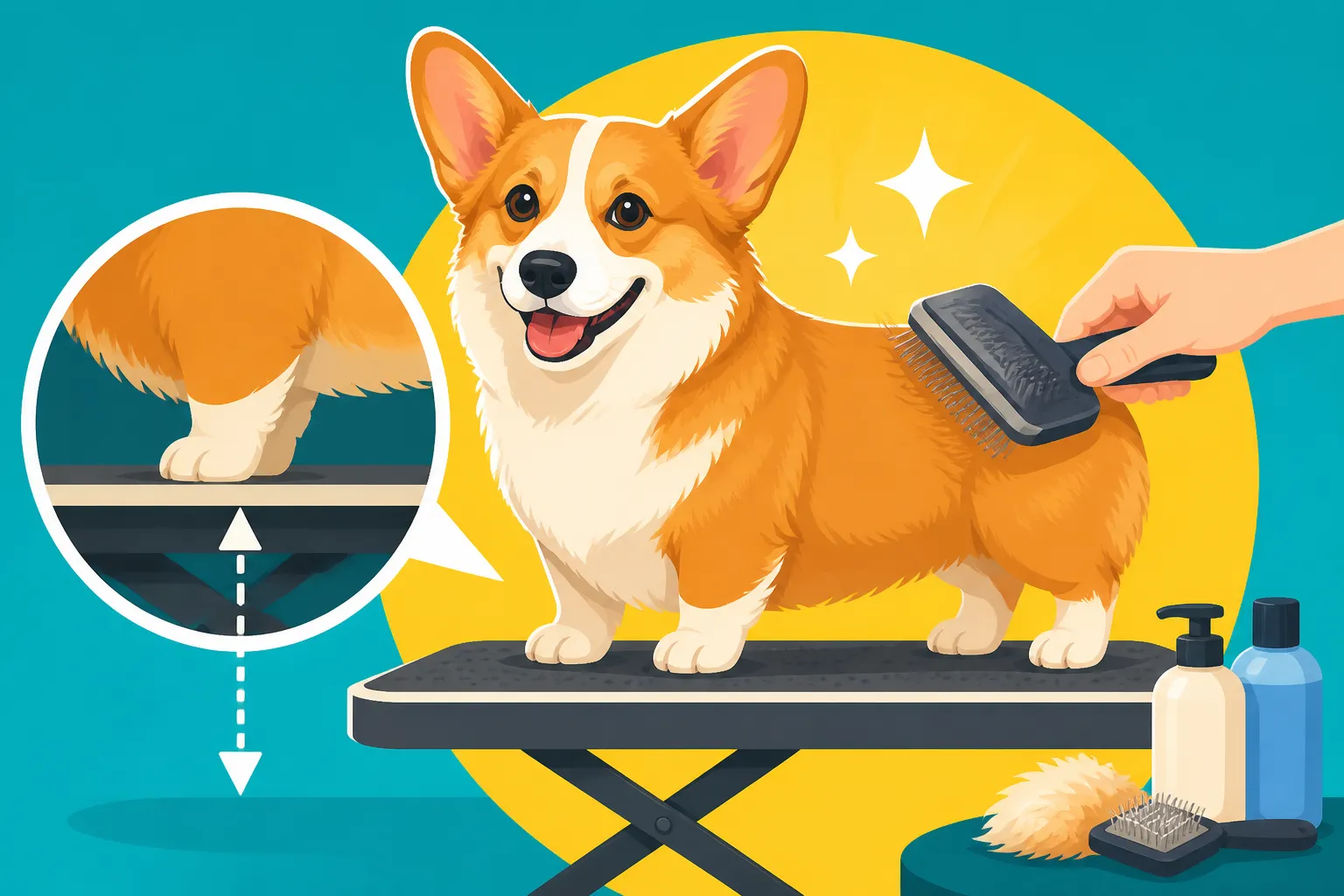
A greyhound comb, with its combination of wide and narrow teeth, is excellent for working through the longer hair on their legs, chest, and britches (the fluffy fur on their rear). For any small tangles or developing mats, a dematting comb or a small pair of blunt-nosed scissors (used with extreme caution!) can be invaluable. Always lift the hair away from the skin when using scissors to avoid cutting your Corgi. A soft bristle brush can be used after combing to remove any loose surface hairs and add a nice sheen. Remember, the goal isn't to strip the coat bare, but to keep these low-lying areas free of snags and clean, preventing larger issues down the line.
The Art of Bathing a Low-Rider
Bathing a Corgi can feel like a full-body workout, especially when you're trying to get to all those hard-to-reach places that have been dragging through the grass. Their double coat means you can't just give them a quick rinse; thorough washing and, crucially, thorough drying are essential to prevent skin issues.
Pre-Bath Prep and De-Shedding
Never, ever put a matted Corgi in the bath. Water will only tighten the mats, making them incredibly difficult, if not impossible, to remove without resorting to shaving, which can damage the coat. Before your Corgi even gets a paw wet, a thorough de-shedding session is in order. Use your undercoat rake and slicker brush to remove as much loose hair and as many tangles as possible. This also helps the shampoo penetrate better and makes the drying process much more efficient.
If you find any serious mats during this prep stage, try to gently work them out with a dematting comb or your fingers. If they're too tight, it might be best to carefully snip them out with blunt-nosed scissors, always making sure to get under the mat and lift it away from the skin. This pre-bath ritual can sometimes take longer than the bath itself, but it’s a non-negotiable step for a healthy, happy Corgi coat. Think of it as preparing the canvas before you start painting; you want a smooth surface to work with.
Washing the Low Belly and Paws
This is where the "low-rider" aspect of your Corgi truly comes into play. Their belly, chest, and paws are often the dirtiest parts, thanks to their close encounter with the ground. When bathing, focus on these areas. Use a good quality dog shampoo that is suitable for double coats. Shampoo That Suits a Thick Corgi Undercoat is important to consider. Lather it well into the belly and leg feathering, making sure to work it right down to the skin. You might need to gently lift your Corgi to get proper access to their underside.
Pay special attention to their paws. These gather mud, grime, and sometimes even small stones or debris between their pads. Gently massage shampoo into their paw pads and between their toes. Rinse thoroughly, and when you think you've rinsed enough, rinse again! Any shampoo residue left on the skin can cause irritation or dryness. A detachable shower head can be incredibly helpful for getting water through to their dense undercoat and ensuring all the soap is washed away, especially from their belly.
Drying Thoroughly and Safely
This is perhaps the most critical step in bathing a double-coated breed like a Corgi, and often the most overlooked. Getting a Corgi Dry Through the Undercoat is not just about aesthetics; it's about health. If their dense undercoat remains damp, it creates a perfect breeding ground for bacteria and fungi, which can lead to skin infections, hot spots, and a general unpleasant smell. Simply towel-drying is rarely sufficient.
Start by towel-drying as much as possible, pressing and squeezing water out of the coat rather than rubbing vigorously, which can cause tangles. Then, move to a high-velocity pet dryer (not a human hairdryer, which can be too hot and burn their skin). These dryers blow water out of the coat rather than just evaporating it, which is much more efficient and safer. Direct the air at the skin level, working in sections, lifting the hair with your free hand to ensure the undercoat is completely dry. If you don't have a high-velocity dryer, a standard pet dryer on a cool or low-heat setting will work, but it will take much longer. Make sure to brush as you dry, which helps separate the hairs and allows air to circulate. Never let your Corgi air dry indoors if they have a dense undercoat; it's a recipe for skin trouble.
Managing the "Fluff" Factor
Not all Corgis have the same coat texture, and some are born with what's known as a "fluffy" coat. While incredibly soft and adorable, these coats come with their own unique set of grooming demands that differ from a standard Corgi coat.
Identifying a Fluffy Coat
A "fluffy" Corgi isn't just one that's a bit thicker than average. It's a specific genetic trait that results in a noticeably longer, softer, and often wavier coat texture than the standard. The Long Coat on a Fluffy Corgi is characterized by excessive feathering on the ears, legs, chest, and belly, and a generally longer topcoat that lacks the coarser texture of a typical guard coat. Their fur might also appear less dense in the undercoat, despite its overall voluminous appearance. This genetic variation means their coat behaves differently, requiring a slightly altered grooming approach.
You'll usually notice a fluffy coat quite early in puppyhood; they simply look "fuzzier" than their littermates. While they are disqualified from conformation shows due to this non-standard coat, they are perfectly healthy and make wonderful pets. However, owners of fluffy Corgis need to be extra vigilant with grooming to prevent discomfort and skin problems.
Specific Grooming Needs for Fluffies
The primary concern with a fluffy Corgi's coat is its propensity to mat. Because the hair is softer and often finer, it tangles more easily, especially in high-friction areas like behind the ears, armpits, and on the long feathering of the legs and britches. Whether a Fluffy Corgi Mats is not really a question of if, but when, if not properly cared for.
For a fluffy Corgi, daily brushing is almost a necessity, especially if they are active outdoors. You'll want to use a combination of a slicker brush and a metal comb. The slicker brush will help detangle the longer topcoat and remove loose hair, while the comb is essential for working through the feathering and checking for any developing mats. Dematting sprays can also be very helpful to loosen tangles before brushing. Unlike standard Corgis, where clipping is generally discouraged, some fluffy Corgi owners opt for light trimming of the longer feathering, particularly on the belly and legs, to keep them cleaner and reduce matting. However, never shave a Corgi completely, fluffy or not, as it can damage their coat, disrupt their natural temperature regulation, and lead to poor regrowth. Regular professional grooming appointments can be a lifesaver for fluffy Corgis, ensuring their unique coat is managed correctly.
Protecting the Corgi's Skin and Coat Health
Grooming isn't just about making your Corgi look good; it's a critical component of their overall health. A well-maintained coat and healthy skin are the first lines of defense against environmental irritants, parasites, and discomfort.
Preventing Matting and Hot Spots
Matting is a serious issue for any long or double-coated dog, and Corgis are no exception. Mats occur when dead hair and live hair intertwine and form dense clumps, often adhering tightly to the skin. They are painful, restrict movement, and can hide skin infections or parasites. For a low-to-the-ground Corgi, mats often form on the belly, behind the ears, in the armpits, and on the "trousers" of their hind legs, areas that see a lot of friction and moisture.
The best defense against matting is consistent, thorough brushing. During shedding seasons, this might mean daily brushing with an undercoat rake and slicker brush. Always check those high-friction areas carefully. If you do find a mat, try to work it out gently with your fingers, a dematting comb, or a detangling spray. Never pull on a mat, as this can hurt your Corgi and make them wary of future grooming sessions. Hot spots, on the other hand, are acute moist dermatitis – essentially, angry, red, weeping skin lesions that often start from an itch or irritation. Wet Patches That Turn Into Corgi Hot Spots are a common problem. Mats that trap moisture, flea bites, or even excessive licking can trigger them. Keeping the coat clean, dry, and mat-free, especially on their low belly, is crucial to preventing both issues.
Nutritional Support for a Healthy Coat
You are what you eat, and the same goes for your Corgi's coat. A healthy, shiny, and strong coat begins from the inside out with proper nutrition. A diet rich in high-quality protein, essential fatty acids (like Omega-3 and Omega-6), and vitamins is vital for skin and coat health. Dull, dry, or brittle fur, or flaky skin, can often be a sign of a nutritional deficiency or an imbalanced diet.
Look for dog foods that list a named meat source as the first ingredient. Many premium dog food brands, like Ollie, focus on fresh, human-grade ingredients that can significantly impact coat quality. Supplements containing fish oil (rich in Omega-3s) can also be beneficial, promoting a lustrous coat and reducing inflammation in the skin. Always consult your vet before adding supplements to your Corgi's diet. While good nutrition won't stop shedding, it will ensure that the new hair growing in is as healthy and strong as possible, making it less prone to breakage and maintaining the integrity of that all-important double coat.
Addressing Specific Low-Rider Grooming Challenges
The Corgi's adorable short legs and long body are part of their charm, but they undoubtedly present unique grooming hurdles. Their proximity to the ground means they're constantly interacting with whatever surface they walk on, leading to specific challenges.
Mud, Debris, and Burrs
Let's face it: Corgis love to explore, and their short stature means they get up close and personal with the ground. This often results in their belly, chest, and leg feathering becoming magnets for mud, dust, leaves, twigs, and especially burrs. Mud and Grass on a Corgi Belly is a daily reality for many owners. While a quick towel-down might seem sufficient after every outdoor adventure, a deeper clean is often needed to prevent these elements from embedding in their coat.
For muddy paws and bellies, a simple rinse with warm water in a utility sink or an outdoor hose can do wonders. Keep a designated "Corgi cleaning station" by the door with towels, a paw cleaner, and perhaps a spray bottle with plain water to tackle fresh mud before it dries and hardens. For burrs or small twigs, a fine-toothed comb or a specialized burr remover (often found at pet stores or on Chewy) can help. Always check their coat thoroughly after walks in grassy or wooded areas, paying close attention to the feathering on their legs and the dense fur on their underside where things can easily get tangled and lead to mats. Prevention is key here; a quick check immediately after coming indoors can save you a lot of headache later.
Keeping the Underside Clean in All Seasons
The challenge of a low-slung Corgi's belly isn't just about mud; it's about keeping it clean and dry in all weather conditions. In winter, snow and road salt can accumulate, leading to irritation and chapped skin. In summer, wet grass or splashes from puddles can keep their undercoat damp for extended periods, contributing to skin issues if not properly addressed.
Consider specialized belly bibs or dog raincoats that cover their underside for walks in particularly wet or snowy conditions. These can act as a barrier, reducing the amount of debris and moisture their fur collects. After wet walks, whether a Corgi's belly needs dried after rain is a resounding yes! A thorough towel dry, or even a quick blow-dry on a cool setting, is essential to prevent that damp, musty smell and potential skin irritation. For areas prone to salt or irritants, a quick rinse with plain water and pat dry is recommended. Regular grooming also helps; a well-brushed coat is less likely to trap foreign objects and moisture, making the cleaning process much easier regardless of the season.
Regular Grooming Schedule and Professional Help
Grooming a Corgi isn't a one-and-done event; it's an ongoing commitment. Establishing a routine and knowing when to call in the professionals will ensure your Corgi always looks and feels their best.
Establishing a Home Grooming Routine
Consistency is key when it comes to Corgi grooming. A regular schedule will not only keep their coat in top condition but also get your Corgi accustomed to the process, making it less stressful for everyone involved. Start with short, positive sessions when they are puppies, associating grooming with treats and praise.
A good home grooming routine typically looks something like this:
- Daily or Every Other Day: Quick brush-through, especially during shedding season, focusing on high-friction areas like the belly, armpits, and behind the ears. Check for burrs or debris after walks.
- Weekly: Thorough brushing with an undercoat rake and slicker brush. This is your main de-shedding session. Check paws, ears, and teeth.
- Monthly (or as needed): Bathing. Depending on your Corgi's activity level and environment, this could be every 3-4 weeks. Remember the thorough drying step!
- As Needed: Nail trims (usually every 2-4 weeks, or when you hear their nails clicking on hard floors). Ear cleaning if they appear dirty.
This routine might seem intensive, but breaking it down into smaller, manageable tasks makes it less daunting. Whether a Corgi Coat Can Be Managed at Home truly depends on your commitment to this routine.
| Grooming Task | Frequency | Key Tools | Notes |
|---|---|---|---|
| Brushing | Daily to Weekly | Undercoat rake, slicker brush, metal comb | More frequent during shedding season. |
| Bathing | Every 3-4 weeks (or as needed) | Dog shampoo, conditioner, high-velocity dryer | Ensure thorough drying to prevent skin issues. |
| Nail Trimming | Every 2-4 weeks | Nail clippers or grinder, styptic powder | Prevents gait problems and discomfort. |
| Ear Cleaning | Monthly (or as needed) | Ear cleaner, cotton balls | Check for redness, odor, or excessive wax. |
| Dental Care | Daily to Weekly | Dog toothbrush, toothpaste | Essential for overall health and fresh breath. |
| Paw/Belly Check | Daily after walks | Towel, comb, paw balm | Remove debris, check for irritation, moisturize. |
When to Seek a Professional Groomer
While much of your Corgi's grooming can be handled at home, there are times when calling in a professional groomer is beneficial, or even necessary. They have specialized equipment, expertise, and often a stronger back than we do!
A professional groomer has industrial-strength dryers that can get through that dense undercoat much faster and more effectively than most home dryers. They also have a range of tools and techniques for dematting that you might not possess. If your Corgi develops severe matting that you can't safely remove yourself, a professional groomer can tackle it without causing pain or injury. They're also adept at nail trims, especially for Corgis who aren't keen on having their paws handled, reducing the risk of cutting the quick. For fluffy Corgis, or those with particularly unruly feathering, a professional can provide sanitary trims and light tidying that maintains the coat's health and appearance. Think of a professional groomer as a valuable partner in your Corgi's care team, someone who can step in for the more challenging aspects of grooming or simply provide a luxurious spa day for your low-riding companion.
Disclaimer
This article is for general informational purposes only and does not constitute professional advice. Laws, prices and regulations vary by location and change over time. Consult a qualified professional for guidance on your specific situation.