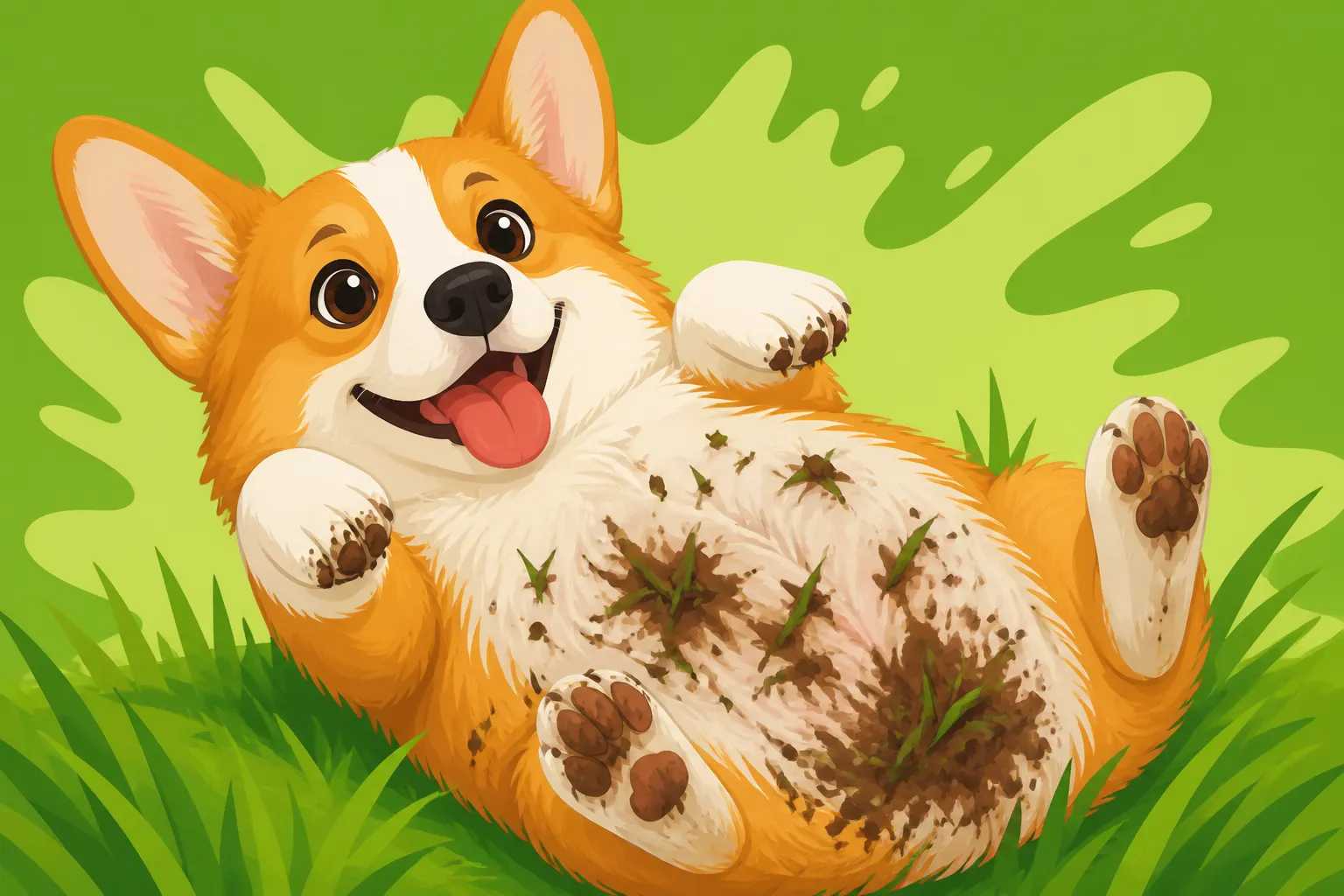
Mud and Grass on a Corgi Belly
If you’re a Corgi owner, you know the struggle: that adorably low-slung belly, so close to the ground, is a magnet for every speck of mud, every blade of wet grass, and every rogue leaf on your daily adventures. It’s frustrating to have your sweet pup come in looking like they rolled through a swamp, knowing the cleaning routine that inevitably follows. This guide is all about tackling that persistent problem, offering practical strategies for prevention, efficient cleaning, and maintaining your Corgi's coat health, even in the muddiest of seasons.
The Low-Slung Reality: Why Corgi Bellies Attract So Much Grime
It’s not just bad luck; there’s a scientific and behavioral reason why your Corgi’s underside seems to vacuum up the entire outdoors. Their unique build, combined with their zest for life, creates a perfect storm for dirt accumulation. Understanding this fundamental truth helps us approach the problem with both empathy and practical solutions.
Corgi Anatomy: A Natural Mud Magnet
Let's face it, those adorable short legs and long bodies are what make Corgis so distinctive and beloved. But that very charm is also their Achilles' heel when it comes to staying clean. A Corgi's chest and belly often sit mere inches from the ground, significantly lower than most other breeds. This means that even a short walk through damp grass or a quick sniff in a slightly muddy patch turns their entire underside into a furry mop. They aren't just splashing through puddles; they're essentially wading through them belly-deep. This anatomical predisposition makes them incredibly efficient at collecting whatever happens to be on the ground, be it dewy morning grass, autumn leaves, or sticky spring mud.
Compounding this is their double coat. The soft, dense undercoat and coarser guard hairs create a plush barrier that, while excellent for weather protection, also acts like Velcro for debris. Mud, leaves, seeds, and twigs get easily trapped in the belly and leg feathering, often working their way deep into the fur where they are harder to dislodge. You might think a quick shake would do the trick, but much of that detritus holds on tight, making it a constant battle to keep them pristine. This is why Grooming a Corgi That Sits Six Inches Off the Ground is a topic so many of us can relate to!
The Outdoor Enthusiast: How Corgis Play
Corgis, despite their compact size, are herding dogs with an active spirit and an insatiable curiosity about their surroundings. They love to explore, sniff every interesting scent, and plunge headfirst (or belly-first!) into whatever catches their attention. Whether it's chasing a squirrel across a dewy lawn, investigating a fresh patch of mud left by a sprinkler, or rolling around gleefully in a pile of leaves, their enthusiasm often overrides any instinct to stay clean. They aren't dainty walkers; they are determined explorers, and their low stature means they're always "in" whatever environment they're traversing.
Consider a typical Corgi walk: they're nose-to-the-ground, often pushing through undergrowth or sniffing deeply into grassy verges. This behavior inherently means their chest and belly are constantly brushing against damp, dirty, or pollen-laden surfaces. Even a simple potty break in the backyard can turn into a muddy affair if the grass is wet. Their joy in these activities is undeniable, and we wouldn't want to curb their natural instincts, but it certainly contributes to the perpetual belly-grime problem. This adventurous spirit means that managing their cleanliness is an ongoing part of Corgi ownership.
The Weather Factor: Seasonal Contributions
The weather plays a huge role in the level of "belly filth" your Corgi experiences. Spring and autumn, with their frequent rains, dew-soaked mornings, and thawing grounds, are prime seasons for muddy bellies. A sudden downpour can turn a perfectly manicured lawn into a sloshy mess, and your Corgi will, inevitably, find the wettest spot. Winter brings its own set of challenges, from slush and road salt to icy patches that can cling to fur. Snow, while often seen as clean, can melt into dirty slush, and packed snow can pick up all sorts of urban grime.
Even summer isn't entirely immune. Early morning dew, damp patches from sprinklers, or a frolic through tall, pollen-rich grass can leave your Corgi's belly damp and dirty. If your Corgi has allergies, this can be particularly problematic, as pollen and environmental irritants can exacerbate skin conditions when trapped in their fur. Understanding these seasonal variations helps you anticipate the mess and adjust your preventative and cleaning routines accordingly. This constant exposure is why Whether a Corgi Needs Its Belly Dried After Rain isn't just a suggestion, but a necessity for many owners!
Proactive Measures: Keeping the Mud Off in the First Place
While we can't completely change a Corgi's anatomy or their love for outdoor exploration, we can certainly implement strategies to minimize the amount of mud and grass they collect. Proactive measures are often far less time-consuming and stressful than reactive cleaning. It’s all about setting yourself and your Corgi up for success before they even step foot outside.
Strategic Walking and Yard Management
One of the simplest yet most effective ways to reduce belly grime is to be strategic about where and when you walk your Corgi. If it's just rained or the morning dew is heavy, consider sticking to paved paths or shorter, drier routes if possible. Avoid areas with tall, wet grass or known muddy spots. If your Corgi loves a particular grassy field, try to visit during drier parts of the day. For backyard use, consider creating a designated "potty path" with gravel or wood chips in high-traffic areas, especially near doors, to reduce the amount of grass and mud they track indoors.
Another tip is to keep your lawn trimmed, especially if your Corgi has free access to the yard. Shorter grass means less surface area for mud to cling to, and less dampness rubbing against their belly. During particularly wet periods, you might even consider limiting backyard access to just the essentials for potty breaks, keeping playtime for drier indoor spaces or less muddy parks. Planning your walks and managing your immediate environment can significantly cut down on the daily cleaning routine.
Protective Apparel: Belly Bands and Rain Gear
For Corgis, protective apparel isn't just a fashion statement; it's a practical necessity. Belly bands or full-body rain suits can be absolute game-changers, acting as a physical barrier between your Corgi's underside and the ground. A simple waterproof belly band, often available from retailers like Chewy or Amazon, can cover their chest and most of their belly, preventing mud, slush, and wet grass from matting their fur. These are especially useful in mild but damp weather when a full suit might be overkill.
For truly wet or snowy conditions, a full-body rain suit designed for short-legged dogs can protect even more of their coat. These suits cover their back, legs, and belly, leaving only their head and tail exposed. While getting your Corgi into one might take a little practice (and some treats!), the time saved on cleaning afterwards is often well worth the effort. Look for suits that are easy to put on and take off, offer a good range of motion, and are made from lightweight, breathable, waterproof material. Using such gear means less mess to wash out of their double coat and less potential for Itchy Skin Under a Corgi's Undercoat from persistent dampness.
Creating a Post-Adventure Cleaning Station
No matter how many preventative measures you take, some degree of mud and grass is almost inevitable. Having a dedicated, well-stocked cleaning station by your main entry point can make the post-walk cleanup swift and efficient. This could be a designated spot by the back door, in a mudroom, or even just a corner of the bathroom. The key is to have everything you need readily accessible.
Your cleaning station should include:
- Absorbent Towels: Keep a stack of old towels specifically for dog drying.
- Paw Washer: A portable paw washer with silicone bristles can be great for muddy paws, preventing tracked-in dirt.
- Dog Wipes: Biodegradable, pet-safe wipes are fantastic for quick spot cleaning of bellies and legs. Many brands are available on Chewy that are formulated for sensitive skin.
- Spray Bottle with Water: For loosening dried mud or rinsing off salt.
- Brush: A soft brush to remove loose dirt and debris. The Rake and Comb a Corgi Coat Actually Needs outlines essential tools.
- Non-slip Mat: To give your Corgi traction while you clean them, especially if the area can get wet.
By having these items organized and ready, you can intercept the dirt at the door, preventing it from spreading throughout your home. Consistency is key here; make it part of your routine every time your Corgi comes in from outdoors.
Cleaning Up the Mess: Practical Tips for a Spotless Corgi
When the mud and grass inevitably make their way onto your Corgi's belly, it's time for efficient cleaning. The goal is to get them clean without turning it into a wrestling match or over-bathing, which can strip their natural oils. Knowing when to opt for a quick wipe versus a full bath is crucial for both your sanity and your Corgi's skin health.
Quick Wipes and Targeted Spot Cleaning
For minor dirt, damp grass, or a light layer of mud, a full bath is often unnecessary. This is where quick wipes and targeted spot cleaning shine. Keep a good supply of large, durable dog wipes at your cleaning station. These are fantastic for a swift pass over their belly, chest, and legs. Look for hypoallergenic, alcohol-free wipes that won't irritate their skin.
For more stubborn, but still localized, mud, a damp towel works wonders. You can dampen a towel with warm water and gently rub the affected areas. For dried mud, sometimes it's best to let it dry completely and then brush it off, rather than smearing it. A dedicated spray bottle with plain warm water can also help loosen dried mud before wiping. The trick is to be thorough but gentle, ensuring you get into the dense undercoat without pulling on their fur or irritating their skin. This method is perfect for Cleaning a Corgi Belly After a Wet Walk when the mess isn't too extreme.
The "Mini-Bath" vs. The Full Soak
There will be times when a quick wipe-down just won't cut it. Perhaps your Corgi decided to fully embrace a mud puddle, or they rolled in something particularly sticky. This is where the "mini-bath" comes in – a compromise between a spot clean and a full, all-over scrub. A mini-bath focuses primarily on the belly, chest, and lower legs, essentially anything that made contact with the ground.
To perform a mini-bath:
- Prep the Area: Place a non-slip mat in your tub or a large utility sink. Have towels, dog shampoo, and a cup for rinsing within reach.
- Wet the Dirty Parts: Use a hand-held shower sprayer or a cup to thoroughly wet only the soiled areas of their belly and legs. Avoid getting the rest of their body soaking wet if not needed.
- Shampoo and Lather: Apply a small amount of dog-specific shampoo directly to the wet, dirty fur. Gently work it into a lather, making sure to get down to the skin to loosen all the grime. Pay extra attention to the feathering on their legs and trousers.
- Rinse Thoroughly: This is the most crucial step. Rinse until the water runs clear and you feel no shampoo residue. Residue can cause skin irritation and make their coat dull.
- Towel Dry: Use highly absorbent towels to blot and squeeze as much water out of their fur as possible.
- Air Dry or Low Heat Dryer: Allow them to air dry in a warm, draft-free room, or use a dog-specific blower on a low, cool setting, being careful not to overheat their skin. Getting a Corgi Dry Through the Undercoat is vital to prevent skin issues.
A full soak, on the other hand, is reserved for when your Corgi is truly filthy all over, or if they've rolled in something odorous. How Often a Corgi Actually Needs Washing depends on their lifestyle, but generally, full baths should be spaced out to protect their natural skin oils.
Tackling Persistent Stains and Odors
Sometimes, mud and grass leave more than just dirt behind; they can leave stains or a distinct outdoor odor. For yellowing or dingy-looking fur on white areas of their belly, a whitening shampoo (formulated for dogs, of course!) can help. Use it sparingly and follow the instructions carefully to avoid drying out their skin. For general dinginess, sometimes a second lather and rinse during a mini-bath can do the trick.
Odors often come from bacteria in damp fur or from whatever organic matter they've picked up. A good quality dog shampoo designed for deodorizing can help. If the odor persists even after thorough washing and drying, it might indicate a skin issue or yeast buildup, especially if accompanied by itching or redness. In such cases, a vet visit is warranted. Always ensure their coat is completely dry after washing, as damp undercoats are a breeding ground for yeast and bacteria, leading to persistent smells and skin problems.
Maintaining Coat and Skin Health Amidst Frequent Cleaning
Regularly cleaning your Corgi's belly is a necessity, but it can take a toll on their skin and coat if not done correctly. The key is to strike a balance: keeping them clean without stripping natural oils or causing irritation. A healthy coat is a resilient coat, better able to shed dirt and recover from cleaning.
Choosing the Right Cleansers and Conditioners
Not all dog shampoos are created equal, and for a Corgi who needs frequent belly cleanups, selecting the right products is paramount. Opt for shampoos that are:
- Mild and pH-balanced: Human shampoos are too harsh and can disrupt your dog's skin pH, leading to dryness and irritation.
- Hypoallergenic or Sensitive Skin Formulas: These often contain fewer dyes, fragrances, and harsh chemicals, which is crucial if your Corgi has sensitive skin or if you're bathing them often.
- Moisturizing: Ingredients like oatmeal, aloe vera, or natural oils can help replenish moisture to the skin and coat.
- Specific for Double Coats: Some brands offer shampoos designed to work with dense undercoats, helping to clean deeply without stripping.
After shampooing, especially if you're doing a full bath, a dog-specific conditioner can be incredibly beneficial. It helps to restore moisture, detangle fur, and leave the coat softer and more manageable, making it easier to brush out future debris. Conditioner can also help protect the coat from drying out from frequent washing. Many excellent options are available on Amazon and Chewy. Shampoo That Suits a Thick Corgi Undercoat is definitely worth researching for your specific dog.
The Art of Drying: Preventing Skin Irritation
Proper drying is just as important as proper washing, particularly for a Corgi's dense double coat. Leaving a Corgi damp, especially deep in the undercoat of their belly and chest, can lead to serious skin issues like hot spots, yeast infections, and general skin irritation. This is particularly true in areas prone to collecting moisture, like the belly feathering.
Here's how to dry your Corgi effectively:
- Towel Dry Vigorously: Immediately after rinsing, use several clean, absorbent towels to blot, squeeze, and rub as much water out of their coat as possible. Don't be shy; Corgis can hold a lot of water!
- Use a High-Velocity Dryer (if available): If you have a dog-specific high-velocity dryer, this is ideal. It blasts water out of the coat without using heat, greatly reducing drying time and minimizing the risk of skin issues. Start on a low setting and keep the nozzle moving to avoid focusing too much air on one spot.
- Blow Dryer (with caution): If using a human blow dryer, always use the coolest setting. Keep the dryer moving constantly, never pointing it at one spot for too long, as Corgi skin can burn easily. Use your free hand to feel the skin temperature to ensure it doesn't get too warm.
- Brush While Drying: As you dry, use a brush to separate the fur and help air circulate, ensuring the undercoat gets dry.
- Check for Damp Spots: Pay special attention to their armpits, groin, and deep chest fur. These areas tend to stay damp longest. You want them completely dry to the skin.
This meticulous drying process prevents skin problems and keeps their coat in top condition.
Regular Brushing: Your Best Defense
Beyond washing, regular brushing is your frontline defense against grime and a key component of maintaining a healthy Corgi coat. Brushing helps in several ways:
- Removes Loose Dirt: A good brushing can dislodge dried mud, loose grass, and other debris before it becomes deeply embedded or requires a bath.
- Prevents Matting: Especially in the belly feathering, mud and moisture can contribute to matting. Regular brushing prevents these mats from forming, which can be painful and lead to skin infections.
- Distributes Natural Oils: Brushing helps to spread your Corgi's natural skin oils throughout their coat, keeping it healthy, shiny, and more resilient to dirt.
- Stimulates Circulation: The act of brushing increases blood flow to the skin, promoting a healthier coat.
Invest in the right tools: a slicker brush for the topcoat and a good undercoat rake or de-shedding tool are essential for a Corgi's dense fur. Aim for a quick brush-down daily, especially after outdoor activities, and a more thorough session a few times a week. This regular maintenance is crucial not just for cleanliness, but also for general coat health, and helps prevent Wet Patches That Turn Into Corgi Hot Spots.
Seasonal Considerations for Corgi Cleanliness
The changing seasons bring different challenges and necessitate adjustments to your Corgi cleaning routine. Understanding these seasonal nuances can help you anticipate the type of mess you'll face and adapt your strategies accordingly.
Wet Weather Woes: Rain and Snow Challenges
Wet weather, whether it's persistent rain, melting snow, or slush, is arguably the biggest contributor to a muddy Corgi belly. During these times, the ground is almost always damp, and every step your Corgi takes becomes a direct interaction with moisture and grime.
- Rainy Days: A light drizzle can quickly turn a walk into a mucky affair. This is when waterproof gear, like a belly band or full rain suit, becomes indispensable. It physically blocks the water and mud from reaching the fur. Upon returning home, use your dedicated cleaning station for a thorough towel dry and quick wipe-down of any exposed areas. Pay extra attention to paws, as they will track in a surprising amount of wet dirt.
- Snow and Slush: While snow might seem clean, it quickly turns into dirty slush in urban areas, collecting road salt, sand, and pollutants. This mix is particularly harsh on a Corgi's delicate paw pads and belly skin. Rinse off paws and bellies thoroughly with lukewarm water immediately after coming inside to remove any salt or chemicals. Protective boots and a good winter coat with belly coverage can also offer significant protection. Even if it's just pure snow, snowballs can cling to Corgi fur, especially the long feathering, and melt into a wet mess indoors. Brushing snow out before it melts is key.
During these wet seasons, increasing the frequency of brushing can also help, as it keeps the coat free of tangles that might hold moisture and debris.
Summer Grass and Allergies
Summer brings its own set of cleanliness challenges, even without the mud. Tall grasses, pollen, burrs, and sticky plant seeds become the primary culprits for a dirty Corgi belly.
- Pollen and Allergens: For Corgis prone to environmental allergies, summer can be a tough time. Running through pollen-heavy grass can deposit allergens directly onto their belly, chest, and paws, potentially triggering skin irritations. After walks, a quick wipe-down with a damp cloth or hypoallergenic wipe can remove surface allergens. Consider wiping their paws and belly even on dry days if allergies are a concern.
- Burrs and Seeds: These pesky plant materials cling tenaciously to a Corgi's undercoat and leg feathering. If not removed promptly, they can work their way deep into the fur, causing mats and skin irritation. Always do a quick visual check and run your hands over their belly and legs after walks in grassy or wooded areas. A fine-toothed comb or a slicker brush can help gently tease out burrs and seeds.
- Damp Grass: Even on a dry day, morning dew or irrigated lawns can leave your Corgi's belly damp, collecting fine dust and dirt that then adheres to the moisture. A quick towel dry or wipe after these excursions prevents that dampness from leading to a dirty, itchy belly.
While Whether a Corgi's Coat Helps in Summer is true for temperature regulation, it doesn't do much to repel burrs! Being mindful of these seasonal variations allows you to tailor your grooming routine, keeping your Corgi comfortable and clean year-round.
Household Adaptations for a Cleaner, Happier Corgi
Beyond direct grooming and preventative clothing, making a few strategic adjustments to your home environment can significantly reduce the amount of mud and grass your Corgi tracks in and the amount of effort you expend cleaning them. These adaptations are about creating a more Corgi-friendly, clean-conscious living space.
Flooring Solutions for Muddy Paws
The type of flooring you have plays a huge role in how quickly mud and dirt spread throughout your home. Hard, smooth surfaces like tile or hardwood show dirt easily, but are also the easiest to clean. Carpets, especially light-colored ones, can quickly become stained and hold onto dirt, odors, and allergens.
- Strategically Placed Mats: Lay down highly absorbent mats or runners, particularly at entryways and in high-traffic areas where your Corgi enters the house. These can capture a lot of dirt and moisture from paws and bellies before it spreads further. Look for mats that are machine washable for easy cleaning.
- Rugs over Hardwood: If you have hardwood or tile throughout your home, consider placing washable area rugs in common Corgi hangouts. Not only do these offer a softer, warmer spot for your dog to rest, but they can also absorb some of the residual dirt that might escape the initial clean-up. Plus, they provide better traction for your Corgi's short legs, helping to prevent slips and potential back injuries. Runners Over Hardwood in a Corgi House can be a lifesaver for both cleanliness and Corgi safety.
- Easy-to-Clean Flooring: If you're considering new flooring, options like tile, luxury vinyl plank (LVP), or sealed concrete are excellent choices for Corgi owners due to their durability and ease of cleaning. These materials resist stains and can be quickly mopped or wiped down.
While we can't always change our entire house's flooring, small additions like strategically placed, washable mats can make a world of difference in managing the cleanliness of a Corgi household.
Ramps and Steps: Minimizing Risky Jumps and Exposure
Corgis, with their long backs and short legs, are prone to spinal issues like intervertebral disc disease (IVDD). Jumping on and off furniture, or even repeatedly using stairs, can put undue stress on their spines. While this might seem unrelated to mud, minimizing these activities often translates to better management of their outdoor exposure and subsequent mess.
- Ramps for Furniture and Cars: Instead of letting your Corgi jump off the sofa or into the car, train them to use ramps. This not only protects their back but also gives you a controlled moment to wipe their belly and paws before they settle onto your clean upholstery. A car ramp means less time they spend wiggling their muddy bottom onto the back seat. Ramps and Steps That Save a Corgi's Back are a crucial investment for any Corgi owner.
- Designated Entry/Exit Points: If your Corgi has a favorite spot to jump off the deck or patio, consider installing a small ramp there. This funnels them through a specific spot, making it easier to intercept them for cleaning.
- Gate Off Problem Areas: If you have a particularly muddy area of the yard or a frequently used doorway that always results in a mess, consider using baby gates or pet gates to funnel your Corgi through a less muddy path or a dedicated cleaning zone. This allows you to control their access and manage the mess more effectively.
By implementing these household adaptations, you're not just preventing mud from spreading; you're also creating a safer, more comfortable environment for your beloved Corgi, which ultimately benefits both of you.
| Strategy Type | Action | Benefits | Key Items Needed |
|---|---|---|---|
| Prevention | Strategic walk routes | Less initial mud/grass contact | Knowledge of local terrain |
| Protective gear | Physical barrier against dirt | Belly bands, rain suits (available on Chewy/Amazon) | |
| Yard management | Reduces mud in high-traffic areas | Gravel, wood chips, well-trimmed lawn | |
| Immediate Cleanup | Dedicated cleaning station | Quick, organized post-walk cleanup | Absorbent towels, paw washer, dog wipes (Chewy/Amazon), spray bottle, brush |
| Quick wipes/spot cleaning | Avoids full baths for minor messes | Pet-safe wipes, damp towels | |
| Mini-baths for moderate dirt | Targets dirty areas without over-bathing | Mild dog shampoo, handheld sprayer, non-slip mat | |
| Long-Term Care | Choosing right shampoos/conditioners | Maintains coat/skin health, prevents irritation | pH-balanced, hypoallergenic dog shampoo/conditioner |
| Proper drying techniques | Prevents hot spots and skin infections | High-velocity dryer, absorbent towels | |
| Regular brushing | Removes debris, prevents mats, distributes oils | Slicker brush, undercoat rake | |
| Home Adaptations | Washable mats/runners at entryways | Captures dirt before it spreads | Machine washable entry mats, area rugs |
| Ramps for furniture/cars | Spinal health, controlled cleaning opportunities | Dog ramps/steps |
Disclaimer
This article is for general informational purposes only and does not constitute professional advice. Laws, prices and regulations vary by location and change over time. Consult a qualified professional for guidance on your specific situation.