The Feathering on a Corgi’s Legs and Backside
Oh, the glorious "feathering" on a Corgi's legs and backside! It looks so charming, doesn't it? Like little pantaloons or a fluffy skirt, adding to their undeniable cuteness. But if you're a Corgi parent, you know this beautiful fur can also be a magnet for every bit of mud, leaf, and mystery goo they encounter on their low-riding adventures. This guide is here to dive deep into the world of Corgi feathering, offering practical advice and solutions to keep your furry friend's magnificent fluff pristine and healthy, no matter what they roll through.
Understanding Corgi Feathering: More Than Just Fluff
That beautiful longer hair gracing your Corgi's legs, belly, and hindquarters isn't just for show – though it certainly adds to their unique charm! It's an integral part of their double coat and serves a purpose, even if sometimes that purpose feels like collecting every speck of dirt on the planet. Understanding what this feathering is and why it exists is the first step in mastering its care.
What Exactly is "Feathering" on a Corgi?
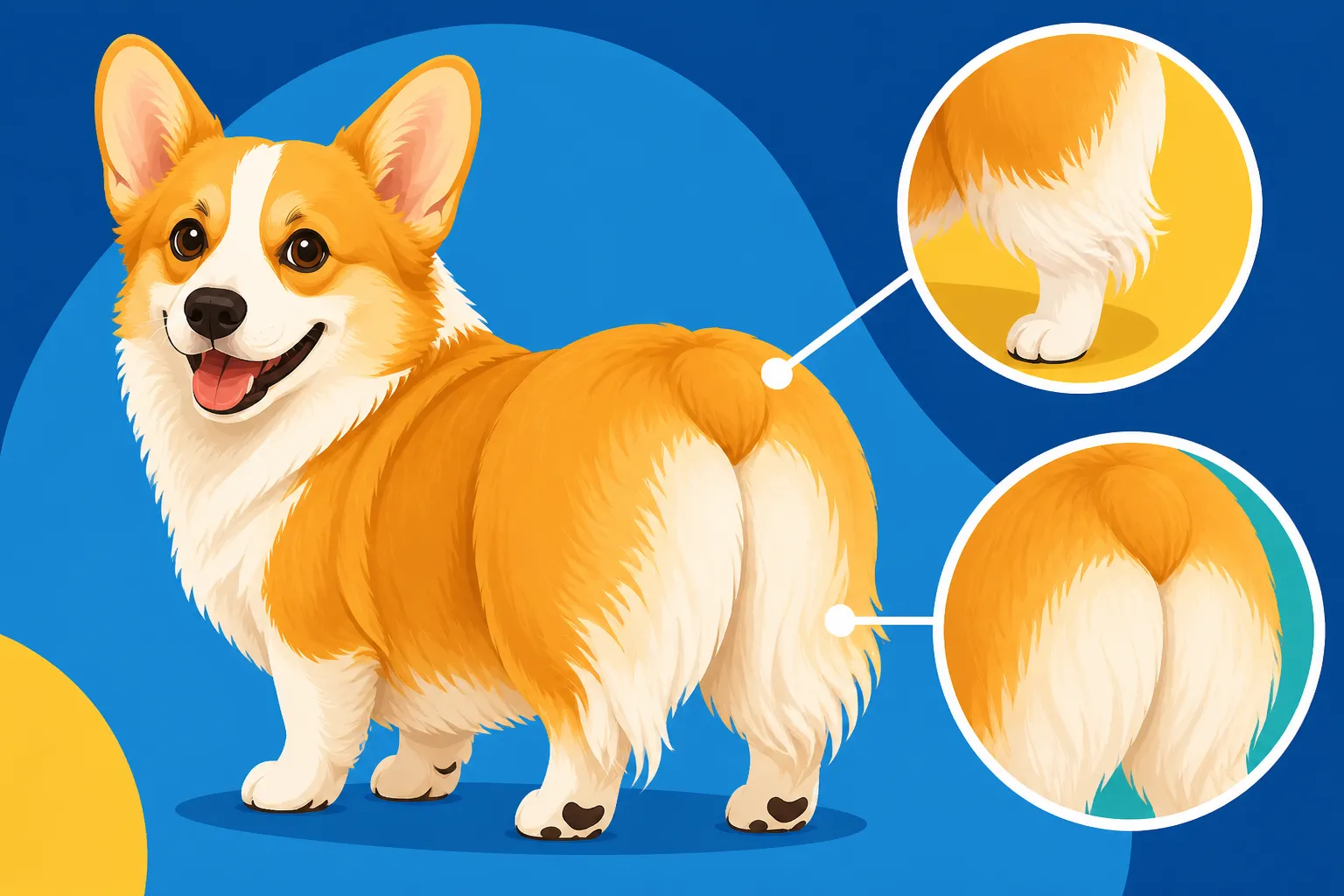
"Feathering" refers to the longer, sometimes softer, hair found on certain areas of your Corgi's body, distinct from the shorter, denser hair of their main coat. You'll typically see it fanning out behind their front legs (their "elbows"), along their chest, under their belly, and most notably, on the backs of their hind legs – often affectionately called their "trousers" or "skirts." This feathering can vary in length and density from one Corgi to another, with some having quite substantial plumes while others have more moderate fringing. It tends to be a bit finer in texture than the guard hairs of their topcoat, which makes it prone to tangling and collecting debris.
The Purpose of This Unique Coat Feature
While Corgis were bred to be hardy working dogs, herding cattle with their low stature, their coat, including the feathering, evolved to protect them from the elements. The double coat provides insulation against both cold and heat, and a degree of waterproofing. The feathering, in particular, offers additional protection to vulnerable areas like the undersides and backs of legs from thorny underbrush, rough terrain, and even splashes of mud or dew. It acts as a natural barrier, much like gaiters for a hiker. However, in our modern homes and manicured parks, this natural protection sometimes turns into a maintenance challenge, as it readily picks up bits of nature that you'd rather stay outside.
Common Areas Where Feathering Flourishes
You'll notice the most prominent feathering in a few key zones. On the front, it's often seen around the neck, chest, and behind the "elbows" or upper forelegs. This can create a lovely ruff or a frilly look. Along the belly, you'll see a longer fringe of hair that can sweep the ground if not kept tidy. But perhaps the most iconic feathering is on their hindquarters. Imagine a Corgi with a magnificent "skirt" or "trousers" – that's the feathering on a Corgi's hind legs and backside. This area is particularly delightful to look at but also particularly problematic for collecting burrs, mud, and anything else they might brush against while trotting. The length and volume here often seem to increase with age, becoming even more magnificent and, of course, more demanding to maintain.
Daily Challenges Posed by Feathered Fur
That adorable feathering, while a hallmark of the Corgi breed, brings with it a unique set of daily grooming challenges. As a low-rider, your Corgi's feathered areas are practically on the ground, making them prime targets for dirt, debris, and all sorts of unsavory things. It’s a constant battle, but one that’s absolutely winnable with the right routine.
The Magnet for Muck and Debris
Let's be real, a Corgi’s feathering acts like a magnet for anything and everything on the ground. A quick trot through dewy grass turns those beautiful hind leg "trousers" into damp, matted clumps. A dusty park walk leaves them coated in a fine layer of brown. And don't even get me started on muddy days! It seems no matter how careful you are, their low slung bodies and sweeping undercarriage collect leaves, twigs, burrs, and just plain old dirt with impressive efficiency. This isn't just unsightly; it can be uncomfortable for your dog. Imagine walking around with tiny, sticky burrs embedded in your pants all day, or having wet, gritty clumps of hair pulling at your skin. It’s enough to make any Corgi grumpy. Regularly checking these areas after every outing is crucial to prevent minor pick-ups from turning into major problems.
Tangles and Mats: The Silent Threat
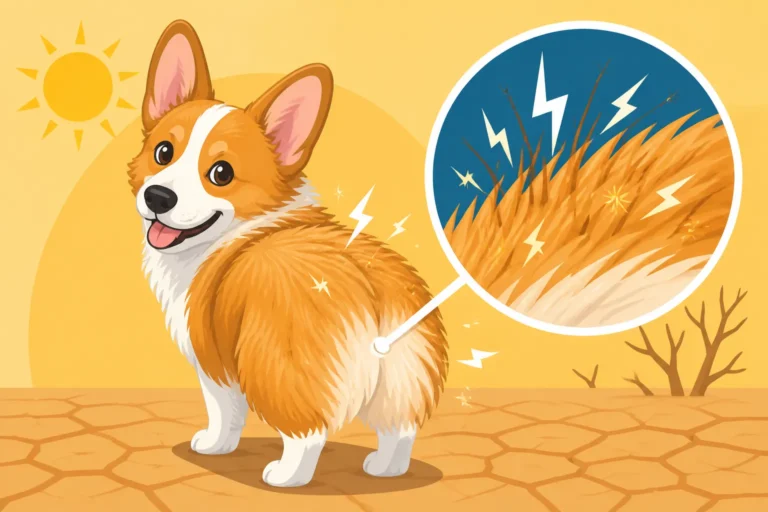
Because the feathering hair is often finer and longer than the rest of the coat, it’s particularly prone to tangling and matting. These mats start small, often as a knot hidden deep within the fluff, especially in areas of high friction like the armpits, behind the ears, or where the legs meet the body. Left untended, these small tangles can quickly become dense, painful mats that pull on the skin. If your Corgi enjoys rolling around, or if they rub against furniture, these mats can form even faster. Mats aren't just an aesthetic issue; they can hide skin irritation, trap moisture, and even restrict movement. Brushing through them without care can also be painful for your dog, making them reluctant to be groomed. This is why consistent, gentle detangling is far more effective than trying to tackle a giant mat once it’s already formed. Early detection and prevention are key.
Keeping the "Trousers" Clean: A Hygiene Battle
The feathering around a Corgi’s backside – their "trousers" or "skirt" – presents a particular hygiene challenge. This area can easily become soiled after potty breaks, especially with softer stools or if your Corgi doesn't quite lift high enough. Not only is this unpleasant, but lingering moisture and waste can lead to skin irritation, infections, and an unwelcome odor. This is often an overlooked aspect of Corgi grooming until it becomes a real issue. Think about how difficult it can be to clean thoroughly when the hair is long and dense, even with the best intentions. Many owners find themselves needing to trim this area for practicality and hygiene, even if it means sacrificing some of that majestic fluff. Ensuring this area stays clean and dry is vital for your Corgi's comfort and health. For more tips on this specific challenge, you might find our guide Mud and Grass on a Corgi Belly helpful.
Essential Grooming Techniques for Corgi Feathering
Managing that beautiful Corgi feathering can feel like a full-time job, but with the right tools and techniques, it becomes a manageable part of your routine. The goal is always to keep your Corgi comfortable, clean, and looking their best without causing them stress or pain.
The Right Tools for Feathered Legs and Backsides
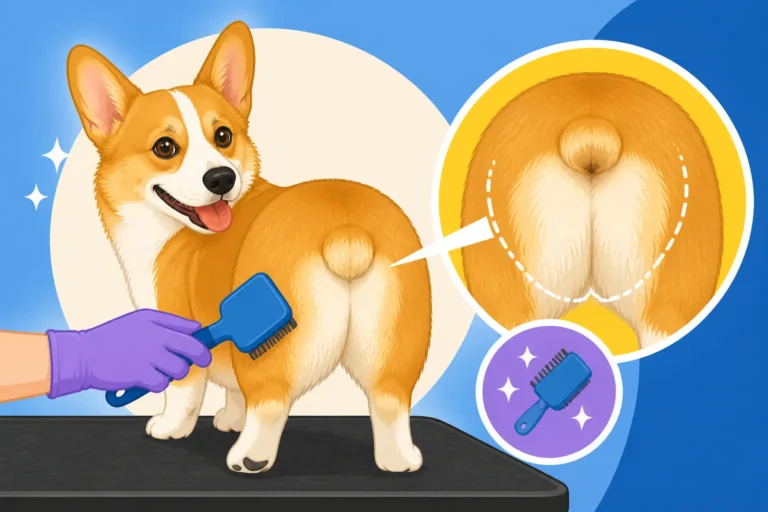
You can't tackle Corgi feathering with just any old brush. You need a specific arsenal to do the job effectively. First, a slicker brush is indispensable for working through the longer hair of the feathering. Its fine, bent wires are great for teasing out tangles and removing loose undercoat. Just be gentle, as the wires can scratch the skin if pressed too hard. Next, a metal comb with both wide and narrow teeth is crucial. Use the wide teeth to start detangling larger sections and the narrow teeth to check for smaller knots closer to the skin, especially after using the slicker. For stubborn mats or areas where the coat is particularly thick, a dematting rake or shedding rake with rotating teeth can be a lifesaver, carefully working through the undercoat without pulling too much on the skin. You might also want to keep a pair of blunt-nosed grooming scissors handy for careful spot trimming (more on that below). Brands like Furminator offer various tools, and you can find a huge selection on platforms like Amazon or Chewy to equip your grooming kit. For a deeper dive into tools, check out The Rake and Comb a Corgi Coat Actually Needs.
Strategic Trimming: When and How to Snip
While you should never shave a Corgi's double coat, strategic trimming of the feathering can be incredibly beneficial for hygiene and comfort. This isn't about altering their natural look significantly, but rather about tidying up and preventing problems.
- "Sanitary Trim" or "Hygiene Clip": This is perhaps the most important trim. The feathering around the anus and vulva (for females) can be carefully trimmed short to prevent fecal matter and urine from clinging to the fur. This dramatically improves hygiene and reduces odor. Use blunt-nosed scissors and always direct the tips away from the skin.
- "Pantaloon" or "Trouser" Trim: The long feathering on the backs of the hind legs can be a mud and burr magnet. You can carefully trim this area to a more manageable length, especially if your Corgi spends a lot of time outdoors or tends to collect a lot of debris. Aim to thin it out or shorten it slightly, rather than cutting it blunt.
- Belly Trim: The long hair on the belly can also sweep the ground. A gentle trim here can keep it cleaner, especially after walks in wet grass.
Always use good quality, blunt-nosed scissors and proceed with extreme caution, especially around sensitive areas. If you're unsure, a professional groomer can demonstrate how to do these trims safely or do them for you. Remember, The Only Trimming a Corgi Should Get is focused on specific areas, not overall coat reduction.
Bathing and Drying the Underneath
Bathing a Corgi is an art, especially when it comes to their dense double coat and feathering. You don't want to bathe them too often, as it can strip natural oils, but when they are muddy, it’s necessary.
- Washing Technique: When bathing, focus on thoroughly saturating the feathered areas. Work a dog-specific shampoo into these areas, making sure to get down to the skin, as dirt and debris can pack in tightly. Rinse, rinse, and rinse again! Any shampoo residue left in the dense feathering can cause skin irritation or lead to matting.
- Drying is Crucial: This is where many owners struggle. A Corgi's undercoat, especially in their feathering, holds onto water like a sponge. Air-drying is almost never sufficient and can lead to dampness, hot spots, and unpleasant odors. Use highly absorbent towels to blot as much water as possible, then follow up with a dog-specific forced air dryer (like those found on Chewy or Amazon). This dryer blows water out of the coat without heat, effectively separating the hairs and speeding up drying. Pay particular attention to the belly and leg feathering. Ensure these areas are bone dry before your Corgi goes outside or settles down, to prevent any issues with moisture trapping. Our guide on Getting a Corgi Dry Through the Undercoat offers more detailed steps on this often-overlooked but vital grooming step.
Preventative Measures and Problem Solving
Corgi feathering is undeniably charming, but it takes proactive care to keep it that way. Beyond regular grooming, there are several steps you can take to prevent problems before they start and address common issues efficiently. Think of it as setting your Corgi up for success in their low-riding, fluffy adventures!
Protecting Feathering from the Elements
Since their feathering is so close to the ground, Corgis are naturally prone to collecting environmental "souvenirs." You can minimize this with a few clever tricks:
- Mindful Walking Routes: On particularly muddy or wet days, consider adjusting your walking route to avoid areas with long grass, deep puddles, or thick undergrowth. Sometimes a paved path or a short, well-maintained lawn is a better choice for keeping those trousers clean.
- Post-Walk Wipe-Downs: Keep a towel or a package of pet-safe grooming wipes near your door. As soon as your Corgi comes in, give their feathered legs, belly, and backside a quick wipe-down. This simple step can remove much of the superficial dirt and moisture before it has a chance to set in or cause tangles. For heavier mud, a quick rinse with warm water from a detachable shower head (if you have one in a utility sink or shower) followed by a towel dry works wonders. Whether a Corgi Needs Its Feet Washed Daily provides context on cleaning after walks.
- Protective Gear (for extreme conditions): For adventurous Corgis who trek through deep snow or thick brush, consider specialized doggy leggings or flexible paw/leg protectors. While not always practical for everyday use, these can be a lifesaver in specific scenarios, creating a barrier between their precious feathering and harsh elements.
Addressing Common Feathering Problems
Even with the best preventative measures, sometimes issues arise. Here’s how to tackle a few common feathering woes:
- Matted Fur: If you find a mat, resist the urge to pull at it. First, try to separate it gently with your fingers. Then, apply a detangling spray or a small amount of cornstarch to the mat. Using a slicker brush and then a comb, work from the outside of the mat in, teasing out small sections at a time. Hold the base of the hair near the skin to prevent pulling. If a mat is too tight or large, it's safer to carefully cut it out with blunt-nosed scissors, always sliding the scissors under the mat, parallel to the skin, to avoid cutting your Corgi. When in doubt, call a professional.
- Burr Removal: Burrs are notoriously sticky. Start by trying to pick out as many as you can by hand. For the ones embedded deep in the feathering, a fine-toothed comb or even a flea comb can help, slowly working them out section by section. Be patient, as pulling too hard can hurt your dog.
- Skin Irritations: If you notice redness, tenderness, or persistent licking/chewing in the feathered areas, especially on the belly or inner thighs, it could be a Wet Patches That Turn Into Corgi Hot Spots or other skin irritation. This often happens if moisture gets trapped, or if the skin isn't cleaned thoroughly. Keep the area clean and dry. A broad-spectrum antiseptic wipe or spray formulated for dogs might offer temporary relief, but if irritation persists, spreads, or seems painful, a vet visit is essential to rule out infection or allergies. Healthy skin supports a healthy coat, so good nutrition (like a balanced diet that brands like Ollie offer, supporting overall skin and coat health) is always a good foundation.
When to Seek Professional Grooming Help
While DIY grooming is rewarding, there are times when a professional groomer is your best friend.
- Overwhelmed by Matting: If your Corgi’s feathering has become severely matted, attempting to remove them yourself can be painful for your dog and lead to skin damage. A professional groomer has specialized tools, techniques, and experience to safely and humanely remove mats, even if it means a very short trim in the affected areas.
- Routine Maintenance: Even if you do most of the grooming yourself, a regular professional tidy-up (every few months) can keep the feathering in top condition, ensuring all the tricky spots are well-maintained. They can also provide a thorough bath and blow-out, something that's difficult to achieve at home, particularly in How Often a Corgi Actually Needs Washing.
- Unsure About Trimming: If you're nervous about using scissors around sensitive areas or want specific feathering trimmed to a certain style or length without ruining the coat, a professional can do this safely and precisely. They can guide you on The Only Trimming a Corgi Should Get that is generally safe and beneficial for a Corgi.
- Special Needs: For older Corgis or those with mobility issues, standing for extended grooming sessions can be challenging. A professional groomer has hydraulic tables and experience handling dogs with special needs, making the experience more comfortable and less stressful for your furry senior. For senior Corgis, you might also be looking into Mobility Aids for a Corgi That Cannot Walk or Pain Relief for an Old Corgi's Back.
Health Considerations Linked to Feathering
While much of the discussion around Corgi feathering revolves around aesthetics and grooming, it's crucial to remember that this coat feature can also be intimately linked to your dog's overall health and comfort. Problems with feathering are often symptoms of deeper issues.
Skin Irritations Hiding Beneath the Fluff
The dense nature of Corgi feathering, particularly in areas like the belly, armpits, and hindquarters, can create a microclimate that’s ripe for skin problems. Moisture, dirt, and allergens can easily get trapped close to the skin, leading to a host of irritations.
- Hot Spots: These painful, red, weeping lesions can erupt quickly when moisture, usually from a bath that wasn't thoroughly dried, or even excessive licking due to allergies, gets trapped in the thick undercoat. The feathering exacerbates this by preventing air circulation, creating a perfect breeding ground for bacteria. You might not even notice a hot spot until it’s quite advanced because the dense fur hides it. This is why vigilance, proper drying after baths (as discussed in Getting a Corgi Dry Through the Undercoat), and immediate attention to any excessive licking are vital.
- Allergies: Environmental allergens like pollen, dust mites, or certain grasses can settle into the feathering and cause contact dermatitis. Food allergies can also manifest as itchy skin, leading to scratching and chewing that damages the feathering and the skin beneath it. If your Corgi is constantly biting or scratching at their feathered areas, especially the belly or inner thighs, allergies could be the culprit.
- Yeast and Bacterial Infections: When the skin beneath the feathering is compromised by trapped moisture, irritation, or allergies, it becomes susceptible to opportunistic yeast or bacterial infections. These can cause redness, odor, greasy skin, and even hair loss in the affected areas. Regular inspection and a good sense of smell can help you catch these issues early. Our article Itchy Skin Under a Corgi's Undercoat delves deeper into these hidden skin issues.
Impact of Weight on Hind End Feathering Hygiene
A Corgi's weight plays a significant role in their overall health, and it has a direct impact on the cleanliness and manageability of their hind-end feathering. Corgis are prone to gaining weight, and even a few extra pounds can make a big difference.
- Reduced Mobility for Self-Grooming: An overweight Corgi often finds it much harder to reach their hindquarters to properly clean themselves after going to the bathroom. Their wider body and decreased flexibility can make this simple act difficult or impossible, leading to a constantly soiled "skirt" or "trousers."
- Increased Skin Folds and Moisture Trapping: Excess weight can create more skin folds, especially around the groin and hindquarters. These folds, combined with dense feathering, become areas where moisture and debris can accumulate, further increasing the risk of skin infections and matting that are hard to see or clean.
- Strain on the Spine: While not directly related to feathering care, it's critical to remember that Why Corgi Weight Is a Spinal Problem. Extra weight puts immense strain on their already delicate, long backs, increasing the risk of intervertebral disc disease (IVDD). Managing weight is not just about keeping the feathering clean, but about protecting their spine and ensuring a good quality of life. Maintaining The Body Condition Score a Corgi Should Hold is paramount. A healthy diet, perhaps guided by brands like Ollie for portion control and nutritional balance, and appropriate exercise are key to keeping your Corgi at an ideal weight.
Mobility and Maintaining a Clean Undercarriage
A Corgi's mobility directly affects their ability to maintain their feathered coat, especially as they age or if they suffer from conditions like IVDD or arthritis.
- Difficulty Standing for Grooming: Dogs with joint pain or spinal issues might find it uncomfortable or painful to stand still for extended grooming sessions. This can make thorough brushing, bathing, and drying of the feathered areas a real challenge, leading to neglected coats and further problems.
- Inability to Lift for Potty Breaks: Just like with excess weight, reduced mobility can make it difficult for Corgis to adopt a proper stance for urinating or defecating, leading to more frequent soiling of their hind-end feathering. This requires more diligent owner intervention to keep them clean.
- Need for Ramps and Modifications: If your Corgi has mobility issues, you're likely already looking at Ramps and Steps That Save a Corgi's Back around the house. These aids not only protect their spine but also help them move more comfortably, potentially allowing them to manage their own hygiene a little better, and certainly making it easier for you to access them for grooming. Choosing a firm, supportive bed also becomes crucial, as discussed in Choosing a Firm Bed for a Corgi, to ensure they are comfortable and not putting undue pressure on areas that might already be tender from skin issues or joint pain. Regularly checking and cleaning their feathering is a vital part of caring for a Corgi with compromised mobility, as they are less able to do it themselves.
Disclaimer
This article is for general informational purposes only and does not constitute professional advice. Laws, prices and regulations vary by location and change over time. Consult a qualified professional for guidance on your specific situation.