Whether a Corgi Needs Its Feet Washed Daily
Oh, the quintessential Corgi paw problem! If you've ever owned one of these adorable, low-riding fluffballs, you know the struggle is real. They're practically built-in dust mops, hoovering up every speck of dirt, leaf, and questionable puddle on their daily adventures. So, the question of whether a Corgi needs its feet washed daily isn't just a casual query; it's a genuine concern for keeping your home clean and your Corgi healthy. This guide will dive deep into the messy reality of Corgi paws and help you figure out the best routine for your unique situation.
The Corgi's Low Rider Lifestyle and Its Impact on Paws
Let's be honest, part of the Corgi's undeniable charm is that low-slung body and those adorable stubby legs. But what's cute for cuddles can be a serious magnet for grime when they're out exploring. It's not just a matter of aesthetics; their unique build means their paws are constantly interacting with the ground in a way that taller breeds simply don't.
Why Corgi Feet Get So Dirty
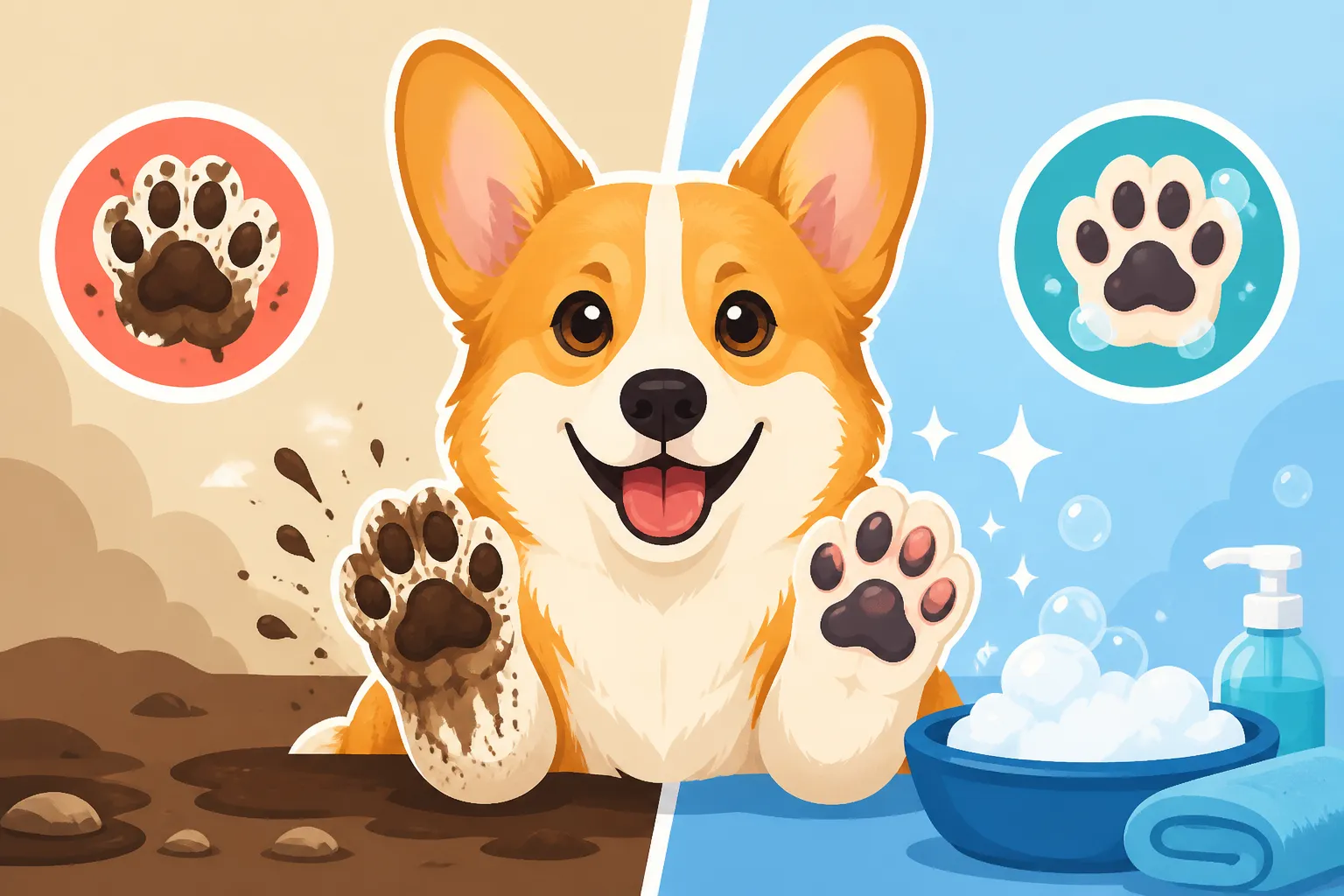
Imagine walking through a field of dewy grass or a city park after a light rain shower. For a standard-sized dog, their chest and belly might get a little damp, but their paws are pretty much just treading the surface. For a Corgi, those short legs mean their entire underside, including their little drumstick legs and paws, is practically skimming the ground. They don't just walk on the environment; they become a part of it.
This means they're not just picking up mud; they're collecting damp grass, tiny pebbles, stray bits of mulch, fallen leaves, and whatever else might be lurking just a few inches from the earth. When it's wet, their paws and the fur between their toes become caked. When it's dry, they're tracking in fine dust and dirt. It's a constant battle, and it's easy to feel like you're endlessly cleaning up after them. I've had many a morning where my Corgi has gone out for a quick potty break, only to return with perfectly sculpted mud boots, despite my best efforts to steer them towards drier patches. It's just the Corgi way!
Beyond Just Mud: What Else Lurks on Corgi Paws
While mud is the most obvious culprit, Corgi paws are unfortunately exposed to a host of other less visible, but potentially more problematic, contaminants. Think about what's on the ground in your neighborhood or local park. It's not always just natural elements.
For instance, in urban or suburban areas, pesticides and herbicides are often used on lawns and public green spaces. Your Corgi, with their low stature, is walking right through these treated areas, and those chemicals can easily transfer to their paw pads and the fur between their toes. Road salt and ice melt in winter are another huge concern. These substances are designed to break down ice, but they can be incredibly irritating, even corrosive, to paw pads, leading to dryness, cracking, and pain. Then there are allergens: pollen, dust mites, and various plant materials can cling to their paws, and if your Corgi licks them, it can trigger allergic reactions. I always recommend checking those paw pads and between the toes regularly, not just for dirt, but for anything that looks out of place or could be causing irritation. It's a small check that can save a lot of discomfort later on.
The Practicality of Daily Paw Washing for Corgis
So, given their propensity for collecting everything, how often do you really need to wash those adorable Corgi feet? It's not a one-size-fits-all answer, but understanding the nuances can help you establish a routine that works for both you and your furry friend.
Is Daily Washing Truly Necessary for Every Corgi?
The short answer is: probably not a full, sudsy bath every single day for every Corgi. A quick, thorough cleaning, however, is often a very good idea. Think about it this way: if your Corgi goes out for a quick, dry potty break on a paved patio and then comes right back in, a full wash might be overkill. A quick wipe with a damp cloth or a specialized paw wipe might be perfectly sufficient to remove any minor dust or debris.
However, if your Corgi has been romping in a muddy field, walking on salted sidewalks, or exploring an area where chemicals might have been sprayed, then a more substantial cleaning is absolutely warranted. The goal isn't just to keep your floors clean, but to prevent potential skin irritation, infections, or even ingestion of harmful substances when they inevitably lick their paws. It’s about being pragmatic and tailoring the effort to the adventure. You might find yourself doing a quick rinse of Cleaning a Corgi Belly After a Wet Walk too, depending on how low they go!
When Daily or Frequent Washing Becomes Essential
There are definitely times when daily or even multiple times-a-day paw cleaning moves from "good practice" to "absolute necessity." The weather is a huge factor, of course. Rainy seasons turn every yard into a mud pit, and snowy conditions often mean treated sidewalks. In these scenarios, not cleaning their paws regularly can lead to cracked paw pads from salt, or fungal issues if moisture and dirt are left to fester between their toes.
Think about the environment:
- Wet Weather: Mud, puddles, and damp grass mean caked-on grime.
- Winter: Road salt, ice melt, and frozen slush can irritate and damage paw pads.
- Allergy Season: Pollen and other environmental allergens cling to fur and paws, leading to itching if not removed.
- Post-Pesticide Exposure: After walks in areas where chemicals might be used (e.g., public parks, neighborhood lawns).
- Long Adventures: Hikes, dog park visits, or any extended outdoor play where they're exposed to a lot of varied terrain.
For many Corgi owners, especially those living in areas with distinct seasons, a daily paw cleaning ritual after their last outdoor excursion is simply a given. It becomes as routine as brushing your teeth.
Balancing Cleanliness with Skin Health
While we want clean paws, over-washing or using harsh products can actually do more harm than good. Just like human skin, a dog's paw pads and the delicate skin between their toes can become dry, cracked, and irritated if subjected to too much harsh soap or excessive scrubbing. This is especially true if you're using products not specifically formulated for dogs.
Look for gentle, pH-balanced shampoos or paw washes designed for canine use. Brands like Zymox and Earthbath offer gentle options. When you do wash, focus on the pads and between the toes, but avoid prolonged soaking or aggressive scrubbing. After washing, ensure their paws are thoroughly dried, especially the spaces between the toes, to prevent moisture-related issues like yeast or bacterial infections. This is particularly important for Corgis with their dense double coats. A little post-wash moisturizer, specifically formulated for dog paws, can also be a lifesaver in preventing dryness and cracking, especially in harsh weather.
Establishing an Effective Corgi Paw Care Routine
Getting into a paw cleaning routine doesn't have to be a chore; with the right tools and approach, it can become a simple, bonding moment for you and your Corgi.
Essential Tools for Corgi Paw Cleaning
Having the right arsenal of tools can make all the difference in making paw cleaning quick and effective.
- Paw Washer Cup: These ingenious devices, often found from brands on Amazon or Chewy, are cylindrical cups with soft silicone bristles inside. You add a little water (and sometimes a touch of gentle shampoo), insert your Corgi's paw, twist, and pull out a much cleaner foot. They're fantastic for getting between the toes and around the pads quickly without a full bath.
- Soft, Absorbent Towels: You'll need several! Designate specific "paw towels" that are always handy near the door. Microfiber towels are great for absorbing moisture quickly.
- Gentle Dog Shampoo or Paw Cleanser: As mentioned, opt for a pH-balanced, fragrance-free formula designed for dogs. Baby shampoo can be an emergency substitute, but specific dog products are best.
- Dog Paw Wipes: For quick touch-ups or when you're on the go, these pre-moistened wipes are a lifesaver. Keep a pack in your car or by the door.
- Pet-Safe Paw Balm or Moisturizer: Especially important in dry climates or during winter to keep paw pads supple and prevent cracking.
Keeping these items in a designated "paw station" by your main door makes the whole process smoother and ensures you don't track mud through the house while searching for supplies.
Step-by-Step Guide to Cleaning Corgi Paws
Here's a simple, effective routine you can adapt for your Corgi:
- Gather Your Supplies: Before your Corgi even comes in, have your paw washer (if using), towels, and any wipes ready. This prevents them from tracking dirt while you scramble.
- The Initial Wipe-Down: As soon as they come in, use a dedicated rough towel to gently wipe off the worst of the mud or debris from their legs and paws. This prevents loose dirt from spreading.
- Paw Washer Method (for serious grime):
- Fill the paw washer cup with a small amount of warm water (and a squirt of dog shampoo if needed).
- One paw at a time, gently insert your Corgi's paw into the cup.
- Twist the cup back and forth a few times, letting the silicone bristles do their work.
- Remove the paw and wipe it thoroughly dry with a clean, absorbent towel.
- Repeat for all four paws, changing the water if it becomes excessively dirty.
- Basin/Sink Method (for moderate grime):
- If you don't have a paw washer, a small basin or even a kitchen sink (if your Corgi is comfortable) works.
- Use a gentle flow of warm water and a small amount of dog shampoo.
- Gently wash each paw, focusing on the pads and between the toes.
- Rinse thoroughly to ensure no shampoo residue is left behind, which can cause irritation.
- Dry each paw meticulously, paying extra attention to the spaces between the toes.
- Paw Wipe Method (for light dust/dirt):
- For quick clean-ups after a dry walk, simply use a pet-safe paw wipe to clean each paw.
- Still, follow up with a quick towel dry, especially if the wipes leave any moisture.
- Apply Paw Balm: If needed, gently massage a small amount of paw balm into their pads to keep them moisturized.
Remember to make this a positive experience with praise and maybe a small, healthy treat afterward. It's a key part of A Corgi That Will Not Let You Touch Its Feet training.
Beyond Cleaning: Other Aspects of Paw Health
Paw care extends beyond just washing away dirt. Regular attention to their feet can prevent more serious issues.
- Nail Trims: Overgrown nails can significantly impact a Corgi's gait, putting undue stress on their joints and spine. Long nails also pick up more debris and can be painful. Aim for regular trims, perhaps every 2-4 weeks, depending on how quickly their nails grow and wear down. If you hear their nails clicking on the floor, they're too long. This is a critical part of overall Corgi health, as Nail Length and What It Does to a Corgi's Gait can affect their long backs.
- Checking for Injuries: Every time you clean their paws, take a moment to inspect for any cuts, scrapes, thorns, or foreign objects lodged between their pads or toes. Corgis, with their low profile, are particularly prone to stepping on sharp objects or getting burrs caught in their paw fur.
- Moisturizing Pads: Especially in harsh weather (hot pavement in summer, ice and salt in winter), paw pads can become dry and cracked. A good quality, pet-safe paw balm can help keep them soft and pliable, preventing painful fissures.
- Monitoring for Irritation or Infection: Redness, swelling, excessive licking, tenderness, or a strange odor can all be signs of irritation, allergies, or an infection (bacterial or yeast). If you notice any of these, it's a good idea to consult your vet. Early intervention can prevent minor issues from becoming major problems.
By incorporating these checks into your routine, you're not just cleaning paws, you're performing a mini health check that contributes to your Corgi's overall well-being.
Long-Term Benefits and Considerations for Corgi Paw Care
Consistent paw care isn't just about immediate cleanliness; it contributes significantly to your Corgi's long-term health, comfort, and even their behavior. It's an investment in their well-being.
Preventing Health Issues Through Regular Paw Maintenance
Regular paw washing and general paw maintenance can head off a surprising number of health concerns down the line. For a breed like the Corgi, whose entire structure places unique demands on their body, every detail matters.
- Skin Infections and Irritation: Leaving mud, moisture, or irritants like chemicals and allergens on paws can lead to dermatitis, bacterial infections, or yeast overgrowth, particularly in the warm, moist spaces between toes. These can be incredibly itchy and painful for your Corgi, potentially leading to excessive licking and chewing that only exacerbates the problem.
- Matting: The fur between a Corgi's paw pads can easily mat if left uncleaned, especially with their dense double coat. Matted fur pulls on the skin, causing pain and making it difficult for them to walk comfortably. This can also trap moisture, leading to further skin issues.
- Joint Stress and Gait Problems: As mentioned earlier, long nails can force a Corgi to adjust their natural stride, placing unnecessary stress on their ankles, knees, and, crucially, their long back. Debris lodged in paws can also cause discomfort, leading to an unnatural gait. Considering the risks of Disc Disease in a Long-Backed Corgi, anything that affects their spinal alignment or comfort is worth paying attention to.
- Allergic Reactions: For Corgis prone to environmental allergies, simply washing their paws after coming inside can significantly reduce their exposure to allergens like pollen, minimizing itching and discomfort.
A consistent paw care routine is a proactive step in preventing these issues, keeping your Corgi happier and healthier in the long run.
Behavioral Aspects: Getting Your Corgi to Cooperate
Let's face it, not every Corgi is thrilled about having their paws handled. They're often strong-willed little dogs! But with patience, positive reinforcement, and consistency, you can turn paw cleaning into a tolerable, or even enjoyable, experience.
Start early with puppies, gradually introducing paw touching and handling. Pair it with high-value treats and gentle praise. For adult Corgis who are resistant, take it slow. Don't force them. Begin by just touching a paw for a second, then treat. Slowly increase the duration and intensity. Use a calm, reassuring voice. If they pull away, stop, wait for them to settle, and try again more gently.
Consider using a lick mat spread with a dollop of peanut butter (xylitol-free!) or plain yogurt to distract them during the cleaning process. Many dogs will be so engrossed in licking that they barely notice their paws being cleaned. Also, ensure the water is comfortably warm, and your movements are gentle and confident. A shaky or hesitant hand can make them more nervous. Over time, they'll associate paw cleaning with positive outcomes and it will become a much less stressful event for everyone. You might even find them queuing up for their "paw-ty" after a walk!
Customizing Your Routine to Your Corgi's Needs
There's no single "right" answer for every Corgi. Your routine will depend heavily on several factors:
- Your Corgi's Lifestyle: Does your Corgi spend most of its time indoors, only venturing out on short, leashed walks on pavement? Or are they an adventurous explorer who loves to hike, roll in grass, and dig in the dirt? A city Corgi on leash walks will likely need less intense cleaning than a rural Corgi with free access to a yard.
- Your Local Environment: Do you live in an area with heavy rainfall, snow, or lots of dirt roads? Is there a lot of lawn treatment or road salt used? The environmental challenges will dictate the frequency and intensity of cleaning.
- Your Corgi's Coat Type: While most Corgis have the standard double coat, some have a "fluffy" coat, which can have longer feathering on their legs and paws, making them even more prone to collecting debris and matting. The Fluffy Corgi and What Its Coat Demands might mean a bit more attention to paw care.
- Individual Sensitivities: Does your Corgi have allergies or sensitive skin? If so, you'll need to be extra diligent about removing allergens and using only the gentlest products to avoid irritation.
The key is flexibility and observation. Pay attention to how dirty your Corgi's paws actually get, how their skin reacts to cleaning, and adjust your routine accordingly. What works perfectly for a Corgi in sunny San Diego might be entirely inadequate for one living in a muddy Seattle winter.
| Factor | Minimal Cleaning (Wipe/Brush) | Moderate Cleaning (Paw Washer/Rinse) | Intensive Cleaning (Shampoo & Soak) |
|---|---|---|---|
| Environment | Dry, paved areas, short indoor trips | Damp grass, light mud, clean snow | Heavy mud, road salt, chemicals, allergens |
| Activity Level | Brief potty breaks, indoor play | Regular walks, light outdoor play | Long hikes, dog park visits, digging |
| Weather | Sunny, dry | Light rain, fresh snow | Heavy rain, icy conditions, allergy season |
| Paw Condition | Healthy, no visible dirt/irritation | Slightly dirty, minor dampness | Caked with dirt, visible irritants, rough pads |
| Time Commitment | < 1 minute per paw | 1-2 minutes per paw | 2-5 minutes per paw, drying time |
| Tools | Paw wipes, soft towel | Paw washer cup, towels, spray bottle | Dog shampoo, basin/sink, multiple towels, paw balm |
This table can help you visualize when different levels of cleaning are appropriate. Remember, consistency is more important than harshness. Even a quick, gentle wipe is better than leaving dirt and irritants on your Corgi's paws.
Disclaimer
This article is for general informational purposes only and does not constitute professional advice. Laws, prices and regulations vary by location and change over time. Consult a qualified professional for guidance on your specific situation.