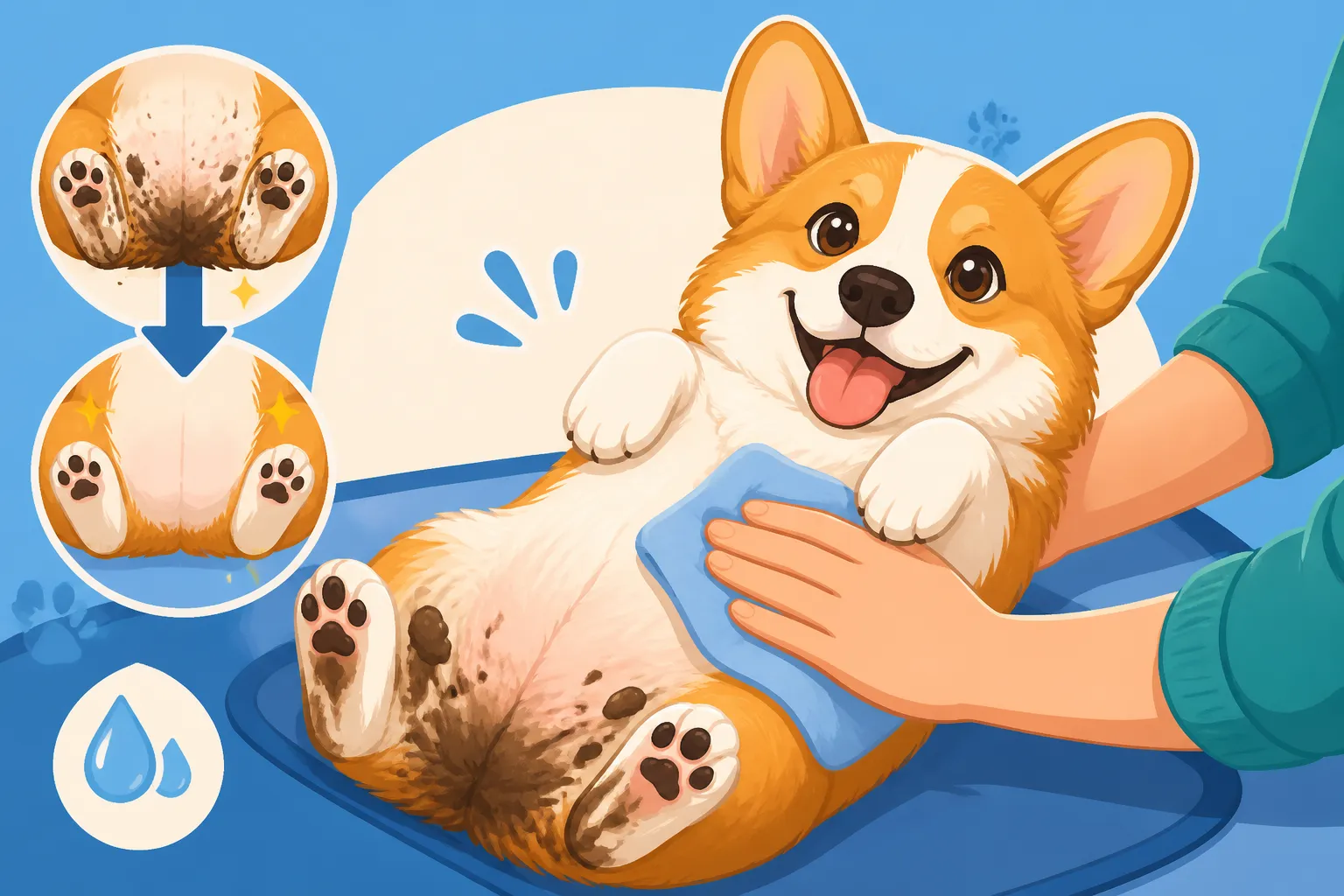
Cleaning a Corgi Belly After a Wet Walk
There’s nothing quite like the joy of a Corgi, but let’s be honest, their adorable low-rider stature comes with a unique set of challenges, especially after a romp in a wet park or a soggy walk around the block. That beautiful, long body, so close to the ground, acts like a magnet for mud, leaves, puddles, and anything else the weather throws its way. You know the drill: one minute they’re having the time of their life, the next they’re a furry, four-legged mop, ready to track their adventures all over your freshly cleaned floors. This guide is here to help you navigate the inevitable messy aftermath, offering practical tips and a step-by-step approach to cleaning your Corgi's belly efficiently, minimizing the spread of grime, and maintaining a happy, clean home for everyone.
Why Corgi Bellies Are Mud Magnets
If you own a Corgi, you've undoubtedly experienced the frustration of a perpetually dirty underside. It’s not just bad luck; it’s by design! Their unique build, while perfect for herding cattle by nipping at their heels and avoiding kicks, makes them particularly prone to collecting all sorts of outdoor debris. It's truly a love-hate relationship with those short legs and long bodies.
The Low-Rider Design and Its Consequences
Corgis, whether Pembroke or Cardigan, are built incredibly close to the ground. We’re talking just a few inches of clearance between their chest and belly and whatever surface they’re traversing. This isn't just about appearance; it's a functional trait from their herding days. However, in our modern world, it means every puddle, every patch of wet grass, every muddy trail becomes an opportunity for their bellies to soak it all up. You watch them trot along, and it's like a furry, happy bulldozer, sweeping up everything in their path. It’s a constant battle, especially when you’re trying to keep your home tidy. You might find yourself wishing they had a bit more lift sometimes, just to spare them (and you!) the indignity of a full mud bath after a short walk. Their build means their entire underside, from chest to tail, is exposed to the elements in a way taller dogs just don't experience.
The Double Coat: A Trap for Dirt and Moisture
Adding to the challenge is the Corgi's glorious double coat. This dense, weather-resistant coat, made up of a soft, insulating undercoat and a coarser, protective outer coat, is fantastic for keeping them warm and dry in inclement weather when they're working outdoors. But when it comes to holding dirt and moisture, it’s a double-edged sword. Mud doesn't just sit on the surface; it gets deeply embedded in that plush undercoat, making it incredibly difficult to remove with a simple wipe. The mud dries, cakes, and can even irritate their skin if left too long. Plus, that undercoat holds water like a sponge, extending drying time considerably, which is a real pain on a cold, wet day. Getting water and grime out of that dense fur requires more than just a quick rub; it requires a systematic approach to truly get them clean. It’s a part of what makes Mud and Grass on a Corgi Belly such a persistent problem for us Corgi parents.
Setting Up Your Corgi Cleaning Station
Battling a muddy Corgi belly is a whole lot easier when you're prepared. Trying to wrangle a wiggling, dirty dog while frantically searching for a towel is a recipe for chaos and tracked-in mud. Having a designated "Corgi Cleaning Station" right by your entry point can save you a world of headache and keep your floors much cleaner. Think of it as your tactical operations center for dirt removal.
Essential Tools for Immediate Cleanup
Before your Corgi even steps a paw fully inside, you need to be ready. A well-stocked cleaning station means you have everything at your fingertips.
- Super Absorbent Towels: You can never have too many. Microfiber towels are fantastic because they soak up an incredible amount of water and mud quickly. Keep a pile dedicated solely to Corgi cleanups. Old bath towels work too, of course, but the more absorbent, the better. You’ll want separate, clean towels for drying and perhaps a designated "mud towel" for the initial wipe-down.
- Paw Washers/Cups: These are a game-changer. They're typically a cup with soft silicone bristles inside. You add a little water, insert your Corgi's paw, twist, and pull out a much cleaner paw. Many brands are available through online retailers like Amazon or Chewy. They really help get into those paw pads and between the toes where mud loves to hide, preventing the worst of the outdoor grime from entering the house.
- Pet-Safe Grooming Wipes: For quick touch-ups or lighter mud, unscented, hypoallergenic pet wipes are invaluable. They can tackle a lightly soiled belly without needing a full wash. Keep a large pack handy. While they won't cut through heavy mud, they're perfect for those slightly damp, slightly dusty days.
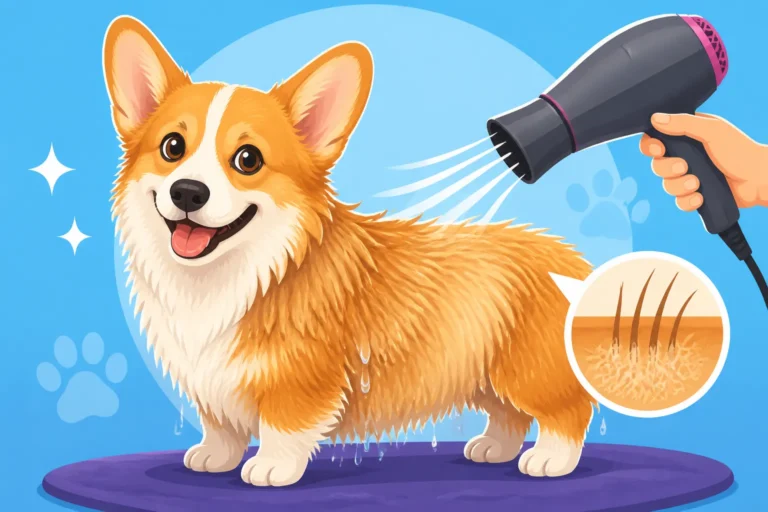
- A Solid Drying Solution: Since that double coat holds water, a strong drying solution is critical. A high-velocity pet dryer (often called a forced air dryer) can dramatically cut drying time and help dislodge any remaining loose dirt. If a dedicated pet dryer isn't an option, a strong hairdryer on a cool or low-heat setting can work, but be very careful not to overheat your Corgi's skin. Remember, getting your Corgi fully dry, especially the undercoat, is essential, as a damp undercoat can lead to skin issues. Getting a Corgi Dry Through the Undercoat is a skill you'll quickly master!
Specialized Shampoos and Conditioners
For those truly muddy adventures that necessitate a full bath, having the right bathing products is key. Not just any human shampoo will do, as our skin pH is different from a dog's, and harsh ingredients can strip their natural oils and cause irritation.
- Gentle, pH-Balanced Dog Shampoo: Look for shampoos specifically formulated for dogs, preferably one that is mild, tearless, and free of harsh chemicals or strong fragrances. If your Corgi has sensitive skin, an oatmeal-based or hypoallergenic formula can be a lifesaver. You want something that can cut through grease and dirt without irritating their skin or drying out their glorious coat. Shampoo That Suits a Thick Corgi Undercoat is important to consider for proper cleaning.
- Conditioner (Optional but Recommended): A good dog conditioner can help moisturize their skin and coat, making it easier to comb through and less prone to matting. It also helps restore the natural oils that protect their skin. For Corgis, a leave-in spray conditioner can also be a fantastic tool for detangling after a bath and keeping their coat healthy between washes.
- Wash Cloths or Sponges: These are great for gently cleaning sensitive areas or reaching those tricky spots on their belly without soaking their entire body unnecessarily. Sometimes, a targeted sponge bath is all that's needed for a specific muddy patch.
By organizing these items into an accessible spot, you turn what could be a messy ordeal into a manageable routine. Imagine the relief of walking in after a rainy walk, grabbing everything you need, and having your Corgi clean and dry in minutes, not hours!
A Step-by-Step Guide to Post-Walk Belly Cleanup
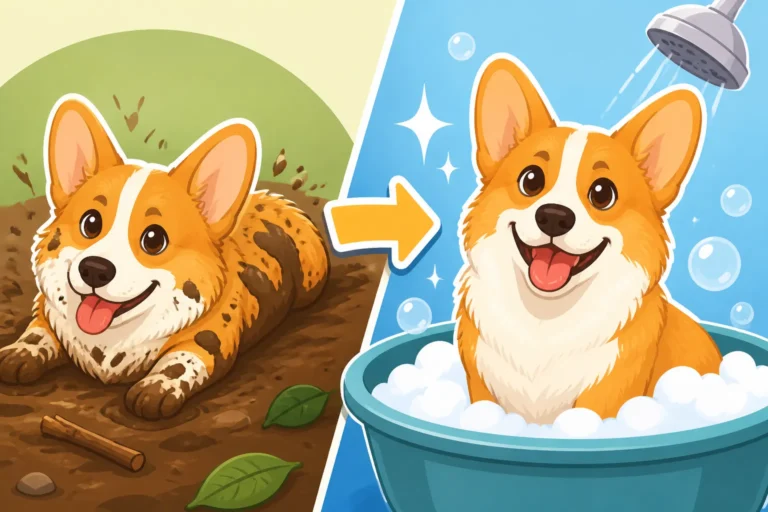
Okay, the walk is done, and your Corgi is looking less like a regal herding dog and more like they've just wrestled a mud pit and won. Don't panic! With your cleaning station ready, you can tackle this efficiently and minimize the mess. This process focuses on getting the worst of the mud off before it sets, protecting your home, and ensuring your Corgi is comfortable and clean.
The Initial Wipe-Down and Paw Cleaning
This is your first line of defense against the mud apocalypse. Timing is everything here – ideally, you want to do this before they've had a chance to shake it off or track it through the house.
- Containment is Key: As soon as you step inside, guide your Corgi directly to your designated cleaning station. A mudroom, bathroom, or even a specific spot near the door with an old rug or mat is ideal. Keep them on a leash if necessary to prevent them from doing a victory lap through the living room.
- Rough Towel Dry: Grab your designated "mud towel" and start by gently but firmly wiping down their belly and legs. Don't rub too hard, as this can push mud deeper into the coat. Instead, blot and wipe in the direction of the fur growth. The goal here isn't perfection, but to remove the surface layer of heavy mud and excess moisture. This prevents the mud from sloughing off as they move and helps to dry out the outer coat.
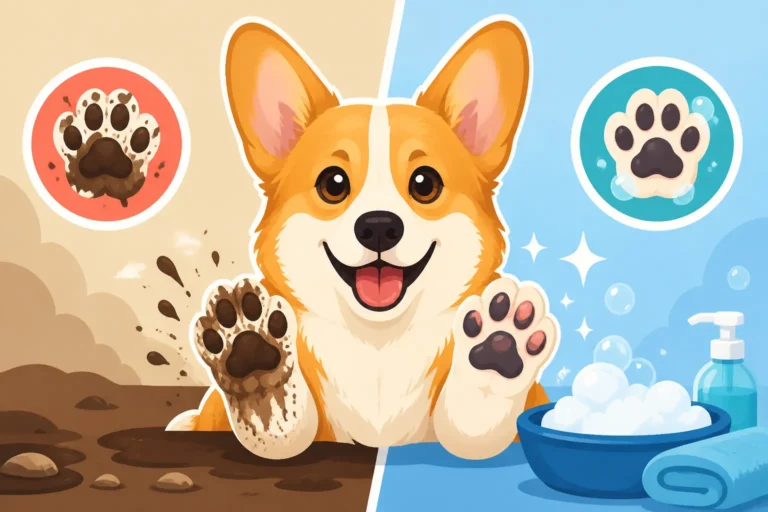
- Paw Washer Power: Now, for the paws! One by one, use your paw washer. Fill it with a small amount of lukewarm water (you can add a tiny bit of dog shampoo if the paws are really caked). Insert a paw, gently twist, and then remove. The silicone bristles will work wonders getting between pads and toes. Repeat for all four paws, changing the water if it becomes too dirty. Follow up by drying each paw thoroughly with a clean, absorbent towel. Pay special attention to drying the fur between their pads to prevent irritation and fungal growth. Whether a Corgi Needs Its Feet Washed Daily often depends on how wet and muddy your environment is, but this method makes it quick.
Targeted Washing and Thorough Drying
After the initial wipe-down, you'll have a clearer picture of how much deeper cleaning is needed for their belly. Sometimes, the initial steps are enough, but often, the Corgi's belly needs a bit more focused attention.
- Spot Clean or Full Belly Wash: If it's just a few muddy streaks, a damp washcloth with a tiny dab of dog shampoo can work wonders for spot cleaning. Gently lather the soiled areas, then rinse thoroughly with a clean, damp cloth. For a more extensive belly bath, you can either put your Corgi in a shallow tub or use a handheld shower sprayer. Wet their belly fur, apply a small amount of dog shampoo, and gently massage it into the coat, ensuring you reach the skin. The key is to rinse, rinse, and rinse again until all traces of shampoo are gone, as residue can cause skin irritation. Many owners find a good quality dog shampoo from brands available through Chewy or Amazon does the trick.
- Squeeze and Towel Dry: Once rinsed, gently squeeze excess water from their fur. Then, wrap your Corgi in a fresh, highly absorbent towel. Blot and press the towel against their belly to soak up as much moisture as possible. Avoid vigorous rubbing, which can tangle their coat. You might go through several towels here, especially if their undercoat got truly soaked. This stage is critical for removing the bulk of the water.
- The Final Dry (and a Brush!): This is where your high-velocity dryer comes into play if you have one. Start on a low setting and slowly increase as your Corgi tolerates it. Move the nozzle constantly to avoid concentrating heat in one spot. As you dry, use a slicker brush or undercoat rake to help lift the fur and ensure air reaches the deep undercoat. This not only speeds up drying but also helps remove any lingering loose dirt or shedding fur. For Corgis, brushing daily, especially during shedding seasons, helps keep their coat healthy and easier to clean. Brushing a Corgi Daily Through a Shed is a great habit to get into. Even without a forced air dryer, continue towel drying and gently brushing until their coat feels completely dry to the touch. A damp undercoat is a breeding ground for hotspots and other skin irritations, so thorough drying is paramount. Give them a final, gentle brush to ensure their coat is smooth and tangle-free. After all that, a fresh meal from a brand like Ollie might just be the perfect reward!
Prevention and Easier Maintenance
While a thorough cleaning routine is essential, wouldn't it be great to cut down on the amount of mud your Corgi collects in the first place? A little proactive thinking and a few smart adjustments can make a big difference, reducing both the mess and the stress for you and your furry friend.
Choosing Smarter Walk Routes and Gear
Sometimes, avoiding the mess altogether is the best strategy. While Corgis love to explore, adjusting where and how you walk them can significantly impact how much mud they bring home.
- Paved Paths and Dry Trails: When the weather is particularly wet, prioritize walks on paved sidewalks, gravel paths, or trails that tend to drain quickly and stay drier. Avoid heavily trafficked grassy areas, muddy fields, or areas with standing water. It sounds obvious, but sometimes we just let them lead, and Corgis, with their adventurous spirit, aren't always thinking about their post-walk cleanliness!
- Weather-Appropriate Gear: Consider investing in a waterproof dog suit or a slicker coat for those truly torrential downpours or heavy snows. These can cover a significant portion of their belly and legs, acting as a barrier against mud and slush. While some Corgis might object to wearing clothes, a lightweight, well-fitting suit can save you a ton of cleaning time. Think of it as a muddy-belly shield! Additionally, dog boots can protect their paws from mud, salt, and hot pavement, though getting a Corgi to happily wear boots can be another training adventure in itself.
- Leash Length and Control: Keeping your Corgi on a shorter leash in muddy areas can help prevent them from diving headfirst into every puddle or rolling in tempting patches of mud. Better control allows you to steer them away from the worst of the grime, giving you more power over their exposure to dirt.
Regular Grooming and Home Adjustments
Beyond walk strategies, consistent grooming and some thoughtful home modifications can also play a huge role in keeping your Corgi (and your house) cleaner.
- Maintain a Healthy Coat: Regular brushing isn't just for shedding; it keeps your Corgi's coat healthy and less likely to trap dirt. A well-maintained coat is easier to clean than one that is matted or full of loose undercoat. Using an undercoat rake can help manage that dense double layer, which is so prone to holding debris. The Rake and Comb a Corgi Coat Actually Needs is essential for effective grooming.
- Paw Pad Trimming: Keep the fur between your Corgi's paw pads trimmed short. This prevents ice balls from forming in winter, reduces the amount of mud and dirt they track in, and makes paw cleaning much quicker and more effective. You can usually do this yourself with blunt-nosed scissors or ask your groomer.
- Home "Buffer Zones": Place highly absorbent doormats or rugs directly inside all entryways. This provides a "buffer zone" where your Corgi can walk off some initial grime before hitting your main flooring. You can also lay down old towels or blankets in high-traffic areas on rainy days to catch any lingering drips or mud. It’s all about creating layers of defense against the outdoor elements. For sensitive dogs, gentle grooming wipes for their underbelly are a helpful tool, available from Chewy or Amazon.
- Ramps and Steps: While not directly related to mud, reducing jumping on and off furniture or out of cars can protect your Corgi’s back. However, ramps can also mean they avoid jumping into muddy puddles or stepping directly into deep snow from a height. This is more about their overall well-being, but sometimes, a ramp means they avoid an immediate mud bath from a sudden drop. Ramps and Steps That Save a Corgi's Back are good investments for multiple reasons.
By combining proactive prevention techniques with an efficient cleaning routine, you can significantly reduce the impact of a muddy Corgi belly on your home and lifestyle. It's about working with their adorable, low-slung build, rather than constantly battling against it.
Post-Walk Cleaning Station Checklist
To summarize, here's a handy checklist for setting up your ideal Corgi post-walk cleaning station. Having these items ready will streamline your cleanup process.
| Item Type | Specific Use | Why It's Essential |
|---|---|---|
| Absorbent Towels | Initial mud removal, general drying | Soaks up major grime and moisture quickly |
| Paw Washer Cup | Cleaning individual muddy paws | Gets between pads and toes effectively |
| Pet Grooming Wipes | Quick spot cleaning, light grime | Convenient for minor messes, gentle on skin |
| Dog Shampoo | Full belly wash when heavily soiled | pH-balanced, prevents skin irritation |
| Dog Conditioner | Moisturizing coat, detangling | Keeps fur healthy and easier to manage |
| High-Velocity Dryer | Thorough drying of double coat | Cuts drying time, dislodges trapped dirt |
| Slicker Brush/Rake | During drying, removes loose fur & trapped dirt | Prevents mats, aids drying, keeps coat healthy |
| Old Rug/Mat | Designated cleaning zone | Contains mess, protects floors |
| Treats | Reward for cooperation | Makes cleanup a positive experience for your Corgi |
Keeping this station stocked and ready will turn dreaded post-walk cleanups into a manageable, even quick, part of your Corgi parenting routine. You’ll be amazed at how much cleaner your home stays when you're prepared for anything your low-rider brings in!
Disclaimer
This article is for general informational purposes only and does not constitute professional advice. Laws, prices and regulations vary by location and change over time. Consult a qualified professional for guidance on your specific situation.