Trousers and Skirt on a Corgi’s Hind End
Anyone who shares their home with a Corgi knows the unique charm and, let's be honest, the specific challenges that come with their low-slung, sturdy build. One of the biggest grooming headaches for many Corgi parents revolves around the longer, flowing hair on their hindquarters – affectionately known as their "trousers" and "skirt." This guide dives deep into understanding these furry features, why they attract so much grime, and how you can keep your beloved Corgi's rear end clean, healthy, and looking its best.
The Corgi's Distinctive Hind End Coat: Trousers and Skirt Explained
When you look at a Corgi from behind, especially a well-coated one, you'll notice certain areas where the fur is noticeably longer and often thicker than the hair on their back or sides. These distinct features are what we lovingly refer to as their "trousers" and "skirt" (sometimes also called "britches"). It's not just a cute quirk; these longer sections of coat serve a historical purpose for a herding dog, but they certainly come with modern-day grooming considerations.
What are "Trousers" and "Skirt" Exactly?
Imagine your Corgi's hind legs. The "trousers" are the longer, often feathery hairs that grow down the back of their thighs. They can extend quite a way, sometimes almost reaching the hocks (the equivalent of an ankle joint). This feathering is part of the Corgi's natural double coat, designed to offer protection from the elements and from brushing against undergrowth or the legs of livestock when they were working dogs. It's a hallmark of the breed's rustic appearance.
The "skirt" or "britches" refers to the longer, sometimes even thicker, fur that grows around the Corgi's rump and under their tail. This area forms a soft, flowing fringe that can almost sweep the ground on some individuals, particularly those with a more abundant coat or a "fluffy" genetic predisposition. Both the trousers and skirt contribute to the Corgi's distinctive silhouette, adding to their charming, sturdy look. They are beautiful features, but they are also magnets for all things messy.
The Purpose Behind the Longer Coat
Historically, the Corgi was bred as a drover's dog, tasked with herding cattle by nipping at their heels and dodging kicks. Their low stature allowed them to do this effectively, staying out of harm's way. The dense double coat, including these longer sections on the hind end, provided vital insulation against the harsh Welsh weather – rain, wind, and cold – as they spent long days outdoors. It also offered a degree of physical protection from scrapes and minor injuries as they navigated fields and brush. The longer fur acted almost like a natural shield, warding off thorns, burrs, and dampness.
While most modern Corgis are cherished companions rather than working farm dogs, they still retain these ancestral coat characteristics. Understanding that these aren't just decorative bits of fur but functional elements of their heritage helps explain why they can be so robust, and sometimes, so challenging to keep clean. The sheer volume of this hair, combined with their proximity to the ground, sets the stage for frequent grooming sessions.
The Inevitable Mess: Why Your Corgi's Skirt and Trousers Get So Dirty
If you've ever sighed in exasperation after a rainy walk, looking at your Corgi's mud-caked hindquarters, you're certainly not alone. The very features that make their coat so endearing also make it particularly prone to collecting dirt and debris. It’s a constant battle, but knowing why these areas get so dirty can help you develop better strategies for managing the mess.
The Low-Rider Lifestyle: A Magnet for Grime
The primary reason your Corgi's trousers and skirt get so incredibly dirty is their unique build. Corgis are chondrodystrophic breeds, meaning they have short legs in proportion to their bodies. This low-rider design means their underbelly, chest, and especially their hind end, are very close to the ground. Every puddle, every patch of mud, every dust bunny on the floor, and every bit of grass or leaf debris is practically within sweeping distance of their longer hindquarter hair.
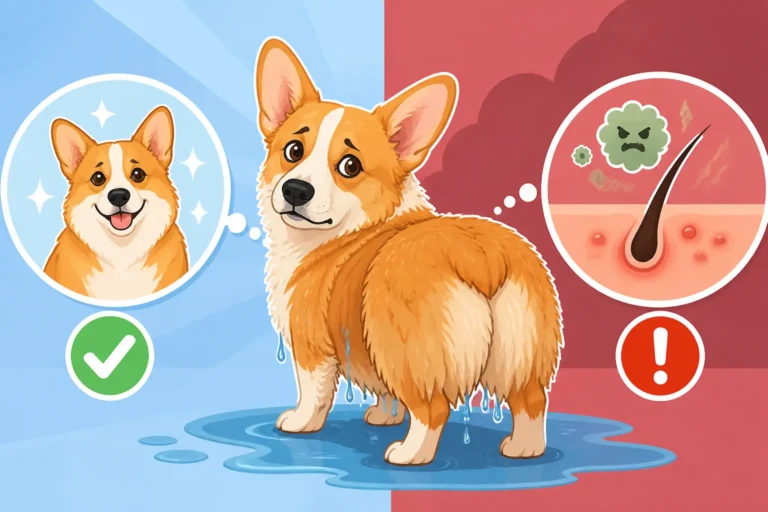
When your Corgi walks through damp grass, the moisture and mud are effortlessly absorbed by the skirt and trousers. When they squat to relieve themselves, urine can splash onto the inner thighs and rear skirt, and feces can cling to the longer hair around the anus. It's an unfortunate reality of their adorable conformation. This isn't just about appearance; consistently wet or dirty fur can lead to skin irritation, hot spots, or even bacterial infections if not properly addressed. You might even find yourself routinely needing to perform a quick clean after every outdoor adventure, especially if you live in an area prone to wet or dusty conditions. Cleaning a Corgi Belly After a Wet Walk goes into more detail about managing the low-rider cleanup.
Types of Dirt and Debris That Accumulate
The range of substances that can find their way into a Corgi's hind end fur is impressive, if not always pleasant. Here’s a rundown of the usual suspects:
- Mud and Soil: This is probably the most common culprit. A quick romp in a muddy park or even a damp backyard can transform pristine white trousers into earthy dreadlocks.
- Plant Material: Leaves, twigs, burrs, grass seeds, and even pollen can get tangled in the longer hair. Burrs, in particular, can quickly form tight, painful mats if not removed promptly.
- Feces and Urine: This is perhaps the most unhygienic and difficult to clean. Fecal matter can become embedded, leading to odor, discomfort, and a breeding ground for bacteria. Urine splash, especially on male Corgis or those with thicker "skirts," can stain the fur and cause skin scalding if left unaddressed.
- Dust and Sand: Even in dry conditions, fine dust and sand can accumulate, making the coat gritty and dull. This can also irritate the skin underneath.
- Snow and Ice: In winter, snow can ball up and freeze into painful clumps in the longer fur, especially the trousers, causing discomfort and making walking difficult.
The constant exposure to these elements means that regular, diligent grooming isn't just a suggestion for Corgi owners; it's an absolute necessity. Neglecting these areas can quickly lead to discomfort for your dog and more challenging, time-consuming cleanup jobs for you.
Mastering the Clean-Up: Essential Grooming Techniques for the Hind End
Keeping your Corgi's trousers and skirt clean and mat-free requires a consistent approach and the right tools. It might seem daunting at first, but once you establish a routine, it becomes a natural part of caring for your low-riding companion. The goal is to make grooming a positive experience for both of you, preventing discomfort and maintaining healthy skin and coat.
Daily Brushing and Spot Cleaning
Daily attention to the hind end is your first line of defense against excessive dirt and matting. This doesn't need to be a full bath, just a quick check and tidy-up.
- Brushing: Use a good quality slicker brush and a metal comb (like one you might find on Amazon or Chewy) to gently work through the trousers and skirt. Start from the ends of the hair and work your way up to the skin, always being careful not to pull. Pay special attention to the areas where the legs meet the body, as this is a common spot for mats to form. A deshedding rake can also be useful for tackling the dense undercoat in these areas, especially during heavy shedding seasons. Regular brushing helps remove loose hair, dirt, and prevents minor tangles from becoming major mats. The Rake and Comb a Corgi Coat Actually Needs offers more specific tool advice.
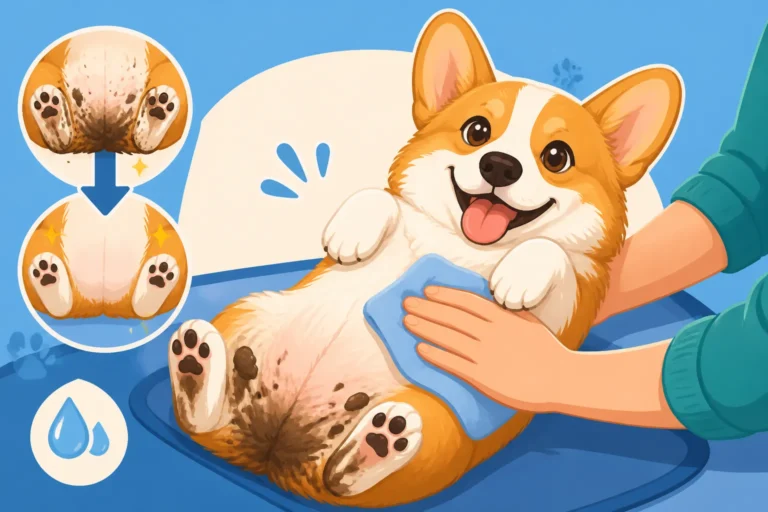
- Spot Cleaning: After walks, especially on damp or dirty days, a quick spot clean can make a huge difference. Keep a spray bottle with water and a little dog-safe shampoo, or pet-safe grooming wipes, handy near the door. For muddy paws and lower legs, simply wiping them down or using a damp cloth can prevent dirt from migrating to the skirt and trousers. For urine or fecal residue, a warm, damp cloth with a small amount of mild, dog-specific shampoo (ensure it's gentle enough for frequent use, some brands like those found on Ollie's website or other pet retailers offer sensitive skin formulas) is essential. Gently cleanse the area, then rinse thoroughly with a clean, damp cloth. Always dry the area completely afterward to prevent skin irritation.
Strategic Trimming for Hygiene
While you should never shave a Corgi's double coat, a little strategic trimming, often called a "hygiene trim" or "sanitary trim," can dramatically improve cleanliness in the hind end area. This is about practicality, not aesthetics, and it can be done at home with caution or by a professional groomer.
- The "Sanitary Clip": This involves carefully trimming the hair around the anus and vulva/penis. The goal is to keep this area free of long hair that can become soiled with urine or feces. Using blunt-nosed scissors or small, quiet clippers (many pet owners find these readily available on Amazon) with a short blade setting, carefully trim the hair very short in this small region. Always pull the skin taut and point the scissors away from the body to avoid nicks. If you're unsure, ask your vet or a professional groomer to show you how, or simply schedule regular sanitary trims with them.
- Trimming the Inner Thighs: For Corgis prone to urine splash, especially males, trimming the longer hair on the inner thighs can also be beneficial. Again, use blunt-nosed scissors or clippers, being extremely careful not to cut the skin. This reduces the surface area for urine to cling to and helps keep the area drier. Remember, this isn't about shortening the entire "trousers" – it's about targeting specific problem spots for hygiene. The Only Trimming a Corgi Should Get has more details on safe trimming practices for Corgis.
Bathing the Hind End
Full baths are not usually a daily or even weekly necessity for most Corgis, but when the hind end is truly filthy or matted, a targeted bath is the best solution.
- Preparation: Before bathing, always try to brush out any loose hair and small tangles. Wetting matted hair will only make it tighter and harder to remove.
- Shampoo Selection: Choose a dog-specific shampoo that is gentle, moisturizing, and formulated for double coats. Some owners prefer a de-greasing shampoo for particularly oily or soiled areas. Shampoo That Suits a Thick Corgi Undercoat discusses suitable options.
- Washing Technique: Wet the hind end thoroughly with lukewarm water. Apply shampoo and work it deep into the coat, ensuring it reaches the skin. Pay attention to the trousers, the skirt, and the sanitary areas. Let the shampoo sit for a few minutes if the product recommends it for deeper cleaning. Rinse, rinse, rinse! It's crucial to remove all shampoo residue, as leftover product can irritate the skin and lead to dryness or itching. Use a strong stream of water, pushing against the direction of hair growth to ensure all suds are gone from the dense undercoat.
- Drying: This is perhaps the most critical step for a Corgi. Their thick double coat, especially in the trousers and skirt, can take a long time to dry naturally. Leaving these areas damp can lead to skin infections and hot spots. Use highly absorbent towels to blot as much water as possible. Then, use a pet-specific force dryer (not a human hairdryer, which can be too hot) on a cool or low-heat setting. Direct the airflow against the grain of the fur to lift and separate the coat, ensuring the undercoat dries completely. Brush as you dry to help separate the hairs and speed up the process. A thorough drying session might take longer than the bath itself!
Proactive Care: Preventing Matting and Keeping the Hind End Pristine
Beyond reacting to messes, proactive measures can significantly reduce the frequency and severity of hind end grooming challenges. It's about creating an environment and routine that supports a cleaner, healthier Corgi coat from the outset. Prevention is always easier than cure, especially when it comes to keeping those adorable trousers and skirt in tip-top shape.
Environmental Adjustments and Gear
Making a few smart changes to your Corgi's environment and using specific gear can go a long way in minimizing hind end messes.
- Ramps and Steps: Corgis are prone to back issues, and jumping on and off furniture or in and out of cars can strain their long spines. Ramps and Steps That Save a Corgi's Back are a fantastic investment for their overall health, and they also help keep their hind end cleaner by preventing them from dragging their rear over dirty surfaces when landing.
- Yard Maintenance: Keeping your yard trimmed, especially grass and weeds, can significantly reduce the amount of plant debris and mud that your Corgi picks up. If your dog has a favorite spot to relieve themselves, consider adding a small patch of gravel or pea pebbles to keep that specific area less muddy.
- Rain Gear: For walks on wet days, consider a lightweight dog raincoat or a "belly band" style garment. While a full coat might be too warm for a Corgi's thick fur, a simple waterproof covering for their belly and hindquarters can shield their trousers and skirt from a surprising amount of mud and splash.
- Carriers and Car Restraints: When traveling, a secure carrier or seatbelt harness can keep your Corgi contained and prevent them from rolling around in any dirt that might accumulate in the car from previous adventures. This is especially true after a muddy outing, where you want to minimize further spread of dirt. You can find many options on platforms like Chewy or Amazon.
Dietary Considerations and Health Checks
Believe it or not, your Corgi's diet and general health can also impact the cleanliness and condition of their hind end coat.
- Appropriate Diet: A high-quality, balanced diet contributes to a healthy skin and coat, making it less prone to excessive shedding, dryness, or oiliness, which can sometimes exacerbate matting or dirt accumulation. Ensure your Corgi is not overweight, as excess weight can make it harder for them to reach and clean themselves, leading to more hygiene issues. Feeding a Corgi So Its Spine Carries Less provides valuable insights into managing your Corgi's weight for overall health.
- Anal Gland Health: Corgis, like many breeds, can sometimes have issues with their anal glands. When these glands become full or impacted, dogs often "scoot" their rear end along the ground to try and relieve the pressure. This behavior can further soil and mat the hair around their skirt. If you notice your Corgi scooting frequently, or excessively licking their rear, it's a good idea to have your vet check their anal glands.
- Incontinence: In older Corgis or those with certain health conditions, occasional urinary or fecal incontinence can be a reality. This, of course, directly impacts the cleanliness of the hind end. If your Corgi is experiencing incontinence, consult your veterinarian. While addressing the underlying cause, you'll need to be extra diligent with daily hygiene trims and spot cleaning, potentially using doggy diapers or wraps to manage accidents. Keeping a Corgi Clean After It Loses Control details specific tips for these situations.
By integrating these proactive measures into your Corgi care routine, you can significantly ease the burden of hind end grooming. It’s about creating a holistic approach that prioritizes your Corgi's comfort, hygiene, and overall well-being, allowing both of you to enjoy more adventures without the constant worry of muddy trousers and skirts.
| Grooming Task | Frequency | Tools Needed | Key Benefit |
|---|---|---|---|
| Daily Brushing | Daily | Slicker brush, Metal comb, Deshedding rake | Removes loose hair, prevents tangles/mats |
| Spot Cleaning | As needed | Dog-safe wipes, Damp cloths, Mild shampoo | Addresses immediate messes, prevents buildup |
| Sanitary Trim | Monthly | Blunt-nosed scissors, Small clippers | Improves hygiene, reduces soiling |
| Hind End Bathing | As needed | Dog shampoo, Absorbent towels, Force dryer | Deep clean for heavily soiled or matted areas |
| Nail Trimming | Bi-weekly | Nail clippers/grinder | Improves gait, prevents dirt retention |
Disclaimer
This article is for general informational purposes only and does not constitute professional advice. Laws, prices and regulations vary by location and change over time. Consult a qualified professional for guidance on your specific situation.