Whether a Corgi Loses Weight on Food or Walks
One of the most frustrating challenges many Corgi parents face is watching their beloved short-legged companion start to get a little too round. You might find yourself walking them more, only to wonder why the scales aren't budging. This guide will dive deep into the science behind Corgi weight loss, revealing why tweaking their diet is almost always the hero of the story, even as we champion the essential role of safe, consistent exercise for their unique bodies.
The Calorie Conundrum: Why Food Is the Biggest Piece of the Corgi Weight Loss Puzzle
It's a tough pill to swallow for many of us who adore our food-motivated Corgis, but when it comes to shedding pounds, what goes into their bowl dramatically outweighs the impact of their daily walks. Corgis, with their stocky build and efficient metabolism, are unfortunately excellent at gaining weight and quite resistant to losing it if their caloric intake isn't precisely managed. You can run yourself ragged trying to exercise the weight off, but if the kitchen scale isn't involved, you're likely to be fighting an uphill battle.
The Unforgiving Math of Calories In vs. Calories Out for a Short-Legged Dog
Think about it: a Corgi, especially a healthy adult, isn't built for hours of intense cardio like a Border Collie. Their little legs and long backs mean they simply can't burn off the same volume of calories through exercise as a larger, more athletic breed. Even a seemingly small extra treat or a slightly generous scoop of kibble can quickly add up to hundreds of excess calories over a week, calories that a casual walk around the block won't even begin to touch. To burn off just one average dog biscuit, your Corgi might need an extra 20-minute brisk walk, and let's be honest, how many of us are adding that in for every single treat? Understanding The Calorie Target for a Twenty-Eight Pound Corgi is fundamental to making any real progress.
Corgis, by their very nature, are survivors of a working heritage where every calorie counted. Their bodies are incredibly efficient at utilizing what they eat, meaning they don't have a lot of metabolic "waste" that other breeds might. This efficiency is fantastic for a working dog out in the fields all day, but for a pampered pet curled up on the sofa, it means that calorie surplus turns into fat remarkably quickly. It’s not a failing on your part, but a genetic predisposition that makes diet control paramount.
We often feel guilty or mean when we reduce our Corgi's food, but it's a kindness. Every bit of excess weight puts strain on their joints and, most critically, their delicate long spine. Preventing weight gain is far easier than trying to reverse it, but even if your Corgi is already carrying extra pounds, taking control of their diet is the most powerful tool you have to get them back to a healthy weight.
When Your Corgi Masters the Art of the "Starving" Look
If you own a Corgi, you know the look. The soulful eyes, the subtle whine, the way they stare at you with an intensity that suggests they haven't eaten in weeks, despite having just polished off a full meal. Corgis are experts at convincing their humans that they are perpetually on the brink of starvation, and it's incredibly hard to resist! This talent, combined with our natural desire to treat our furry family members, is often where the extra pounds creep in.
It’s easy to fall into the trap of thinking a little extra won’t hurt. A bit of cheese here, a bite of toast there, a few extra training treats because they were just so good. These aren’t just empty calories; they often contain fats and sugars that are highly palatable to dogs, making them even more eager for the next handout. Before you know it, these small additions can add hundreds of calories to their daily intake without you even realizing it. Remember, your Corgi will probably never truly tell you Whether a Corgi Ever Says It Is Full.
One common pitfall is relying on volume rather than density. A big bowl of low-calorie snacks might seem innocent, but even those calories can add up if not accounted for. The key is to be mindful of everything that enters their mouth, not just their main meals. This vigilance is a cornerstone of effective weight management for a breed so skilled at soliciting food.
The Critical Impact of Excess Weight on a Corgi's Unique Physique
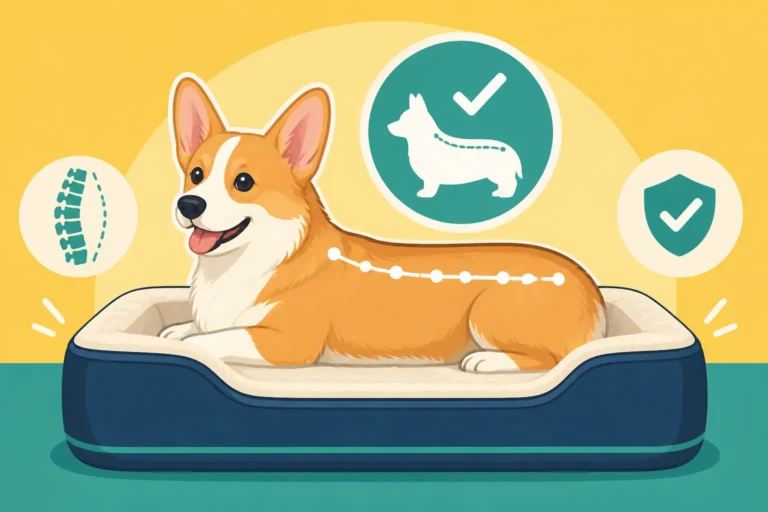
A Corgi's body is undeniably charming, but that long back and those short legs are also a significant area of vulnerability. Unlike other breeds, Corgis are chondrodystrophic, meaning their cartilage growth is abnormal, leading to shorter limbs and, critically, a predisposition to intervertebral disc disease (IVDD). Even a few extra pounds can dramatically increase the risk and severity of spinal problems. What Extra Weight Does to a Corgi Spine is not just a theoretical risk; it's a very real concern for every Corgi owner.
Imagine trying to carry a heavy backpack all day, every day. That's what excess weight feels like to your Corgi, putting immense strain on their vertebral discs, hips, elbows, and knees. This added stress can accelerate the degeneration of their discs, making them more prone to herniation, and can exacerbate or bring on arthritis earlier in life. The picture of a slightly pudgy Corgi might look cute, but it carries serious health implications.
Beyond spinal issues, an overweight Corgi is at higher risk for a host of other health problems, including diabetes, heart disease, breathing difficulties, and reduced heat tolerance. Their quality of life significantly diminishes as they struggle with mobility, fatigue, and discomfort. Helping them maintain a lean physique is perhaps the most loving and protective thing you can do for their long-term health and happiness.
Exercise: An Essential Partner, But Not the Primary Weight Loss Driver for Corgis
While diet is the heavyweight champion for Corgi weight loss, exercise is absolutely the essential sparring partner. It plays a critical role in their overall health, muscle tone, joint integrity, and mental well-being, all of which contribute to a happy Corgi life. However, expecting exercise alone to dramatically reduce their weight, especially if their diet isn't under control, is usually an exercise in futility. We need to shift our perspective on what exercise achieves for our Corgis.
The True Purpose of Movement for Your Corgi's Well-being
For a Corgi, regular, appropriate exercise is less about burning off calories from last night's dinner and more about maintaining a strong, flexible body that can support its unique frame. It helps build lean muscle mass, which in turn slightly boosts metabolism, and keeps their joints lubricated and mobile. Strong core muscles are particularly vital for supporting their long spine, helping to mitigate some of the risks associated with IVDD.
Beyond the physical benefits, exercise provides crucial mental stimulation. Corgis are intelligent, active dogs who thrive on having a "job" to do, even if that job is just exploring the neighborhood or playing fetch in the yard. Without adequate mental and physical outlets, they can become bored, destructive, or even more prone to excessive barking. So, while you might not be walking off huge calorie deficits, you're investing in their physical resilience and mental contentment. Aim for a body condition where you can easily feel their ribs, and they have a visible waist when viewed from above, like the ideal The Body Condition Score a Corgi Owner Aims For.
Navigating Safe and Effective Exercise for Their Long Backs
Given their predisposed spinal vulnerabilities, specific types of exercise are better suited for Corgis. High-impact activities like jumping off furniture, leaping for frisbees, or running up and down stairs repeatedly can put undue stress on their discs and should be minimized or avoided entirely. This is why many Corgi owners invest in Ramps and Steps That Save a Corgi's Back for sofas and beds.
Instead, focus on controlled, low-impact activities. Daily walks, varied in scenery and sniffing opportunities, are fantastic. Swimming, if accessible and your Corgi enjoys it, is an excellent non-weight-bearing exercise that builds muscle without spinal stress. Short bursts of fetch on a level surface, gentle tug games, and structured obedience work also contribute to their physical and mental fitness. The goal is consistent, moderate activity that supports their structure, not strenuous workouts designed solely to burn fat.
When considering increasing activity for weight loss, always prioritize safety. A Corgi carrying extra weight is already under strain, and sudden, intense exercise can be counterproductive, potentially leading to injuries. Start slow, build gradually, and always watch for signs of fatigue or discomfort.
When a Walk Alone Just Isn't Cutting It for Calorie Burn
Many Corgi owners, with the best intentions, try to "walk off" their dog's extra weight. While admirable, the reality is that the caloric expenditure from a typical Corgi walk is often quite modest, especially when compared to the calories they might be consuming. An extra 30-minute walk, while beneficial for health, might only burn an additional 50-100 calories, which can easily be negated by a small piece of cheese or an extra handful of kibble.
This isn't to say walks are useless; far from it! They are vital for muscle tone, joint health, and mental enrichment. But for significant weight loss, the equation is heavily skewed towards diet. If your Corgi needs to lose, say, five pounds, relying solely on walks without strict dietary control would require an almost impossible amount of exercise for their body type – exercise that could put them at risk for injury rather than health.
The frustration is real when you feel like you're doing everything right with exercise, but the weight isn't budging. This is precisely why understanding the true power of diet is so liberating: it empowers you with the most effective tool to help your Corgi achieve and maintain a healthy weight.
Building a Smart Weight Management Plan: Diet First, Exercise Second
So, if diet is the primary lever, how do we pull it effectively and sustainably? The good news is that creating a successful weight management plan for your Corgi doesn't have to be overly complicated, but it does require consistency, precision, and a bit of patience. It’s about making smart, informed choices that prioritize their long-term health.
Pinpointing the Right Food and Portions for Weight Loss
The first step is to accurately assess how much your Corgi is currently eating. Don't guess; measure! Why a Corgi's Food Is Weighed, Not Scooped cannot be stressed enough. Different kibbles have different densities, and a "scoop" can vary wildly. Use a digital kitchen scale to weigh out their food in grams or ounces for absolute accuracy. Start by feeding the amount recommended for their ideal weight, not their current weight. A good starting point is often 80% of what they are currently eating, if they are overweight.
Next, consider the food itself. Sometimes, simply reducing the quantity of their current food works. Other times, a lower-calorie, high-fiber "light" formula or even a veterinary prescription weight-loss diet might be necessary. Brands like Chewy often carry a wide range of specialized foods, and their product descriptions usually include calorie counts and feeding guidelines. If you're keen on fresh food, services like Ollie provide pre-portioned, human-grade meals that can be tailored to a weight-loss goal, offering precise calorie control and often greater satiety for fewer calories. Always consult your veterinarian before making significant dietary changes, especially to rule out underlying medical conditions and to get a professional recommendation for their daily caloric needs. Knowing What a Pembroke Should Weigh is crucial here.
Implementing Sustainable Changes and Handling Treats
Making dietary changes stick means involving the whole family and being consistent. Post a feeding schedule and exact portion sizes for everyone to see. If your Corgi is used to begging, implement a "no human food" rule or designate specific, low-calorie dog treats only for moments of begging. Crunchy vegetables like carrot sticks or green beans can be fantastic, low-calorie, high-fiber alternatives that many Corgis enjoy and that provide that satisfying crunch without the caloric load.
For training, remember to account for those treats! If you're doing a lot of training, reduce their mealtime kibble proportionally. There are many excellent, low-calorie training treats available. Think of Treats Priced Into a Corgi's Daily Ration as a fundamental part of their daily intake, not an extra. You can also use a portion of their daily kibble as training rewards, making it a zero-sum game. Consider using slow feeder bowls or puzzle toys, easily found on Amazon, which make mealtime last longer and provide mental stimulation, helping them feel more satisfied with less food.
Integrating Safe Activity to Support Their Journey
Once the diet is firmly in place, gradually increase their appropriate exercise. This means short, frequent walks—perhaps two or three 15-20 minute sessions instead of one long one. This helps keep their metabolism gently humming throughout the day and provides more opportunities for mental enrichment. If your Corgi loves to run or play fetch, ensure it's on a soft, level surface and that they aren't jumping excessively.
Think about how you can make their daily environment more Corgi-friendly and spine-safe. Using Sofa Ramps a Corgi Will Actually Use helps them get on and off furniture without risky jumps, promoting more independent movement without injury. Incorporate gentle play sessions that focus on low-impact engagement, like rolling a ball they can chase, or scent work games where they use their noses to find hidden treats around the house. The key is consistent, controlled activity that supports their physical condition without putting strain on their vulnerable back.
Maintaining a Healthy Corgi Weight for a Lifetime
Weight loss isn't a one-and-done event; it's a lifestyle change. Just like with people, managing a Corgi's weight requires ongoing vigilance, adjustment, and a commitment to their well-being. The initial push to lose weight might be challenging, but the reward is a healthier, happier Corgi with a significantly reduced risk of serious health issues.
Understanding the Marathon, Not the Sprint, of Weight Loss
Patience is a virtue, especially when it comes to Corgi weight loss. You're aiming for a slow, steady loss of about 1-2% of their body weight per week, which might not seem like much on the scale, but it's the safest and most sustainable rate. Losing weight too quickly can be unhealthy and harder to maintain in the long run. There will likely be plateaus where progress seems to stall. This is normal! Don't get discouraged. Re-evaluate their food intake, ensure there are no hidden calories, and perhaps slightly increase their activity if appropriate. Remember How Slowly a Corgi Should Come Down in Weight is key to long-term success.
Think of it as recalibrating their entire metabolic system. Their body needs time to adjust to the new, healthier normal. Celebrate small victories: a slightly looser collar, more energy on walks, or the subtle emergence of a waistline. These are all signs you’re on the right track and that your dedication is paying off.
Regular Monitoring and Adjustments as Your Corgi Ages
Weight management is a dynamic process. Your Corgi's caloric needs will change as they age, as their activity levels shift, or if they develop certain medical conditions. Regular check-ups with your veterinarian, ideally every six months if they're on a weight loss journey, are crucial. Your vet can monitor their progress, make adjustments to their diet plan, and ensure they are losing weight healthily.
At home, make a habit of regularly checking your Corgi’s body condition. Don't just rely on the scale. Feel along their sides: you should be able to easily feel their ribs without pressing hard, but not see them protruding. They should have a distinct waist when viewed from above and a slight tuck in their belly when viewed from the side. Essentially, you want to see Whether a Corgi Should Have a Visible Tuck. This tactile assessment is often more accurate than the number on the scale, especially under their thick coats. As they get older, their metabolism naturally slows down, and you might find that Whether a Corgi Needs a Vet Diet or Just Less becomes a relevant question to discuss with your vet.
| Factor | Primary Impact on Weight Loss | Secondary Benefits for Corgis | Considerations for Corgis |
|---|---|---|---|
| Diet | HIGHLY Significant | Overall health, satiety, nutrient intake | Precise calorie control crucial; easy to overfeed; impacts spinal health directly; vet guidance often needed |
| Exercise | Moderate to Low | Muscle tone, joint health, mental stimulation, mood | Must be low-impact to protect spine; high caloric burn difficult and risky; supports weight loss but rarely drives it |
The Joy of a Lean, Active Corgi: A Better Quality of Life
Ultimately, the effort you put into managing your Corgi's weight is an investment in their happiness and longevity. A lean Corgi has more energy for play, less pain from aching joints, and a significantly reduced risk of spinal issues and other debilitating diseases. They move more freely, breathe more easily, and are generally more joyful companions.
Imagine your Corgi trotting confidently on walks, engaging eagerly in games, and comfortably jumping onto their ramp for a snuggle on the sofa. This isn't just about a number on a scale; it's about giving them the best possible quality of life, full of zest and free from preventable discomfort. It's about ensuring your furry family member can enjoy every single Corgi wiggle and zoomie for as long as possible, truly living their best life right by your side.
Disclaimer
This article is for general informational purposes only and does not constitute professional advice. Laws, prices and regulations vary by location and change over time. Consult a qualified professional for guidance on your specific situation.