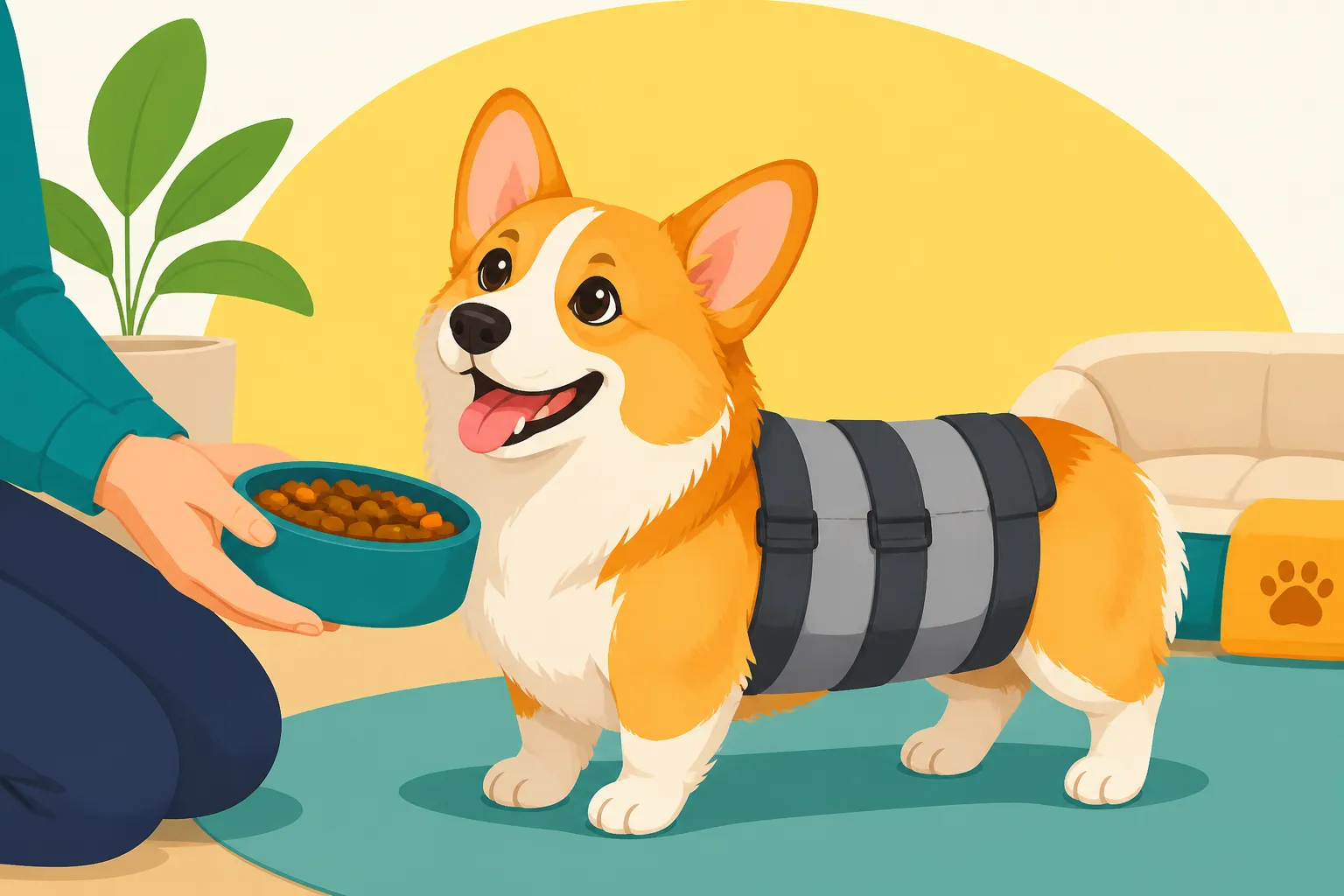
Feeding a Corgi With Its Back on the Mend
When your beloved Corgi is recovering from a back injury, whether it’s a sudden disc rupture or a flare-up of chronic spinal issues, the stress and worry can be overwhelming. Beyond the immediate veterinary care, managing their diet during this delicate time is absolutely critical, yet it's often an aspect that leaves us scratching our heads. This guide will walk you through the nuanced approach to feeding a Corgi whose back is on the mend, focusing on how to support their healing and prevent further strain.
Understanding the Unique Nutritional Demands of a Recovering Corgi
A Corgi recovering from a back injury isn't just a regular dog with a temporary limitation; their entire physiological state shifts. Their body is working hard to heal, often while their activity is severely restricted. This creates a delicate balance where proper nutrition isn't just about sustenance, but a vital part of the recovery process itself.
Why Calorie Control Becomes Even More Critical
One of the biggest challenges during a Corgi's recovery from a back issue is managing their weight. When a dog is on restricted activity, like strict crate rest, their energy expenditure plummets. They're no longer running, jumping, or even taking those long, meandering walks that used to burn off calories. Continuing to feed them their pre-injury portions is a sure-fire way to pile on unwanted pounds. Every extra ounce your Corgi carries puts additional strain on their already compromised spine. Imagine trying to recover from a back injury yourself while carrying a heavy backpack all day – that’s essentially what we ask our Corgis to do if they gain weight during this period. For a breed already predisposed to Disc Disease in a Long-Backed Corgi, this added pressure can significantly hinder healing and increase the risk of future problems. It’s a frustrating cycle, because a bored Corgi often feels like eating more, but that's exactly what we need to avoid.
The Role of Anti-Inflammatory Nutrients in Healing
Inflammation is a natural part of the healing process, but excessive or prolonged inflammation can impede recovery and cause discomfort. The right nutrients can play a powerful role in modulating this inflammatory response. Think of it like giving your Corgi an internal soothing balm. Omega-3 fatty acids, particularly EPA and DHA found in fish oil, are fantastic natural anti-inflammatories. Antioxidants, like vitamins E and C, found in various fruits and vegetables (in appropriate dog-safe forms), also help combat oxidative stress, which is a byproduct of injury and inflammation. Incorporating these into your Corgi's diet, always with veterinary guidance, can support their body's efforts to repair tissues and reduce swelling and pain around the injured area. It's about giving their body all the tools it needs to mend itself efficiently.
Maintaining Muscle Mass During Confinement
When a Corgi is confined, whether it's for Crate Rest for a Corgi With a Bad Back or limited exercise, muscle atrophy is a real concern. Muscles, especially those supporting the spine, can quickly weaken without regular use. This loss of muscle mass further destabilizes the back and makes the eventual return to activity more challenging. To counteract this, a diet rich in high-quality protein is essential. Protein provides the building blocks for muscle repair and maintenance. While calorie intake needs to be reduced, the quality and percentage of protein in their food might need to remain high, or even increase slightly, to ensure their body has what it needs to preserve existing muscle and facilitate repair. This is especially true if your vet recommends Physiotherapy for a Corgi Losing Its Legs, as those muscles will need all the support they can get.
Calculating and Adjusting Food Portions During Recovery
This is where the rubber meets the road. It's not enough to know what to feed; you need to know how much. This takes careful planning and consistent monitoring, as your Corgi's needs will be significantly different from their active self.
Estimating Reduced Caloric Needs
Estimating your Corgi’s reduced caloric needs is probably the trickiest part. There's no one-size-fits-all number because it depends on their current weight, ideal weight, age, metabolism, and the severity and duration of their confinement. A good starting point is to assume a significant reduction from their usual intake. If your Corgi typically eats enough for a highly active dog, you'll need to drop that significantly, perhaps by 20-30% or even more, to match a sedentary lifestyle. This isn't just guesswork; it's a conversation you need to have with your veterinarian. They can provide a more tailored estimate based on your Corgi's specific situation and recovery plan. Remember, their body is in repair mode, but not in high-activity mode. Think of it as feeding a very pampered, quiet Corgi, not a busy farm dog.
The Importance of Accurate Measurement
Forget the eyeball method, or even using a standard measuring cup. When calorie control is this vital, precision is your best friend. Different kibbles can have varying densities, meaning a cup of one might weigh significantly more or less than a cup of another, leading to wildly inaccurate calorie counts. The most reliable way to measure your Corgi's food is with a digital kitchen scale. This ensures that every meal provides the exact caloric intake prescribed. For example, if your vet recommends 300 calories a day, and your kibble has 350 calories per 100 grams, you know exactly how many grams to portion out. This meticulous approach can feel like a chore at first, but it quickly becomes routine and is invaluable for preventing unwanted weight gain. You can find reliable kitchen scales easily on Amazon, and many pet food brands like Ollie provide detailed caloric information by weight.
Monitoring Weight and Body Condition Score
The scale isn't just for food; it's for your Corgi too! Regular weight checks are non-negotiable. Weigh your Corgi weekly, or even every few days, if possible, especially in the initial stages of recovery. Keep a log of their weight to track any trends. Alongside the numerical weight, regularly assess their The Body Condition Score a Corgi Should Hold. This involves feeling their ribs, spine, and hip bones. You want to be able to feel their ribs easily, but not see them protruding. There should be a visible waist tuck when viewed from above, and a slight tuck-up from the side. Even a subtle increase in their body condition score can mean added strain on their back. If you notice weight creeping up, you’ll need to adjust their portions further, always consulting your vet. Catching these changes early can make all the difference in their recovery.
| Body Condition Score | Description | Impact on Spine | Action |
|---|---|---|---|
| 1 (Emaciated) | Ribs, spine, pelvic bones prominent; no fat. | Severe muscle wasting; weakness. | Increase calories under vet guidance. |
| 2 (Underweight) | Ribs easily felt; minimal fat; prominent waist. | Minimal muscle protection for spine. | Increase calories slightly with vet input. |
| 3 (Ideal) | Ribs easily felt with minimal fat; obvious waist. | Optimal support for spine; minimal strain. | Maintain current diet; monitor. |
| 4 (Overweight) | Ribs difficult to feel; no waist; fat over back. | Increased strain on spinal discs. | Decrease calories; increase activity (if allowed). |
| 5 (Obese) | Ribs not felt; heavy fat deposits; no waist. | Significant risk of disc injury/worsening. | Significant calorie reduction; vet supervision essential. |
Choosing the Right Food for a Corgi on Restricted Activity
With limited activity, your Corgi's food isn't just fuel; it's medicine. Making the right choices about the type of food can significantly impact their healing and comfort.
Selecting High-Quality Protein Sources
During recovery, the goal is to provide enough protein to maintain muscle mass and support tissue repair without contributing to excess calories. Look for foods that list a high-quality, named animal protein as the first ingredient, such as chicken meal, lamb, or salmon. These "named" sources are often more digestible and provide a complete amino acid profile necessary for healing. Aim for foods with a moderate to high protein percentage, but remember, more isn't always better if it comes with too many calories from fat. Lean protein sources like chicken breast (cooked and unseasoned, as a supplement) or specific protein-rich kibbles can be very beneficial. Avoid generic "meat meal" or by-products if you can, as their quality can be inconsistent. Brands like Ollie focus on fresh, human-grade ingredients which are often naturally high in quality protein.
Balancing Fats and Carbohydrates for Energy and Healing
While protein is crucial, fats and carbohydrates also play a role. Fats are energy-dense, so their quantity needs to be carefully controlled to prevent weight gain. However, healthy fats, especially those rich in omega-3s, are vital for reducing inflammation. Look for foods that include salmon oil, flaxseed, or other sources of omega-3s. Carbohydrates provide readily available energy, but too many can contribute to excess weight. Opt for complex carbohydrates like sweet potatoes, brown rice, or oats over simple, refined grains. These provide sustained energy and fiber without the sudden blood sugar spikes. The key is balance: enough fat for essential functions and anti-inflammatory benefits, and enough complex carbs for energy, all within a carefully controlled calorie budget.
Considering Joint-Supportive Ingredients
Many pet foods, especially those marketed for seniors or large breeds, include joint-supportive ingredients like glucosamine, chondroitin, and MSM. For a Corgi with a back issue, these can be appealing. While research on their direct impact on intervertebral discs is ongoing, they are generally considered beneficial for overall joint health. Omega-3 fatty acids, as mentioned earlier, also fall into this category due to their anti-inflammatory properties. When choosing a food, look at the ingredient list. Some premium kibbles from brands available on Chewy or Amazon are formulated with these ingredients. However, it’s important to remember that the amounts in food might not be therapeutic. Your vet might recommend separate supplements if they believe your Corgi could benefit from higher doses, which brings us to Whether a Corgi Needs Joint Support in Its Bowl as a standalone discussion. Always consult your veterinarian before adding any new supplements to your Corgi's diet during recovery.
Feeding Strategies for a Confined Corgi
A Corgi on restricted activity isn't just physically limited; they're often bored and frustrated. Mealtime can become a major event, and how you approach it can make a big difference for their mental well-being and physical recovery.
Adapting Feeding Routines to Limited Mobility
If your Corgi is on strict crate rest or has severely limited mobility, simply placing their bowl on the floor might not be comfortable or safe. They might struggle to lower their head, or twist their spine in an awkward way trying to reach their food. Consider using elevated bowls, or even hand-feeding if necessary, to ensure they can eat comfortably without straining their back. Place their food and water bowls within easy reach, so they don't have to move more than absolutely necessary. If they're in a crate, make sure the bowls are securely placed to avoid spills and unnecessary movement. The goal is to make mealtime as stress-free and pain-free as possible, allowing them to focus on eating and healing rather than navigating discomfort.
Enrichment Through Food Puzzles and Slow Feeders
A bored Corgi is a stressed Corgi, and stress isn't conducive to healing. Since physical exercise is off-limits, mental stimulation becomes incredibly important. Food puzzles and slow feeders can be a lifesaver here. They turn mealtime into a game, engaging your Corgi's brain and instincts without requiring physical exertion. This can help prevent boredom-related behaviors like excessive barking or restlessness, which could further injure their back. There are many options available, from simple maze bowls to more complex puzzle toys. Just make sure the puzzle doesn't require awkward movements or excessive straining. You can easily find a wide range of these on Amazon or Chewy. Portion their entire meal into these devices, rather than giving them extra food, to stick to their calorie limits. It's an excellent way of Keeping a Confined Corgi Occupied while adhering to their dietary needs.
Healthy Treats and Chews for Distraction
Even with controlled meals, a Corgi on restricted activity might still feel hungry or crave something to chew on out of boredom. It's tempting to dole out extra treats, but this can quickly derail your efforts to manage their weight. If you do offer treats, choose very low-calorie options. Small pieces of plain cooked chicken, green beans, or carrots can be excellent choices. Make sure to factor these into their daily calorie allowance – every little bit counts! Longer-lasting, safe chews can also provide distraction, but again, check the calorie content and ensure they don't encourage excessive twisting or straining of the back. Some owners freeze small amounts of dog-safe broth in a KONG toy for a long-lasting, low-calorie treat. Always prioritize quality and low calories when selecting treats for a recovering Corgi, particularly when you are Cutting Calories While a Corgi Is Confined.
Hydration and Supplementation During Back Recovery
Beyond solid food, liquids and additional nutrients can play a supporting role in your Corgi's healing journey. However, careful consideration and veterinary consultation are paramount.
Ensuring Adequate Water Intake
Hydration is fundamental to all bodily functions, including healing. Dehydration can exacerbate many health issues and slow recovery. Ensure your Corgi always has access to fresh, clean water, especially if they are on certain medications that can increase thirst. If they are very immobile, you might need to bring the water to them or offer it more frequently. Some Corgis might enjoy a small amount of low-sodium broth added to their water to encourage drinking, which is a great way to tempt them to drink more without adding significant calories. Remember, a well-hydrated body functions more efficiently, and this is critical when their system is working overtime to mend an injury. This is particularly important during extended periods of Six Weeks of Crate Rest With a Corgi where they might be less inclined to move to their water bowl.
Discussing Supplements with Your Vet
The world of pet supplements is vast, and it's easy to get overwhelmed by promises. While some supplements can be beneficial, others are unnecessary or could even be harmful, especially during recovery. This is why discussing any potential supplements with your veterinarian is non-negotiable. They can help you determine if specific supplements, like higher doses of omega-3 fatty acids, glucosamine, chondroitin, or certain vitamins, are appropriate for your Corgi's specific injury and overall health. For example, your vet might suggest supplements for nerve support or additional anti-inflammatory help, but these decisions should always be made by a professional who knows your Corgi's case thoroughly. You can read more about Whether a Corgi Needs Joint Support in Its Bowl and its efficacy for proactive care, but for active recovery, vet guidance is key.
Potential Pitfalls of Over-Supplementation
It’s natural to want to give your Corgi every possible advantage during recovery, but more isn't always better when it comes to supplements. Over-supplementation can lead to adverse effects, ranging from digestive upset to more serious health problems. For example, too much of certain fat-soluble vitamins can be toxic, and excessive mineral intake can create imbalances. Some supplements can also interact with medications your Corgi might be taking for pain or inflammation, potentially reducing their effectiveness or causing dangerous side effects. This is another crucial reason to always get veterinary approval before adding anything new. Your vet can guide you through what's truly beneficial versus what might be a waste of money or even a risk.
Long-Term Nutritional Management Post-Recovery
The recovery period eventually ends, but the commitment to your Corgi's spinal health doesn't. Long-term nutritional management is vital for preventing future issues and ensuring they live their happiest, healthiest life.
Transitioning Back to Normal Activity and Food Levels
As your Corgi gradually returns to more normal activity levels, their caloric needs will slowly increase. This transition must be as gradual as their physical rehabilitation. Don't suddenly increase their food portions the moment they're cleared for a longer walk. Work closely with your veterinarian to slowly reintroduce more calories as their exercise regimen expands. This might involve incrementally increasing their food by a small percentage each week, all while continuing to monitor their weight and body condition score. A swift change can lead to quick weight gain, undoing all your hard work and putting their back at risk again. The key is to match energy intake with energy expenditure, precisely as you would when helping How Slowly a Corgi Should Come Down in Weight.
Maintaining Ideal Weight for Spinal Health
Perhaps the most critical long-term strategy for any Corgi, especially one with a history of back issues, is maintaining an ideal weight. Even a few extra pounds can place immense strain on their long spine, increasing the risk of future disc problems. This isn't just about avoiding obesity; it's about striving for that lean, athletic build that supports their unique body structure. This means consistent portion control, measuring food religiously, and regular exercise tailored to their abilities. Educate yourself on What an Ideal Corgi Weighs and commit to keeping your Corgi within that healthy range for life. This vigilant approach to weight management is the single best preventative measure you can take for their spinal health after recovery.
Regular Vet Check-ups and Nutritional Reviews
Your relationship with your vet shouldn't end when the immediate crisis is over. Regular check-ups are essential for monitoring your Corgi's overall health, including their spinal condition. During these visits, discuss their diet and weight with your vet. They can help you adjust their food plan as they age, or if their activity levels change. These reviews are also an opportunity to discuss any new concerns, check for early signs of inflammation, or reconsider supplements. Proactive and consistent veterinary care, combined with diligent nutritional management, forms the cornerstone of a long, healthy life for your Corgi, protecting their mend and preventing future back episodes.
Disclaimer
This article is for general informational purposes only and does not constitute professional advice. Laws, prices and regulations vary by location and change over time. Consult a qualified professional for guidance on your specific situation.