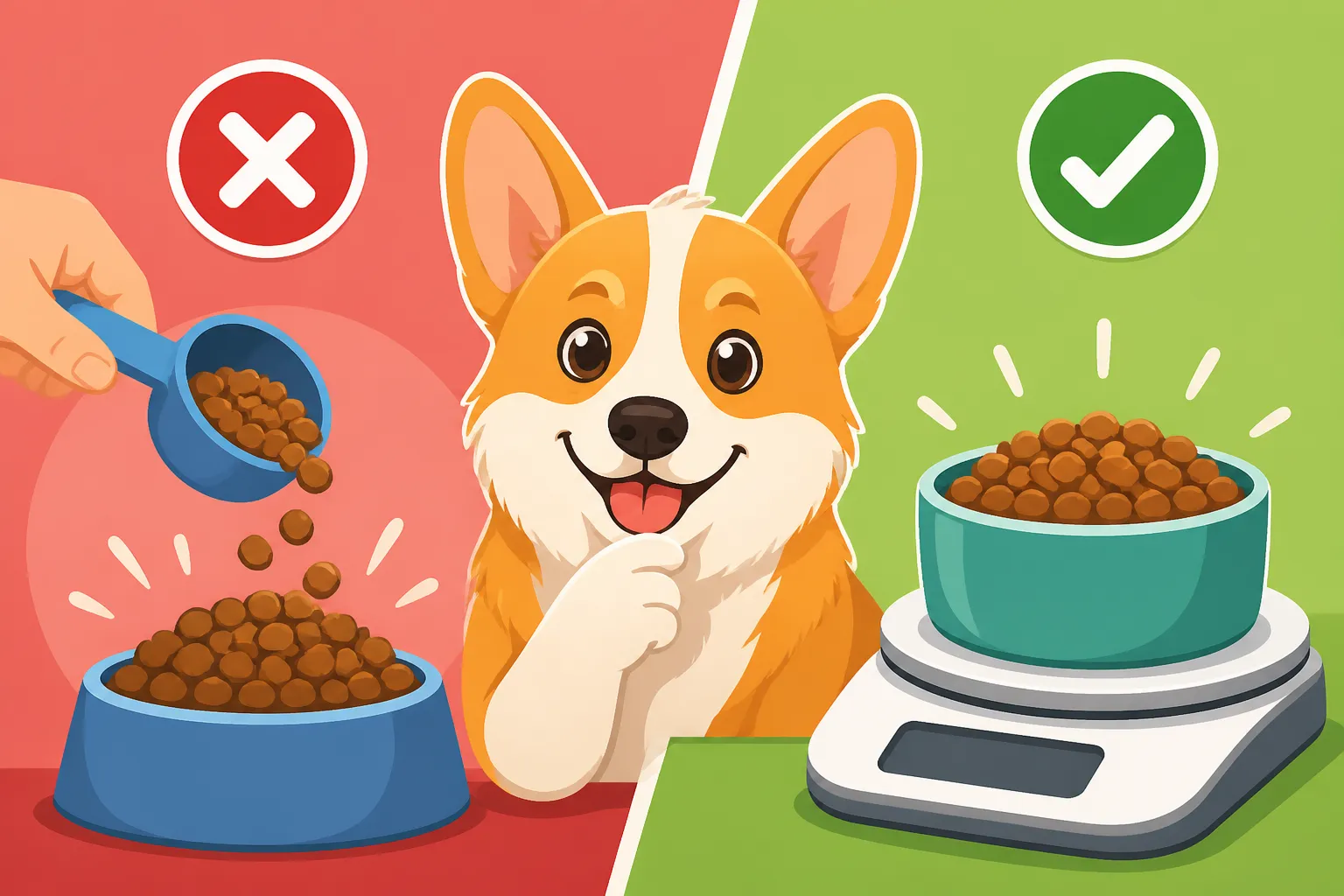
Why a Corgi’s Food Is Weighed, Not Scooped
Many Corgi owners, myself included, have fallen into the trap of simply scooping out their dog's food, believing a 'scoop' is a standard measurement. But this seemingly harmless habit can actually be a significant contributor to unwanted weight gain in our beloved low-riders, leading to serious health complications down the line. This guide will meticulously break down why weighing your Corgi's food is not just a suggestion, but a crucial step in maintaining their optimal health and longevity, and how you can easily make the switch for your furry family member.
The Problem with Scooping: Inconsistency and Hidden Calories
It’s easy to grab that cup from the kibble bag and just fill it up. We do it for ourselves with coffee or sugar, so why not for our dogs? The truth is, a "scoop" is a remarkably imprecise measurement, and for a breed as susceptible to weight-related issues as the Corgi, those small inconsistencies can really add up over time.
Inconsistent Portions Lead to Unexpected Weight Gain
Think about it: how full do you really fill that scoop each time? Is it level? Heaped? Are you using the same scoop for every bag of food, or did you switch when you got a new brand? The difference between a level scoop and a slightly heaping one might seem negligible on a daily basis, maybe just an extra few grams here or there. But over weeks and months, especially for a dog with a relatively small calorie requirement like a Corgi, those extra grams translate directly into extra pounds. It's like adding an extra spoonful of sugar to your coffee every day – eventually, you'll notice the difference. This cumulative effect is often why owners are surprised when their vet mentions their Corgi is carrying a few too many pounds, despite them "feeding the recommended amount."
Moreover, the physical act of scooping itself can introduce variability. Is the kibble settled at the bottom of the bag, or is it light and fluffy from just being opened? Are you compacting it down or letting it fall loosely? All these factors mean that what you think is one cup today might actually be 1.1 cups tomorrow, or 0.9 the day after. For breeds like Corgis, whose ideal weight range is quite specific – generally between 22 and 30 pounds for a Pembroke Welsh Corgi, and a bit more for a Cardigan – even a pound or two of excess can put undue stress on their unique physique. This seemingly small deviation in feeding can be the silent culprit behind a Corgi slowly, but surely, becoming overweight.
The Creeping Poundage: Why Corgis Get Chonky So Easily
Corgis are notorious for their love of food. They often act as if they're perpetually starving, and those adorable, pleading eyes are incredibly hard to resist! This enthusiasm for eating, combined with their chondrodystrophic (short-legged) build and propensity for back issues, makes precise portion control absolutely vital. A Corgi carrying even a slight amount of extra weight is essentially putting more pressure on an already vulnerable spine. You can read more about Why Corgi Weight Is a Spinal Problem in our detailed guide.
That "creeping poundage" isn't usually a sudden leap. It's often a gradual accumulation, so subtle that you might not even notice it until it's significant. Their thick double coats can also hide a multitude of sins, making it hard to see a slight increase in their waistline until it's quite pronounced. What might look like a healthy, well-fed Corgi could actually be one carrying an extra two or three pounds that are stressing their joints and back. This is why tools like a kitchen scale become so important – they remove the guesswork and help you maintain that ideal body condition score, which for a Corgi means you should be able to easily feel their ribs without seeing them, and they should have a discernible waist when viewed from above.
The Science of Weight vs. Volume: Why Kibble is Tricky
It's tempting to think that a "cup" of kibble is a consistent unit, but the reality is far more complex than that. Pet food manufacturers, for all their good intentions, often list feeding guidelines in volumetric measurements (cups) which can be highly misleading.
Kibble Density Varies Dramatically
Not all kibble is created equal, especially when it comes to density. Think about a cup of popcorn versus a cup of solid nuts – same volume, wildly different weight and calorie content, right? The same principle applies to dog food. Some kibbles are airy, large, and porous, while others are small, dense, and packed tightly. A "cup" of a lightweight, puffed kibble might weigh significantly less than a "cup" of a compact, dense kibble, even if both bags suggest feeding one cup per meal. This difference in density means that if you switch kibble brands or even move to a different formula within the same brand, your old scoop might now be providing your Corgi with either too many or too few calories.
This variability is why relying on a scoop can inadvertently lead to overfeeding. If your previous kibble was light and fluffy, and you switch to a denser, heavier kibble while still using the same physical scoop, you could easily be feeding your Corgi 10-20% more calories than intended in each meal. Over the course of a day, a week, or a month, that quickly adds up to excess weight. How Little an Adult Corgi Actually Eats can be surprising to many owners, underscoring the importance of precision. This is particularly crucial for a Corgi, where even small amounts of extra weight can be detrimental, affecting their mobility and overall health.
Scoop Size Isn't Standardized
To further complicate matters, the physical scoop itself isn't standardized. The "cup" provided by a pet food company might not be a true eight-fluid-ounce measuring cup. Some are larger, some are smaller, and very few are designed with the precision needed for accurate portioning. Even if you're using a standard kitchen measuring cup, its accuracy can be compromised by how you fill it, as we discussed earlier. A true eight-fluid-ounce measuring cup filled to the brim with kibble will still vary in the weight of that kibble depending on its density.
This lack of standardization means that following the "feed X cups per day" instruction can be a complete shot in the dark without knowing the actual weight of those cups. A feeding guide that recommends "1 cup (approx. 100g)" is giving you the best information you need – the weight. If you're feeding a fresh food diet, like those from Ollie, they often provide pre-portioned meals or very clear weight guidelines, removing this guesswork entirely. For dry kibble, it's up to us, the pet parents, to ensure that our Corgis are getting exactly what they need. Without a precise measurement of weight, the feeding guidelines are just that: loose guidelines that leave too much room for error, leading to an overweight Corgi.
Why Corgis Are Especially Vulnerable to Weight Gain
Corgis, for all their undeniable charm, come with a unique set of physiological predispositions that make them particularly susceptible to the negative impacts of extra weight. Their distinctive body shape is both a blessing (adorable low-rider!) and a potential curse when it comes to health.
Their Unique Build and How It Exacerbates Weight Issues
The Corgi’s iconic long back and short legs are a result of chondrodystrophy, a genetic condition that affects cartilage development. While it gives them their characteristic silhouette, it also means their spines are inherently more vulnerable than those of many other breeds. When a Corgi carries extra weight, the additional strain on their intervertebral discs is immense. Imagine carrying a backpack filled with bricks all day, every day – that's essentially what an overweight Corgi's spine is enduring. This chronic stress significantly increases their risk of intervertebral disc disease (IVDD), a debilitating condition where the discs in the spine bulge or rupture, causing pain, nerve damage, and potentially paralysis.
Even beyond the spine, extra weight puts a strain on their short legs and joints. Their knees, hips, and elbows bear the brunt of the increased load, accelerating the onset and severity of conditions like arthritis. A Corgi that is already genetically predisposed to hip or elbow dysplasia will find these conditions worsen much faster if they are overweight. This isn't just about comfort; it's about quality of life. An overweight Corgi might struggle to jump on the sofa, climb stairs, or even walk for extended periods, severely limiting their enjoyment of life and interaction with their family. It’s a heartbreaking progression that can often be mitigated by maintaining an ideal weight.
The Link to Spinal Health: Every Ounce Matters
For a Corgi, every single ounce of extra weight translates directly into increased pressure on their delicate spine. We often talk about pounds, but even half a pound can make a difference over time. Their long, low bodies are simply not designed to carry excess baggage. The discs in their backs act as cushions between the vertebrae, and when they are constantly compressed by extra weight, they can degenerate faster, making them more prone to herniation or rupture. This is a critical factor in understanding Disc Disease in a Long-Backed Corgi.
The consequences of spinal issues in a Corgi can be devastating, ranging from chronic pain to complete loss of hind leg function. Recovering from a disc rupture, whether through surgery or conservative management like Crate Rest for a Corgi With a Bad Back, is a long, arduous, and often expensive process. It's not just the physical pain for the dog; it's the emotional and financial toll on the family. Preventing these issues by maintaining a healthy weight through precise feeding is one of the most proactive and loving things you can do for your Corgi. It's an investment in their comfort and mobility for years to come.
How to Make the Switch: Practical Steps for Precision Feeding
Transitioning from scooping to weighing your Corgi’s food might seem like an extra step, but it’s a quick and easy habit to adopt, and one that offers immense benefits for their health.
Getting the Right Kitchen Scale
The first step is to invest in a good quality digital kitchen scale. You don't need anything fancy or expensive; a basic digital scale that measures in grams and ounces will do the trick. Many affordable options are available on platforms like Amazon or Chewy. Look for one with a tare function (to zero out the bowl's weight) and a capacity of at least a few pounds. Battery-operated ones are convenient as you can move them easily.
Once you have your scale, place your Corgi's empty food bowl on it and press the 'tare' button to zero it out. Then, simply pour the kibble directly into the bowl until you reach the desired weight. Most kibble bags provide feeding guidelines in cups, often with an accompanying weight in grams or ounces. Always refer to the weight. If your bag only lists cups, you'll need to do a one-time measurement: fill your scoop to what you think is the correct amount, weigh it, and then stick to that weight. Over time, you'll get a feel for how much that looks like, but always rely on the scale for accuracy.
Establishing a Consistent Feeding Routine
Consistency is key when it comes to feeding, not just in portion size but also in schedule. Corgis thrive on routine, and knowing when their meals are coming can help manage their famous food-driven anxieties. Decide on a schedule that works for your household – typically two meals a day for adult Corgis, sometimes three for puppies. Stick to these times as much as possible.
When it's mealtime, use your scale every single time. It takes mere seconds but provides unparalleled accuracy. If you have multiple Corgis, or other dogs, feed them separately to ensure each dog is eating only their allotted portion. This prevents food guarding and ensures that the slower eater isn't missing out, or the faster eater isn't stealing extra. This consistent routine, combined with precise weighing, creates a solid foundation for managing your Corgi's weight and overall health.
Adjusting for Treats and Training Rewards
It’s easy to forget that treats and training rewards also contribute to your Corgi's daily caloric intake. For many Corgis, their intense food motivation makes treats an essential part of training, and we wouldn't want to skip that! The trick is to account for them. If you're giving a lot of training treats, consider slightly reducing their main meal portion for that day.
A good rule of thumb is that treats should make up no more than 10% of your Corgi's daily calories. Choose low-calorie treats or break larger treats into tiny pieces. For training, using some of your Corgi's regular kibble as rewards can be an excellent strategy, as it ensures they're still eating a balanced diet while staying within their calorie limits. You can learn more about Training Treats That Fit a Corgi's Allowance in our guide. This holistic approach ensures that while you're weighing meals meticulously, you're not undermining your efforts with unmeasured extras throughout the day.
Beyond the Bowl: Holistic Weight Management for Corgis
While precise feeding is foundational, managing your Corgi's weight is a multi-faceted endeavor. It involves understanding their physical needs, mental stimulation, and regular health monitoring. It's a team effort between you, your Corgi, and your veterinarian.
Exercise and Mental Stimulation: Keeping Them Active
Corgis, despite their short stature, are active herding dogs who need regular exercise and mental stimulation. They aren't content to be couch potatoes, even if their short legs might suggest otherwise. Daily walks, playtime in the yard, and engaging in activities that challenge their minds are crucial for burning calories and maintaining muscle mass. However, due to their delicate backs, certain types of exercise need to be approached with caution. High-impact activities like excessive jumping, or long runs on hard surfaces might not be ideal. How Much Running Is Safe for a Corgi and Whether Agility Is Safe for a Corgi's Spine are important considerations.
Consider activities like brisk walks, scent work, puzzle toys, or even beginner-level obedience classes. These can provide excellent physical and mental outlets without putting undue stress on their spine. Mental stimulation is just as important as physical exercise for a Corgi; a bored Corgi can become a destructive Corgi, and sometimes even an over-eater if they associate food with comfort. Using snuffle mats or slow-feeder bowls for their weighed meals can also extend mealtime and provide a bit of mental engagement.
Regular Vet Check-ups and Body Condition Scoring
Your veterinarian is your best partner in your Corgi's weight management journey. Regular check-ups are essential not just for vaccinations and routine health, but also for monitoring their weight and body condition score (BCS). A vet can accurately assess whether your Corgi is at an ideal weight and can help you develop a weight loss plan if needed. They can also rule out any underlying medical conditions that might contribute to weight gain, such as thyroid issues.
The BCS is a visual and tactile assessment tool that helps you and your vet determine if your Corgi is too thin, ideal, or overweight. It’s about more than just numbers on a scale; it’s about how their body feels and looks. For a Corgi, feeling for those ribs and checking for a waist can be tricky under their dense coat, so a vet's trained eye and hands are invaluable. They can help you understand The Body Condition Score a Corgi Should Hold and how to maintain it. Don't be afraid to ask your vet about your Corgi's weight at every visit – it's one of the most important discussions you can have for their long-term health.
Addressing Common Concerns About Weighed Feeding
Making a change to how you feed your Corgi can sometimes bring up a few questions or concerns. Let's tackle some of the most common ones you might encounter.
My Corgi Always Seems Hungry! What Do I Do?
This is a familiar lament for many Corgi owners! Corgis are often very food-motivated, and will happily act like they haven't eaten in days, even moments after finishing a perfectly portioned meal. It’s easy to feel guilty and want to give them more, but giving in will only undermine your efforts to keep them healthy. Understand that their begging isn't necessarily a sign of true hunger, but often a behavioral habit or a reflection of their strong food drive.
Instead of giving extra food, try redirecting their attention. Engage them in a short play session, offer a chew toy, or take them for a quick walk. Sometimes, simply ignoring the begging, however difficult it may be, is the most effective approach. Whether a Corgi Ever Says It Is Full is a question many owners ask, and the answer is usually a resounding "no!" Using puzzle feeders can also extend mealtime, making them feel more satisfied because they've had to "work" for their food. Don't mistake their enthusiasm for eating with genuine starvation; you are doing them a kindness by sticking to their precisely weighed portions.
What About Different Foods and Calorie Counts?
When you switch dog food brands, or even move from a dry kibble to a fresh food like Ollie, the caloric density can change significantly. This means that the weight of food your Corgi needs might also change. Always check the feeding guidelines on the new food packaging and look for the recommended weight in grams or ounces per day for your Corgi's ideal weight. If the new food is more calorically dense, your Corgi might need a smaller weight of food to get the same number of calories, and vice-versa.
It’s always a good idea to transition new foods gradually over several days to avoid digestive upset. Start by mixing a small amount of the new food with their old food, gradually increasing the proportion of new food each day. This also gives you time to adjust to the new weighing requirements. If you're ever unsure about how much to feed, especially with a new type of food, don't hesitate to consult your veterinarian. They can help you calculate the precise caloric needs for your individual Corgi, taking into account their age, activity level, and any health considerations.
Here’s a quick comparison of why weighing beats scooping:
| Feature | Scooping Method | Weighing Method |
|---|---|---|
| Accuracy | Highly variable; prone to human error and inconsistency | Highly precise; eliminates guesswork |
| Kibble Density | Ignores density variations; can lead to over/underfeeding | Accounts for density; ensures exact calorie intake |
| Health Impact | Higher risk of weight gain, spinal issues, joint strain | Reduces risk of obesity, protects spine and joints |
| Cost Efficiency | Can waste food or lead to more frequent repurchases | Optimizes food usage; no wasted kibble or extra vet bills |
| Effort | Seems easier initially, but leads to long-term health efforts | Minimal extra effort for significant health gains |
| Peace of Mind | Constant worry about Corgi's weight | Confidence in providing optimal nutrition |
Ultimately, weighing your Corgi's food is a small change with a monumental impact on their health and well-being. It's a simple, proactive step that can help safeguard their precious back, maintain a healthy weight, and ensure they live a long, happy, and active life by your side. Take the leap, get that scale, and empower yourself to feed your Corgi with the precision they deserve!
Disclaimer
This article is for general informational purposes only and does not constitute professional advice. Laws, prices and regulations vary by location and change over time. Consult a qualified professional for guidance on your specific situation.