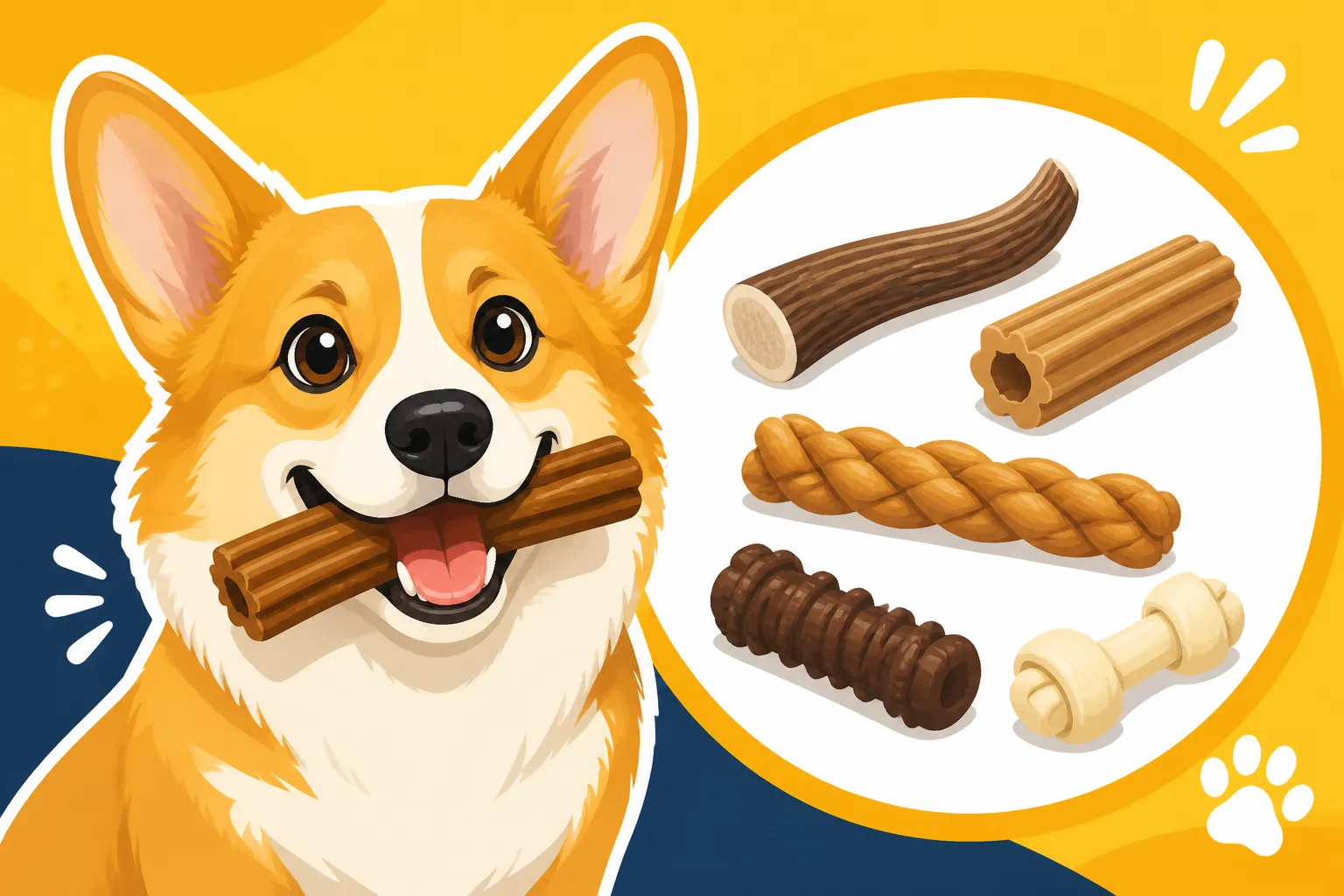
Chews That Suit a Corgi’s Bite
Corgis, with their mighty jaws packed into a relatively small package, often love to chew. But finding the right chew – one that actually suits their powerful bite, keeps them engaged, and most importantly, is safe for their unique structure – can feel like an endless quest, fraught with worry about broken teeth or choking. This guide is here to help you navigate the confusing world of dog chews, ensuring your Corgi gets all the chewing satisfaction without the risks.
The Undeniable Need for Chews in a Corgi's Life
It might seem like a simple pleasure, but for a Corgi, chewing is far more than just a way to pass the time. It's a fundamental canine behavior that serves several crucial purposes, impacting their physical health and mental well-being. Understanding why your Corgi needs to chew can help you appreciate the importance of providing appropriate outlets for this instinct.
More Than Just a Pastime: Dental Health Benefits
Corgis are prone to Corgi Dental Disease, just like many other breeds. Regular chewing on appropriate items can be a fantastic way to support their oral hygiene. Think of it as a natural toothbrush, scraping away plaque and tartar buildup from their teeth as they gnaw. This mechanical action is invaluable in maintaining healthy gums and teeth.
While not a substitute for professional veterinary dental care, providing good chews is a critical part of the daily routine for preventing serious dental issues. A well-chosen chew can reach those back molars and the gum line, areas often missed by quick eating, reducing the likelihood of extensive dental cleanings later on. This is especially true as a Corgi ages, and Tartar and Tooth Loss in an Older Corgi becomes a more pressing concern, which can be mitigated with consistent preventative care.
Without proper chews, plaque can quickly harden into tartar. This hard, crusty deposit leads to gum inflammation (gingivitis), persistent bad breath, and eventually, more severe periodontal disease which can cause painful tooth loss, infections, and even impact overall systemic health. Providing safe, structured chew opportunities from a young age can set your Corgi up for better dental health throughout their life, saving both discomfort for your pup and potentially significant vet bills for you.
A Mental Workout and Stress Reliever
Corgis are intelligent little herders, and their brains need stimulation just as much as their bodies need exercise. Chewing is a deeply satisfying, instinctual behavior for dogs. It releases endorphins, which are natural feel-good hormones that can help calm and soothe an anxious, bored, or over-stimulated Corgi. It's their way of decompressing and focusing.
If your Corgi gets bored, under-stimulated, or isn't given appropriate chew options, they might decide to invent their own "chew toys" – which often means your expensive furniture, shoes, or even doorframes. Offering appropriate, engaging chews gives them a sanctioned outlet for this natural drive, keeping them mentally engaged and out of household trouble. This is particularly important if you have a Corgi that might be prone to A Corgi That Barks the Whole Time You Are Out due to boredom or separation anxiety. A good chew can provide a constructive way for them to channel that pent-up energy.
Consider incorporating puzzle toys filled with appropriate treats or their regular kibble as a chew alternative. These make your Corgi work for their reward, providing an excellent mental challenge that is both enriching and tiring. Many slow feeder bowls and interactive chew toys are available on sites like Amazon or Chewy, which can extend meal times and turn eating into a more engaging, chew-like activity, further satisfying their innate needs.
Redirecting That Famous Corgi Nip
Corgis, being herding dogs, often come with a strong instinct to "nip" at heels, ankles, or clothing. This behavior is a leftover from their cattle-driving days, where they'd nip at the legs of livestock to guide them. While it might seem cute or even a little annoying in a puppy, this behavior needs gentle and consistent redirection as they grow into adults. Providing appropriate chews is a key strategy in this redirection.
When your Corgi puppy starts to mouth or nip at your hands, feet, or clothes, it’s crucial to redirect them immediately to a designated chew toy. This teaches them what is acceptable to chew on (the toy) and what isn't (you or your belongings). Consistency is paramount here; every time they try to nip, swap your hand for an appropriate chew. You want to teach them early that A Corgi Puppy Biting Ankles and Hands is not the right behavior, but a natural instinct that can be managed.
It's not about punishing the natural instinct, but about channeling it constructively. A good, satisfying chew can fulfill that oral fixation, helping them learn bite inhibition and appropriate play behavior. This positive reinforcement ultimately leads to a more harmonious household, where your Corgi understands boundaries and has healthy outlets for their innate drives. Chews provide a safe and effective way to manage and modify this strong herding trait.
Navigating the Chew Aisle: Safe Options and Serious Warnings
Walking down the pet aisle can be overwhelming with the sheer number of chew options available. For Corgi owners, it's not just about what looks appealing; it's about what's genuinely safe and suitable for their unique needs. Making the right choices can prevent potential health issues and ensure your Corgi enjoys their chews without risk.
Edible Chews: A Treat with Benefits (and Cautions)
Edible chews are popular because they eventually disappear, providing both satisfaction and sometimes a small nutritional boost. However, not all edible chews are created equal, especially for a Corgi's powerful bite and digestive system.
- Bully Sticks: Many Corgi owners swear by bully sticks. They're typically single-ingredient (dried beef pizzle), highly palatable, and can last a decent amount of time for a determined chewer. When selecting, look for thicker, more durable options that are less likely to be gulped down too quickly. Always supervise your Corgi during a bully stick session, as the last small piece can soften and become a significant choking hazard. Many varieties, including thick and thin options, are readily available on platforms like Chewy.
- Dental Chews: There are countless brands of dental chews designed specifically to help clean teeth. The effectiveness varies greatly between products. Read the ingredients carefully and choose options that are appropriately sized for a Corgi's mouth and are flexible enough not to be too hard on their teeth, yet still firm enough to provide abrasive action against plaque. Look for products with the VOHC (Veterinary Oral Health Council) seal of approval, which indicates they meet specific standards for dental efficacy.
- Yak Cheese Chews: These hard, long-lasting chews, traditionally made from yak and cow milk, are another favorite for many Corgis. They are very dense and soften slightly with chewing, offering a good, sustained challenge without being overly rigid. As with bully sticks, always ensure they are large enough to prevent accidental swallowing and potential choking, and promptly discard them when they become too small to safely chew.
- Rawhides: This is where we need to be very cautious. Traditional rawhides can be quite controversial among veterinarians and experienced dog owners. While some Corgis may digest them without issue, for many others, they pose a serious choking risk (especially if large, softened pieces are swallowed whole) or an intestinal blockage risk. If you absolutely feel compelled to consider rawhide, opt for highly digestible, processed forms that are designed to break down easily in the stomach. However, many vets strongly advise against them entirely for safety reasons, and it's often better to avoid the risk altogether.
- Freeze-Dried Meats/Organs: While not long-lasting chews in the traditional sense, items like freeze-dried liver, heart, or lung can offer a quick, satisfying crunch and are excellent for training treats. They are typically single-ingredient and highly palatable. Brands like Ollie offer high-quality, minimally processed options that are safe and nutritious, though they won't provide the extended, hours-long chew time of a bully stick or yak cheese chew.
Non-Edible Chews: Durability for the Determined Chewer
Non-edible chews are fantastic for Corgis who need something they can gnaw on repeatedly without it disappearing too fast, providing long-term engagement and often standing up to the most vigorous chewers.
- Rubber Chews (e.g., KONG): These are often highly recommended by vets and trainers alike. They come in various strengths (look for "extreme" or heavy-duty versions for Corgis) and shapes, can be stuffed with treats, peanut butter, or yogurt to extend engagement, and are durable enough to withstand vigorous, daily chewing. They are excellent for redirecting the kind of intense chewing that might otherwise lead to A Corgi That Grabs Trouser Legs or other inappropriate items. Their unpredictability when bounced also adds a mental stimulation component.
- Nylon Chews: Many Corgis enjoy nylon chews. They are designed to fray slightly as the dog chews, creating tiny bristles that can help clean teeth. The key here is to choose the right size and always supervise. If your Corgi manages to break off large chunks of the nylon, it's time to discard it immediately. While small ingested pieces are generally thought to pass, larger fragments could potentially cause digestive issues.
- Hard Plastic/Polymer Chews: Similar to nylon, these need careful selection. Ensure they are specifically designed for dogs and are not so hard that they risk breaking teeth. Good quality versions should ideally wear down slowly rather than break off in sharp, ingestible pieces. Always check for any signs of cracking or sharp edges developing during use.
- Wood-Based Chews (e.g., Coffee Wood, Olive Wood): These natural, non-splintering alternatives are gaining popularity. They slowly wear down as the dog chews, releasing small, soft fibers that are generally considered safe if ingested in small quantities. They offer a unique texture and are often free of artificial ingredients, making them a good option for Corgis with sensitivities.
Chews to Absolutely Avoid for Your Corgi
It's just as important to know what not to give your Corgi as it is to know what to offer. Some common items can pose serious threats to their health and safety.
- Cooked Bones: This is a big one and a critical warning. Cooked bones become brittle and can splinter easily, posing severe risks of choking, internal punctures (which can be life-threatening), or intestinal blockages. Never give your Corgi cooked bones from dinner, no matter how much they beg with those adorable Corgi eyes. The risk is simply too high.
- Antlers (Whole or Split): While natural and often touted as long-lasting, many antlers are simply too hard for a dog's teeth. They can cause painful slab fractures (where a piece of the tooth breaks off), costing you a trip to the emergency vet and possibly requiring an expensive tooth extraction. For a Corgi, with their relatively small but powerful mouths, the risk is not worth it.
- Ice Cubes: Believe it or not, ice cubes are too hard and can lead to tooth fractures, similar to antlers. Instead of ice, offer cold water or frozen treats made specifically for dogs.
- Rocks and Sticks: Sounds obvious, but many Corgis love to pick up sticks in the yard or even try to chew on rocks. Sticks can splinter, causing mouth injuries, esophageal damage, or internal issues if swallowed. Rocks are incredibly dangerous for teeth, causing severe wear or fractures. Always redirect your Corgi if you see them trying to chew on these natural but unsafe items.
- Small or Inappropriate Sized Toys: Any chew that is too small for your Corgi's mouth is a serious choking hazard. It should be large enough that they cannot fit the entire item comfortably, or lodge it, in their mouth. This is critical for preventing A Corgi That Cannot Hold Its Dinner Down due to ingesting an inappropriate item, and can quickly become a medical emergency.
What to Consider When Picking the Perfect Chew for Your Low Rider
Finding the ideal chew isn't a "one size fits all" situation, especially with our unique Corgis. Their powerful jaws, their short stature, and their sometimes-stubborn personalities all play a role in what works best. Taking these individual factors into account will help you make the best choices for your furry friend.
Size, Durability, and Your Corgi's Chewing Style
When it comes to chews, a perfect fit is paramount. What works for a toy breed certainly won't work for a Corgi, and what works for a Labrador might be overkill.
- Size Matters Immensely: A chew must always be large enough that your Corgi cannot swallow it whole or choke on it. For instance, a bully stick should be long enough that they cannot get the whole thing into their mouth, even when it's almost finished. Always err on the side of larger rather than smaller. You don't want a toy that can get stuck in their throat, turning a fun chew session into a terrifying emergency. For any edible chew, once it's small enough to be a gulper's risk, it's time to take it away.
- Durability for Power Chewers: Don't let their short legs fool you; Corgis often have incredibly strong jaws for their size. If your Corgi chews through "tough" toys in minutes, you need to upgrade to "extreme" or "power chewer" versions of non-edible chews. Soft rubber toys or flimsy plastics won't last long, can break apart quickly, and turn into dangerous choking hazards. Observe how quickly your Corgi destroys things – that's your best indicator of their chewing strength and the durability you need.
- Identifying Chew Style: Does your Corgi gently gnaw and savor a chew, or do they immediately try to demolish it and swallow chunks? Some dogs are "gulpers" who try to swallow things quickly, which makes certain edible chews (like rawhides or smaller bully sticks) particularly risky. Others are "shredders" who tear things apart into smaller pieces, and for them, solid non-edible options might be safer, provided they don't ingest large fragments. Knowing your dog's individual chewing style helps you make smarter choices about texture, size, and type of chew. This understanding is especially true as you monitor A Corgi Puppy Biting Ankles and Hands and try to redirect that instinct.
Ingredient Quality and Potential Allergens
What goes into an edible chew is just as important as how durable it is. Poor ingredients can lead to digestive upset or allergic reactions, even if the chew itself is physically safe.
- Read the Label: For any edible chew, always scrutinize the ingredient list thoroughly. Look for single-ingredient options where possible, or those with minimal, recognizable ingredients. Avoid chews with artificial colors, flavors, or a long list of unpronounceable chemicals. Think about it – what you put into your Corgi's body matters, just like your own! Brands like Ollie, known for their human-grade ingredients, can offer peace of mind when it comes to quality.
- Allergy Awareness: If your Corgi has known food sensitivities or allergies, this becomes even more crucial. Common canine allergens include chicken, beef, dairy, wheat, and soy. Opt for novel protein sources (like lamb, venison, or fish) or hypoallergenic formulations if your dog has a sensitive stomach, chronic ear infections, or itchy skin. Some Corgis can have Itchy Skin Under a Corgi's Undercoat due to environmental or food allergies, so ingredients in chews are definitely something to watch carefully.
- Digestibility: Even natural, high-quality chews can sometimes cause digestive upset in certain dogs. Always introduce new edible chews slowly and monitor your Corgi for any signs of stomach trouble like diarrhea, vomiting, or changes in stool consistency. High-fat chews, in particular, can be problematic for a sensitive system or for Corgis prone to pancreatitis.
Considering Age and Overall Health Status
A chew that's perfect for a boisterous young adult Corgi might be entirely inappropriate for a tiny puppy or a senior dog with dental issues. Always consider your Corgi's stage of life and any existing health concerns.
- Puppies: Corgi puppies need softer, more pliable chews that are gentle on their developing teeth and gums. Teething toys made of soft rubber, specifically formulated puppy dental treats, and certain stuffable KONG toys are ideal. Avoid anything too hard that could damage their delicate baby teeth or developing jaw. Providing comforting and appropriate chew options can significantly help when A Corgi Puppy That Cries at Three in the Morning due to teething discomfort.
- Adult Corgis: Most healthy adult Corgis can handle a wider range of durable edible and non-edible chews. However, always be mindful of their individual chewing intensity and monitor for any signs of discomfort or excessive wear on their teeth.
- Senior Corgis: Older Corgis, especially those with Tartar and Tooth Loss in an Older Corgi or other dental issues, need softer chews. Their teeth might be worn, weakened, or they might have gum recession, and hard chews could cause pain, chips, or fractures. Look for softer dental chews, puzzle toys filled with soft fillings, or carefully selected softer edible chews that won't strain their mouth. Their joints might also be an issue, so if they can't stay standing long, a comfortable orthopedic bed for chewing is vital.
- Health Conditions: Corgis with known spinal issues like Disc Disease in a Long-Backed Corgi or Degenerative Myelopathy and the Corgi might need chews that allow them to chew comfortably without twisting or straining their neck or back. Consider chews they can manage while lying down or resting in a natural, unstrained position. Additionally, if your Corgi has a bleeding disorder like The Bleeding Disorder Pembrokes Carry, you'll want to avoid any chews that are overly abrasive or could potentially cause gum irritation or bleeding, sticking to softer, less aggressive options.
Maximizing Chew Time: Tips for a Safe and Satisfying Experience
Once you've done your homework and picked out what seems like the perfect chews, it's not just about handing it over to your Corgi. There are best practices that can make chew time safer, more engaging, and truly beneficial for your Corgi, ensuring both their enjoyment and your peace of mind.
Supervision is Non-Negotiable
No matter how safe a chew is advertised to be, supervision is paramount. Things can go wrong quickly, and what seems harmless one moment can become a hazard the next. A chew might splinter unexpectedly, a small piece could break off and become a choking hazard, or your Corgi might try to swallow something too big in their excitement.
Think of it like giving a small child a toy with detachable parts: you wouldn't leave them unsupervised. The same principle applies to your Corgi and their chews, especially edible ones. Always keep an eye on them during chew sessions, particularly with new or high-value edible chews. This way, if you see them struggling, if a chew starts to break down dangerously, or if they're attempting to swallow an inappropriately large piece, you can intervene immediately.
If your Corgi is a known "gulper" – one who tries to swallow large chunks of edible chews – be extra vigilant or choose non-edible chews that are truly impossible to swallow whole. For some edible chews, you might even hold one end to prevent them from taking it too far into their mouth, especially as it gets smaller. Your presence makes all the difference in preventing accidents.
Rotating Chews for Novelty and Longevity
Just like us, Corgis can get bored with the same old thing day in and day out. Having a selection of 3-5 different safe chews that you can rotate can keep things fresh and exciting, encouraging continued engagement and preventing them from getting "tired" of a particular chew. The novelty factor of a "new" (but actually just rotated) chew can reignite their interest.
Rotation also has the practical benefit of extending the life of your non-edible chews, as they aren't being subjected to constant, daily chewing stress. When you put a chew away, it's a good opportunity to clean it if needed and to inspect it thoroughly for any signs of damage or excessive wear.
Consider having a mix of textures and purposes in your rotation: a durable rubber KONG for mental work and stuffing, a high-value bully stick for a longer edible treat session, and a tough nylon or coffee wood chew for aggressive gnawing. This approach caters to all their chewing needs and keeps them guessing, making chew time a more dynamic and satisfying experience.
Knowing When to Replace and Discard
It's easy to forget that chews, both edible and non-edible, have a lifespan, but they absolutely do. Knowing when to retire a chew is crucial for your Corgi's safety. For non-edible chews, once they become small enough to be a choking hazard, show significant wear and tear, or if pieces are breaking off, it's time for them to go into the bin. A general rule of thumb: if your Corgi can fit the entire chew comfortably into their mouth, it's too small.
Edible chews should also be discarded when they get to the "nub" stage – that last small, hard piece that can be swallowed whole and potentially cause a blockage or choking incident. Don't let your Corgi take that risk; better safe than sorry.
Regularly inspect all chews, even seemingly indestructible ones, for sharp edges, cracks, splits, or excessive wear. A damaged chew is a dangerous chew. Being proactive here is much better than dealing with an emergency situation. This careful monitoring is part of responsible Equipment a Corgi Household Buys and maintains, ensuring that every item in their environment is safe and fit for purpose.
Introducing New Chews and Monitoring Reactions
When you bring home a new type of chew, whether it's an edible treat from Chewy or a new rubber toy from Amazon, introduce it gradually and observe your Corgi closely. Give it to your Corgi for a short, supervised period, then take it away and observe them for the next 24 hours.
Look for any signs of digestive upset (such as vomiting, diarrhea, or changes in stool consistency), allergic reactions (like excessive itching, redness, or swelling), or discomfort while chewing. If everything seems fine, you can gradually increase the duration of chew time during subsequent sessions.
This cautious approach is especially important for edible chews, as some ingredients or the richness of the chew itself might not agree with your Corgi's particular digestive system. For dogs with sensitive stomachs, sticking to highly digestible options recommended by your vet or trusted, limited-ingredient brands is always a wise choice. This helps to prevent unexpected vet visits for problems like A Corgi That Cannot Hold Its Dinner Down or other gastric distress.
Always remember that chews are a tool for enrichment and health, not a replacement for training or attention. Combining good chew management with consistent positive reinforcement training, like teaching A Corgi to Wait Before Jumping Down from furniture, creates a well-rounded and healthy Corgi life.
Here's a quick comparison of popular chew types for your Corgi:
| Chew Type | Pros | Cons | Corgi Suitability (Considerations) |
|---|---|---|---|
| Bully Sticks | Single ingredient, highly palatable, good dental benefits. | Can be consumed quickly by power chewers, small end piece is a choking hazard, can be smelly. | Good for supervised chewing. Choose thicker options. |
| Dental Chews | Designed for dental health, various textures, often palatable. | Ingredients vary (check carefully), some are too soft to be effective or too hard for sensitive teeth. | Good for daily dental support. Look for VOHC seal and appropriate size. |
| Yak Cheese Chews | Long-lasting, natural, hardens as it dries. | Can be very hard initially (risk of tooth fracture), last small piece is a choking hazard. | Good for power chewers. Supervise closely, remove when too small. |
| Rubber Chews (KONG) | Extremely durable, can be stuffed for mental enrichment, various sizes/strengths. | Not all Corgis are interested if not stuffed, need to be cleaned. | Excellent for mental stimulation & redirecting chewing. Opt for "extreme" or heavy-duty versions. |
| Nylon Chews | Very durable, some claim dental benefits from scraping. | Can be too hard for some teeth (risk of fracture), can break off in larger pieces if a strong chewer. | Use with caution. Monitor for breakage, discard if chunks come off. |
| Coffee Wood Chews | Natural, non-splintering, slowly wears down. | Not all Corgis like the taste/texture, can be messy with small shavings. | Good natural alternative. Monitor for ingestion of large pieces. |
| Cooked Bones | (None for safety) | Splinter easily, choking hazard, can cause internal damage, blockages. | NEVER suitable. Avoid entirely. |
| Antlers | Very long-lasting, natural. | Extremely hard, high risk of tooth fracture, can splinter. | Generally NOT recommended. Too hard for most Corgis' teeth. |
Choosing the right chews for your Corgi is a small but significant part of responsible pet ownership. It contributes to their dental health, mental well-being, and overall safety. By being informed, choosing wisely, and always supervising, you can ensure your little low rider enjoys all the satisfying benefits of a good chew without any of the worry. Happy chewing, Corgi parents!
Disclaimer
This article is for general informational purposes only and does not constitute professional advice. Laws, prices and regulations vary by location and change over time. Consult a qualified professional for guidance on your specific situation.