Tartar and Tooth Loss in an Older Corgi
It’s a tough moment when you finally notice your beloved Corgi’s breath has taken a turn for the worse, or you catch a glimpse of brownish-yellow buildup on their teeth. For many of us with older Corgis, dental disease can creep up almost silently, causing pain and discomfort our stoic little herders often try to hide. This comprehensive guide is here to walk you through understanding tartar buildup and tooth loss in senior Corgis, recognizing the subtle signs, and implementing proactive strategies to keep their mouths as healthy as possible.
Understanding Dental Disease in Older Corgis
Dental disease, often referred to as periodontal disease, is incredibly common in older dogs, and our Corgis are no exception. It’s not just about bad breath, though that’s certainly an undeniable symptom! This condition can severely impact their quality of life and even lead to more serious systemic health problems. The flat surfaces of a Corgi’s teeth, combined with their sometimes voracious eating habits, can create a perfect storm for dental issues as they age.
The Silent Progression of Tartar Buildup
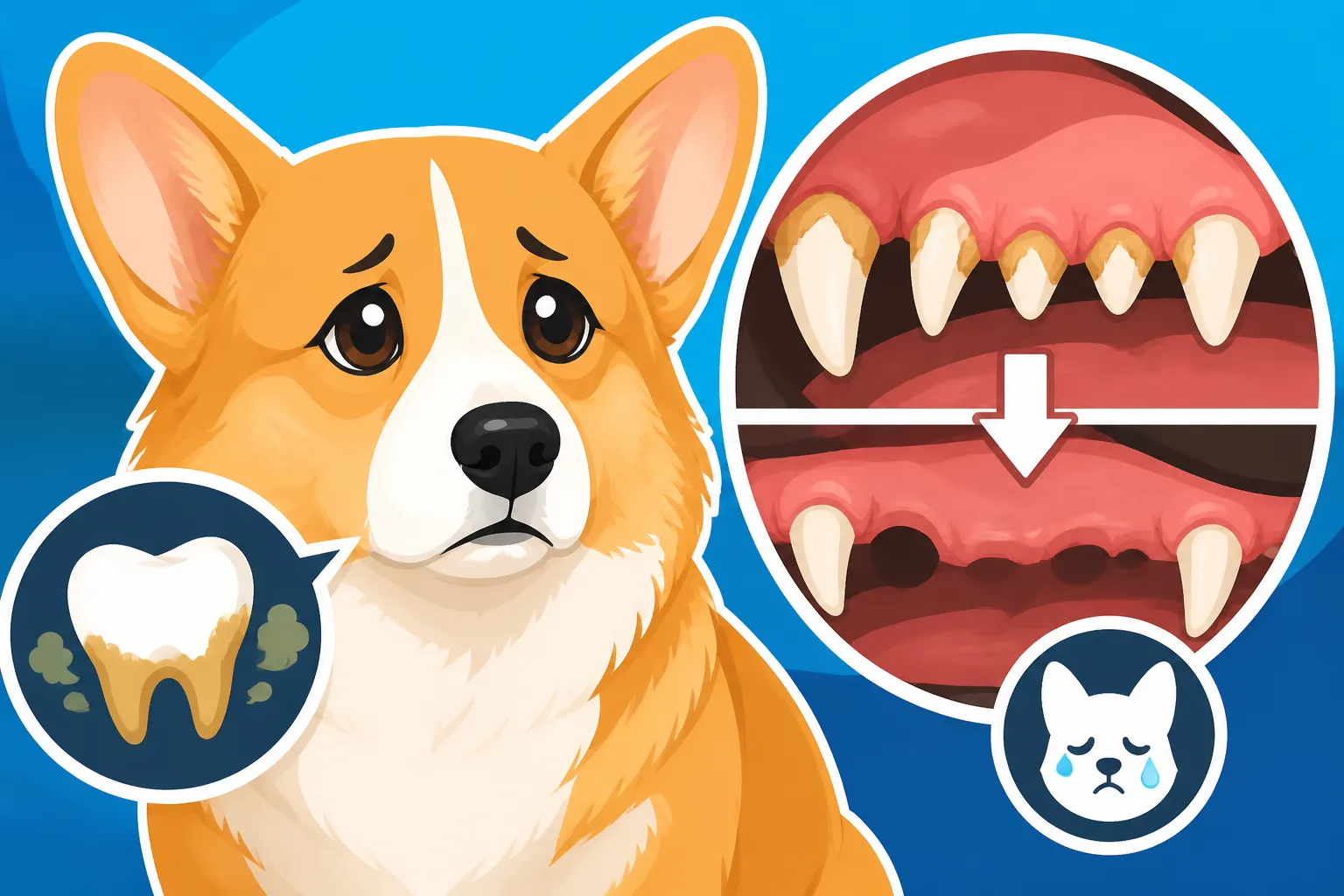
It all starts with plaque, a soft, sticky film of bacteria that constantly forms on your Corgi’s teeth. Think of it like the fuzzy feeling you get on your own teeth if you skip brushing for a while. If this plaque isn't removed regularly, minerals in your Corgi's saliva cause it to harden into tartar (or calculus). This is the hard, crusty, yellow-brown substance you often see near the gum line.
The problem is, once plaque turns into tartar, you can’t simply brush it away at home. Tartar is incredibly stubborn and acts like a magnet for more plaque and bacteria. This accumulation then irritates the gums, leading to gingivitis – inflammation of the gums, characterized by redness, swelling, and sometimes bleeding. If left unchecked, gingivitis progresses to full-blown periodontal disease, where the infection spreads below the gum line, attacking the supporting structures of the teeth. This is where real trouble begins. The low-slung nature of a Corgi, often sniffing and exploring the ground, can also mean they are more prone to getting foreign materials or bacteria into their mouths, adding to the challenge of maintaining pristine dental health.
Beyond Bad Breath: Systemic Health Risks
While the immediate concern might be your Corgi’s sore mouth or refusal to eat, the implications of advanced dental disease extend far beyond their oral cavity. The bacteria thriving in their infected mouths don't stay confined; they can enter the bloodstream through the inflamed gum tissue. Once in the bloodstream, these bacteria can travel to vital organs, posing a significant threat to your Corgi’s overall health.
Research consistently links severe periodontal disease to a higher risk of conditions affecting the heart, kidneys, and liver. For instance, bacterial endocarditis, an infection of the heart valves, can be caused by oral bacteria. Kidney and liver function can also be compromised as these organs work overtime to filter toxins from the infected bloodstream. This makes regular dental care not just about comfort, but about extending your Corgi's healthy lifespan. It's a cruel irony that as our Corgis reach those golden years, when we cherish every moment, these silent threats often emerge. Many owners are already concerned about issues like The Corgi Years When the Back End Gives Out or other age-related conditions, and dental health adds another layer of critical care.
Recognizing the Signs of Advanced Dental Issues and Potential Tooth Loss
One of the biggest challenges with Corgis and dental pain is their incredible ability to hide discomfort. As descendants of working dogs, they are often hardwired to mask weakness, making it tricky for owners to spot problems until they are quite advanced. However, by being vigilant and knowing what to look for, you can catch these issues sooner.
Visible Clues: From Yellow Teeth to Loose Gums
When you start to notice issues, they can range from subtle to glaring. The first thing many people observe is that distinct, often foul, odor. It’s not just "dog breath"; it’s a truly unpleasant smell that indicates bacterial overgrowth. Beyond that, a visual inspection, if your Corgi allows it, can reveal a lot:
- Tartar Accumulation: As mentioned, this is the yellow, brown, or even greenish-black crust on the teeth, especially near the gum line.
- Red, Swollen, or Bleeding Gums: Healthy gums are a pale pink. Inflamed gums will appear red, puffy, and might bleed easily if touched or even when your Corgi eats.
- Receding Gums: In advanced stages, the gums can pull away from the teeth, exposing the roots. This is incredibly painful and can lead to sensitivity.
- Loose or Missing Teeth: This is a clear sign of severe periodontal disease. If a tooth is wobbly or has fallen out, the surrounding bone and ligament structures have likely been significantly compromised.
- Lumps or Bumps in the Mouth: Sometimes, dental infections can lead to abscesses or growths in the gums or jaw. These require immediate veterinary attention.
- Excessive Drooling: While some Corgis are naturally a bit drooly, an increase in drooling, especially if it’s bloody or stringy, can be a sign of oral pain.
A quick, gentle check of your Corgi’s mouth during a calm moment can become a regular habit. Just lift their lips and take a peek. You might be surprised at what you find, or relieved if everything looks healthy!
Behavioral Changes Hinting at Discomfort
Since Corgis are so good at hiding pain, you often have to look for indirect clues in their behavior. These can be more subtle than the visible signs but are equally important indicators that something is wrong:
- Changes in Eating Habits: This is perhaps the most common behavioral sign. Your Corgi might:
- Show reluctance to eat hard kibble or treats they once loved.
- Chew on one side of their mouth to avoid a painful area.
- Drop food from their mouth while eating.
- Beg for food but then shy away when it’s offered.
- Become pickier about their food.
- Develop a noticeable weight loss if the pain is severe and chronic. Keeping track of What an Ideal Corgi Weighs is crucial, as dental issues can quickly lead to unwanted weight changes.
- Pawing at the Mouth or Rubbing Face: If your Corgi is repeatedly pawing at their mouth, rubbing their face on the carpet, or even against furniture, they might be trying to alleviate discomfort.
- Increased Irritability or Withdrawal: A dog in pain might become more irritable, growl when you approach their head, or simply withdraw and seem less engaged in their usual activities. If your usually bouncy Corgi is suddenly quiet, it’s worth investigating.
- Excessive Licking of Lips: Constant lip-licking can be another sign of oral discomfort or nausea associated with infection.
- Bleeding from the Mouth: While sometimes visible as actual blood, you might also notice traces of blood on their toys or in their water bowl.
If you observe any of these changes, it's definitely time for a visit to your veterinarian. Early intervention can make a huge difference in managing dental disease and preserving your Corgi's remaining teeth.
Proactive Care and Management Strategies for Your Senior Corgi's Teeth
Once dental disease has set in, particularly in older Corgis, a professional veterinary cleaning is almost always necessary. However, there's a lot you can do at home, both before and after professional care, to support their oral health and minimize future issues. It's about a combination of at-home diligence and professional intervention.
The Lifelong Importance of At-Home Dental Care
While it's best to start dental care when your Corgi is a puppy, it's genuinely never too late to begin implementing some form of home care, even with an older dog. The goal is to reduce the accumulation of plaque and tartar as much as possible between veterinary cleanings.
- Brushing: This is the gold standard for at-home dental care. Aim for daily brushing using a vet-approved enzymatic toothpaste (never human toothpaste!) and a soft-bristled toothbrush designed for dogs. Start slowly, allowing your Corgi to lick the toothpaste from your finger, then introduce the brush for short periods. Focus on the outside surfaces of the teeth, as this is where plaque tends to accumulate most. Be patient, make it a positive experience with praise and treats, and don’t push if your Corgi is in pain. Even a minute of brushing can make a difference.
- Dental Chews and Treats: Look for dental chews that have been clinically proven to reduce plaque and tartar. Brands like Greenies, Dentastix, or VetriScience Perio Support are popular options. The Veterinary Oral Health Council (VOHC) seal of acceptance is a great indicator of effectiveness. Remember, these are not a substitute for brushing, but a helpful supplement. Always supervise your Corgi with chews to prevent choking, and factor them into your Corgi's daily calorie intake, especially important for managing weight in breeds prone to back issues. For specific options, check out Chews That Suit a Corgi's Bite.
- Water Additives and Oral Rinses: These products contain ingredients that help reduce bacteria in the mouth or break down plaque. They are easy to use – just add them to your Corgi's water bowl or apply as directed. They offer a hands-off approach for Corgis who absolutely refuse brushing.
- Specialty Diets: Some veterinary prescription diets are designed with unique kibble shapes and textures that gently scrub teeth as your Corgi chews. These can be particularly beneficial for Corgis who don't tolerate brushing well.
Consistency is key. Even if you can only manage a few of these, every little bit helps in the battle against tartar.
Partnering with Your Veterinarian for Professional Cleanings
For older Corgis with noticeable tartar and gum disease, at-home care alone simply won't be enough. Professional dental cleanings under general anesthesia are essential for addressing the problem properly. This is where your vet can truly make a difference.
During a professional dental cleaning, your Corgi will undergo anesthesia, which allows the vet to thoroughly examine their entire mouth, take dental X-rays (to check below the gum line for issues not visible to the naked eye), and perform a deep cleaning. This involves:
- Scaling: Using specialized ultrasonic and hand instruments to remove plaque and tartar from above and below the gum line. This sub-gingival cleaning is crucial, as that’s where most of the serious periodontal disease occurs.
- Polishing: Smoothing the tooth surfaces after scaling to prevent future plaque attachment.
- Fluoride Treatment: Strengthening enamel and reducing tooth sensitivity.
- Extractions: If teeth are severely diseased, painful, or non-viable, they will be extracted to prevent ongoing pain and infection. This might seem drastic, but removing a source of chronic pain significantly improves a Corgi's quality of life.
Many owners worry about anesthesia for older dogs. This is a very valid concern! However, modern veterinary anesthesia protocols are incredibly safe, especially when appropriate precautions are taken. Your vet will recommend pre-anesthetic testing, which typically includes blood work (like a Blood Panels for a Corgi Over Ten) to assess organ function and ensure your Corgi is a good candidate for anesthesia. They may also perform a physical exam and discuss any specific health concerns. The benefits of eliminating a painful, infected mouth almost always outweigh the risks of anesthesia for a Corgi who is otherwise stable. When discussing the costs, it's worth noting that many pet insurance providers, such as Healthy Paws, offer plans that can cover a significant portion of these procedures, making essential care more accessible. Don't hesitate to ask your vet about payment plans or if they recommend a particular pet insurance, like Healthy Paws, for future preventative care.
Dietary Adjustments and Special Considerations
For Corgis already suffering from advanced dental disease or those who have had teeth extracted, dietary adjustments are paramount to ensure they can eat comfortably and maintain their nutrition.
- Softer Foods: If chewing is painful or many teeth are missing, switching to a wet food diet, or even moistening dry kibble with water or broth, can make a world of difference. This minimizes the need for strenuous chewing and reduces discomfort. You might even find your Corgi enjoys eating again after a prolonged period of pain. For more on this, see Soft Food for a Corgi With Bad Teeth.
- Smaller Kibble: If sticking with dry food, choose a formula with smaller kibble pieces that are easier to manage with fewer teeth.
- Nutritional Support: Ensure that any dietary changes still provide a complete and balanced nutritional profile suitable for a senior dog. Consult your vet for recommendations on the best senior diets, especially if your Corgi has other health conditions.
- Avoid Hard Chews and Bones: Once dental disease is present or after extractions, extremely hard chews, bones, or antlers should be completely avoided. They can cause fractures to weakened teeth or injure healing gum tissue.
Making these simple changes can dramatically improve your Corgi's comfort levels at mealtime and ensure they continue to get the sustenance they need, even with a compromised mouth.
Addressing Tooth Loss and Post-Extraction Care
Even with the best preventative care, some older Corgis will inevitably experience tooth loss due to advanced periodontal disease. While it can be disheartening, remember that removing severely diseased teeth is often the kindest thing you can do for your Corgi.
When Extractions Become Necessary: The Tough Choices
The decision to extract teeth can feel daunting for any pet owner. You might worry about how your Corgi will eat or if they'll be in more pain. However, most veterinarians will only recommend extractions when a tooth is:
- Severely diseased: The infection has gone too deep, making saving the tooth impossible or impractical.
- Painful: The tooth is causing chronic discomfort, impacting your Corgi's eating and overall well-being.
- Loose or mobile: The supporting structures are too compromised to keep the tooth stable.
- Fractured: A broken tooth, especially one exposing the pulp, is an open door for infection and is incredibly painful.
The reality is that a painful, infected tooth causes far more suffering than the temporary discomfort of an extraction site healing. Dogs can adapt remarkably well to living with fewer teeth, even no teeth! The relief from chronic pain often leads to a noticeable improvement in their mood, appetite, and energy levels. It’s a bit like us getting rid of a terrible toothache – the immediate pain of the dental work is worth the long-term relief. Pet insurance plans, including those from providers like Healthy Paws, can be incredibly helpful for covering the costs associated with these procedures, ensuring you don't have to compromise on your Corgi's necessary care due to financial concerns.
Life After Extractions: Ensuring Comfort and Nutrition
Once extractions are performed, your Corgi will need a bit of extra care during the healing process. Your vet will provide specific post-operative instructions, but here are some general guidelines:
- Pain Management: Your Corgi will likely come home with pain medication and possibly antibiotics. Administer these exactly as prescribed. This is crucial for their comfort and to prevent secondary infections. Don't be afraid to ask your vet about the expected pain levels and how to recognize if your Corgi is still uncomfortable.
- Soft Diet: For at least a week or two post-extraction, your Corgi should eat only soft foods. This prevents food particles from irritating the surgical sites and allows the gums to heal without stress. Gradually reintroduce harder foods only if your vet advises it and your Corgi seems comfortable.
- Avoid Hard Chews and Toys: Absolutely no hard chews, bones, or rigid toys for several weeks, or even longer, depending on the extent of the extractions. Stick to soft toys during recovery.
- Monitor Healing: Check the extraction sites daily, if possible, for any signs of swelling, excessive redness, discharge, or foul odor. These could indicate a complication or infection.
- Follow-Up Appointments: Attend all recommended follow-up appointments with your vet to ensure the healing is progressing well.
It’s important to remember that after extractions, while the immediate pain is gone, your Corgi's mouth might still be tender for a few days. They might seem a little quiet or less enthusiastic. Give them time, comfort, and follow your vet's instructions meticulously. You’ll soon find your Corgi feeling much better, enjoying meals, and being their happy, spunky self again, free from chronic dental pain. This focus on comfort is also relevant to overall senior Corgi care, such as finding Pain Relief for an Old Corgi's Back when arthritis sets in.
| Sign of Dental Disease | Description | Action Needed |
|---|---|---|
| Bad Breath | Persistent, foul odor from the mouth | Schedule a vet check-up. Increase at-home brushing/dental chews. |
| Yellow/Brown Tartar | Hard buildup on teeth, especially near the gum line | Vet visit for professional cleaning. At-home care won't remove tartar. |
| Red/Swollen Gums | Gums appear inflamed, may bleed easily | Vet visit is urgent. Likely gingivitis/periodontal disease. |
| Loose/Missing Teeth | Wobbly teeth or gaps where teeth should be | Immediate vet visit. Extractions likely needed. |
| Changes in Eating | Reluctance to chew, dropping food, chewing on one side, picky eating | Vet visit to assess pain. Adjust diet to soft foods. |
| Pawing at Mouth | Repeatedly pawing at face, rubbing against objects | Vet visit to identify source of discomfort. |
| Excessive Drooling | Increased drooling, possibly with blood or mucus | Vet visit to rule out oral injury, infection, or other issues. |
Disclaimer
The information provided in this article is for general informational purposes only and is not a substitute for professional veterinary advice. Always consult with a qualified veterinarian for any health concerns or before making any decisions about your Corgi's medical care.