What a Corgi Hip Grade Actually Tells You
When you’re bringing a Corgi into your life, or even just researching the breed, you're bound to stumble upon discussions about their unique physique and potential health challenges. One concern that frequently surfaces, especially among responsible breeders and diligent owners, revolves around hip health. Navigating terms like "hip grade" and "OFA certification" can feel like learning a whole new language, leaving many wondering what these numbers and letters actually mean for their adorable, low-riding companion. This comprehensive guide aims to demystify Corgi hip grades, explaining exactly what they tell you about your dog's skeletal health and how this knowledge empowers you to provide the best possible care.
Understanding Corgi Hip Dysplasia
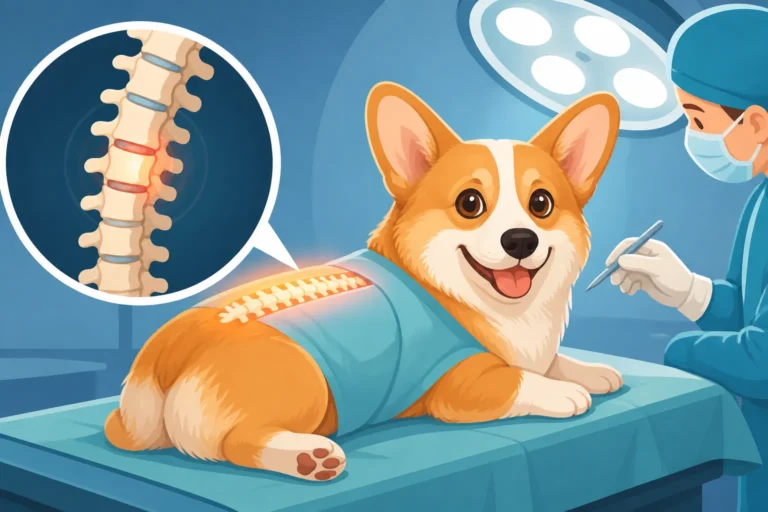
Let's be honest, those short, stout legs and long, sturdy back are part of the Corgi's charm, making them look like a perpetually happy loaf of bread on paws. But this unique body structure, while endearing, also comes with its own set of orthopedic considerations. One of the most prevalent and concerning issues is hip dysplasia, a condition that can lead to pain, reduced mobility, and arthritis if not properly managed. It's a developmental condition, meaning it's not present at birth but rather manifests as the dog grows.
The Mechanics of a Healthy Corgi Hip
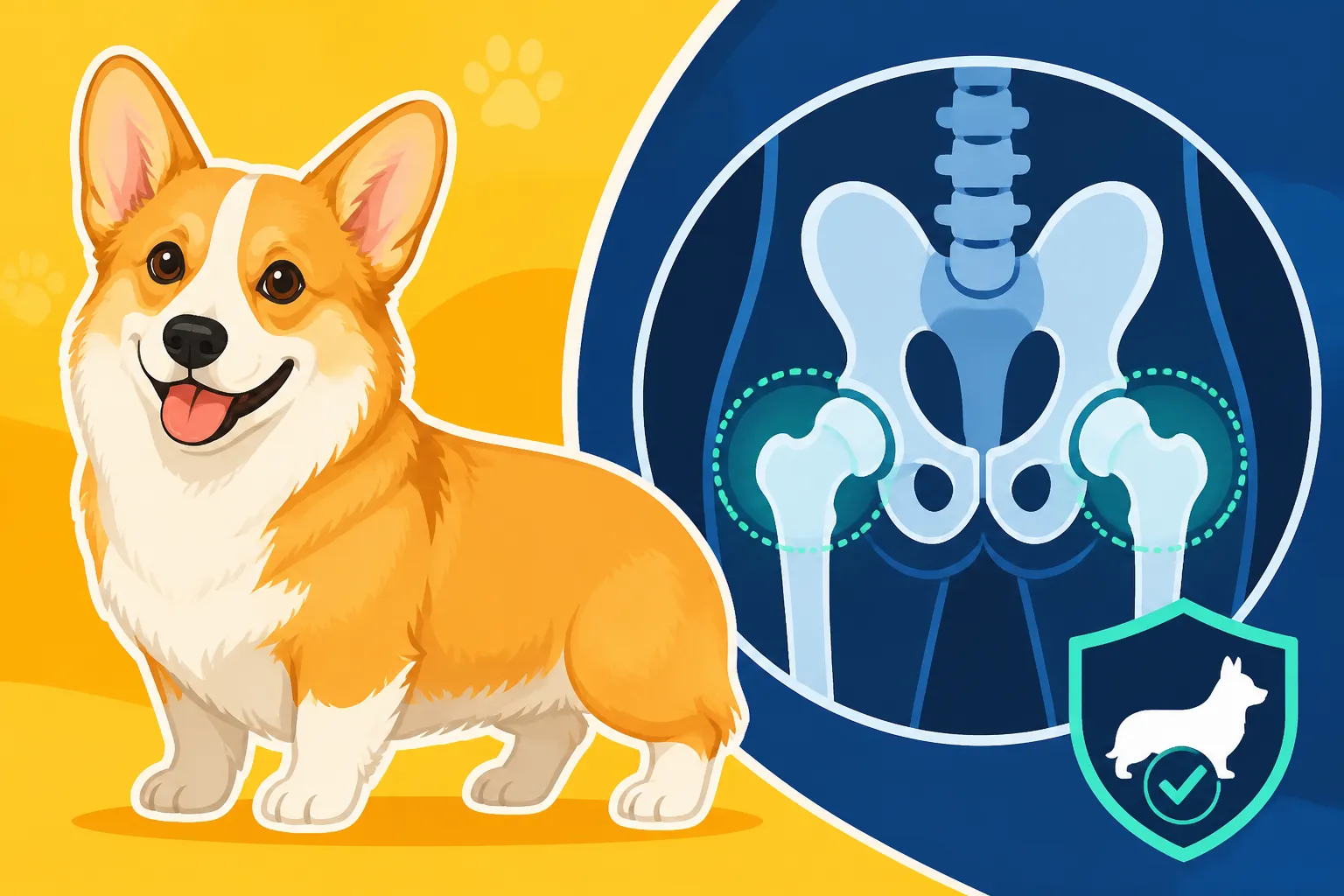
To truly grasp what goes wrong with hip dysplasia, it helps to understand what a healthy Corgi hip should look like and how it functions. Imagine a ball-and-socket joint, much like our own shoulder or hip. In a Corgi, each hip consists of the femoral head (the "ball") at the top of the thigh bone, which fits snugly into the acetabulum (the "socket") of the pelvis. This fit should be deep, tight, and smooth, allowing for a wide range of motion without friction or instability. Strong ligaments and muscles surround this joint, holding everything in place and providing support as your Corgi trots, waddles, and performs their signature zoomies.
A perfectly formed Corgi hip joint ensures that the weight distribution is even across the joint surfaces. This smooth articulation is crucial for their active lifestyle, whether they're herding imaginary sheep in the living room or chasing a favorite toy in the park. Without this proper alignment and support, the bones can rub against each other, causing wear and tear over time.
How Hip Dysplasia Develops
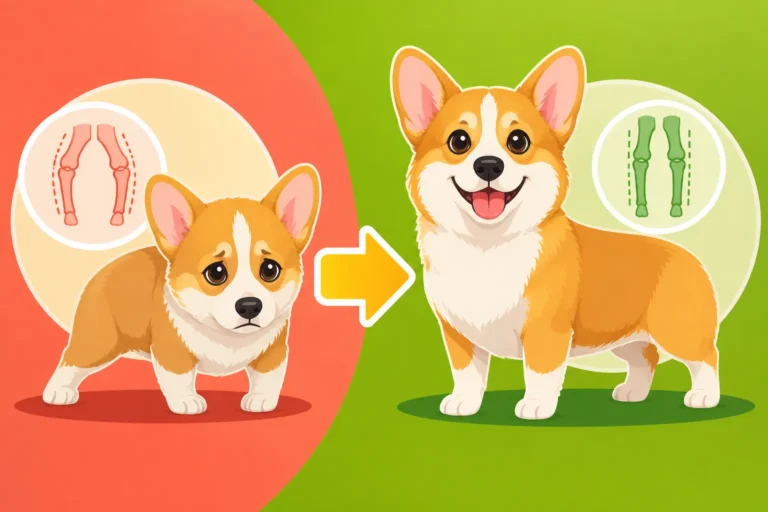
Hip dysplasia isn't an overnight phenomenon; it's a progressive disease. It typically starts with a laxity in the hip joint, meaning the "ball" doesn't fit as tightly into the "socket" as it should. This looseness can develop early in a Corgi's life, sometimes even before they are a year old, though clinical signs may not appear until much later. As the joint becomes loose, the bones begin to shift and move abnormally during activity. This abnormal movement causes friction and trauma to the joint cartilage and surrounding bone.
Over time, the body tries to stabilize this unstable joint by laying down new bone, leading to changes in the shape of the femoral head and acetabulum. This process is essentially the body's attempt to repair itself, but it often results in the formation of bone spurs (osteophytes) and thickening of the joint capsule, which are hallmarks of osteoarthritis. The cartilage, which normally provides a smooth, shock-absorbing surface, also starts to degrade. This deterioration leads to pain, inflammation, reduced range of motion, and eventually, chronic lameness. It's a painful cycle that impacts their ability to run, jump, and even walk comfortably, significantly affecting their quality of life. Understanding What Chondrodystrophy Means for a Corgi can offer additional insight into how their specific skeletal structure plays a role in such conditions.
Genetic vs. Environmental Factors
It’s easy to point a finger solely at genetics when we talk about hip dysplasia, and while genetics undeniably play a significant role, it’s not the whole story. Hip dysplasia is a polygenic trait, meaning multiple genes contribute to its inheritance, and it's also influenced by environmental factors. This complexity is why even Corgis with parents who have excellent hip scores can, in rare cases, still develop some degree of dysplasia, and why a dog with "good" genetics might still struggle if not raised appropriately.
Environmental factors like rapid growth, excessive weight gain during puppyhood, improper nutrition, and too much high-impact exercise at a young age can exacerbate an underlying genetic predisposition. For example, a Corgi puppy fed a diet too high in calories or protein might grow too quickly, putting undue stress on developing joints. Similarly, allowing a young Corgi to jump repeatedly off high furniture or run excessively on hard surfaces can contribute to joint laxity and damage. This highlights why focusing on The Body Condition Score a Corgi Should Hold throughout their life is so vital, as extra weight puts immense strain on hips and backs. Responsible breeders often conduct The DNA Tests a Corgi Breeder Should Run to screen for many hereditary conditions, including aspects that might influence joint health, but even then, owner vigilance is key.
The Purpose and Process of Hip Grading
So, how do we get a clearer picture of a Corgi's hip health, especially before potential issues become debilitating? This is where hip grading, also known as hip scoring, comes in. It’s a crucial tool for both pet owners and breeders to assess the structural integrity of a dog's hips and, ultimately, to make informed decisions about their care and breeding practices.
What is Hip Scoring/Grading?
Hip scoring or grading is essentially a radiographic (X-ray) evaluation of a dog's hip joints. The primary goal is to assess the degree of laxity (looseness) in the joint and to identify any signs of degenerative joint disease, like osteoarthritis, which are indicative of hip dysplasia. This process provides a standardized, objective measure that can be used to compare a dog's hip quality against breed averages and acceptable health standards. For breeders, it's an indispensable tool for identifying dogs that are suitable for breeding, aiming to reduce the incidence of hip dysplasia in future generations. For pet owners, it offers valuable insight into their dog's predispositions, allowing for proactive management to maintain their Corgi’s comfort and mobility for as long as possible. Understanding Corgi Hips and Front-End Structure overall helps appreciate the importance of these evaluations.
The OFA vs. PennHIP Methods
In the United States, two primary organizations offer hip grading services: the Orthopedic Foundation for Animals (OFA) and the University of Pennsylvania Hip Improvement Program (PennHIP). Both aim to identify dogs with healthy hips, but they utilize different methodologies and provide distinct types of information.
Orthopedic Foundation for Animals (OFA)
- Methodology: OFA evaluations rely on a single, extended hip radiograph. The dog is positioned on its back with its legs extended straight and parallel to each other. This position aims to show the maximum possible joint congruence.
- Scoring: A panel of three independent, board-certified veterinary radiologists reviews the X-ray. They visually assess several anatomical criteria, including the depth of the acetabulum, the fit of the femoral head, the presence of degenerative changes, and the shape of the femoral head and neck.
- Grades: OFA assigns a seven-point subjective scale:
- Excellent: Superior hip conformation.
- Good: Well-formed and congruent hip joint, slightly less than Excellent.
- Fair: Functionally normal hips, but with minor irregularities.
- Borderline: Not clearly dysplastic, but not good enough for a passing score. Re-evaluation is often recommended.
- Mild Dysplasia: Minimal evidence of hip dysplasia, such as slight looseness or minor bony changes.
- Moderate Dysplasia: Significant evidence of dysplasia, including moderate laxity and osteoarthritic changes.
- Severe Dysplasia: Marked evidence of dysplasia, severe laxity, and extensive degenerative changes.
- Age for Evaluation: Dogs must be at least 24 months old (2 years) for a final certification. Preliminary evaluations can be done earlier, but these are not considered final.
- Pros: Widely recognized, non-invasive (single X-ray), provides a clear, categorized score that is easy for many to understand.
- Cons: Subjective interpretation by radiologists, only assesses hip laxity in one specific, often "forced" position, potentially underestimating true laxity.
PennHIP
- Methodology: PennHIP is a quantitative, objective method that uses three distinct X-rays: a standard hip extended view (like OFA), a compression view, and a distraction view. The distraction view is key, as it measures the passive hip laxity by applying gentle pressure to distract the femoral heads from the acetabula.
- Scoring: Rather than subjective grades, PennHIP calculates a "Distraction Index" (DI). The DI is a ratio that quantifies the amount of hip laxity, ranging from 0 (very tight hips) to 1 (very loose hips).
- Grades: No "grades" like OFA. Instead, a DI score is provided, along with a percentile rank comparing the dog's DI to other dogs of the same breed in the PennHIP database. Lower DI numbers indicate tighter hips.
- Age for Evaluation: Can be performed on dogs as young as 16 weeks (4 months), providing an earlier assessment of hip laxity.
- Pros: More objective, quantitative measure of laxity; can be done earlier; considered a more accurate predictor of future osteoarthritis development.
- Cons: Requires specialized training and equipment for vets, usually involves light sedation for the distraction view, typically more expensive than OFA.
Here's a quick comparison:
| Feature | OFA (Orthopedic Foundation for Animals) | PennHIP (University of Pennsylvania Hip Improvement Program) |
|---|---|---|
| Method | Single extended-hip radiograph | Three radiographs: extended, compression, and distraction |
| Primary Focus | Visual assessment of hip conformation and signs of DJD | Quantitative measurement of passive hip laxity (Distraction Index) |
| Scoring | Subjective 7-point scale (Excellent to Severe Dysplasia) | Objective Distraction Index (0-1) and percentile rank |
| Minimum Age | 24 months for final certification | 16 weeks (4 months) |
| Anesthesia | Usually not required, but sedation might be used for positioning | Light sedation typically required |
| Cost | Generally lower | Generally higher |
| Predictive Value | Good for severe cases, but less sensitive for mild laxity | Considered more accurate predictor of future OA development |
Many breeders choose to do both, or at least one, to get a comprehensive view. Insurance providers like Healthy Paws may consider these certifications when evaluating claims for hip-related conditions, so keeping thorough records is always a good idea.
When and How a Corgi is Graded
The process of getting your Corgi's hips graded typically starts with a visit to your veterinarian. For OFA final certification, your Corgi must be at least 2 years old. PennHIP can be done much earlier, as young as 16 weeks. The specific age choice can sometimes depend on breeder preference or whether they want to screen early.
During the appointment, your vet will explain the procedure. For both OFA and PennHIP, proper positioning is critical for accurate X-rays. This often means your Corgi will need to be sedated or given light anesthesia to ensure they are completely relaxed and can be positioned correctly without discomfort or movement. The sedation allows the veterinary technician to manipulate their legs and pelvis into the precise angles required for the radiographic images. This isn't just about getting a good picture; it's about minimizing muscle tension that could mask underlying laxity.
Once the X-rays are taken, they are sent to the respective organizations for evaluation. For OFA, radiologists independently review the images and assign a grade. For PennHIP, the images are sent to a certified PennHIP veterinarian for measurement and calculation of the Distraction Index. The results, along with the official certification, are then sent back to your veterinarian, who will share and explain them to you. This entire process, from vet visit to receiving results, usually takes a few weeks. It's an important step in understanding your Corgi's overall skeletal health, especially for breeds prone to Disc Disease in a Long-Backed Corgi and other joint issues.
Decoding Your Corgi's Hip Grade
Receiving your Corgi's hip grade can feel a bit like getting a report card, and it's natural to want to understand what those terms and numbers truly signify for your beloved companion. Let's break down how to interpret the results from the two main grading systems.
Interpreting OFA Scores
The OFA system, with its seven distinct categories, provides a clear, descriptive rating of hip conformation. When you get an OFA certificate, you'll see one of these terms:
- Excellent: This is the best possible score. It means your Corgi has superior hip conformation, with deep sockets and a very tight fit between the femoral head and acetabulum. The joints are exceptionally well-formed.
- Good: Still considered a passing score, "Good" hips are well-formed and congruent, with slightly less perfect conformation than "Excellent." They are structurally sound for breeding purposes and generally indicate a low risk of developing hip dysplasia.
- Fair: This score also passes, meaning the hips are considered functionally normal, but they might show minor irregularities in congruence or shape. While these dogs are unlikely to develop severe hip dysplasia, breeders often aim for "Good" or "Excellent" to improve the breed's genetic pool.
- Borderline: This is a tricky one. A "Borderline" score means the hips aren't definitively dysplastic, but they don't quite meet the criteria for a passing grade either. There might be some subtle changes that make the radiologists hesitant to give a clear bill of health. In these cases, OFA recommends re-evaluating the dog's hips in six to twelve months, as the condition could either improve (rarely) or progress into mild dysplasia.
- Mild Dysplasia: This clearly indicates the presence of hip dysplasia, even if the signs are subtle. There might be slight subluxation (partial dislocation) of the femoral head or minor osteophyte formation (bone spurs). Dogs with mild dysplasia may or may not show clinical signs of pain or lameness, but they are at a higher risk for developing more severe arthritis later in life.
- Moderate Dysplasia: With this score, there is significant evidence of hip dysplasia. Expect to see moderate subluxation, shallow sockets, and noticeable degenerative changes. Corgis with moderate dysplasia are very likely to show clinical signs of pain, stiffness, and lameness, which can impact their mobility and quality of life.
- Severe Dysplasia: This is the most serious diagnosis, indicating marked hip dysplasia. There will be pronounced subluxation, very shallow sockets, and extensive degenerative joint disease. Corgis with severe dysplasia typically experience significant pain, lameness, and difficulty with everyday movements. They will almost certainly require ongoing pain management and potentially surgical intervention.
For breeders, only Corgis scoring "Fair," "Good," or "Excellent" are recommended for breeding, as these are the only passing scores. If your Corgi has a non-passing score, it doesn’t mean they can't live a happy life, but it certainly impacts breeding decisions. It's a critical piece of information for responsible breeding, helping to answer questions like Whether an At-Risk Corgi Should Be Bred in a broader context of hip health.
Understanding PennHIP Distraction Index
PennHIP takes a more quantitative approach, providing a Distraction Index (DI) rather than a descriptive grade. The DI is a decimal number between 0 and 1, where 0 indicates perfect hip tightness (no laxity) and 1 indicates maximum laxity.
- How to interpret DI: A lower DI means tighter hips and a lower susceptibility to hip dysplasia. A higher DI means looser hips and a greater risk.
- Comparison to the Breed: Along with the DI, PennHIP provides a percentile rank. For example, a Corgi with a DI in the 70th percentile means that 70% of Corgis in the PennHIP database have a DI equal to or greater than that dog (meaning 70% have looser hips), and only 30% have tighter hips. A higher percentile rank is generally better, indicating tighter hips compared to the rest of the breed.
- Thresholds: PennHIP doesn't have "passing" or "failing" scores in the same way OFA does. Instead, it provides a breed-specific DI threshold (called the "breed mean DI") above which a dog is considered to be at an increased risk for developing osteoarthritis. Breeders generally aim to breed Corgis with DI scores below the breed mean DI to improve hip quality.
Let’s consider an example: a Corgi with a DI of 0.35 might be in the 80th percentile for the breed, meaning its hips are tighter than 80% of other Corgis tested. This is a very good result. A Corgi with a DI of 0.60 might be in the 20th percentile, indicating significantly looser hips and a higher risk of developing hip dysplasia.
What a "Normal" Grade Really Means for Your Corgi
It’s important to understand that a "normal" hip grade (OFA "Fair," "Good," or "Excellent," or a low PennHIP DI) doesn't guarantee your Corgi will never have hip issues. These grades indicate a lower risk of developing hip dysplasia and related arthritis. However, no dog is completely immune, and environmental factors still play a role.
Conversely, a Corgi with a less-than-perfect grade (e.g., OFA "Mild" or a higher PennHIP DI) is not necessarily doomed to a life of pain. Many dogs with mild or even moderate dysplasia can live full, active lives with proper management, including weight control, appropriate exercise, and sometimes supplements or medication. The grade is a tool for assessment and prediction, not a definitive fate. It tells you about the structural predisposition, which then informs how you care for your Corgi over their lifetime. This is particularly relevant as Corgis enter The Corgi Years When the Back End Gives Out, when age-related joint issues may become more apparent, regardless of early hip scores.
Implications of Hip Grades for Corgi Owners and Breeders
Knowing your Corgi's hip grade is more than just a piece of trivia; it's a powerful tool that guides critical decisions for both their individual well-being and the health of the breed as a whole.
Managing a Corgi with a Less-Than-Perfect Grade
If your Corgi receives a hip grade that indicates some degree of laxity or dysplasia, don't panic. This information is a gift, allowing you to be proactive in their care. Here’s how you can manage their health:
- Weight Management: This is arguably the most crucial factor. Every extra pound puts additional stress on already compromised joints. Work with your vet to ensure your Corgi maintains an ideal weight. This might mean carefully portioning food and limiting high-calorie treats. We’ve discussed Why Corgi Weight Is a Spinal Problem before, and the same principles apply strongly to hip health. Keeping them lean is paramount.
- Appropriate Exercise: While activity is vital, high-impact activities like jumping (especially off furniture or out of cars) should be minimized or eliminated. Instead, focus on low-impact exercises such as controlled leash walks, swimming, or even hydrotherapy. These activities help strengthen the muscles supporting the hips without excessive joint stress.
- Joint Supplements: Many vets recommend joint supplements containing ingredients like glucosamine, chondroitin, and omega-3 fatty acids. These can help support joint cartilage and reduce inflammation. Always discuss specific brands and dosages with your veterinarian.
- Environmental Adjustments: Make your home Corgi-friendly. Provide ramps or steps for accessing furniture and cars. Ensure they have orthopedic beds that support their joints. Nonslip rugs on hardwood or tile floors can prevent painful slips and falls. These are practical steps to consider as discussed in Ramps and Steps That Save a Corgi's Back.
- Regular Veterinary Check-ups: Maintain a close relationship with your vet. Regular check-ups allow them to monitor your Corgi's joint health, assess pain levels, and adjust medication or management strategies as needed. Early detection of Early Arthritis in a Corgi can lead to more effective long-term management.
- Pain Management: If your Corgi shows signs of discomfort, your vet might prescribe anti-inflammatory medications (NSAIDs) or other pain relievers. There are also alternative therapies like acupuncture or laser therapy that some owners find beneficial.
- Pet Insurance: Having pet insurance from a provider like Healthy Paws, ideally acquired before any signs of hip issues, can be a huge relief if your Corgi requires ongoing treatment, physical therapy, or even surgery later in life.
Breeder Responsibilities and Ethical Breeding
For Corgi breeders, hip grading is not just a recommendation; it's an ethical imperative. Responsible breeders use hip grades to:
- Select Breeding Stock: Only Corgis with passing hip grades (OFA Fair, Good, or Excellent; or PennHIP DIs well below the breed mean) should be used for breeding. This helps to reduce the genetic predisposition to hip dysplasia in subsequent generations.
- Improve the Breed: By consistently breeding dogs with superior hip conformation, breeders can gradually improve the overall hip health of the Corgi breed over time. This is a long-term commitment that requires dedication and honesty.
- Transparency: Reputable breeders are transparent about the hip scores of their breeding dogs and will readily provide copies of OFA or PennHIP certificates to prospective puppy buyers. They understand that these tests are part of a broader commitment to breed health and responsible practices, often alongside The DNA Tests a Corgi Breeder Should Run.
A breeder who ignores hip grading, or breeds dogs with poor scores, contributes to the perpetuation of this painful condition. While no screening method is 100% foolproof, it significantly reduces the risk and demonstrates a commitment to the welfare of the puppies they produce.
The Role of Hip Grades in Puppy Selection
For prospective Corgi owners, the hip grades of a puppy's parents are a vital piece of information. When choosing a puppy, always ask the breeder for proof of hip certification for both parents.
- Ask for Documentation: Don't just take a breeder's word for it. Request to see the official OFA certificates or PennHIP reports. These should be registered with the respective organizations and easily verifiable.
- Understand the Scores: Familiarize yourself with what the different scores mean. Ideally, you want parents with OFA "Good" or "Excellent" hips, or PennHIP DIs well within the healthy range for Corgis.
- Consider the Grandparents: Some breeders will also have hip information on the grandparents, which can provide an even deeper look into the lineage's orthopedic health.
- Look Beyond Hips: While hip grades are crucial, they are just one aspect of a reputable breeder's health screening program. They should also be testing for other common Corgi health issues like Degenerative Myelopathy (DM), eye conditions, and Von Willebrand Disease.
Choosing a puppy from parents with excellent hip grades gives your future Corgi the best possible genetic start, although it doesn't eliminate all risk. It’s a proactive step in ensuring a healthier life for your new family member, and a sign that you are supporting ethical breeding practices.
Beyond the Grade: Living a Full Life with Your Corgi
A hip grade, whether excellent or less-than-perfect, is just one data point in your Corgi's health journey. The most important thing is to focus on holistic care that supports their unique body structure and promotes a long, happy, and comfortable life.
Preventative Care and Lifestyle Adjustments
For every Corgi owner, regardless of hip grade, consistent preventative care and smart lifestyle choices are paramount to protecting their long backs and short legs.
- Maintain an Ideal Weight: We can't stress this enough. An overweight Corgi places immense strain on their joints, accelerating wear and tear on hips and spine. Work with your vet to determine your Corgi’s ideal weight and stick to a healthy diet and exercise regimen. Regularly assessing The Body Condition Score a Corgi Should Hold is a great habit.
- Controlled Exercise: Daily exercise is essential for muscle strength and overall health, but it needs to be appropriate for a Corgi. Focus on leash walks, gentle fetch games, and swimming, which is excellent for joint health. Avoid excessive jumping, especially repetitive jumping onto and off high surfaces. Consider installing Ramps and Steps That Save a Corgi's Back around your home to minimize impact.
- Nutrition and Supplements: Feed a high-quality, balanced diet appropriate for your Corgi's age and activity level. Discuss with your vet whether joint supplements (glucosamine, chondroitin, MSM, omega-3 fatty acids) would be beneficial as a preventative measure, even for Corgis with good hips, especially as they age.
- Safe Home Environment: Corgis are low to the ground, but they are surprisingly agile and often have a "can-do" attitude that can lead them to attempt feats not suited for their bodies. Use baby gates to block access to stairs, encourage the use of ramps, and ensure flooring isn't too slippery, which can cause them to splay their legs and injure themselves.
- Regular Grooming: While not directly related to hips, keeping nails trimmed short prevents them from impacting gait, which can affect joint alignment. Fur between paw pads should also be trimmed to improve traction.
By creating an environment that supports their unique build and being mindful of their physical limitations, you contribute significantly to their long-term orthopedic health.
Monitoring for Signs of Discomfort
Even with the best preventative care, Corgis can develop joint issues over time. It's crucial to be vigilant and recognize the subtle signs of discomfort or pain. These signs can be easily missed or attributed to "just getting old" if you're not paying close attention.
- Changes in Gait: Is your Corgi limping, favoring a leg, or walking with a stiff, unnatural movement? Watch for a "bunny hop" when running, or an altered stance.
- Reluctance to Move: Does your Corgi hesitate before jumping (even small jumps), climbing stairs, or getting up after resting? Are they less enthusiastic about walks or playtime?
- Pain Upon Touching: Do they yelp, flinch, or try to nip when you touch their hips, lower back, or hind legs?
- Stiffness, Especially After Rest: Observe if they are particularly stiff after a nap or in the mornings, and if this stiffness improves as they warm up.
- Difficulty with Certain Activities: Are they struggling to squat to potty, keep up on walks, or even just shift positions comfortably?
- Behavioral Changes: Pain can lead to irritability, withdrawal, loss of appetite, or excessive licking at a painful area.
These signs, whether subtle or obvious, warrant attention. Observing your Corgi closely as they age, particularly in The Corgi Years When the Back End Gives Out, can help you catch problems early.
When to Seek Veterinary Consultation
If you notice any of the signs of discomfort mentioned above, or if you simply have a gut feeling that something isn't quite right with your Corgi's mobility, it’s time to call your veterinarian. Don't wait for the pain to become severe.
- Early Intervention is Key: The sooner joint issues are diagnosed, the more options you have for management and the better the prognosis for your Corgi's long-term comfort.
- Diagnostic Tools: Your vet will perform a thorough physical examination, including palpating joints and assessing range of motion. They may recommend X-rays to confirm a diagnosis of hip dysplasia or arthritis. Advanced imaging like MRI might be suggested in more complex cases or if other conditions are suspected.
- Treatment Options: Depending on the severity and diagnosis, treatment could range from conservative management (weight loss, anti-inflammatory medications, joint supplements, physical therapy, acupuncture) to surgical interventions in severe cases. Your vet can discuss these options and help you make the best decision for your Corgi. This proactive approach can make a huge difference in managing conditions like Early Arthritis in a Corgi and ensuring your Corgi lives a life as free from pain as possible. Remember, a trusted pet insurance plan from a company like Healthy Paws can often help cover these diagnostic and treatment costs.
Your Corgi's hip grade is a valuable piece of the puzzle, offering insight into their predispositions. But your continuous love, vigilant observation, and commitment to their well-being are what truly ensure they thrive, regardless of what that initial report says.
Disclaimer
The information provided in this article is for general informational purposes only and does not constitute veterinary advice. Always consult with a qualified veterinarian for any health concerns or before making any decisions about your Corgi's medical care.