Whether a Corgi’s Short Legs Change Its Hips
It's completely natural to look at a Corgi with their distinctly short legs and long body and immediately wonder, "How on earth do those hips cope?" Many Corgi owners, myself included, have spent countless hours agonizing over whether their beloved furry loaf is destined for hip trouble simply because of their unique build. This concern is valid, as their unusual proportions are undeniably charming but also raise questions about long-term joint health. This comprehensive guide aims to demystify the relationship between a Corgi's short legs and their hip health, separating fact from common misconception, and equipping you with practical strategies to support your Corgi's well-being.
Understanding the Corgi's Unique Structure: Chondrodystrophy
Before we dive into hip specifics, it's vital to understand why Corgis have short legs in the first place. Their endearing low-rider profile isn't just a quirky evolutionary happenstance; it's the result of a specific genetic trait. This fundamental understanding is key to appreciating how their anatomy functions and what that means for their joints.
What is Chondrodystrophy?
Chondrodystrophy is a genetic condition characterized by abnormal cartilage growth, particularly in the long bones of the limbs. In simpler terms, it means the cartilage that typically grows and then ossifies into bone during development doesn't do so completely or correctly, resulting in shorter, sometimes bowed, legs. It's not a disease in the conventional sense, but rather a form of dwarfism that has been intentionally bred into certain dog breeds, like Corgis, Dachshunds, and Basset Hounds, for specific purposes. For Corgis, this trait was highly desirable for their original role as cattle drovers, allowing them to nip at the heels of livestock without getting kicked.
While chondrodystrophy gives Corgis their signature look, it's important to remember that it's a normal breed characteristic. It's not a defect that causes pain or immediate problems in itself. However, it does mean that their skeletal structure, particularly how their joints are formed and articulate, is different from that of a long-legged dog. This unique development means certain considerations need to be kept in mind regarding their overall health and mobility throughout their lives. You can delve deeper into What Chondrodystrophy Means for a Corgi for a more complete picture.
How Chondrodystrophy Impacts Overall Anatomy
The impact of chondrodystrophy extends beyond just short legs. It fundamentally alters the Corgi's overall skeletal proportions. Think about it: they have a full-sized torso and head, just like a medium-sized dog, but mounted on significantly abbreviated limbs. This creates a longer-than-tall body structure, often described as a "low-rider." This long back, combined with short legs, is a critical factor in understanding their vulnerabilities, particularly concerning the spine, but also indirectly influencing hip mechanics.
The way a Corgi moves is a direct consequence of this anatomy. Their gait is distinct, often described as a rolling or waddling motion. This isn't due to clumsiness but is an efficient way for their bodies to move with those short levers. This movement pattern means that the forces and pressures on their joints, including their hips, are distributed differently than in a dog with standard leg length. While chondrodystrophy itself doesn't cause hip dysplasia, it does mean their biomechanics are unique, and any underlying joint issues might manifest differently or be exacerbated by certain movements. It's a predisposition to consider, not an automatic sentence for problems, but it certainly puts their joint health on a lot of owners' radars.
Corgi Hips: Dispelling Myths and Addressing Realities
When talking about Corgi hips, it's easy for concerns about their short legs to merge with worries about more generalized conditions like hip dysplasia. It's crucial to distinguish between the natural anatomical variations due to chondrodystrophy and actual disease processes.
The Direct Impact of Short Legs on Hip Development
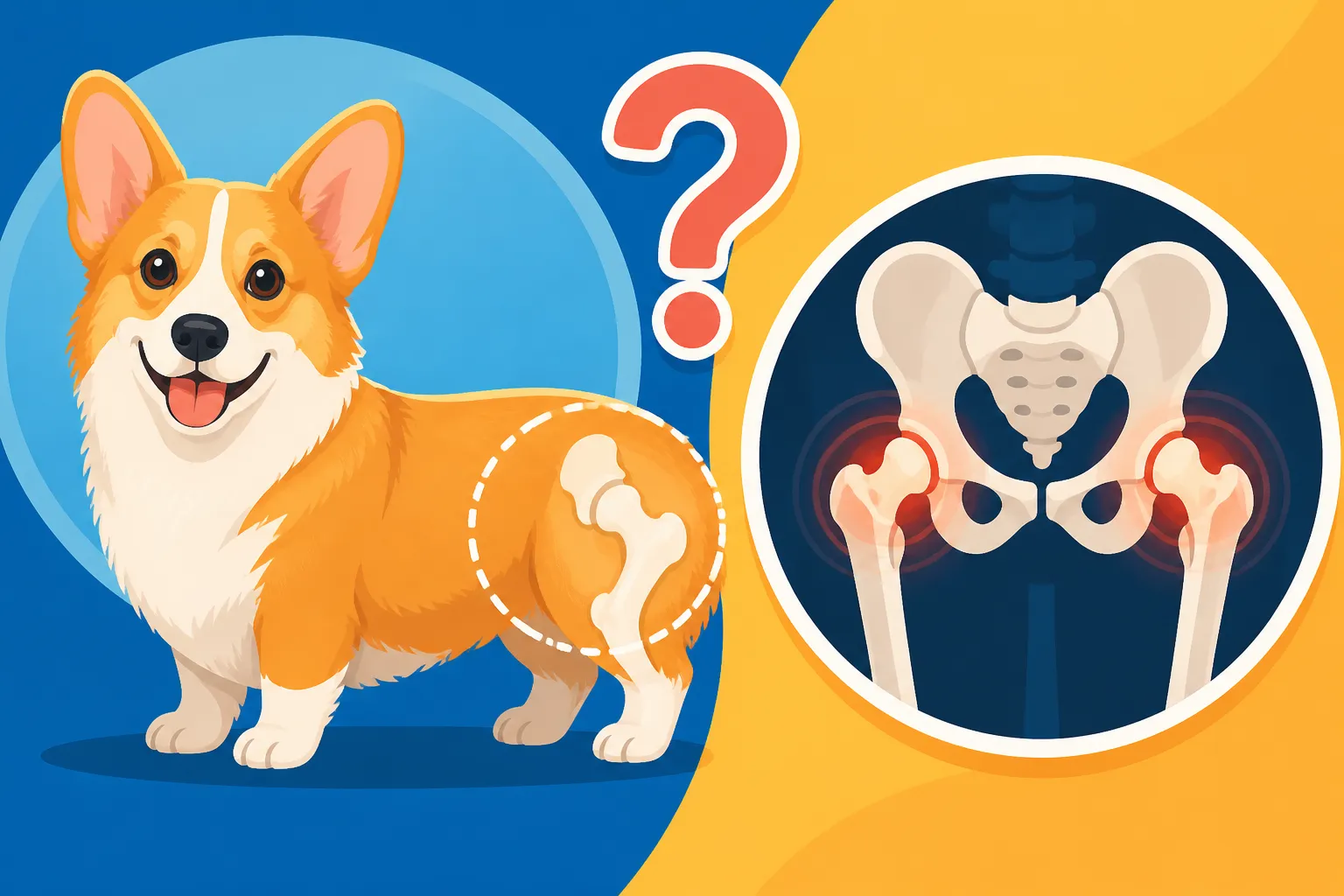
Here's the often-misunderstood truth: a Corgi's short legs themselves don't inherently deform or "change" the hip joints in a negative way. The hip joint — the ball-and-socket connection between the femur and the pelvis — still forms as it would in any other dog, albeit within a body designed for a low center of gravity. However, the unique biomechanics of a Corgi's gait, stemming from their short legs, do mean that their hips experience forces differently.
Because their legs are short, Corgis often rely more on their back and core muscles to propel themselves. Their range of motion in the hip might appear different simply because of how they leverage their bodies to move around obstacles or navigate terrain. Imagine a Corgi trying to climb stairs or jump onto a sofa – the mechanics are far more strenuous and potentially jarring than for a taller dog. These repeated, less-than-ideal movements, not the short legs themselves, can contribute to wear and tear over time. Therefore, maintaining strong core and hindquarter muscles is paramount for supporting the hips in their distinct anatomical framework.
Hip Dysplasia in Corgis: A Different Conversation
Now, let's talk about hip dysplasia. This is a genetic and developmental condition where the hip joint doesn't form correctly, leading to a loose, unstable joint. It's distinct from chondrodystrophy. While many believe short legs cause hip dysplasia, this isn't accurate. Hip dysplasia is a polygenic trait (meaning multiple genes contribute) that can affect any breed, large or small, short-legged or long-legged. Unfortunately, Corgis, like many popular breeds, can be predisposed to hip dysplasia if responsible breeding practices aren't followed.
When a Corgi develops hip dysplasia, it's typically due to the inherited genetic predisposition and influenced by environmental factors like rapid growth, excessive weight, or inappropriate exercise during puppyhood. The malformed joint leads to grinding and rubbing rather than smooth movement, causing pain, inflammation, and eventually arthritis. The prevalence of hip dysplasia in Corgis isn't directly higher because of their short legs, but rather because of their genetic lineage, just like in Golden Retrievers or German Shepherds. This is why understanding Corgi Hip Scores and What They Mean is so vital for prospective owners and breeders. Good breeders are actively working to minimize hip dysplasia through genetic screening and selective breeding.
Other Factors Affecting Corgi Hip Health
While the short legs aren't the direct culprit for hip dysplasia, several other factors can significantly impact your Corgi's hip health. These are often within an owner's control and can make a world of difference in preventing or managing hip issues.
First and foremost is weight management. An overweight Corgi carries excess strain on all their joints, but especially their hips and, perhaps even more critically, their long spine. Imagine carrying a backpack filled with bricks all day – that's what a few extra pounds feel like to your Corgi. This added stress accelerates wear and tear, exacerbates any existing joint laxity, and can lead to Early Arthritis in a Corgi. Maintaining a lean body condition is probably the single most impactful thing you can do for your Corgi's long-term joint health. We'll talk more about this later, but it cannot be stressed enough how much Why Corgi Weight Is a Spinal Problem also applies to their hips.
Appropriate exercise also plays a huge role. While Corgis are energetic, high-impact activities like repeated jumping, long runs on hard surfaces, or excessive stair climbing can be detrimental. Their unique body structure means these activities put undue stress on their back and hips. Instead, moderate, consistent exercise like leash walks, swimming, or mentally stimulating games that avoid high jumps are far more beneficial. Similarly, nutrition is important. A balanced, high-quality diet supports overall health, including joint health. Some owners opt for supplements like glucosamine and chondroitin, especially as their Corgi ages, though always consult your vet before adding supplements. Finally, age-related wear and tear is inevitable. As Corgis get older, like all dogs, their joints naturally start to show signs of aging, regardless of their leg length or hip health history. Proactive management and regular vet check-ups become even more crucial in their senior years.
| Feature | Chondrodystrophy (CDDY/CDPA) | Hip Dysplasia (HD) |
|---|---|---|
| Nature | Genetic mutation leading to short limbs (dwarfism) | Genetic, developmental malformation of the hip joint |
| Cause | Inherited gene, characteristic of Corgi breed | Inherited polygenic trait (multiple genes) |
| Impact on Hips | Indirect: influences biomechanics, gait, weight distribution; doesn't deform the hip joint itself. | Direct: causes laxity and abnormal development of the hip joint. |
| Symptoms | None (it's a normal breed trait); can influence other back issues (IVDD). | Pain, lameness, "bunny hopping," difficulty rising, reluctance to exercise, grinding sound. |
| Diagnosis | DNA test for CDDY/CDPA, obvious physical appearance | Physical exam, X-rays of hips (OFA/PennHIP evaluations) |
| Prevention | Breed selection (understanding the gene), careful activity management | Responsible breeding (hip scoring parents), weight management, appropriate exercise |
| Treatment | No treatment needed as it's not a disease; management of related conditions. | Pain management, anti-inflammatories, physical therapy, sometimes surgery (e.g., FHO, THR). |
Proactive Care and Management for Corgi Hip Health
Given their unique build and the potential for inherited conditions, taking a proactive approach to your Corgi's hip health is paramount. It involves careful choices from the very beginning and consistent, thoughtful care throughout their life. This isn't just about reacting to problems; it's about setting them up for a lifetime of comfortable movement.
Responsible Breeding and Early Screening
The journey to healthy hips starts long before your Corgi puppy even comes home. Choosing a reputable breeder who prioritizes health screening is the single most important step you can take. These breeders will diligently screen their breeding stock for genetic conditions, including hip dysplasia. They utilize recognized programs such as the Orthopedic Foundation for Animals (OFA) or the PennHIP method to evaluate the hip joints of parent dogs. These evaluations provide a clear picture of the parents' hip health and their genetic propensity to pass on conditions like hip dysplasia.
When you're looking for a Corgi, don't be shy about asking for proof of these screenings. A transparent breeder will be happy to share OFA certificates or PennHIP reports for both parent dogs. Look for "Excellent," "Good," or "Fair" OFA ratings, or good distraction index scores from PennHIP. If a breeder makes excuses or claims these tests aren't necessary for Corgis, walk away. This proactive approach by breeders significantly reduces the chances of your puppy inheriting problematic hip genetics. Beyond hips, good breeders also perform The DNA Tests a Corgi Breeder Should Run for other breed-specific conditions, ensuring a healthier lineage overall.
Lifestyle Adjustments to Protect Their Hips and Spine
Once your Corgi is home, their daily environment and routine become crucial in protecting their joints. Because their short legs necessitate certain movements that can strain both hips and their long back, proactive adjustments are essential.
One of the biggest concerns for Corgis is jumping. While they might look like little springs, repeated jumping off furniture, beds, or out of cars can be incredibly damaging. The impact and twisting motions put immense stress on their spinal discs and hip joints. This is why investing in Ramps and Steps That Save a Corgi's Back is non-negotiable for most Corgi owners. Train them early and consistently to use these aids. Similarly, be mindful of stairs. While occasional stair use isn't inherently dangerous, constant running up and down can be problematic. Many owners install baby gates or other barriers to limit stair access, understanding that Whether Stairs Are Safe for a Corgi is a nuanced question. When you do pick up your Corgi, always support their front and back end simultaneously to avoid twisting their spine. Proper handling, like Picking a Corgi Up Without Hurting It, is a skill every Corgi owner should master.
As mentioned earlier, weight management is critical. Maintaining your Corgi at a lean, healthy weight reduces the load on their hips and spine, significantly lowering the risk of joint issues and arthritis. Work with your vet to determine The Body Condition Score a Corgi Should Hold and adjust their diet and exercise accordingly. Obesity is not just about aesthetics; it's a major health hazard, contributing to conditions like Cruciate Injury in a Heavy Corgi. For exercise, focus on low-impact activities like controlled walks on soft surfaces, short games of fetch, or even swimming, which is fantastic for joint health as it provides resistance without impact. Avoid competitive agility or excessive, uncontrolled play that involves sharp turns and high jumps, which can put undue strain on their hips and back, similar to concerns about Whether a Corgi's Back Is as Fragile as a Dachshund's. Finally, ensure your Corgi has orthopedic bedding that provides firm, even support, helping their joints rest comfortably and properly aligned.
Recognizing Signs of Hip Discomfort and Seeking Veterinary Care
Even with the best preventative care, some Corgis may still develop hip discomfort or issues due to genetics, age, or unforeseen injuries. The key is to be observant and seek veterinary attention promptly at the first sign of trouble. Early intervention can significantly impact the long-term prognosis and quality of life.
Keep a close eye on your Corgi's gait and behavior. Common signs of hip discomfort include limping, stiffness (especially after rest), reluctance to jump, climb stairs, or even play. You might notice them "bunny hopping" – using both back legs simultaneously – when running, which is often an indication they are trying to minimize discomfort in one or both hips. They might have difficulty rising from a lying position, show tenderness when you touch their hip area, or even start favoring one leg. Any changes in their usual activity level, willingness to exercise, or a decrease in muscle mass in their hindquarters should prompt a call to your veterinarian.
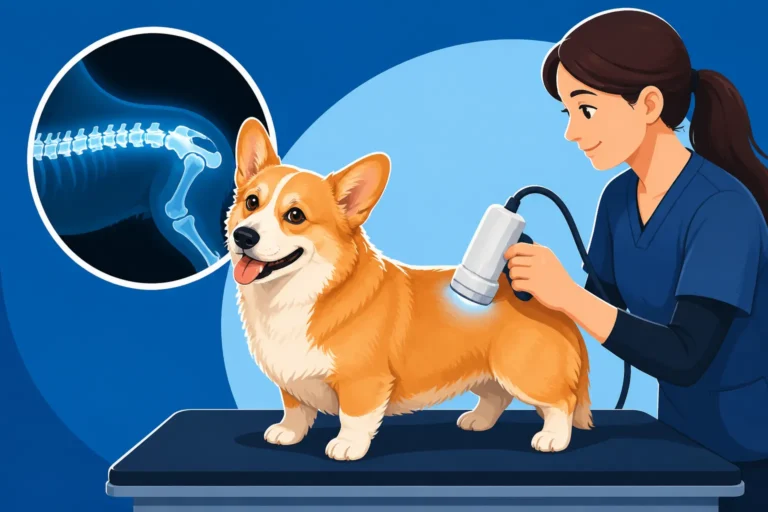
Your vet will perform a thorough physical examination, checking for pain, range of motion, and stability in the hip joints. If hip problems are suspected, they will likely recommend X-rays to visualize the joint structure and confirm a diagnosis like hip dysplasia or arthritis. Sometimes, more advanced imaging like an MRI might be necessary to rule out other issues, such as spinal problems which can present with similar symptoms. Treatment options will vary based on the diagnosis and severity. Conservative management, often the first approach, can include pain medication, anti-inflammatory drugs, weight loss, controlled exercise, and physical therapy or hydrotherapy. For severe cases, surgical options might be discussed. Regular vet check-ups, especially as your Corgi enters their senior years, are crucial for monitoring joint health. During these visits, vets often recommend Screening an Older Corgi's Spine and hips as part of a comprehensive senior health panel. Having pet insurance, like a plan from Healthy Paws, can provide immense peace of mind, helping to cover the often significant costs associated with diagnosing and treating chronic conditions like hip dysplasia and the ongoing management of joint discomfort. Being prepared for these possibilities ensures you can always provide the best care for your beloved Corgi.
Disclaimer
The information provided in this article is for general informational purposes only and does not constitute veterinary advice. Always consult with a qualified veterinarian for any health concerns or before making any decisions about your Corgi's health or treatment plan.