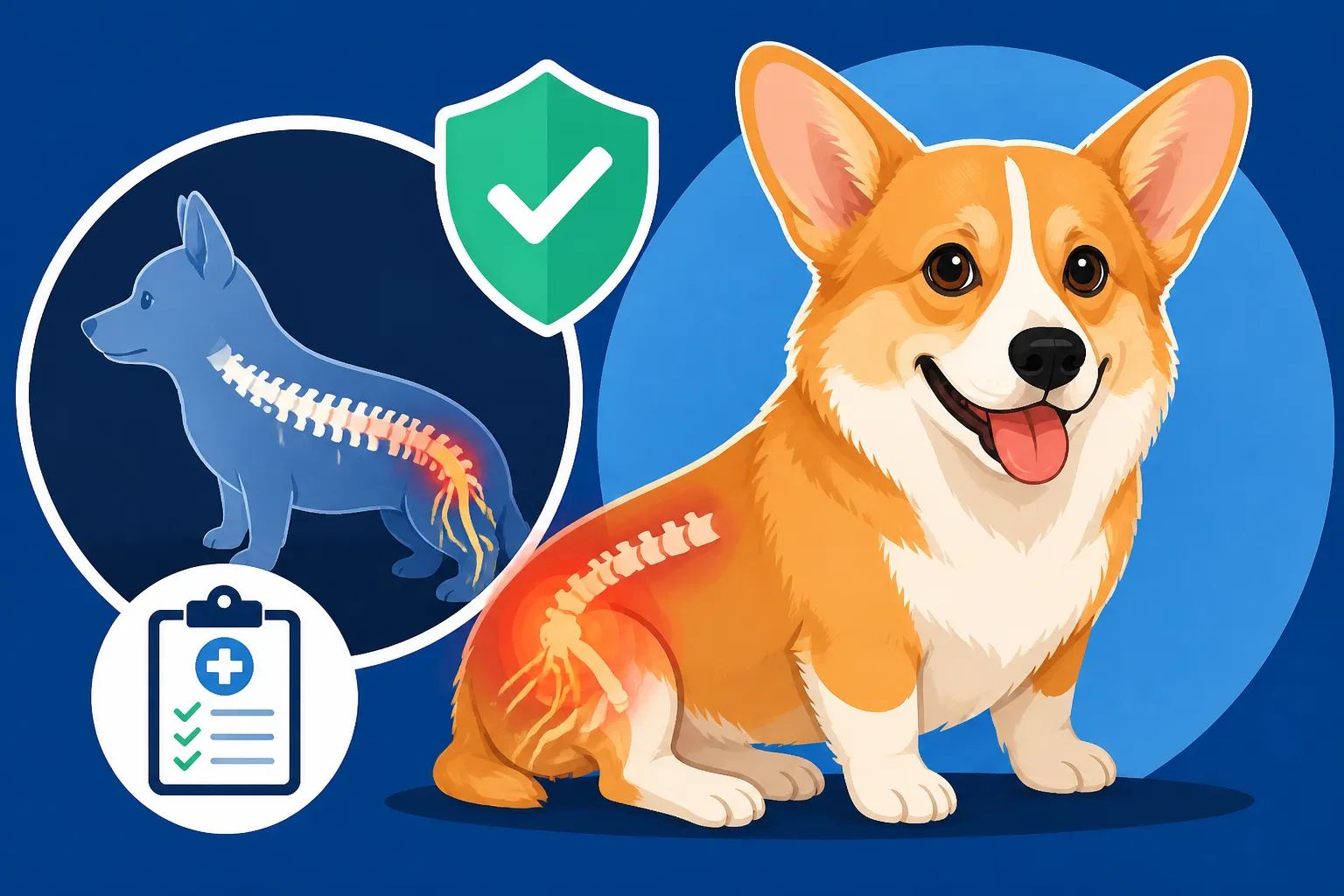
Confirming Corgi Myelopathy Without a Post-Mortem
It's incredibly disheartening to watch your beloved Corgi start to struggle with their hind legs, showing weakness, stumbling, or dragging their paws. What makes it even harder is the agonizing uncertainty that often surrounds a diagnosis of Degenerative Myelopathy (DM), a cruel and progressive neurological disease. The truth is, getting a definitive "yes, this is absolutely DM" while your Corgi is still with you is a huge challenge, leaving many of us desperate for answers. This guide will walk you through the various diagnostic avenues available to help confirm Corgi myelopathy without needing a post-mortem examination, offering clarity on what each step truly tells us.
The Frustration of a "Presumptive" Diagnosis
When your Corgi starts exhibiting signs of hind-end weakness, it’s a frightening time. The internet is full of scary information, and your vet might mention DM as a possibility, but often with a caveat: it's a "presumptive" diagnosis. This phrase can be incredibly frustrating for devoted Corgi parents who simply want to know what’s happening to their furry family member. You want certainty, not just a strong suspicion.
Why DM is So Hard to Pin Down Early On
Degenerative Myelopathy is a sneaky disease. It often begins subtly, with symptoms that can easily be mistaken for other common ailments, especially in Corgis, who are prone to a host of back issues. You might first notice a slight wobble, a paw scuffing the ground, or a difficulty jumping onto the sofa. These initial signs are frustratingly non-specific. Is it just arthritis? A minor strain? Or something far more serious? Because DM is a diagnosis of exclusion – meaning you can only truly confirm it by ruling out everything else – it becomes a protracted, emotionally draining process. It’s not like a blood test where a clear positive or negative result pops up. Instead, it’s a mosaic of clinical signs, genetic predisposition, and the absence of other explanations that eventually points to DM. This lack of a simple, live diagnostic test is one of the biggest challenges for owners and veterinarians alike.
The Emotional Toll of Uncertainty
Living with the ambiguity of a "presumptive" DM diagnosis is incredibly tough. You're left grappling with major decisions about your Corgi's care, potential treatments, and quality of life, all without the solid confirmation you crave. This emotional burden can lead to sleepless nights, endless online research, and constant worry. You second-guess every stumble, every weak moment. Should you pursue expensive diagnostics that might only rule things out, not in? How do you explain this to friends and family who don't understand why there isn't a simple test? This period of uncertainty can feel like a cruel limbo, making it difficult to fully accept what's happening or to plan effectively for your Corgi's future. The need for clarity isn't just about knowledge; it's about finding peace and making the most informed, compassionate choices for your beloved companion.
Diagnostic Tools for Live Corgis
While a definitive diagnosis of Degenerative Myelopathy often requires a post-mortem examination of spinal tissue, there are several crucial diagnostic steps and tools available while your Corgi is alive that can build a compelling case for a clinical diagnosis. These methods focus on ruling out other conditions that mimic DM and identifying genetic predispositions.
Ruling Out the Imitators: A Thorough Neurological Exam
When your Corgi first starts showing signs of hind-end weakness or incoordination, the very first and most critical step is a comprehensive neurological examination performed by your veterinarian or, ideally, a veterinary neurologist. This isn't just a quick check; it's a detailed assessment designed to pinpoint exactly where the neurological deficit lies and to help differentiate DM from other potential causes.
During this exam, the vet will observe your Corgi's gait, looking for signs like ataxia (wobbling), paresis (weakness), and proprioceptive deficits (not knowing where their feet are in space). They might perform tests like paw placement (knuckling over), where they flip your Corgi's paw, and the dog should immediately correct it. Delayed or absent correction is a key sign. Reflexes will also be checked, such as the withdrawal reflex (pulling the leg back) and the patellar reflex (knee-jerk). Interestingly, early DM often presents with normal or even exaggerated reflexes in the hind limbs, which can help distinguish it from other conditions that might cause decreased reflexes. This meticulous examination helps build a picture of whether the problem originates in the brain, spinal cord, or peripheral nerves. For example, understanding Telling a Corgi's Slipped Disc From Myelopathy often starts with subtle differences observed in these neurological tests, as disc disease typically causes pain and more localized deficits, while DM is a non-painful, progressive weakness.
The neurologist will also assess muscle tone, sensation, and evaluate for any signs of pain. DM itself is not a painful condition, which is a significant distinguishing factor. If your Corgi is showing obvious pain, especially when touched along the spine or when moving, it strongly suggests another issue, such as intervertebral disc disease (IVDD), rather than DM. By systematically ruling out pain and localized spinal issues, the neurological exam provides crucial early clues that point towards a diffuse, non-painful neurological degeneration typical of DM. This initial evaluation guides the entire diagnostic process forward, determining which further tests are most appropriate.
Advanced Imaging: MRI and Myelography
Once a neurological exam suggests a spinal cord issue, but DM isn't definitively proven, advanced imaging like Magnetic Resonance Imaging (MRI) or myelography (an X-ray with contrast dye injected into the spinal canal) becomes the next logical step. It's important to understand the role of these diagnostics: they don't confirm DM, but rather rule out other treatable conditions that could be causing similar symptoms.
For Corgis, given their predisposition to disc issues, an MRI is often recommended. This imaging technique provides highly detailed images of the spinal cord, discs, and surrounding soft tissues. It can reveal herniated discs, spinal tumors, cysts, or inflammation that might be compressing the spinal cord and causing neurological signs. If an MRI or myelogram comes back clear – meaning no significant compression or structural abnormalities are found to explain the symptoms – it significantly strengthens the suspicion of DM. A clear MRI essentially says, "We don't see anything obvious wrong here that we can fix surgically," which, in the context of progressive hind-end weakness in a Corgi, often points strongly to DM. Without ruling out these treatable conditions, a DM diagnosis remains less certain. Understanding What an MRI Shows in a Corgi Back is crucial, as a "normal" result on an MRI is actually a key piece of the DM puzzle.
The cost associated with these advanced imaging techniques can be substantial, often ranging from $2,000 to $5,000 depending on your location and the specific clinic. This is where having pet insurance, such as a plan from Healthy Paws, can be incredibly beneficial. Many owners find these plans invaluable for covering a significant portion of these diagnostic expenses, easing the financial burden during an already stressful time. While MRI is expensive and involves general anesthesia, its ability to rule out other conditions is paramount in getting closer to a clinical DM diagnosis.
Genetic Testing: A Crucial Piece of the Puzzle
Genetic testing for the SOD1 mutation is an essential component of evaluating a Corgi for Degenerative Myelopathy. This test identifies whether your Corgi carries the specific gene mutation strongly associated with DM. It's a simple, non-invasive cheek swab or blood test that can be done at any age.
However, there's a critical distinction to make: a positive SOD1 test does not diagnose active DM. It merely indicates that your Corgi is "at-risk" or a "carrier." A Corgi with two copies of the SOD1 mutation (classified as "at-risk" or "DM/DM") has a significantly higher probability of developing DM in their lifetime, but it's not a 100% guarantee. Some Corgis with two copies never develop symptoms, while others do. On the flip side, some rare cases of DM have been reported in Corgis that only have one copy of the gene, or even none, though this is much less common. This nuance is vital when you're Reading a Corgi SOD1 Test Result.
Despite these complexities, a positive SOD1 test in a Corgi showing progressive, non-painful neurological deficits, coupled with a clear MRI, dramatically increases the likelihood of a DM diagnosis. It provides strong supporting evidence, placing your Corgi in the high-risk category for the disease. If your Corgi tests clear (N/N), then DM is highly unlikely, and further investigation into other causes of their symptoms would be necessary. This test is so important that responsible breeders often utilize it to ensure they are making informed breeding decisions, understanding The DNA Tests a Corgi Breeder Should Run to reduce the incidence of DM in future generations. It's a powerful screening tool for predisposition, not a diagnostic tool for active disease.
Cerebrospinal Fluid CSF Analysis
Another diagnostic tool that a veterinary neurologist might employ is a cerebrospinal fluid (CSF) tap. CSF is the fluid that surrounds the brain and spinal cord, and analyzing it can provide further clues by ruling out certain conditions.
During a CSF tap, a small sample of fluid is collected from around the spinal cord, usually from the neck or lower back region. This procedure requires general anesthesia due to the sensitive nature of the area. The fluid is then sent to a lab for analysis, where veterinarians look for abnormalities such as elevated protein levels or an increased white blood cell count. These findings could indicate inflammatory, infectious, or even some cancerous conditions affecting the central nervous system. For instance, a high white blood cell count could suggest meningitis or another inflammatory process, which would then point away from DM.
If the CSF analysis comes back completely normal – showing no signs of infection, inflammation, or abnormal cells – it further narrows down the possibilities and strengthens the case for DM. It adds another layer of evidence by systematically excluding other neurological diseases that might present with similar clinical signs. Like advanced imaging, CSF analysis is another expensive diagnostic step, often costing several hundreds to over a thousand dollars, depending on the clinic and specific tests performed. Again, a robust pet insurance policy, like those offered by Healthy Paws, can significantly help manage these costs, making it easier for owners to pursue all necessary diagnostics to get answers for their Corgi.
The Cumulative Evidence Approach
Because there isn't one single "DM test" for live dogs, veterinarians must employ a strategic, cumulative approach, gathering all available evidence to form a strong clinical diagnosis. This involves piecing together the genetic, clinical, and imaging results to create a comprehensive picture.
Combining Clinical Signs with Test Results
The real art of diagnosing DM in a live Corgi lies in expertly combining all the pieces of the puzzle. It starts with the observed clinical signs: the progressive, non-painful hind-end weakness, ataxia, and proprioceptive deficits that typically worsen over time. These symptoms usually manifest in Corgis between the ages of 8 and 14 years old, though it can occur earlier or later. Recognizing The First Signs of DM in a Corgi and understanding The Age Corgi Myelopathy Usually Starts is crucial for owners, as early detection can help initiate supportive care sooner.
When these typical clinical signs are present, and then reinforced by a positive SOD1 genetic test (meaning your Corgi is "at-risk"), the suspicion of DM becomes very high. This genetic predisposition, combined with the characteristic symptoms, is a powerful indicator. Furthermore, if advanced imaging (like an MRI or myelogram) has been performed and successfully ruled out other structural causes such as disc herniations, tumors, or spinal cord compression, the evidence for DM grows even stronger. If a CSF analysis also returns normal, eliminating inflammatory or infectious causes, then the case for a clinical DM diagnosis is nearly complete. It’s the convergence of these factors – the breed, the age, the specific progression of symptoms, the genetic risk, and the exclusion of other diseases – that allows a neurologist to confidently make a clinical diagnosis of DM.
Monitoring Progression and Eliminating Other Causes
One of the most defining characteristics of Degenerative Myelopathy is its relentless and progressive nature. Unlike an acute injury or a reversible condition, DM symptoms will steadily worsen over time. This progression is a key element in confirming the diagnosis without a post-mortem examination. Your veterinarian or neurologist will often recommend monitoring your Corgi's symptoms over a period of weeks to months, noting any changes in their mobility, coordination, and strength.
Typically, DM progresses from initial hind-end weakness and scuffing of the paws to more severe ataxia, eventual paralysis of the hind limbs, and eventually affects the front limbs and other bodily functions. The speed of progression can vary, but it's generally a steady decline, often taking The Months Between a Corgi's First Stumble and a Cart to reach more advanced stages. If symptoms stabilize, improve dramatically, or present with fluctuating severity, it may suggest an alternative diagnosis that needs further investigation. For example, if your Corgi's hind legs suddenly regain strength after a course of anti-inflammatories, it’s much more likely to have been an acute disc issue rather than DM.
The process of "eliminating other causes" is central to confirming DM. It's about systematically ruling out every other possible condition that could be causing similar symptoms. This might include:
- Orthopedic issues: Severe arthritis, hip dysplasia, cruciate ligament tears.
- Endocrine diseases: Hypothyroidism, Cushing's disease (though these typically have other systemic signs).
- Metabolic diseases: Liver or kidney disease affecting neurological function.
- Other neurological conditions: Spinal cord tumors, strokes, inflammatory diseases, or certain types of polyneuropathies.
The more thoroughly these other possibilities are investigated and ruled out through various tests (blood work, urine analysis, X-rays of hips/knees, nerve conduction studies, etc.), the more confident the clinical diagnosis of DM becomes. This diligent, often lengthy process ensures that no treatable condition is overlooked, offering peace of mind even without a microscopic examination of spinal tissue.
Why "Clinical Diagnosis" is Often the Best We Can Get
For most Corgi owners, the idea of a definitive diagnosis only coming after their beloved pet has passed away is heartbreaking. The reality is, for conditions like Degenerative Myelopathy, a "clinical diagnosis" is often the most conclusive answer we can achieve during a Corgi's lifetime. A clinical diagnosis means that based on all the available evidence – the characteristic symptoms, the breed predisposition, the genetic test results, and the rigorous exclusion of all other possible diseases through neurological exams, advanced imaging, and other lab work – the veterinary team is highly confident that DM is the cause.
It's a diagnosis built on the cumulative weight of evidence, rather than a single definitive test. While it lacks the absolute certainty of a post-mortem tissue analysis, it provides enough information for owners to understand what is happening, make informed decisions about care, and prepare for the progression of the disease. This is where trust in your veterinary neurologist becomes paramount; their expertise in interpreting all the data and ruling out alternatives is what makes a clinical diagnosis reliable. Accepting a clinical diagnosis allows you to shift focus from endlessly searching for absolute certainty to providing the best possible quality of life and comfort for your Corgi during their remaining time.
Living with a Clinical DM Diagnosis
Receiving a clinical diagnosis of Degenerative Myelopathy for your Corgi can feel overwhelming, but it's also a point where you can pivot from diagnostic uncertainty to proactive management and support. While there’s currently no cure, there’s a great deal you can do to enhance your Corgi’s comfort and quality of life.
Managing Symptoms and Maintaining Quality of Life
Even without a post-mortem confirmation, focusing on symptomatic management and maintaining your Corgi's quality of life becomes the absolute priority. This involves a multi-faceted approach tailored to their individual needs as the disease progresses.
One of the most crucial interventions is regular physiotherapy. Specialized exercises and stretches can help maintain muscle mass, improve proprioception, and keep joints mobile for as long as possible. Many Corgi owners find immense benefit in techniques like hydrotherapy (underwater treadmill) which allows for low-impact exercise and strengthens muscles without putting excessive strain on the joints. You can learn more about Physiotherapy for a Corgi Losing Its Legs to see how these practices can be integrated into your routine. As mobility declines, various aids become indispensable. Slings can help you support your Corgi’s hindquarters during walks or when navigating stairs. Eventually, many Corgis with DM benefit greatly from specially designed carts or wheelchairs, giving them back their independence and ability to move around. Getting the right fit is key, and exploring options for Carts and Wheels for a Corgi With DM can make a huge difference in their daily life. Furthermore, managing secondary issues like incontinence in a Corgi with DM is vital for hygiene and comfort. This might involve frequent potty breaks, canine diapers, or ensuring their living areas are kept meticulously clean. Maintaining a healthy weight is also crucial, as extra pounds put more strain on already weakening limbs.
Here's a quick overview of supportive care options:
| Supportive Care Type | Primary Goal | Key Interventions | Cost Range (Estimated Annually) |
|---|---|---|---|
| Physiotherapy | Maintain muscle, flexibility, proprioception | Exercises, stretching, massage, hydrotherapy | $500 – $2,500+ |
| Mobility Aids | Support ambulation, independence | Slings, harnesses, ramps, custom wheelchairs/carts | $100 – $1,000+ (one-time for cart) |
| Home Modifications | Prevent injury, ease movement | Non-slip rugs, gates, elevated feeders, orthopedic beds | $50 – $500+ |
| Veterinary Oversight | Monitor progression, address secondary issues | Regular check-ups, pain management (if needed), incontinence care | $200 – $800+ |
| Nutrition & Weight Mgmt | Optimize health, reduce strain | Measured portions, high-quality diet, supplements | $400 – $800+ |
These interventions, while not curative, significantly improve your Corgi's day-to-day experience, helping them enjoy their lives for as long as possible after diagnosis.
The Importance of Owner Advocacy and Support
As a Corgi owner facing a DM diagnosis, you are your dog's most important advocate. It's natural to feel overwhelmed, but empowering yourself with knowledge and seeking support can make a profound difference. Don't hesitate to ask your veterinary neurologist for detailed explanations, express your concerns, and discuss all available options. Sometimes, a second opinion from another specialist can offer additional perspectives and reinforce your confidence in the diagnosis and care plan.
Connecting with other Corgi owners who are navigating DM can be incredibly helpful. Online forums, social media groups, and local breed clubs often have communities dedicated to supporting owners of Corgis with DM. Sharing experiences, tips for daily care, and emotional support can be invaluable. These communities often provide practical advice on everything from specific mobility aids to coping strategies. Understanding How Long a Corgi Lives After a DM Diagnosis can also help set realistic expectations and focus on making each day count.
Financially, the costs associated with diagnostics, ongoing physiotherapy, medications, and mobility aids can add up quickly. This is where pet insurance, like policies from Healthy Paws, can be a game-changer. Having a plan in place before symptoms arise can help offset a significant portion of these expenses, allowing you to prioritize your Corgi's care without added financial stress. While DM itself can't be cured, focusing on managing its symptoms and ensuring your Corgi is comfortable and loved can lead to many more months of cherished memories, even as their physical abilities change. The goal is always to maximize their joy and minimize any distress, ensuring you know Whether a Corgi With DM Is Suffering and can make compassionate decisions when needed.
Disclaimer
Please remember that this information is intended for educational purposes only and should not replace professional veterinary advice. Always consult with a qualified veterinarian or veterinary neurologist regarding your Corgi's specific health concerns and before making any decisions about their care or treatment.