Whether a Corgi With DM Is Suffering
Facing the diagnosis of Degenerative Myelopathy (DM) in your beloved Corgi is utterly heartbreaking, and perhaps the most agonizing question that keeps you awake at night is, "Is my Corgi suffering?" It’s a profound worry, as you want nothing more than to ensure their comfort and happiness. This guide aims to thoroughly explore what suffering truly means in the context of Corgi DM, helping you understand the disease's nuances and how to assess your furry friend's quality of life with empathy and informed care.
Understanding Degenerative Myelopathy in Corgis
Degenerative Myelopathy is a progressive neurological disease that affects the spinal cord, leading to weakness and eventual paralysis, primarily in the hind limbs. It's a condition that can steal a Corgi's ability to walk, but understanding its fundamental nature is key to addressing the question of suffering.
What DM Is and How It Progresses
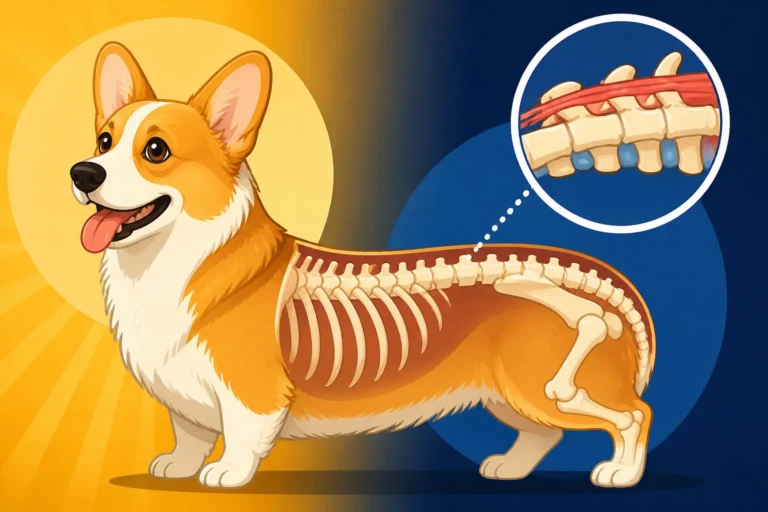
DM is often likened to a form of Lou Gehrig's disease (ALS) in humans, as it involves the gradual degeneration of the white matter in the spinal cord. This degeneration interrupts the communication between the brain and the limbs. Crucially, DM itself is not a painful disease. The nerve cells that transmit pain signals are generally not affected in the same way as the motor neurons that control movement. Your Corgi might lose the ability to move their legs, but they typically don't feel pain directly from the disease's progression in the spinal cord.
The disease usually begins subtly. Many Corgi owners first notice their dog dragging their back paws, scuffing their nails, or having a slightly wobbly gait. This often starts when a Corgi is in their mid-to-late years. You might observe a tendency for their back legs to cross over when walking, or they might struggle a bit more to stand up after resting. As DM progresses, the weakness becomes more pronounced, leading to difficulty walking, loss of balance, and eventually the inability to support themselves with their hind legs. For many Corgi owners, the initial signs are so subtle that they might be mistaken for normal aging or mild arthritis, making an early diagnosis challenging. Recognizing these changes can be the first step in understanding The First Signs of DM in a Corgi. It's worth remembering that DM often starts affecting Corgis when they are typically around 8 years old or older, with some showing signs as late as 14, as discussed in The Age Corgi Myelopathy Usually Starts.
Differentiating Mobility Loss from Pain
This is arguably the most critical distinction for Corgi owners grappling with DM. The primary impact of DM is the loss of motor control, not the sensation of pain. Imagine if your legs became numb and weak, preventing you from walking, but you didn't feel any sharp, burning, or aching pain. That's a simplified way to think about how DM affects a Corgi. Their brain still sends commands to the legs, but the "wiring" in the spinal cord is so damaged that the signals don't get through effectively.
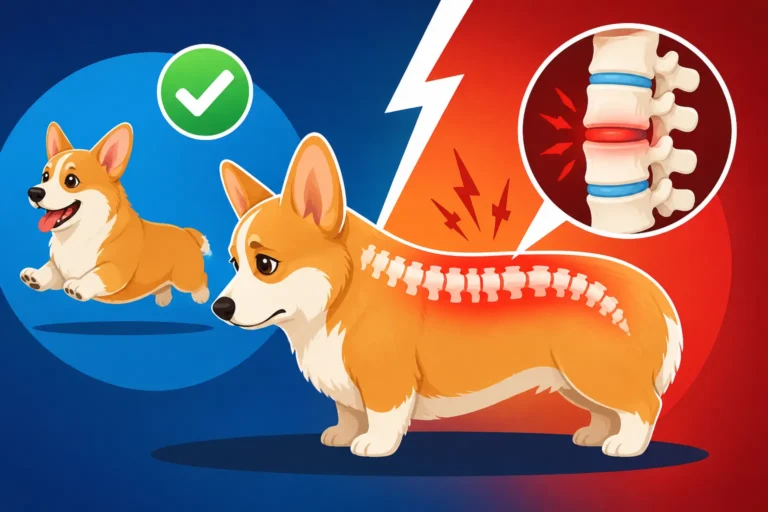
However, while DM itself isn't painful, the secondary issues that arise from immobility absolutely can be. When a Corgi can no longer move their legs properly, they might put abnormal strain on their front limbs, leading to muscle soreness. They might fall frequently, causing bumps and bruises. If they struggle to shift their weight, pressure sores can develop. Moreover, chronic incontinence, a common consequence of DM, can lead to skin irritation and infections, which are definitely uncomfortable and painful. So, while the underlying disease isn't a source of agony, the domino effect of physical limitations can introduce suffering. This means careful management and observation are paramount. Understanding these nuances helps us interpret what we're seeing. For instance, if you notice A Corgi That Scuffs Its Back Nails, it's an early indicator of neurological issues, but not necessarily pain.
Assessing Your Corgi's Quality of Life and Signs of Distress
Determining if your Corgi is truly suffering requires a holistic look at their overall well-being, not just their ability to walk. It's about observing their joy, their engagement with life, and their physical comfort on a daily basis.
Key Indicators of Comfort and Discomfort
When evaluating your Corgi's comfort, you need to become an expert in their subtle cues. Since they can't tell you in words how they feel, it's up to us to interpret their behavior.
Signs of Comfort and Contentment:
- Appetite and Thirst: Is your Corgi still eager for their meals and treats? Do they drink water regularly? A good appetite is often a strong indicator of a dog feeling generally well.
- Engagement and Interaction: Do they still greet you with enthusiasm, even if it's just a tail wag or a happy sigh? Do they enjoy petting, ear scratches, and being near family members? Do they show interest in what's happening around them? Even if they can't play fetch, a desire for interaction speaks volumes.
- Sleep Patterns: Are they sleeping comfortably in their usual spots? While increased sleep can be a sign of aging or illness, restlessness, pacing, or an inability to get comfortable are more indicative of discomfort.
- Enthusiasm for "Life": Do they still get excited for things they used to love, like a car ride (even if carried), a new squeaky toy, or a short trip outside to sniff around? That spark in their eyes is important.
Signs of Discomfort or Suffering:
- Loss of Appetite: A persistent refusal to eat, or a significant decrease in interest in food and water, is a major red flag.
- Changes in Demeanor: Are they withdrawn, hiding, or unusually quiet? Do they seem anxious, restless, or irritable? A dog that snaps or growls when normally placid might be in pain.
- Vocalization: Whining, whimpering, growling, or yelping without a clear external trigger can indicate pain. However, some Corgis are naturally more vocal, so context is key.
- Reluctance to Move (beyond DM weakness): If they seem hesitant or cry out when you try to reposition them or help them stand, this suggests discomfort beyond just weakness.
- Poor Hygiene/Skin Issues: Persistent incontinence that leads to skin infections, urine scald, or bedsores is a significant source of suffering. This requires diligent care, and failure to manage it can drastically reduce quality of life. Information on managing this can be found in our guide on Incontinence in a Corgi With DM.
- Panting, Trembling, or Shivering: Without being hot or cold, these can be signs of pain or anxiety.
It’s about looking at the whole picture. Your Corgi might not be able to chase squirrels anymore, but if they still wag their tail for breakfast and enjoy a cuddle on the sofa, they are likely not suffering in the sense of being in constant pain.
The Difference Between Weakness and Suffering
It bears repeating: weakness is not the same as suffering. A Corgi with DM will progressively lose the use of their hind legs. This is frustrating for them, undoubtedly, as they are intelligent and active dogs. They may become sad or anxious because they can't do what they once did, or they feel unbalanced. This emotional distress is a form of suffering we must address through support and adaptation. However, the physical sensation from the DM itself is not painful.
The challenge comes when secondary issues arise. For example, if your Corgi spends too much time lying on one side, they can develop pressure sores. These are painful and can get infected. If they are constantly falling because their legs give out, they can bruise themselves or injure other joints. Also, the overuse of their front legs can lead to arthritis or muscle strain, causing discomfort. It’s crucial to prevent these complications. This is why supportive care, like proper bedding and regular repositioning, is so vital for Nursing a Corgi That Has Lost Its Back Legs.
When to Seek Veterinary Advice
Regular check-ups with your veterinarian are non-negotiable once a DM diagnosis is made. They can help you differentiate between the effects of DM and other potential issues. A vet can assess for pain that might be unrelated to DM, such as arthritis in other joints, dental pain, or other underlying conditions that could diminish your Corgi's quality of life.
If you observe any of the clear signs of discomfort mentioned above—especially changes in appetite, increased vocalization, or noticeable reluctance to be handled—it’s time to call your vet. They can help you develop a pain management plan if needed, address secondary infections, and offer advice on improving your Corgi’s comfort. Keeping an open dialogue with your vet is the best way to ensure you're making the most informed decisions for your Corgi. Diagnostic tests, as well as ongoing care, can quickly add up, so having a good pet insurance plan can be incredibly helpful. Many Corgi owners find that a plan from a reputable provider like Healthy Paws gives them peace of mind, knowing they can pursue the best care without financial strain.
Navigating the Challenges of DM Care and Emotional Toll
Caring for a Corgi with DM is a journey that demands immense dedication, patience, and a deep well of love. It fundamentally changes the dynamics of your daily life and can take a significant emotional toll on both you and your dog.
Managing Secondary Issues and Maintaining Hygiene
As DM progresses, secondary issues become more prevalent and require diligent management. Urinary and fecal incontinence are common, meaning your Corgi might not be able to control their bladder or bowels. This isn't just a mess; it poses a serious risk for skin infections and urine scald if not managed properly. You'll likely need to implement a routine of frequent cleaning, absorbent pads or doggy diapers, and regular baths for their hindquarters. Some Corgi owners even find that regular expression of the bladder (manually helping the dog empty its bladder) is necessary to prevent infections. This is a topic we delve into more deeply when discussing Incontinence in a Corgi With DM.
Pressure sores are another significant concern. A Corgi who can't shift their weight will lie in one position for extended periods, leading to skin breakdown over bony prominences like hips and elbows. Investing in orthopedic, memory foam beds and regularly changing your Corgi’s position is crucial. Padding vulnerable areas and keeping the skin clean and dry are key preventive measures. Regular physiotherapy, even gentle massages, can also help maintain circulation and muscle tone, though it won't stop the DM progression itself.
Mobility Aids and Environmental Adjustments
Thankfully, a range of tools and adjustments can significantly enhance a DM Corgi's quality of life. These aids aren't about "fixing" DM, but about providing the support needed to maintain mobility and independence for as long as possible.
- Slings and Harnesses: For Corgis who are just starting to lose hind leg strength, a supportive sling can help you assist them with walking, going up and down steps (which should be minimized anyway), and getting outside for potty breaks. Full-body harnesses can provide more comprehensive support and prevent strain on your Corgi's neck or chest.
- Wheelchairs/Carts: These are game-changers for many Corgis with advanced DM. A custom-fitted dog wheelchair allows them to move around independently, explore, and get exercise, which is vital for both physical and mental well-being. It prevents muscle atrophy in the front legs and keeps them engaged with their world. When considering options, looking into Carts and Wheels for a Corgi With DM can provide helpful insights. Many Corgis adapt incredibly well to their carts, regaining a zest for life they seemed to have lost.
- Ramps and Steps: To protect their vulnerable backs and prevent falls, eliminate jumping entirely. Ramps for sofas, beds, and cars are essential. Even a single step up or down can cause an injury for a Corgi with a weakening back. Learn more about preventing injuries and making your home safe by looking at Ramps and Steps That Save a Corgi's Back.
- Non-Slip Flooring: Hardwood or tile floors can be treacherous for a Corgi losing coordination. Lay down runners or rugs to provide traction, making it safer and easier for them to move around the house.
Implementing these changes takes effort, but they directly contribute to your Corgi's comfort and emotional well-being, helping them to feel less frustrated and more like their old selves. Comprehensive care plans can be expensive, but having insurance like Healthy Paws can cover a substantial portion of the costs for wheelchairs, physical therapy, and other necessary aids, easing the burden on families during an already tough time.
| Quality of Life Factor | Signs of Good Quality | Signs of Diminished Quality | Action to Consider |
|---|---|---|---|
| Appetite & Thirst | Eating and drinking normally, eager for meals/treats | Refusing food/water, significant weight loss | Vet check for underlying issues, special diets, appetite stimulants |
| Pain/Discomfort | Relaxed posture, comfortable resting, normal vocalization | Whining, panting, trembling, difficulty getting comfortable, aggression | Pain medication, physiotherapy, orthopedic bedding, regular vet assessments |
| Hygiene | Clean skin, no sores, managed incontinence | Urine scald, pressure sores, persistent infections | Frequent cleaning, diapers, waterproof bedding, regular repositioning |
| Mobility | Able to move with aid (sling/cart), some independent movement | Complete inability to move, constantly falling, frustration with limitations | Appropriate mobility aids, environmental modifications, physical therapy |
| Happiness/Interest | Engaged with family, enjoys petting, responsive to surroundings | Withdrawn, uninterested in play/interaction, depressed | Enrichment activities, human interaction, assess for secondary pain/discomfort |
| Breathing | Calm, regular breathing | Labored breathing, coughing, persistent gasping | Immediate veterinary attention |
Making the Difficult "End of Life" Decision
The question of "is my Corgi suffering?" ultimately leads to the most agonizing decision any pet owner faces: knowing when it's time to say goodbye. This decision is deeply personal and incredibly difficult, especially with DM because the disease itself doesn't cause constant, excruciating pain. Instead, suffering often comes from the loss of dignity, persistent secondary complications, or a profound decline in overall quality of life.
Many veterinarians and pet hospice services advocate for a "Quality of Life" scale or assessment. This involves looking at several factors:
- Hurt: Is your Corgi experiencing unmanageable pain, even with medication?
- Hunger: Are they eating and drinking enough?
- Hydration: Are they adequately hydrated?
- Hygiene: Can they be kept clean and free of bedsores?
- Happiness: Do they still experience joy? Do they engage with you and their environment?
- Mobility: Can they move around, even with assistance, to perform basic functions?
- More Good Days Than Bad: Is the balance tipping towards more bad days where they are struggling or distressed?
If you find yourself consistently answering no to several of these questions, it may be time to consider whether you are prolonging your Corgi's life for their benefit or yours. It's a conversation you should have openly and honestly with your veterinarian, who can provide an objective perspective. They can help you understand when the cumulative effect of their physical limitations and any secondary discomfort outweighs their ability to enjoy life. Our guide on Deciding When a Corgi With DM Has Had Enough offers a more in-depth discussion on this painful but necessary topic.
Remember, providing a peaceful, pain-free passing is the ultimate act of love and kindness for a pet who has given you so much. It's not about them experiencing maximum suffering; it's about preventing it and preserving their dignity.
Disclaimer
The information provided in this article is for educational purposes only and should not be considered a substitute for professional veterinary advice. Always consult with a qualified veterinarian for any health concerns or before making any decisions about your Corgi's care.