Whether a Corgi Recovers From a Disc Rupture
The sheer panic that grips you when your beloved Corgi suddenly can't use their back legs, or cries out in excruciating pain, is something no Corgi parent ever wants to experience. Disc ruptures are a devastating reality for our long-backed, short-legged friends, and the immediate question that flashes through your mind is always, "Will my Corgi ever be okay again?" This guide aims to thoroughly explore the complexities of a Corgi recovering from a disc rupture, offering a realistic look at the journey ahead.
Understanding Corgi Disc Ruptures: The Canine IVDD
When we talk about a disc rupture in a Corgi, we're almost always referring to Intervertebral Disc Disease, or IVDD. This condition is heartbreakingly common in breeds with those adorable long bodies and short legs, and unfortunately, Corgis are right at the top of that list. It's a progressive disease, meaning it often gets worse over time, even if a sudden injury is what triggers the acute crisis.
What Exactly is a Disc Rupture IVDD?
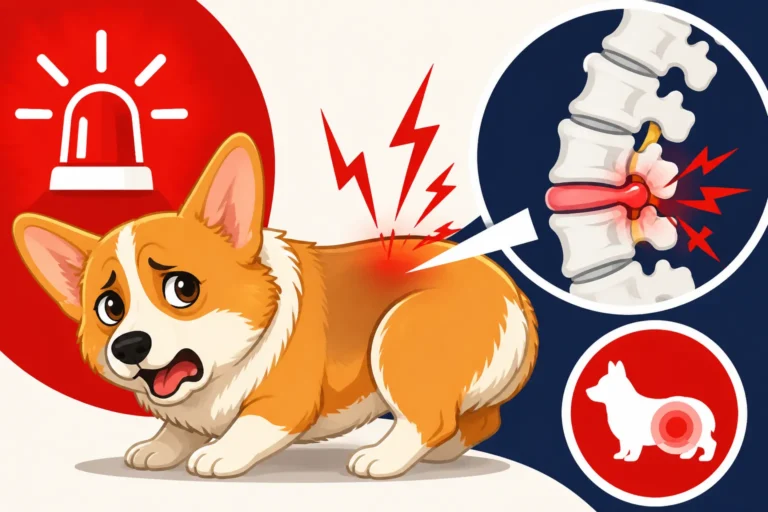
Imagine the spine as a stack of bony vertebrae, much like a pile of small spools. Between each of these vertebrae, you have a soft, jelly-filled cushion called an intervertebral disc. These discs act as shock absorbers, allowing the spine to flex and bend. In Corgis, and other chondrodystrophic breeds – that's the fancy term for dogs with abnormally short legs due to genetic cartilage development issues – these discs are prone to premature degeneration. Instead of staying soft and pliable, they can harden and become calcified.
When one of these hardened discs experiences stress, often from a simple jump, a misstep, or even just daily movement, it can rupture. This means the outer fibrous layer tears, allowing the jelly-like center (or the calcified material) to extrude or bulge into the spinal canal, where the delicate spinal cord resides. This sudden compression of the spinal cord is what causes everything from mild pain to complete paralysis, depending on the severity and location of the rupture.
Why Corgis Are So Prone to This Problem
It all comes down to their unique body structure, a trait that we often find so endearing. That long, low body, while perfect for herding cattle by nipping at their heels and avoiding kicks, puts immense strain on their spinal column. The genetic predisposition that gives them their characteristic short legs, known as chondrodystrophy, is also what makes their intervertebral discs degenerate much earlier than in most other breeds. This means their discs lose their shock-absorbing capabilities and become brittle, often by the time they are just a few years old.
Activities that might seem completely normal for another dog, like jumping off a sofa, running down stairs, or even just roughhousing with other dogs, can put undue pressure on these already compromised discs. It’s a constant tightrope walk for Corgi owners, trying to give their energetic dogs a good life while simultaneously trying to protect their fragile backs. You can learn more about how Disc Disease in a Long-Backed Corgi specifically impacts them.
The Different Grades of Disc Injury
Not all disc ruptures are created equal, and understanding the "grade" of injury is crucial for determining the prognosis and treatment path. Vets typically use a grading system from 1 to 5, sometimes even 6, to classify the neurological deficit caused by the spinal cord compression.
A Grade 1 injury might just mean your Corgi is showing some pain but still has full motor function. Maybe they're a little stiff, hesitant to jump, or yelp when you pick them up. Grade 2 involves moderate pain and some weakness or incoordination in their hind limbs, but they can still walk. By Grade 3, your Corgi might be able to move their legs, but they're struggling to bear weight or are very wobbly, often called "ataxic" or "paresis." Grade 4 is when they're largely unable to walk, exhibiting paralysis but still retaining some deep pain sensation, which is a critical indicator. The most severe, Grade 5, means complete paralysis and the devastating loss of deep pain sensation in the affected limbs. There's also sometimes a Grade 6 for dogs that have lost deep pain sensation for longer than 48 hours, which carries a much poorer prognosis.
Immediate Actions and Emergency Care for a Ruptured Disc
The moment you suspect a disc rupture, it’s a terrifying rush against time. Every second counts in preserving neurological function and minimizing further damage. Knowing what to do immediately can make a significant difference in your Corgi's recovery outcome.
Recognizing the Emergency Signs
The signs of a disc rupture can vary widely, from subtle discomfort to sudden, complete paralysis. It's essential to be vigilant. You might notice your Corgi crying out in pain, especially when touched or moved. They might be reluctant to move, walk stiffly, or develop a hunched back or neck. Often, owners observe their Corgi dragging one back foot, or their back legs crossing over when they try to walk. Weakness in the hind legs, stumbling, wobbling, or even an inability to stand up can all be indicators. In severe cases, they might lose bladder or bowel control.
Sometimes, the signs are more specific to their gait, like a new reluctance to jump on furniture or use stairs, or an unexpected change in their tail carriage. If you see any of these signs, particularly if they appear suddenly, it's an emergency. Don't wait to see if it gets better on its own. Learn to identify the Emergency Signs of a Corgi Disc Injury so you can act quickly.
The Critical First Hours After Injury
Once you recognize the signs, the absolute priority is to keep your Corgi as still as possible and get them to an emergency veterinarian immediately. Avoid letting them walk or jump, as any movement can worsen the spinal cord compression. Gently lift them, supporting their entire body, especially their back, like you're carrying a plank of wood. A sling or a firm blanket can be useful for this. Place them in a crate or a carrier that restricts movement for the car ride.
Call ahead to the veterinary clinic or emergency hospital to let them know you're coming and describe your Corgi's symptoms. This allows them to prepare for your arrival and expedite the initial assessment. Time is of the essence; the sooner treatment begins, the better the chances of a positive outcome. This is when having pet insurance like Healthy Paws can be a huge relief, as emergency visits can be incredibly expensive, and you don't want to delay care because of financial concerns.
Initial Veterinary Assessment and Diagnostics
At the vet, a thorough neurological exam will be performed. The vet will assess your Corgi's gait, reflexes, pain response, and proprioception (their awareness of where their limbs are in space). This helps them localize the injury to a specific region of the spine and determine the severity of neurological deficits. Based on this initial exam, they'll usually recommend diagnostic imaging. X-rays can show some changes, but they aren't definitive for disc ruptures.
The gold standard for diagnosing IVDD and pinpointing the exact location of the ruptured disc is an MRI (Magnetic Resonance Imaging) or a CT scan. These imaging techniques provide detailed views of the soft tissues, allowing the vet to see the compressed spinal cord clearly. An MRI, in particular, will give the clearest picture of What an MRI Shows in a Corgi Back, enabling the surgical team (if surgery is pursued) to plan precisely. These advanced diagnostics can be costly, but they are vital for accurate diagnosis and treatment planning.
Conservative Management: When Surgery Isn't the First Step
For Corgis with milder disc injuries (typically Grade 1 or 2, sometimes even Grade 3 if pain sensation is intact and paralysis isn't complete), conservative management might be the initial course of action. This approach avoids surgery but demands extreme dedication and discipline from you, the owner.
Strict Crate Rest: The Foundation of Non-Surgical Recovery
The cornerstone of conservative management is absolute, strict crate rest. This isn't just about limiting activity; it means your Corgi should spend 24/7 in a confined space, like a dog crate or a small pen, only coming out for very short, leashed potty breaks. No jumping, no running, no stairs, no playing. This can be incredibly challenging for an active, intelligent Corgi, but it's vital to allow the spinal cord swelling to reduce and for the disc material to hopefully resorb or stabilize, preventing further protrusion into the spinal canal.
This period of rest typically lasts anywhere from 4 to 8 weeks, sometimes even longer, depending on the severity of the injury and your Corgi's response to treatment. During this time, you'll need to carry them outside for bathroom breaks and monitor them closely for any changes in their condition. It's a test of patience for everyone involved, but crucial for recovery. For more specific guidance, read up on Crate Rest for a Corgi With a Bad Back.
Medication Protocols and Pain Management
Alongside strict rest, your veterinarian will prescribe a regimen of medications designed to reduce inflammation, manage pain, and relax muscles. This typically includes anti-inflammatory drugs (NSAIDs or corticosteroids), pain medications (such as gabapentin or tramadol), and muscle relaxants. It's incredibly important to follow your vet's instructions precisely regarding dosage and administration. Never give your Corgi over-the-counter human pain medications, as these can be toxic or interact dangerously with prescribed drugs.
Regularly assessing your Corgi's pain level will be crucial. If they seem to be in more pain, or their neurological symptoms worsen, it's a sign that the current treatment plan might not be sufficient, and you should contact your vet immediately. The goal of medication is not just to make them comfortable, but to control the inflammation that can cause secondary spinal cord damage.
The Realities of Recovery with Conservative Treatment
While conservative management can be successful, it comes with its own set of challenges and uncertainties. The recovery period can be long, and there's always a risk of relapse or worsening of symptoms, especially if strict rest isn't maintained. It requires an incredible amount of dedication from the owner, ensuring no "cheating" on crate rest occurs. This can be particularly tough if you have a Corgi with a lot of energy and a stubborn personality.
The success rate for conservative management varies, but studies often show positive outcomes for dogs with milder symptoms (Grade 1-3). However, it's important to have a realistic discussion with your vet about the chances of success for your Corgi's specific grade of injury and to be prepared for the possibility of needing to consider surgery if conservative treatment fails. This is a critical point in determining Whether a Corgi Needs Surgery or Rest.
| Grade of IVDD Injury | Primary Treatment Consideration | Typical Recovery Period (if successful) | Recurrence Risk (after successful treatment) |
|---|---|---|---|
| Grade 1 (Pain only) | Strict Crate Rest, Pain Medication | 2-4 weeks | Moderate |
| Grade 2 (Pain + mild weakness/wobbling) | Strict Crate Rest, Pain/Anti-inflammatories | 4-8 weeks | Moderate to High |
| Grade 3 (Severe weakness, struggles to walk) | Strict Crate Rest OR Surgery | 6-12+ weeks | High (if conservative) |
| Grade 4 (Paralysis, deep pain present) | Surgery (preferred) | 8-16+ weeks | Moderate (after surgery) |
| Grade 5 (Paralysis, no deep pain present) | Emergency Surgery (critical) | 12-24+ weeks | Moderate (after surgery) |
Note: This table provides general guidelines. Individual recovery times and risks can vary significantly based on factors like age, overall health, and commitment to rehabilitation.
Surgical Intervention: When It's Necessary for Recovery
For Corgis with more severe disc ruptures, especially those with paralysis (Grade 4 or 5) or rapidly worsening neurological deficits, surgery is often the most effective, and sometimes the only, path to recovery. It's a major decision, both emotionally and financially, but it offers the best chance for restoring function.
Deciding if Surgery is the Right Path
The decision to proceed with spinal surgery is typically made after a thorough discussion with your veterinary neurologist or surgeon. They will consider the grade of your Corgi's injury, how quickly symptoms developed, the results of the MRI, and your Corgi's overall health. For Corgis that have lost the ability to walk or are rapidly losing deep pain sensation, emergency surgery is usually recommended as soon as possible, ideally within 24-48 hours of the onset of severe symptoms. The longer the spinal cord remains compressed, the less likely it is to recover.
If conservative management has failed to improve symptoms after a reasonable period, or if your Corgi's condition worsens while on strict rest, surgery becomes the next logical step. While expensive, having a robust pet insurance plan like one from Healthy Paws can significantly mitigate the financial burden, allowing you to focus on your Corgi's care rather than the overwhelming cost.
What Spinal Surgery Involves for a Corgi
Spinal surgery for IVDD in Corgis is a specialized procedure, typically performed by a board-certified veterinary neurologist or surgeon. The most common procedure is a hemilaminectomy, where a small window is carefully drilled into the bone on one side of the affected vertebra to access the spinal canal. The surgeon then meticulously removes the ruptured disc material that is compressing the spinal cord. This decompression aims to relieve pressure on the delicate nerves, allowing them to heal.
The surgery is delicate and requires advanced equipment and expertise. It's performed under general anesthesia, and your Corgi will likely need to stay at the veterinary specialty hospital for several days for post-operative monitoring and pain management. Understanding the intricacies of Spinal Surgery on a Corgi can help ease your concerns about the procedure itself.
Post-Surgical Care and Hospitalization
Following surgery, your Corgi will require intensive post-operative care, usually in a dedicated veterinary hospital. This includes strict confinement, pain medication, anti-inflammatory drugs, and close monitoring for complications like infection, urine retention, or further neurological deterioration. The veterinary team will manage their pain, assist with bladder expression if necessary, and ensure they are comfortable.
Once stable enough to go home, your Corgi will still need weeks of strict crate rest, similar to conservative management, but this time it's to allow the surgical site to heal and the spinal cord to recover from both the injury and the surgery. This phase is absolutely critical for the success of the operation. You'll need to be diligent about medication schedules, wound care, and managing their mobility as they slowly begin the rehabilitation process.
The Long Road to Recovery: Rehabilitation and Support
Whether your Corgi undergoes conservative management or surgery, the journey doesn't end when the initial phase of rest is over. Recovery from a disc rupture is a marathon, not a sprint, and rehabilitation plays a pivotal role in maximizing their chances of regaining full function.
Physiotherapy and Hydrotherapy: Crucial for Rebuilding Strength
Once your vet clears your Corgi for more activity, usually after several weeks of strict rest, rehabilitation therapies become paramount. Physiotherapy, often called physical therapy, involves a variety of exercises and modalities to help your Corgi regain strength, coordination, and proprioception. This can include passive range of motion exercises, therapeutic exercises, balance work, and therapeutic massage.
Hydrotherapy, which involves exercises in a warm water treadmill or pool, is incredibly beneficial because the buoyancy of the water reduces strain on the spine while allowing your Corgi to move their limbs and build muscle strength. Many Corgis respond wonderfully to hydrotherapy, as it helps them move without the full impact of gravity, improving muscle mass and circulation. Finding a certified canine rehabilitation therapist (CCRT or CCRP) is ideal, as they can design a tailored program for your Corgi's specific needs. For more about this, you can look into Physiotherapy for a Corgi Losing Its Legs, as many of the principles apply to disc injury recovery as well.
Home Modifications and Mobility Aids
To support your Corgi's recovery and prevent future injuries, your home environment will need some adjustments. Ramps are non-negotiable for Corgis, especially those recovering from back injuries. This means ramps to get onto sofas, beds, and into and out of cars. Eliminating stairs or blocking access with baby gates is also crucial. Consider runners or rugs over slippery hardwood or tile floors to provide better traction, reducing the risk of slips and falls.
For Corgis with significant hind limb weakness or paralysis, mobility aids like slings, harnesses (especially those that support the hind end), or even custom wheelchairs can make a huge difference in their quality of life. A support sling can help you assist them during potty breaks or short walks, while a well-fitted cart can allow a paralyzed Corgi to move independently and enjoy life outside. Remember, even if your Corgi is recovering well, prevention is key to avoiding recurrence. Taking preventative measures now, like investing in Ramps and Steps That Save a Corgi's Back, can be invaluable.
Emotional Support for Your Corgi and Yourself
The recovery process for a disc rupture can be long, frustrating, and emotionally draining for both you and your Corgi. They might be confused or scared by their limited mobility, and you might feel overwhelmed by the care requirements and the emotional toll. It's vital to provide consistent positive reinforcement, praise, and gentle affection during this time. Keep their routine as predictable as possible, and engage them with mentally stimulating activities that don't involve physical movement, like puzzle toys or scent games, to keep their spirits up.
Don't forget to take care of yourself, too. Reach out to online Corgi communities or IVDD support groups. Talking to others who have been through similar experiences can provide invaluable emotional support, practical tips, and a sense of not being alone. This journey is a testament to the incredible bond you share with your Corgi, and perseverance is key.
Prognosis and Long-Term Outlook After a Corgi Disc Rupture
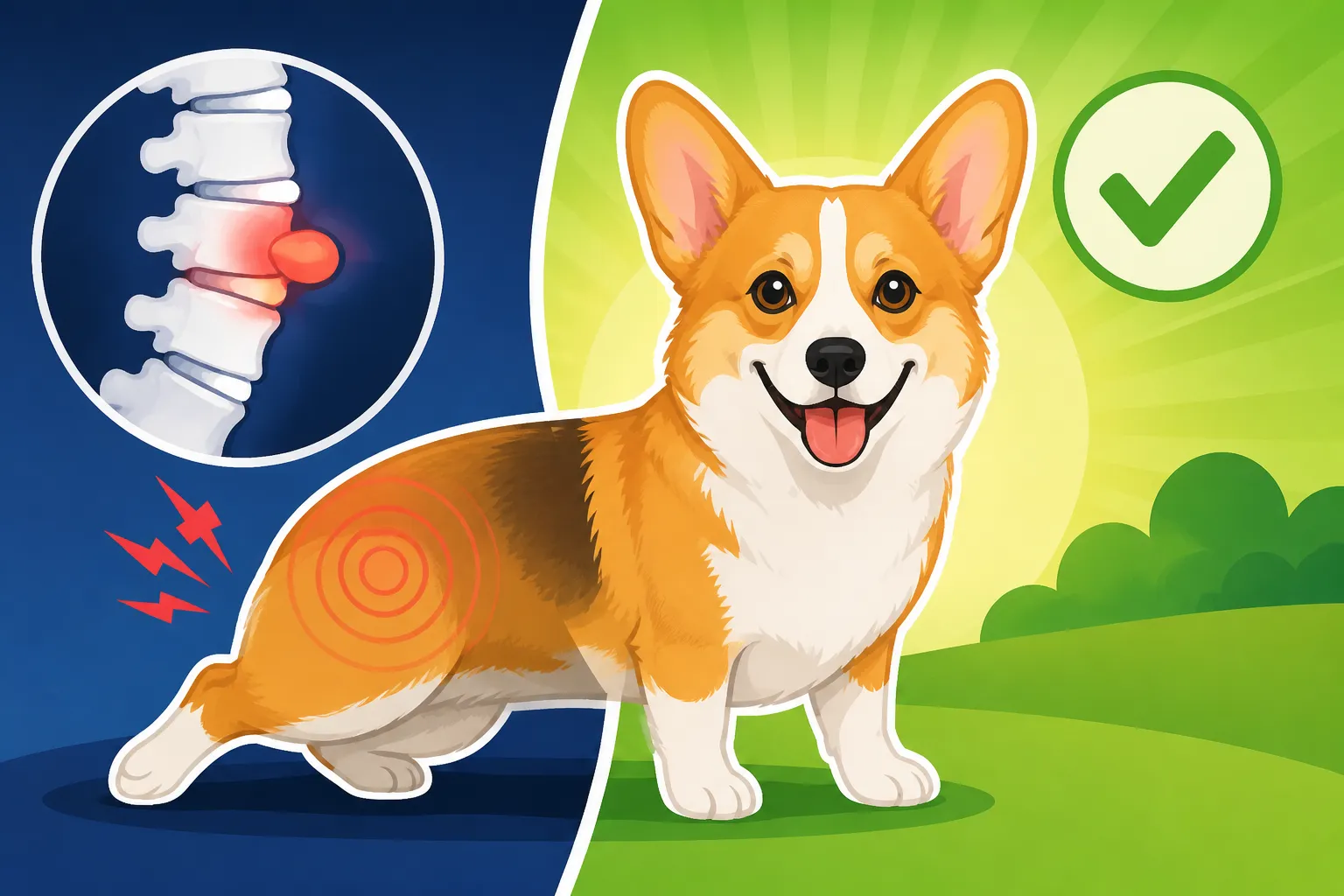
The question of whether a Corgi fully recovers from a disc rupture is complex, with many factors influencing the outcome. While many Corgis can go on to live happy, fulfilling lives, it's rare for them to return to exactly how they were before the injury without ongoing management and care.
Factors Influencing a Corgi's Recovery Rate
Several critical factors determine the likelihood and extent of a Corgi's recovery:
- Severity of Injury (Neurological Grade): This is perhaps the most significant factor. Corgis with milder injuries (Grades 1-3) generally have a better prognosis with either conservative management or surgery. For those with complete paralysis but retained deep pain sensation (Grade 4), surgery offers a good to excellent prognosis, often 80-90% chance of walking again. However, if deep pain sensation is lost (Grade 5), especially for more than 48 hours, the prognosis drops significantly, often to 50% or less even with immediate surgery.
- Speed of Treatment: The faster a Corgi receives appropriate veterinary care and begins either strict rest or surgery, the better their chances of recovery.
- Owner Compliance: Strict adherence to crate rest, medication schedules, and rehabilitation protocols is paramount. Any "cheating" can set back recovery or cause a relapse.
- Age and General Health: Younger, healthier Corgis tend to recover better than older dogs with pre-existing conditions.
- Location of Injury: Lumbar (lower back) injuries generally have a better prognosis than cervical (neck) injuries, though both can be severe.
- Aggressiveness of Rehabilitation: Consistent, appropriate physiotherapy and hydrotherapy can significantly improve outcomes, speeding up strength and coordination recovery.
Knowing these variables helps manage expectations about Recovery Rates After Corgi Disc Surgery or conservative treatment.
Potential Complications and Recurrence Risk
Even with a successful recovery, Corgis are always at risk for future complications. Scar tissue can form around the spinal cord, and residual neurological deficits such as mild weakness, occasional stumbling, or urinary/fecal incontinence can sometimes persist. Some Corgis may also develop spinal instability at the site of the original injury or in other parts of their long back.
Perhaps the biggest concern for Corgi owners is the risk of recurrence. Because the underlying disc degeneration is widespread, a Corgi who has suffered one disc rupture is at a higher risk of experiencing another one, sometimes at a different location along the spine. This is why preventative measures, such as ongoing avoidance of jumping, careful handling, weight management, and potentially lifelong joint supplements, are crucial. Understanding Whether a Corgi Disc Injury Comes Back is vital for long-term management.
Living a Full Life After a Disc Injury
Despite the challenges, many Corgis who suffer a disc rupture can go on to live happy, active lives. It often means a "new normal" for both the dog and the owner, one that involves careful management, ongoing preventative care, and sometimes adjustments to their lifestyle. This might include using ramps religiously, continuing with specific exercises at home, or maintaining a slightly more restricted activity level to minimize strain on their back.
The joy they bring, the waddle, the sassy personality – these aspects remain. Your bond will likely grow even stronger through the intensive care and dedication required for recovery. With patience, consistent care, and the guidance of your veterinary team, your Corgi can absolutely thrive after a disc rupture, embracing their unique Corgi spirit every day.
Disclaimer
The information provided in this guide is for general informational purposes only and does not constitute veterinary medical advice. Always consult with a qualified veterinarian or veterinary specialist for any health concerns or before making any decisions about your Corgi's health or treatment plan.