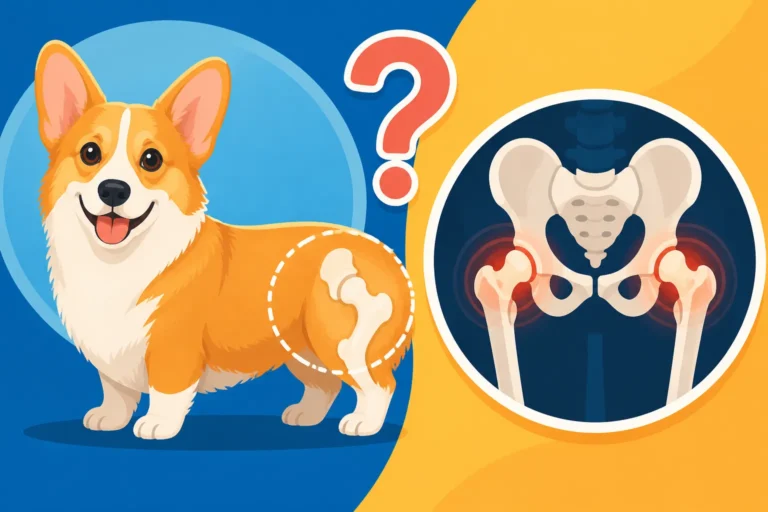
Why Pembrokes Sit at the Top of DM Lists
It can be incredibly disheartening, even scary, to learn about health issues that disproportionately affect certain breeds, especially when you've fallen head over heels for their charm. For many Corgi lovers, the phrase "Degenerative Myelopathy" (DM) looms large, often accompanied by the observation that Pembroke Welsh Corgis seem to be particularly susceptible. This isn't just an anecdotal fear; there's a real genetic basis and historical context for why Pembrokes frequently appear at the top of DM lists, and understanding this truth is the first step toward informed pet parenthood. This guide will delve into the reasons behind this perceived predisposition, exploring the genetics, history, and what it all means for current and prospective Pembroke owners.
Understanding Degenerative Myelopathy in Corgis
Degenerative Myelopathy is a progressive neurological disease affecting the spinal cord, leading to weakness and eventually paralysis, primarily in the hind limbs. It's a cruel condition because, unlike some painful back problems, DM itself isn't painful, yet it steadily robs a dog of its mobility. For a breed as active and spirited as the Corgi, losing the ability to run and play is a profound challenge, both for the dog and its devoted family. Many owners struggle with distinguishing this from other common back ailments; if you're ever worried, it's worth checking out information on Telling a Corgi's Slipped Disc From Myelopathy.
The insidious nature of DM lies in its gradual progression. It typically starts with subtle signs, like a slight scuffing of the back paws or an awkward gait, and slowly worsens over months or even years. This slow decline makes it difficult to pinpoint early on, and owners often attribute initial symptoms to aging or minor injuries. As the disease advances, the dog's coordination deteriorates, making it harder to stand, walk, and eventually, to control bowel and bladder functions.
The SOD1 Gene and Its Role
At the heart of why Pembrokes are so often linked with DM is a specific genetic mutation in the SOD1 gene. This gene is responsible for producing an enzyme called superoxide dismutase 1, which plays a crucial role in protecting cells from oxidative damage. When there's a mutation in this gene, the enzyme doesn't function correctly, leading to a breakdown in the nerve cells of the spinal cord. It's similar in some ways to Amyotrophic Lateral Sclerosis (ALS) in humans, affecting the motor neurons.
Dogs inherit two copies of every gene, one from each parent. For DM, there are three possible genotypes for the SOD1 gene:
- Clear (N/N): The dog has two normal copies of the gene and will not develop DM due to this specific mutation.
- Carrier (N/A): The dog has one normal copy and one mutated copy. It's unlikely to develop DM, but it can pass the mutated gene to its offspring. It's worth remembering that Why a Corgi Carrying the DM Gene Usually Stays Well is an important distinction for many owners.
- At-Risk (A/A): The dog has two mutated copies of the gene. This dog is genetically predisposed to developing DM, though it's important to understand that not all "at-risk" dogs will actually develop the disease in their lifetime. There's a lot of helpful information about How Few Corgis Actually Develop DM.
This genetic basis means that responsible breeding practices are absolutely vital. Breeders who understand this gene can make informed decisions to reduce the incidence of DM in future generations. Detailed information about interpreting test results can be found in resources like Reading a Corgi SOD1 Test Result.
How DM Manifests in Pembrokes
While DM is a systemic neurological disease, its symptoms in Pembrokes typically begin in the hindquarters. You might first notice your Corgi's back paws starting to drag, causing the nails to wear down unevenly, or perhaps a slight wobbliness in their stride. This isn't just an isolated incident; it progresses. They might stumble more often, especially on uneven ground, or struggle with stairs. Eventually, their hind legs might cross over when they walk, or they might develop a noticeable weakness that makes it hard for them to get up from a lying position.
The progression of DM is often bilateral, meaning it affects both hind legs, though one side might appear slightly worse than the other initially. As the disease advances, muscle atrophy becomes apparent in the hindquarters, and eventually, the dog loses the ability to walk. This can be a very distressing period for owners, seeing their once-active companion slowly lose their independence. The timeline for progression can vary, but generally, from the first noticeable signs to significant mobility loss, it can span anywhere from six months to three years. Learning about The First Signs of DM in a Corgi can help owners prepare.
Why Pembrokes Are Overrepresented on DM Lists
When we talk about DM, it's almost impossible not to mention Pembroke Welsh Corgis right away. They, along with breeds like German Shepherds and Boxers, are frequently highlighted in discussions and studies about the disease. This isn't because Pembrokes are inherently weaker or somehow genetically inferior; rather, it's a complex interplay of historical breeding practices, population genetics, and the success of modern genetic testing.
The situation with Pembrokes and DM is a classic example of what can happen in closed gene pools, particularly with popular breeds. While it might feel unfair, understanding these factors helps in moving forward with responsible breeding and ownership decisions.
The Founder Effect and Breed Popularity
The primary reason Pembrokes are so often linked to DM goes back to their breeding history. It's believed that the SOD1 mutation was present in a relatively small number of foundational Corgis – the "founder animals" – from which a large portion of today's Pembroke population descends. As the breed gained popularity, especially after Queen Elizabeth II became known for her affection for them, the demand for Corgis surged.
Unfortunately, before the advent of widespread genetic testing, breeders weren't aware of this specific gene. This meant that even well-meaning breeders could inadvertently breed carriers or at-risk dogs, spreading the mutation more widely throughout the gene pool. The "founder effect" combined with increasing popularity meant that the frequency of the SOD1 mutation became significantly higher in Pembrokes compared to many other breeds. When a breed has a relatively small genetic base, even a few individuals carrying a specific mutation can have a substantial impact on the entire population over time.
Genetic Testing and Data Collection
Another crucial reason Pembrokes appear so frequently on DM lists is the widespread adoption of genetic testing. Reputable Corgi breeders have embraced DNA testing for DM, making it a standard practice before breeding. This means that a huge amount of data exists specifically for Pembroke Welsh Corgis regarding their SOD1 status. When you have more dogs being tested, you naturally have more data points indicating the presence of the gene.
For instance, labs like those at the Orthopedic Foundation for Animals (OFA) collect and publish these results, providing a comprehensive database. This transparency, while sometimes alarming to new owners, is actually a positive step for the breed, allowing breeders to make informed decisions. It's not necessarily that Pembrokes have a higher incidence of the gene than other breeds with similar issues, but rather that their community is actively screening, thus bringing the issue to light more prominently. This dedication to screening is a testament to the Corgi community's commitment to improving breed health.
Here's a simplified look at how genetic testing influences breeding decisions:
| Parent 1 Genotype | Parent 2 Genotype | Offspring Probability (DM Risk) | Breeding Recommendation |
|---|---|---|---|
| N/N (Clear) | N/N (Clear) | 100% N/N (Clear) | Excellent |
| N/N (Clear) | N/A (Carrier) | 50% N/N, 50% N/A | Acceptable |
| N/N (Clear) | A/A (At-Risk) | 100% N/A (Carrier) | Acceptable (mate to N/N) |
| N/A (Carrier) | N/A (Carrier) | 25% N/N, 50% N/A, 25% A/A | Discouraged |
| N/A (Carrier) | A/A (At-Risk) | 50% N/A, 50% A/A | Highly Discouraged |
| A/A (At-Risk) | A/A (At-Risk) | 100% A/A (At-Risk) | Not Recommended |
This table is a simplified guide. Responsible breeding involves considering many other health factors and individual dog assessments.
What This Means for Pembroke Owners and Breeders
Discovering that Pembrokes are predisposed to DM can be a heavy piece of information, whether you're a prospective owner, a new puppy parent, or have an older Corgi. It certainly doesn't mean you should shy away from the breed, but it does emphasize the critical importance of being informed and proactive. Responsible choices now can make a huge difference in the lives of Corgis for generations to come.
Understanding the implications for both breeding and day-to-day care is paramount. It allows us to advocate for healthier practices and provide the best possible life for our furry family members. For anyone considering breeding, asking Whether an At-Risk Corgi Should Be Bred is a serious and necessary question.
Importance of Genetic Screening for Breeders
For any ethical Pembroke Welsh Corgi breeder, genetic screening for DM is non-negotiable. It's one of The DNA Tests a Corgi Breeder Should Run to ensure the health of their lines. By testing all breeding dogs for the SOD1 gene mutation, breeders can make educated decisions about pairings to reduce the number of puppies born "at-risk." The goal isn't necessarily to eradicate carrier dogs from the gene pool entirely, as that could severely limit genetic diversity, but rather to ensure that no two "carrier" or "at-risk" dogs are bred together.
A responsible breeder will openly share the DM test results of both parents, along with other health clearances (like hips and eyes), with prospective buyers. If a breeder cannot or will not provide this information, it should be a significant red flag. This transparency helps ensure that you are bringing home a puppy with the best possible genetic start, and it supports the long-term health of the entire breed. Breeders who prioritize health screenings are truly investing in the future of the Pembroke Welsh Corgi.
Navigating Life with an At-Risk or Affected Corgi
If your Corgi tests "at-risk" (A/A) for DM, it's natural to feel anxious. However, remember that "at-risk" doesn't mean "guaranteed to develop DM." Many at-risk Corgis live full, happy lives without ever showing symptoms. The diagnosis simply means you're armed with knowledge, allowing you to be more vigilant about their health and lifestyle. Paying attention to The Corgi Years When the Back End Gives Out can help you monitor potential issues.
Should your Corgi begin to show subtle signs that might indicate DM, such as hind limb weakness or scuffing, consult your veterinarian immediately. They may recommend a neurological exam or refer you to a veterinary neurologist. While there's currently no cure for DM, early diagnosis allows for management strategies aimed at maintaining muscle mass and quality of life for as long as possible. This can include regular Physiotherapy for a Corgi Losing Its Legs, controlled exercise, maintaining a healthy weight to reduce strain on the joints, and providing supportive aids like ramps and nonslip flooring. It's a challenging journey, and having a vet or neurologist who truly understands What a Neurologist Checks in a Corgi is invaluable. The emotional toll can be immense, but focusing on comfort and quality of life is key, and resources like How Long a Corgi Lives After a DM Diagnosis can offer a realistic perspective.
Insurance Considerations for Corgi Health
When considering the potential for conditions like Degenerative Myelopathy in Corgis, pet insurance becomes a topic that many owners ponder deeply. The costs associated with diagnosing, managing, and providing supportive care for a chronic neurological condition can be substantial, easily running into thousands of dollars over the lifetime of an affected dog. This includes specialist consultations, diagnostic imaging (though DM is often a diagnosis of exclusion), medications for secondary issues, and ongoing therapies like hydrotherapy or acupuncture.
Investing in pet insurance when your Corgi is young and healthy, ideally before any symptoms or diagnoses arise, is a smart move. Policies typically have waiting periods and will not cover pre-existing conditions. So, if you wait until your Corgi starts showing signs of hind limb weakness, that specific condition may be excluded from coverage. Providers like Healthy Paws are known for comprehensive coverage that can help mitigate the financial burden of unexpected serious illnesses or injuries. It's important to research different plans and understand what they cover, including hereditary and chronic conditions. While Healthy Paws aims to provide extensive coverage for unexpected illnesses and accidents, it’s always crucial to read the policy details carefully to understand how conditions like DM might be addressed. Thinking ahead about pet insurance can offer immense peace of mind.
Disclaimer
The information provided in this article is for general informational purposes only and does not constitute veterinary advice. Always consult with a qualified veterinarian or veterinary specialist for any health concerns or before making any decisions related to your pet's health and treatment.