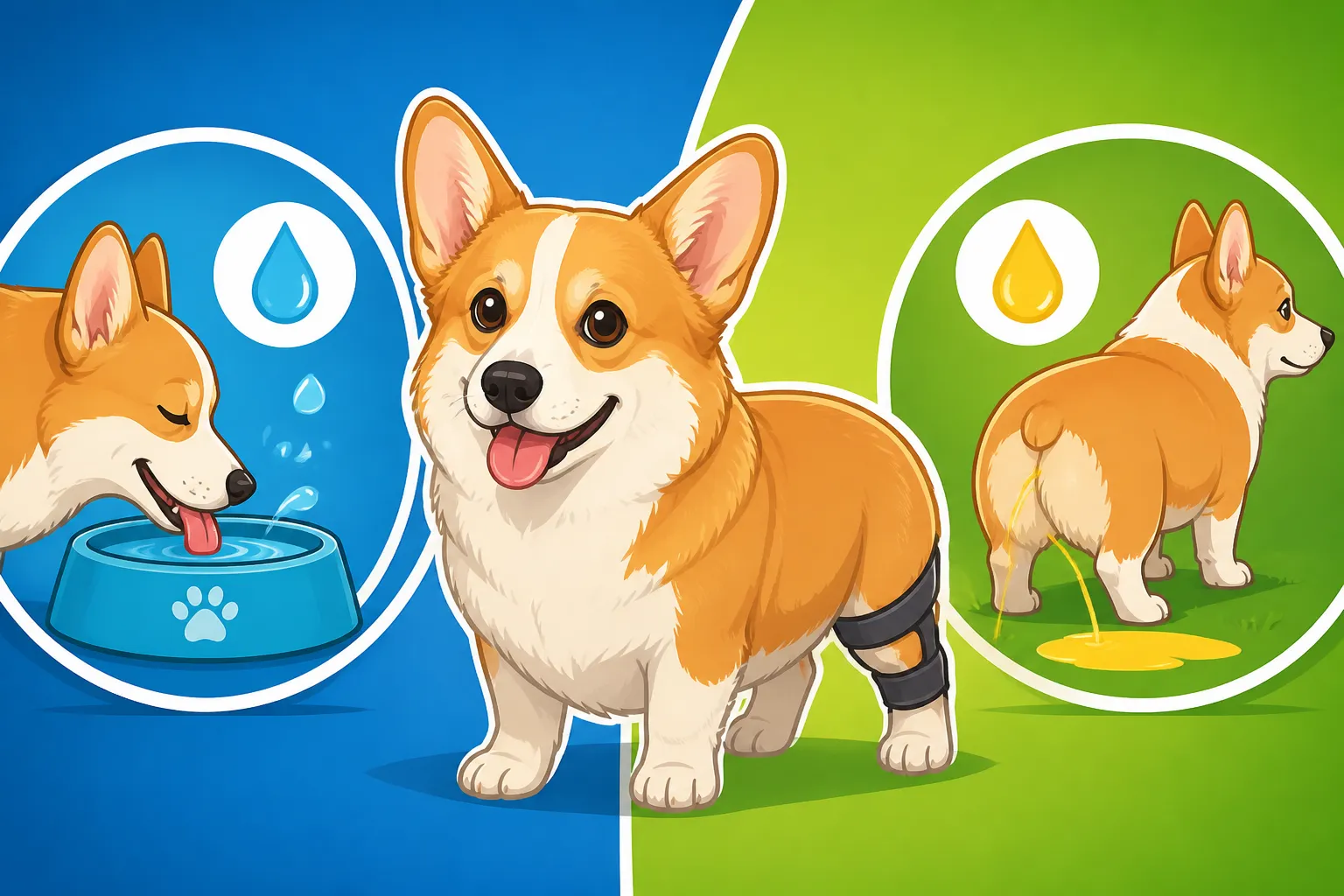
A Corgi Drinking and Urinating More With Age
It can be incredibly disheartening, and frankly, a bit puzzling, when your beloved Corgi, who’s been a picture of health for years, suddenly seems to be glued to the water bowl or constantly nudging you for another trip outside. You might find yourself cleaning up more indoor accidents than ever before, or wondering if your usually well-behaved senior Corgi has forgotten their potty training. This guide is here to walk you through why your older Corgi might be drinking and urinating more, what potential health concerns could be at play, and how you can work with your vet to ensure they get the best possible care as they age gracefully.
Understanding Increased Thirst and Urination in Senior Corgis
When a Corgi starts drinking more water than usual, veterinarians call this "polydipsia." The natural consequence of drinking more is, of course, urinating more, which is termed "polyuria." These two often go hand-in-hand and are common signs that something in your senior Corgi's body might be out of balance. It's a signal, a flashing light that your dog's system is working harder, or perhaps less efficiently, than it used to.
Normal Aging Versus Concerning Changes
It’s easy to dismiss subtle changes in an older dog as just "part of getting old," and to some extent, that's true. Just like humans, Corgis experience a gradual decline in organ function as they age. Their kidneys might not concentrate urine as effectively, leading to slightly increased water intake to compensate. Their overall metabolism can slow, and they might have less energy, which can sometimes manifest in different patterns of behavior. However, there's a significant difference between a mild, gradual increase in thirst and urination, and a sudden or dramatic change that impacts their daily life.
A slight increase in water consumption over months might be a benign part of their aging process, especially if they remain otherwise bright and active. But if you notice your Corgi draining their water bowl several times a day when they used to take sips, or if they’re asking to go out every hour on the hour, even waking you up multiple times a night, it's definitely time to pay closer attention. It's also concerning if these changes are accompanied by other symptoms like lethargy, changes in appetite, weight loss or gain, or vomiting. These are not typical signs of healthy aging and warrant immediate veterinary investigation. Think of it this way: a senior dog slowing down a bit is normal, but a senior dog suddenly unable to hold their bladder is a red flag.
Why Hydration is Crucial for Older Dogs
Even if the increased drinking is a symptom of an underlying issue, maintaining hydration is still incredibly important for your senior Corgi. Dehydration can exacerbate existing conditions and lead to a host of new problems. Fresh, clean water should always be readily available, and in multiple locations if possible, especially if your Corgi finds it harder to move around. Some older dogs might benefit from elevated water bowls, which can make drinking more comfortable if they have issues like arthritis or a sore neck. While increased drinking can be a sign of trouble, restricting water is almost never the answer and can actually be dangerous. Your vet will guide you on the best course of action once a diagnosis is made. Keeping them hydrated, even as you seek answers, is key to supporting their overall health.
Common Health Conditions Leading to Increased Thirst and Urination
When an older Corgi starts drinking and urinating more, it often points to one of several common health conditions that tend to affect senior dogs. These aren't always serious if caught early, but they do require veterinary attention.
Kidney Disease
Perhaps one of the most common culprits in older dogs exhibiting increased thirst and urination is chronic kidney disease. As Corgis age, their kidneys can gradually lose their ability to filter waste products from the blood and concentrate urine. This means the kidneys allow more water to pass into the urine, leading to dilute urine and the body's need to take in more water to prevent dehydration. It's a vicious cycle where the dog drinks more, and therefore pees more, but the underlying kidney function continues to decline.
The early signs of kidney disease can be very subtle, often just increased drinking and urination, sometimes accompanied by a decreased appetite or general lethargy. As the disease progresses, you might notice weight loss, vomiting, bad breath, and even mouth ulcers. Detecting it early through routine vet checks and blood work is crucial for managing the condition and slowing its progression. You might find it helpful to look into articles on Corgi Kidney and Urinary Problems for more in-depth information. Management usually involves special prescription diets designed to reduce the workload on the kidneys, medications to control symptoms, and plenty of fresh water.
Diabetes Mellitus
Another significant cause of polydipsia and polyuria, especially in Corgis who might have carried a bit too much weight over the years, is diabetes mellitus. This condition occurs when the pancreas doesn't produce enough insulin, or the body doesn't respond properly to the insulin it does produce. Insulin is essential for moving glucose (sugar) from the bloodstream into the cells for energy. When glucose can't enter the cells, it builds up in the blood, leading to high blood sugar. The kidneys try to filter out this excess sugar, and in doing so, they pull a lot of water along with it, resulting in increased urination. This, in turn, makes your Corgi extremely thirsty.
Symptoms of diabetes usually include pronounced increases in thirst and urination, significant weight loss despite a normal or even increased appetite, and sometimes a sweet smell to their urine. If you've been concerned about your Corgi's waistline, it might be worth exploring information on Diabetes Risk in an Overweight Corgi. Diagnosis involves blood and urine tests. Treatment typically involves daily insulin injections, a carefully controlled diet, and regular monitoring of blood sugar levels. While it sounds daunting, many diabetic Corgis live long, happy lives with proper management.
Cushing's Disease (Hyperadrenocorticism)
Cushing's disease, or hyperadrenocorticism, is another common endocrine disorder in older Corgis that can cause increased thirst and urination. This condition results from the body producing too much cortisol, a stress hormone. The excess cortisol affects various bodily functions, including kidney function and water balance. It's often caused by a tumor on the pituitary gland (most common) or the adrenal glands.
Besides polydipsia and polyuria, Corgis with Cushing's often develop a pot-bellied appearance, hair loss (especially on the flanks), thin skin, panting, and muscle weakness. They might also have increased appetite. Diagnosis can be a bit more complex, often requiring specialized blood tests that measure cortisol levels at different times. Once diagnosed, treatment often involves medication to help regulate cortisol production. This is a condition that, while serious, can be managed effectively with the right medication and consistent veterinary care.
Other Potential Causes
While kidney disease, diabetes, and Cushing's are the most frequent culprits, other conditions can also lead to increased drinking and urination in senior Corgis:
- Thyroid Problems: While hypothyroidism (underactive thyroid) is more common in Corgis and often leads to weight gain and lethargy, hyperthyroidism (overactive thyroid) can, in rare cases, cause increased thirst and urination. It’s definitely worth discussing with your vet if you're exploring Corgi Thyroid Problems.
- Liver Disease: Liver dysfunction can sometimes interfere with the body's fluid balance and cause increased drinking.
- Infections: Urinary tract infections (UTIs) are particularly common in older female Corgis and can cause frequent, sometimes painful, urination, often with increased thirst. Bladder stones, which you can learn more about in Why a Corgi Forms Bladder Stones, can also cause similar symptoms.
- Certain Medications: Some medications, like corticosteroids (prednisone) often used for inflammation or allergies, can cause increased thirst and urination as a side effect. If your Corgi is on any long-term medications, discuss this with your vet.
It's clear there are many possibilities, which is why a thorough veterinary examination is the essential next step.
Getting a Diagnosis and What to Expect at the Vet
Noticing your Corgi drinking and urinating more can be worrying, but the good news is that your veterinarian has an arsenal of tools to pinpoint the cause. The diagnostic process is crucial for getting your Corgi the right treatment and can seem overwhelming, especially when you're already concerned about their health.
The Initial Veterinary Consultation
When you bring your Corgi in, your vet will start by gathering a detailed history. This is your chance to really lay out everything you've observed:
- How much more are they drinking? Try to quantify it if possible (e.g., "They used to drink one bowl a day, now it's three").
- How often are they urinating? Are they asking to go out more frequently, or are the accidents more common?
- Any other symptoms? Are they more tired, losing weight, gaining weight, panting more, showing changes in appetite, or experiencing any changes in their coat or skin?
- What's their diet like? Any recent changes?
- What medications are they on? Even over-the-counter supplements.
Your vet will also perform a thorough physical examination, checking everything from their teeth to their tail. They'll feel their abdomen, listen to their heart and lungs, and check their weight and body condition. Sometimes, a physical exam alone can give clues, like an enlarged abdomen suggesting Cushing's, or poor body condition indicative of diabetes or kidney disease. It's often around the age of eight to ten years that you start treating a Corgi as old, and these regular check-ups become even more vital.
Key Diagnostic Tests
Once the physical exam is done, your vet will likely recommend a series of diagnostic tests. These tests are the tools that help them see what's happening internally, beyond what the eye can observe.
1. Urinalysis
This is usually the first and most basic test, but incredibly informative. Your vet will ask for a fresh urine sample (you might need to collect it at home, or they can collect it via a quick procedure). A urinalysis can reveal:
- Urine concentration: Very dilute urine can point to kidney issues or hormonal imbalances (like diabetes insipidus, a rare but possible cause).
- Presence of glucose: High glucose in the urine is a strong indicator of diabetes mellitus.
- Presence of protein: Protein in the urine can signal kidney disease.
- Presence of blood, bacteria, or crystals: These can indicate a urinary tract infection, bladder stones, or inflammation. Your vet might even suggest a urine culture to identify specific bacteria if an infection is suspected.
2. Blood Work
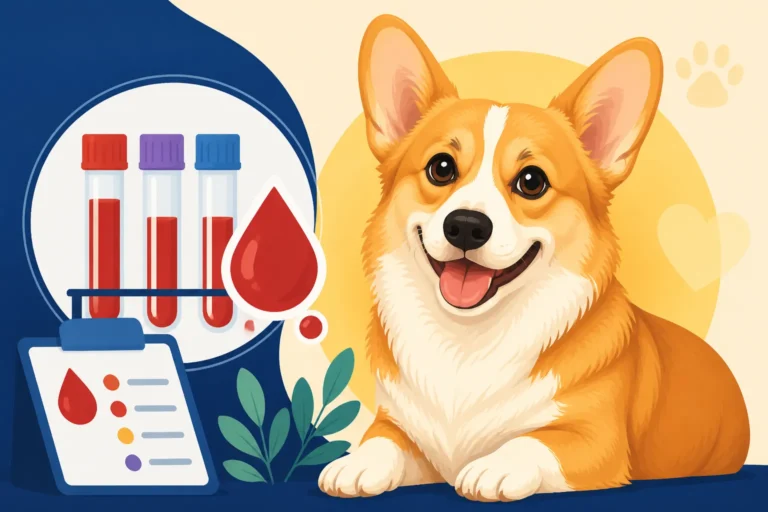
Blood tests are crucial for evaluating organ function and overall health. Your vet will draw a small blood sample and analyze it for several markers. For a senior Corgi, a comprehensive panel is usually recommended. You might find it useful to read up on what a routine Blood Panels for a Corgi Over Ten typically includes. Key markers they'll be looking at include:
- Kidney values: Blood urea nitrogen (BUN) and creatinine indicate how well the kidneys are filtering waste. Elevated levels suggest kidney dysfunction.
- Liver enzymes: Elevated liver enzymes can point to liver disease.
- Glucose levels: High blood glucose confirms diabetes.
- Electrolytes: Imbalances can be associated with various conditions, including kidney disease and Addison's disease (the opposite of Cushing's).
- Thyroid hormone levels: While less common as a primary cause of polydipsia/polyuria, checking thyroid function is part of a complete senior workup.
- Cortisol levels: If Cushing's disease is suspected, specific blood tests (like an ACTH stimulation test or a low-dose dexamethasone suppression test) will be necessary to confirm the diagnosis.
3. Imaging (X-rays, Ultrasound)
Depending on the initial findings, your vet might recommend imaging.
- X-rays can help visualize the kidneys and bladder, looking for bladder stones, kidney size changes, or other abnormalities.
- Ultrasound provides a more detailed view of internal organs, allowing the vet to examine the structure of the kidneys, adrenal glands, liver, and bladder. This can help identify tumors, cysts, or structural changes that aren't visible on X-rays. For example, enlarged adrenal glands on an ultrasound can support a diagnosis of Cushing's disease.
This comprehensive approach allows your vet to either rule out common conditions or zero in on the specific cause, paving the way for effective treatment. It’s also worth noting that pet insurance plans like Healthy Paws can be incredibly helpful in covering the costs of these diagnostic tests and subsequent treatments, providing peace of mind during what can be an expensive and stressful time.
Here’s a quick overview of potential causes and their key diagnostic indicators:
| Condition | Primary Symptoms | Key Diagnostic Indicators (Vet May Check For) |
|---|---|---|
| Chronic Kidney Disease | Increased thirst & urination, lethargy, poor appetite, weight loss, vomiting. | Dilute urine, elevated BUN/Creatinine in blood, protein in urine. |
| Diabetes Mellitus | Excessive thirst & urination, significant weight loss despite good appetite, sweet-smelling urine. | Glucose in urine, high blood glucose. |
| Cushing's Disease | Increased thirst & urination, pot belly, hair loss, panting, muscle weakness, increased appetite. | Elevated cortisol levels (specific blood tests), enlarged adrenal glands on ultrasound. |
| Urinary Tract Infection | Frequent urination (sometimes small amounts), straining, blood in urine, increased thirst. | Bacteria/blood in urine, urine culture. |
| Liver Disease | Increased thirst, lethargy, vomiting, jaundice, weight loss. | Elevated liver enzymes, changes on ultrasound. |
| Hypercalcemia | Increased thirst & urination, lethargy, loss of appetite. | Elevated calcium levels in blood. |
Managing Increased Thirst and Urination in Senior Corgis
Once your veterinarian has a clear diagnosis, the focus shifts to management and treatment. This phase is all about improving your Corgi's quality of life and slowing the progression of any underlying conditions. It requires a partnership between you and your vet, often involving medication, dietary adjustments, and home care.
Tailored Treatment Plans
The treatment for increased thirst and urination is entirely dependent on the underlying cause. There isn't a one-size-fits-all solution, which highlights why accurate diagnosis is so crucial.
- Kidney Disease: For Corgis diagnosed with chronic kidney disease, management often centers around a special prescription diet. These diets are typically lower in protein, phosphorus, and sodium, which reduces the workload on the kidneys and can help slow disease progression. Medications might be prescribed to control phosphorus levels, manage blood pressure, or reduce nausea. Subcutaneous fluid therapy at home can also be a game-changer for some dogs, helping to keep them hydrated and flush out toxins. Regular monitoring of blood and urine values is essential to track progress and adjust treatment.
- Diabetes Mellitus: Treatment for diabetic Corgis involves daily insulin injections, usually twice a day. This might sound intimidating at first, but most owners quickly become proficient, and Corgis are generally very tolerant. A consistent diet, often a prescription diabetic food, is also critical to help regulate blood sugar. Regular blood glucose monitoring, either at home with a glucometer or through periodic vet visits, is necessary to ensure the insulin dose is correct. Early intervention, as noted in articles about The Twelve to Fifteen Year Corgi Lifespan, can often lead to a good prognosis for diabetic dogs.
- Cushing's Disease: Medications like Vetoryl (trilostane) or Anipryl (selegiline) are commonly used to manage Cushing's disease, effectively reducing the body's overproduction of cortisol. These medications require careful dosing and regular blood tests to ensure they are working effectively and not causing side effects. Treatment often alleviates symptoms like increased thirst and urination, panting, and pot-bellied appearance.
Dietary Adjustments and Hydration Support
Beyond specific prescription diets for conditions like kidney disease or diabetes, general dietary considerations are important for any senior Corgi. Ensuring they are on a high-quality, easily digestible food is key. Sometimes, switching to wet food or adding water to kibble can increase their overall water intake, which is beneficial if they are prone to dehydration due to increased urination.
Always ensure your Corgi has constant access to fresh, clean water. You might want to place multiple water bowls around the house, especially if your Corgi is struggling with mobility. Remember that carrying extra weight can exacerbate many health issues, and contributes to issues like What an Ideal Corgi Weighs versus what they might actually weigh, and How Obesity Shortens a Corgi Life. Even though they're drinking more, they still need that continuous supply.
Home Environment Modifications and Comfort
For senior Corgis, especially those with conditions causing increased urination, making adjustments at home can significantly improve their comfort and reduce accidents.
- Increased Potty Breaks: Take your Corgi out more frequently, including before bed, first thing in the morning, and multiple times throughout the day.
- Potty Pads/Diapers: If accidents are happening indoors, doggy pee pads can save your floors and your sanity. Canine diapers are also an option, particularly overnight, though these need to be changed frequently to prevent skin irritation.
- Easy Access to Outdoors: If you have a yard, consider installing a dog door or making it easier for them to get outside quickly when needed.
- Orthopedic Beds: While not directly related to thirst/urination, many senior Corgis develop joint pain. Providing a comfortable, supportive bed can improve their overall well-being and make rest periods more enjoyable. Learn more about general senior care in Pain Relief for an Old Corgi's Back.
- Monitoring: Keep a close eye on their habits. Note any changes in drinking, urination, appetite, energy levels, or behavior. These observations are invaluable for your vet.
It’s completely normal to feel overwhelmed when caring for a senior Corgi with health challenges. Resources are available, and many veterinary clinics have technicians or support staff who can guide you through managing complex conditions like giving insulin injections or administering subcutaneous fluids. Organizations dedicated to Corgi health, and online communities of Corgi owners, can also provide valuable peer support and practical tips. Pet insurance, like that offered by Healthy Paws, can also be a huge help when unexpected vet bills arise from managing chronic conditions, allowing you to focus on your Corgi's care rather than the financial strain. For issues that might affect a senior Corgi's mental state alongside physical changes, also consider reading about An Old Corgi That Gets Lost in the House, as cognitive decline can sometimes complicate management of physical ailments.
Disclaimer
This article is intended for informational purposes only and is not a substitute for professional veterinary advice. Always consult with a qualified veterinarian for any health concerns or before making any decisions about your Corgi's medical care.