Corgi Kidney and Urinary Problems
Few things are as alarming for a Corgi parent as noticing something "off" with their beloved low-rider, especially when it comes to their health. It's truly upsetting when you see your playful companion suddenly struggling or showing discomfort, and urinary or kidney problems can be particularly sneaky, often starting subtly before becoming impossible to ignore. This comprehensive guide is here to walk you through the most common kidney and urinary issues Corgis face, helping you understand the symptoms, navigate diagnostics, and explore treatment options so you can advocate effectively for your furry family member's well-being.
Understanding the Corgi's Urinary System
Our Corgis, with their sturdy builds and endless charm, rely on a surprisingly delicate system to keep their internal workings clean and balanced: their urinary tract. When this system isn't functioning properly, it can lead to a host of problems that range from mild discomfort to serious, life-threatening conditions. Knowing the basics of how it all works can make you a more informed and proactive advocate for your Corgi's health.
A Brief Overview of Kidney Function in Dogs
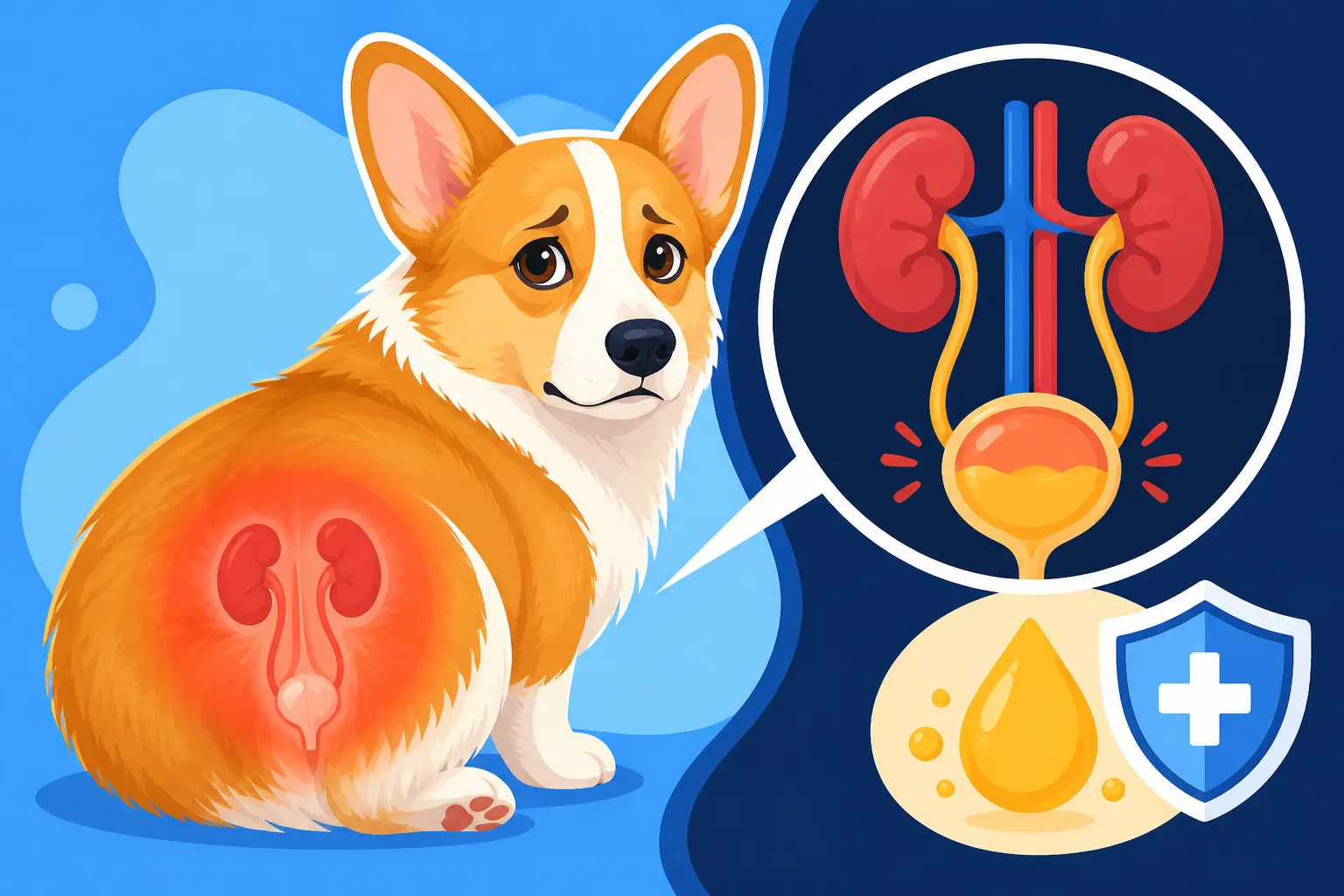
Imagine your Corgi's kidneys as tiny, tireless filtration plants working 24/7. Tucked away near the spine, these two bean-shaped organs are absolute marvels. Their primary job is to filter waste products, toxins, and excess water out of the blood, producing urine in the process. This isn't just about getting rid of "junk," though. Kidneys also play a crucial role in maintaining blood pressure, producing hormones that stimulate red blood cell production, and regulating essential minerals like calcium, phosphorus, and sodium. When kidneys aren't working right, these crucial balances go haywire, impacting almost every system in the body. It's easy to see why healthy kidneys are non-negotiable for a dog's overall vitality and comfort.
The filtered waste, now in the form of urine, travels from the kidneys down two small tubes called ureters into the bladder, a stretchy, muscular sac. The bladder stores urine until your Corgi is ready to relieve themselves, at which point the urine passes out of the body through the urethra. This whole process needs to be smooth and efficient. Any hiccup along this pathway – whether in the kidneys, ureters, bladder, or urethra – can cause significant problems for your Corgi.
Why Corgis Might Be Prone to Certain Issues
While all dogs can experience kidney and urinary problems, Corgis, like many purebreds, do have a few breed-specific predispositions that make them a little more vulnerable to certain conditions. It's not fair, but it's a reality we Corgi parents need to be aware of. One significant concern, particularly in Pembroke Welsh Corgis, is a condition called Renal Telangiectasia. This inherited disorder affects the kidney's blood vessels, leading to potential bleeding and dysfunction. Being aware of this genetic link is crucial when considering a Corgi puppy or dealing with kidney issues in an adult. Breeders should be actively screening for conditions like this, and understanding The DNA Tests a Corgi Breeder Should Run can give you peace of mind.
Beyond specific genetic predispositions, a Corgi's unique body shape can sometimes play a subtle role. Their long backs and compact bodies, while adorable, mean their internal organs are situated a bit differently than a lanky greyhound, for example. While not a direct cause of kidney failure, their overall structure and the potential for other breed-related issues like intervertebral disc disease (IVDD) can sometimes complicate diagnosis or management of urinary problems if nerve function is compromised. Their active, low-to-the-ground lifestyle also means they might be more exposed to environmental factors that could lead to infections or bladder irritations.
Common Kidney Problems in Corgis
Kidney issues in Corgis can be incredibly worrying because they often don't show obvious signs until the disease is quite advanced. This makes understanding them all the more important.
Renal Telangiectasia
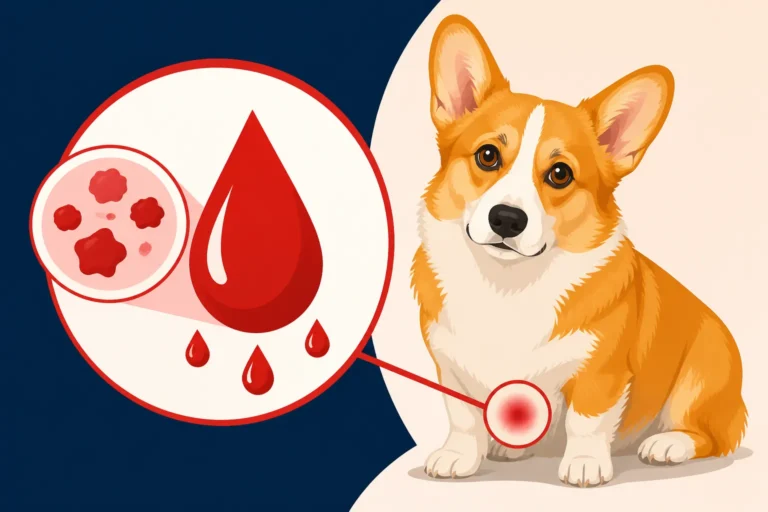
This is a condition that, heartbreakingly, is particularly associated with Pembroke Welsh Corgis. Renal Telangiectasia in a Pembroke is essentially a malformation of the tiny blood vessels (capillaries) within the kidneys. These vessels become dilated and fragile, making them prone to bleeding. Imagine a delicate network of pipes suddenly becoming weak and leaky; that's what's happening on a microscopic level. It's a genetic disorder, meaning it's passed down from parent to puppy, which underscores the importance of responsible breeding practices and genetic screening.
The symptoms of renal telangiectasia can be quite varied and sometimes subtle. You might notice your Corgi's urine looking darker or having a reddish tint due to blood. In more severe cases, chronic blood loss can lead to anemia, making your dog seem lethargic, weak, and less interested in their usual activities. Because the kidneys' ability to filter blood is compromised, you might also see signs typical of general kidney disease, such as increased thirst and urination, decreased appetite, vomiting, or weight loss. Diagnosis often involves a combination of urinalysis, blood tests, and sometimes imaging like an ultrasound to visualize the kidneys, although a definitive diagnosis often requires genetic testing. Management typically focuses on supportive care, addressing symptoms, and ensuring proper hydration and a kidney-friendly diet. Unfortunately, there's no cure, but careful management can help maintain quality of life.
Chronic Kidney Disease CKD
Chronic Kidney Disease (CKD) is a progressive and irreversible condition where the kidneys gradually lose their ability to function over months or years. It's a diagnosis that can hit hard, as it means your Corgi's kidneys are slowly failing. The causes can be numerous, including genetic predispositions like renal telangiectasia, infections, long-term exposure to certain toxins, or simply the wear and tear of aging. It's one of those silent diseases that often doesn't make itself known until a significant portion of kidney function (sometimes as much as 75%) has been lost, which is why regular veterinary check-ups are so vital, especially as your Corgi gets older. Catching it early can significantly impact the progression and management.
The signs of CKD are often vague in the early stages and mimic other conditions, which can be incredibly frustrating for devoted Corgi owners. You might notice your Corgi drinking and urinating more than usual—this is because the failing kidneys can't concentrate urine effectively, leading to more frequent trips outside and an attempt to compensate by drinking more. This can manifest as A Corgi Drinking and Urinating More With Age. Other symptoms include reduced appetite, weight loss, lethargy, bad breath (due to toxin buildup), and sometimes vomiting or diarrhea. Diagnosing CKD involves blood tests (looking at creatinine and blood urea nitrogen, BUN, levels) and urinalysis to assess kidney function. Treatment focuses on slowing progression and managing symptoms. This often includes a prescription kidney diet that is lower in protein, phosphorus, and sodium, medications to control phosphorus levels or nausea, and fluid therapy if dehydration is a concern. The goal is always to maximize comfort and prolong a good quality of life.
Acute Kidney Injury AKI
In stark contrast to CKD, Acute Kidney Injury (AKI), sometimes called Acute Renal Failure (ARF), is a sudden and severe decline in kidney function. This isn't a slow burn; it's an emergency situation that develops rapidly, often over just a few days. The causes of AKI are typically dramatic and identifiable, such as exposure to toxins (like antifreeze, certain human medications, or poisonous plants), severe infections, snake bites, or a sudden drop in blood pressure due to trauma or other underlying illnesses. It's a terrifying diagnosis because the onset is so quick and the damage can be extensive.
Recognizing the emergency signs of AKI is paramount for your Corgi's survival. You'll often see a rapid onset of severe lethargy, complete loss of appetite, repeated vomiting, diarrhea, and a noticeable decrease or complete absence of urination. Your Corgi might appear very weak, disoriented, and could even collapse. Their breath might have a chemical odor. If you suspect AKI, it's critical to get your Corgi to an emergency veterinary clinic immediately. There’s no waiting around with this one. Diagnosis is confirmed through urgent blood tests and urinalysis. Treatment is aggressive and focuses on intensive fluid therapy to flush the kidneys and maintain hydration, managing electrolyte imbalances, and treating the underlying cause if possible. While AKI is life-threatening, prompt and aggressive treatment can sometimes allow for recovery, though some dogs may develop chronic kidney issues afterward.
Common Urinary Tract Problems in Corgis
While kidney problems often deal with the internal filtration system, urinary tract problems usually involve the bladder and urethra – the storage and exit route for urine. These can be incredibly uncomfortable and, if left untreated, can lead to more serious complications.
Urinary Tract Infections UTIs
Urinary Tract Infections (UTIs) are incredibly common in dogs, and Corgis are certainly no exception. A UTI occurs when bacteria (most often from the dog's own intestinal tract) travel up the urethra and into the bladder, where they multiply and cause inflammation. These infections can be quite painful and create a lot of discomfort for your Corgi. Sometimes, underlying conditions like bladder stones or anatomical abnormalities can make a Corgi more prone to recurrent UTIs, making it a frustrating cycle for both dog and owner.
The symptoms of a UTI are often quite clear, and once you've seen them, you won't forget them. You'll likely notice your Corgi needing to urinate much more frequently than usual, straining or squatting for long periods with little to no urine coming out, or having accidents in the house, even if they are perfectly house-trained. You might also spot Blood in a Corgi's Urine or notice that their urine has a strong, unusual odor. Some Corgis might lick their genital area excessively due to irritation. Diagnosis is typically straightforward, involving a urinalysis to look for bacteria and inflammatory cells, often followed by a urine culture to identify the specific type of bacteria and determine which antibiotic will be most effective. Treatment usually involves a course of antibiotics, and it’s crucial to complete the entire course, even if your Corgi seems to feel better quickly, to prevent recurrence.
Bladder Stones Urolithiasis
Bladder stones, or uroliths, are solid mineral formations that develop in the bladder. They can range in size from tiny grains of sand to pebbles as large as golf balls. While any dog can develop bladder stones, certain breeds, including Corgis, can be more susceptible, and specific diets or genetic predispositions can increase the risk. For Corgis, understanding Why a Corgi Forms Bladder Stones is key to prevention and management. The two most common types seen are struvite stones and calcium oxalate stones, each forming under different urinary conditions. Struvite stones often form in alkaline urine and are frequently associated with UTIs, while calcium oxalate stones tend to form in acidic urine and can be genetically predisposed.
The symptoms of bladder stones mirror many of those seen with UTIs because they cause similar irritation and obstruction. Your Corgi might strain to urinate, pass small amounts frequently, have accidents, or show blood in their urine. Sometimes, a stone can even block the urethra, making urination impossible – this is an urgent emergency. The pain from stones can also cause your Corgi to seem lethargic or unwilling to play. Diagnosis often involves X-rays, as many stones are visible on radiographs, or an ultrasound for those that aren't. Urinalysis also provides clues. Treatment depends on the type of stone. Struvite stones can sometimes be dissolved with a special prescription diet and antibiotics, but calcium oxalate stones usually require surgical removal. Your vet might recommend brands like Hill's Prescription Diet or Royal Canin Veterinary Diet formulas to manage or prevent certain stone types.
Incontinence Issues
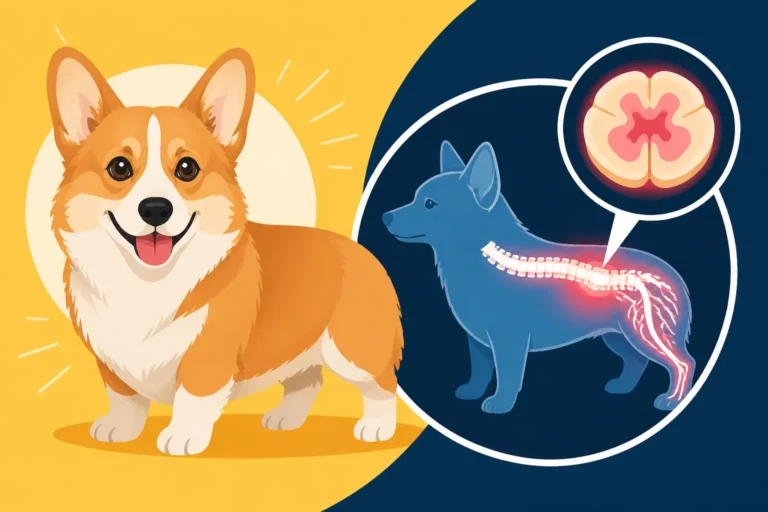
Urinary incontinence in Corgis, or the involuntary leakage of urine, can be a frustrating and distressing problem for both the dog and their owner. It's not a behavioral issue; it's a medical one. While it can occur at any age, it's often more common in older female Corgis, especially those who are spayed. Spay incontinence, or Estrogen-Responsive Urinary Incontinence, is a common cause where a lack of estrogen after spaying weakens the urethral sphincter. However, incontinence can also stem from a variety of other issues, including UTIs, bladder stones, neurological conditions, anatomical abnormalities, or even systemic diseases like diabetes that cause excessive thirst and urination. In Corgis specifically, neurological conditions like Degenerative Myelopathy (DM), which affects nerve function in the hind legs, can also lead to incontinence as the disease progresses, as discussed in Incontinence in a Corgi With DM.
The signs are usually pretty clear: you find wet spots where your Corgi has been sleeping, or they dribble urine as they walk or stand, without seemingly realizing it. Sometimes, it's just a few drops; other times, it's a larger puddle. Diagnosis requires a thorough veterinary work-up, starting with ruling out UTIs or bladder stones. Your vet will ask about symptoms, perform a physical exam, and likely run urinalysis and blood tests. If spay incontinence is suspected, a trial course of medication like PPA (phenylpropanolamine) or estrogen supplements is often prescribed and can be very effective. For other causes, treatment will target the underlying problem. In cases where the incontinence can't be fully resolved, management might involve using doggy diapers, providing easily cleanable bedding, or ensuring frequent potty breaks. It's a challenge, but with proper veterinary care and understanding, your Corgi can still lead a happy and comfortable life.
Recognizing the Warning Signs: What to Look For
As Corgi parents, we become incredibly attuned to our dogs' routines and behaviors. This sensitivity is your superpower when it comes to spotting early warning signs of kidney or urinary problems. Changes, even subtle ones, should always prompt a closer look and, if persistent, a call to your veterinarian. Early detection truly makes a difference in treatment outcomes.
Changes in Urination Habits
This is often the most noticeable red flag when something is amiss with your Corgi's urinary system. Keep an eye on how often they ask to go outside, the amount of urine they produce, and whether they seem to be in any discomfort during the act. Are they suddenly needing to go out every hour, or having accidents inside the house when they've been perfectly house-trained for years? This increased frequency, or polyuria, combined with increased thirst (polydipsia), is a classic sign and might indicate kidney disease or diabetes. Conversely, a noticeable decrease in urination, or even straining with no urine production at all (anuria or oliguria), is a medical emergency that could signal a blockage, especially if accompanied by signs of pain or distress.
Observe your Corgi while they're urinating. Are they hunching uncomfortably, crying out, or spending a long time squatting with little to show for it? This straining, known as dysuria, is a strong indicator of pain or difficulty, often associated with UTIs or bladder stones. You might also notice them licking their genital area excessively before or after urinating, which is another sign of discomfort or irritation. Any significant deviation from their normal potty routine – whether it's more frequent trips, less output, or overt signs of pain – warrants immediate attention.
General Health Indicators
Beyond specific urinary changes, problems with kidneys and the urinary tract can manifest as more general, systemic health issues that affect your Corgi's overall well-being. These can be trickier to pinpoint as "kidney" problems initially, but they are equally important to recognize. One of the most common is a change in thirst. If your Corgi is suddenly drinking buckets of water, much more than their usual amount, it's a significant indicator. As mentioned earlier, A Corgi Drinking and Urinating More With Age can be a sign of underlying kidney issues as their bodies try to compensate for the kidneys' inability to concentrate urine. This increased thirst often goes hand-in-hand with increased urination.
Other general signs include a noticeable decrease in appetite or a complete refusal to eat. Your normally food-motivated Corgi turning up their nose at dinner is a definite cause for concern. This can lead to weight loss, which might be subtle under their fluffy coat, but you might notice them feeling bonier or looking thinner from above. Lethargy and weakness are also common. Your usually energetic Corgi might be sleeping more, reluctant to play, or seem generally listless. Vomiting and nausea, sometimes accompanied by diarrhea, can occur as toxins build up in the bloodstream when kidneys aren't filtering properly. In advanced cases, you might even notice a peculiar chemical smell on your Corgi's breath. These generalized symptoms, especially when combined with any urinary changes, should prompt a prompt veterinary visit.
Specific Visual Cues
Sometimes, the signs are right there for you to see, if you know what to look for. Inspecting your Corgi's urine can provide crucial clues. The most alarming visual cue is the presence of blood. Seeing Blood in a Corgi's Urine can be a truly frightening experience, and it's always a sign that something is seriously wrong. It can indicate a UTI, bladder stones, kidney disease (like renal telangiectasia), or even a tumor. The color can range from a faint pinkish tint to bright red, or even dark brown/cola-colored if the blood has been in the urinary tract for a while.
Beyond blood, pay attention to the clarity and odor of the urine. Healthy urine is usually clear and has a mild, characteristic smell. If your Corgi's urine appears cloudy, hazy, or contains visible sediment, it could point to an infection, inflammation, or the presence of crystals that could develop into stones. A strong, pungent, or unusually foul odor in the urine is another red flag for a UTI. While not a visual cue, observing your Corgi licking their genital area more frequently or intensely than usual can also be a tell-tale sign of discomfort or irritation in the urinary tract. Any of these specific visual or olfactory changes warrant immediate veterinary attention.
Diagnosis and Treatment Approaches
Once you've noticed something is off with your Corgi's urinary habits or general health, the next crucial step is getting an accurate diagnosis from your veterinarian. The diagnostic process is essential for tailoring the most effective treatment plan and giving your Corgi the best chance at recovery and continued well-being.
The Vet's Diagnostic Toolkit
When you bring your Corgi in with suspected kidney or urinary issues, your veterinarian will start with a thorough physical examination, feeling their abdomen, checking for signs of pain, and assessing their overall body condition. This initial exam is critical to gather baseline information. Following this, a series of diagnostic tests are typically recommended.
First on the list is a urinalysis. This involves examining a urine sample under a microscope and using special test strips. A urinalysis can reveal a wealth of information: the urine's concentration (how well the kidneys are concentrating it), the presence of blood, protein, glucose, crystals, bacteria, or inflammatory cells. If bacteria are found, a urine culture may be performed to identify the specific type of bacteria and determine which antibiotics will be most effective. This prevents using an antibiotic that might not work, saving time and discomfort for your Corgi. Alongside urine tests, blood tests are essential. A "kidney panel" typically measures blood urea nitrogen (BUN) and creatinine, which are waste products that build up in the blood when kidneys aren't filtering efficiently. Other values, like phosphorus and calcium, are also important indicators of kidney function. For older Corgis, a routine Blood Panels for a Corgi Over Ten can catch issues before symptoms even appear.
Finally, imaging techniques play a crucial role. X-rays can reveal the presence of certain types of bladder stones or kidney stones, while an abdominal ultrasound provides a detailed view of the kidneys, bladder, ureters, and prostate (in males). This allows the vet to assess organ size, identify masses, evaluate blood flow, and detect subtle changes that might not be visible on X-rays. In some complex cases, a specialist like a veterinary internal medicine specialist or neurologist might be consulted, or more advanced diagnostics like a kidney biopsy may be recommended. The combination of these tests helps paint a complete picture of your Corgi's urinary health.
Managing Kidney and Urinary Conditions
Once a diagnosis is made, the focus shifts to treatment and ongoing management, which can vary greatly depending on the specific condition. For acute issues like UTIs, a course of antibiotics is typically prescribed. It's vital to administer the medication exactly as directed and complete the entire course, even if your Corgi seems to improve quickly, to ensure the infection is fully eradicated and prevent recurrence. For bladder stones, treatment depends on the stone type. Struvite stones might be dissolved using a prescription diet specially formulated to alter urine pH, sometimes combined with antibiotics. However, calcium oxalate stones, and sometimes struvites that are too large or numerous for dietary dissolution, will require surgical removal.
For chronic conditions like CKD or renal telangiectasia, management is usually lifelong and focuses on slowing progression, minimizing symptoms, and maintaining your Corgi's quality of life. Dietary changes are a cornerstone of CKD management; a prescription kidney diet, lower in protein, phosphorus, and sodium, is often recommended to reduce the workload on the kidneys and prevent toxin buildup. Your vet might also prescribe medications to control phosphorus levels, manage nausea, or stimulate appetite. For Corgis with significant dehydration or electrolyte imbalances, fluid therapy (either intravenously in the clinic or subcutaneously at home) can be crucial. In cases of incontinence, specific medications can help tighten the urethral sphincter. Throughout this process, regular monitoring through follow-up blood and urine tests is essential to track your Corgi's progress and adjust the treatment plan as needed. While dealing with chronic conditions can be emotionally and financially taxing, having a good pet insurance plan, like those offered by Healthy Paws, can significantly ease the burden of diagnostic tests, prescription diets, and ongoing medications. It's a lifesaver for many families navigating these long-term health challenges.
Prevention and Proactive Care for Corgi Kidneys and Bladders
While we can't completely eliminate the risk of all kidney and urinary problems, especially those with a genetic component, there's a lot we can do as Corgi parents to be proactive. Good care can reduce risks, catch issues early, and give our beloved dogs the best possible chance at a long, healthy life.
Hydration and Diet Strategies
Proper hydration is foundational for a healthy urinary system. Ensuring your Corgi always has access to fresh, clean water is paramount. Dehydration can stress the kidneys, making them work harder and potentially contributing to stone formation. If your Corgi isn't a big drinker, consider adding a little water to their kibble or incorporating wet food into their diet, which has a higher moisture content. Some Corgis also enjoy drinking from a pet fountain, as the moving water can be more appealing than a still bowl.
Diet also plays a crucial role. Feeding a high-quality, balanced diet appropriate for your Corgi's age and activity level is vital. Overweight Corgis put extra strain on all their organs, including their kidneys, and are more prone to various health issues. Paying attention to Feeding a Corgi So Its Spine Carries Less isn't just about their back; it's about their entire internal system. Obesity can lead to metabolic changes that predispose dogs to urinary issues like bladder stones. Discussing specific dietary needs with your vet can help you choose the best food for prevention or management, particularly if your Corgi has known susceptibilities or has started developing issues. Some foods are designed to maintain optimal urinary pH, which can help prevent certain types of bladder stones.
Regular Vet Check-ups and Screening
Regular veterinary check-ups are not just for puppies! They are your best defense against insidious diseases like kidney failure. For Corgi puppies, initial The Vet Visits a Corgi Puppy Needs First are crucial for overall health and establishing baselines. As your Corgi matures, annual wellness exams, including a thorough physical, are essential. During these visits, your vet can catch subtle changes in weight, hydration, or behavior that you might miss. Most importantly, regular blood work and urinalysis, especially for older Corgis, can detect problems long before clinical signs appear. A routine urinalysis can identify early signs of protein in the urine or subtle changes in urine concentration that indicate kidneys are starting to struggle.
For older Corgis, typically starting around age 7 or 8, annual blood panels become even more critical. Blood Panels for a Corgi Over Ten are a non-negotiable part of senior care, as they can monitor kidney values, liver function, and other vital organ systems, allowing for early intervention if any values are outside the normal range. For Pembroke Welsh Corgis, discussing genetic screening for conditions like Renal Telangiectasia with your breeder (if you're acquiring a puppy) or your vet (if you have an adult Corgi) is a proactive step that can save a lot of heartache. Catching these predispositions early can guide preventive care and monitoring strategies. Investing in these routine checks is much less stressful, and often less costly, than waiting for an emergency. This is where pet insurance, like a plan from Healthy Paws, proves its value again, covering a significant portion of diagnostic tests and treatments when problems do arise.
Environmental Management
Creating a kidney and bladder-friendly environment for your Corgi involves a few practical considerations. Firstly, ensure they have easy and frequent access to appropriate potty areas. Holding urine for too long can increase the risk of UTIs and potentially contribute to stone formation. For indoor Corgis, this might mean more frequent trips outside or even considering doggy pee pads during extended absences, especially for older dogs.
Secondly, maintain a clean living environment. Regularly cleaning your Corgi's bedding and living spaces can reduce their exposure to bacteria that could potentially lead to UTIs. If your Corgi is prone to getting dirty, especially on their low-slung belly and rear, regular gentle cleaning can help prevent bacterial migration to the urinary tract. Finally, if your Corgi is recovering from a urinary issue or has ongoing incontinence, using absorbent bedding or doggy diapers can help keep them clean and comfortable, preventing skin irritation and further complications. These small adjustments can make a big difference in maintaining your Corgi's urinary health and overall happiness.
Common Corgi Urinary and Kidney Symptoms at a Glance
Navigating the subtle signs of health issues can be tough, but this table summarizes some key symptoms to watch for, along with potential causes, to help you communicate effectively with your vet.
| Symptom Category | Specific Symptom | Potential Kidney Problem Causes | Potential Urinary Tract Problem Causes | Urgency Level |
|---|---|---|---|---|
| Urination Habits | Increased frequency (polyuria) | Chronic Kidney Disease (CKD), Acute Kidney Injury (AKI) | Urinary Tract Infection (UTI), Bladder Stones, Incontinence | Moderate to High |
| Decreased or no urination (oliguria/anuria) | Acute Kidney Injury (AKI), severe CKD | Urethral obstruction (stones), severe UTI, bladder rupture | Emergency | |
| Straining to urinate (dysuria) | (Less common directly from kidney) | UTI, Bladder Stones, Inflammation | High | |
| Accidents in the house | CKD (due to polyuria), Incontinence | UTI, Bladder Stones, Incontinence, Neurological issues (e.g., DM) | Moderate | |
| Urine Appearance | Blood in urine (hematuria) | Renal Telangiectasia, AKI, severe CKD, kidney stones | UTI, Bladder Stones, Bladder Trauma, Tumors | High |
| Cloudy or strong-smelling urine | (Less common directly from kidney) | UTI, Crystals in urine | Moderate | |
| General Health | Increased thirst (polydipsia) | CKD, AKI | (Less common directly from urinary tract) | Moderate |
| Lethargy, weakness, decreased activity | CKD, AKI, Anemia (from chronic blood loss) | Severe UTI, significant pain from stones | Moderate to High | |
| Decreased appetite, weight loss | CKD, AKI | Severe UTI, significant pain from stones | Moderate to High | |
| Vomiting, nausea | CKD (toxin buildup), AKI | Severe pain from stones/UTI | High | |
| Licking genital area excessively | (Less common directly from kidney) | UTI, Bladder Stones, Vaginitis (females) | Moderate |
This table is a general guide, and it's always best to consult with your veterinarian for a precise diagnosis and treatment plan.
Disclaimer
The information provided in this article is for general informational purposes only and is not a substitute for professional veterinary advice, diagnosis, or treatment. Always seek the advice of your veterinarian or other qualified animal health provider with any questions you may have regarding a medical condition or the health and welfare of your Corgi. Never disregard professional veterinary advice or delay in seeking it because of something you have read here.